
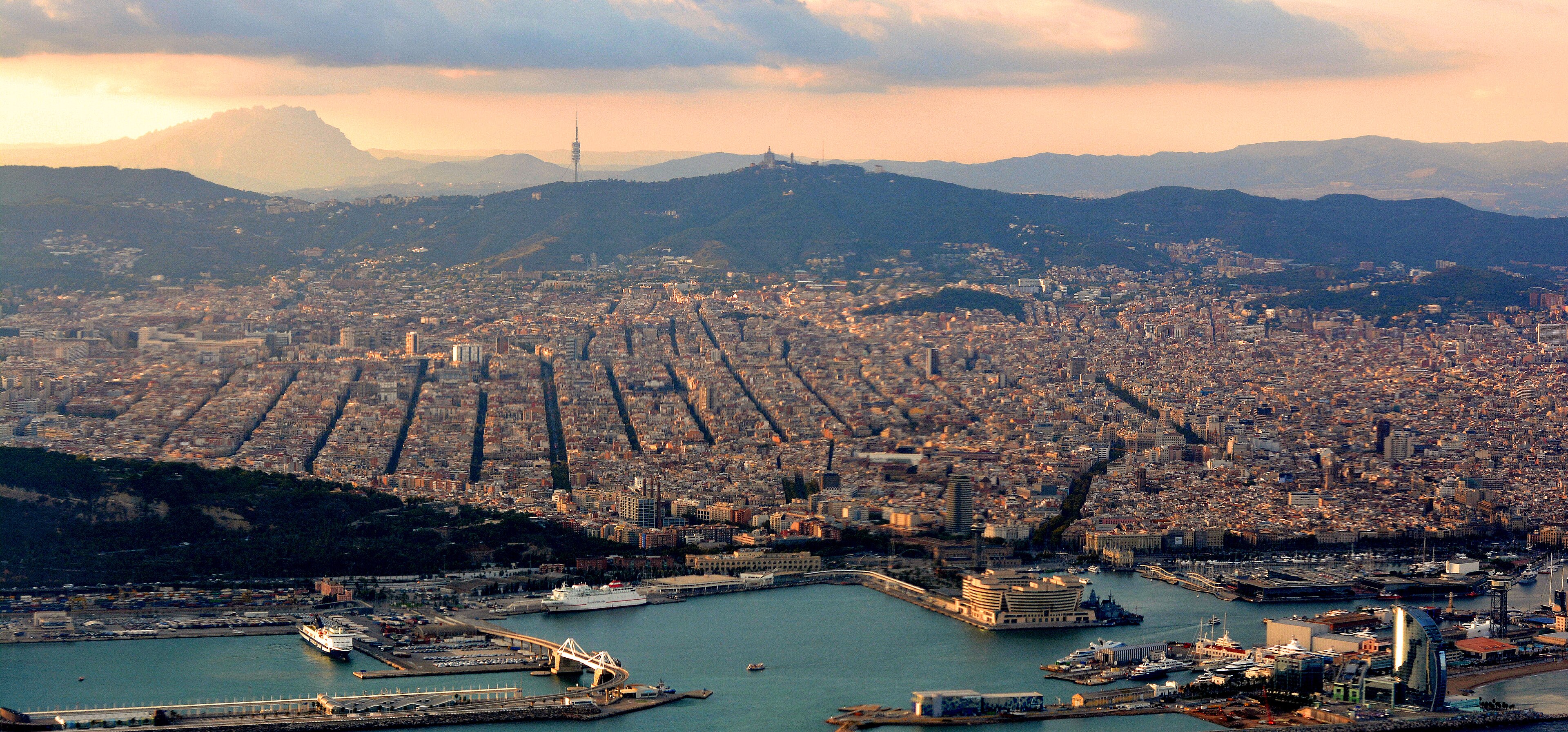
Why Barcelona is Perfect for Your Celebration
- Iconic Gaudí architecture and Gothic Quarter provide unmatched photographic backdrops
- Beachfront venues along Barceloneta and the Port Olímpic area for open-air celebrations
- World-class international airport with direct connections from across Europe, the Americas, and the Middle East
- Mature, sophisticated vendor ecosystem — top-tier caterers, florists, AV specialists, and event planners
- Warm, long summer days (May–September) perfectly suited to outdoor ceremonies and evening receptions
- Diverse venue portfolio spanning modernist mansions, rooftop terraces, historic palaces, and luxury hotel ballrooms
Compare Barcelona with Other Top Destinations
Frequently Asked Questions
Is Barcelona a good destination for an international wedding?
Yes. Barcelona is one of Europe's strongest choices for an international destination wedding. Its combination of iconic architectural settings, beachfront venues, a mature wedding vendor ecosystem, and excellent connectivity via Barcelona–El Prat Airport makes it genuinely practical for guests travelling from multiple countries. The city is particularly well-suited to couples seeking a cosmopolitan, visually dramatic European backdrop.
What is the best time of year to hold a wedding or event in Barcelona?
May through September is the curated best season. These months offer warm temperatures, long daylight hours, and low rainfall — ideal for outdoor ceremonies and evening receptions. May and September are often the most comfortable, avoiding the peak heat of July and August. Winter months (November–February) are cooler and wetter, making outdoor events unreliable.
How easy is it for international guests to reach Barcelona?
Very easy. Barcelona–El Prat Airport (BCN) operates direct flights to most major European cities, as well as long-haul routes to North America, Latin America, and the Middle East. Within Spain, Barcelona Sants station connects the city to Madrid and other major cities via high-speed rail in around 2.5 hours. Overall guest travel ease is rated high.
What kinds of venues are available for events in Barcelona?
Barcelona offers a wide range of venue types: luxury hotel ballrooms and rooftop terraces, historic modernist mansions, Gothic palaces, beachfront and waterfront spaces, and converted industrial venues in districts like Poblenou. Outdoor garden and terrace venues are popular during the summer season. The city's venue portfolio suits both intimate gatherings and large-scale celebrations.
How large a guest group can Barcelona comfortably accommodate for a destination event?
Barcelona handles mid-to-large guest groups well. The city has a high density of internationally branded hotels within the centre, meaning groups of 200–600 guests can typically be accommodated across a small cluster of properties without dispersing guests across distant areas. For very large groups exceeding 800–1,000, coordinating accommodation across multiple hotels is standard practice.
Is Barcelona suitable for corporate events and incentive trips?
Yes, strongly so. Barcelona is one of Europe's leading MICE destinations, regularly hosting major international congresses and corporate summits. Its combination of luxury hotel conference facilities, unique off-site venues (modernist buildings, historic palaces), and a rich surrounding cultural programme makes it a compelling choice for incentive trips, product launches, and executive retreats.
What is the local event vendor ecosystem like in Barcelona?
Mature and internationally experienced. The city's role as a host for large-scale global events has produced a deep supply of wedding planners, caterers, AV specialists, florists, and photographers accustomed to multilingual, high-expectation briefs. English proficiency among hospitality professionals is generally high. Catalan cuisine and regional wines are a particular catering strength.
Are there any practical challenges to be aware of when planning an outdoor event in Barcelona?
Yes. Barcelona has progressively tightened noise ordinances, and outdoor events with amplified music face stricter curfews than in many comparable destinations. Venue licensing requirements can add planning complexity. Midday heat in July and August also means outdoor ceremonies are best scheduled for late afternoon or evening. These are manageable with experienced local planners but worth factoring in early.
What is the process for holding a legal wedding ceremony in Barcelona?
Spain has specific civil registration requirements for non-resident couples that can be time-consuming to navigate. Many international couples choose to hold a symbolic ceremony in Barcelona — which carries no legal restrictions — and complete the legal registration separately in their home country. A local destination wedding planner familiar with Spanish administrative requirements is strongly advisable.
How do guests get around Barcelona once they arrive?
Easily. Barcelona's metro, bus, and tram network is extensive and reliable, and the city's compact geography means most hotel clusters are within 20–30 minutes of each other. For event groups requiring coordinated transfers between venues, the city has a well-developed private coach and minibus sector. Central parking is limited, so private car use is generally less practical than organised group transport.
Is Barcelona safe for international guests attending a destination event?
Generally safe. Barcelona is a well-policed major European city with a strong tourism infrastructure. The main concern is petty theft and pickpocketing in tourist-heavy areas such as Las Ramblas and the Gothic Quarter — a well-documented issue. Briefing guests on basic precautions (secure bags, awareness in crowded areas) is advisable, particularly for those unfamiliar with the city.
What makes Barcelona distinctive compared to other European event destinations?
Barcelona's combination of Gaudí's modernist architecture, a Mediterranean beachfront, a world-class dining culture, and one of Europe's best-connected international airports is genuinely distinctive. Few major European cities offer the same density of visually dramatic, globally recognisable settings within a compact, walkable geography — making the destination itself a significant part of the guest experience.

Ready to explore venues in Barcelona?
Barcelona: Destination Wedding & Event Venues in Catalonia, Spain
◆Barcelona is a premier European destination for weddings, corporate events, and large-scale celebrations, combining a chic, cosmopolitan energy with genuine Mediterranean warmth. Its primary strengths are architectural drama — from Gaudí's modernist landmarks to Gothic palaces — a mature luxury hospitality sector, and outstanding international connectivity via Barcelona–El Prat Airport. The best season runs from May through September, when long sunny days and warm evenings make outdoor ceremonies and rooftop receptions genuinely viable. The city suits mid-to-large guest groups well, with a broad range of luxury and upper-midscale hotels concentrated in the city centre, and a vendor ecosystem experienced in handling international, multilingual events.
Barcelona at a Glance
| Category | Detail |
|---|---|
| Best For | Destination Weddings, Corporate Events, Festivals & Celebrations, Social Gatherings |
| Primary Vibe | Chic & Cosmopolitan |
| Other Vibes | Mediterranean, Architectural, Vibrant, Beachfront |
| Best Season | Summer (May, Jun, Jul, Aug, Sep) |
Why Choose Barcelona?
- Unrivalled architectural backdrops: Gaudí's Sagrada Família, Casa Batlló, and Park Güell, alongside the medieval Gothic Quarter, provide photographic settings that are genuinely unique to this city and impossible to replicate elsewhere.
- Beachfront and waterfront venue options: The Port Olímpic area and Barceloneta beachfront offer open-air terraces and hotel event spaces with direct sea views — a rare combination in a major European city.
- Exceptional international connectivity: Barcelona–El Prat Airport (BCN) operates direct routes to most major cities across Europe, North America, Latin America, and the Middle East, making it straightforward for international guests to arrive without complex connections.
- Mature, internationally experienced event vendor ecosystem: The city hosts major international congresses, fashion weeks, and large-scale corporate summits year-round, meaning caterers, AV specialists, florists, and event planners are accustomed to multilingual, high-expectation briefs.
- Diverse neighbourhood character: From the elegant boulevards of Passeig de Gràcia and Eixample to the bohemian energy of El Born and the maritime atmosphere of Barceloneta, different areas of the city offer genuinely distinct event atmospheres within a compact, walkable geography.
- Strong accommodation density: A high concentration of internationally branded luxury and upper-midscale hotels within the city centre means large guest groups can be accommodated without dispersing guests across distant suburbs.
Which Celebrations Work Best in Barcelona?
Destination Weddings: Barcelona is particularly well-suited to couples seeking a European destination wedding with genuine visual drama. The combination of historic architecture, Mediterranean light, beachfront settings, and a sophisticated dining culture creates a multi-day celebration experience that extends naturally beyond the ceremony itself — guests can explore the city, enjoy pre-wedding dinners in the Gothic Quarter, and attend post-wedding brunches on hotel terraces.
Corporate Events & Conferences: The city is one of Europe's leading MICE (Meetings, Incentives, Conferences, Exhibitions) destinations. Its large convention infrastructure, combined with luxury hotel ballrooms and unique off-site venues such as modernist buildings and historic palaces, makes it a strong choice for incentive trips, product launches, and executive retreats where the destination itself is part of the experience.
Festivals & Large-Scale Celebrations: Barcelona's existing culture of large public celebrations — from its own Festa Major de Gràcia to international music festivals — means the city's logistics, security, and hospitality infrastructure are well-practised at handling large, festive gatherings. Private festival-style events in outdoor venues or converted industrial spaces are a natural fit.
Social Gatherings & Milestone Celebrations: Significant birthdays, anniversaries, and family reunions benefit from Barcelona's combination of excellent restaurants, cultural experiences, and a compact city layout that keeps a group together without requiring extensive private transport for every movement.
Venues & Event Spaces
Barcelona's venue landscape is genuinely diverse across typology and atmosphere. At the luxury end, internationally branded five-star hotels along the waterfront and on Passeig de Gràcia offer dedicated ballrooms, rooftop terraces with panoramic city views, and full in-house catering and event management teams. Several of these properties have direct sea views or are positioned within walking distance of iconic landmarks, which adds to the visual experience for guests.
Beyond hotels, the city has a strong supply of fincas (private estate-style properties) in the surrounding Maresme and Penedès regions — within roughly 30–50 km of the city — that are commonly used for outdoor wedding ceremonies and receptions, particularly where couples want a more rural or vineyard setting while still benefiting from Barcelona's connectivity for guest arrivals.
Within the city itself, historic modernist buildings, Gothic palaces, and converted industrial warehouses in districts such as Poblenou and Sant Martí are frequently licensed for private events, offering a distinctly urban, architectural atmosphere that differs from a conventional hotel ballroom. Rooftop terraces — particularly those with views of the Sagrada Família or the Mediterranean — are among the most sought-after spaces for cocktail receptions and evening celebrations during the summer season.
Outdoor garden venues and beachfront terraces are viable and popular from May through September, though they typically require careful planning around the city's noise ordinances and licensing requirements, which are more strictly enforced here than in some other European destinations.
Best Time to Celebrate
The curated best season for Barcelona events is May through September, and this reflects the city's genuine climatic strengths for outdoor and semi-outdoor celebrations. During these months, daytime temperatures typically range from the mid-20s to the low 30s Celsius, evenings remain warm enough for outdoor receptions without heating requirements, and rainfall is relatively low. Daylight hours are long — particularly in June and July — which means outdoor ceremonies can take place in natural light well into the early evening.
May and September are often considered the most comfortable months within this window: temperatures are warm but not oppressive, the city is busy but not at its absolute peak tourist density, and the quality of light for photography is particularly good. July and August are the hottest months, with temperatures occasionally exceeding 32–34°C during the day; outdoor midday ceremonies are generally inadvisable, and events are typically scheduled for late afternoon or evening. August in particular sees a significant portion of local residents leave the city, which can affect the availability of some local vendors and support staff.
October sits just outside the curated best season and can be a reasonable shoulder option — temperatures are still mild (typically 18–24°C), though the risk of autumn rainfall increases noticeably from mid-October onward, making fully outdoor events a higher-risk proposition.
November through February brings cooler, wetter conditions. Average temperatures drop to 8–15°C, and while the city remains fully operational and hotel rates are generally lower, outdoor ceremonies and open-air receptions are not reliably viable. Events during this period are better suited to fully indoor venues with strong heating. March and April are transitional months — temperatures begin to recover, but spring rainfall and unpredictable evening temperatures make outdoor planning uncertain, and these months are generally considered less reliable than the core summer season for events with significant outdoor components.
Getting There & Local Connectivity
Barcelona–El Prat Airport (BCN) is one of Europe's busiest international airports, positioned approximately 14 km southwest of the city centre. It operates direct services to most major European capitals, as well as long-haul routes to North America, Latin America, the Middle East, and select Asian hubs. For guests arriving from within Europe, the journey from airport to city centre is straightforward — a dedicated Aerobus express coach service and the L9 Sud metro line both connect the airport to central Barcelona, and taxi and private transfer services are widely available and well-organised.
For guests travelling within Spain, Barcelona Sants is the city's principal railway station and a major hub on the Spanish high-speed AVE network, with frequent services to Madrid (approximately 2.5 hours), Valencia, Zaragoza, and other major cities. This makes Barcelona genuinely accessible for domestic guests who prefer rail travel.
Within the city, Barcelona's public transport network — metro, bus, and tram — is extensive and reliable, and the city's compact geography means that most major hotel clusters (Eixample, Passeig de Gràcia, Barceloneta) are within 20–30 minutes of each other by metro. For event groups requiring coordinated movement — transfers between ceremony and reception venues, or airport pickups for large guest lists — the city has a well-developed private coach and minibus transfer sector accustomed to handling event logistics.
Parking in central Barcelona is limited and expensive, and the city has progressively restricted private vehicle access in certain central zones. For events where guests are arriving from multiple hotels, coordinated shuttle arrangements are generally more practical than expecting guests to navigate independently by car.
Local Vendor & Hospitality Ecosystem
Barcelona's event vendor ecosystem is among the most developed in Southern Europe, shaped by the city's long-standing role as a host for major international congresses, trade fairs (including the Mobile World Congress, one of the world's largest), and high-profile private events. This means the supply of experienced, internationally oriented vendors — wedding planners, event designers, catering companies, AV and production specialists, florists, and photographers — is genuinely deep, and competition within the sector keeps quality standards high.
Catalan cuisine is a particular strength: the region has a strong fine-dining culture, and catering companies in Barcelona are generally well-equipped to deliver high-quality multi-course menus for large groups, including options that reflect local culinary identity (seafood, Catalan charcuterie, regional wines from Penedès and Priorat) as well as internationally familiar formats. Many luxury hotels operate their own in-house catering teams with significant event experience.
English proficiency among hospitality and vendor professionals in Barcelona is generally high by European standards, which reduces friction for international couples and event planners coordinating remotely. That said, for very specific or culturally nuanced requirements — particular religious ceremony formats, specific dietary traditions, or non-Western celebration customs — it is worth confirming vendor familiarity in advance, as the ecosystem is primarily oriented toward Western European and North American event formats.
The city also has a well-established network of destination wedding planners who specialise in coordinating international couples, managing the administrative requirements of holding a legal ceremony in Spain, and liaising with local authorities on venue licensing and noise permits.
Pros & Things to Consider
Why Barcelona Works Well
- Genuinely iconic, globally recognisable architectural and coastal settings that elevate event photography and guest experience
- Outstanding international airport connectivity, reducing travel friction for guests arriving from multiple countries
- A deep, experienced event vendor ecosystem capable of handling large, complex, multilingual briefs
- High concentration of internationally branded luxury hotels within the city centre, supporting large guest accommodation blocks
- Long, warm summer season (May–September) with reliable outdoor event viability, particularly in the evenings
- Rich surrounding cultural and gastronomic programme that makes a multi-day destination event genuinely engaging for guests beyond the event itself
Things to Consider
- Noise and licensing regulations: Barcelona has progressively tightened its noise ordinances, particularly in residential neighbourhoods. Outdoor events with amplified music face stricter curfews than in many comparable destinations, and venue licensing requirements can add complexity to planning.
- Peak-season tourist density: July and August bring very high tourist volumes to the city, which can affect the atmosphere around popular landmarks, increase hotel rates, and reduce the sense of exclusivity at some venues.
- Pickpocketing and petty theft: Barcelona has a well-documented issue with pickpocketing in tourist-heavy areas (Las Ramblas, the Gothic Quarter, public transport). While the city is generally safe, event planners should brief guests — particularly those unfamiliar with the city — on basic precautions.
- Administrative complexity for legal ceremonies: Holding a legally recognised wedding ceremony in Spain involves specific civil registration requirements that can be time-consuming for non-resident couples. Many couples opt for a symbolic ceremony in Barcelona and handle the legal registration separately in their home country.
- Daytime heat in July–August: Midday temperatures can be uncomfortable for outdoor ceremonies during peak summer; events need to be scheduled carefully around the heat, typically in late afternoon or evening.
When Barcelona May Not Be the Right Fit
- Guests with very limited European connectivity: While BCN is an excellent hub for European and transatlantic guests, guests travelling from certain parts of South Asia, Southeast Asia, or sub-Saharan Africa may face long journeys with one or more connections. If the majority of a guest list is concentrated in a region with limited direct access to Barcelona, a destination closer to that guest base may reduce travel burden significantly.
- Events requiring very large, single-venue capacities: While Barcelona has strong hotel ballroom and convention infrastructure, couples or planners seeking a single outdoor venue capable of hosting 1,000+ guests in a self-contained estate setting may find the city's urban venue stock less suited than purpose-built rural event estates in other regions of Spain or Europe.
- Fully outdoor events planned for November through March: The cooler, wetter winter months make open-air ceremonies and receptions genuinely unreliable. If an outdoor celebration is non-negotiable and dates are fixed in this window, a warmer Mediterranean destination would be a more dependable choice.
- Those seeking a remote, private, or secluded atmosphere: Barcelona is a major, busy international city. Couples or clients seeking genuine seclusion, privacy from the public, or a quiet rural atmosphere will find the city's urban energy works against that goal; a countryside estate or island destination would better serve that brief.