
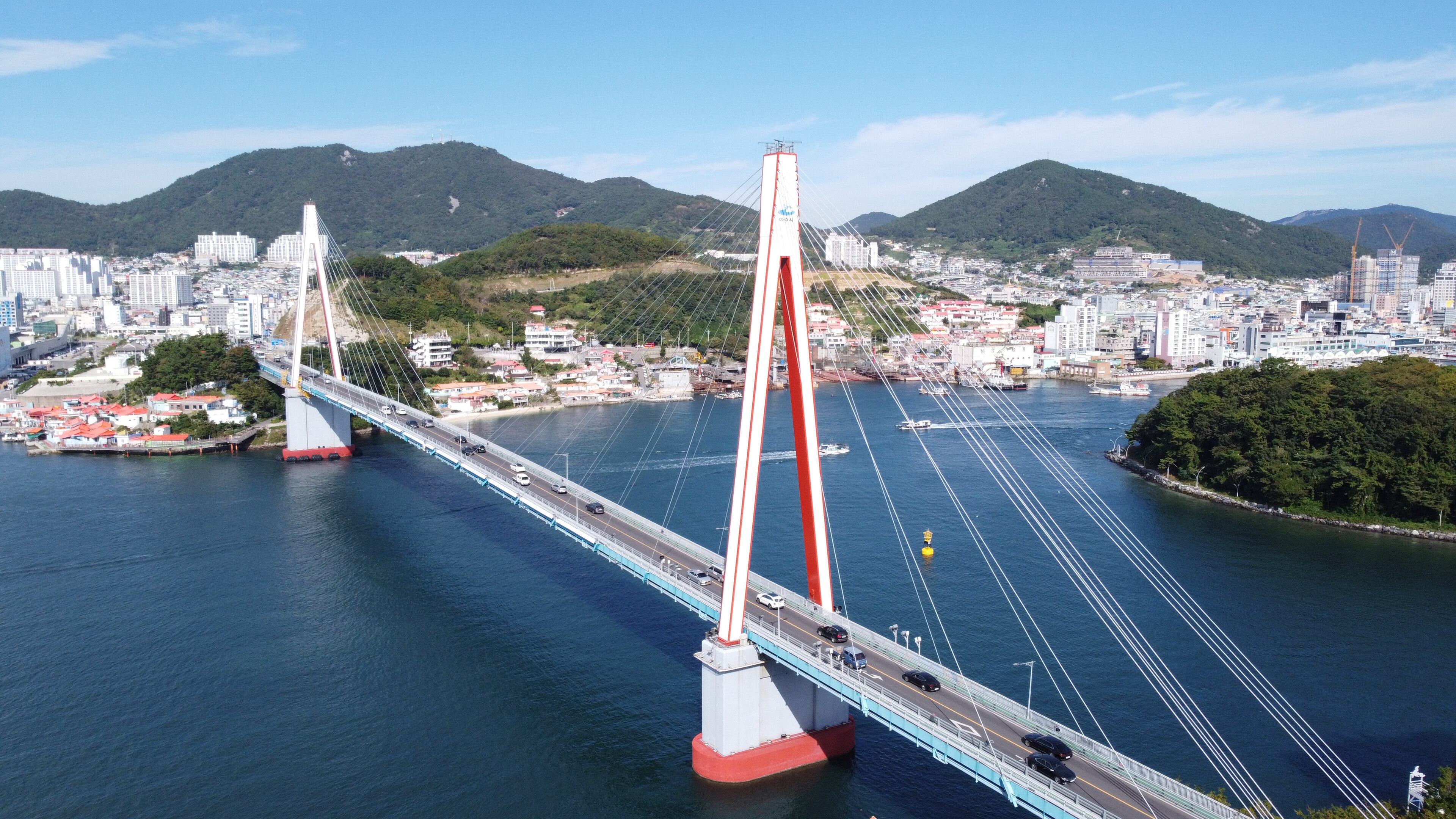
Why Yeosu is Perfect for Your Celebration
- Stunning South Sea harbor and island backdrop for ceremony and photography
- Yeosu EXPO waterfront district offers modern event-ready resort infrastructure
- KTX high-speed rail connects Yeosu to Seoul in under 3 hours for domestic guests
- Mild spring and autumn seasons (Apr, May, Sep, Oct) provide ideal outdoor event conditions
- Intimate city scale means less crowding and more exclusive venue access than major metros
- Fresh local seafood and regional South Jeolla cuisine elevate banquet and catering experiences

Compare Yeosu with Other Top Destinations
Frequently Asked Questions
Is Yeosu a good destination for a wedding?
Yes. Yeosu is particularly well-suited to intimate and medium-scale weddings where scenic setting is a priority. Its South Sea harbor, island views, and waterfront venues create a genuinely romantic backdrop. It works best for guest lists in the range of roughly 50 to 300 guests, where the local venue inventory is most comfortable. Couples who want a distinctive coastal atmosphere rather than a grand metropolitan ballroom will find Yeosu a strong fit.
What is the best time of year to hold a celebration in Yeosu?
April, May, September, and October are the recommended months. Spring (April–May) brings mild temperatures, clear skies, and cherry blossoms, while early autumn (September–October) offers warm but comfortable conditions with lower humidity. Both windows are well-suited to outdoor ceremonies and receptions. June through August carries monsoon and typhoon risk, and November through March brings cold coastal conditions that limit outdoor event options.
How do guests travel to Yeosu from Seoul?
The most practical option is KTX high-speed rail from Seoul Station or Yongsan Station to Yeosu EXPO Station, taking approximately 2 hours 40 minutes to 3 hours. Domestic flights from Seoul Gimpo Airport to Yeosu Airport are also available, though flight frequency is limited. For most domestic guests, KTX is the preferred and more reliable choice.
How do international guests reach Yeosu?
International guests typically fly into Incheon International Airport (Seoul) and then connect to Yeosu either by KTX rail (changing at a major hub station) or by domestic flight to Yeosu Airport. The total journey from Incheon to Yeosu is generally 3 to 4 hours depending on the connection. This two-leg journey is worth communicating clearly to overseas guests when planning travel logistics.
What kinds of event venues are available in Yeosu?
Yeosu offers waterfront resort properties with sea-facing event halls and outdoor terraces, marina-adjacent venues with harbor views, hotel banquet halls for indoor receptions, and open-air spaces in the EXPO waterfront district. The Dolsan area provides more secluded resort-style settings with panoramic South Sea views. Standalone Korean-style wedding halls are also available for couples who prefer that format.
What guest group sizes can Yeosu venues realistically support?
Most Yeosu venues are well-suited to events in the 80 to 350 guest range. Some larger resort properties can accommodate up to around 400 guests in their main event spaces. For events significantly above 400–500 guests requiring a single large venue, the local inventory becomes more limited and a larger Korean city may offer more flexibility.
Is Yeosu suitable for a corporate retreat or team event?
Yes, for small-to-medium groups. The EXPO waterfront district and resort properties can accommodate corporate retreats with a combination of meeting facilities and leisure activities — island cruises, the Yeosu cable car, and waterfront dining. It works best for groups seeking a distinctive off-site setting rather than a standard conference hotel environment. Very large corporate conferences may find the venue scale limiting.
What is the local food and catering like for events in Yeosu?
Yeosu's catering is a genuine strength. South Jeolla Province is widely regarded within Korea as one of the country's strongest culinary regions, and Yeosu's coastal location means fresh seafood is a particular highlight. Local catering vendors can deliver high-quality regional menus that give banquets a distinctive character. Resort and hotel catering teams are experienced in event-scale service.
Do I need to bring vendors from outside Yeosu for a destination wedding?
For core logistics — catering, accommodation coordination, and basic event management — local vendors are generally sufficient. For specialist creative services such as bespoke floral design, international-style officiants, or luxury styling teams, the local pool is thinner than in Seoul or Busan. Many planners bring key creative vendors from larger cities while relying on local suppliers for catering and on-the-ground logistics.
How safe is Yeosu for event guests?
Very safe. South Korea consistently ranks among the safest countries in the world for travelers, and Yeosu is a well-managed, low-crime city. Guests can move around the waterfront, EXPO district, and local neighborhoods comfortably at any hour. Digital connectivity is excellent throughout the city, which also makes navigation and communication straightforward for visiting guests.
Can guests easily get around Yeosu once they arrive?
Yes, reasonably easily. Yeosu is a compact city and taxis are widely available and affordable. For event groups, private coach or minibus hire is the most practical solution for coordinated transfers between accommodation, venues, and the waterfront. The EXPO district, Dolsan area, and city center are all within roughly 20–30 minutes of each other by road, making group logistics manageable.
What makes Yeosu distinctive compared to a typical urban event destination?
Yeosu's primary distinction is its coastal and island scenery — the South Sea harbor, Hallyeohaesang National Marine Park, and the EXPO waterfront create a visual setting that urban ballroom venues cannot replicate. The city's intimate scale also means event groups typically experience less crowding and more exclusive venue access. The combination of KTX rail convenience, strong regional cuisine, and a genuinely romantic atmosphere makes it stand out for couples prioritizing setting and experience.

Ready to explore venues in Yeosu?
Yeosu: Destination Wedding & Coastal Event Venues in South Korea
◆Yeosu is a mid-sized coastal city in South Korea's South Jeolla Province, best suited to romantic, intimate celebrations — particularly weddings, anniversaries, and milestone birthday events — where scenic natural beauty and a relaxed waterfront atmosphere matter more than large-scale convention infrastructure. Its primary strength is its dramatic South Sea harbor setting, dotted with islands and framed by a modern EXPO-era waterfront district. The best seasons are spring (April–May) and early autumn (September–October), when weather is mild and outdoor events are genuinely comfortable. Domestic guests reach Yeosu conveniently by KTX high-speed rail; international guests typically connect via Seoul or Busan. The city's hospitality ecosystem is well-developed for Korean standards at this scale, though the total inventory of large-capacity event venues is more limited than in major metropolitan areas.
Yeosu at a Glance
| Category | Detail |
|---|---|
| Best For | Weddings, Anniversaries, Milestone Birthdays, Romantic Getaway Celebrations |
| Primary Vibe | Romantic & Dreamy |
| Other Vibes | Coastal, Scenic, Relaxed, Contemporary |
| Best Season | Spring (Apr, May, Sep, Oct) |
Why Choose Yeosu?
- Exceptional natural scenery: Yeosu's harbor, the surrounding Hallyeohaesang National Marine Park, and the island-studded South Sea provide a genuinely distinctive visual backdrop that few Korean cities can match for outdoor ceremonies and photography.
- EXPO waterfront infrastructure: The legacy of the 2012 World Expo left Yeosu with a modern, well-maintained waterfront district featuring resort-grade facilities, open plazas, and event-ready spaces that are relatively uncrowded compared to major urban venues.
- Accessible by KTX high-speed rail: Yeosu EXPO Station connects the city to Seoul in under three hours and to Busan in roughly two, making domestic guest travel straightforward and comfortable without requiring air travel.
- Intimate city scale: Yeosu's manageable size means event groups typically have more exclusive access to venues and local hospitality than they would in a large metropolitan destination, contributing to a more personal celebration experience.
- South Jeolla culinary tradition: The region is widely regarded within Korea as one of the country's strongest for food culture — fresh seafood, regional banchan, and local specialties give banquets and catering a genuinely distinctive character.
- Relatively uncrowded shoulder seasons: During the curated best months (April, May, September, October), Yeosu sees pleasant visitor numbers without the peak-summer congestion, giving event groups more breathing room at venues and on the waterfront.
Which Celebrations Work Best in Yeosu?
Weddings: Yeosu is particularly well-suited to intimate-to-medium-scale weddings where the couple wants a scenic, memorable setting rather than a grand ballroom. The coastal backdrop, island views, and waterfront promenades create naturally photogenic ceremony and reception environments. Outdoor ceremonies during spring and early autumn are especially compelling here.
Anniversaries & Romantic Milestones: The city's romantic coastal character — harbor sunsets, island ferry excursions, and a relaxed pace — makes it a natural fit for anniversary celebrations, honeymoon extensions, and vow renewals where atmosphere is the primary draw.
Milestone Birthday Celebrations: For a significant birthday gathering (typically 30–100 guests), Yeosu's resort venues offer private dining rooms, outdoor terraces, and event spaces that can be configured for a celebratory dinner or weekend retreat without requiring the scale of a metropolitan convention hotel.
Small Corporate Retreats & Team Events: The EXPO waterfront district and resort properties can accommodate small-to-medium corporate groups seeking an off-site retreat with a distinctive setting. The combination of meeting facilities and leisure activities (island cruises, cable car, waterfront walks) makes it a practical choice for groups wanting more than a standard conference hotel.
Venues & Event Spaces
Yeosu's event venue landscape is anchored by waterfront resort properties, several of which were developed or upgraded in connection with the 2012 World Expo and offer sea-facing event halls, outdoor terraces, and garden spaces. The EXPO district itself contains open-air plazas and pavilion-style spaces that can be configured for larger outdoor gatherings. Marina-adjacent properties provide direct harbor views and, in some cases, access to private jetties or waterfront lawns suitable for ceremony setups.
Beyond the EXPO zone, the Dolsan area — connected to the main city by bridge — offers resort-style properties with more secluded settings and panoramic South Sea views, popular for couples seeking privacy. The city also has a range of hotel banquet halls suited to indoor receptions, typically accommodating groups from around 80 to 400 guests depending on the property. Outdoor lawn and rooftop terrace spaces are available at several properties and are particularly well-utilized during the spring and autumn seasons. Dedicated standalone wedding halls (a common format in Korean cities) also exist within the city, offering a more locally traditional ceremony format for couples who prefer that style.
Best Time to Celebrate
The curated best seasons for events in Yeosu are April, May, September, and October — broadly the spring and early-autumn windows. During these months, temperatures are typically mild (ranging roughly from the mid-teens to the mid-twenties Celsius), humidity is manageable, and the risk of typhoons or heavy monsoon rainfall is low. The sea is calm, island ferry excursions are comfortable, and outdoor ceremony setups are genuinely practical.
April and May bring cherry blossoms and fresh greenery to the coastal hillsides, making them particularly popular for photography-focused events. The light is clear and the harbor views are at their most vivid. September and October offer warm but not oppressive temperatures, lower humidity than summer, and the beginning of autumn foliage on the surrounding hills — a different but equally appealing visual character.
June through August is the period to approach with caution. Yeosu's summer is hot and humid, and the Korean monsoon season (jangma) typically brings sustained heavy rainfall in late June and July. August carries typhoon risk, which can disrupt outdoor events, ferry services to nearby islands, and guest travel plans at short notice. While indoor events can still proceed, the unpredictability makes this period less suitable for destination celebrations with significant outdoor components.
November through March brings cold, often windy coastal conditions. Yeosu's winters are milder than inland Korean cities, but temperatures regularly drop below 5°C, and the coastal wind chill makes outdoor events uncomfortable. The sea can be rough, limiting island excursions. Indoor events are feasible, but the destination's primary scenic appeal — its waterfront and outdoor settings — is significantly diminished in this period.
Getting There & Local Connectivity
Yeosu is served by Yeosu Airport (RSU), located approximately 10 km from the city center, with domestic flights connecting primarily to Seoul (Gimpo) and a small number of other Korean cities. Flight frequency is moderate rather than high, so guests relying on air travel should book early, particularly during the spring and autumn peak seasons.
The more practical option for most domestic guests is KTX high-speed rail via Yeosu EXPO Station, which connects the city to Seoul (Seoul Station or Yongsan) in approximately 2 hours 40 minutes to 3 hours, and to Busan in roughly 1.5 to 2 hours. The station is centrally located and well-integrated with local transport, making it the preferred arrival point for most event groups.
International guests will typically fly into Incheon International Airport (Seoul) or Gimhae International Airport (Busan) and then connect onward — either by domestic flight or by KTX rail. This two-leg journey adds travel time and complexity for overseas guests, which is worth factoring into event planning timelines and guest communication.
Within Yeosu, local transport options include taxis (widely available and affordable by international standards), city buses, and rental vehicles. For event groups, private coach or minibus hire is the most practical solution for moving guests between accommodation, ceremony venues, and the waterfront district. The city is compact enough that most key areas are within 20–30 minutes of each other by road.
Local Vendor & Hospitality Ecosystem
Yeosu has a reasonably well-developed hospitality ecosystem for a city of its size, shaped in part by the legacy of the 2012 World Expo, which required the city to build out its hotel, catering, and event management capacity significantly. Local catering vendors are particularly strong in seafood and South Jeolla regional cuisine, which can give banquets a genuinely distinctive and high-quality character.
Wedding-specific vendors — photographers, florists, officiants, and styling teams — are available locally, though the depth of specialist destination-wedding vendors is more limited than in major Korean cities like Seoul or Busan. Couples planning a larger or more elaborate event may find it practical to bring key creative vendors from Seoul or Busan while relying on local suppliers for catering, logistics, and accommodation coordination.
Resort and hotel event teams in Yeosu are generally experienced in handling Korean-style wedding receptions and corporate events, and several properties have dedicated event coordinators. English-language support is available at larger properties, though for detailed planning communication, Korean-language capability or a bilingual coordinator is an advantage.
Pros & Things to Consider
Why Yeosu Works Well
- Genuinely distinctive coastal and island scenery that creates memorable event photography and guest experiences
- Modern waterfront infrastructure from the EXPO era, well-maintained and event-ready
- KTX high-speed rail makes domestic guest travel comfortable and reliable
- Intimate city scale reduces venue crowding and supports more exclusive event access
- South Jeolla culinary tradition elevates catering quality, particularly for seafood-focused menus
- Mild spring and autumn seasons provide genuinely comfortable outdoor event conditions
- Very safe destination with excellent digital connectivity throughout the city
Things to Consider
- Total inventory of large-capacity event venues is limited — groups above 400–500 guests may find options constrained
- International guests face a two-leg journey (international flight + domestic connection), adding complexity and travel time
- Summer typhoon and monsoon risk (June–August) makes outdoor event planning genuinely uncertain in that window
- Specialist destination-wedding vendor depth is thinner than in Seoul or Busan; some creative vendors may need to be sourced from larger cities
- Yeosu Airport has limited flight frequency; guests relying on air travel need to plan and book well in advance
- Winter months significantly reduce the destination's outdoor appeal, limiting the usable event season for those who want the full coastal experience
When Yeosu May Not Be the Right Fit
- Very large guest lists: If your event requires a single venue to accommodate 500 or more guests comfortably, Yeosu's current hotel and resort inventory may not provide enough options at the scale needed. A larger Korean city would offer more flexibility.
- Predominantly international guest groups: If the majority of your guests are traveling from outside South Korea, the two-leg journey via Seoul or Busan adds meaningful travel complexity and cost. Destinations with direct international airport access would reduce that friction significantly.
- Summer outdoor events: If your preferred dates fall between June and August and your event has significant outdoor components, Yeosu's monsoon and typhoon exposure creates genuine risk of disruption. An indoor-focused event in this window is more manageable, but the destination's primary scenic appeal is weather-dependent.
- Events requiring a very deep specialist vendor ecosystem: Couples or planners who need a wide local pool of specialist destination-wedding vendors — bespoke florists, international-style officiants, luxury styling teams — may find Yeosu's local market thinner than expected and will need to plan for bringing vendors in from Seoul or Busan, adding logistical complexity.