
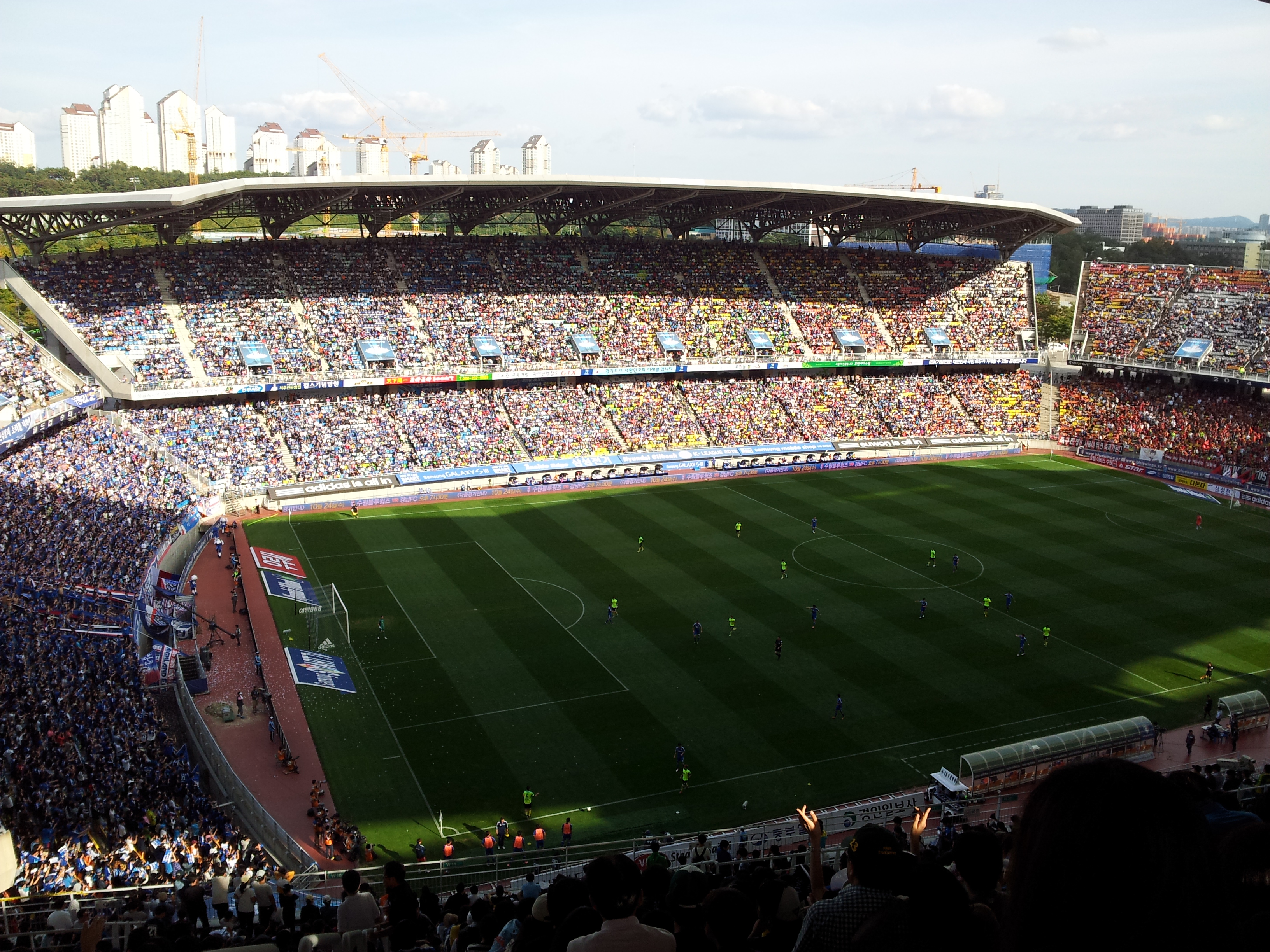
Why Suwon is Perfect for Your Celebration
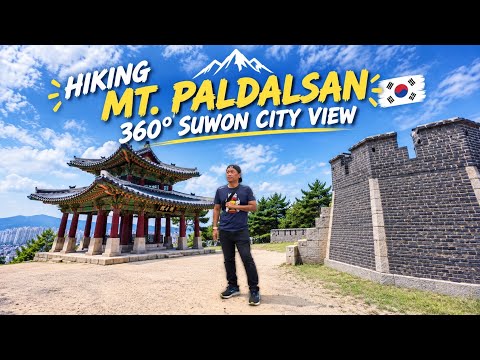
- UNESCO World Heritage Hwaseong Fortress provides a dramatic, one-of-a-kind backdrop for ceremonies and photo sessions
- Excellent rail connectivity — Suwon Station puts guests from Seoul just 30–40 minutes away by direct train
- Spring cherry blossoms (April–May) and vivid autumn foliage (September–October) create naturally stunning seasonal scenery
- A mature urban hospitality ecosystem with international-brand hotels capable of hosting mid-to-large corporate and social events
- Proximity to Seoul means access to a deep pool of professional event vendors, caterers, and AV specialists
- The city's cultural calendar — including Hwaseong Cultural Festival in autumn — adds authentic local colour to any celebration
Compare Suwon with Other Top Destinations
Frequently Asked Questions
Is Suwon a good destination for a culturally themed celebration?
Yes, particularly so. Suwon's UNESCO-listed Hwaseong Fortress and active cultural community make it one of the stronger Korean cities for events that want to incorporate authentic heritage aesthetics, traditional Korean performance, or a visually distinctive historical backdrop. The city's cultural calendar — including the annual Hwaseong Cultural Festival — adds further depth for event theming.
What guest group sizes can Suwon's venues realistically support?
Suwon's hotel-based event spaces can generally accommodate gatherings from around 50 guests up to several hundred for banquet-style events. Outdoor spaces around the fortress district can support larger festival-format gatherings during spring and autumn. The city is best suited to mid-sized events; very large-scale celebrations requiring multiple simultaneous ballrooms may find the local inventory limiting.
How do guests get to Suwon from Seoul?
Suwon Station is directly connected to Seoul via KTX high-speed rail and Seoul Metro Line 1, with the journey typically taking 30–40 minutes. This makes Suwon one of the most accessible event destinations in the greater Seoul metropolitan area — guests can travel independently without needing private transfers, which significantly simplifies group logistics.
How far is Suwon from Incheon International Airport?
Incheon International Airport is approximately 60 km from Suwon city center. The journey typically takes between 60 and 90 minutes depending on the route — airport limousine bus or a combination of rail connections are the most common options. International guests should factor this transfer time into arrival and departure planning.
What is the best time of year to hold an event in Suwon?
April–May and September–October are the strongest windows. Spring brings cherry blossoms and mild temperatures ideal for outdoor ceremonies, while autumn offers vivid foliage and the Hwaseong Cultural Festival. Both seasons provide reliably comfortable conditions for guests and the most photogenic natural scenery. June–August (monsoon, heat) and December–February (sub-zero cold) are best avoided for outdoor-heavy events.
What kinds of event spaces are available in Suwon?
Suwon offers international-brand hotel ballrooms and banquet halls for indoor events, outdoor terraces and garden areas within hotel properties, and — for culturally themed or festival-format events — spaces within and adjacent to the Hwaseong Fortress complex. The city's hospitality core is compact, making it practical to move guests between accommodation and event venues without long transfers.
Can a large guest group be accommodated in Suwon itself?
Suwon has a solid mid-range hotel inventory capable of housing a moderate guest group within the city. For very large groups requiring a substantial room block, planners may need to supplement with accommodation in nearby Seoul and arrange coordinated transfers — Suwon's rail connectivity makes this a workable arrangement rather than a significant inconvenience.
Is local transport easy for event guests once they arrive in Suwon?
Generally yes. Suwon has its own metro lines, a reliable city bus network, and readily available taxis. For event groups, private coach or minibus hire is the most practical option for coordinated movement between venues. The city's main hospitality and event district is compact enough that many guests can walk between accommodation and nearby event spaces.
How mature is Suwon's event vendor and catering ecosystem?
Suwon benefits from proximity to Seoul, giving planners access to a professional-grade vendor ecosystem — event managers, caterers, florists, photographers, and AV specialists — many of whom regularly work in the city. In-house hotel event teams are experienced and service standards are generally high. International planners should engage a bilingual coordinator, as English-language communication with some local vendors is not always reliable.
Can traditional Korean cultural elements be incorporated into an event in Suwon?
Yes, and Suwon is particularly well-positioned for this. The city's active cultural community, proximity to the Hwaseong Fortress heritage district, and established network of traditional performers and artisans make it easier to authentically incorporate elements like gugak music, hanbok dress codes, or Korean ceremonial food presentations here than in a generic urban hotel setting.
Is Suwon safe for international guests attending an event?
Yes. South Korea consistently ranks among the safest countries in the world, and Suwon reflects those national standards — well-maintained public spaces, low crime rates, and reliable emergency services. International guests, including those travelling independently or in smaller groups, can generally move around the city comfortably at any hour.

Ready to explore venues in Suwon?
Suwon: Destination Wedding & Event Venues in South Korea's Fortress City
◆Suwon is a historically rich city in Gyeonggi-do, South Korea, best suited to cultural celebrations, corporate events, and milestone festivals that benefit from a UNESCO World Heritage setting. Its primary vibe is Cultural & Timeless, anchored by the 18th-century Hwaseong Fortress and a well-developed urban hospitality infrastructure. The ideal seasons are spring (April–May) and autumn (September–October), when temperatures are mild and the city's natural scenery is at its most photogenic. Suwon is highly accessible — Suwon Station connects directly to Seoul in under 40 minutes — making guest logistics straightforward for both domestic and international attendees arriving via Incheon International Airport.
Suwon at a Glance
| Category | Detail |
|---|---|
| Best For | Cultural Celebrations, Corporate Events, Festivals, Milestone Gatherings |
| Primary Vibe | Cultural & Timeless |
| Other Vibes | Urban, Heritage, Refined |
| Best Season | Spring (Apr, May, Sep, Oct) |
Why Choose Suwon?
- UNESCO World Heritage backdrop: Hwaseong Fortress — a fully intact 18th-century royal fortification — provides a genuinely rare and dramatic setting for ceremonies, photo sessions, and evening receptions that few cities anywhere in Asia can match.
- Exceptional rail connectivity: Suwon Station is served by KTX and Seoul Metro Line 1, placing the city within easy reach of Seoul's millions of residents and international visitors arriving at Incheon. Guest travel is among the most frictionless of any Korean city outside the capital itself.
- Seasonal natural beauty: Spring cherry blossoms along the fortress walls and autumn foliage across the surrounding hills create naturally stunning, ever-changing scenery that enhances outdoor event aesthetics without requiring elaborate decoration.
- Mature urban vendor ecosystem: As a major satellite city of Seoul, Suwon benefits from proximity to the capital's deep pool of professional event planners, caterers, florists, AV specialists, and entertainment vendors — most of whom regularly work in Suwon.
- Cultural authenticity: The city's living heritage — including the Hwaseong Cultural Festival held each autumn — gives events here a genuine sense of place and local character that purely modern venues cannot replicate.
- Safe, well-organised urban environment: South Korea's consistently high safety standards and Suwon's well-maintained public infrastructure mean guests can move around the city comfortably, including at night.
Which Celebrations Work Best in Suwon?
- Cultural & Heritage Celebrations: Suwon's Hwaseong Fortress and surrounding historic district make it particularly well-suited to events that want to incorporate Korean dynastic aesthetics, traditional ceremony elements, or simply a visually distinctive backdrop that tells a story beyond a generic hotel ballroom.
- Corporate Events & Conferences: The city's international-brand hotels offer well-equipped meeting and banquet facilities, and the ease of rail access from Seoul makes Suwon a practical choice for corporate gatherings where attendees are largely Seoul-based but organisers want a venue with more character than the capital's convention centres.
- Festivals & Large Milestone Gatherings: Suwon's outdoor spaces — particularly around the fortress and its adjacent parks — can accommodate festival-format events with multiple zones, live performances, and large guest counts during the spring and autumn seasons.
- Intimate Destination Weddings: Couples seeking a culturally resonant Korean setting — rather than a beach or mountain resort — will find Suwon's combination of heritage scenery, reliable hospitality infrastructure, and easy guest logistics genuinely appealing for smaller, curated wedding celebrations.
Venues & Event Spaces
Suwon's event venue landscape is anchored by international-brand hotel properties that offer dedicated banquet halls, flexible meeting rooms, and catering services capable of handling events ranging from intimate gatherings of 50 to larger receptions of several hundred guests. These properties typically feature both indoor ballroom-style spaces and outdoor terraces or garden areas that can be configured for ceremonies or cocktail receptions.
Beyond hotel venues, the city's cultural and civic spaces — including areas within and adjacent to the Hwaseong Fortress complex — can be engaged for festival-format events, outdoor ceremonies, and cultural performances, subject to local authority permissions. These spaces offer a level of visual drama and historical authenticity that purpose-built event venues simply cannot replicate.
The surrounding Paldal-gu and Ingye-dong districts, which form the commercial and hospitality core of the city, concentrate the majority of the city's event-capable properties within a compact, walkable area — simplifying logistics for guests moving between accommodation and event spaces. Outdoor lawn and pavilion settings are available seasonally, and are at their most usable during the spring and autumn windows.
Best Time to Celebrate
The curated best seasons for Suwon are spring (April–May) and autumn (September–October), and both windows have distinct, concrete advantages for event planning beyond simply "pleasant weather."
April and May bring cherry blossoms and fresh greenery to the fortress walls and surrounding parks, creating naturally photogenic conditions that reduce the need for elaborate floral decoration. Daytime temperatures typically range from around 12°C to 22°C — comfortable for outdoor ceremonies without the need for cooling infrastructure. Rainfall is moderate and generally manageable.
September and October offer arguably the most visually spectacular conditions: autumn foliage turns the hillsides surrounding the fortress in shades of red, orange, and gold, and the Hwaseong Cultural Festival — typically held in October — adds a layer of authentic local festivity that can complement or inspire event theming. Temperatures in this window are similarly mild, ranging roughly from 10°C to 23°C.
June through August should generally be avoided for outdoor-heavy events. South Korea's monsoon season (jangma) brings heavy, sustained rainfall from late June through July, and August remains hot and humid even after the rains ease. Outdoor ceremonies and receptions become logistically challenging and guest comfort is significantly reduced.
December through February brings genuinely cold conditions — temperatures regularly drop below 0°C, and occasional snowfall, while scenic, makes outdoor events impractical without substantial heating infrastructure. Indoor-only events can still work in this period, but the city's strongest seasonal assets (fortress scenery, outdoor spaces) are largely inaccessible.
March and November function as shoulder months — generally acceptable for indoor-focused events, with some outdoor viability, but less reliably comfortable than the core spring and autumn windows.
Getting There & Local Connectivity
Suwon is served primarily by Incheon International Airport (ICN), South Korea's main international gateway, located approximately 60 km from the city center. The journey from Incheon to Suwon is manageable by airport limousine bus or by a combination of rail connections, typically taking between 60 and 90 minutes depending on the route. For guests arriving domestically or from Seoul, Suwon Station — served by both KTX high-speed rail and Seoul Metro Line 1 — is the primary arrival point, with frequent services making the Seoul–Suwon journey around 30–40 minutes.
Within the city, Suwon is well-served by its own metro system (Bundang Line and Line 1 extensions), city buses, and taxis. For event groups, private coach or minibus hire is straightforward to arrange through local operators and is the most practical option for moving a guest group between accommodation, the fortress area, and event venues in a coordinated way. Ride-hailing apps widely used in South Korea also function reliably in Suwon. The city's compact hospitality core means that, for many events, guests staying in the main hotel district can reach key venues on foot or by a short taxi ride.
Local Vendor & Hospitality Ecosystem
Suwon benefits significantly from its position as a major satellite city of Seoul. The practical effect for event planners is access to a Seoul-calibre vendor ecosystem — professional event management companies, experienced catering operators, florists, photographers, and entertainment providers — many of whom are Seoul-based but regularly take commissions in Suwon given the short travel distance.
The city's own hospitality sector is anchored by international hotel brands whose in-house event teams are experienced in managing both corporate and social celebrations to a consistent standard. Korean hospitality culture places a strong emphasis on attentive service and meticulous presentation, which translates well to event contexts — guests can generally expect a high standard of food and beverage service, room setup, and on-the-day coordination.
For events that want to incorporate specifically Korean cultural elements — traditional music (gugak), hanbok dress codes, Korean ceremonial food presentations, or heritage-themed décor — Suwon's proximity to the fortress district and its active cultural community means that authentic local performers and artisans are more readily available here than in a generic urban hotel setting elsewhere.
One practical consideration: while the vendor ecosystem is mature, English-language communication with some local vendors (particularly smaller, independent operators) may require a Korean-speaking coordinator or a bilingual event management company. International planners are advised to engage a local liaison early in the planning process.
Pros & Things to Consider
Why Suwon Works Well
- UNESCO Hwaseong Fortress provides a genuinely world-class, visually distinctive event backdrop
- Excellent rail connectivity from Seoul makes guest travel easy and low-stress
- Spring and autumn seasons offer reliably mild weather and outstanding natural scenery
- Access to Seoul's professional vendor ecosystem without the cost and congestion of the capital itself
- High safety standards and well-maintained public infrastructure throughout the city
- Authentic Korean cultural programming (festivals, performances) available to enrich event experiences
Things to Consider
- The city's hotel inventory, while solid, is concentrated in the 3-star and 4-star tiers — planners requiring a large block of luxury-tier rooms may need to supplement with Seoul accommodation and manage a commute
- Monsoon season (June–August) makes outdoor events genuinely risky and should be avoided for any celebration with significant outdoor components
- Winter months (December–February) are cold enough to rule out outdoor ceremonies without substantial infrastructure investment
- English-language vendor communication is not universally reliable — a bilingual coordinator is a practical necessity for international planners
- Incheon Airport, while excellent, is approximately 60–90 minutes from Suwon — international guests face a longer transfer than those arriving at a city with its own airport
When Suwon May Not Be the Right Fit
- Large-scale luxury weddings requiring a full 5-star hotel block: Suwon's current hotel inventory does not include a confirmed 5-star property within the city; planners needing a large luxury room block may find Seoul a more practical base.
- Outdoor events planned for June through August: South Korea's monsoon season brings sustained heavy rainfall and high humidity during this window — any event with significant outdoor components faces real weather risk that is difficult to mitigate.
- Guests with limited international travel experience or no Korean-language support: While Suwon is safe and well-organised, navigating the city independently is easier with some Korean-language capability or a dedicated local guide — events with elderly or less mobile international guests may require more logistical support than in a more internationally-oriented destination.
- Events requiring a beach, mountain resort, or tropical setting: Suwon is an inland, urban-heritage destination — it offers no beach access, no tropical scenery, and no mountain resort environment. Couples or planners whose vision is fundamentally tied to those settings will be better served elsewhere.