
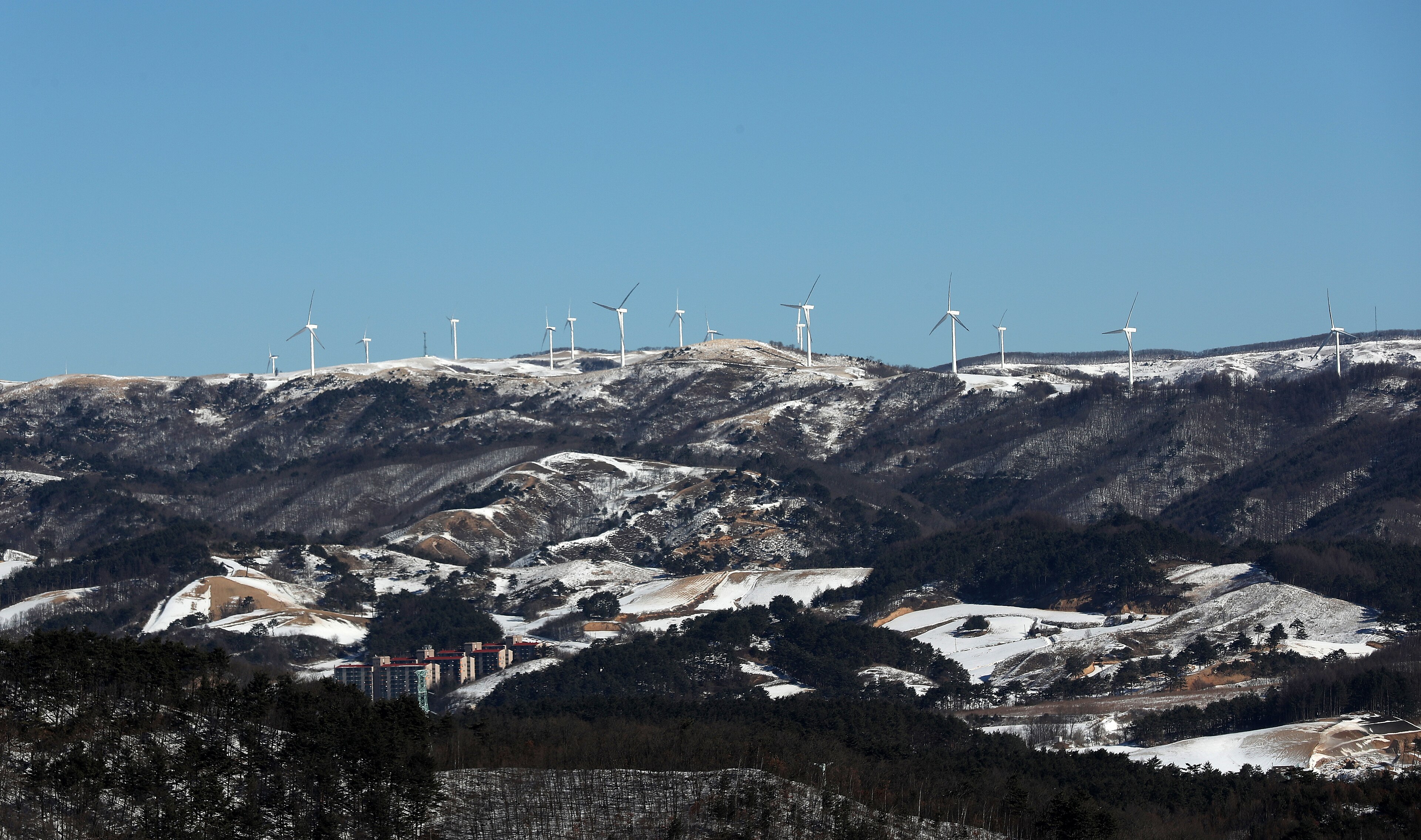
Why Pyeongchang is Perfect for Your Celebration
- Home to Olympic-grade ski resorts (Alpensia, Yongpyong) offering world-class winter event backdrops
- Dramatic snow-covered alpine scenery creates a genuinely unique, photogenic setting for winter celebrations
- Purpose-built Olympic infrastructure means large-scale event and accommodation capacity in a single compact area
- High-speed KTX rail from Seoul (approx. 80 min) makes guest travel straightforward for Korean and international groups
- Winter season (Dec–Mar) delivers reliable snowfall and crisp mountain air — ideal for adventurous, active event programs
- Strong corporate retreat and incentive travel ecosystem with team-building activities including skiing, snowboarding, and ice sports

Top Venues in Pyeongchang
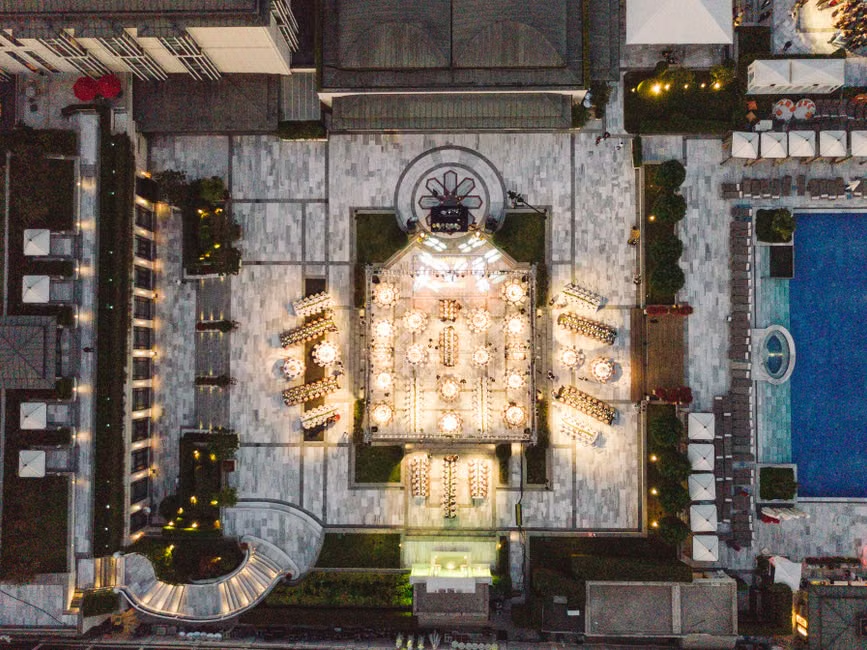
InterContinental Alpensia Pyeongchang Resort
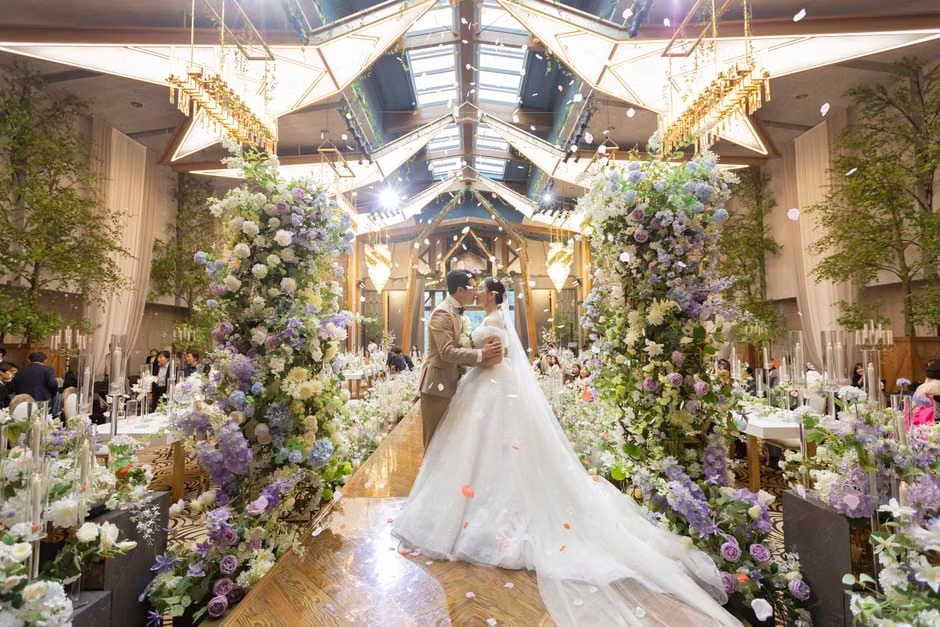
Radisson Blu Hotel & Suites, Alpensia
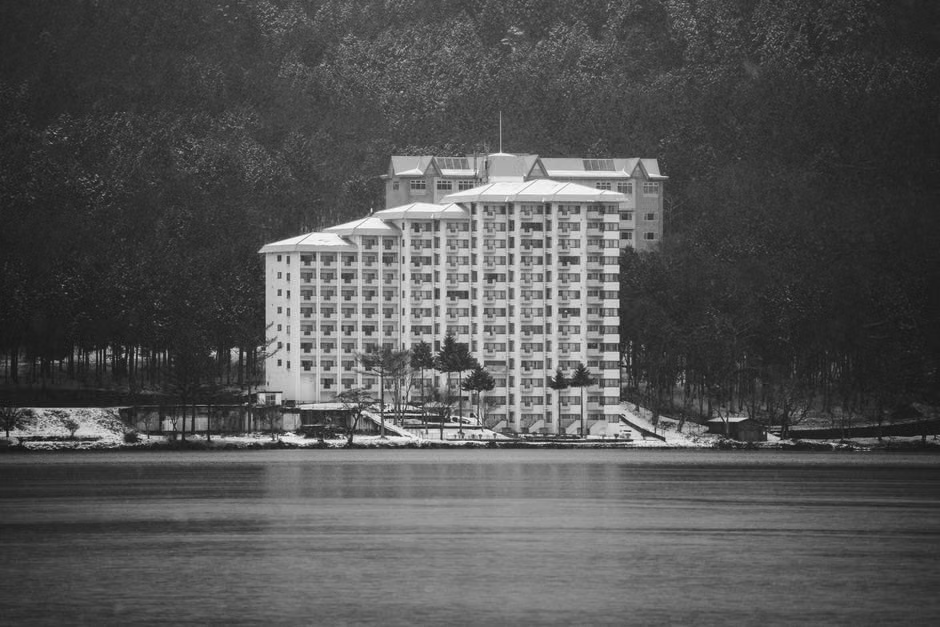
Yongpyong Resort Dragon Valley Hotel
Compare Pyeongchang with Other Top Destinations
Frequently Asked Questions
Is Pyeongchang a good destination for a winter wedding?
Yes, particularly for couples seeking a distinctive, non-tropical winter setting. Pyeongchang's snow-covered alpine scenery, Olympic resort ballrooms, and active winter programming create a genuinely memorable backdrop. It suits intimate to mid-size weddings most naturally. Couples should plan for the December–March window to take full advantage of the snow conditions and fully operational resort infrastructure.
What types of events work best in Pyeongchang?
Pyeongchang is strongest for corporate retreats, incentive travel programs, adventure group events, and winter weddings. Its Olympic-grade resort infrastructure and built-in active programming — skiing, snowboarding, ice sports — make it particularly well-suited to groups seeking an experiential, high-energy event rather than a purely ceremonial one.
How do guests get to Pyeongchang from Seoul?
The most practical route is the KTX high-speed rail from Seoul Station or Cheongnyangni Station to Jinbu Station, taking approximately 80 minutes. This line was built for the 2018 Winter Olympics and is reliable and comfortable for group travel. From Jinbu Station, resort shuttle buses or chartered coaches connect guests to the Alpensia and Yongpyong resort zones.
How do international guests typically reach Pyeongchang?
Most international guests fly into Incheon International Airport near Seoul, then connect to Pyeongchang via the KTX rail to Jinbu Station. Yangyang International Airport is closer geographically but has limited international connections and is not the primary gateway for most event groups. The Seoul–Pyeongchang KTX journey is the standard and most reliable route.
What is the best time of year to plan an event in Pyeongchang?
December through March is the strongly recommended window. This is when snowfall is reliable, ski slopes are fully operational, and the alpine resort atmosphere is at its peak. January and February typically offer the most consistent winter conditions. Outside this window — particularly June through August — heavy rainfall and summer heat make the destination significantly less suited to its primary event strengths.
What kinds of venues are available for events in Pyeongchang?
The main event spaces are within the large international resort hotels in the Alpensia and Yongpyong resort zones — these offer indoor ballrooms, banquet halls, convention-grade meeting rooms, and outdoor terraces with mountain views. Smaller boutique lodges and pension-style properties on the Daegwallyeong plateau provide more intimate settings. The general character is alpine resort luxury rather than heritage or urban banquet venues.
How many guests can Pyeongchang's venues realistically accommodate?
The major resort hotels within the Alpensia complex can accommodate events ranging from small private gatherings of 50–100 guests up to several hundred guests for larger corporate or celebration formats. The destination is generally better suited to groups in the 100–400 range. Very large-scale events of 500 or more guests may find the local inventory stretched, particularly for accommodation across a single property.
Is accommodation for a large guest group easy to arrange in Pyeongchang?
Generally yes, during the winter season, provided bookings are made well in advance. The Alpensia resort zone concentrates multiple hotel properties within a compact area, making it practical to house a large group nearby. Peak winter weekends — particularly around Korean public holidays and the ski season's busiest weeks — can see high demand, so early reservation is strongly advisable.
What local activities can be built into a corporate or celebration itinerary?
Pyeongchang's Olympic resort infrastructure supports a wide range of winter activities: skiing and snowboarding on Olympic-grade slopes, ice skating, snowshoeing, biathlon experiences, and sledding. These integrate naturally into corporate team-building programs or celebration itineraries, and the resort operators are experienced in managing group bookings for these activities alongside event programming.
Do I need to bring wedding or event vendors from outside Pyeongchang?
For corporate events and standard resort-based celebrations, the in-house teams at the major resort hotels are generally sufficient. For highly customized weddings requiring bespoke floral design, specialist entertainment, or elaborate décor, some vendors may need to be sourced from Seoul. The KTX connection makes this logistically straightforward, but it requires early planning and coordination.
Is Pyeongchang safe for international event groups?
Yes. South Korea consistently ranks among the safest countries in the world, and Pyeongchang specifically — as an internationally-experienced Olympic destination — has well-established safety standards for large group events. The resort zones are well-managed, and the local infrastructure is accustomed to hosting international visitors and corporate groups.
What makes Pyeongchang different from other wedding or event destinations?
Pyeongchang's defining differentiator is its combination of Olympic-grade alpine resort infrastructure, reliable winter snowfall, and built-in active programming — all within 80 minutes of Seoul by high-speed rail. It offers a genuinely distinctive winter mountain experience that is rare among easily accessible event destinations in Northeast Asia, particularly for groups seeking adventure and visual drama alongside formal celebration.

Ready to explore venues in Pyeongchang?
Pyeongchang: Alpine Winter Wedding & Corporate Event Destination
◆Pyeongchang is a high-altitude mountain county in South Korea's Gangwon-do province, best known internationally as the host of the 2018 Winter Olympics. Its primary strengths are adventurous, active, and visually dramatic winter celebrations — particularly corporate retreats, incentive travel programs, and intimate winter weddings — set against a backdrop of snow-covered alpine peaks and Olympic-grade resort infrastructure. The destination is most compelling during the winter season (December through March), when reliable snowfall and crisp mountain conditions define the experience. Guest access is generally manageable, with high-speed KTX rail from Seoul taking approximately 80 minutes to Jinbu Station, though international guests will typically route through Incheon International Airport before connecting onward.
Pyeongchang at a Glance
| Category | Detail |
|---|---|
| Best For | Corporate Retreats, Incentive Travel, Winter Weddings, Adventure Events |
| Primary Vibe | Adventurous & Thrilling |
| Other Vibes | Alpine, Scenic, Exclusive, Olympic |
| Best Season | Winter (Jan, Feb, Mar, Dec) |
Why Choose Pyeongchang?
- Olympic-grade resort infrastructure: The Alpensia and Yongpyong resort complexes — both central to the 2018 Winter Olympics — offer purpose-built event spaces, large accommodation blocks, and professional event management capacity that most mountain destinations simply cannot match.
- Genuinely dramatic winter scenery: Pyeongchang's high-altitude plateau and surrounding Taebaek mountain range deliver consistent, photogenic snowfall from December through March, creating a naturally spectacular setting for ceremonies, outdoor photography, and evening receptions.
- Active programming built in: Unlike purely ceremonial destinations, Pyeongchang allows event planners to integrate skiing, snowboarding, ice skating, biathlon experiences, and snow activities directly into a corporate or celebration itinerary — a genuine differentiator for groups seeking more than a banquet hall.
- Strong KTX rail connectivity from Seoul: The Gyeonggang KTX line, built specifically for the 2018 Olympics, connects Seoul to Jinbu Station in roughly 80 minutes, making Pyeongchang one of the most accessible mountain destinations in Northeast Asia for groups based in or transiting through the South Korean capital.
- Compact, self-contained resort zones: The Alpensia resort cluster concentrates hotels, event venues, ski slopes, and dining within a walkable area — reducing the logistical complexity of moving large guest groups between accommodation and event spaces.
- South Korea's strong safety and service standards: As a well-regulated, internationally-experienced destination, Pyeongchang benefits from South Korea's broader reputation for safety, cleanliness, and high hospitality standards — factors that matter significantly when planning events for international guests.
Which Celebrations Work Best in Pyeongchang?
- Corporate Retreats & Incentive Travel: Pyeongchang is arguably at its strongest for corporate groups. The combination of Olympic-standard facilities, active team-building options (skiing, snowshoeing, ice sports), and concentrated resort infrastructure makes it a natural fit for companies seeking a memorable, high-energy offsite experience. The destination has hosted international corporate groups since the Olympic period and the local hospitality ecosystem is well-calibrated to this format.
- Winter Weddings: Couples seeking a genuinely distinctive, non-tropical winter wedding will find Pyeongchang compelling. Snow-covered mountain backdrops, alpine resort ballrooms, and the novelty of a Korean Olympic destination combine to create a celebration that is visually unique and experientially memorable. Guest numbers are best kept moderate — the destination suits intimate to mid-size weddings more naturally than very large gatherings.
- Adventure & Active Group Events: Groups organized around shared outdoor experiences — ski trips, winter sports competitions, adventure challenges — will find Pyeongchang's infrastructure purpose-built for exactly this format. The resort zones offer professional instruction, equipment rental, and safety management at scale.
- Milestone Celebrations & Private Parties: Significant birthdays, anniversaries, or private group celebrations that benefit from an exclusive alpine resort setting and active programming options are well-served here, particularly for groups comfortable with a winter mountain environment.
Venues & Event Spaces
Pyeongchang's event venue landscape is dominated by large international resort hotels concentrated within the Alpensia and Yongpyong resort zones. These properties typically offer a range of indoor ballrooms and banquet halls capable of accommodating groups from small intimate gatherings to several hundred guests, alongside outdoor terraces and snow-facing lawns that can be used for ceremonies and cocktail receptions during the winter season. The Olympic legacy has left the area with convention-grade meeting rooms and multi-function spaces that translate well to corporate event formats. Beyond the major resort complexes, smaller boutique lodges and pension-style properties in the surrounding Daegwallyeong plateau area offer more intimate settings for private celebrations. Outdoor ceremony spaces set against mountain panoramas are a particular draw during peak winter months, though all outdoor programming is naturally weather-dependent and requires contingency planning. The general character of available venues leans toward alpine resort luxury and active-lifestyle hospitality rather than heritage palaces or urban banquet halls.
Best Time to Celebrate
The curated best season for Pyeongchang events is Winter: December, January, February, and March. This is the period when the destination is operating at its full potential — ski slopes are open, snowfall is reliable, the alpine scenery is at its most dramatic, and the resort infrastructure is fully staffed and activated for large groups. December and January typically see the heaviest snowfall and the most consistent winter conditions. February and March remain strong, with slightly longer daylight hours and, toward late March, the first hints of the season softening.
The remaining months present meaningful trade-offs. April and May are transitional shoulder months — snow has largely melted, ski operations are closed or winding down, and the mountain landscape, while green and pleasant, loses the defining visual character that makes Pyeongchang distinctive. These months are not actively bad, but the destination's primary draw is largely absent. June through August brings warm to hot temperatures, high humidity, and South Korea's summer monsoon season, which brings significant rainfall to the Gangwon-do region. Outdoor events are difficult to plan reliably, and the alpine resort atmosphere is largely replaced by a generic mountain summer tourism character. September through November offers pleasant autumn foliage and cooler temperatures, and while this can be a scenic period, the ski and winter sports infrastructure is not yet operational, limiting the active programming that defines Pyeongchang's strongest event proposition. Groups planning purely indoor or foliage-focused events might find autumn acceptable, but it is not the destination's primary strength.
Getting There & Local Connectivity
The most practical route for most guests — particularly those arriving internationally — is to fly into Incheon International Airport (ICN) near Seoul, then connect to Pyeongchang via the KTX high-speed rail from Seoul Station or Cheongnyangni Station to Jinbu Station, a journey of approximately 80 minutes. This rail link, purpose-built for the 2018 Winter Olympics, is reliable, comfortable, and well-suited to group travel. Yangyang International Airport (YNY), located approximately 60 km from Pyeongchang's main resort zones, offers some domestic and limited international connections but is not a primary gateway for most event groups.
Once in the Pyeongchang area, local movement between Jinbu Station and the Alpensia or Yongpyong resort zones is typically handled by shuttle buses operated by the resorts themselves, or by chartered coaches for larger groups. The resort zones are compact enough that guests staying within a single resort complex generally do not need additional transport for day-to-day event movement. For groups spread across multiple properties or needing to move between the Alpensia and Yongpyong zones, coordinated shuttle arrangements are advisable and are a standard part of event logistics planning in this destination. Private car hire and taxi services are available but less abundant than in major urban centers, so pre-arranged group transport is strongly recommended.
Local Vendor & Hospitality Ecosystem
Pyeongchang's vendor and hospitality ecosystem is shaped almost entirely by its Olympic legacy and its identity as a ski resort destination. The major resort hotels — particularly those within the Alpensia complex — have in-house event management teams experienced in handling international corporate groups, incentive programs, and large-scale celebrations. Catering at the resort level is generally of high quality, with Korean and international menu options available, and the properties are accustomed to managing dietary requirements for diverse guest groups.
Outside the major resort complexes, the local vendor ecosystem is thinner. Independent wedding planners, florists, and specialist event decorators with experience in destination celebrations are less abundant here than in major South Korean cities like Seoul or Busan. Groups planning elaborate, highly customized events — particularly weddings requiring bespoke floral design, entertainment, or specialist catering — may need to source some vendors from Seoul and arrange for them to travel to the destination, which is logistically straightforward given the KTX connection but adds a layer of coordination. For corporate events and incentive programs, the resort-based ecosystem is generally self-sufficient. For weddings and private celebrations requiring a high degree of personalization, early vendor engagement and clear communication about what is available locally versus what needs to be brought in is important.
Pros & Things to Consider
Why Pyeongchang Works Well
- Olympic-standard resort infrastructure provides reliable, large-scale event capacity in a single compact area
- Genuinely unique alpine winter setting — snow-covered mountain scenery is a strong visual differentiator
- Active programming (skiing, snowboarding, ice sports) integrates naturally into corporate and celebration itineraries
- Fast, comfortable KTX rail access from Seoul makes guest logistics manageable for Korean and international groups
- South Korea's high safety standards and service culture translate well to international event groups
- Self-contained resort zones reduce the complexity of moving guests between accommodation and event spaces
Things to Consider
- The destination is strongly seasonal — outside the December–March window, the primary alpine and winter sports draw is largely absent, and the destination loses much of its distinctive character
- International guests who are not comfortable with cold weather or winter mountain environments may find the experience less appealing than a warmer destination
- The specialist wedding vendor ecosystem (bespoke florists, independent planners, entertainment) is thinner than in major cities; some vendors may need to be sourced from Seoul
- Pyeongchang is a relatively remote mountain county — guests who are not using the KTX rail link may find road access time-consuming, particularly in heavy winter snowfall conditions
- The destination's character is strongly resort-and-sports-oriented; groups seeking heritage, cultural immersion, or urban sophistication as part of their event experience will find limited options locally
When Pyeongchang May Not Be the Right Fit
- Guests uncomfortable with cold or winter conditions: If a significant portion of the guest group — particularly elderly guests or those from warm climates — would find a cold mountain winter environment physically challenging or unappealing, a warmer destination would serve the group better.
- Events planned outside the December–March window: Groups considering a summer or autumn event who are drawn to Pyeongchang primarily for its alpine scenery and ski resort character will find the destination significantly less compelling in those seasons, when its defining infrastructure is inactive.
- Very large-scale weddings requiring extensive bespoke vendor networks: Events requiring a deep local ecosystem of independent specialist vendors — elaborate floral design, live entertainment, highly customized catering — may find Pyeongchang's local vendor market insufficient without significant external sourcing from Seoul.
- Groups seeking cultural immersion or heritage experiences: Pyeongchang's identity is built around alpine sports and Olympic legacy rather than traditional Korean heritage, temples, or urban cultural life. Groups for whom cultural depth is a primary event objective would be better served by destinations like Gyeongju, Seoul, or Jeonju.