
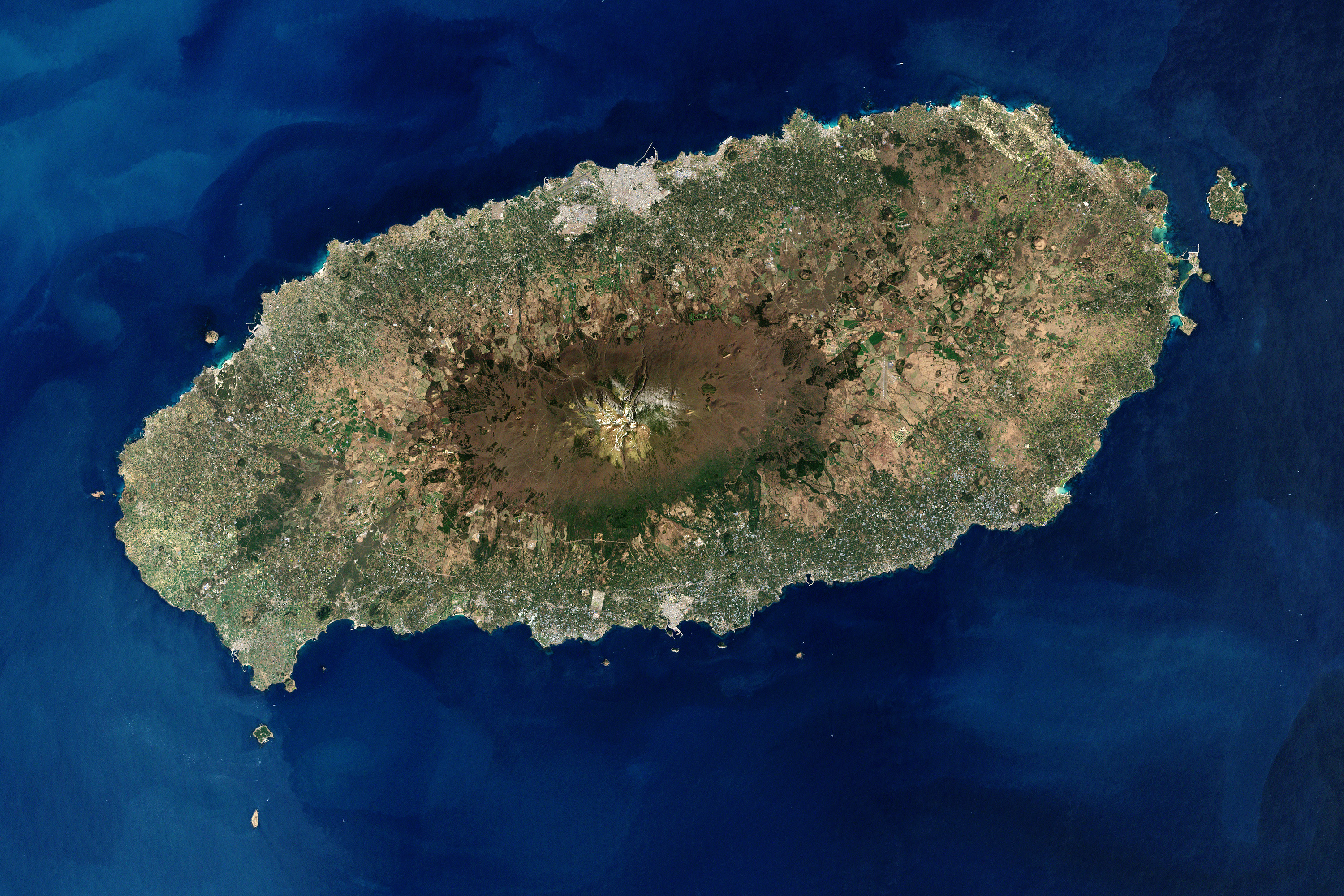
Why Jeju Island is Perfect for Your Celebration
- Dramatic volcanic and coastal scenery — Hallasan Mountain, Seongsan Ilchulbong, and black-lava coastlines provide genuinely unique ceremony backdrops
- Korea's most established romantic destination, with a mature hospitality ecosystem built around couples and honeymoon travel
- Excellent air connectivity via Jeju International Airport (CJU), one of South Korea's busiest airports, with frequent flights from Seoul, Busan, and international Asian cities
- Spring months bring iconic yellow canola flower fields and cherry blossoms, creating naturally photogenic settings for outdoor ceremonies
- Autumn (Sep–Oct) offers clear skies, mild temperatures, and the island's famous silver grass (eokssae) landscapes — ideal for outdoor receptions
- Wide range of resort-style venues with dedicated wedding and event facilities, many offering ocean or mountain views as a standard feature

Compare Jeju Island with Other Top Destinations
Frequently Asked Questions
Is Jeju Island a good destination for a wedding?
Yes. Jeju Island is South Korea's most established destination wedding location, particularly well-suited to intimate and mid-sized ceremonies. Its volcanic coastlines, ocean-view resort terraces, and seasonal natural scenery — canola fields in spring, silver grass in autumn — create a genuinely distinctive backdrop. The island's resort infrastructure includes dedicated wedding facilities, on-site accommodation, and experienced event coordination teams at multiple properties.
What is the best time of year to hold a wedding or celebration on Jeju Island?
April–May and September–October are the recommended windows. Spring brings canola flower blooms and cherry blossoms with mild temperatures, while autumn offers clear skies and the island's famous silver pampas grass landscapes. Both seasons provide reliable outdoor event conditions. June through August carries genuine typhoon and monsoon risk, and January–February is too cold and grey for the outdoor ceremonies that define Jeju's appeal.
How do guests travel to Jeju Island for an event?
Almost all guests fly into Jeju International Airport (CJU), which is approximately 4 km from Jeju City center. Domestic flights from Seoul's Gimpo Airport and Busan's Gimhae Airport operate very frequently throughout the day, making arrival straightforward. International connections are available from several Asian cities. There is no railway access to the island; ferry services from the mainland exist but involve significantly longer journey times.
What kinds of venues are available for events on Jeju Island?
Jeju's venue landscape is primarily resort-based, with dedicated wedding halls, outdoor ceremony lawns, ocean-view terraces, and banquet facilities integrated into larger resort properties — particularly in the Jungmun Tourist Complex in Seogwipo. There are also boutique garden estates and traditional Jeju stone-wall properties for smaller, more intimate ceremonies. Most established venues offer both indoor and outdoor spaces with weather contingency options.
How many guests can Jeju Island venues realistically accommodate?
Jeju's venue inventory is strongest for intimate to mid-sized events — typically up to 300–400 guests. The major resort complexes in Jungmun and the Shinhwa World development can accommodate larger groups, but the island's overall capacity for very large-scale events (500+ guests in a single space) is more limited than a major mainland Korean city. Accommodation for guest groups is generally well-handled by the island's resort model.
Is Jeju Island suitable for non-Korean couples planning a destination wedding?
Generally yes, though some planning considerations apply. The major resort properties have English-capable event coordination teams and experience with international couples. For smaller or independent vendors, Korean-language support or a bilingual local wedding coordinator is advisable. The island's strong photography community, distinctive food culture, and scenic settings make it genuinely appealing for international couples seeking a Korean destination wedding experience.
What makes Jeju Island's scenery distinctive for wedding photography?
Jeju offers a combination of natural backdrops that are genuinely unique: UNESCO-listed volcanic features including Seongsan Ilchulbong crater and Hallasan Mountain, black-lava coastlines, sweeping canola flower fields in spring, and silver pampas grass meadows in autumn. These are established, well-documented shooting locations with a strong local photography community experienced in working with them for wedding and portrait sessions.
How does local transport work for a wedding guest group once they arrive on Jeju?
The island has no railway network, so group transport relies on chartered coaches or minibuses, rental cars, and taxi services. The road network is well-maintained, and the drive between Jeju City and the Jungmun/Seogwipo resort area takes roughly 40–50 minutes. Most major resort venues offer shuttle arrangements for guest groups. Ride-hailing and local taxis are reliable in both main urban areas, though English communication with drivers may occasionally require a translation app.
What is the local food and catering culture like for events on Jeju Island?
Jeju has a genuinely distinctive culinary identity — fresh seafood, Jeju black pork (heukdwaeji), and local citrus products are regional specialities that can be meaningfully incorporated into event menus. Major resort properties offer full in-house banquet catering with customisable menus suited to international guests. The island's food culture adds authentic local character to event dining rather than defaulting to generic banquet fare.
Is Jeju Island safe for international guests attending a wedding or event?
Yes. Jeju Island is considered very safe by international standards, consistent with South Korea's overall safety profile. Crime rates are low, the island is well-policed, and tourist and hospitality infrastructure is well-established. The primary safety consideration for event planning is weather-related — typhoon risk during June–August — rather than personal safety concerns.
Can Jeju Island accommodate a honeymoon extension after a destination wedding?
Yes, and this is one of the island's strongest practical advantages. Jeju has been South Korea's premier honeymoon destination for decades, and the hospitality ecosystem reflects this — couples-focused amenities, spa facilities, private dining experiences, scenic coastal drives, and nature trails are all deeply embedded in what the island offers. Extending a wedding celebration into a honeymoon stay is a natural and very well-supported choice here.
What should planners be aware of regarding typhoon risk on Jeju Island?
Typhoon risk is genuine and worth taking seriously for event planning purposes. Jeju sits in the path of seasonal typhoons that typically affect the island between June and September, with peak risk in July and August. A typhoon can disrupt not just outdoor event plans but also flights to and from the island, affecting guest arrival and departure. Events planned in September should build in weather contingency arrangements, and June–August events should have robust indoor backup plans.

Ready to explore venues in Jeju Island?
Jeju Island: Destination Wedding & Celebration Venues in South Korea
◆Jeju Island is South Korea's leading island destination for romantic celebrations, particularly destination weddings, honeymoon extensions, anniversary milestones, and intimate private gatherings. Its primary vibe is romantic and dreamy — shaped by volcanic coastlines, ocean-view resort terraces, blooming canola fields in spring, and silver grass landscapes in autumn. The best seasons to plan are April–May and September–October, when weather is mild, scenery is at its most photogenic, and outdoor events are reliably viable. Jeju is well-connected via its own international airport with frequent flights from Seoul and other Asian cities, and its hospitality infrastructure is mature and event-ready, though it skews toward mid-to-upper-range investment given its island resort character.
Jeju Island at a Glance
| Category | Detail |
|---|---|
| Best For | Destination Weddings, Honeymoon Celebrations, Anniversary Milestones, Intimate Private Gatherings |
| Primary Vibe | Romantic & Dreamy |
| Other Vibes | Natural & Scenic, Tranquil, Island Escape |
| Best Season | Spring (Apr, May, Sep, Oct) |
Why Choose Jeju Island?
- Genuinely distinctive natural scenery: Jeju's UNESCO-listed volcanic landscape — Hallasan Mountain, Seongsan Ilchulbong crater, lava-tube caves, and black-rock coastlines — provides ceremony and photography backdrops that are impossible to replicate on the Korean mainland or at a generic resort destination.
- Seasonal spectacle built into the calendar: Spring brings sweeping yellow canola flower fields and cherry blossoms that coincide precisely with the recommended event season; autumn delivers the island's famous silver pampas grass (eokssae) meadows under clear skies — both are naturally photogenic without any additional decoration investment.
- Mature, event-focused resort infrastructure: The Jungmun Tourist Complex in Seogwipo and several other resort clusters have been purpose-developed over decades, meaning dedicated wedding halls, outdoor ceremony lawns, banquet facilities, and on-site accommodation for guest groups are standard rather than exceptional offerings.
- Strong air connectivity for an island: Jeju International Airport (CJU) is one of the busiest airports in South Korea, with very frequent domestic flights from Seoul (Gimpo and Gimhae) and direct international connections from several Asian cities, making guest arrival straightforward even for groups travelling from abroad.
- Privacy and contained island atmosphere: The island's self-contained geography means a wedding group can genuinely occupy a resort and its surroundings without the noise and distraction of a large urban environment — a meaningful advantage for couples seeking an immersive, focused celebration experience.
- Excellent digital infrastructure: South Korea's world-class mobile and broadband connectivity extends fully to Jeju, meaning live-streaming ceremonies, digital coordination with vendors, and guest communication are all seamless — a practical advantage for internationally dispersed guest lists.
Which Celebrations Work Best in Jeju Island?
- Destination Weddings: Jeju is arguably South Korea's most established destination wedding location. The combination of scenic outdoor ceremony spaces, ocean-view resort venues, and a culturally romantic reputation makes it a natural fit for couples seeking something more memorable than a city hotel ballroom. Intimate to mid-sized weddings (typically up to 300–400 guests) are particularly well-served by the island's venue inventory.
- Honeymoon Celebrations & Romantic Getaways: Jeju has been Korea's premier honeymoon destination for generations, and the hospitality ecosystem reflects this — couples-focused amenities, spa facilities, private dining experiences, and scenic drives are all deeply embedded in what the island offers. Extending a wedding into a honeymoon stay here is a natural and well-supported choice.
- Anniversary Milestones: The island's romantic character and scenic variety make it well-suited to significant anniversary celebrations — whether a private dinner event at a clifftop resort or a small gathering of close family and friends in a garden setting.
- Intimate Private Gatherings & Birthday Celebrations: Smaller milestone events — significant birthdays, family reunions, or private corporate retreats with a celebratory element — benefit from Jeju's contained island atmosphere, where a group can genuinely feel removed from everyday life without a complicated international journey.
Venues & Event Spaces
Jeju's event venue landscape is dominated by resort-style properties, many of which have purpose-built wedding and banquet facilities integrated into their broader hospitality offering. The Jungmun Tourist Complex on the island's southern coast is the most concentrated cluster of large-scale resort venues, with properties offering ocean-view ceremony terraces, indoor banquet halls, and landscaped garden spaces suitable for outdoor receptions. Jeju City in the north has its own range of hotel-based event spaces, generally more urban in character but still offering mountain or sea views from upper floors.
Beyond the major resort clusters, the island has a growing number of boutique and independent venue spaces — converted traditional Jeju stone-wall (doldam) properties, garden estates, and clifftop pavilions — that cater specifically to smaller, more intimate ceremonies where the natural setting is the primary design element. Outdoor lawn ceremonies with Hallasan Mountain or the ocean as a backdrop are a particularly popular format, and most established resort venues have invested in the infrastructure (covered walkways, weather contingency spaces, sound systems) to make outdoor events viable during the recommended seasons.
For larger events requiring significant banquet capacity, the major resort complexes in Jungmun and the Shinhwa World development in the island's west are the most capable options, with ballrooms and multi-function spaces that can accommodate several hundred guests. Groups requiring accommodation for a large number of guests alongside their event space will find that the island's resort model — where rooms, dining, and event facilities are all on a single property — is particularly convenient for keeping a wedding party together.
Best Time to Celebrate
The curated best seasons for events in Jeju Island are April–May and September–October, and the reasoning is specific rather than generic.
April and May are the island's most visually spectacular months. Canola flower fields bloom across the island's lowlands from late March into April, and cherry blossoms follow in early April — both create naturally photogenic ceremony environments that require no additional floral investment to look extraordinary. Temperatures in April and May are mild (typically 13°C–22°C), humidity is manageable, and rainfall is moderate rather than heavy. Outdoor ceremonies are reliably viable, and the island is busy but not overwhelmed.
September and October offer a different but equally compelling character. The summer typhoon season has typically passed by mid-September, skies clear significantly, and the island's famous silver pampas grass (eokssae) meadows — particularly around Saebyeol Oreum and Hallasan's upper slopes — reach their peak. Temperatures in September and October range from roughly 17°C–26°C, making outdoor events comfortable without the humidity of summer. Autumn light is particularly flattering for photography.
June through August is the period most worth avoiding for outdoor events. Jeju sits in the path of seasonal typhoons, and the island receives significant rainfall during the East Asian monsoon (jangma) in late June and July. Humidity is high, temperatures peak, and the risk of a typhoon disrupting an outdoor event — or requiring last-minute venue changes — is genuine rather than theoretical. Indoor-only events can still work logistically, but the island's primary scenic appeal is largely inaccessible in poor weather.
January and February bring cold winds off the Yellow Sea, occasional frost at higher elevations, and a generally grey, dormant landscape. While Jeju rarely sees heavy snow at sea level, the conditions are not conducive to the outdoor ceremonies that define the island's event appeal. March is transitional — canola fields begin to appear in the very south of the island by late March, but weather remains unpredictable and cool enough to make outdoor planning risky without contingency arrangements.
Getting There & Local Connectivity
Jeju Island is served by Jeju International Airport (CJU), located approximately 4 km from Jeju City center — one of the most convenient airport-to-city distances of any major Korean destination. The airport handles a very high volume of domestic traffic from Seoul's Gimpo Airport and Busan's Gimhae Airport, with flights operating throughout the day at short intervals. International connections are available from several cities in China, Japan, and Southeast Asia, making Jeju accessible for guests travelling from across the region without a Seoul transit stop.
There is no railway network on Jeju Island — the island's terrain and scale make rail infrastructure impractical, and guests should plan accordingly. Ferry services operate from Mokpo, Busan, and several other mainland ports, but journey times are significantly longer than flying and are generally not the preferred option for event guests on a tight schedule.
Within the island, local transport for event groups typically relies on chartered coaches or minibuses, rental cars, and taxi services. The island's road network is well-maintained and scenic, and driving between Jeju City in the north and the Jungmun/Seogwipo area in the south takes approximately 40–50 minutes. For large wedding groups staying at a single resort, on-property transport and shuttle arrangements are commonly offered. Ride-hailing apps and local taxi services are reliable in both Jeju City and Seogwipo, though English-language communication with drivers can occasionally require a translation app.
Local Vendor & Hospitality Ecosystem
Jeju's vendor ecosystem for weddings and events is well-developed by Korean island standards, though it operates somewhat differently from a major mainland city like Seoul. The island has a strong base of wedding-specialist vendors — photographers, florists, officiants, and catering teams — who are experienced specifically with the island's outdoor and resort-venue formats. Many of the major resort properties have preferred vendor lists and in-house event coordination teams, which simplifies planning for couples who are not based in Korea.
Korean wedding culture places significant emphasis on photography and videography, and Jeju has a particularly strong community of photographers who specialise in the island's natural settings — canola fields, coastal cliffs, and forest trails are all well-documented shooting locations with established permit and access norms. Couples planning a destination wedding here will generally find it easier to source a skilled local photographer than to bring one from the mainland.
Catering on the island draws on both Korean culinary traditions and a growing international hospitality influence. The major resort properties offer full in-house catering with banquet menus that can be customised for international guests, and the island's own food culture — fresh seafood, black pork (heukdwaeji), and local citrus products — provides a genuinely distinctive culinary identity that can be incorporated into event menus meaningfully rather than as a token gesture.
For non-Korean couples or internationally-based planners, it is worth noting that while English-language vendor communication has improved significantly, some coordination — particularly with smaller independent vendors — may benefit from a bilingual local coordinator or a wedding planning agency with established Jeju relationships.
Pros & Things to Consider
Why Jeju Island Works Well
- Genuinely unique natural scenery that functions as a built-in event backdrop — volcanic coastlines, mountain views, and seasonal blooms are not replicable elsewhere
- Mature resort infrastructure with dedicated wedding facilities, on-site accommodation, and experienced in-house event teams at multiple properties
- Excellent domestic air connectivity makes guest travel from Seoul and other Korean cities straightforward and frequent
- Self-contained island atmosphere creates a focused, immersive celebration experience with minimal urban distraction
- World-class digital infrastructure (internet, mobile coverage) supports seamless event coordination and live-streaming
- Strong local vendor community specialising in the island's specific outdoor and resort-venue formats
- Genuinely distinctive local food culture that adds authentic character to event catering
Things to Consider
- No railway access — all guests must fly or take a long ferry journey, which adds a logistical step that some guests (particularly elderly or mobility-limited attendees) may find less convenient than a mainland venue
- Typhoon risk during June–August is real and can disrupt travel to and from the island, not just outdoor event plans — weather contingency planning is essential for any event scheduled near the edges of the recommended season
- The island's resort-dominated venue landscape means that very large-scale events (500+ guests) may find the local inventory limiting compared to a major mainland city
- Some vendor coordination — particularly with smaller, independent local suppliers — may require Korean-language support or a bilingual local coordinator
- Island pricing for hospitality and events generally reflects the destination's premium positioning; couples expecting mainland city pricing may need to adjust expectations
- Winter months (December–February) significantly reduce the island's outdoor appeal, and events planned for this period should be primarily indoor-focused
When Jeju Island May Not Be the Right Fit
- Large-scale events requiring 500+ guests: Jeju's venue inventory, while strong for mid-sized events, does not match the sheer ballroom and banquet capacity available in major Korean mainland cities. Couples or planners expecting to seat very large guest counts in a single space may find options more limited than anticipated.
- Events planned during June–August: If dates are fixed in the typhoon and monsoon season, the island's primary appeal — outdoor scenery and open-air ceremonies — is significantly compromised, and the risk of travel disruption for guests is genuine. A mainland or indoor-focused venue would offer more weather reliability for this window.
- Guest groups with significant travel limitations: If a large proportion of the guest list includes elderly guests, young children, or individuals with mobility challenges for whom a flight (even a short domestic one) is a meaningful barrier, a more accessible mainland venue may serve the group better overall.
- Couples seeking a primarily urban, nightlife-rich celebration: Jeju's character is fundamentally natural and resort-oriented. Couples whose vision centres on a vibrant city backdrop, late-night entertainment districts, or a dense urban cultural programme will find the island's quieter, nature-focused atmosphere a poor match for that brief.