
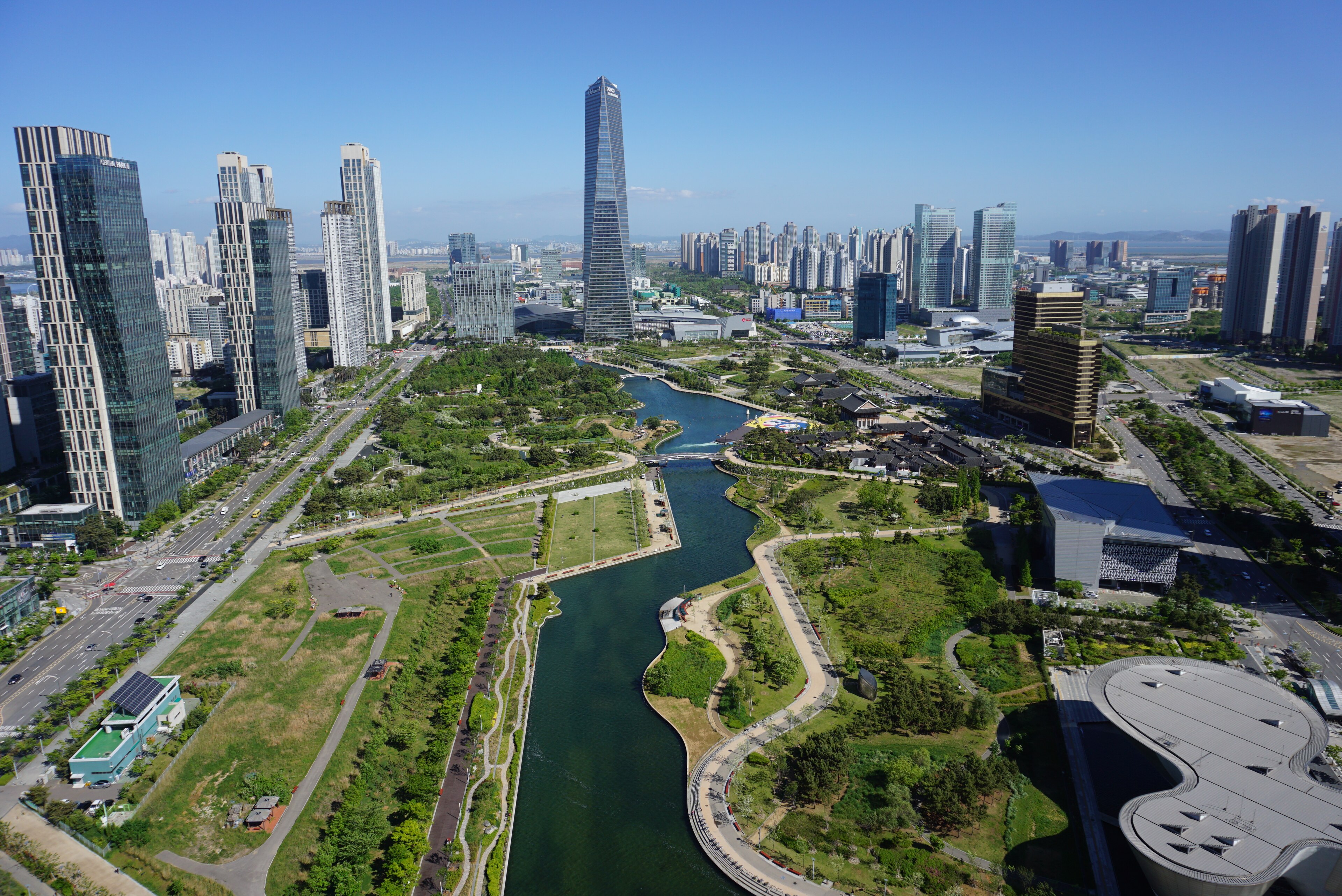
Why Incheon is Perfect for Your Celebration
- Incheon International Airport (ICN) is one of Asia's top-ranked airports, making it exceptionally easy for international guests to arrive directly
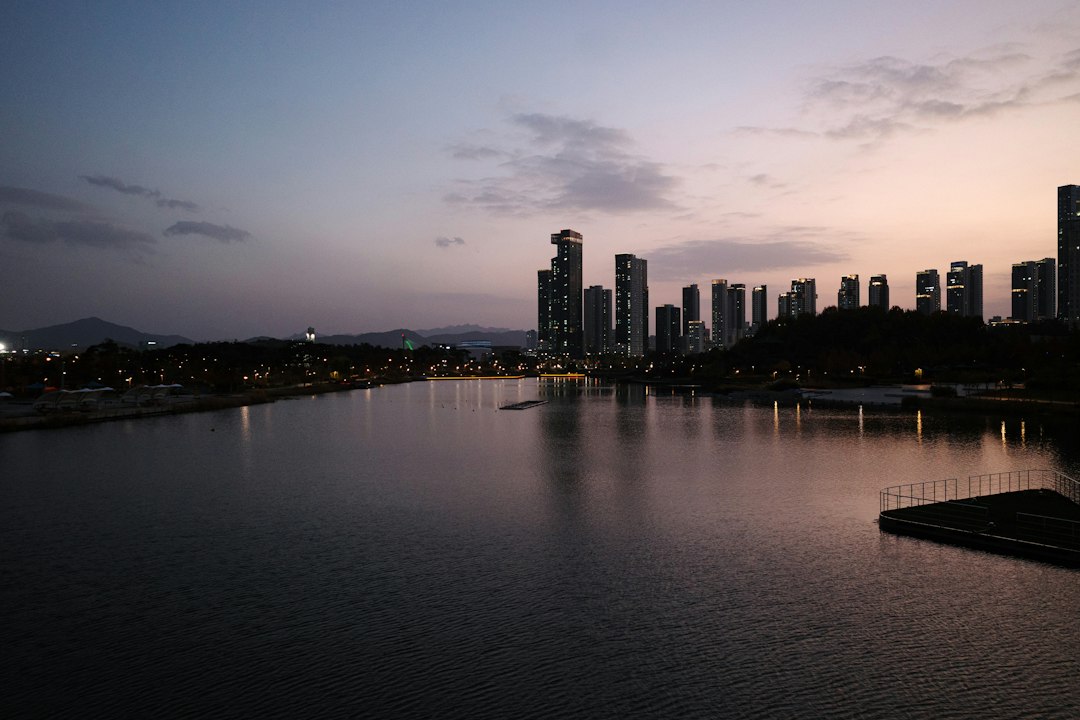
- Songdo International Business District offers purpose-built convention centers, luxury hotels, and waterfront event spaces in a single compact area
- Spring (Apr–May) and autumn (Sep–Oct) deliver crisp, photogenic weather with cherry blossoms or golden foliage as natural backdrops
- A mature, internationally oriented hospitality ecosystem with multilingual staff and global catering standards across major hotel brands
- Historic Incheon Chinatown and the Gaehang (Open Port) heritage district provide culturally distinctive settings for pre-event gatherings and tours
- Proximity to Seoul (~40 min by express rail) dramatically expands the guest accommodation and entertainment options available for multi-day events

Top Venues in Incheon
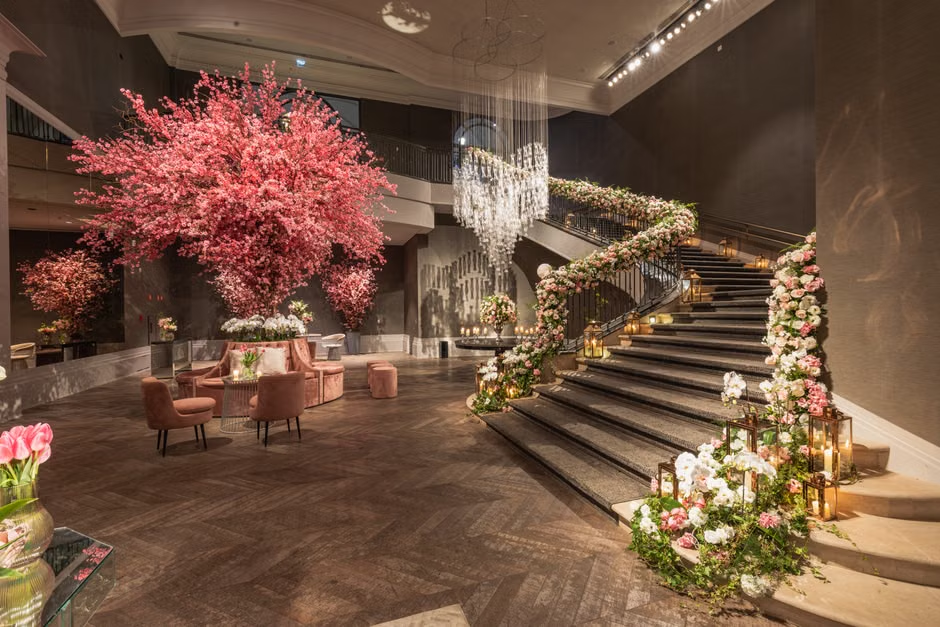
Sheraton Grand Incheon Hotel
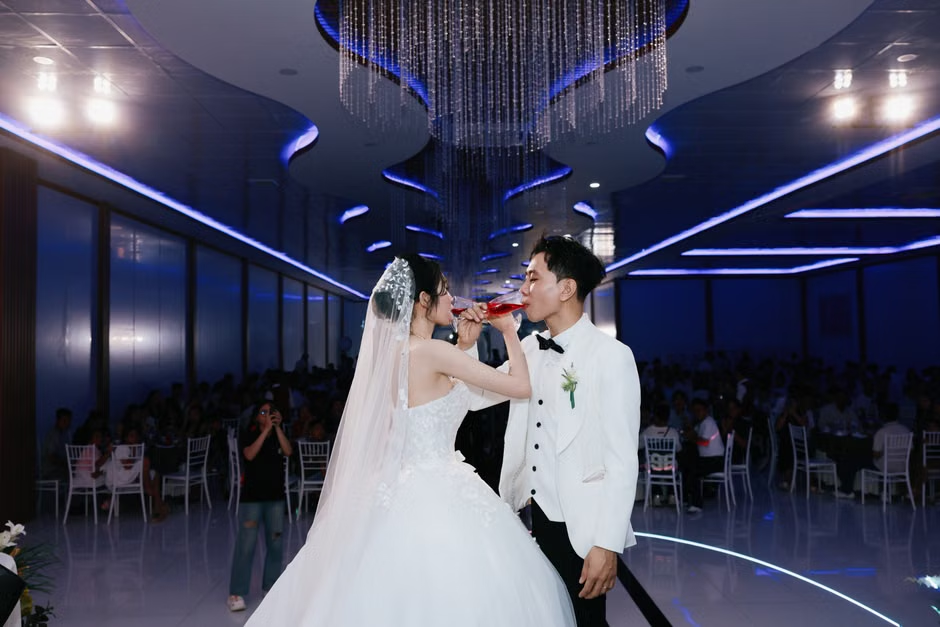
Best Western Premier Incheon Airport
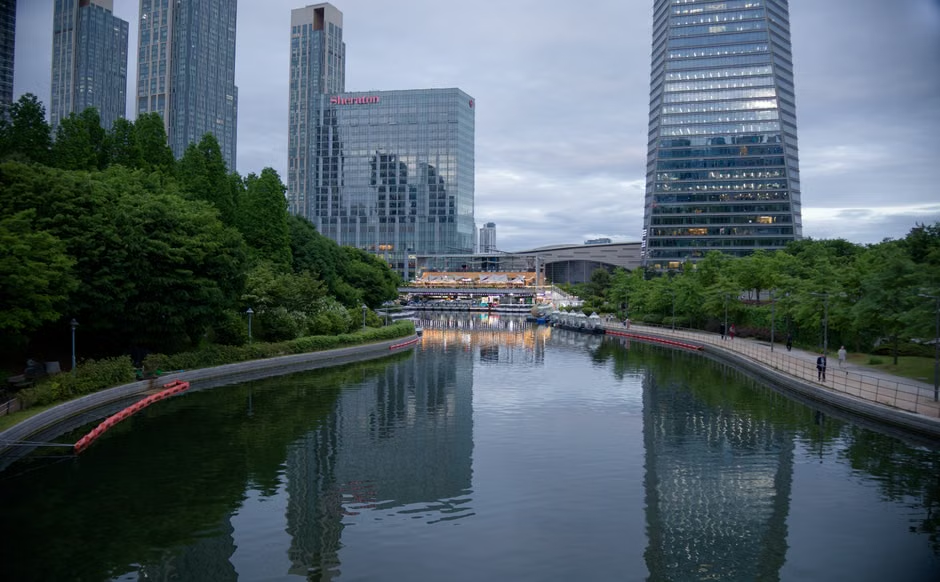
Holiday Inn Incheon Songdo
Ramada by Wyndham Incheon
Compare Incheon with Other Top Destinations
Frequently Asked Questions
Is Incheon a good destination for an international wedding with guests flying in from multiple countries?
Yes, particularly so. Incheon International Airport is one of Asia's most connected airports, with direct routes from across Asia, Europe, and North America. This makes it genuinely easier for internationally dispersed guest groups to arrive without complex connections — a meaningful practical advantage that few other destination wedding cities can match at the same level.
What size of guest group can Incheon realistically accommodate for a destination event?
Incheon's hotel ballrooms and convention spaces in the Songdo district can comfortably handle events ranging from intimate gatherings of 50–100 guests up to large-format celebrations of several hundred. For very large events exceeding 500 guests requiring accommodation in a single cluster, planners may need to draw on properties across a wider area including nearby Seoul.
What is the best time of year to hold a wedding or celebration in Incheon?
April–May and September–October are the strongest windows. Spring brings mild temperatures and cherry blossoms; autumn offers clear skies and vivid foliage. Both seasons avoid the summer's heat, humidity, and typhoon risk (June–August) and the sub-zero cold of winter (December–February), making them the most reliable and photogenic periods for outdoor and indoor events alike.
How do guests travel between Incheon International Airport and the main event districts?
The AREX (Airport Railroad Express) provides fast, reliable rail service from the airport to central Incheon and onward to Seoul. The journey to Songdo and central Incheon takes roughly 20–30 minutes by rail or road. Taxis and hotel shuttle services are also widely available, and the airport's layout makes group arrivals and departures straightforward to coordinate.
What kinds of event venues are available in Incheon?
Incheon's venue landscape is primarily anchored by large hotel ballrooms and convention facilities in the Songdo district, supplemented by waterfront promenade spaces, rooftop venues with city and sea views, and heritage-adjacent settings in the Gaehang district. The city also has purpose-built convention infrastructure suited to conferences and large-scale corporate events.
Is Incheon suitable for corporate events and conferences, not just weddings?
Yes — corporate events are arguably Incheon's strongest category. Songdo's convention-grade hotel facilities, high-speed digital connectivity, and direct airport access make it a natural fit for regional summits, incentive travel programs, product launches, and international conferences where delegate travel logistics are a primary concern.
Can guests easily explore beyond Incheon during a multi-day event?
Yes. The AREX express rail connects Incheon to central Seoul in approximately 43 minutes, making day trips or evening excursions to Seoul straightforward for guests. Within Incheon itself, Wolmido Island, the historic Chinatown, and the Gaehang heritage district offer culturally interesting options without requiring guests to leave the city.
How well-developed is the local wedding and event vendor ecosystem in Incheon?
The major hotel properties maintain professional in-house event teams experienced with international guest lists. For specialist vendors — boutique florists, photographers, stylists — Incheon benefits from proximity to Seoul's highly developed wedding industry, with many Seoul-based vendors routinely serving Incheon events. Planners should factor in sourcing some specialist suppliers from Seoul for highly specific briefs.
Is Incheon safe for international guests attending a destination event?
Yes. South Korea consistently ranks among the world's safest countries, and Incheon specifically — as an internationally oriented gateway city — maintains very high safety standards. Guests can move around independently with confidence, and the city's infrastructure is reliable and well-maintained.
What makes Incheon's Songdo district particularly suited to destination events?
Songdo was purpose-built as an international business district, meaning its hotels, convention spaces, and public infrastructure were designed from the outset to handle large-scale international gatherings. The district is compact and walkable, with luxury accommodation, event venues, waterfront parks, and dining clustered within a small area — reducing transport logistics for event planners and guests alike.
Are there culturally distinctive experiences in Incheon that guests can enjoy around a wedding or event?
Yes. Incheon's historic Chinatown — one of Korea's most established — the Gaehang Open Port heritage district, and Wolmido Island's seaside character all offer genuinely interesting cultural excursions. These give multi-day event programs real substance beyond the event itself, which is particularly valuable for international guests visiting Korea for the first time.

Ready to explore venues in Incheon?
Incheon: Destination Wedding & Corporate Event Venues in South Korea
◆Incheon is South Korea's second-largest metropolitan city and its primary international gateway, best suited to corporate events, destination weddings, festivals, and milestone celebrations that benefit from world-class air connectivity and a modern, internationally oriented hospitality infrastructure. Its primary vibe is chic and cosmopolitan — anchored by the futuristic Songdo International Business District and softened by historic waterfront and Chinatown districts. The best seasons are spring (April–May) and early autumn (September–October), when temperatures are mild and the city is at its most photogenic. Incheon is generally accessible and comfortable for international guest groups, with English widely spoken in hotel and event-facing contexts.
Incheon at a Glance
| Category | Detail |
|---|---|
| Best For | Corporate Events, Destination Weddings, Festivals, Milestone Celebrations |
| Primary Vibe | Chic & Cosmopolitan |
| Other Vibes | Modern & Urban, Waterfront, Culturally Layered |
| Best Season | Spring (Apr, May, Sep, Oct) |
Why Choose Incheon?
- Unmatched international air access: Incheon International Airport is consistently ranked among the world's best airports and serves direct routes from across Asia, Europe, and North America — making it genuinely easy for international guests to arrive without complex connections.
- Songdo's purpose-built event infrastructure: The Songdo International Business District was designed from the ground up with conventions, large-scale hospitality, and corporate gatherings in mind, offering modern ballrooms, waterfront promenades, and clustered luxury accommodation within walking distance of each other.
- Seasonal beauty with real photographic value: Spring brings cherry blossoms to Incheon's parks and waterfront areas, while autumn delivers vivid foliage — both seasons providing naturally striking backdrops for wedding photography and outdoor event settings.
- Culturally distinctive pre- and post-event experiences: Incheon's historic Chinatown, the Gaehang Open Port heritage district, and Wolmido Island give guests genuinely interesting cultural excursions that most purely business-oriented cities cannot offer.
- Mature, multilingual hospitality ecosystem: Major international hotel brands operating in Incheon maintain globally standardized event services, multilingual coordination teams, and catering capable of handling diverse dietary requirements — a meaningful advantage for internationally mixed guest lists.
- Seoul as an extended event canvas: The AREX express rail connects Incheon to central Seoul in approximately 43 minutes, effectively doubling the range of venues, entertainment, and accommodation available to guests attending a multi-day event based in Incheon.
Which Celebrations Work Best in Incheon?
- Corporate Events & Conferences: Incheon is arguably its strongest in this category. Songdo's convention-grade hotel ballrooms, high-speed connectivity, and proximity to the airport make it a natural fit for regional summits, product launches, incentive travel programs, and large-scale corporate gatherings where international delegate travel is a primary concern.
- Destination Weddings: Couples seeking a modern, cosmopolitan setting — rather than a traditional heritage or nature-based backdrop — will find Incheon's waterfront venues and luxury hotel ballrooms genuinely compelling. The city suits intimate to mid-sized weddings particularly well, especially those with a significant proportion of international guests who benefit from the airport's direct connectivity.
- Festivals & Cultural Celebrations: Incheon's multicultural character — shaped by its port history, its large Chinatown, and its role as Korea's international gateway — makes it a natural host for culturally themed festivals, international community celebrations, and large-scale public or private cultural events.
- Milestone Celebrations & Private Parties: Anniversary dinners, significant birthday celebrations, and family reunion events benefit from Incheon's range of private dining spaces, rooftop venues, and waterfront settings that can be exclusively reserved for groups of varying sizes.
Venues & Event Spaces
Incheon's event venue landscape is primarily defined by its large-format hotel ballrooms and convention facilities, particularly concentrated in the Songdo district. These spaces typically offer flexible configurations capable of accommodating seated dinners, cocktail receptions, and conference-style setups, often with adjacent outdoor terraces or waterfront access that can be incorporated into the event flow.
Beyond the major hotel properties, Incheon offers a range of supplementary event settings: waterfront promenade spaces along the Songdo Central Park canal, rooftop venues with views of the city skyline and the Yellow Sea, and heritage-adjacent spaces in the Gaehang district that lend a more historically textured atmosphere to smaller gatherings. Wolmido Island, a short distance from the city center, provides a more relaxed, seaside character suited to informal receptions and pre-wedding gatherings.
For very large-scale events requiring dedicated convention infrastructure beyond what hotel ballrooms provide, the broader Incheon area includes purpose-built convention facilities that can accommodate plenary sessions, exhibitions, and multi-room concurrent programming — making the city genuinely competitive for regional and international conference business.
Best Time to Celebrate
The curated best seasons for events in Incheon are spring (April and May) and early autumn (September and October), and both have distinct, concrete advantages beyond simply "pleasant weather."
In April and May, temperatures typically range from around 10°C to 22°C — warm enough for outdoor receptions and garden settings without the oppressive humidity that arrives in summer. Cherry blossoms peak in early-to-mid April across Incheon's parks and waterfront areas, providing a naturally spectacular backdrop for wedding photography and outdoor ceremonies. Rainfall is relatively low, and daylight hours are long enough to support evening outdoor events without rushing.
In September and October, the summer heat and humidity have subsided, temperatures settle into a similarly comfortable 12°C–22°C range, and the city's trees begin to turn — producing the vivid autumn foliage that is one of Korea's most celebrated seasonal features. Skies are typically clearer in autumn than in spring, making it arguably the better of the two seasons for outdoor photography.
June through August brings genuine challenges: temperatures regularly exceed 28°C–30°C, humidity is high, and the region is susceptible to typhoon-related rainfall, particularly in July and August. Outdoor events during this period carry meaningful weather risk, and the heat can make guest comfort a real logistical concern.
December through February is cold by most international guests' standards, with temperatures frequently dropping below 0°C and occasional snowfall. While indoor events remain fully viable, the cold significantly limits outdoor options and may deter guests from warmer climates. March sits in a transitional zone — temperatures are rising but can still be unpredictably cold, and early spring rainfall is common — making it a shoulder month rather than a recommended primary window.
Getting There & Local Connectivity
Incheon's single greatest logistical advantage is its airport. Incheon International Airport is one of the busiest and best-connected airports in Asia, with direct services to hundreds of international destinations across Asia, Europe, North America, and the Middle East. For events drawing guests from multiple countries, this is a meaningful practical benefit — most guests can arrive on a single direct flight rather than routing through a hub.
Within the city, the AREX (Airport Railroad Express) provides fast, reliable rail connections between the airport and central Incheon, as well as onward service to Seoul. The Incheon Metro system covers the main districts including Songdo, making it straightforward for guests to move between accommodation, event venues, and leisure areas without relying exclusively on private transport.
For group movements — shuttling guests between the airport, hotels, and event venues — Incheon's road infrastructure is modern and well-maintained, and the city's event-facing hotels are experienced in coordinating group transport logistics. Songdo's compact, walkable layout is a particular advantage: guests staying in the district can often reach event venues, restaurants, and leisure facilities on foot, reducing the coordination burden for event planners.
Taxis and ride-hailing services are widely available, and while Korean language proficiency is helpful for independent navigation, major hotels and tourist-facing services in Incheon generally provide English-language support.
Local Vendor & Hospitality Ecosystem
Incheon's vendor ecosystem is shaped by its dual identity as an international gateway and a growing business district. The major hotel properties in Songdo and the airport area maintain in-house event teams with experience handling internationally mixed guest lists, and their catering operations are capable of producing both Korean and international menus to a high standard.
For specialist wedding vendors — florists, photographers, stylists, entertainment — Incheon benefits from its proximity to Seoul, which has one of Asia's most developed wedding industry ecosystems. Many Seoul-based vendors routinely serve Incheon events, effectively giving planners access to a much larger and more competitive supplier market than the city's own size might suggest.
Audio-visual and technical production vendors serving the convention and corporate event market are well-established in Incheon, reflecting the city's long history of hosting international business events. This infrastructure translates well to large-scale private celebrations that require sophisticated staging, lighting, or live entertainment production.
One genuine consideration is that the local vendor market outside the major hotel and corporate event sphere — smaller, independent caterers, boutique florists, niche entertainment acts — is less developed in Incheon itself than in Seoul. Planners working with highly specific or unconventional briefs may need to source some specialist vendors from Seoul and factor in travel logistics accordingly.
Pros & Things to Consider
Why Incheon Works Well
- World-class international airport connectivity makes it genuinely easy for guests arriving from multiple countries
- Songdo's modern, purpose-built hospitality infrastructure handles large-format events with professional consistency
- Spring and autumn seasons offer genuinely beautiful, photogenic conditions with manageable weather risk
- Proximity to Seoul via fast rail dramatically expands the available range of venues, vendors, and guest experiences
- Very high safety standards and reliable public infrastructure reduce logistical risk for event planners
- Multilingual hotel and event staff make the destination accessible for internationally diverse guest groups
Things to Consider
- Incheon's own city character is more functional and business-oriented than romantically scenic — couples seeking a heritage, nature, or culturally immersive backdrop may find it less emotionally resonant than other destinations
- Summer (June–August) weather is genuinely challenging — high humidity, heat, and typhoon risk make outdoor events during this period a real gamble
- The independent, boutique vendor market within Incheon itself is thinner than in Seoul; specialist suppliers may need to be sourced from the capital and transported in
- Winter events (December–February) are fully viable indoors but cold temperatures limit outdoor options and may be uncomfortable for guests from warmer climates
- The city's cosmopolitan, modern aesthetic suits certain event styles very well but offers limited options for couples or planners seeking a traditional, heritage, or nature-immersed setting
When Incheon May Not Be the Right Fit
- Outdoor-focused events planned for summer: If the event concept depends heavily on outdoor spaces — garden ceremonies, open-air receptions, alfresco dining — and the dates fall between June and August, Incheon's heat, humidity, and typhoon exposure make it a genuinely risky choice.
- Couples seeking a heritage or nature-immersive setting: Incheon's dominant character is modern and urban. Couples whose vision centers on ancient palaces, mountain landscapes, or traditional cultural settings will find the destination a poor match for that brief.
- Very large guest lists requiring extensive accommodation in a single compact area: While Songdo has a solid cluster of hotels, a very large event (several hundred guests requiring accommodation) may need to draw on properties spread across a wider area, including Seoul, which adds transport coordination complexity.
- Events requiring a deeply local, culturally specific Korean experience: While Incheon has genuine cultural assets (Chinatown, the Gaehang district), its overall character is internationally oriented rather than deeply rooted in traditional Korean culture — destinations like Gyeongju or Jeonju would serve that brief more authentically.