
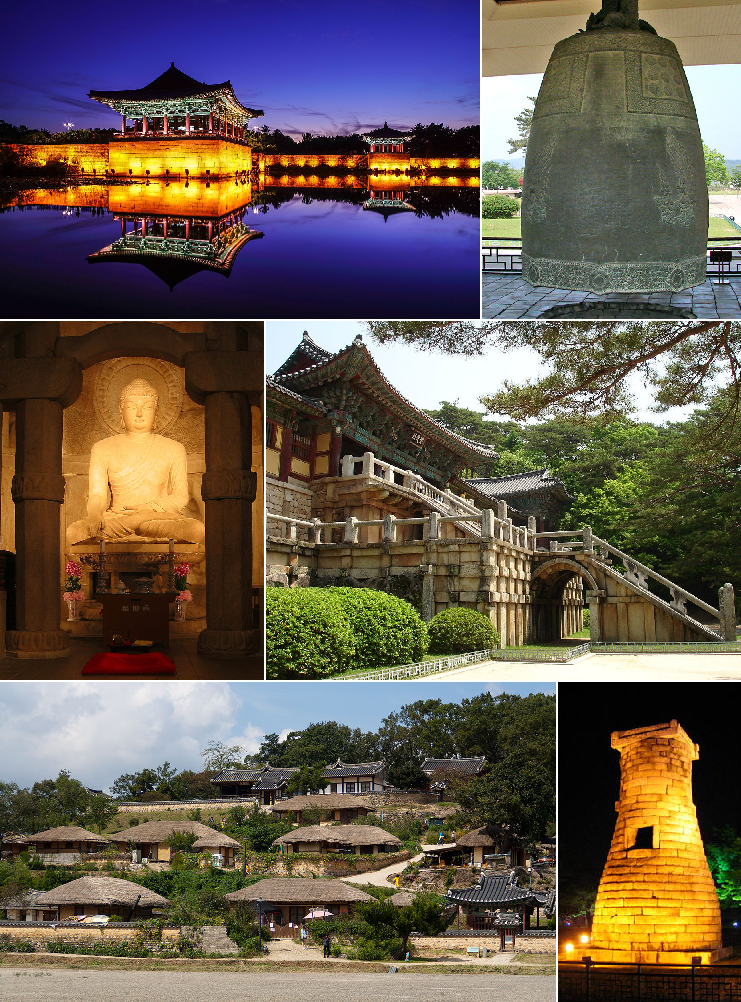
Why Gyeongju is Perfect for Your Celebration
- UNESCO World Heritage Sites — including Bulguksa Temple and Seokguram Grotto — provide unmatched ceremonial backdrops
- Cherry blossom season (April–May) and autumn foliage (September–October) create naturally stunning event aesthetics
- Compact heritage core means guests can walk between ceremony, reception, and sightseeing with ease
- KTX high-speed rail connects Gyeongju to Seoul in approximately two hours, simplifying domestic guest travel
- Hanok-style and resort properties offer culturally distinctive event spaces unavailable in major Korean cities
- Relatively uncrowded compared to Seoul or Busan, giving events a more private, exclusive atmosphere
Top Venues in Gyeongju
Hilton Gyeongju
Gyeongju Commodore Hotel
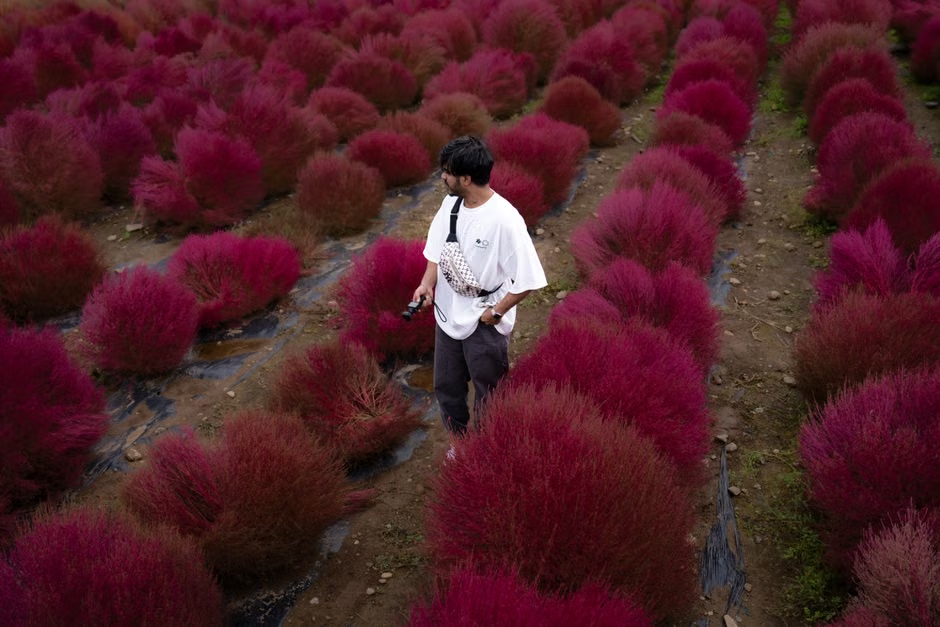
Gyeongju Hanwha Resort
Compare Gyeongju with Other Top Destinations
Frequently Asked Questions
Is Gyeongju a good destination for a wedding?
Yes, particularly for couples seeking a culturally distinctive, heritage-rich setting. Gyeongju suits intimate to mid-sized weddings of roughly 50–400 guests, with resort hotels around Bomun Lake offering dedicated banquet and outdoor lawn spaces. The spring cherry blossom and autumn foliage seasons make it especially photogenic. It is less suited to very large weddings or those requiring a beach or urban backdrop.
What is the best time of year to hold an event in Gyeongju?
April, May, September, and October are the strongest months. Spring brings cherry blossoms and mild temperatures ideal for outdoor ceremonies; autumn delivers vivid foliage and clear skies. Summer (June–August) carries monsoon rain risk and high humidity, making outdoor events unreliable. Winter (December–February) is cold enough to limit outdoor options significantly.
How do guests get to Gyeongju from Seoul?
The most practical route is KTX high-speed rail from Seoul to Singyeongju Station, a journey of approximately two hours. From the station, taxis, local buses, or hotel shuttles connect guests to the Bomun Lake Resort Area and city centre. This makes Gyeongju one of the more accessible heritage destinations in South Korea for domestic guests.
How do international guests reach Gyeongju?
Most international guests fly into Incheon International Airport (Seoul) and then take KTX rail to Singyeongju — a total journey of roughly three to four hours. Gimhae International Airport in Busan is a closer alternative for some routes, with Gyeongju reachable in under an hour by road or rail. Daegu International Airport is the nearest airport but has more limited international connectivity.
What kinds of event venues are available in Gyeongju?
The Bomun Lake Resort Area is the main hub, offering resort hotels with indoor banquet halls, outdoor lakeside lawns, and garden terraces. The city also has smaller hanok-style cultural spaces suited to intimate ceremonies. Outdoor venues are particularly popular in spring and autumn. The overall inventory suits small to mid-sized events most comfortably.
How large a guest group can Gyeongju realistically accommodate?
Gyeongju's resort hotels and event spaces are generally well-suited to groups of 50–400 guests. Events at the larger end of that range are manageable within the Bomun Lake Resort Area, which clusters several properties together. Very large gatherings significantly exceeding 500 guests in a single venue may find local capacity more constrained than in a major metropolitan city.
Can guests easily get around Gyeongju once they arrive?
Yes, reasonably well. The Bomun Lake Resort Area is served by local buses, taxis, and hotel shuttles. For groups, chartered coaches are the most practical option for moving between the resort zone, heritage sites, and city centre. The Kakao T ride-hailing app works reliably here. The city is compact enough that cycling is also a practical option for smaller groups.
Are there local vendors for weddings and events in Gyeongju?
The resort hotels have established in-house catering and event coordination teams. For specialist vendors — bespoke photographers, florists, or multilingual officiants — the local pool is smaller than in Seoul or Busan, and some suppliers may need to be sourced from larger cities. Traditional Korean cultural elements such as hanbok, gugak music, and tea ceremonies are well-supported locally.
What makes Gyeongju distinctive as an event destination compared to a typical city hotel?
Gyeongju offers a setting that genuinely cannot be replicated elsewhere — UNESCO-listed temples, royal burial mounds, and lotus ponds form the backdrop to events rather than urban skylines or generic resort landscaping. Multi-day event itineraries can incorporate temple stays, heritage site tours, and traditional craft workshops, giving guests a culturally immersive experience beyond the event itself.
Is Gyeongju suitable for corporate retreats and incentive travel?
Yes. The Bomun Lake resort hotels offer meeting and conference facilities alongside cultural excursion options — temple stays, Silla heritage tours, traditional workshop experiences — that distinguish a Gyeongju retreat from a standard city hotel programme. KTX rail access from Seoul makes it practical for domestic corporate groups, and the city's calm, focused atmosphere suits off-site strategy sessions well.
Are there any periods when Gyeongju should be avoided for events?
Summer (June–August) brings the Korean monsoon and high humidity, making outdoor events unreliable. Winter (December–February) sees sub-zero nights that limit outdoor options. National holiday periods — particularly Chuseok (autumn) and Seollal (Lunar New Year) — bring heavy domestic tourist crowds that can affect accommodation availability and the sense of exclusivity the destination normally offers.

Ready to explore venues in Gyeongju?
Gyeongju: Destination Wedding & Cultural Event Venues in South Korea
◆Gyeongju is South Korea's foremost heritage destination and the former capital of the Silla Kingdom, making it particularly well-suited to culturally immersive weddings, milestone celebrations, and corporate retreats that benefit from a historic, serene setting. Its primary vibe is cultural and timeless — defined by UNESCO-listed temples, royal burial mounds, and lotus-fringed lakes rather than urban nightlife or beach scenery. The best seasons are spring (April–May) and autumn (September–October), when mild temperatures and dramatic natural colour make outdoor events genuinely comfortable. Domestic guests reach Gyeongju easily via KTX high-speed rail; international guests typically connect through Incheon or Daegu airports.
Gyeongju at a Glance
| Category | Detail |
|---|---|
| Best For | Heritage Weddings, Cultural Celebrations, Milestone Anniversaries, Corporate Retreats |
| Primary Vibe | Cultural & Timeless |
| Other Vibes | Serene, Romantic, Historic |
| Best Season | Spring (Apr, May, Sep, Oct) |
Why Choose Gyeongju?
- Unrivalled heritage scenery: Gyeongju is often called the "museum without walls" — its UNESCO World Heritage Sites, including Bulguksa Temple, Seokguram Grotto, and the Tumuli royal burial mounds, provide ceremonial and photographic backdrops that no purpose-built venue can replicate.
- Seasonal natural beauty: Cherry blossoms along the Bomun Lake promenade in April and May, and vivid maple and ginkgo foliage in September and October, create naturally dramatic event aesthetics that require minimal additional decoration.
- Bomun Lake Resort Area: A purpose-developed tourism and resort zone on the eastern edge of the city clusters several large hotels, outdoor lawns, and banquet facilities around a scenic lake, giving event planners a concentrated hub of accommodation and event space.
- KTX high-speed rail access: Singyeongju Station places Gyeongju roughly two hours from Seoul by high-speed train, making it genuinely accessible for domestic guests without requiring a flight.
- Intimate scale and low crowd density: Compared to Seoul or Busan, Gyeongju is compact and relatively uncrowded outside peak national holidays, giving celebrations a more private, exclusive character.
- Strong national hospitality infrastructure: South Korea's broader hospitality standards — reliable service, excellent food and beverage quality, and strong digital connectivity — apply fully here, reducing the logistical risk often associated with smaller heritage destinations.
Which Celebrations Work Best in Gyeongju?
- Heritage and cultural weddings: Couples seeking a ceremony rooted in history and natural beauty — rather than a beach or urban skyline — will find Gyeongju's temple gardens, lakeside lawns, and hanok-influenced resort spaces genuinely distinctive. Traditional Korean (hanbok) ceremonies and fusion weddings both work well here.
- Milestone anniversaries and vow renewals: The city's reflective, timeless atmosphere suits intimate gatherings of close family and friends marking significant personal milestones. The scale of available venues is well-matched to groups of 50–300 guests.
- Corporate retreats and incentive travel: Gyeongju's combination of resort-standard meeting facilities, cultural excursion options (temple stays, traditional craft workshops, heritage site tours), and easy rail access from Seoul makes it a credible choice for mid-sized corporate groups seeking something beyond a standard city hotel.
- Cultural festivals and themed celebrations: Events designed around Korean heritage themes — Silla cultural festivals, lantern ceremonies, or seasonal harvest celebrations — find a natural home here, with the city's own annual cultural calendar providing additional context and atmosphere.
Venues & Event Spaces
Gyeongju's event venue landscape is anchored by the Bomun Lake Resort Area, a planned tourism zone that brings together large resort hotels with dedicated banquet halls, outdoor lakeside lawns, and garden terraces. These properties can typically accommodate events ranging from intimate gatherings of 50 guests to larger celebrations of several hundred, with indoor and outdoor configurations available depending on the season.
Beyond the resort zone, the city's heritage core offers access to traditional hanok-style guesthouses and cultural centres that suit smaller, more intimate ceremonies. Some temple complexes in the surrounding area also permit carefully managed cultural ceremonies, though these require advance coordination with local authorities and cultural bodies.
Outdoor spaces — particularly lakeside lawns and garden terraces — are among the most sought-after for spring and autumn events, when the natural surroundings are at their most photogenic. Indoor ballrooms and banquet halls within the resort hotels provide reliable alternatives during less predictable weather periods. The overall venue inventory is best suited to small to mid-sized events; planners expecting to host very large gatherings of 800 or more guests in a single space may find the local supply more constrained than in a major metropolitan centre.
Best Time to Celebrate
The curated best seasons for events in Gyeongju are spring (April and May) and autumn (September and October), and both have distinct, concrete advantages beyond simply comfortable temperatures.
Spring (April–May) brings cherry blossoms to the Bomun Lake promenade and surrounding parks, creating a naturally romantic and visually spectacular setting. Daytime temperatures typically range from around 12°C to 22°C — warm enough for outdoor ceremonies without the humidity of summer. This is also when Gyeongju's cultural calendar is most active, with local festivals adding to the celebratory atmosphere.
Autumn (September–October) is arguably the most photogenic season, with maple, ginkgo, and zelkova trees turning vivid shades of red, orange, and gold around the heritage sites and resort areas. Temperatures are similarly mild, and the air is typically clearer and drier than in summer, making outdoor photography particularly rewarding.
Summer (June–August) brings heat, high humidity, and the Korean monsoon season (jangma), which typically peaks in July. Outdoor events during this period carry meaningful weather risk, and the heat can make extended outdoor ceremonies uncomfortable for guests. Indoor venues remain viable, but the season's character works against the outdoor-focused appeal that makes Gyeongju distinctive.
Winter (December–February) sees temperatures drop well below freezing at night, with occasional snowfall. While the snow-dusted heritage sites have their own quiet beauty, the cold significantly limits outdoor event options and reduces the destination's appeal for guests travelling from warmer climates. March is a transitional shoulder month — temperatures begin to recover, but cherry blossoms typically do not arrive until early to mid-April, so it sits outside the curated best window.
Getting There & Local Connectivity
By rail: Singyeongju Station, served by KTX high-speed trains, is the most practical arrival point for domestic guests. Journey times from Seoul are approximately two hours, and connections from Busan take under 30 minutes. This makes Gyeongju one of the more rail-accessible heritage destinations in South Korea, and for groups travelling from major Korean cities, the train is generally the most convenient option.
By air: The nearest international airport with meaningful connectivity is Daegu International Airport, approximately 60 km from the city centre. Incheon International Airport (Seoul) is the primary international gateway for overseas guests, from which Gyeongju is reachable by a combination of KTX rail and local transfer — a total journey of roughly three to four hours. Gimhae International Airport in Busan is a closer alternative for some international routes, with Gyeongju accessible in under an hour by road or rail from there.
Local transport: Within Gyeongju, the Bomun Lake Resort Area is well-served by local buses and taxis, and the resort hotels typically offer shuttle services. For groups, chartered coaches are the most practical way to move guests between the resort zone, the heritage sites, and the city centre. Ride-hailing apps (Kakao T) function reliably here. The city is compact enough that many heritage sites are within cycling distance of the resort area, and bicycle rental is widely available — a practical and enjoyable option for smaller guest groups exploring between events.
Local Vendor & Hospitality Ecosystem
South Korea's hospitality industry operates to consistently high standards, and Gyeongju benefits from this national baseline. The resort hotels in the Bomun Lake area have established in-house catering, event coordination, and audio-visual teams experienced in managing weddings and corporate events. Korean cuisine — both traditional and contemporary — is a genuine strength, with local specialities including Silla-era royal court dishes that can be incorporated meaningfully into event menus.
For specialist wedding vendors — photographers, florists, stylists, and officiants — Gyeongju has a growing local ecosystem, though it is smaller than what Seoul or Busan can offer. Couples and planners who want highly specialist vendors (international-style wedding photographers, bespoke floral designers, or multilingual officiants) may need to source some suppliers from Daegu or Seoul and factor in their travel. This is a manageable consideration rather than a significant barrier, but it does require earlier planning lead times than a major city would.
Traditional Korean cultural elements — hanbok rental, traditional music (gugak) performances, tea ceremony coordination, and lantern-making workshops — are well-supported locally and can be integrated into event programmes with relative ease, which is a genuine advantage over destinations where such elements would need to be imported entirely.
Pros & Things to Consider
Why Gyeongju Works Well
- Genuinely distinctive heritage setting unavailable in any other Korean city
- Spring and autumn seasons deliver naturally beautiful event aesthetics with minimal additional decoration cost
- KTX rail access makes domestic guest travel straightforward and reliable
- Compact resort zone simplifies accommodation and event logistics for groups
- Strong national hospitality standards apply, reducing service quality risk
- Cultural programming options (temple stays, heritage tours, traditional workshops) enrich multi-day event itineraries
- Relatively low crowd density outside national holidays gives events a more exclusive feel
Things to Consider
- International guests face a multi-leg journey — Incheon or Busan airport, then rail or road transfer — which adds complexity for overseas attendees
- Specialist wedding vendors (bespoke photographers, florists, multilingual officiants) may need to be sourced from larger cities, requiring earlier booking and additional coordination
- The venue inventory is best matched to small and mid-sized events; very large gatherings may strain local capacity
- Summer monsoon season (June–August) makes outdoor events genuinely risky and limits the destination's core appeal
- National holiday periods (Chuseok, Seollal, and Golden Week) bring significant domestic tourist crowds that can affect accommodation availability and the sense of exclusivity
When Gyeongju May Not Be the Right Fit
- Large-scale events (500+ guests): If your guest list significantly exceeds 400–500 people and you need a single venue to accommodate everyone under one roof, Gyeongju's current hotel and banquet inventory may not comfortably support that scale. A major city with larger convention-style venues would be a more practical choice.
- Primarily international guest lists: If the majority of your guests are travelling from outside South Korea, the multi-leg journey to Gyeongju (international flight to Incheon or Busan, then onward transfer) adds meaningful travel complexity. A destination with direct international airport access would reduce guest fatigue.
- Summer outdoor events: If your preferred dates fall between June and August and outdoor ceremonies or receptions are central to your vision, Gyeongju's monsoon season and summer humidity work directly against that plan. The destination's strongest appeal is seasonal and outdoor-dependent.
- Couples seeking a beach or coastal setting: Gyeongju is an inland heritage city. Its scenery is defined by temples, tumuli, and lakes — not coastline. Guests or couples whose primary vision involves a seaside setting would be better served by a coastal destination.