
Why Gangneung is Perfect for Your Celebration
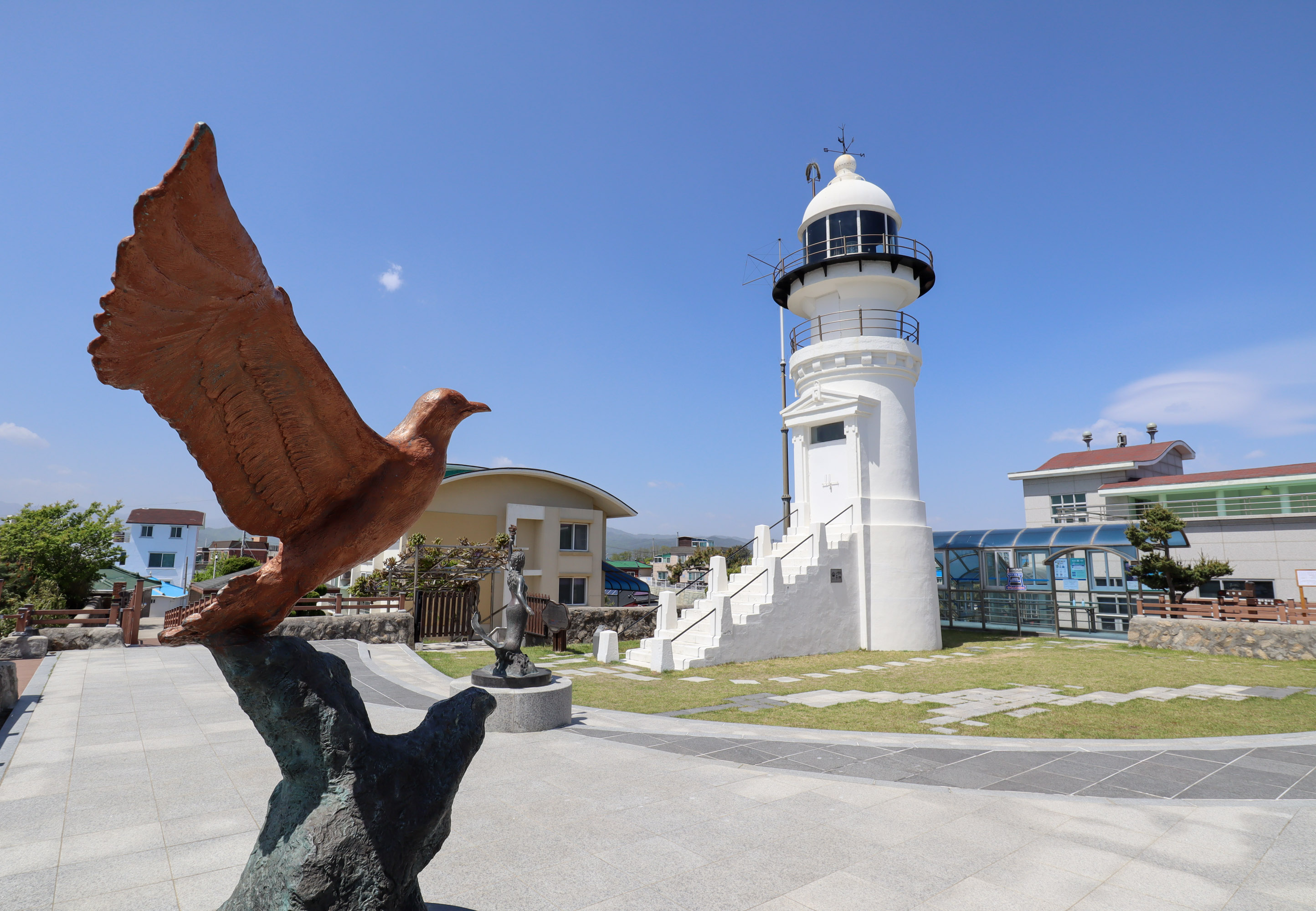
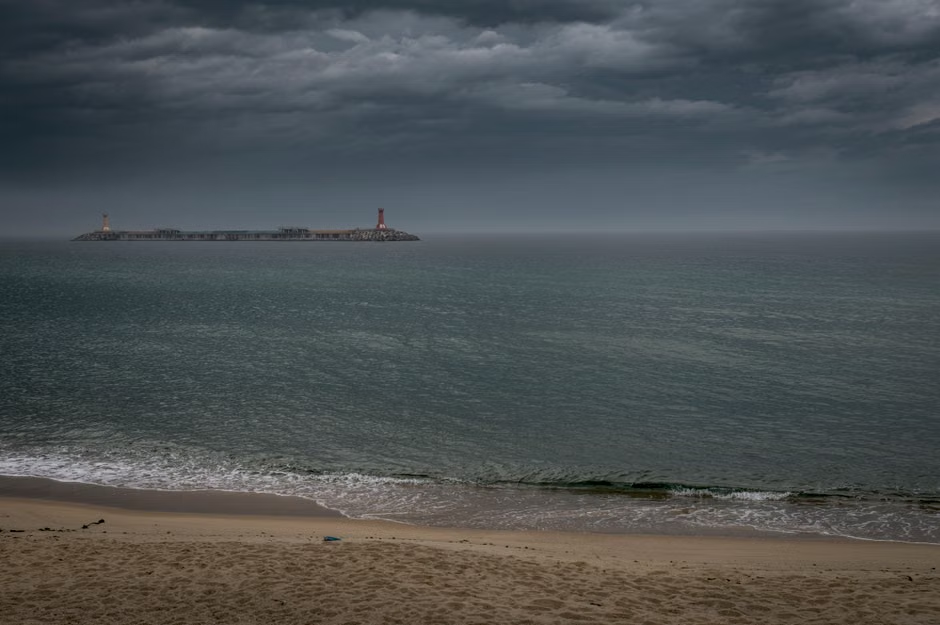
- Stunning East Sea coastline and Gyeongpo Beach provide dramatic natural backdrops for ceremonies and photography
- Direct KTX high-speed rail from Seoul makes guest travel straightforward and comfortable
- Olympic-era infrastructure (from 2018 Winter Games) means modern venues and hospitality facilities
- Gyeongpo Lake and surrounding pine forests offer serene, photogenic settings unique to this region
- Spring and autumn seasons deliver mild, clear weather perfectly suited to outdoor coastal celebrations
- Rich local food culture — including Gangneung's famous coffee street and fresh seafood — enhances the guest experience
Top Venues in Gangneung
Hotel Hyundai Gyeongpo
Seamarq Hotel
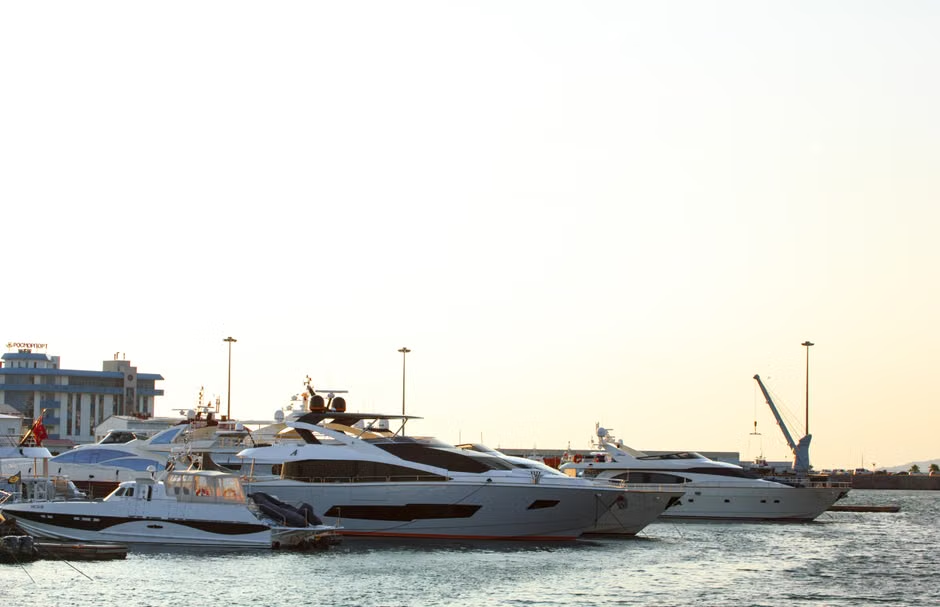
Sun Cruise Resort & Yacht
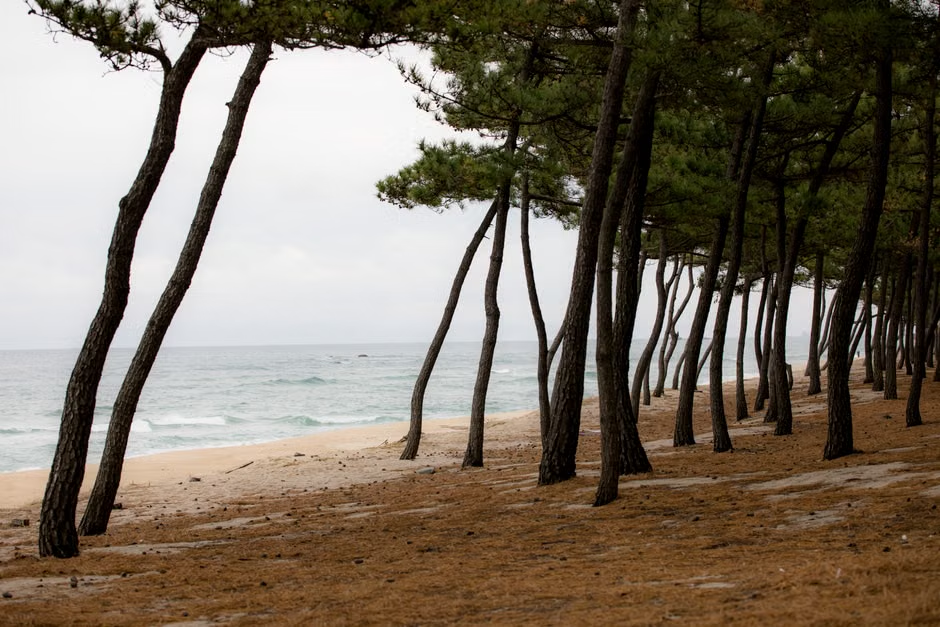
Gangneung Skybay Hotel
Compare Gangneung with Other Top Destinations
Frequently Asked Questions
Is Gangneung a good destination for an intimate wedding?
Yes. Gangneung is particularly well-suited to intimate destination weddings, typically those with guest lists that can be comfortably accommodated within a resort hotel's event spaces. The East Sea coastline, Gyeongpo Lake, and surrounding pine forests provide a naturally scenic ceremony backdrop that is genuinely distinctive within South Korea, and the relaxed coastal atmosphere suits couples seeking a nature-immersed celebration rather than a large urban ballroom event.
What guest group sizes can Gangneung venues realistically support?
Most of Gangneung's event-capable resort hotels can comfortably accommodate groups in the range of 50 to 250–300 guests when combining indoor banquet space with outdoor terraces or garden areas. Very large events significantly exceeding 300 guests may find the local venue inventory stretched, and planners should verify specific capacity with individual properties early in the planning process.
How do guests get to Gangneung from Seoul?
The most practical and popular route is the KTX high-speed rail service from Seoul Station or Cheongnyangni Station to Gangneung Station, which takes approximately two hours and runs regularly throughout the day. This makes Gangneung genuinely accessible for domestic guests without requiring a flight, and it is the recommended primary travel option for most guest groups.
What is the best time of year to hold a celebration in Gangneung?
April, May, September, and October are the strongest months for events. Spring (April–May) brings mild temperatures, clear skies, and uncrowded beaches, while early autumn (September–October) offers similarly comfortable conditions with the added appeal of autumn foliage. Both windows avoid the summer crowd peak and the cold, snowfall-prone winter months that limit outdoor event viability.
What kinds of event spaces are available in Gangneung?
The primary event format in Gangneung is the resort hotel model — properties that combine indoor banquet halls with outdoor terraces, garden spaces, or beachfront areas. Several venues sit directly on or adjacent to Gyeongpo Beach or Gyeongpo Lake, enabling ceremonies with open water backdrops. The destination does not have a large standalone convention or banquet hall culture separate from its hotel infrastructure.
Can international guests travel to Gangneung easily?
International guests typically route through Incheon International Airport in Seoul, then connect to Gangneung via KTX high-speed rail — a manageable but multi-leg journey. Yangyang International Airport is closer to Gangneung but has very limited international routes and cannot be relied upon as a primary arrival point. Planners should factor in the Seoul transfer when coordinating international guest logistics.
How mature is the local wedding and event vendor ecosystem in Gangneung?
The larger resort hotels have solid in-house event and catering capabilities shaped by years of tourism and Olympic-era investment. However, the local pool of specialist wedding vendors — bespoke florists, photographers, entertainment acts — is more limited than in Seoul. Many couples planning destination events here choose to bring key specialist vendors from Seoul, which adds logistical coordination but is a well-established practice for this destination.
What makes Gangneung distinctive as a celebration destination compared to a typical city venue?
Gangneung's primary distinction is its natural setting — the East Sea coastline, Gyeongpo Lake, and pine forests create a visually dramatic backdrop that requires minimal additional decoration. The city also has a strong local food identity (fresh seafood, a nationally recognised coffee culture) that meaningfully enriches the guest experience. For couples or hosts who want guests to feel they have genuinely travelled somewhere special, this coastal character is the destination's strongest asset.
Is Gangneung suitable for corporate retreats and team events?
Yes. The combination of modern hotel facilities, natural surroundings, and direct KTX access from Seoul makes Gangneung a practical and refreshing choice for corporate groups. The two-hour rail journey is short enough to be realistic for a two- or three-day offsite, and the coastal environment provides a genuine change of atmosphere from urban office settings without requiring complex travel arrangements.
What local experiences can guests enjoy around a celebration in Gangneung?
Guests can explore Gyeongpo Beach and Gyeongpo Lake, visit Anmok Coffee Street (a nationally recognised destination in its own right), enjoy fresh East Sea seafood at local restaurants, and visit Ojukheon House and other Confucian heritage sites. The Jeongdongjin coastal area, known for its dramatic sunrise views, is also within reach. These experiences make multi-day celebration formats particularly rewarding for guests.
How does Gangneung's weather affect outdoor event planning?
Spring (April–May) and early autumn (September–October) are reliably suitable for outdoor events, with mild temperatures and generally clear conditions. Summer brings heat, humidity, heavy beach crowds, and typhoon risk — making outdoor events uncomfortable and logistically challenging. Winter months bring cold and snowfall that largely rule out outdoor ceremonies. Planners should build weather contingency options into any outdoor event design, particularly for shoulder-season dates.

Ready to explore venues in Gangneung?
Gangneung: Destination Wedding & Celebration Venues on South Korea's East Coast
◆Gangneung is a coastal city in South Korea's Gangwon-do province, best suited to intimate weddings, milestone birthday celebrations, and small corporate retreats that prioritise natural scenery over urban grandeur. Its primary character is nature and wilderness — defined by the East Sea coastline, Gyeongpo Lake, pine forests, and the cultural legacy of the 2018 Winter Olympics. The best seasons for events are spring (April–May) and early autumn (September–October), when weather is mild and outdoor settings are at their most photogenic. Guest access from Seoul is straightforward via KTX high-speed rail in approximately two hours, though international connectivity is limited. The destination suits groups seeking a distinctive, scenery-led experience rather than large-scale banquet infrastructure.
Gangneung at a Glance
| Category | Detail |
|---|---|
| Best For | Intimate weddings, birthday celebrations, nature retreats, corporate offsites |
| Primary Vibe | Nature & Wilderness |
| Other Vibes | Coastal, Cultural, Relaxed |
| Best Season | Spring (Apr, May, Sep, Oct) |
Why Choose Gangneung?
- Genuinely distinctive natural scenery: Gyeongpo Beach, Gyeongpo Lake, and the surrounding pine forests create a backdrop that is rare among South Korean event destinations — coastal, forested, and visually dramatic without requiring elaborate decoration.
- Excellent rail connectivity from Seoul: The KTX high-speed line connects Seoul directly to Gangneung Station in roughly two hours, making it realistic for guests based in the capital to travel comfortably on the day or the evening before.
- Modern hospitality infrastructure: Investment tied to the 2018 PyeongChang Winter Olympics significantly upgraded the region's hotels, roads, and public facilities, meaning guests encounter a well-maintained, modern destination rather than an underdeveloped one.
- Strong local food and cultural identity: Gangneung is nationally recognised for its coffee culture (Anmok Coffee Street), fresh East Sea seafood, and traditional Confucian heritage sites — all of which enrich the guest experience beyond the event itself.
- Relatively uncrowded outside summer peak: In spring and autumn, the destination is popular but not overwhelmed, giving event groups a more private, relaxed atmosphere compared to the busy summer beach season.
- Scenic variety within a compact area: Within a short drive, guests can move between ocean-facing venues, lakeside settings, and forested hillside properties — giving planners genuine flexibility in how they stage different parts of a multi-day celebration.
Which Celebrations Work Best in Gangneung?
- Intimate destination weddings: Gangneung suits couples who want a scenic, nature-immersed ceremony rather than a large ballroom event. The coastal and lakeside settings are particularly well-suited to outdoor ceremonies and photography-driven celebrations with guest lists that are manageable in scale.
- Milestone birthday celebrations: The destination's relaxed coastal character makes it a natural fit for landmark birthdays — especially those where the host wants to offer guests a genuine travel experience rather than a city venue. Multi-day formats work well here given the range of local activities available.
- Corporate retreats and team offsites: The combination of modern hotel facilities, natural surroundings, and easy access from Seoul makes Gangneung a practical and refreshing choice for corporate groups seeking a change of environment without a long journey.
- Anniversary and vow renewal celebrations: The scenic intimacy of Gyeongpo Lake and the East Sea coastline provides a genuinely romantic setting for couples marking significant anniversaries, particularly in the quieter spring and autumn windows.
Venues & Event Spaces
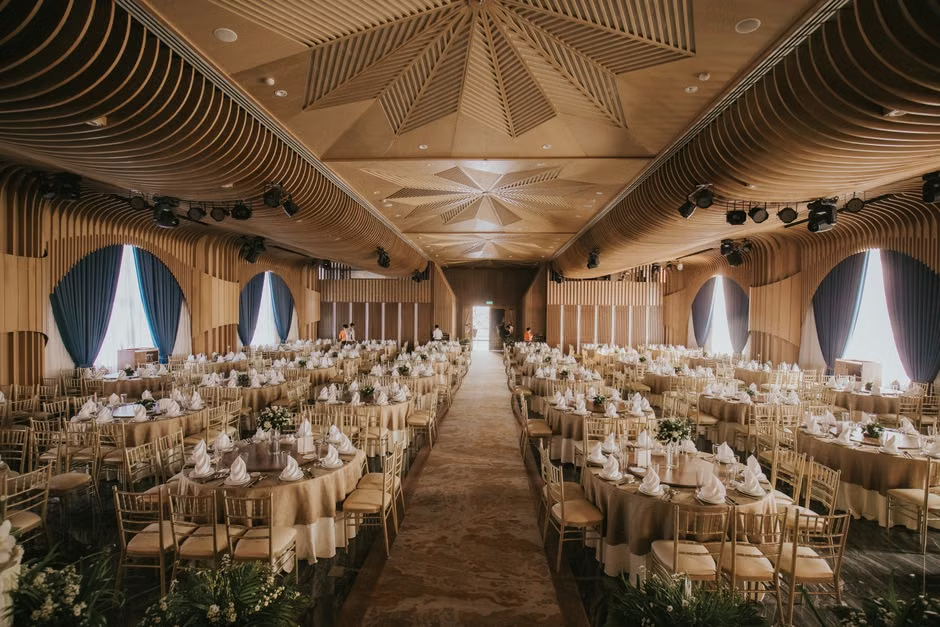
Gangneung's event venue landscape is defined primarily by beachfront and lakeside resort hotels, which typically offer a combination of indoor banquet halls and outdoor terraces or garden spaces. Several properties sit directly on or adjacent to Gyeongpo Beach and Gyeongpo Lake, allowing ceremonies to take place with open water as a natural backdrop. The city also has a small number of boutique hotels and pension-style properties that suit very intimate gatherings. For larger events, the main resort hotels provide the most complete infrastructure — accommodation, catering, and event space under one roof — which simplifies logistics for groups travelling from outside the region. Outdoor lawn and terrace spaces are available at several properties, though these are weather-dependent and most reliably usable in the spring and autumn windows. The destination does not have a large standalone convention or banquet hall culture separate from its hotel infrastructure, so event planners should expect the hotel-resort model to be the primary format here.
Best Time to Celebrate
The curated best seasons for events in Gangneung are April, May, September, and October — broadly the spring and early autumn windows. In April and May, temperatures are mild (typically ranging from around 10°C to 20°C), cherry blossoms and coastal greenery are at their peak, and the beaches are uncrowded. This makes outdoor ceremonies and photography particularly rewarding. September and October bring similarly comfortable temperatures, clear skies, and the added visual appeal of autumn foliage beginning to appear in the surrounding hills and forests.
The summer months (June through August) are technically warm and sunny but bring significant drawbacks for event planning: Gangneung's beaches become among the most crowded in South Korea during this period, accommodation is harder to secure, and the combination of heat and humidity makes extended outdoor events uncomfortable. Typhoon-related weather disruptions are also a realistic risk in late summer. Winter (December through February) brings cold temperatures and snowfall — while scenic, this makes outdoor event elements largely impractical and limits the usability of the destination's primary natural assets. March sits in an awkward transitional period where lingering cold and unpredictable weather make it a less reliable choice than the confirmed spring window of April–May.
Getting There & Local Connectivity
The most practical route for most guests is the KTX high-speed rail service from Seoul to Gangneung Station, which operates regularly and covers the journey in approximately two hours. This makes Gangneung genuinely accessible as a destination for guests based in Seoul or other major Korean cities without requiring a flight. For international guests, the typical routing is via Incheon International Airport in Seoul, followed by the KTX connection — a total journey that is manageable but does involve a transfer.
Yangyang International Airport serves the broader region and is located roughly 40 km from Gangneung city center, but its international route network is limited, and most guests will find the Seoul–KTX combination more reliable. Within Gangneung itself, the main venues and attractions are spread across a coastal strip that is best navigated by taxi or private vehicle. Public bus services exist but are not ideally suited to coordinating large groups. For events with guests arriving from multiple directions, arranging dedicated shuttle transfers between Gangneung Station and the venue is a practical and commonly used solution.
Local Vendor & Hospitality Ecosystem
Gangneung has a well-developed hospitality ecosystem relative to its size, shaped significantly by the investment and attention that accompanied the 2018 Winter Olympics. The city's hotels — particularly the larger resort properties — have experience hosting events and can typically provide in-house catering, audio-visual support, and basic event coordination. For more specialised wedding or event services (floral design, photography, entertainment, bespoke catering), planners will generally find a stronger and more diverse vendor base in Seoul, and many couples choose to bring key vendors from the capital for destination events here.
Local catering is a genuine strength: Gangneung's food culture is distinctive and high quality, with fresh East Sea seafood and regional specialities that can meaningfully enhance a celebration's food and beverage programme. The city's coffee culture — centred on Anmok Coffee Street — is nationally recognised and adds a characterful dimension to guest experiences during downtime. Overall, the ecosystem is solid for events that lean on hotel infrastructure, but planners expecting the full-service, highly competitive vendor market of a major metropolitan destination should factor in the need to source some specialists from outside the region.
Pros & Things to Consider
Why Gangneung Works Well
- Exceptional natural scenery — coastline, lake, and forest — that reduces the need for elaborate venue decoration
- Direct, comfortable KTX rail access from Seoul makes domestic guest travel straightforward
- Modern hotel infrastructure with genuine event-hosting experience, particularly at the larger resort properties
- Distinctive local food culture (fresh seafood, regional specialities, renowned coffee scene) that enriches the overall guest experience
- Relatively relaxed and uncrowded atmosphere in spring and autumn, giving events a more private, exclusive feel
- Strong safety record and excellent general infrastructure — South Korea's high standards of public safety and connectivity apply fully here
Things to Consider
- Venue capacity is limited compared to major metropolitan destinations — very large guest lists (300+) may find the local hotel inventory stretched
- Specialist wedding and event vendors (florists, photographers, entertainment) are less numerous locally; sourcing from Seoul adds logistical complexity
- International guests face a multi-leg journey (Incheon Airport + KTX transfer), which adds travel time and coordination effort
- Summer months are genuinely unsuitable for outdoor events due to crowds, heat, and typhoon risk — the usable event window is concentrated in spring and autumn
- Yangyang Airport's limited international connectivity means it cannot be relied upon as a primary arrival point for most guest groups
When Gangneung May Not Be the Right Fit
- Very large guest lists: If your celebration requires banquet or ceremony space for significantly more than 250–300 guests, Gangneung's current hotel and venue inventory may not comfortably accommodate the scale without significant logistical compromise.
- Guests travelling primarily from outside South Korea: International guests who cannot easily route through Seoul will face a complex multi-leg journey. Destinations with direct international airport access would serve a globally dispersed guest list more comfortably.
- Summer-season outdoor events: If your preferred dates fall in June, July, or August, Gangneung's beaches and outdoor spaces will be at peak crowd levels, and the heat and humidity make extended outdoor celebrations uncomfortable. A different season or a different destination would be more suitable.
- Events requiring a full-service, locally-based specialist vendor ecosystem: Couples or planners who need a deep local pool of specialist wedding vendors — bespoke florists, live entertainment, niche catering — without importing them from Seoul will find the local market more limited than in a major city destination.