
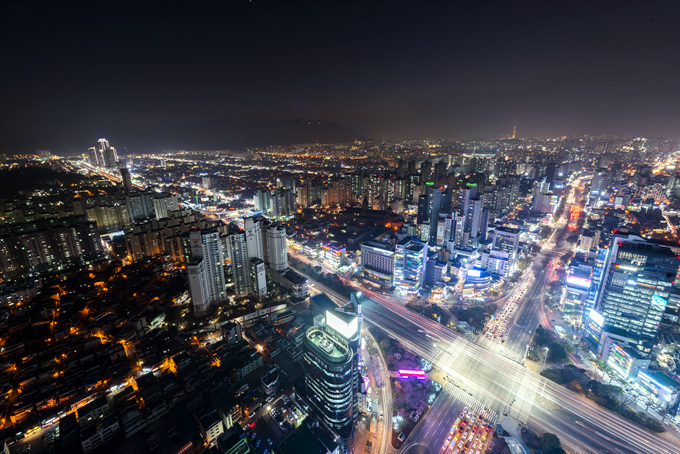
Why Daegu is Perfect for Your Celebration
- Home to major annual festivals including the Daegu International Musical Festival and Chimac Festival, creating a naturally celebratory atmosphere
- Dongdaegu KTX station connects guests from Seoul in under 2 hours and from Busan in under 1 hour
- Daegu International Airport (TAE) offers direct regional flights, reducing travel friction for international guests
- Modern convention centers and hotel ballrooms support mid-to-large scale corporate events and banquets
- Compact, walkable city center makes group logistics and guest movement between venues straightforward
- Proximity to Palgongsan Mountain and Haeinsa Temple adds cultural excursion options for multi-day event programs

Compare Daegu with Other Top Destinations
Frequently Asked Questions
Is Daegu a good destination for corporate events and conferences?
Yes. Daegu is particularly well-suited to corporate events, conferences, and incentive travel programs. The city has modern convention-grade hotel facilities, reliable high-speed internet, and strong transport links via KTX rail and its own international airport. Its compact layout makes group logistics straightforward, and the local hospitality ecosystem is experienced in handling business delegations and multi-day corporate programs.
What is the best time of year to hold an event in Daegu?
April, May, September, and October are the recommended windows. Spring brings mild temperatures and cherry blossoms; early autumn offers clear skies, lower humidity, and comfortable temperatures after the summer heat subsides. Both periods avoid Daegu's notably hot and humid summer (June–August) and its cold winter (December–February), making them the most reliable seasons for both indoor and outdoor event elements.
How do guests typically travel to Daegu for an event?
Most domestic Korean guests travel via KTX high-speed rail — Dongdaegu Station connects to Seoul in under two hours and to Busan in under one hour, making rail the most convenient option for the majority of Korean attendees. International guests typically fly into Daegu International Airport (TAE) via regional connections, or arrive through Seoul's Incheon Airport and continue by KTX.
How far is Daegu International Airport from the city center?
Daegu International Airport (TAE) is approximately 5–7 km from the city center, making it one of the most conveniently located airports relative to a Korean city's core. Transfer times by taxi or shuttle are typically short, which simplifies arrival logistics for event groups.
What kinds of event venues are available in Daegu?
Daegu's event venue landscape is primarily anchored by hotel ballrooms and convention facilities within its international and business-class hotels, suitable for formal dinners, conferences, and banquets. The city also has dedicated convention and exhibition centres for larger-scale events, and cultural or traditional Korean spaces for more intimate gatherings. Outdoor spaces in parks and riverside areas are practical during spring and early autumn.
How large a guest group can Daegu realistically accommodate for an event?
Daegu's hotel ballrooms and convention facilities comfortably support events in the range of 100 to several hundred guests. For very large events requiring 1,000 or more guests in a single venue, the local inventory is more constrained, and planners may need to consider multi-venue arrangements or evaluate whether a larger Korean city better fits the scale requirement.
Is Daegu suitable for multi-day event programs with cultural excursions?
Yes. Daegu offers genuine cultural excursion options that enhance multi-day programs. Palgongsan Mountain is accessible from the city for nature-based activities, and Haeinsa Temple — a UNESCO World Heritage Site — is within reach for a cultural day trip. The nearby historic city of Gyeongju is also commonly included in extended itineraries for groups based in Daegu.
What is the local vendor and catering ecosystem like for events in Daegu?
Daegu has a mature local hospitality ecosystem shaped by its strong festival culture and growing conference circuit. International hotel properties bring established catering and event coordination standards. Local catering draws on Daegu's distinctive regional cuisine as well as international menu options. For very large or highly specialised productions, planners may supplement with vendors from Seoul or Busan, and Korean-speaking coordination is an advantage for complex logistics.
Is Daegu safe for international guests attending an event?
Yes. Daegu is generally considered very safe, with low crime rates and reliable public services. South Korea as a whole ranks consistently high on international safety indices, and Daegu's compact, well-lit city center is comfortable for guests navigating independently. Standard travel awareness is always advisable, but safety is not typically a concern for event planners or guests.
Does Daegu's festival calendar affect event planning?
It can, in both positive and practical ways. Major festivals like the Daegu International Musical Festival and the Chimac Festival create a vibrant city atmosphere that enhances the guest experience. However, during peak festival periods, hotel availability can tighten and city-center areas may be busier than usual. Early booking of accommodation and venues is advisable if your event dates overlap with a major festival.
What makes Daegu distinct as an event destination compared to other Korean cities?
Daegu offers a genuinely festive urban character, strong KTX rail connectivity, and its own international airport — a combination that makes it more accessible than many secondary Korean cities. Its compact scale means group logistics are simpler than in Seoul, while its cultural depth (festivals, temples, regional cuisine) gives multi-day programs real substance. It suits planners seeking a Korean city experience with a distinct local identity.

Ready to explore venues in Daegu?
Daegu: Destination Event & Celebration Venues in South Korea
◆Daegu is South Korea's fourth-largest city and one of its most energetic event destinations, particularly well-suited to corporate gatherings, cultural festivals, milestone celebrations, and group events. Its primary vibe is Vibrant & Festive, shaped by a strong annual festival calendar, modern convention infrastructure, and a compact urban layout that makes group logistics genuinely manageable. Spring (April–May) and early autumn (September–October) offer the most comfortable conditions for events. The city is highly accessible via KTX high-speed rail and its own international airport, making it a practical choice for both domestic Korean guests and international attendees arriving via connecting hubs.
Daegu at a Glance
| Category | Detail |
|---|---|
| Best For | Corporate Events, Cultural Festivals, Milestone Celebrations, Group Gatherings |
| Primary Vibe | Vibrant & Festive |
| Other Vibes | Urban & Modern, Culturally Rich |
| Best Season | Spring (Apr, May, Sep, Oct) |
Why Choose Daegu?
- Festival-native atmosphere: Daegu hosts internationally recognised events including the Daegu International Musical Festival, the Chimac (Chicken & Beer) Festival, and the Colorful Daegu Festival — this built-in celebratory culture translates naturally into a welcoming environment for private events and corporate celebrations.
- Exceptional rail connectivity: Dongdaegu KTX Station places the city under two hours from Seoul and under one hour from Busan, meaning the majority of Korean guests can attend without flying — a significant logistical advantage for large group events.
- Own international airport: Daegu International Airport (TAE) handles direct regional routes, reducing the need for guests to transit through Seoul's larger hubs and shortening overall travel time for international attendees.
- Compact, navigable city: Daegu's central districts are well-served by metro lines and buses, making it straightforward for large guest groups to move between accommodation, venues, and dining without requiring extensive private transport arrangements.
- Cultural depth for multi-day programs: Proximity to Palgongsan Mountain, Haeinsa Temple (a UNESCO World Heritage Site housing the Tripitaka Koreana), and the historic Seomun Market gives event planners genuine excursion and cultural programming options for multi-day celebrations.
- Modern venue infrastructure: The city has invested significantly in convention and hospitality facilities, with hotel ballrooms and dedicated event spaces capable of supporting mid-to-large scale banquets, conferences, and gala dinners.
Which Celebrations Work Best in Daegu?
- Corporate Events & Conferences: Daegu's convention-grade hotel facilities, strong transport links, and reliable high-speed internet infrastructure make it a natural fit for corporate retreats, product launches, and multi-day conferences. The city's professional hospitality ecosystem is accustomed to handling business delegations.
- Cultural Festivals & Group Celebrations: The city's own festival calendar creates a ready-made celebratory backdrop. Groups attending or co-locating with Daegu's major public festivals benefit from an already-energised city atmosphere, abundant dining options, and a local population experienced in hosting large visitor numbers.
- Milestone Celebrations (Anniversaries, Reunions, Landmark Birthdays): For groups seeking a Korean city experience beyond Seoul, Daegu offers a more intimate urban scale with genuine cultural character — well-suited to milestone events where the destination itself is part of the experience.
- Incentive Travel Programs: The combination of cultural excursions (Haeinsa Temple, Palgongsan, Gyeongju day trips), quality hotel accommodation, and strong connectivity makes Daegu a credible incentive travel destination for corporate reward programs targeting South Korea.
Venues & Event Spaces
Daegu's event venue landscape is primarily anchored by hotel ballrooms and convention facilities within its international and business-class hotels, which typically offer flexible banquet configurations, in-house catering, and dedicated event coordination teams. These spaces are well-suited to formal dinners, corporate conferences, and seated celebrations for groups ranging from around 100 to several hundred guests.
Beyond hotel-based venues, the city has dedicated convention and exhibition centres that can accommodate larger-scale events, trade shows, and multi-session conferences. For groups seeking a more atmospheric setting, cultural venues and traditional Korean spaces — including hanok-style facilities and spaces adjacent to historic sites — are available for smaller, more intimate gatherings or pre/post-event programming.
Outdoor event spaces are most practical during the spring and early autumn windows, when Daegu's parks and riverside areas provide pleasant settings for receptions and informal gatherings. The city's restaurant and private dining scene also supports smaller group events, with a strong local food culture centred on Daegu's distinctive cuisine.
Best Time to Celebrate
The curated best season for Daegu events is Spring — specifically April, May, September, and October. Here is why each window works, and why the remaining months are generally less suitable:
- April & May (Spring): Temperatures are mild and comfortable, typically ranging from around 12°C to 22°C. Cherry blossoms and spring foliage create a visually appealing backdrop for outdoor elements of events. Rainfall is moderate and generally manageable. This is also when several of Daegu's major festivals begin their season, adding to the city's energy.
- September & October (Early Autumn): Often considered the most reliably pleasant period. Temperatures cool from summer highs to a comfortable 15°C–24°C range, skies are typically clear and blue, and humidity drops significantly from the summer peak. Autumn foliage — particularly around Palgongsan — adds scenic value for excursion programming. This window avoids both the summer heat and the winter cold.
- June–August (Summer) — Less Ideal: Daegu is notably one of South Korea's hottest cities in summer, earning the informal nickname of Korea's "oven" city. Temperatures regularly exceed 35°C, and the monsoon season (Jangma) brings heavy, unpredictable rainfall in July and August. Outdoor event elements become impractical, and guest comfort is a genuine concern.
- November–March (Winter) — Less Ideal: Temperatures drop sharply, with December through February regularly seeing sub-zero nights. While indoor events remain fully viable, the cold limits outdoor programming and can complicate guest travel if snowfall affects transport. March begins to warm but can still be unpredictably cold.
Getting There & Local Connectivity
By Air: Daegu International Airport (TAE) is located close to the city center — among the most conveniently positioned airports of any major Korean city — and handles direct routes to several regional destinations including Japan and China, as well as domestic Korean routes. For guests arriving from further afield, connections through Incheon (Seoul) or Gimhae (Busan) are straightforward, with onward KTX rail completing the journey efficiently.
By Rail: Dongdaegu KTX Station is the city's primary high-speed rail hub and is genuinely one of Daegu's strongest logistical assets for event planners. Seoul (Suseo/Dongdaegu route) is reachable in under two hours; Busan in under one hour. This means a significant proportion of Korean guests can attend a Daegu event as a comfortable day-trip or short overnight stay without flying at all.
Local Movement: Within the city, Daegu operates a clean and reliable metro system covering the main districts, supplemented by an extensive bus network. For event groups, the compact geography of the central districts (Jung-gu, Suseong-gu) means that hotels, venues, and dining are often within short taxi or metro distance of each other. Private coach or minibus hire is readily available for groups requiring coordinated transfers between airport, hotel, and event venue.
Local Vendor & Hospitality Ecosystem
Daegu has a mature hospitality ecosystem relative to its size, shaped by decades of hosting major domestic festivals and a growing international conference circuit. International-brand hotels bring with them established event coordination standards, in-house catering teams, and AV/technical infrastructure that meets corporate event expectations.
The local catering and food & beverage scene is a genuine strength — Daegu has a distinctive regional cuisine (known for spicy dishes and a strong street food culture) and a growing fine-dining sector. Event caterers can draw on both Korean banquet traditions and international menu options, giving planners flexibility for mixed-nationality guest lists.
Event production vendors — including lighting, sound, floral, and décor specialists — are available locally, though for very large or highly specialised productions, planners may supplement with vendors from Seoul or Busan. English-language support is available at international hotel properties and through professional event management companies operating in the city, though general English proficiency among local vendors varies and Korean-speaking coordination is an advantage for complex logistics.
Pros & Things to Consider
Why Daegu Works Well
- Exceptional KTX rail connectivity makes guest travel from Seoul and Busan fast and stress-free
- Own international airport reduces reliance on Seoul hubs for regional international guests
- Compact city layout simplifies group logistics and minimises transfer times
- Strong festival culture creates a naturally celebratory city atmosphere year-round
- Quality hotel ballroom and convention infrastructure supports mid-to-large scale events
- Rich cultural excursion options (Haeinsa, Palgongsan, Gyeongju nearby) enhance multi-day programs
- Generally very safe city with low crime rates and reliable public services
Things to Consider
- Summer heat is genuinely extreme — Daegu is one of South Korea's hottest cities in July and August, which significantly limits outdoor event viability in those months
- International flight options from TAE are more limited than Seoul's Incheon; guests from Europe, the Americas, or the Middle East will typically require a connection
- English-language vendor communication outside major hotel properties can require additional coordination effort
- The destination is less internationally recognised as an event city than Seoul or Jeju, which may require more guest orientation and pre-event communication for international attendees
- Very large-scale events (1,000+ guests) may find the local venue inventory more constrained than in Seoul
When Daegu May Not Be the Right Fit
- Events planned for July or August: If outdoor elements are central to the event concept, Daegu's extreme summer heat and monsoon rainfall make this period genuinely unsuitable — a different season or a different destination with a milder summer climate would serve better.
- Very large-scale events requiring 1,000+ guest capacity: While Daegu's convention infrastructure is solid for mid-scale events, planners requiring very large single-venue capacities may find Seoul or Busan offer a broader range of options at that scale.
- Guests primarily arriving from outside Asia: International guests from Europe, the Americas, or the Middle East will need to connect through a major hub airport before reaching Daegu. For groups where the majority of guests are travelling intercontinentally, a destination with more direct international flight access may reduce travel fatigue.
- Events requiring a beach, island, or coastal setting: Daegu is an inland city with no coastal access. Groups for whom a waterfront or beach setting is central to the event concept would be better served by Busan, Jeju, or another coastal Korean destination.