
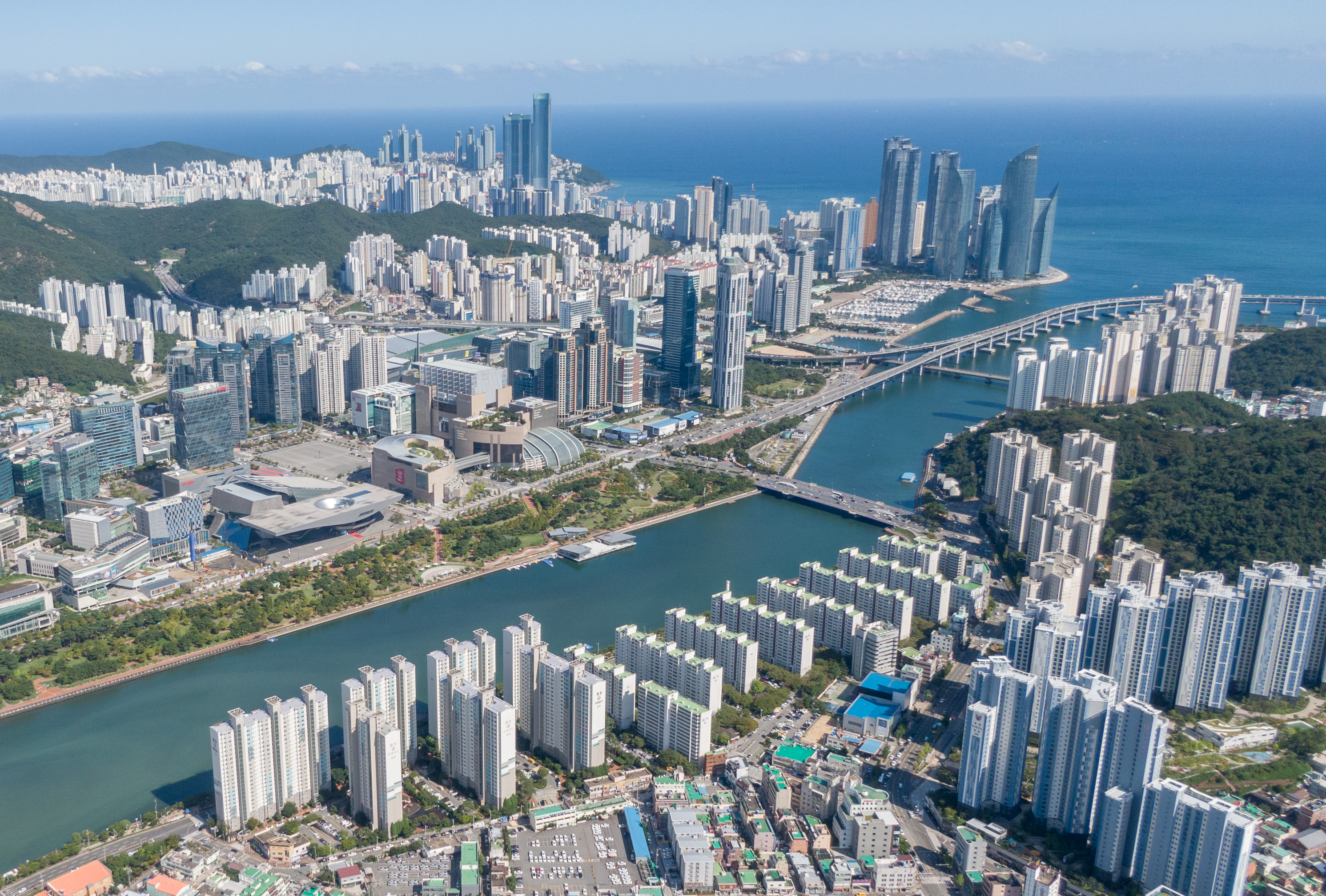
Why Busan is Perfect for Your Celebration
- Haeundae and Gwangalli beaches provide dramatic, photogenic backdrops unavailable in inland cities
- World-class convention infrastructure including BEXCO, one of Asia's major exhibition and convention centres
- Excellent KTX high-speed rail and direct international flights make guest travel straightforward
- A mature hospitality ecosystem with international luxury hotel brands alongside boutique properties
- Busan International Film Festival (BIFF) heritage gives the city a strong culture of large-scale event hosting
- Spring and autumn seasons offer comfortable outdoor conditions with minimal rain and stunning coastal scenery
Compare Busan with Other Top Destinations
Frequently Asked Questions
Is Busan a good destination for corporate conferences and incentive events?
Yes, Busan is one of South Korea's strongest corporate event destinations. The city has world-class convention infrastructure, a mature event management industry shaped by decades of major international events, and a compelling coastal setting that works well as an incentive backdrop. It suits everything from small executive retreats to large multi-day conferences with hundreds of delegates.
What guest group sizes can Busan venues realistically accommodate?
Busan's venue portfolio is genuinely broad. Intimate gatherings of 50–100 guests are well-served by boutique hotel spaces and private dining rooms, while mid-scale events of 200–600 guests fit comfortably in hotel ballrooms. For large-scale conferences or festivals requiring 1,000 or more attendees, purpose-built convention facilities provide the necessary capacity and technical infrastructure.
What is the best time of year to plan a celebration or event in Busan?
April–May and September–October are the recommended windows. Spring brings mild temperatures, low humidity, and cherry blossoms, while autumn offers settled weather, comfortable temperatures around 18–25°C, and a lively festival atmosphere. Both seasons are reliable for outdoor and indoor events. Summer (June–August) carries typhoon and monsoon risk; winter (December–February) is cold and limits outdoor viability.
How do guests typically travel to Busan from overseas?
Most international guests arrive via Gimhae International Airport, which has direct connections from major Asian cities including Tokyo, Osaka, Hong Kong, Bangkok, and Singapore. Guests travelling from Seoul can also take the KTX high-speed train, which covers the Seoul–Busan route in approximately 2.5 hours — a popular and comfortable option for Korean domestic guests.
Is Busan suitable for a destination wedding?
Yes, particularly for couples seeking a modern, coastal, internationally accessible setting. Beachfront hotel ceremonies, rooftop receptions with sea views over Haeundae or Gwangalli, and the city's vibrant dining scene make it a strong choice for contemporary destination weddings. It is less suited to couples seeking a traditional Korean heritage or palace-style aesthetic.
What kinds of venues are available for events in Busan?
Busan offers a genuinely diverse range: grand hotel ballrooms with sea views, rooftop terraces in high-rise properties, purpose-built convention and exhibition halls, outdoor beachfront spaces, and more intimate private dining and event rooms. The Haeundae and Marine City districts are the primary concentration of upscale event venues, though options exist across the city.
How easy is it for a large guest group to get around Busan once they arrive?
Relatively straightforward. Busan has a well-developed metro system, plentiful taxis, and easy access to private coach hire for group transfers. Many luxury hotels are clustered in the Haeundae district, meaning guests staying in the same area can often walk between accommodation, the beach, and nearby venues. A local event coordinator can manage group transport logistics efficiently.
Does Busan have a strong local vendor and catering ecosystem for events?
Yes. Busan's long history of hosting major international events — including APEC, the FIFA World Cup, and the Busan International Film Festival — has produced an experienced pool of event planners, AV specialists, caterers, and hospitality professionals. The city's seafood culture also means food and beverage offerings at events can be genuinely distinctive and high quality.
Should I hire a local event coordinator for planning an event in Busan?
For international clients, yes — strongly advisable. English proficiency varies among local vendors, and navigating contracts, logistics, and cultural expectations is significantly smoother with a bilingual local coordinator. International hotel brands operating in Busan typically have in-house event teams experienced in working with overseas clients, which can simplify the process considerably.
What social programme options are available for guests attending a multi-day event in Busan?
Busan offers a rich range of guest experiences: Haeundae and Gwangalli beaches, the colourful Gamcheon Culture Village, Taejongdae cliffs, Geumjeongsan mountain hiking, the Jagalchi seafood market, and a lively dining and nightlife scene. These options make it easy to build engaging multi-day itineraries that keep guests entertained beyond the core event programme.
Are there any significant risks or limitations to planning an outdoor event in Busan?
Yes — seasonal timing matters significantly. Summer months (June–August) bring typhoon risk, high humidity, and heavy rainfall that can disrupt outdoor plans. Winter (December–February) is cold enough to make outdoor events impractical. Sticking to the recommended spring and autumn windows substantially reduces weather-related risk for outdoor ceremonies, receptions, or festival-format events.

Ready to explore venues in Busan?
Busan: Destination Wedding & Corporate Event Venues in South Korea
◆Busan is South Korea's second-largest city and its primary coastal event destination — best suited to corporate conferences, large-scale festivals, milestone celebrations, and destination weddings that benefit from a dramatic urban-coastal backdrop. Its primary vibe is Vibrant & Festive, shaped by a lively beach culture, a world-famous film festival heritage, and a skyline that blends mountain, sea, and modern architecture. The best seasons to plan are spring (April–May) and autumn (September–October), when temperatures are mild and outdoor spaces are fully usable. Busan is well-connected internationally via Gimhae International Airport and domestically via KTX high-speed rail, making guest logistics straightforward for both Korean and international attendees.
Busan at a Glance
| Category | Detail |
|---|---|
| Best For | Corporate Events, Festivals, Destination Weddings, Milestone Celebrations |
| Primary Vibe | Vibrant & Festive |
| Other Vibes | Coastal & Scenic, Modern & Urban, Cultural & Dynamic |
| Best Season | Spring (Apr, May, Sep, Oct) |
Why Choose Busan?
- Iconic coastal scenery: Haeundae and Gwangalli beaches offer a rare combination of urban sophistication and natural beauty, giving events a visually distinctive setting that inland cities simply cannot replicate.
- World-class convention infrastructure: BEXCO (Busan Exhibition and Convention Centre) is one of Asia's most capable large-scale event facilities, regularly hosting international conferences, trade shows, and cultural festivals — meaning the city's event-support ecosystem is genuinely mature.
- Strong international and domestic connectivity: Gimhae International Airport handles direct routes from major Asian hubs, while KTX high-speed rail connects Busan to Seoul in approximately 2.5 hours, making it accessible for guests travelling from across South Korea and the wider region.
- Diverse venue portfolio: From rooftop ballrooms in skyscraper hotels overlooking the sea to traditional Korean cultural spaces and purpose-built convention halls, Busan offers genuine variety across event types and guest sizes.
- Mature hospitality and vendor ecosystem: The city's long history of hosting the Busan International Film Festival and major international sporting events has produced a deep pool of experienced event planners, caterers, AV specialists, and hospitality professionals.
- Excellent urban mobility: Busan's metro system, bus network, and taxi infrastructure make moving large guest groups between accommodation, venues, and social experiences relatively straightforward compared to less-developed event cities.
Which Celebrations Work Best in Busan?
- Corporate conferences and incentive trips: Busan is arguably its strongest in this category. BEXCO and the city's international hotel ballrooms can accommodate everything from intimate executive retreats to multi-thousand-delegate conferences, and the city's cosmopolitan character makes it a genuinely motivating incentive destination for international teams.
- Festivals and large-scale cultural events: The city has a deeply embedded festival culture — from BIFF to the Busan Fireworks Festival — and its public spaces, beachfront areas, and convention facilities are well-suited to large, multi-day festival formats.
- Destination weddings: Couples seeking a modern, coastal, internationally accessible wedding location will find Busan compelling. Beachfront hotel ceremonies, rooftop receptions with sea views, and the city's vibrant dining and nightlife scene make it a strong choice for weddings with a contemporary, cosmopolitan character.
- Milestone celebrations (anniversaries, landmark birthdays, reunions): The combination of excellent restaurants, scenic day-trip options (Gamcheon Culture Village, Taejongdae, Geumjeongsan), and high-quality hotel event spaces makes Busan well-suited to multi-day celebration itineraries for groups of varying sizes.
Venues & Event Spaces
Busan's venue landscape is genuinely diverse. At the large-scale end, purpose-built convention and exhibition centres provide technically sophisticated spaces capable of handling conferences, trade events, and gala dinners for hundreds or thousands of guests. International luxury hotel properties — particularly concentrated in the Haeundae and Marine City districts — offer grand ballrooms, rooftop terraces, and private dining rooms with panoramic sea views, suitable for weddings, corporate dinners, and milestone events. Mid-range hotel properties provide functional banquet halls and meeting rooms well-suited to smaller corporate gatherings or intimate celebrations. Beyond hotels, the city also has a growing number of independent event spaces, rooftop venues, and culturally distinctive locations — including spaces near the Gamcheon Culture Village and the Jagalchi fish market district — that suit more experiential or creatively themed events. Outdoor beach-adjacent spaces at Haeundae and Gwangalli are particularly popular for spring and autumn events, offering a backdrop that is genuinely unique to Busan.
Best Time to Celebrate
The curated best seasons for events in Busan are spring (April–May) and autumn (September–October), and both windows have distinct practical advantages beyond simply "pleasant weather."
April and May bring mild daytime temperatures (typically 13°C–22°C), low humidity, and clear skies. Cherry blossoms are in bloom through much of April, adding a visually spectacular seasonal element to outdoor events and photography. Rainfall is relatively low, making outdoor ceremonies and receptions viable with reasonable confidence.
September and October are arguably the most reliable window. Summer humidity has dissipated, temperatures settle into a comfortable 18°C–25°C range, and the city's festival calendar — including the Busan International Film Festival in October — creates a lively, energetic atmosphere that enhances the experience for guests. Autumn foliage on the surrounding mountains adds further scenic value.
June through August should generally be avoided for outdoor-heavy events. Busan's summers are hot and humid (often 28°C–33°C with high humidity), and the region is susceptible to typhoons and heavy monsoon-associated rainfall, particularly in July and August. Indoor events remain viable, but outdoor plans carry meaningful weather risk.
December through February brings cold winters with occasional sub-zero wind chill, particularly when sea winds are strong. While indoor events are perfectly manageable, the cold significantly limits outdoor viability and may deter international guests unaccustomed to Korean winters. March is a transitional shoulder month — conditions improve progressively but can still be cool and unpredictable.
Getting There & Local Connectivity
Busan is served by Gimhae International Airport, located approximately 15–20 km from the city centre. The airport handles direct international routes from major Asian cities including Tokyo, Osaka, Hong Kong, Bangkok, Singapore, and several Chinese cities, as well as frequent domestic connections from Seoul's Gimpo Airport. For guests travelling from Seoul by land, the KTX high-speed rail from Seoul Station to Busan Station takes approximately 2.5 hours — a genuinely comfortable and reliable option that many Korean guests prefer over flying.
Within the city, Busan has a well-developed urban transport network. The metro system covers most major districts including Haeundae, Seomyeon, and the city centre, and is straightforward to navigate. Taxis are plentiful and relatively affordable. For event groups, private coach hire is readily available and commonly used to transfer guests between accommodation clusters, venues, and social programme locations. The concentration of luxury hotels in the Haeundae district means that many events can be planned with guests staying within walking distance of each other and of the beach, reducing the logistical complexity of group movement.
Local Vendor & Hospitality Ecosystem
Busan's vendor ecosystem is among the most developed of any Korean city outside Seoul. Decades of hosting major international events — including the 2002 FIFA World Cup, the Asia-Pacific Economic Cooperation (APEC) summit, and the annual Busan International Film Festival — have produced a professional class of event planners, production companies, catering specialists, and hospitality staff with genuine large-scale event experience.
International hotel brands operating in Busan bring their own in-house event management teams and established vendor networks, which simplifies planning for overseas clients unfamiliar with the local market. Korean catering culture is sophisticated, and Busan's identity as a seafood city means that food and beverage offerings at events can be genuinely distinctive — fresh seafood, traditional Korean cuisine, and modern fusion menus are all readily available at a high standard.
Floral, décor, AV, and entertainment vendors are well-represented in the city, and the presence of a large creative community (partly a legacy of the film festival) means that experiential and production-heavy events are well-supported. Language can be a consideration for international planners — English proficiency varies among vendors, and working with a bilingual local event coordinator is generally advisable for non-Korean-speaking clients.
Pros & Things to Consider
Why Busan Works Well
- Genuinely distinctive coastal setting that elevates event photography and guest experience
- Strong international and domestic transport connectivity reduces guest travel friction
- Mature, experienced event and hospitality industry capable of handling large and complex events
- Diverse venue portfolio spanning convention centres, luxury hotel ballrooms, and outdoor beachfront spaces
- Spring and autumn seasons offer reliable, comfortable conditions for both indoor and outdoor events
- Rich social programme options (beaches, cultural villages, mountain hiking, seafood dining) keep guests engaged across multi-day events
Things to Consider
- Summer typhoon and monsoon risk (June–August) makes outdoor event planning genuinely uncertain during those months
- Cold winters (December–February) limit outdoor viability and may be uncomfortable for guests from warmer climates
- English-language communication with local vendors can require additional coordination — a bilingual local planner is strongly advisable for international clients
- Haeundae district, while the most popular event hub, can be congested during peak tourist season and major festivals, which may affect guest movement and accommodation availability
- Busan is not a heritage or palace-style destination — couples or planners seeking a traditional Korean cultural aesthetic may find the city's modern, urban character less suited to that vision
When Busan May Not Be the Right Fit
- Outdoor-heavy events planned for summer: If your event concept relies significantly on outdoor spaces and is scheduled between June and August, Busan's typhoon season and high humidity create meaningful weather risk that is difficult to fully mitigate.
- Guests seeking a traditional or heritage-focused Korean experience: Busan is a modern, coastal, urban city. Guests or planners looking for a deeply traditional Korean cultural setting — historic palaces, hanok villages, classical ceremony aesthetics — would generally be better served by destinations such as Gyeongju or Jeonju.
- Very small, intimate gatherings prioritising seclusion: Busan is a large, busy metropolitan city. Guests seeking a quiet, private, resort-style retreat away from urban energy may find the city's scale and activity level at odds with that vision.
- Events requiring very large single-venue outdoor capacity in winter: While indoor capacity is strong year-round, the cold winter months make large outdoor events impractical, and planners needing a warm-weather outdoor venue in the December–February window should consider alternative destinations.