
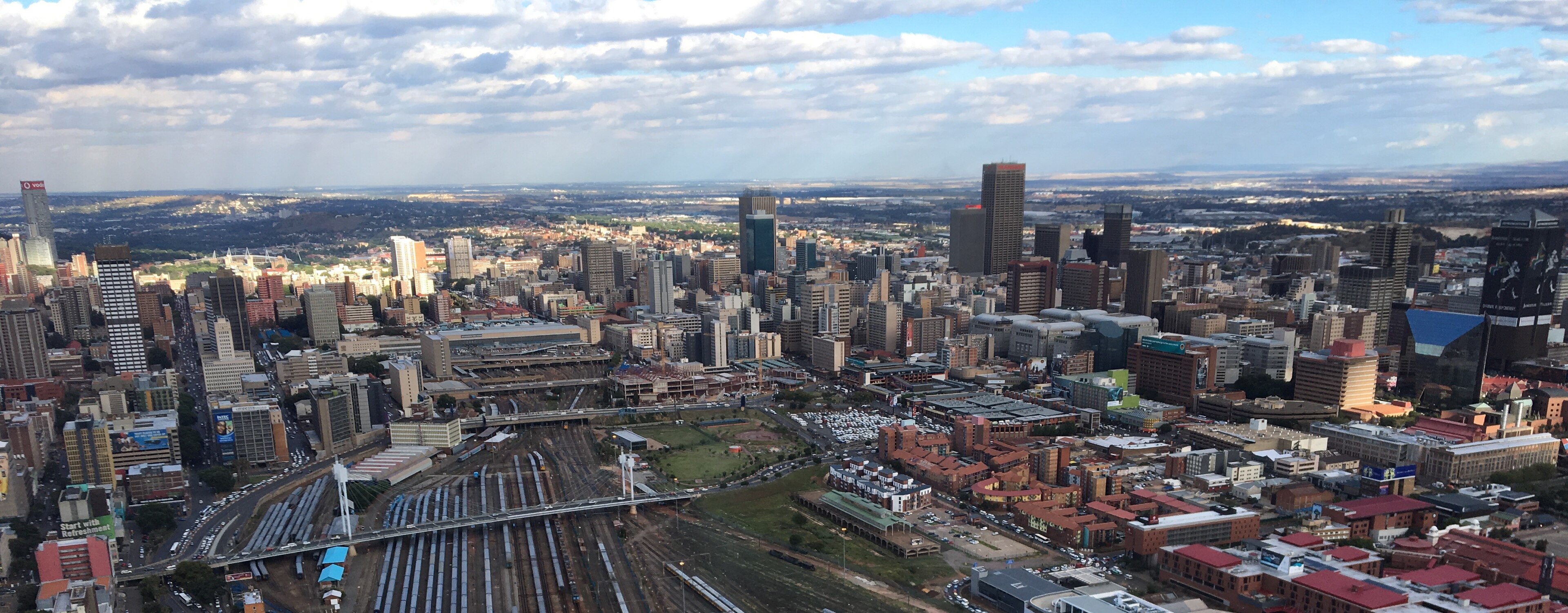
Why Johannesburg is Perfect for Your Celebration
- O.R. Tambo International Airport offers direct flights from major cities across Africa, Europe, Asia, and the Americas
- Sandton's dense cluster of luxury hotels and convention centres can accommodate large guest lists under one roof
- Mature, professional events industry with experienced local planners, caterers, and AV specialists
- Cool, dry, and reliably sunny winters (Apr–Sep) provide near-perfect outdoor event conditions
- Proximity to Cradle of Humankind and Magaliesberg adds unique safari or bush pre/post-event experiences
- Vibrant arts, food, and nightlife scene in Maboneng, Rosebank, and Sandton enriches the guest experience

Top Venues in Johannesburg
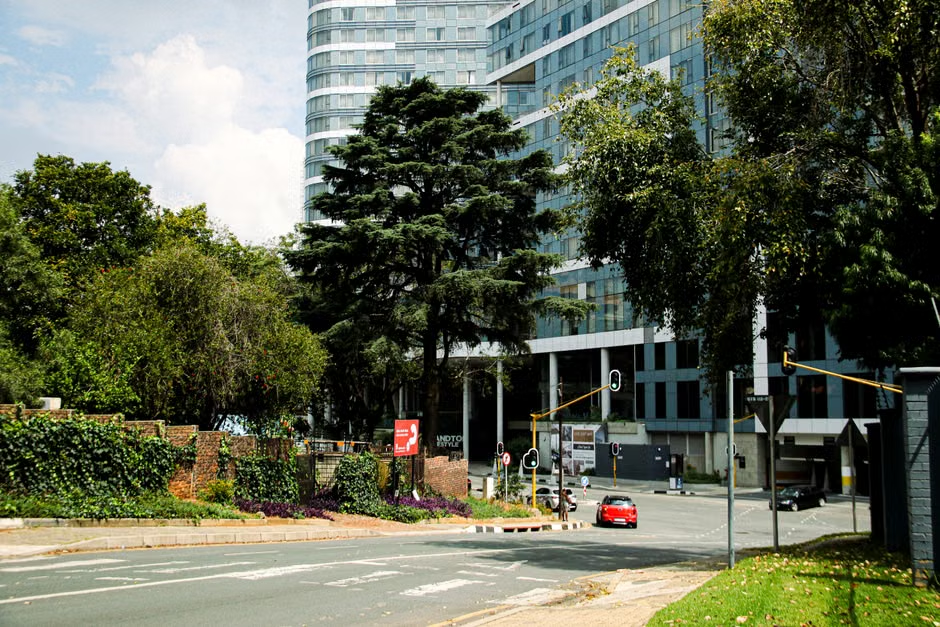
Hyatt Regency Johannesburg
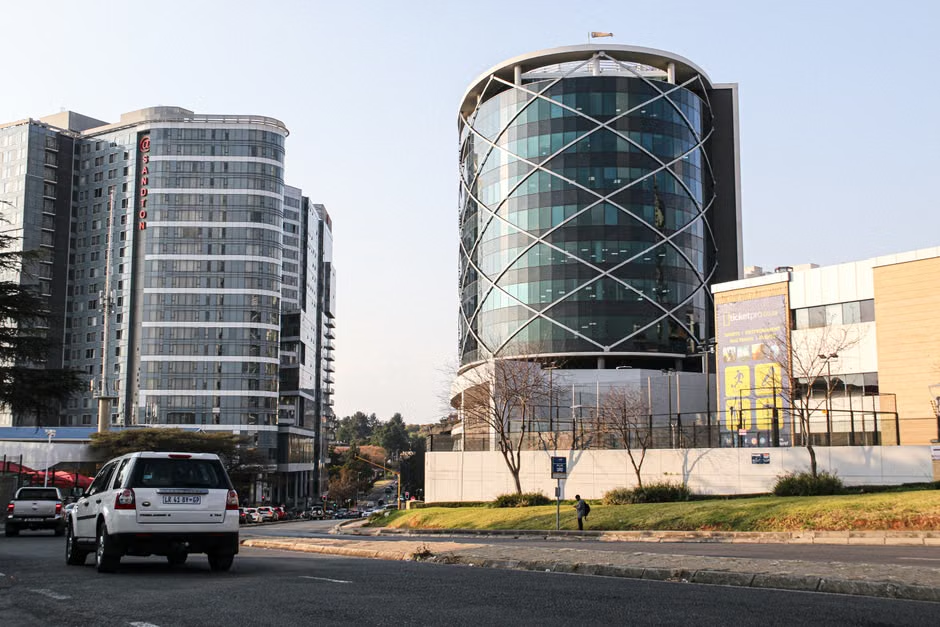
InterContinental Johannesburg Sandton Towers
Radisson Blu Hotel Sandton

Hilton Sandton
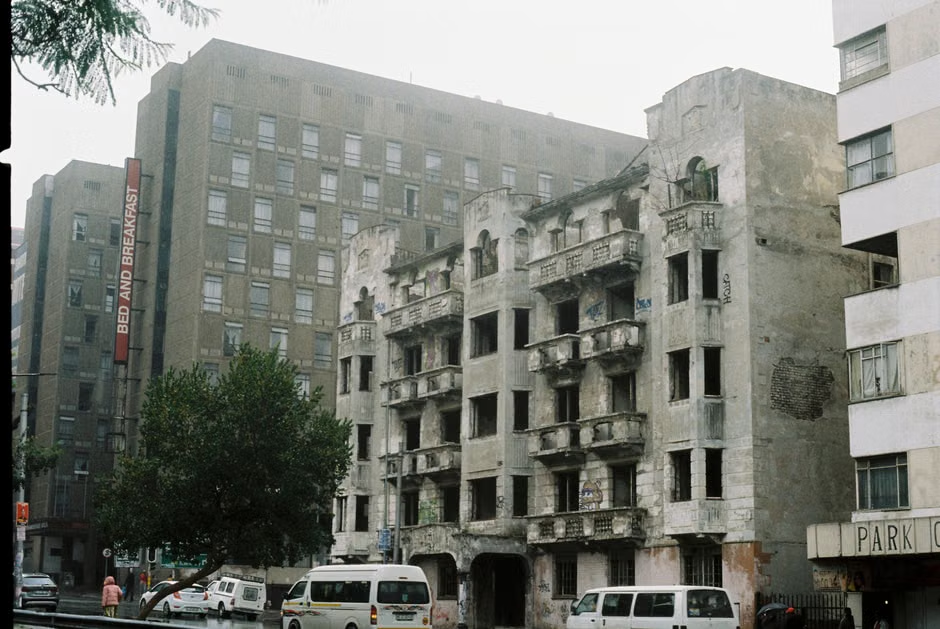
Protea Hotel by Marriott Johannesburg Balalaika Sandton
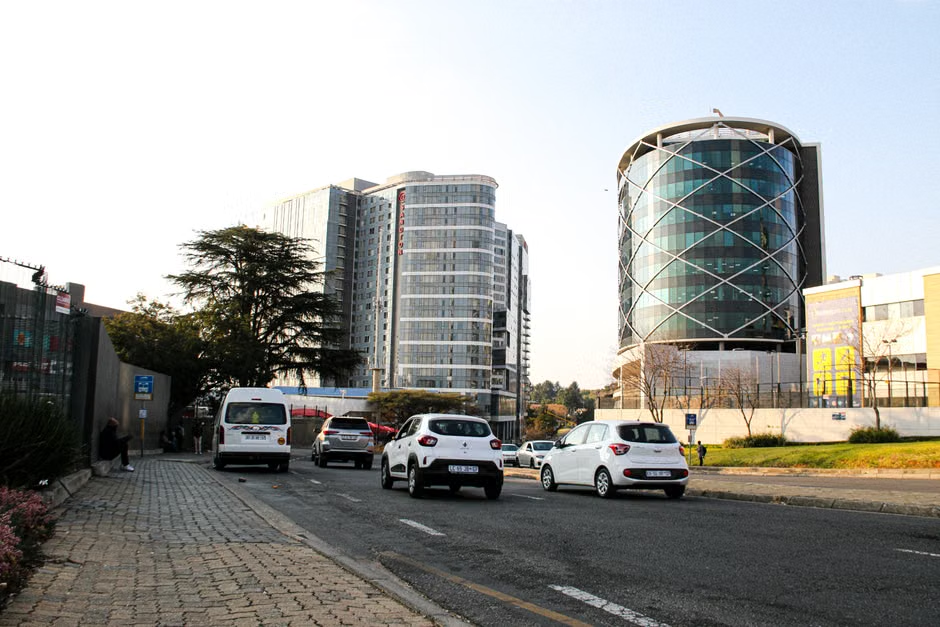
Garden Court Sandton City
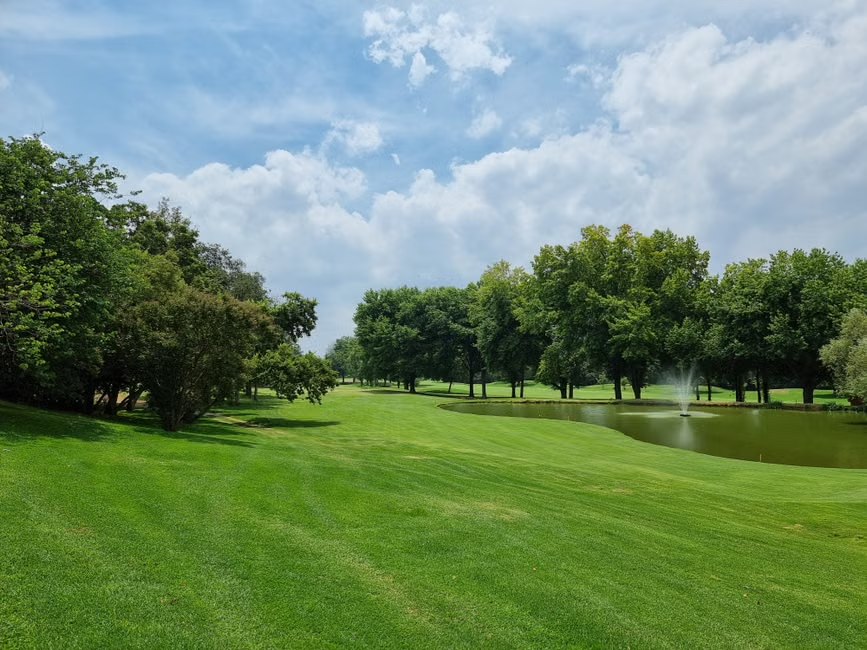
Holiday Inn Johannesburg Airport
Compare Johannesburg with Other Top Destinations
Frequently Asked Questions
Is Johannesburg a good destination for a wedding?
Yes, particularly for couples seeking a cosmopolitan, sophisticated setting with strong international guest accessibility. Johannesburg suits weddings that prioritise world-class hospitality infrastructure, professional vendor support, and a chic urban or garden-estate aesthetic. It is especially well-suited to couples with international guest lists, given the city's outstanding flight connectivity via O.R. Tambo International Airport.
What is the best time of year to hold an event in Johannesburg?
April through September is the strongly recommended window. These months form Johannesburg's cool, dry winter season — characterised by clear, sunny days, low humidity, and very little rainfall. This makes outdoor ceremonies and garden receptions reliably feasible. October through March brings summer thunderstorms that can disrupt outdoor events with little warning, making that period less suitable for outdoor-focused celebrations.
How easy is it for international guests to travel to Johannesburg?
Very easy, by African standards. O.R. Tambo International Airport is Africa's busiest hub, with direct flights from major cities across Europe, the Middle East, Asia, and the Americas. The Gautrain rapid rail link connects the airport to Sandton in approximately 15 minutes, making large-group airport transfers efficient. Domestic guests from Cape Town, Durban, and other South African cities are also well-served by frequent direct flights.
What kinds of event venues are available in Johannesburg?
Johannesburg offers a wide range: luxury hotel ballrooms and convention centres in Sandton for large formal events; boutique hotel and villa spaces in Sandhurst and Westcliff for intimate celebrations; garden and estate venues on the city's northern fringes for outdoor weddings; and creative urban spaces — rooftop terraces, converted warehouses, and gallery venues — in areas like Maboneng and Rosebank for non-traditional events.
How large a guest list can Johannesburg venues realistically accommodate?
Johannesburg's venue inventory spans a wide range. Boutique and villa properties typically suit gatherings of 50–200 guests. Larger hotel ballrooms and convention facilities in Sandton can comfortably accommodate 300–600 guests or more for formal seated events. For very large festivals or outdoor events, the city has established outdoor venues capable of handling significantly larger crowds.
Is Johannesburg suitable for corporate events and conferences?
Yes — it is arguably South Africa's premier corporate event destination. The city's concentration of internationally branded convention hotels, professional AV and production suppliers, and proximity to major business headquarters make it the natural choice for conferences, product launches, incentive events, and gala dinners. The mature local events industry is experienced in delivering events to international corporate standards.
What should event planners know about getting around Johannesburg with a large guest group?
Johannesburg is a large, spread-out city, and private charter coaches or minibus transfers are the most practical solution for moving guest groups between the airport, hotels, and venues. Uber operates extensively and is reliable for smaller groups. Peak-hour traffic can be significant on weekdays, so transfer schedules should be planned with buffer time. The Gautrain is excellent for airport-to-Sandton transfers specifically.
Are there unique experiences near Johannesburg that can be incorporated into an event programme?
Yes. The Cradle of Humankind UNESCO World Heritage Site and the Magaliesberg mountain range are within roughly two hours of the city, offering game drives, bush dinners, and nature retreats as pre- or post-event activities. Closer in, the Maboneng Precinct and Neighbourgoods Market offer vibrant cultural and food experiences that work well as informal guest programming during a multi-day event.
What safety considerations should event planners communicate to guests?
Johannesburg requires sensible urban awareness. Guests should be advised to stay within established hospitality and entertainment zones (Sandton, Rosebank, Westcliff, Maboneng with a guide), use reputable transport such as Uber or hotel-arranged transfers, and avoid unfamiliar areas — particularly at night. Most guests attending events at established hotels and venues will have a comfortable, safe experience when following standard precautions.
How developed is Johannesburg's local events and hospitality vendor ecosystem?
Very well-developed. Johannesburg has a mature ecosystem of professional event planners, caterers, florists, lighting and AV specialists, and entertainment providers — many with experience delivering events to international luxury and corporate standards. The city's diverse cultural scene also means access to a wide range of entertainment acts, from live bands and DJs to traditional African performance groups.
Does Johannesburg work for festivals and large-scale public events?
Yes. The city has established outdoor venues, parkland spaces, and the logistical infrastructure to support large festivals and public events. The cool, dry winter season (April–September) aligns well with outdoor festival programming, providing reliable weather conditions. The city's diverse population and strong cultural scene also provide a natural audience and talent base for festival-format events.

Ready to explore venues in Johannesburg?
Johannesburg: Destination Wedding & Corporate Event Venues in Gauteng, South Africa
◆Johannesburg is South Africa's largest city and its commercial capital, making it one of Africa's most capable destinations for corporate events, large-scale festivals, milestone celebrations, and cosmopolitan weddings. The city's primary vibe is Chic & Cosmopolitan — defined by sleek urban venues, a world-class hospitality infrastructure, and a vibrant cultural scene. Its cool, dry winter season (April through September) delivers reliably sunny days and comfortable evenings, ideal for both outdoor and indoor events. O.R. Tambo International Airport provides outstanding international and domestic connectivity, making guest travel straightforward from virtually anywhere in the world.
Johannesburg at a Glance
| Attribute | Detail |
|---|---|
| Best For | Corporate Events, Festivals, Milestone Celebrations, Cosmopolitan Weddings |
| Primary Vibe | Chic & Cosmopolitan |
| Other Vibes | Urban-Cultural, Dynamic, Safari-Adjacent |
| Best Season | Cool / Mild Season (Apr, May, Jun, Jul, Aug, Sep) |
Why Choose Johannesburg?
- Unmatched international connectivity: O.R. Tambo International Airport is Africa's busiest hub, with direct routes from Europe, Asia, the Americas, and across Africa — making it genuinely easy for international guests to attend.
- Dense luxury hospitality cluster in Sandton: The Sandton CBD and its surrounds host a concentration of internationally branded luxury hotels with large-scale ballrooms, convention facilities, and outdoor event spaces, capable of hosting events from intimate gatherings to multi-day corporate conferences.
- Mature, professional events industry: Johannesburg has a well-established ecosystem of event planners, caterers, florists, AV specialists, and entertainment providers with experience delivering events to international standards.
- Reliable cool-season weather: The winter months (April–September) are characterised by clear blue skies, low humidity, and minimal rainfall — conditions that are genuinely dependable for outdoor ceremonies, garden receptions, and rooftop events.
- Cultural and lifestyle richness: Neighbourhoods like Maboneng, Rosebank, and the Neighbourgoods Market in Braamfontein offer guests a vibrant arts, food, and nightlife scene that extends the celebration experience well beyond the venue itself.
- Safari and nature proximity: The Cradle of Humankind, Magaliesberg, and Pilanesberg are within a two-hour drive, giving event planners the option to incorporate bush experiences, game drives, or nature retreats as pre- or post-event activities for guests.
Which Celebrations Work Best in Johannesburg?
- Corporate Events & Conferences: Johannesburg is arguably South Africa's premier corporate event destination. Its convention-grade hotels, professional AV infrastructure, and proximity to the country's major business headquarters make it the natural choice for product launches, annual conferences, incentive events, and gala dinners.
- Festivals & Large-Scale Cultural Events: The city's large outdoor venues, established logistics networks, and culturally diverse population make it well-suited to music festivals, cultural showcases, and multi-day public events. The cool, dry winter season aligns well with outdoor festival programming.
- Milestone Celebrations (Birthdays, Anniversaries, Reunions): Johannesburg's range of venue types — from intimate boutique hotel spaces to sprawling estate gardens — accommodates milestone events of varying scales. The city's restaurant and entertainment scene adds natural programming options around the main event.
- Cosmopolitan Weddings: Couples seeking a sophisticated, urban wedding with world-class catering, strong international guest accessibility, and a chic aesthetic will find Johannesburg genuinely competitive. Estate and garden venues on the city's northern fringes offer a softer, greener setting while retaining full urban infrastructure.
Venues & Event Spaces
Johannesburg offers a notably diverse range of event venue types, spanning several distinct categories:
- Luxury hotel ballrooms and convention centres: Concentrated primarily in Sandton, these properties offer large, climate-controlled ballrooms, pre-function spaces, and full in-house catering — well-suited to formal weddings, gala dinners, and corporate conferences requiring a single-venue solution for accommodation and events.
- Boutique hotel and villa spaces: Smaller, design-led properties in areas like Sandhurst and Westcliff offer intimate, high-end settings for smaller weddings, private dinners, and exclusive celebrations where atmosphere and personalisation take priority over scale.
- Estate and garden venues: The northern suburbs and semi-rural fringes of Johannesburg — including areas around Muldersdrift and the Cradle of Humankind — host a number of estate properties with manicured gardens, outdoor ceremony lawns, and rustic barn or pavilion reception spaces. These are particularly popular for weddings seeking a natural backdrop without sacrificing urban accessibility.
- Rooftop and urban loft spaces: Neighbourhoods like Maboneng and Rosebank have seen growth in creative, industrial-chic event spaces — converted warehouses, rooftop terraces, and gallery venues — that suit brand activations, cocktail events, and non-traditional celebrations.
- Outdoor amphitheatres and parklands: For larger festivals and public events, Johannesburg has established outdoor venues and parkland spaces capable of accommodating significant crowd sizes with appropriate infrastructure.
Best Time to Celebrate
The cool, dry season from April through September is the strongly preferred window for events in Johannesburg, and for concrete reasons beyond simply "pleasant weather."
During these months, Johannesburg receives very little rainfall — the city sits on the Highveld plateau at approximately 1,750 metres above sea level, and its winters are characterised by clear, sunny days with low humidity. Daytime temperatures typically range from around 16°C to 22°C, while evenings can drop to 5°C–10°C. This means outdoor ceremonies and garden receptions can proceed with a high degree of confidence, without the need for elaborate rain contingency infrastructure. The low humidity also makes the season comfortable for guests in formal attire.
The cooler evenings are worth planning for — outdoor evening receptions in June and July will require heating or fire features, which many estate venues already incorporate as standard. This is a manageable consideration rather than a deterrent.
October through March is Johannesburg's summer and wet season. While temperatures are warmer (typically 20°C–28°C), the city experiences frequent and often intense afternoon and evening thunderstorms, particularly from November through February. These storms can be sudden and heavy, making outdoor events genuinely risky without substantial covered contingency space. The unpredictability of storm timing — rather than sustained all-day rain — is the specific challenge: an outdoor ceremony planned for 4 PM can be disrupted by a storm that arrives with little warning. For this reason, the summer months are generally less suitable for outdoor-focused events, though fully indoor events in hotel venues remain viable year-round.
Getting There & Local Connectivity
Johannesburg is served by O.R. Tambo International Airport (JNB), one of Africa's busiest and best-connected airports, located approximately 25 km from the Sandton city centre. Direct international flights operate from major hubs across Europe (London, Amsterdam, Frankfurt, Paris), the Middle East (Dubai, Doha), Asia, and the Americas, as well as extensive domestic routes connecting Johannesburg to Cape Town, Durban, Port Elizabeth, and other South African cities. For international guest groups, this is a genuine strength — most guests can reach Johannesburg with a single connection or direct flight.
Johannesburg Park Station serves as the city's main rail hub, connecting to Pretoria and to longer-distance intercity rail services. The Gautrain rapid rail system is particularly relevant for event logistics: it connects O.R. Tambo Airport directly to Sandton in approximately 15 minutes, making airport transfers for large guest groups efficient and reliable without dependence on road traffic.
Within the city, local transport for event groups typically relies on private charter coaches, minibus transfers, and ride-hailing services (Uber operates extensively in Johannesburg). The city is large and spread out — distances between the airport, Sandton, Rosebank, and northern estate venues can range from 15 to 45 minutes depending on traffic. Event planners should factor in Johannesburg's peak-hour traffic, which can be significant on weekday mornings and evenings, when scheduling guest transfers.
Local Vendor & Hospitality Ecosystem
Johannesburg has one of Africa's most developed event vendor ecosystems. The city hosts a large number of professional event management companies, many with experience delivering events to international corporate and luxury standards. Catering options span a wide range — from formal silver-service banqueting through hotel in-house teams to independent specialist caterers covering South African, pan-African, and international cuisines.
Floral design, décor, lighting, and AV production are all well-represented by established local suppliers, with several companies specifically experienced in large-scale event production. The city's fashion and design community also means that bespoke styling, stationery, and creative direction services are readily available.
Entertainment options are genuinely strong — Johannesburg has a thriving live music scene, access to professional DJs, traditional African performance groups, and a range of cultural entertainment acts that can add distinctive local character to an event. The city's diverse population means that multilingual MC and hosting services are also accessible.
One practical note: as with any large city, vendor quality varies, and due diligence in supplier selection remains important. Working with an established local event coordinator who has existing supplier relationships is generally advisable for out-of-town clients planning events here.
Pros & Things to Consider
Why Johannesburg Works Well
- Outstanding international and domestic flight connectivity via O.R. Tambo International Airport
- Gautrain rapid rail link between the airport and Sandton simplifies large-group airport transfers
- Reliable, sunny, and dry weather during the April–September event season
- Wide range of venue types — from luxury hotel ballrooms to garden estates and creative urban spaces
- Mature, professional events industry with international-standard suppliers across all disciplines
- Rich cultural, dining, and entertainment scene that enhances the overall guest experience
- Proximity to safari and nature experiences for pre/post-event programming
Things to Consider
- Safety awareness required: Johannesburg has areas with elevated crime rates, and guests — particularly international visitors — should be briefed on staying within established hospitality and entertainment zones, using reputable transport, and avoiding unfamiliar areas at night. This is a real consideration that event planners should address proactively in guest communications.
- Summer thunderstorm risk (Oct–Mar): Afternoon and evening storms during the wet season can be sudden and disruptive for outdoor events. Events planned in this window require robust indoor contingency arrangements.
- City scale and traffic: Johannesburg is a large, spread-out city. Guest transfers between venues, hotels, and the airport require careful scheduling around peak traffic periods, and distances can be longer than guests accustomed to more compact cities might expect.
- Cool winter evenings: June and July evenings can be genuinely cold (5°C–10°C), requiring heating solutions for outdoor evening events — an additional logistical and infrastructure consideration.
- Less inherently scenic than some alternatives: Unlike coastal or heritage destinations, Johannesburg's appeal is primarily urban and cultural rather than naturally scenic. Couples or planners seeking dramatic natural backdrops as the primary visual setting may need to look to estate venues on the city's outskirts rather than the urban core.
When Johannesburg May Not Be the Right Fit
- Outdoor-focused events planned in the summer months (Oct–Mar): If an outdoor ceremony or garden reception is central to the event concept and the date falls in the wet season, the afternoon thunderstorm risk is a genuine concern. A destination with a more reliably dry event season, or a fully indoor venue, would be a safer choice.
- Guests seeking a scenic natural or heritage setting as the primary experience: Johannesburg is a modern, urban city. If the primary draw for guests is dramatic natural scenery, historic architecture, or a heritage cultural immersion, other South African destinations may deliver that more directly.
- Very small, intimate gatherings prioritising seclusion: While boutique options exist, Johannesburg's hospitality infrastructure is oriented toward scale. Couples or hosts seeking a truly secluded, private retreat experience may find the city's urban energy and scale less suited to that vision than a smaller, more remote destination.
- Guests with limited international travel experience or visa complexity: South Africa requires visas for a number of nationalities, and while O.R. Tambo is well-equipped, the visa process can be a barrier for some guest groups. Event planners should assess the visa situation for their specific guest profile early in the planning process.