
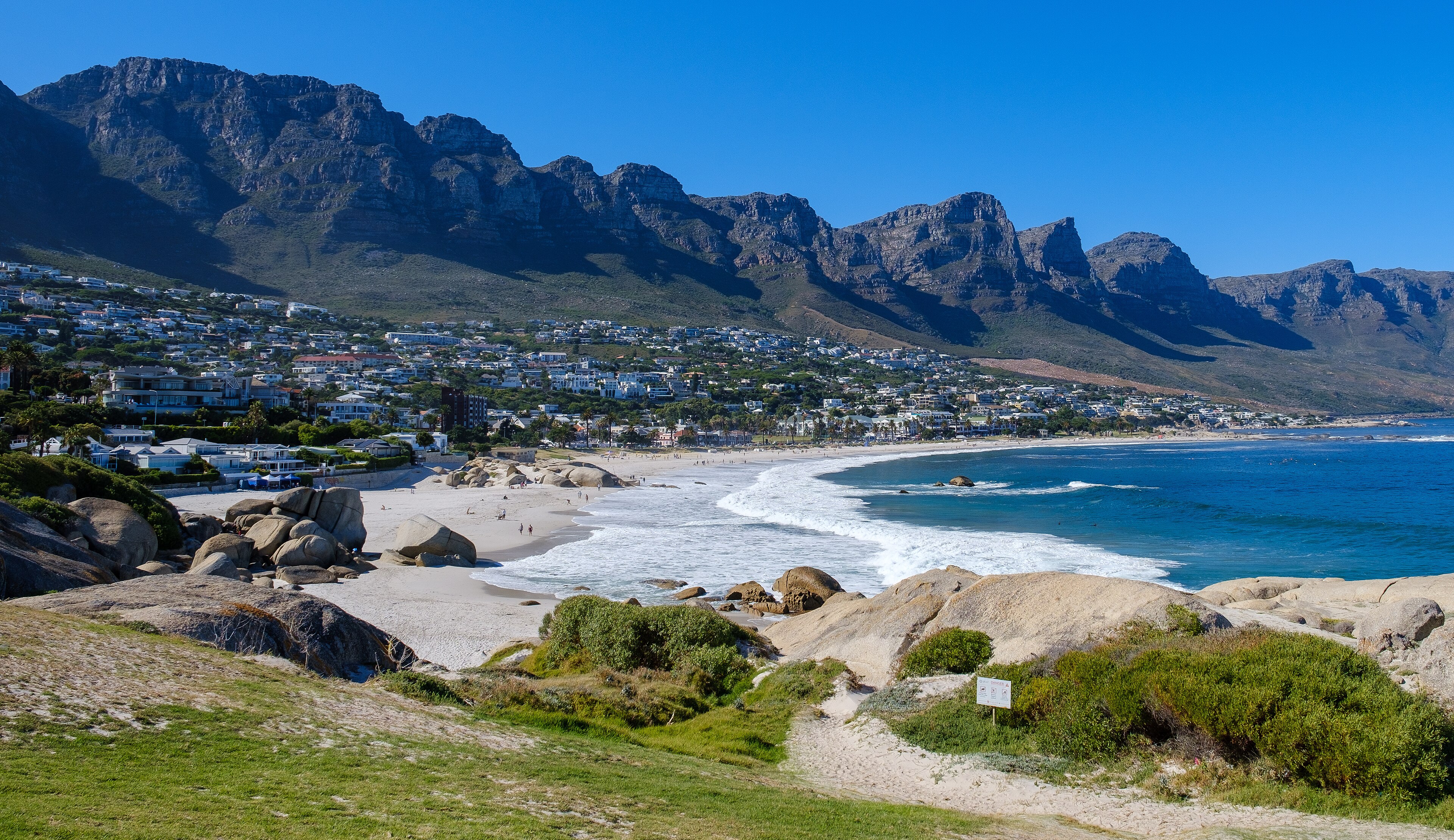
Why Cape Town is Perfect for Your Celebration
- Dramatic natural backdrops — Table Mountain, Atlantic coastline, and Winelands valleys
- World-class wine estates doubling as exclusive wedding and event venues
- Warm, dry summer season (Nov–Mar) perfectly suited to outdoor celebrations
- Mature international hospitality infrastructure with experienced event vendors
- Cape Town International Airport offers direct flights from major global hubs
- Wide venue diversity — from clifftop ocean-view properties to historic Cape Dutch estates

Compare Cape Town with Other Top Destinations
Frequently Asked Questions
Is Cape Town a good destination for an international wedding?
Yes. Cape Town is widely regarded as one of the world's premier destination wedding locations. Its combination of dramatic natural scenery — Table Mountain, the Atlantic coastline, and the Cape Winelands — with a mature, internationally experienced wedding vendor ecosystem and strong airport connectivity makes it particularly well-suited to couples planning a destination celebration for a globally dispersed guest list.
What is the best time of year to hold a wedding or event in Cape Town?
The best season is the Southern Hemisphere summer: November, December, January, February, and March. This period brings warm, predominantly dry conditions with long daylight hours — ideal for outdoor ceremonies and garden receptions. January and February are the most reliably dry months. The winter months (June–August) bring cold, rain, and strong winds, making outdoor events significantly more challenging.
How easy is it for international guests to travel to Cape Town?
Generally straightforward. Cape Town International Airport receives direct flights from London, Amsterdam, Frankfurt, Dubai, Doha, and multiple African capitals, as well as frequent domestic connections from Johannesburg and Durban. Most international guests can reach Cape Town on a single flight or with one connection, which is a meaningful advantage for destination events drawing guests from multiple countries.
What kinds of venues are available for events in Cape Town?
Cape Town offers genuine venue diversity. Options include luxury waterfront hotel event spaces at the V&A Waterfront, clifftop and beachfront properties along the Atlantic Seaboard, historic Cape Dutch wine estates in the Constantia Valley and broader Winelands, boutique heritage buildings in the City Bowl, and outdoor garden and lawn venues suited to the dry summer season. The Winelands estates — within roughly 45–75 minutes of the city — are particularly popular for exclusive-use wedding formats.
How large a guest group can Cape Town realistically accommodate for a destination event?
Cape Town comfortably supports events ranging from intimate gatherings of 20–50 guests up to celebrations of several hundred. The city's hotel and venue inventory is substantial, and accommodation can generally be arranged for large groups within a reasonable radius of the event venue. For very large events above roughly 800–1,000 guests in a single space, the local venue inventory becomes more limited, and early planning is essential.
Is the Cape Town wind a real concern for outdoor events?
Yes, it is a genuine planning factor. Cape Town's summer southeaster wind — locally called the Cape Doctor — can be strong and persistent, particularly at exposed coastal and clifftop venues. It keeps the air clear and skies blue, which is excellent for photography, but it can affect outdoor décor, floral arrangements, and guest comfort. Experienced local event planners routinely account for this in venue selection and setup, and it should be discussed early in the planning process.
How far in advance should we book a Cape Town venue for a peak-season event?
For events planned in December or January — the peak of both the wedding season and domestic leisure tourism — booking 12–18 months in advance is strongly advisable. Cape Town's most sought-after venues and key suppliers (photographers, caterers, planners) fill up quickly during this period. For events in November, February, or March, 9–12 months is a reasonable lead time, though earlier is always preferable for preferred dates.
What makes Cape Town particularly strong for corporate retreats and incentive travel events?
Cape Town consistently ranks among the world's top incentive travel destinations. The combination of world-class accommodation, exceptional food and wine culture, and an unusually rich activity menu — including adventure experiences, wine estate tours, cultural excursions, and fine dining — gives corporate planners a broad toolkit for building engaging multi-day itineraries. The city's international conference infrastructure also supports hybrid formats that combine plenary sessions with experiential programming.
What is the local vendor ecosystem like for destination events in Cape Town?
Cape Town has one of the most developed event vendor ecosystems on the African continent. Wedding planners, caterers, florists, photographers, and entertainment suppliers are experienced with international clients and destination event logistics. The food and beverage landscape is a particular strength, with the Winelands proximity ensuring access to high-quality local wines and estate catering. International planners generally find the local vendor community professionally aligned with international standards.
How do guests get around Cape Town during a multi-day event?
Private transfers and dedicated shuttle services are the most practical option for event groups. Cape Town's road infrastructure is generally good, but the city is not easily navigable on foot between venues, and public transport is not well-suited to coordinating large groups on event timelines. Most destination event planners arrange dedicated shuttles between accommodation and event venues as standard practice. For Winelands excursions, specialist transfer operators are widely available.
Is Cape Town safe for international event guests?
Cape Town is generally safe for visitors who exercise standard urban precautions. The main tourist and event areas — the V&A Waterfront, Atlantic Seaboard, City Bowl, and Winelands — are well-frequented and generally secure. Group transfers are preferable to guests navigating independently in unfamiliar areas after dark. Briefing guests on sensible practices before arrival is standard advice for any large international group visiting the city.
Can the Cape Winelands be used as part of a Cape Town destination event?
Yes, and this is very commonly done. The Winelands — including Stellenbosch, Franschhoek, and Constantia — are within roughly 45–75 minutes of Cape Town city centre and are routinely incorporated into destination event programmes. Many wine estates offer exclusive-use packages that include ceremony spaces, accommodation, catering, and wine service on a single property, making them particularly well-suited to multi-day wedding celebrations or corporate retreat formats.

Ready to explore venues in Cape Town?
Cape Town: Destination Wedding & Event Venues in the Western Cape
◆Cape Town is among the world's most compelling destination event locations, combining a Mediterranean summer climate, extraordinary natural scenery — Table Mountain, the Atlantic Seaboard, and the Cape Winelands — with a mature, internationally experienced hospitality and vendor ecosystem. It suits destination weddings, corporate retreats, incentive travel events, and milestone celebrations particularly well. The best season runs from November through March, when warm, dry conditions make outdoor events reliably feasible. Guests typically arrive via Cape Town International Airport, which has direct connections from major African, European, and Middle Eastern hubs, making international group travel straightforward. The destination spans a wide range of venue types and scales.
Cape Town at a Glance
| Category | Detail |
|---|---|
| Best For | Destination Weddings, Corporate Retreats, Incentive Events, Milestone Celebrations |
| Primary Vibe | Adventurous & Thrilling |
| Other Vibes | Romantic, Scenic, Cosmopolitan, Heritage-Rich |
| Best Season | Summer (Jan, Feb, Mar, Nov, Dec) |
Why Choose Cape Town?
- Unmatched natural scenery: Table Mountain, the Twelve Apostles range, Camps Bay beach, and the Cape Winelands valleys provide a backdrop that few destinations anywhere in the world can match for sheer visual drama.
- Venue diversity across formats: Cape Town offers a genuinely wide spectrum — from historic Cape Dutch wine estates and clifftop ocean-view properties to contemporary waterfront hotels and intimate garden venues — meaning the destination can accommodate very different event aesthetics within the same city.
- Mature international event infrastructure: The city has hosted major international conferences, film productions, and high-profile weddings for decades. Local event planners, caterers, florists, photographers, and AV suppliers are experienced with international client expectations.
- Strong international air connectivity: Cape Town International Airport receives direct flights from London, Amsterdam, Frankfurt, Dubai, Doha, and multiple African capitals, making it genuinely accessible for a globally dispersed guest list without requiring complex multi-leg journeys.
- World-class wine and food culture: The Cape Winelands — including Stellenbosch, Franschhoek, and Constantia — are within easy reach of the city, giving event planners access to estate venues with their own wine production, fine dining, and accommodation on a single property.
- Adventure and activity programming: For multi-day events and corporate retreats, Cape Town's surrounding region offers an unusually rich activity menu — shark cage diving, whale watching (seasonal), hiking, surfing, and safari day trips — making it particularly strong for incentive travel formats.
Which Celebrations Work Best in Cape Town?
- Destination Weddings: Cape Town is particularly well-suited to destination weddings where the setting itself is a central part of the experience. The combination of ocean, mountain, and vineyard backdrops, paired with luxury accommodation options and experienced local wedding vendors, makes it a strong choice for couples wanting a visually spectacular, internationally accessible celebration.
- Corporate Retreats & Leadership Offsites: The city's combination of world-class conference facilities, luxury accommodation, and an exceptional activity and dining landscape makes it a natural fit for senior leadership retreats and incentive travel programmes. The destination's inherent drama and novelty also helps with engagement and memorability.
- Incentive Travel Events: Cape Town consistently ranks among the top global incentive travel destinations. The breadth of experiential programming available — adventure activities, wine estate tours, cultural excursions, and fine dining — gives incentive planners a rich toolkit for building multi-day itineraries.
- Milestone Celebrations (Anniversaries, Landmark Birthdays): For significant personal milestones, Cape Town's luxury property portfolio and scenic diversity support intimate, high-quality celebrations that feel genuinely special rather than generic. Smaller guest groups can access exclusive-use properties or private dining experiences that would be harder to secure in a more congested destination.
- Pre-Wedding Events & Extended Celebrations: The Winelands region in particular lends itself to multi-day pre-wedding programming — wine tastings, estate dinners, and outdoor activities — making Cape Town a strong choice for couples who want to build a full celebration week rather than a single-day event.
Venues & Event Spaces
Cape Town's event venue landscape is genuinely diverse. At the luxury end, the V&A Waterfront area concentrates several internationally recognised hotel properties with dedicated event spaces, ballrooms, and outdoor terraces overlooking the harbour and Table Mountain. The Atlantic Seaboard — particularly Camps Bay and Clifton — offers clifftop and beachfront properties suited to smaller, visually dramatic celebrations.
The Constantia Valley, Cape Town's oldest wine-producing area and located within the city's southern suburbs, provides historic Cape Dutch estate venues with manicured gardens, barrel cellars, and private accommodation, typically suited to mid-size weddings and corporate dinners. The broader Cape Winelands — Stellenbosch, Franschhoek, and Paarl, all within roughly 45–75 minutes of the city centre — extend the venue inventory significantly, with numerous wine estates offering exclusive-use event packages that include accommodation, catering, and ceremony spaces on a single property.
Within the city itself, heritage buildings in the City Bowl and De Waterkant neighbourhoods have been converted into boutique event spaces, offering a more urban, design-forward aesthetic. For large-scale corporate events and conferences, the Cape Town International Convention Centre (CTICC) provides significant capacity, though this is more relevant to conference formats than to weddings or intimate celebrations.
Outdoor lawn and garden venues are widely available and particularly well-suited to the summer season, when reliable dry weather makes uncovered or semi-covered outdoor settings genuinely practical rather than a weather risk.
Best Time to Celebrate
The curated best season for Cape Town events is Summer: January, February, March, November, and December. This reflects Cape Town's Mediterranean climate, in which summer brings warm, predominantly dry conditions with long daylight hours — typically the most reliable window for outdoor ceremonies, garden receptions, and clifftop or beachfront events.
November and December mark the start of the summer season, with temperatures rising and rainfall becoming infrequent. January and February are the warmest and driest months, with average highs in the mid-to-upper 20s Celsius and very low rainfall probability — making them the most dependable months for outdoor event planning. March remains warm and largely dry, though the season begins to soften toward its end.
The summer season also coincides with the Cape's famous southeaster wind, locally known as the Cape Doctor. While this wind keeps the air clear and the skies blue — contributing to the photogenic quality of summer events — it can be strong enough on some days to affect outdoor décor, floral arrangements, and guest comfort at exposed venues. Experienced local event planners routinely account for this in venue selection and setup design, but it is a genuine planning consideration rather than a minor footnote.
The winter months of June, July, and August bring cold fronts, significant rainfall, and strong northwesterly winds. Outdoor events during this period carry meaningful weather risk, and the shorter daylight hours reduce the window for natural-light photography and outdoor programming. April, May, September, and October represent shoulder seasons — generally mild and often pleasant, but with more variable weather and a higher chance of rain than the core summer window. These months can work well for indoor-focused events or for couples and planners who have flexibility on dates and are comfortable with some weather uncertainty.
Getting There & Local Connectivity
Cape Town International Airport is the primary gateway for guests travelling to events in the city. It is well-served by direct international routes from the United Kingdom, continental Europe, the Middle East, and across sub-Saharan Africa, as well as frequent domestic connections from Johannesburg, Durban, and other South African cities. For a destination event drawing guests from multiple countries, the airport's connectivity is a genuine asset — most guests can reach Cape Town on a single flight or with at most one connection.
Within the city, private transfers and hired vehicles are the most practical option for event groups. Cape Town's road infrastructure is generally good, and the distances between the V&A Waterfront, the Atlantic Seaboard, the City Bowl, and the southern suburbs are manageable. However, the city is not particularly walkable for groups moving between venues, and public transport — while functional for residents — is not well-suited to coordinating large guest groups on event timelines. Most event planners arrange dedicated shuttle services between accommodation and event venues, which is standard practice for destination events here.
For guests extending their stay into the Winelands, the drive from Cape Town city centre to Stellenbosch or Franschhoek is typically 45–75 minutes depending on traffic, and the route is straightforward. Dedicated wine tour and transfer operators are widely available and experienced with event group logistics.
Local Vendor & Hospitality Ecosystem
Cape Town has one of the most developed event vendor ecosystems on the African continent. The city's long history as an international tourism and conference destination has produced a deep pool of experienced wedding planners, corporate event coordinators, caterers, florists, photographers, videographers, and entertainment suppliers who are accustomed to working with international clients and to the logistical demands of destination events.
The food and beverage landscape is a particular strength. Cape Town's restaurant scene is internationally recognised, and the proximity of the Winelands means that locally produced wines of genuine quality are readily available for event catering. Estate caterers at Winelands venues typically have strong in-house food and beverage programmes, while city-based venues can draw on a wide network of external catering suppliers.
Accommodation inventory across the city and surrounding areas is substantial, meaning that even large guest groups can generally be housed within a reasonable radius of the event venue. The V&A Waterfront area in particular concentrates a significant number of hotel rooms within walking distance of each other, which simplifies group logistics for waterfront-based events.
International event planners working in Cape Town for the first time typically find the local vendor community responsive and professionally aligned with international standards, though it is worth noting that peak summer season (particularly December and January) sees high demand across the hospitality sector, and early booking of key suppliers and venues is advisable.
Pros & Things to Consider
Why Cape Town Works Well
- Exceptional natural scenery provides a built-in visual backdrop that reduces the need for heavy décor investment
- Reliable dry summer season makes outdoor event planning genuinely feasible rather than weather-dependent
- Strong international airport connectivity simplifies travel for globally dispersed guest lists
- Mature, internationally experienced vendor and hospitality ecosystem reduces planning risk
- Wide venue diversity — from intimate estate gardens to large waterfront hotel ballrooms — accommodates different event scales and aesthetics
- Rich activity and experience programming supports multi-day event formats and corporate incentive itineraries
- World-class food, wine, and dining culture elevates the overall guest experience
Things to Consider
- The southeaster wind: Cape Town's summer wind can be strong and persistent, particularly at exposed coastal and clifftop venues. It is a real planning factor for outdoor ceremonies and should be discussed with local vendors during venue selection.
- Peak season demand: December and January are extremely busy across Cape Town's hospitality sector, with domestic and international leisure tourism competing for the same accommodation and venue inventory. Securing preferred venues and suppliers well in advance — ideally 12–18 months ahead for peak dates — is strongly advisable.
- Urban safety awareness: Cape Town, like many large cities, has areas where standard urban safety precautions are warranted. Event guests should be briefed on sensible practices, and group transfers are preferable to guests navigating independently in unfamiliar areas after dark.
- Currency and international logistics: For Indian guests or those travelling from South Asia, Cape Town involves a longer journey and a currency exchange consideration (South African Rand). While the airport connectivity is good, travel times from India are significant and should be factored into guest travel planning.
- Seasonal wind and fire risk: The broader Western Cape region can experience significant wildfire activity during the dry summer months, particularly in areas adjacent to the mountain fynbos. While this rarely directly affects city-based events, it is worth monitoring for events planned at more rural or mountain-adjacent estate venues.
When Cape Town May Not Be the Right Fit
- Guests facing very long or complex travel: For a primarily South Asian guest list, Cape Town involves a long-haul journey with limited direct routing from most Indian cities. If the majority of guests are travelling from a single origin point that is poorly connected to Cape Town, a closer destination may serve the group better.
- Outdoor events planned outside the summer window: If dates are fixed in the June–August winter period and the event format is primarily outdoor, Cape Town's weather risk is meaningful. An indoor-focused format or a different season would be more appropriate.
- Very large-scale events requiring 1,000+ guests: While Cape Town has significant hospitality infrastructure, the inventory of single venues capable of hosting very large wedding or celebration formats (above roughly 800–1,000 guests in a single space) is more limited than in some larger metropolitan destinations. Groups at this scale may find the local venue inventory constraining.
- Planners seeking a very traditional or culturally specific celebration format: Cape Town's venue and vendor ecosystem is strongest for contemporary, internationally-styled events. Planners seeking highly specific traditional ceremony formats — particularly those requiring specialist religious or cultural infrastructure — may find the local ecosystem less well-equipped than destinations with deeper roots in those traditions.