
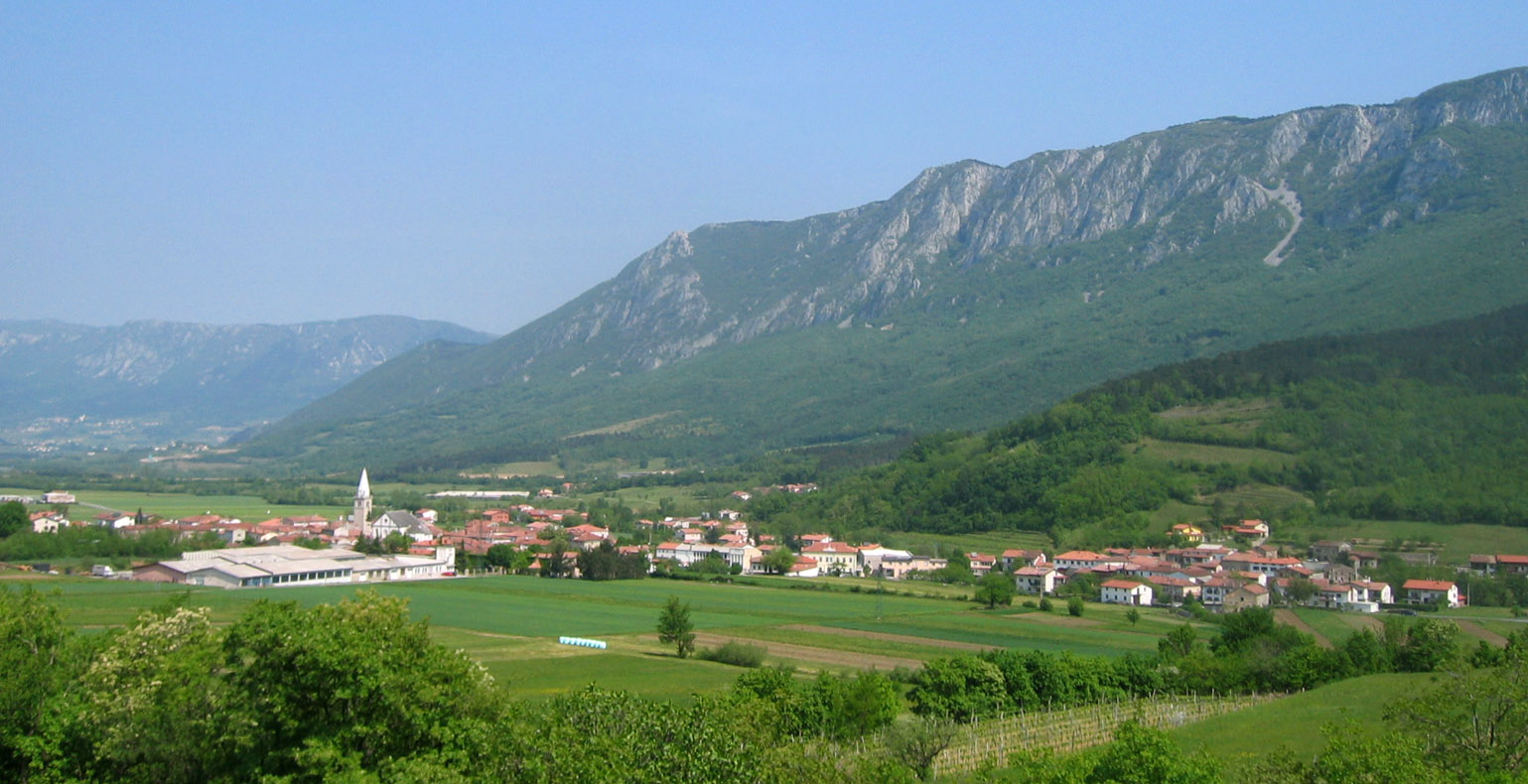
Why Vipava Valley is Perfect for Your Celebration
- Vineyard and winery estates offer genuinely unique, photogenic ceremony and reception settings
- Mild spring and early autumn climate creates near-perfect outdoor event conditions in Apr–Jun and Sep–Oct
- Intimate valley scale suits small-to-medium weddings and private celebrations beautifully
- Rich local wine and food culture elevates catering and hospitality experiences naturally
- Historic stone villages and karst architecture provide a distinctive, non-generic European backdrop
- Proximity to both Ljubljana and the Italian border (Trieste) makes it accessible for international guests
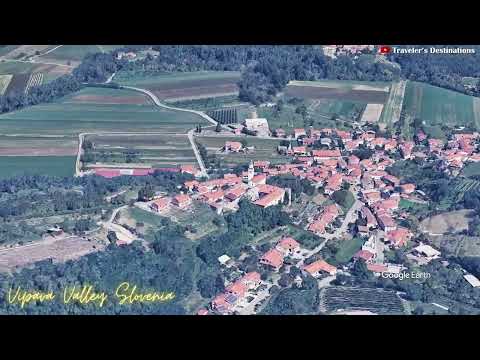
Compare Vipava Valley with Other Top Destinations
Frequently Asked Questions
Is Vipava Valley a good destination for a wedding?
Yes, particularly for intimate and small-to-medium weddings. Vipava Valley is especially well-suited to couples who want a romantic, vineyard-and-countryside setting with genuine local character — its winery estates, heritage manor houses, and karst landscape backdrops make it one of Slovenia's most distinctive wedding destinations. It works best for guest lists of up to roughly 150 people.
What is the best time of year to hold a wedding or celebration in Vipava Valley?
April through June and September through October are the strongest months. Spring brings mild temperatures, blooming vineyards, and long golden afternoons ideal for outdoor ceremonies. September and October add the visual drama of the grape harvest season. July and August can be hot and subject to the Burja wind; November through March is generally too cold and wet for outdoor events.
How many guests can Vipava Valley venues realistically accommodate?
Most estate and heritage properties in the valley comfortably accommodate between 50 and 150 seated guests. The valley does not have large-scale banquet halls or convention facilities, so it is not well-suited to events of 200 or more guests. For intimate weddings, elopements, and private celebrations, the local venue scale is a genuine strength rather than a limitation.
Which airport should guests fly into for a Vipava Valley event?
The two most practical options are Ljubljana Jože Pučnik Airport (LJU), which offers the broadest European connections and is roughly 80–90 km from the valley, and Trieste Airport (TRS) in Italy, which is closer at approximately 40–50 km and serves a useful range of European routes. Both require a road transfer into the valley, typically under two hours.
Is there a railway station serving Vipava Valley?
Regional rail connections exist via Ajdovščina and Nova Gorica, but the rail network in this part of Slovenia is limited and most guests travelling to the valley rely on road transport. For group travel, organised coach or minibus transfers from Ljubljana or Trieste airports are the most practical and commonly used option.
What kinds of event spaces are available in Vipava Valley?
The valley's event spaces are primarily winery estates with outdoor terraces and vineyard lawns, heritage manor houses with formal gardens and stone-walled interiors, and smaller hotel properties in Ajdovščina. There are no large purpose-built wedding halls or convention centres. The emphasis is on intimate, characterful spaces rather than high-capacity infrastructure.
How do guests get around the valley once they arrive?
Private cars or organised group shuttle services are strongly recommended. Public transport between valley villages and estate venues is limited. Most event planners working in the valley arrange dedicated transfers for guests, particularly for multi-day celebrations where guests are staying at different properties. Road quality on main routes is good, though some estate venues are accessed via narrower rural roads.
Is there enough accommodation in Vipava Valley for a large guest group?
For groups of up to 50–80 guests, the valley's boutique hotels, guesthouses, and agritourism properties can generally be combined to cover accommodation needs. For larger groups, overflow accommodation in Ajdovščina, Nova Gorica, or across the Italian border near Gorizia may be needed. Advance booking is essential, particularly for spring and autumn dates when the valley is at its most popular.
What is the local food and wine offering like for event catering?
Genuinely strong. Vipava Valley is one of Slovenia's most respected wine regions, known for indigenous varieties including Zelen and Pinela, and local caterers draw on excellent regional produce — cured meats, artisan cheeses, seasonal vegetables — to create menus that feel authentically of-place. Couples wanting a wine-pairing-led or farm-to-table dining experience will find the local ecosystem well-aligned with that vision.
Do I need to bring in vendors from outside the valley?
For specialist services — florists, photographers, entertainment, large-scale décor — the valley's own vendor base is limited, and most couples source these from Ljubljana or Nova Gorica, or bring in specialists from further afield. Local winery and estate staff are experienced in hospitality and catering, but a full-service wedding typically requires coordination with external vendors. Working with a local event coordinator who knows the valley is strongly advisable.
What makes Vipava Valley distinctive compared to other rural European wedding destinations?
Its combination of a genuine wine-producing landscape, karst geological character, Slovenian heritage architecture, and a Mediterranean-influenced microclimate in a Central European country creates a setting that is difficult to replicate. It offers a European countryside wedding experience with strong local food-and-wine culture, at a scale and price point that is typically more accessible than comparable regions in France or Italy, without sacrificing authenticity or natural beauty.
Is Vipava Valley safe for international guests?
Yes. Slovenia consistently ranks among Europe's safest countries, and the Vipava Valley specifically is a quiet, rural area with very low crime. International guests — including those travelling alone or in small groups — generally find it a comfortable and welcoming destination. English is widely spoken in the hospitality sector, which reduces practical friction for non-Slovenian-speaking guests.

Ready to explore venues in Vipava Valley?
Vipava Valley: Destination Wedding & Event Venues in Slovenia's Wine Country
◆Vipava Valley is a compact, wine-producing river valley in western Slovenia, best suited to intimate weddings, elopements, vineyard ceremonies, and small private celebrations. Its primary vibe is romantic and dreamy — shaped by vine-covered hillsides, historic stone villages, and a Mediterranean-influenced microclimate that makes spring and early autumn genuinely pleasant for outdoor events. The valley is accessible from Ljubljana (roughly 80–90 km) and from the Italian border near Trieste, making it workable for international guests willing to self-drive or arrange group transfers. It is not a large-scale conference or mass-event destination; its strength lies in exclusivity, natural beauty, and a deeply local food-and-wine culture.
Vipava Valley at a Glance
| Category | Detail |
|---|---|
| Best For | Intimate weddings, vineyard ceremonies, elopements, private celebrations |
| Primary Vibe | Romantic & Dreamy |
| Other Vibes | Rustic, Countryside, Heritage, Slow-travel |
| Best Season | Spring (Apr, May, Jun, Sep, Oct) |
Why Choose Vipava Valley?
- Genuinely distinctive vineyard settings: The valley is home to a cluster of boutique wineries and estate properties whose outdoor terraces, barrel cellars, and vine-framed lawns create ceremony and reception backdrops that are difficult to replicate in a conventional hotel venue.
- Mediterranean microclimate in a Central European country: Sheltered by the Nanos plateau and influenced by Adriatic air, the valley enjoys warmer, drier springs and autumns than most of Slovenia — a meaningful practical advantage for outdoor event planning.
- Rich local food and wine culture: Vipava Valley wines (particularly its Zelen and Pinela indigenous varieties) and local produce give caterers and event planners a genuinely high-quality, place-specific culinary story to build around — something guests consistently remember.
- Intimate scale and privacy: The valley's relatively small tourism footprint means events here rarely feel crowded or commercialised. Exclusive-use bookings at estate properties are realistic, giving couples genuine privacy.
- Heritage architecture: Stone manor houses, Baroque mansions, and centuries-old village churches provide a European heritage aesthetic without the premium pricing of more famous wine regions in France or Italy.
- Cross-border accessibility: Guests flying into Trieste Airport (Italy) or Ljubljana can reach the valley by road in under two hours, making it a practical choice for European destination weddings with guests travelling from multiple countries.
Which Celebrations Work Best in Vipava Valley?
- Intimate weddings (up to ~150 guests): The valley's estate venues and heritage properties are naturally configured for smaller, carefully curated weddings. The combination of outdoor vineyard settings, stone architecture, and local hospitality makes this one of Slovenia's most compelling wedding destinations for couples who prioritise atmosphere over scale.
- Elopements and micro-weddings: For couples wanting a deeply personal, low-footprint celebration — perhaps just immediate family or a small witness group — the valley's rural character, scenic karst landscapes, and lack of mass tourism make it particularly well-suited. Logistics are simpler, and the setting does the work.
- Private anniversary and milestone celebrations: The combination of excellent local wine, heritage dining venues, and scenic countryside makes the valley a natural fit for significant personal milestones — anniversaries, landmark birthdays, or family reunion weekends — where the experience of place is central to the event.
- Corporate retreats and small incentive groups: The valley's boutique accommodation, winery experiences, and outdoor activities (cycling, hiking the karst plateau) make it a credible choice for small executive retreats or incentive travel groups seeking an off-the-beaten-path European destination with genuine experiential content.
Venues & Event Spaces
The Vipava Valley's event venue landscape is defined by its rural and heritage character rather than large-scale hotel infrastructure. The most sought-after spaces are winery estates and vineyard properties — typically offering outdoor ceremony lawns or terraces, covered or semi-open reception areas, and the option to integrate wine tastings and cellar tours directly into the event programme. Several properties offer exclusive-use arrangements, which is a significant draw for couples wanting full privacy.
Beyond wineries, the valley has a small number of historic manor houses and Baroque-era mansion properties that have been adapted for events — offering stone-walled interiors, formal gardens, and a distinctly Central European heritage aesthetic. These spaces typically suit seated dinners and ceremonies of up to 100–150 guests comfortably.
For guests requiring more conventional hotel-style accommodation and event facilities, the nearby town of Ajdovščina provides the valley's most accessible urban base, with hotel properties that can support small-to-medium group bookings. Outdoor spaces — including riverside settings along the Vipava river and open karst meadows — are also used for informal celebrations and pre-wedding events, particularly in the spring and early autumn months when weather conditions are most reliable.
It is worth noting that the valley does not have a large convention centre, a purpose-built wedding hall complex, or the kind of high-capacity banquet infrastructure found in major European city destinations. This is a feature for couples who want intimacy and authenticity, but a genuine constraint for anyone planning an event for several hundred guests.
Best Time to Celebrate
The real curated best season for Vipava Valley events is Spring (April, May, June, September, October), and the reasoning is specific to this valley's microclimate and landscape character.
April and May bring the valley's most visually dramatic period — vineyards are budding, wildflowers cover the karst meadows, and temperatures are comfortably mild (typically 15–22°C) without the heat stress of midsummer. Light is long and golden in the late afternoon, which is particularly valuable for outdoor ceremonies and photography.
June extends this window with warmer evenings and the first signs of the vine canopy filling out — outdoor dinners under the vines become genuinely atmospheric. Early June is generally still within the comfortable range before peak summer heat arrives.
September and October are arguably the valley's most characterful months for events. The grape harvest (vendemmia) season brings the vineyards to their most visually rich state — deep greens turning to amber and gold — and the local food-and-wine culture is at its most active. Temperatures ease back to the 15–22°C range, evenings are cool and clear, and the valley has a particular stillness and warmth that many couples find more romantic than the busier spring period.
July and August are less ideal for outdoor events: the valley can experience significant heat (occasionally above 35°C), and the Burja — a strong, dry north-easterly wind characteristic of this part of Slovenia — can be unpredictable and disruptive to outdoor setups, floral arrangements, and marquee structures. These months are not impossible, but they require contingency planning that spring and autumn events do not.
November through March brings cold, wet, and frequently windy conditions. The Burja is at its most intense in winter, and outdoor events are generally impractical. Indoor heritage venues can still be used, but the valley's primary appeal — its landscape and outdoor character — is largely unavailable in this period.
Getting There & Local Connectivity
The Vipava Valley is most practically reached by road. Guests travelling from within Slovenia will typically drive or arrange transfers from Ljubljana, approximately 80–90 km to the east — a journey of roughly one hour on the motorway. Guests arriving internationally have two realistic airport options: Ljubljana Jože Pučnik Airport (LJU), which offers the broadest range of European connections, and Trieste Airport (TRS) in Italy, which is closer to the valley (approximately 40–50 km) and serves a useful range of European routes, particularly useful for guests coming from Italy, the UK, or other Western European hubs.
Within the valley itself, private car or organised group transfers are strongly recommended. Public transport connections between valley villages and winery estates are limited, and guests attending a multi-day event will generally need either their own vehicles or a coordinated shuttle service arranged by the event planner. This is a standard logistical consideration for rural destination events in this part of Europe, and most local event coordinators are experienced in managing it.
Road quality within the valley is generally good on main routes, though some winery and estate properties are accessed via narrower rural roads that may require careful navigation for larger coaches. It is worth confirming vehicle access with individual venues during the planning stage, particularly for events with elderly guests or guests with mobility considerations.
Local Vendor & Hospitality Ecosystem
The Vipava Valley has a small but genuinely capable local hospitality ecosystem, shaped by years of wine tourism and a growing reputation as a boutique destination for discerning travellers. Local wineries frequently work with event planners and are experienced in hosting private dinners, tastings, and celebrations — their staff tend to be knowledgeable, personally invested, and attentive in a way that larger hotel operations sometimes are not.
For catering, the valley's food culture is a genuine asset: local chefs and caterers draw on excellent regional produce — cured meats, artisan cheeses, fresh vegetables, and of course the valley's own wines — to create menus that feel authentically of-place rather than generic event catering. Couples who want a farm-to-table or wine-pairing-led dining experience will find the local ecosystem well-aligned with that vision.
For specialist wedding services — florists, photographers, officiants, entertainment, and large-scale décor — the valley's own vendor base is relatively limited by the standards of a major city destination. Couples planning events here typically work with vendors based in Ljubljana or Nova Gorica, or bring in specialists from further afield. This is not unusual for a rural destination of this scale, but it does mean that vendor coordination requires more advance planning and potentially more logistics management than a city-based event would.
English is widely spoken in the valley's hospitality sector, which is a practical advantage for international couples and their guests. Local event coordinators with experience in destination weddings for non-Slovenian couples are available, and their knowledge of the valley's specific venues, seasonal rhythms, and logistical quirks is genuinely valuable.
Pros & Things to Consider
Why Vipava Valley Works Well
- Genuinely unique vineyard and karst landscape settings that are difficult to replicate elsewhere in Central Europe
- Mild, reliable spring and early autumn climate well-suited to outdoor ceremonies and receptions
- High-quality local food and wine culture that elevates event catering naturally
- Intimate scale and low tourism density — events feel private and unhurried
- Accessible from two international airports (Ljubljana and Trieste) within two hours by road
- Heritage architecture and stone village character provide a distinctive, photogenic backdrop
- Generally very safe destination with a welcoming, English-friendly hospitality culture
Things to Consider
- Limited large-scale venue capacity: The valley is not suited to events of several hundred guests — venue infrastructure tops out at roughly 100–150 for most properties, and there is no large convention or banquet hall complex.
- The Burja wind: This strong, dry north-easterly wind is a genuine and unpredictable feature of the valley's climate, particularly in summer and winter. Outdoor event setups need to account for it, and contingency plans are advisable.
- Limited public transport: Guests without private vehicles will need organised transfers — this adds a logistical layer that city-based events do not require.
- Specialist vendor availability: Florists, photographers, entertainment, and large-scale décor specialists may need to be sourced from Ljubljana or beyond, requiring more advance coordination.
- Accommodation capacity: The valley's total accommodation stock is modest. For larger guest groups, overflow accommodation in Ajdovščina, Nova Gorica, or even across the Italian border may need to be factored into planning.
When Vipava Valley May Not Be the Right Fit
- Large weddings or events (200+ guests): The valley's venue and accommodation infrastructure is genuinely limited at this scale. Couples expecting a grand ballroom, a large hotel block, and a full-service convention facility will find the local offering insufficient.
- Events planned for July or August with fully outdoor setups: Peak summer heat and the unpredictable Burja wind make fully outdoor events in these months a higher-risk proposition. Couples with no flexibility on date and a strong preference for outdoor settings may find the risk profile uncomfortable.
- Guests with very limited travel flexibility: The valley requires either a flight to Ljubljana or Trieste followed by a road transfer, or a longer overland journey. For guest groups where many individuals have limited mobility, no driving licence, or very tight travel budgets, the logistics can be genuinely challenging.
- Couples wanting a full-service, one-stop luxury resort experience: The valley's accommodation and venue landscape is characterised by boutique, independent, and heritage properties rather than large international luxury resort brands. Couples whose vision centres on a single large luxury resort handling everything end-to-end may find the local offering requires more self-assembly than they prefer.