
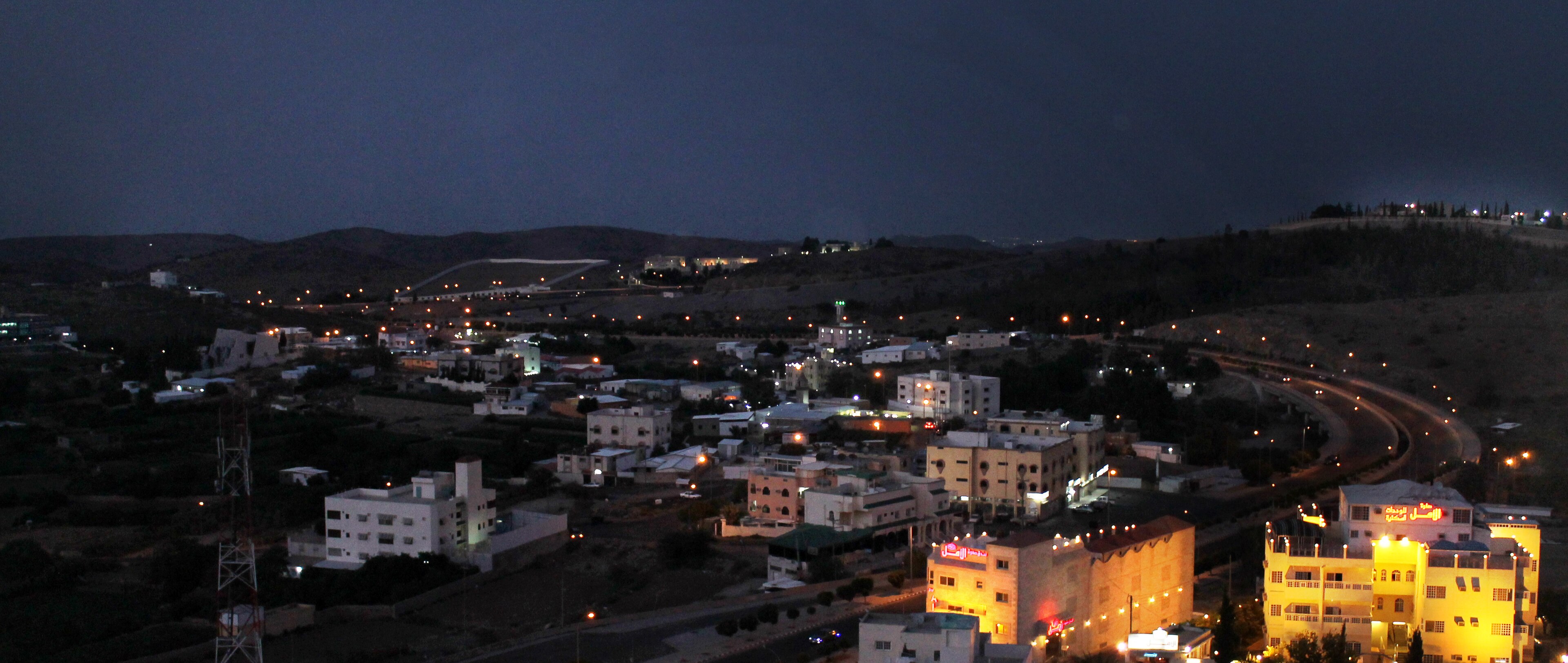
Why Taif is Perfect for Your Celebration
- Unique highland setting with rose gardens and cool mountain air — unlike any other Saudi city
- Naturally scenic backdrops including Al Hada and Al Shafa mountain areas for outdoor celebrations
- Pleasant spring and autumn climate (Mar–Apr, Oct–Nov) ideal for outdoor ceremonies and receptions
- Growing selection of resort and hotel properties catering to private events and group stays
- Strong cultural identity — home to the famous Taif rose (Ward Taifi) — adds a distinctive local flavour to events
- Relatively quieter and more private than major urban centres, suiting intimate and exclusive gatherings

Compare Taif with Other Top Destinations
Frequently Asked Questions
Is Taif a good destination for an intimate destination wedding?
Yes. Taif is particularly well-suited to intimate destination weddings. Its mountain resort properties offer scenic garden terraces and outdoor lawns with highland backdrops, and the city's generally peaceful, secluded character creates a private atmosphere that larger urban venues rarely achieve. It works best for mid-sized guest lists rather than very large celebrations.
What is the best time of year to hold a wedding or event in Taif?
March, April, October, and November are the recommended months. Spring (March–April) coincides with the famous Taif rose harvest, offering mild temperatures and a naturally fragrant, photogenic landscape. Autumn (October–November) provides a second window of comfortable weather with lower visitor volumes. Summer brings heat and crowds; winter nights can be cold at altitude.
How do guests typically travel to Taif for an event?
Most guests arrive via Taif Regional Airport for domestic routes, or fly into Jeddah's King Abdulaziz International Airport and travel to Taif by road — approximately 80 km, typically 90 minutes to two hours. There is no railway connection, so road and air are the only options. Pre-arranged group transfers from Jeddah are a practical solution for event groups.
What kinds of event venues are available in Taif?
Taif offers mountain resort properties with outdoor garden terraces and event lawns, heritage-influenced hotels with character-rich indoor spaces, and more contemporary hotel properties with purpose-built banquet halls. The Al Hada and Al Shafa mountain areas are particularly popular for resort-style, multi-day event programmes where guests stay on-site.
How large a guest list can Taif venues realistically accommodate?
Taif is best suited to mid-sized gatherings — typically up to 300–500 guests at the larger resort and hotel properties. For very large events exceeding 500 guests in a single venue, the local inventory becomes constrained. The destination's strongest appeal is for intimate to mid-scale celebrations rather than mass-attendance events.
What makes Taif's spring season particularly special for events?
March and April coincide with the harvest of the Ward Taifi Damask rose, for which Taif is internationally known. Rose farms are in bloom, the air carries a natural fragrance, and local rose-derived products can be authentically incorporated into event florals, welcome gifts, and menus. This seasonal dimension is unique to Taif and cannot be replicated at other times of year.
Is local transport within Taif easy to arrange for event guests?
Ride-hailing services operate in central Taif, but for groups staying at mountain resort properties in Al Hada or Al Shafa — some distance from the city centre — pre-arranged private transfers are strongly advisable. The mountain roads are manageable but require planning, particularly for evening returns after events. Coordinated group transport is the most reliable approach.
What is the local vendor and catering ecosystem like for events in Taif?
Hotel and resort properties handle most in-house catering competently, with strong Saudi and Middle Eastern cuisine offerings. Local agricultural products — fruits, honey, and rose-derived ingredients — add authentic local character to menus. Specialist vendors for high-end floral design, AV production, and luxury entertainment may need to be sourced from Jeddah or Riyadh and brought in.
Can corporate retreats and offsites work well in Taif?
Yes. Taif's calm, distraction-reduced mountain environment and established hotel meeting facilities make it a credible choice for corporate retreats and leadership offsites. The setting feels meaningfully different from a city office, which supports focused, productive formats. The spring and autumn seasons offer the most comfortable conditions for mixed indoor-outdoor programmes.
Are there things to consider before choosing Taif over a more urban Saudi city for an event?
Yes. Taif has no railway link, a regional airport that may require a Jeddah connection, and a specialist vendor ecosystem that is thinner than Jeddah or Riyadh. Very large guest lists may exceed comfortable local venue capacity. Summer months bring high domestic tourism that reduces privacy. These factors make advance planning and logistics coordination more important than for a major urban venue.

Ready to explore venues in Taif?
Taif: Destination Wedding & Event Venues in Saudi Arabia's Mountain Rose City
◆Taif is a highland city in Saudi Arabia's Makkah Province, set in the Hejaz Mountains at roughly 1,800 metres above sea level. It is best suited to intimate weddings, private social celebrations, corporate retreats, and milestone gatherings where a scenic, peaceful setting matters more than large-scale urban infrastructure. Its primary character is peaceful and secluded — defined by rose gardens, mountain landscapes, and cool air. The best seasons to plan events are spring (March–April) and autumn (October–November), when temperatures are mild and outdoor settings are at their most comfortable. Accessibility is moderate: Taif has its own regional airport and strong road links to Jeddah and Makkah, though there is no rail connection.
Taif at a Glance
| Attribute | Detail |
|---|---|
| Best For | Intimate Weddings, Private Social Celebrations, Corporate Retreats, Milestone Events |
| Primary Vibe | Peaceful & Secluded |
| Other Vibes | Scenic, Garden-Inspired, Heritage-Touched, Mountain Retreat |
| Best Season | Cool / Mild Season (Mar, Apr, Oct, Nov) |
Why Choose Taif?
- Genuinely distinctive natural setting: Taif's position in the Hejaz Mountains gives it a landscape unlike any other city in Saudi Arabia — terraced hillsides, rose farms, fruit orchards, and cool highland air create a naturally photogenic backdrop that requires little additional decoration.
- The Ward Taifi rose — a living signature: Taif is internationally known for its Damask rose (Ward Taifi), harvested each spring. Events held during the rose season (typically March–April) can incorporate this fragrant local element into floral arrangements, welcome gifts, and venue styling in a way that is entirely authentic to the place.
- Privacy and seclusion: Compared to Saudi Arabia's major urban centres, Taif offers a quieter, more contained environment. Resort and hotel properties in the Al Hada and Al Shafa mountain areas in particular provide a degree of exclusivity and privacy that suits intimate or high-profile gatherings.
- Established hospitality infrastructure: Taif has long served as a domestic tourism and summer retreat destination for Saudi families, which means its hotel and resort sector is more developed than many cities of comparable size. Properties with dedicated event spaces, banquet facilities, and group accommodation exist across multiple tiers.
- Manageable guest logistics: With a functioning regional airport and well-maintained highway connections to Jeddah (approximately 80 km) and Makkah (approximately 75 km), guests travelling from within Saudi Arabia or arriving via Jeddah's King Abdulaziz International Airport can reach Taif without excessive difficulty.
- Cultural and heritage depth: Taif carries genuine historical significance in the Arabian Peninsula — from its role in early Islamic history to its Ottoman-era architecture and traditional souqs. This cultural texture adds meaning and storytelling potential to events held here, beyond the purely scenic.
Which Celebrations Work Best in Taif?
- Intimate destination weddings: Taif is particularly well-suited to smaller, curated wedding celebrations where the setting itself is a central part of the experience. Mountain resort venues with garden terraces and scenic outlooks provide ceremony and reception spaces that feel genuinely special rather than generic.
- Private social celebrations: Milestone birthdays, anniversary dinners, family reunion gatherings, and similar private events benefit from Taif's secluded character. The city's resort properties can accommodate group stays and private event spaces without the noise and distraction of a large urban environment.
- Corporate retreats and leadership offsites: The combination of a calm, distraction-reduced environment, reliable hotel meeting facilities, and a setting that feels meaningfully different from a city office makes Taif a credible choice for corporate groups seeking focused, productive retreat formats.
- Cultural and heritage-themed events: For hosts who want to weave Saudi cultural identity into their event — through local cuisine, rose-based experiences, traditional crafts, or heritage site visits — Taif offers authentic material that is harder to replicate in more urbanised settings.
- Pre-wedding and multi-day celebration programmes: The variety of outdoor and indoor settings across the Al Hada and Al Shafa areas, combined with group accommodation options, makes Taif workable for multi-day event programmes where different functions (welcome dinner, ceremony, brunch) can each occupy a distinct and memorable space.
Venues & Event Spaces
Taif's event venue landscape is anchored by its mountain resort and hotel properties, which form the primary infrastructure for celebrations. These typically offer a combination of indoor banquet halls, outdoor garden terraces, and mountain-view event lawns — the outdoor spaces being among the most sought-after given the city's scenic elevation and relatively mild climate during the best seasons.
Heritage-influenced properties add a layer of architectural character, with some venues drawing on the region's traditional Hejazi building styles. These are generally better suited to smaller, more intimate gatherings than to very large-scale productions. For larger events, the city's more contemporary hotel properties offer purpose-built banquet and conference facilities with greater technical capacity.
The Al Hada and Al Shafa mountain sub-areas, situated at higher elevations than central Taif, are particularly popular for resort-style events where guests stay on-site across multiple days. These areas offer a more immersive, retreat-like experience. Central Taif itself has a more urban hotel offering, better suited to guests who prefer city-centre convenience alongside event attendance.
Outdoor event setups — garden ceremonies, terrace receptions, and lawn dinners — are genuinely viable during the spring and autumn seasons, and represent one of Taif's clearest advantages over lower-altitude Saudi cities where outdoor events in the same months can be uncomfortably warm.
Best Time to Celebrate
The curated best seasons for events in Taif are March, April, October, and November — the cool and mild months when the highland climate is at its most comfortable for both guests and outdoor event logistics.
March and April coincide with Taif's famous rose harvest season, when the city's rose farms are in bloom and the air carries a natural fragrance. Daytime temperatures during these months are typically mild and pleasant, evenings are cool but comfortable, and the landscape is at its greenest and most photogenic. This is arguably the most distinctive time to hold an event in Taif — the rose season adds a sensory and cultural dimension that no other time of year can replicate.
October and November offer a second window of mild weather as the summer heat recedes. Temperatures are comfortable for outdoor events, crowds are lower than the summer peak, and the mountain scenery takes on a pleasant autumnal quality. This period is generally quieter in terms of domestic tourism demand, which can translate to better venue availability and a more private atmosphere.
June through August is Taif's peak domestic tourism season — Saudi families travel to the city specifically to escape the intense heat of lower-altitude regions. While temperatures in Taif itself remain more moderate than the plains, this period brings significantly higher visitor volumes, reduced venue availability, and a busier, less secluded atmosphere that works against the destination's primary appeal for private events.
December through February brings genuinely cold conditions at Taif's elevation, with cool days and cold nights that can dip toward or below 10°C. While not impossible for events, outdoor celebrations become less comfortable, and the logistical demands of managing guest comfort in cold conditions add complexity. Indoor-only events remain viable, but the destination's outdoor scenic advantage is largely lost in this period.
May and September sit at the shoulder of the best seasons — generally acceptable but with May trending warmer and September still carrying residual summer heat. These months are workable for indoor-focused events but are less ideal for the outdoor garden and terrace settings that define Taif's strongest event proposition.
Getting There & Local Connectivity
Taif is served by Taif Regional Airport (TIF), located approximately 30 km from the city centre. The airport handles domestic routes within Saudi Arabia and some international connections, making it a practical entry point for guests travelling from within the Kingdom. Guests arriving internationally will most commonly route through Jeddah's King Abdulaziz International Airport and then travel to Taif by road — a journey of roughly 80 km on well-maintained highways, typically taking around 90 minutes to two hours depending on traffic and the specific destination within the Taif area.
There is no railway connection to Taif. Road travel is the primary mode of inter-city movement, and the highway infrastructure linking Taif to Jeddah and Makkah is generally reliable. For event groups, coordinated coach or minibus transfers from Jeddah airport or from central Taif to mountain resort areas (Al Hada, Al Shafa) are a practical and commonly used solution.
Within Taif itself, local transport options are more limited than in Saudi Arabia's major cities. Ride-hailing services operate in the city, but for event groups — particularly those staying at mountain resort properties some distance from the city centre — pre-arranged private transfers are strongly advisable. The road between central Taif and the Al Hada/Al Shafa areas involves mountain driving that is straightforward in good conditions but requires care, particularly at night or in winter fog.
For guests travelling from Makkah (approximately 75 km), the road connection is similarly well-maintained, making Taif accessible as a short-haul destination for guests based in the western Hejaz region.
Local Vendor & Hospitality Ecosystem
Taif's vendor ecosystem is more developed than might be expected for a city of its size, largely because of its long-established role as a domestic tourism and hospitality destination. The hotel and resort sector has accumulated genuine experience in managing group stays, banquet events, and multi-day programmes — particularly in the Al Hada and Al Shafa resort corridor.
Local catering capabilities are anchored by the hotel properties themselves, which typically manage in-house food and beverage for events. Saudi and broader Middle Eastern cuisine is well-represented, and the city's agricultural heritage — fruits, honey, and rose-derived products — offers distinctive local ingredients that can be incorporated into event menus in an authentic way.
For specialist event services — high-end floral design, international-standard audio-visual production, bespoke décor, and luxury entertainment — planners should expect to source some vendors from Jeddah or Riyadh and factor in logistics for bringing those teams and equipment to Taif. The local vendor base for these specialist categories is growing but not yet as deep as in Saudi Arabia's primary urban event markets.
Hospitality standards at the established hotel properties are generally consistent with international expectations, and staff at the larger properties typically have experience managing events for both domestic Saudi guests and international visitors. Arabic is the primary working language, though English is spoken at most hotel-level event management teams.
Pros & Things to Consider
Why Taif Works Well
- Genuinely unique scenic setting — mountain landscapes, rose gardens, and cool highland air are rare in the Arabian Peninsula context
- Peaceful and private atmosphere, particularly in the Al Hada and Al Shafa resort areas, suits exclusive and intimate events
- Spring rose season (March–April) adds a distinctive, authentic local dimension to events that cannot be replicated elsewhere
- Mild spring and autumn climate makes outdoor ceremonies and receptions genuinely comfortable — a real advantage over lower-altitude Saudi cities
- Established hotel and resort infrastructure with dedicated event spaces and group accommodation capacity
- Strong road connectivity to Jeddah and Makkah, and a functioning regional airport, make guest logistics manageable
Things to Consider
- No railway connection — all guests must arrive by air or road, which adds logistical complexity for large groups
- Specialist event vendors (high-end floral, AV production, luxury entertainment) may need to be sourced from Jeddah or Riyadh, adding cost and coordination overhead
- Summer months (June–August) bring high domestic tourism volumes that reduce venue availability and privacy — the destination's core appeal is diminished in peak season
- Winter nights (December–February) can be genuinely cold at altitude, limiting outdoor event viability and requiring additional guest comfort planning
- Venue capacity for very large events (500+ guests) is more constrained than in major Saudi cities — Taif is better suited to mid-sized and intimate gatherings
- International guests unfamiliar with Saudi Arabia will need clear guidance on entry requirements, cultural norms, and local logistics — this adds a layer of pre-event communication that domestic-only guest lists do not require
When Taif May Not Be the Right Fit
- Very large-scale events (500+ guests): Taif's venue inventory, while solid for mid-sized gatherings, does not comfortably support very large guest lists in a single venue. Hosts needing ballroom-scale capacity for 600 or more guests will find the options limited compared to Jeddah or Riyadh.
- Events planned during summer (June–August): If the summer months are the only viable window, Taif loses much of its appeal — high domestic tourism demand reduces privacy and availability, and the destination's secluded character is significantly diluted during peak season.
- Guests with limited road or air travel tolerance: With no rail link and a regional airport that may require a Jeddah connection for many travellers, guests who find long road journeys or multi-leg flights difficult will face more friction reaching Taif than they would a destination with direct, high-frequency air connections.
- Events requiring a dense urban vendor ecosystem on-site: Hosts who need immediate, local access to a wide range of specialist vendors — luxury entertainment, international-standard production companies, niche catering specialists — will find Taif's local ecosystem thinner than Jeddah or Riyadh, requiring more advance planning and external sourcing.