
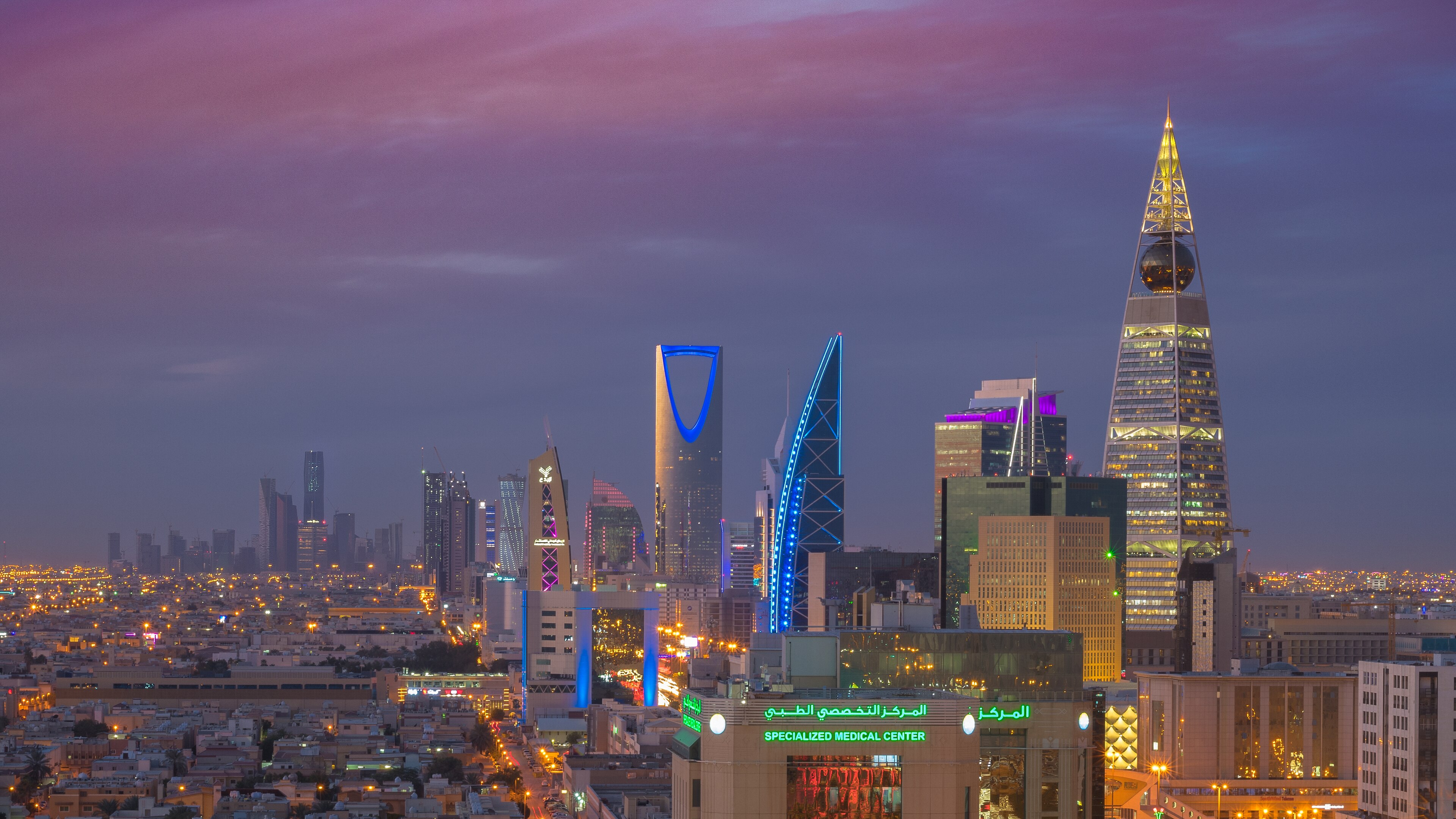
Why Riyadh is Perfect for Your Celebration
- Home to flagship properties of virtually every major global luxury hotel brand
- World-class ballrooms and purpose-built event spaces capable of hosting hundreds to thousands of guests
- Cool, dry winters (Nov–Mar) provide near-perfect outdoor event conditions
- Exceptional Arabian hospitality culture with highly experienced event catering teams
- King Khalid International Airport offers direct connections from Europe, Asia, and the wider Middle East
- Riyadh's Vision 2030 investments have dramatically expanded entertainment, dining, and event infrastructure

Compare Riyadh with Other Top Destinations
Frequently Asked Questions
Is Riyadh a good destination for a luxury wedding?
Yes. Riyadh is among the strongest destinations in the Middle East for luxury weddings. The city hosts flagship properties of virtually every major global luxury hotel brand, each with grand ballrooms and experienced in-house wedding teams. The cool winter season from November to March provides ideal conditions, and the city's hospitality ecosystem is well-practised in managing large, elaborate multi-day wedding programmes for both local and international couples.
What is the best time of year to hold an event in Riyadh?
The best time is the Cool / Mild Season: January, February, March, November, and December. During these months, temperatures are comfortable — typically 14°C to 24°C — with clear skies and very low humidity. This makes both indoor and outdoor event elements practical. April and May see rapidly rising heat, while June through September brings extreme temperatures above 40°C that make outdoor events impractical and strain guest comfort even for indoor-only celebrations.
How easy is it for international guests to travel to Riyadh for an event?
Very easy. King Khalid International Airport is one of the busiest hubs in the Middle East, with direct flights from major cities across Europe, South Asia, Southeast Asia, and the Arab world. Most international guests can reach Riyadh with at most one connection. The airport is approximately 35 km from the city centre, with a straightforward road transfer of around 30–45 minutes, and private group transfers can be arranged through hotels or ground transport specialists.
What kinds of venues are available for events in Riyadh?
Riyadh's venue landscape is dominated by grand hotel ballrooms within internationally branded luxury properties, many capable of hosting several hundred to over a thousand guests. The city also has standalone convention and event halls purpose-built for large celebrations. For a more culturally distinctive setting, the Diriyah heritage district offers restored mud-brick venues with an authentic Arabian aesthetic. Outdoor desert-edge settings are also available and most practical during the cool winter months.
How large a guest list can Riyadh venues realistically accommodate?
Riyadh is particularly well-suited to large-scale events. Several hotel ballrooms and standalone event halls can comfortably accommodate 500 to 2,000 guests, and some convention-grade facilities can go beyond that. The city's venue inventory skews toward high-capacity, high-specification spaces, making it one of the stronger regional choices for grand celebrations. Smaller, more intimate gatherings of 100–300 guests are also well-served by the city's luxury hotel suites and private dining facilities.
Is alcohol served at events in Riyadh?
No. Saudi law prohibits the serving of alcohol anywhere in the country, including at private events and hotel venues. Planners and guests should factor this into the event programme from the outset. Experienced Riyadh event teams are skilled at creating sophisticated non-alcoholic beverage experiences — including premium mocktail menus, elaborate Arabic coffee and tea services, and fresh juice programmes — that are genuinely celebratory in character.
Do international guests need a visa to attend an event in Riyadh?
Yes, most international visitors require a Saudi visa. Saudi Arabia has significantly expanded its e-visa programme under Vision 2030, and citizens of many countries can now apply online relatively straightforwardly. However, eligibility varies by nationality, and some guests may face a more complex process. Event planners should assess the visa situation for their specific guest list early in the planning process and allow adequate lead time for applications.
What is the local transport situation for a large guest group once in Riyadh?
Riyadh has a modern metro network covering key districts, but for large event groups, private coach and minibus transfers arranged through hotels or specialist ground transport companies are the most practical option. These allow coordinated movement between accommodation, venues, and the airport. Ride-hailing apps also operate widely in the city and are a convenient option for individual guests moving independently between locations.
Is Riyadh suitable for corporate galas and large-scale conferences?
Yes. Riyadh is one of the region's strongest destinations for corporate events. The city's convention-grade hotel facilities, reliable business infrastructure, high-speed connectivity, and central UTC+3 time zone make it a natural choice for regional conferences, product launches, and award ceremonies. The depth of experienced event production companies and in-house hotel event teams means technically complex corporate productions are well-supported.
What cultural experiences can guests enjoy around an event in Riyadh?
Riyadh offers genuine cultural depth beyond its modern skyline. The Diriyah district — a UNESCO World Heritage Site — provides an authentic glimpse into Saudi Arabia's historical roots through restored mud-brick architecture and cultural programming. Traditional souqs, the National Museum, and the Edge of the World escarpment on the city's outskirts are popular guest excursions. During the Riyadh Season entertainment programme (typically October–March), the city also hosts concerts, exhibitions, and large-scale public events.
How mature is Riyadh's wedding and event vendor ecosystem?
Riyadh's vendor ecosystem has matured significantly, particularly since 2017 under Saudi Arabia's Vision 2030 programme. The city now has a well-developed network of specialist wedding planners, event production companies, floral and décor artists, and large-scale catering operations. International production companies also regularly work in Riyadh for major events. Planners should engage local specialists with specific Riyadh experience, as navigating cultural norms and regulatory requirements benefits greatly from on-the-ground expertise.
Is Riyadh safe for international guests attending a wedding or event?
Yes. Riyadh consistently ranks among the safest major cities in the Middle East. Crime rates are low, urban infrastructure is modern and reliable, and the city has well-established systems for managing large public and private gatherings. International guests generally report feeling very safe throughout their stay. Standard travel precautions apply, and guests should familiarise themselves with local cultural norms around dress and public behaviour to ensure a comfortable experience.

Ready to explore venues in Riyadh?
Riyadh: Destination Wedding & Luxury Event Venues in Saudi Arabia
◆Riyadh is Saudi Arabia's capital and the Arabian Peninsula's most prominent destination for large-scale luxury weddings, corporate galas, and high-profile celebrations. Its primary vibe is unambiguously Luxury & Glamour, anchored by an exceptional concentration of internationally branded five-star hotels, grand ballrooms, and purpose-built convention and event spaces. The city suits couples and planners seeking scale, prestige, and impeccable service. The optimal event season runs from November through March, when the desert climate is cool and dry. Riyadh is highly accessible via King Khalid International Airport, which receives direct flights from across Europe, Asia, and the wider Middle East, making international guest travel straightforward.
Riyadh at a Glance
| Attribute | Detail |
|---|---|
| Best For | Luxury Weddings, Corporate Galas, Cultural Festivals, Large-Scale Celebrations |
| Primary Vibe | Luxury & Glamour |
| Other Vibes | Modern & Grand, Arabian Heritage, Desert Grandeur |
| Best Season | Cool / Mild Season (Jan, Feb, Mar, Nov, Dec) |
Why Choose Riyadh?
- Unrivalled luxury hotel density: Riyadh hosts flagship properties of virtually every major global luxury brand — Four Seasons, Ritz-Carlton, Waldorf Astoria, Conrad, JW Marriott, and more — giving planners an exceptional range of grand ballrooms and event suites within a single city.
- Scale without compromise: The city's event infrastructure comfortably accommodates celebrations ranging from intimate gatherings of 100 guests to grand receptions of 2,000 or more, with dedicated convention centres and multi-hall hotel complexes purpose-built for large events.
- Exceptional international air connectivity: King Khalid International Airport is one of the busiest hubs in the Middle East, with direct routes from major cities across Europe, South Asia, Southeast Asia, and the wider Arab world, making it genuinely easy for international guests to attend.
- Vision 2030 hospitality investment: Saudi Arabia's national transformation programme has dramatically expanded Riyadh's entertainment, dining, and events ecosystem over recent years, bringing world-class vendors, production companies, and catering specialists to the city.
- Arabian cultural richness as a backdrop: Beyond the modern skyline, Riyadh offers authentic cultural experiences — from the historic Diriyah district (a UNESCO World Heritage Site) to traditional souqs — that can be woven into multi-day celebration programmes for guests.
- Safety and infrastructure reliability: Riyadh consistently ranks among the safest major cities in the region, with highly reliable utilities, modern road networks, and a well-developed urban metro system that simplifies group logistics.
Which Celebrations Work Best in Riyadh?
- Luxury Weddings: Riyadh's five-star hotel ballrooms and dedicated wedding venues are among the grandest in the Middle East, with experienced in-house event teams accustomed to elaborate multi-day wedding programmes, traditional Arabian ceremonies, and large mixed-nationality guest lists.
- Corporate Galas & Conferences: The city's convention-grade hotel facilities, reliable business infrastructure, and central time-zone position (UTC+3) make it a natural choice for regional corporate events, product launches, and award ceremonies requiring both scale and prestige.
- Cultural Festivals & National Celebrations: Riyadh's growing calendar of public festivals — particularly during the Saudi National Day period and the Riyadh Season entertainment programme — creates a vibrant backdrop for large-scale cultural events and brand activations.
- Milestone Celebrations & Private Galas: For significant anniversaries, milestone birthdays, or private family celebrations requiring a grand, memorable setting with full-service hospitality, Riyadh's luxury hotel ecosystem delivers consistently high standards of personalised service.
Venues & Event Spaces
Riyadh's event venue landscape is dominated by grand hotel ballrooms within internationally branded luxury properties, many of which feature multiple interconnected halls capable of being configured for ceremonies, receptions, and banquets simultaneously. Several hotels offer dedicated wedding suites, pre-function terraces, and landscaped outdoor courtyards that are particularly usable during the cool winter months.
Beyond hotel venues, the city has a growing number of standalone event halls and convention centres, some of which are purpose-built for large-scale celebrations and can accommodate several thousand guests. These spaces typically offer full in-house catering, audio-visual production, and décor coordination services.
For couples or planners seeking a more culturally distinctive setting, the Diriyah area on the outskirts of the city offers heritage-style venues within a restored mud-brick historic district, providing a uniquely Arabian aesthetic that contrasts with the city's modern hotel towers. Outdoor desert-edge settings are also available for those wanting a more dramatic natural backdrop, though these are most practical during the cool season months.
Overall, Riyadh's venue inventory skews toward large-capacity, high-specification spaces — it is particularly well-suited to events where scale, production quality, and luxury service standards are priorities.
Best Time to Celebrate
The Cool / Mild Season (January, February, March, November, December) is the clear optimal window for events in Riyadh. During these months, daytime temperatures typically range from approximately 14°C to 24°C, with cool evenings that make outdoor terraces, garden settings, and desert-edge venues genuinely comfortable and enjoyable. Humidity remains very low throughout, meaning clear skies and minimal weather disruption are the norm.
This season also coincides with some of Riyadh's most active cultural and entertainment programming, including elements of the Riyadh Season festival calendar, which can add to the overall celebratory atmosphere for guests exploring the city around an event.
April and May represent a transitional period where temperatures begin climbing rapidly — daytime highs can reach 35°C or above by late April, making outdoor components increasingly uncomfortable and logistically challenging. June through September brings extreme heat, with temperatures regularly exceeding 40°C and occasionally reaching 45°C. Outdoor events during this period are essentially impractical, and even indoor-only events face challenges around guest comfort during transfers and arrivals. October is a warm transitional month — temperatures are moderating but can still reach the mid-30s, and it is generally considered a shoulder period rather than a reliable event month. Planners targeting Riyadh should firmly anchor their event dates within the November–March window to ensure the best possible guest experience.
Getting There & Local Connectivity
King Khalid International Airport is one of the largest and busiest airports in the Middle East, serving Riyadh with direct connections to major hubs across Europe, South Asia, Southeast Asia, East Africa, and the wider Arab world. The national carrier, Saudia, alongside a growing number of international airlines, ensures that guests travelling from most major cities can reach Riyadh with at most one connection. The airport is located approximately 35 km north of the city centre, with journey times of around 30–45 minutes by road depending on traffic.
Within the city, Riyadh has a modern metro network (the Riyadh Metro, opened in phases from 2021) covering key districts including Olaya, King Abdullah Financial District, and the city centre. For event groups, however, private coach and minibus transfers arranged through hotels or specialist ground transport companies remain the most practical option, as they allow coordinated movement of large guest groups between accommodation, venues, and airport. Ride-hailing apps also operate widely in the city and provide a convenient option for individual guests.
Riyadh is also connected to Dammam on the Eastern Province via the Saudi Railways (SAR) intercity network, though for most international event guests, air travel will be the primary mode of arrival. Road infrastructure within the city is modern and well-maintained, and the city's grid-based layout makes navigation relatively straightforward for ground transport operators.
Local Vendor & Hospitality Ecosystem
Riyadh's hospitality and events vendor ecosystem has matured significantly over the past decade, accelerated by Saudi Arabia's Vision 2030 programme and the rapid growth of the city's entertainment and tourism sectors. The city now hosts a well-developed network of specialist wedding and event planners, many with experience managing large-scale, multi-day celebrations for both local and international clients.
Catering is a particular strength — Riyadh's luxury hotels maintain large, experienced in-house culinary teams capable of delivering elaborate multi-course banquets, traditional Arabian feast formats, and international cuisine at scale. Standalone catering companies also operate at a high standard for off-site events.
The city has a growing ecosystem of event production and décor specialists, including lighting designers, floral artists, audio-visual production companies, and entertainment coordinators. International production companies also regularly operate in Riyadh for major events, and the city's infrastructure — reliable power, high-speed connectivity, modern loading facilities at major venues — supports technically complex productions.
One consideration for planners is that alcohol is not served in Saudi Arabia, which shapes the beverage programme for any event. Experienced local planners are well-versed in creating sophisticated non-alcoholic beverage experiences — including elaborate mocktail menus, premium Arabic coffee and tea services, and fresh juice programmes — that are genuinely celebratory in character. This is a well-understood aspect of planning in Riyadh rather than an obstacle, and most international guests attending events here are aware of and comfortable with this cultural norm.
Pros & Things to Consider
Why Riyadh Works Well
- Exceptional concentration of internationally branded luxury hotels with grand ballroom and event facilities
- Outstanding international air connectivity, making it genuinely accessible for guests from across the globe
- Cool, dry winter season (Nov–Mar) provides near-ideal conditions for both indoor and outdoor event elements
- Highly experienced local hospitality and event planning ecosystem, with strong vendor depth across catering, production, and décor
- Very high safety standards and reliable urban infrastructure reduce logistical risk for large group events
- Cultural richness — Diriyah heritage district, traditional souqs, desert landscapes — provides memorable guest experiences beyond the event itself
- Riyadh Season and other city-wide entertainment programmes can enhance the overall guest experience during peak event months
Things to Consider
- No alcohol service: Saudi law prohibits the serving of alcohol at any event; planners and guests should plan accordingly, and this shapes the beverage programme significantly compared to most international destinations.
- Extreme summer heat: Events planned outside the November–March window face serious challenges, particularly for any outdoor components, and guest comfort during transfers can be affected even for indoor-only events in peak summer.
- Cultural and regulatory context: Saudi Arabia has specific cultural norms and regulations around mixed-gender gatherings, entertainment, and dress that event planners must understand and navigate carefully — though regulations have liberalised considerably under Vision 2030, local expertise is essential.
- Visa requirements: International guests require a Saudi visa; while the e-visa process has been simplified for many nationalities, planners should factor in lead time and ensure guests from all origin countries are eligible and prepared.
- Cost tier: Riyadh's luxury hotel and event ecosystem operates at a premium international price point; planners should be prepared for costs commensurate with a top-tier global city rather than a regional destination.
When Riyadh May Not Be the Right Fit
- Events planned for summer months (June–September): If your event date is fixed in the peak summer period, the extreme heat makes Riyadh a genuinely difficult choice, particularly for any outdoor elements or guests who find very high temperatures uncomfortable even in transit.
- Guests or hosts who require alcohol as part of the celebration: If an open bar or wine service is a non-negotiable element of the event programme, Riyadh is not the appropriate destination, as alcohol is not legally served anywhere in Saudi Arabia.
- Intimate, small-scale celebrations seeking a boutique or heritage atmosphere: Riyadh's venue inventory skews heavily toward large-capacity, high-specification spaces. Couples or planners seeking a small, intimate gathering in a boutique heritage property or a characterful small hotel may find the city's offering less suited to that aesthetic than other regional destinations.
- Guests facing complex visa eligibility: While Saudi Arabia's e-visa programme covers a wide range of nationalities, some guest groups may face more complex visa processes; if a significant portion of the guest list comes from countries with restricted or uncertain Saudi visa access, this adds meaningful logistical complexity that planners should assess early.