
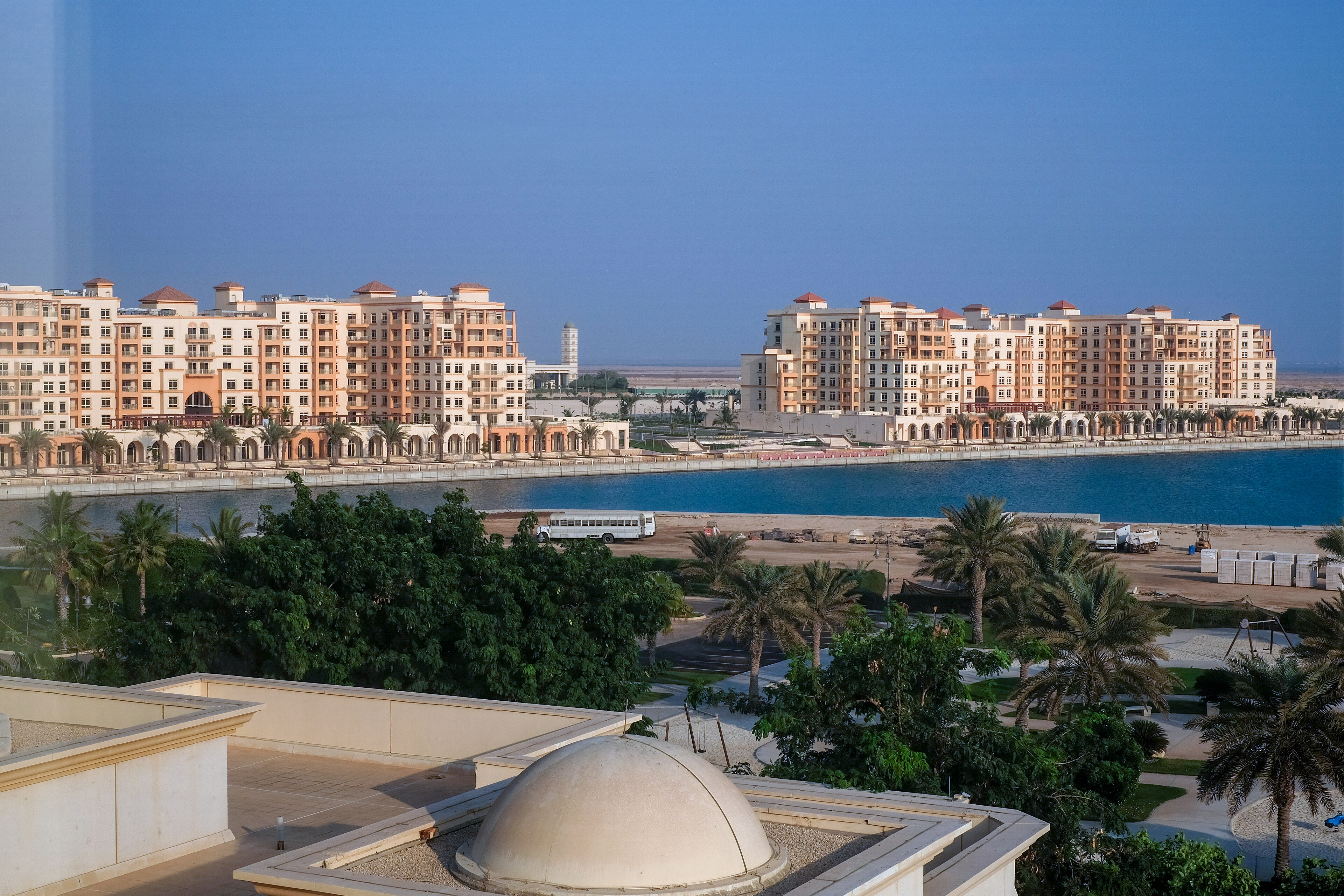
Why King Abdullah Economic City is Perfect for Your Celebration
- Purpose-built city with dedicated event and hospitality infrastructure from day one
- Stunning Red Sea waterfront and marina settings for outdoor celebrations
- Modern luxury resorts offering full-service event packages in one self-contained location
- Haramain High-Speed Railway station within the city for easy domestic guest access
- Exclusive, private atmosphere — ideal for high-profile or corporate events requiring discretion
- Cool, pleasant weather from November through March perfectly suits outdoor receptions and ceremonies

Compare King Abdullah Economic City with Other Top Destinations
Frequently Asked Questions
Is King Abdullah Economic City a good destination for a wedding?
Yes, particularly for couples seeking a modern, waterfront setting rather than a traditional heritage backdrop. KAEC's marina district, luxury resort venues, and self-contained city format make it well-suited to destination weddings — especially during the cool season from November to March when outdoor ceremonies are genuinely comfortable. It works best for mid-to-large guest groups where on-site accommodation and event spaces can be consolidated within a single resort property.
What is the best time of year to hold an event in King Abdullah Economic City?
The best window is November through March, when temperatures typically range from 18°C to 26°C — comfortable for both indoor and outdoor events. April through October brings intense heat (regularly 35°C–42°C+) that makes outdoor celebrations impractical and even indoor events logistically challenging for guests moving between spaces. Planners should treat the cool season as the only genuinely reliable event window.
How do guests travel to King Abdullah Economic City from abroad?
International guests fly into King Abdulaziz International Airport in Jeddah, which is well-connected to major global hubs. From the airport, KAEC is approximately one hour by road. Planners should arrange coordinated group transfers in advance, as the distance makes individual taxi arrangements impractical for large guest groups. International guests will also need to obtain a Saudi visa, so early visa guidance is an important part of guest communication.
Is there a train connection to King Abdullah Economic City?
Yes. KAEC has its own dedicated station on the Haramain High-Speed Railway, which connects directly to Jeddah in under 30 minutes and extends to Makkah and Madinah. This makes the city genuinely accessible for domestic Saudi guests travelling from the western corridor without needing to fly or make a long road journey — a meaningful logistical advantage for events with a predominantly Saudi guest list.
What kinds of event venues are available in King Abdullah Economic City?
The venue landscape is defined by modern luxury resort properties offering integrated indoor ballrooms, outdoor terrace and lawn spaces, and marina-view event decks. The marina district also provides waterfront settings for outdoor ceremonies and al-fresco dinners. The aesthetic is contemporary rather than heritage — there are no traditional palaces or historic venues. For large corporate events, purpose-built meeting and exhibition facilities are also available within the city's business district.
How many guests can events in King Abdullah Economic City realistically accommodate?
The city's resort and hotel venues can comfortably accommodate events ranging from intimate gatherings of around 100 guests up to approximately 400–500 guests within a single property's combined indoor and outdoor spaces. Very large-scale events exceeding 500 guests may require multi-venue coordination or use of the city's dedicated convention facilities. Planners should confirm specific capacity configurations directly with venue event teams during the enquiry stage.
Is King Abdullah Economic City suitable for corporate events and conferences?
Yes — it is arguably the destination's strongest suit. KAEC was designed with business and convention infrastructure as a core component, and its international hotel properties offer modern meeting rooms, AV-equipped conference halls, and full delegate catering. The self-contained city format, high safety standards, and Haramain Railway connectivity make it particularly practical for corporate leadership retreats, incentive programs, and multi-day conferences drawing delegates from across Saudi Arabia and the Gulf.
What is the local vendor ecosystem like for events in KAEC?
Hotel-based event services — catering, AV, basic décor, and coordination — are generally strong and internationally benchmarked. For specialist services such as bespoke floral design, luxury wedding styling, and high-end entertainment, planners will typically source vendors from Jeddah, roughly one hour away. This is logistically workable but requires early engagement and clear contracts. The overall ecosystem is still maturing compared to established event cities, so lead times should be planned generously.
Is King Abdullah Economic City safe for international event guests?
Yes. KAEC operates as a controlled, planned urban environment with high safety standards — it is consistently regarded as one of the safer event destinations in the region. International hotel properties are accustomed to hosting mixed-nationality guest groups, and the city's managed layout reduces the ambient safety concerns that can arise in larger, less-controlled urban environments. Female international guests should familiarise themselves with current Saudi social guidelines, which have liberalised significantly under Vision 2030.
Can guests easily move around King Abdullah Economic City during an event?
Within the city, movement between the marina, resort zones, and business district is manageable but relies on private or shuttle transport — there is no comprehensive public transit network. For events where guests need to move between multiple locations (accommodation, ceremony venue, reception space), planners should pre-arrange dedicated shuttle services. The city's compact hospitality zone means that for events consolidated within a single resort property, internal guest movement is straightforward.
Are there accommodation options for large guest groups attending events in KAEC?
Yes, though the accommodation inventory is more limited than in a mature city like Jeddah. The city's luxury resort properties can accommodate substantial guest blocks, and for very large events, planners may need to arrange overflow accommodation in Jeddah with coordinated transfers. Early room-block negotiations with the primary event venue are strongly advisable — particularly for events during the peak cool-season months of November through March when demand is highest.
What makes King Abdullah Economic City different from other Saudi event destinations?
KAEC is unique in Saudi Arabia as a purpose-built city designed around modern hospitality, business, and lifestyle infrastructure from its foundation — rather than a historic city that has added event facilities over time. Its Red Sea waterfront, marina district, and contemporary resort aesthetic offer a genuinely different visual and experiential character. The Haramain Railway station within the city is also a practical differentiator, giving domestic guests a fast, comfortable rail option that most comparable Saudi destinations do not offer.

Ready to explore venues in King Abdullah Economic City?
King Abdullah Economic City: Destination Wedding & Corporate Event Venues on the Red Sea
◆King Abdullah Economic City (KAEC) is a purpose-built smart city on Saudi Arabia's Red Sea coast, primarily suited to corporate events, destination weddings, and exclusive private celebrations. Its vibe is distinctly chic and cosmopolitan — modern architecture, a working marina, waterfront resort zones, and planned urban infrastructure set it apart from any traditional heritage destination. The best season runs from November through March, when temperatures are genuinely comfortable for both indoor and outdoor events. International guests require Saudi visas, which adds a planning layer, but domestic Saudi guests benefit from direct Haramain High-Speed Railway access. The overall cost character is premium, reflecting the destination's luxury-first design mandate.
King Abdullah Economic City at a Glance
| Attribute | Detail |
|---|---|
| Best For | Corporate Events, Destination Weddings, Private Celebrations, Incentive Retreats |
| Primary Vibe | Chic & Cosmopolitan |
| Other Vibes | Waterfront, Exclusive, Modern Luxury |
| Best Season | Cool / Mild Season (Jan, Feb, Mar, Nov, Dec) |
Why Choose King Abdullah Economic City?
- Designed for events from the ground up: Unlike cities that have retrofitted event infrastructure into existing urban fabric, KAEC was master-planned with hospitality, convention, and resort zones as core components — meaning venue layouts, road access, and accommodation clusters are genuinely event-optimised.
- Red Sea waterfront and marina settings: The Bay La Sun marina district and coastal resort zones offer genuinely scenic backdrops for outdoor receptions, sunset ceremonies, and waterfront dinners that are rare in the broader Saudi event landscape.
- Haramain High-Speed Railway connectivity: KAEC has its own dedicated station on the Haramain High-Speed Railway, connecting it directly to Jeddah and Makkah — making domestic guest travel significantly easier than for many comparable purpose-built destinations regionally.
- Privacy and exclusivity: The city's relatively contained scale and controlled-access zones make it particularly attractive for high-profile families, corporate leadership events, and celebrations where discretion and security are priorities.
- Modern hospitality standards: International hotel brands operating within KAEC bring globally consistent service standards, multilingual staff, and full event-management capabilities — reducing the coordination burden on planners unfamiliar with the local market.
- Comfortable cool-season window: The November-to-March season delivers genuinely mild, pleasant conditions — typically 18°C to 26°C — that make outdoor ceremonies, garden receptions, and marina-side dinners not just possible but genuinely enjoyable.
Which Celebrations Work Best in King Abdullah Economic City?
- Corporate Events & Incentive Retreats: KAEC's purpose-built infrastructure, international hotel meeting facilities, and proximity to Jeddah's business community make it a natural fit for corporate conferences, leadership retreats, and incentive travel programs. The self-contained city format means delegates stay, meet, and socialise within a single, managed environment.
- Destination Weddings: Couples seeking a contemporary, waterfront Saudi wedding setting — rather than a traditional heritage backdrop — will find KAEC's marina and resort zones genuinely distinctive. The cool-season window aligns well with traditional wedding planning timelines, and the city's exclusivity suits families who value privacy.
- Private Celebrations & Milestone Events: Milestone birthdays, anniversaries, and family gatherings benefit from the destination's resort-style containment — guests can be accommodated, entertained, and celebrated within a single, cohesive environment without the logistical complexity of a sprawling city.
- Engagement Ceremonies & Pre-Wedding Functions: The waterfront setting and modern venue aesthetic make KAEC well-suited to pre-wedding functions — engagement parties, mehendi events, and welcome dinners — particularly for families based in Jeddah or the wider western Saudi region who want a short-break destination feel without international travel.
Venues & Event Spaces
King Abdullah Economic City's event venue landscape is defined by its modern resort and waterfront hotel properties rather than heritage palaces or traditional banquet halls. The primary venue typology is the full-service luxury resort, offering a combination of indoor ballrooms, outdoor lawn and terrace spaces, marina-view event decks, and dedicated pre-function areas — all within a single property. This integrated model is particularly practical for destination events where guests are also staying on-site.
Beyond hotel-based venues, the city's marina district and public waterfront promenades offer opportunities for outdoor ceremonial setups — sunset ceremonies on the jetty, al-fresco dinners along the corniche, and boat-based experiences for smaller groups. The planned urban layout means that outdoor event spaces are generally well-maintained, accessible, and equipped with basic infrastructure (power, lighting points, paved surfaces) that reduces the logistical overhead of outdoor setups compared to more rural or undeveloped coastal locations.
For larger corporate events requiring dedicated convention-scale space, the city's business district includes purpose-built meeting and exhibition facilities designed to accommodate conferences, product launches, and multi-day corporate programs. These spaces are typically equipped with modern AV infrastructure, breakout room configurations, and catering facilities capable of serving several hundred delegates.
Overall, the venue inventory skews toward contemporary luxury and modern functionality rather than ornate or heritage aesthetics — planners seeking a traditional or culturally layered visual backdrop should factor this into their destination selection.
Best Time to Celebrate
The Cool / Mild Season (January, February, March, November, December) is the only genuinely comfortable window for events in King Abdullah Economic City, and this is not a marginal distinction — the gap between the cool season and the rest of the year is substantial.
During the cool season, daytime temperatures typically range from 18°C to 26°C, with evenings dropping pleasantly to 14°C–18°C. This makes outdoor ceremonies, marina-side receptions, and garden dinners not just tolerable but genuinely enjoyable. Humidity from the Red Sea is present year-round but is most manageable during these months. Rainfall is minimal and rarely event-disrupting, though brief winter showers are possible in January and February.
April through October presents a very different picture. Temperatures climb rapidly from April onward, regularly exceeding 35°C by May and reaching 40°C–42°C or above through the summer months of June, July, and August. Humidity levels during summer can make the heat feel significantly more intense than the raw temperature suggests. Outdoor events during this period are genuinely impractical and potentially unsafe for guests, particularly elderly attendees or those travelling from cooler climates. Even indoor events during summer require careful management of guest movement between air-conditioned spaces, as brief outdoor exposure during arrivals and departures can be uncomfortable.
September and October see temperatures beginning to moderate but remain well above comfortable event-planning thresholds — typically 32°C–38°C — and are best treated as shoulder months to avoid rather than viable alternatives to the core cool season. Planners should build their entire event calendar around the November–March window and treat any deviation from this as a meaningful risk factor.
Getting There & Local Connectivity
The primary international gateway for King Abdullah Economic City is King Abdulaziz International Airport in Jeddah, which is well-connected to major international hubs across the Middle East, Europe, Asia, and beyond. The airport is approximately 100 km south of KAEC, making it a roughly one-hour drive under normal traffic conditions — a manageable transfer for event guests, though planners should factor in coordinated group transfers rather than relying on individual taxi arrangements for large guest lists.
For domestic Saudi guests, the Haramain High-Speed Railway is a significant advantage — KAEC has its own dedicated station, and the high-speed service connects directly to Jeddah in under 30 minutes and to Makkah and Madinah beyond. This makes KAEC genuinely accessible for guests based across the western Saudi corridor without requiring air travel or long road journeys.
Within the city itself, KAEC's planned layout means that the primary hospitality, marina, and event zones are relatively compact and navigable. However, the city is not yet served by a comprehensive public transport network in the way that a mature urban destination would be — private transfers and coordinated shuttle services are the practical norm for moving event guests between accommodation, venues, and the marina district. Planners should budget for and pre-arrange dedicated transport for any event involving guests moving between multiple locations within the city.
International guests will require a Saudi visa, and while Saudi Arabia has significantly expanded its tourist and event visa programs in recent years, this remains an additional planning step that requires lead time — particularly for guests from countries where visa processing is slower or where Saudi diplomatic representation is limited.
Local Vendor & Hospitality Ecosystem
King Abdullah Economic City's vendor ecosystem is still maturing relative to established event destinations, but its hospitality infrastructure is genuinely strong at the hotel and resort level. International hotel brands operating within the city bring in-house event management teams, established catering operations, and AV/production capabilities that can handle mid-to-large scale events without requiring extensive external vendor coordination.
For specialist event services — bespoke floral design, high-end entertainment, custom décor fabrication, and luxury wedding styling — planners will typically need to source vendors from Jeddah, which has a well-developed luxury events industry. The approximately one-hour road connection between Jeddah and KAEC makes this logistically workable, though it adds a coordination layer that planners should account for in their timelines and contracts.
Catering within the city's hotel properties is generally of a high standard, with international cuisine options alongside traditional Saudi and Arabic menus. For events requiring highly specialised culinary experiences — specific regional cuisines, live cooking stations, or very large-scale outdoor catering — early engagement with venue catering teams is advisable to confirm capability and lead times.
The overall hospitality culture in KAEC reflects Saudi Arabia's broader Vision 2030-driven service evolution — staff in international hotel properties are typically multilingual, professionally trained, and accustomed to hosting international guests and mixed-nationality event groups. This makes the destination more accessible for international planners than many regional alternatives might suggest.
Pros & Things to Consider
Why King Abdullah Economic City Works Well
- Purpose-built event and hospitality infrastructure with modern, well-maintained facilities
- Genuinely distinctive Red Sea waterfront and marina setting for outdoor celebrations
- Haramain High-Speed Railway station within the city for easy domestic guest access
- High safety standards and controlled urban environment — particularly valued for high-profile events
- International hotel brands delivering consistent, globally-benchmarked service quality
- Cool-season weather (Nov–Mar) is genuinely comfortable and reliable for outdoor events
- Self-contained city format simplifies logistics for residential destination events
Things to Consider
- International guests must navigate Saudi visa requirements, which adds planning lead time and complexity
- The specialist event vendor ecosystem (décor, entertainment, bespoke styling) is primarily based in Jeddah, not within KAEC itself
- The city's venue aesthetic is modern and contemporary — planners seeking heritage, ornate, or culturally traditional settings will not find them here
- Internal city transport relies on private/shuttle arrangements; there is no mature public transit network for guest movement
- The usable event season is relatively narrow (five months) — summer heat makes the remaining seven months genuinely unsuitable for most event formats
- As a still-developing city, some amenities and entertainment options that guests might expect in a mature destination (diverse dining, retail, nightlife) remain more limited than in Jeddah proper
When King Abdullah Economic City May Not Be the Right Fit
- Events planned for April through October: The extreme summer heat makes outdoor celebrations genuinely impractical and potentially unsafe during this period — couples or planners with fixed summer dates would be better served by a different destination.
- Guests requiring heritage or culturally layered aesthetics: If the visual brief calls for ornate palaces, historic forts, or traditional architectural backdrops, KAEC's modern urban character will not deliver that — a heritage destination would be a more honest fit.
- International guest groups with complex visa situations: For events where a significant proportion of guests come from countries with slower or more complex Saudi visa processing, the administrative burden may outweigh the destination's advantages — particularly for events with tight planning timelines.
- Very large-scale events requiring extensive specialist vendor depth on-site: Events requiring dozens of specialist vendors, large-scale entertainment production, or highly bespoke experiential elements may find KAEC's local vendor ecosystem insufficient without heavy reliance on Jeddah-based suppliers — adding logistical complexity that a more mature event city would not require.