
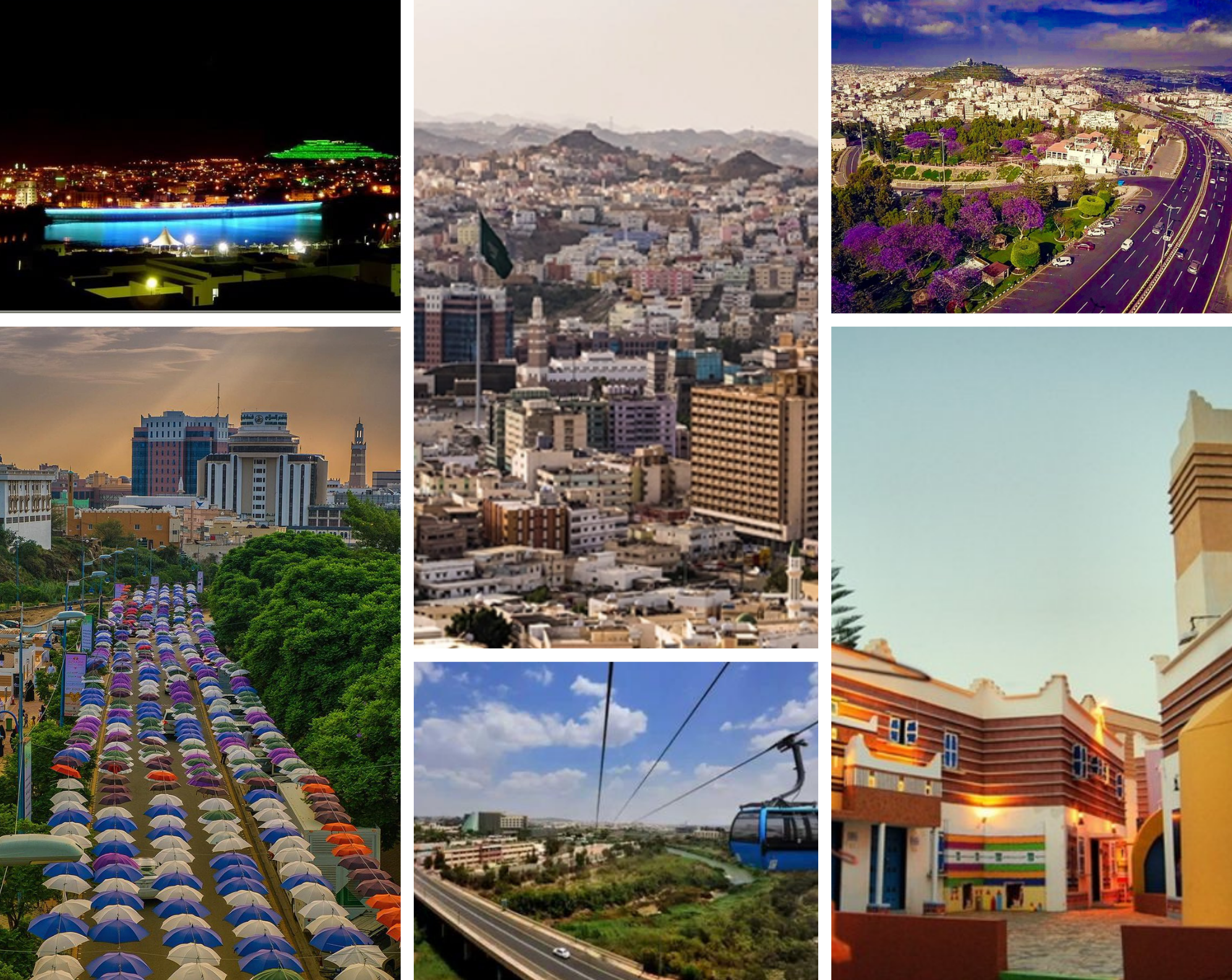
Why Abha is Perfect for Your Celebration
- Dramatic Asir mountain scenery provides a naturally stunning backdrop for outdoor ceremonies
- Cool, mild climate in spring and autumn makes outdoor events genuinely comfortable
- Rich Asiri cultural heritage — traditional architecture, crafts, and hospitality — adds authentic local character
- Growing inventory of resort and hotel properties with dedicated event spaces
- Relatively uncrowded compared to major Saudi cities, offering privacy and exclusivity for celebrations
- Proximity to Asir National Park and heritage villages like Rijal Alma'a adds unique guest experiences

Compare Abha with Other Top Destinations
Frequently Asked Questions
Is Abha a good destination for a wedding celebration?
Yes, particularly for couples seeking an intimate, nature-immersed setting. Abha's highland scenery, cool climate during spring and autumn, and authentic Asiri cultural character make it a genuinely distinctive choice. It suits smaller to mid-sized weddings better than very large events, given the current scale of the local venue inventory.
What is the best time of year to hold an event in Abha?
March, April, October, and November are the recommended months. During these periods, the weather is clear and mild, evenings are comfortably cool, and the risk of the summer monsoon rains or winter cold snaps is low — making outdoor ceremonies and mountain-view receptions genuinely practical.
How do guests get to Abha?
Abha is served by Abha Regional Airport, with domestic flights from Riyadh, Jeddah, and other Saudi cities. International guests will need to connect through Riyadh or Jeddah before taking a domestic flight to Abha. There is no railway connection, so road or air travel are the only options.
How large a guest group can Abha realistically accommodate for an event?
Abha's hotel and resort properties can comfortably support mid-sized events, typically in the range of 100 to 400 guests depending on the venue. For very large gatherings requiring a single space for several hundred guests with extensive facilities, the current inventory may be limiting and a larger city may be more suitable.
What kinds of event spaces are available in Abha?
The main options are hotel and resort properties offering indoor banquet halls, outdoor mountain-view terraces, and landscaped garden spaces. Abha does not yet have a large number of standalone purpose-built event venues, so most celebrations are hosted within hotel properties. Outdoor spaces are particularly popular given the scenic highland setting.
What makes Abha's setting distinctive for a celebration?
Abha sits at over 2,200 metres above sea level in the Asir mountains, giving it a cool climate, misty mountain scenery, and terraced valley landscapes unlike any other major Saudi destination. The surrounding Asiri cultural heritage — traditional architecture, local cuisine, and crafts — adds an authentic regional character that is difficult to replicate elsewhere.
Are there good guest experiences and excursions near Abha for a multi-day event?
Yes. Asir National Park and heritage villages such as Rijal Alma'a are within reach and offer guests meaningful cultural and natural experiences. These attractions make Abha well-suited to multi-day celebration itineraries where guests can explore the region between event functions.
What is the local vendor and catering ecosystem like in Abha?
Local catering is strong in Asiri cuisine and traditional hospitality. General décor and event vendors are available, but the ecosystem is less specialised than in Riyadh or Jeddah. For highly bespoke production or niche entertainment, planners may need to source suppliers from larger cities and arrange logistics in advance.
Is Abha safe for guests travelling for a celebration?
Yes. Abha has a strong general safety record and is considered very safe for visitors. Saudi Arabia's hospitality regulations ensure consistent service standards at established hotel properties, and the local population is known for warm, genuine hospitality toward guests.
What should I know about local transport for guests once they arrive in Abha?
Public transport within Abha is limited. Ride-hailing services operate in the city but availability can be constrained during busy periods. For event groups, arranging dedicated chartered transport between the airport, accommodation, and event venues in advance is strongly recommended to ensure smooth guest movement throughout the celebration.

Ready to explore venues in Abha?
Abha: Destination Wedding & Event Venues in Saudi Arabia's Asir Highlands
◆Abha is the highland capital of Saudi Arabia's Asir Region, sitting at roughly 2,200 metres above sea level and offering a genuinely cool, misty climate that sets it apart from every other major Saudi destination. Its primary strength is nature-immersed celebrations — outdoor ceremonies, social gatherings, and cultural events that benefit from dramatic mountain scenery, terraced valleys, and Asiri heritage character. The best seasons are spring (March–April) and autumn (October–November), when weather is clear and mild. Abha has a growing but still developing hospitality infrastructure, with a range of properties from international luxury brands to independent heritage-style hotels. Domestic air access is available via Abha Regional Airport, though international guests will typically connect through Riyadh or Jeddah.
Abha at a Glance
| Category | Detail |
|---|---|
| Best For | Nature-immersed weddings, social celebrations, cultural gatherings, intimate private events |
| Primary Vibe | Nature & Wilderness |
| Other Vibes | Heritage & Cultural, Scenic Highland, Authentic & Unhurried |
| Best Season | Cool / Mild Season (Mar, Apr, Oct, Nov) |
Why Choose Abha?
- Genuinely cool highland climate: At over 2,200 metres elevation, Abha offers temperatures that rarely exceed the upper twenties Celsius even in summer, making outdoor events far more comfortable than in lowland Saudi cities — particularly during the curated best months of March, April, October, and November.
- Dramatic, photogenic mountain scenery: The Asir mountains, terraced agricultural slopes, and frequent low cloud and mist create a backdrop that is visually distinctive and naturally suited to outdoor ceremonies and photography.
- Rich Asiri cultural heritage: The region's traditional architecture — colourful geometric patterns on whitewashed stone buildings — along with local crafts, music, and cuisine give celebrations an authentic local character that is difficult to replicate elsewhere in the Kingdom.
- Proximity to heritage and natural attractions: Nearby Asir National Park and heritage villages such as Rijal Alma'a offer guests meaningful excursions and experiences beyond the event itself, adding genuine value to a multi-day celebration itinerary.
- Relative exclusivity and privacy: Abha remains less saturated with large-scale tourism than Riyadh or Jeddah, which means event groups can enjoy a greater sense of privacy and dedicated attention from local hospitality providers.
- Growing event infrastructure: The city has seen meaningful investment in hospitality under Saudi Vision 2030, with international hotel brands now present alongside established independent properties, giving planners a credible range of venue options.
Which Celebrations Work Best in Abha?
- Intimate destination weddings: Abha is particularly well-suited to smaller, nature-focused weddings where the landscape itself is a central part of the experience. Couples seeking something visually distinctive and culturally rooted — rather than a grand ballroom affair — will find the highland setting genuinely compelling.
- Social gatherings and milestone celebrations: Birthday celebrations, anniversary dinners, and family reunions benefit from Abha's relaxed pace, scenic surroundings, and the novelty of a highland destination that most guests will not have experienced before.
- Cultural and heritage-themed events: The Asiri cultural identity — expressed through architecture, food, traditional dress, and local festivals — makes Abha a natural fit for events that want to incorporate authentic regional character rather than a generic luxury-hotel aesthetic.
- Corporate retreats and team events: The cool climate, natural surroundings, and relative distance from the pressures of major urban centres make Abha a credible choice for corporate groups seeking an off-site retreat with a distinctive sense of place.
Venues & Event Spaces
Abha's venue landscape is anchored by a combination of full-service international hotel properties and independently operated heritage-style hotels, most of which offer dedicated banquet halls, outdoor terraces, and garden spaces suited to events of varying scales. Outdoor mountain-view terraces and landscaped resort grounds are among the most sought-after spaces for ceremonies and receptions, given the natural scenery. Indoor ballrooms and banquet halls at the larger properties can accommodate mid-sized guest lists comfortably, while smaller heritage properties are better suited to intimate gatherings. The city does not yet have the volume of purpose-built standalone wedding venues found in larger Saudi cities, so most events are hosted within hotel and resort properties. Planners should confirm specific capacity and setup options directly with properties, as the event infrastructure — while growing — is still maturing relative to major metropolitan destinations.
Best Time to Celebrate
The curated best season for Abha is the Cool / Mild Season: March, April, October, and November. During these months, daytime temperatures are typically pleasant and clear, evenings are comfortably cool rather than cold, and the risk of heavy rainfall or fog is significantly lower than in the monsoon-influenced summer months. This combination makes outdoor ceremonies, garden receptions, and mountain-view events genuinely practical.
June through August brings the Asir summer monsoon — locally known as the khareef — which delivers heavy rainfall, persistent fog, and low visibility across the highlands. While the resulting green landscape is visually striking and draws domestic tourists, it makes outdoor event planning highly unpredictable and is generally unsuitable for celebrations that depend on reliable outdoor access.
December through February brings cold nights and occasional frost at altitude. Daytime conditions can still be pleasant, but early mornings and evenings require significant heating provisions for outdoor spaces, and the risk of cold snaps adds logistical complexity. These months are workable for fully indoor events but are not ideal for the outdoor mountain-setting experiences that make Abha distinctive.
May and September sit at the shoulder of the best season — May can be warm and dry before the monsoon arrives, while September marks the tail end of the rainy period. Both months carry some weather risk and are generally considered acceptable but not optimal for outdoor celebrations.
Getting There & Local Connectivity
Abha is served by Abha Regional Airport, which operates domestic routes connecting the city to Riyadh, Jeddah, and other major Saudi cities. For guests travelling from within Saudi Arabia, direct flights make access reasonably straightforward. International guests will typically need to connect through King Abdulaziz International Airport in Jeddah or King Khalid International Airport in Riyadh before taking a domestic connection to Abha — this adds a leg to the journey and should be factored into guest travel planning, particularly for large groups arriving from abroad.
There is no railway connection to Abha. Road access from Jeddah is possible via the scenic Asir mountain highway, though the journey takes several hours and the mountain roads — while well-maintained — require careful driving, particularly in wet or foggy conditions. For event groups, coordinating chartered or arranged ground transport from the airport into the city and between venues is advisable, as public transport options within Abha are limited. Ride-hailing services operate in the city, but availability may be constrained during peak periods. Planners hosting large guest groups should arrange dedicated transport logistics in advance.
Local Vendor & Hospitality Ecosystem
Abha's vendor ecosystem is growing but remains more limited in scale and specialisation than what planners would find in Riyadh, Jeddah, or internationally established wedding destinations. Local catering providers are well-versed in Asiri cuisine and traditional hospitality, which can be a genuine asset for events seeking authentic regional food and service character. Floral, décor, and entertainment vendors are available locally, though for highly specialised requirements — bespoke floral installations, international entertainment acts, or large-scale production — planners may need to source from Jeddah or Riyadh and arrange logistics accordingly.
The major hotel properties in Abha typically have in-house event coordination teams and established relationships with local suppliers, which simplifies planning for events hosted within those properties. Independent vendors operating outside the hotel ecosystem are present but fewer in number, so early engagement and confirmation of availability is important, particularly for peak season dates in March–April and October–November when demand from both leisure tourists and event groups is highest.
Saudi Arabia's broader hospitality standards — including food safety, service quality at licensed properties, and general guest welfare — are well-regulated, and Abha's established hotels operate to consistent national standards. The city's general safety record is strong, and the local population is known for warm, genuine hospitality toward visitors.
Pros & Things to Consider
Why Abha Works Well
- Unique highland climate and mountain scenery that no lowland Saudi destination can replicate
- Authentic Asiri cultural identity adds genuine local character to celebrations
- Cool, comfortable temperatures during the best season make outdoor events practical
- Relatively uncrowded and private compared to major Saudi urban centres
- Presence of international hotel brands provides reliable event infrastructure and service standards
- Proximity to Asir National Park and heritage villages enriches the guest experience beyond the event itself
Things to Consider
- International guests face a multi-leg journey with a domestic connection required after landing in Riyadh or Jeddah
- No railway access; ground transport logistics require advance planning for large groups
- The summer monsoon season (June–August) makes outdoor events highly unpredictable and is generally unsuitable for outdoor celebrations
- The local vendor ecosystem, while growing, is less mature and less specialised than in major Saudi cities — some suppliers may need to be sourced externally
- The overall venue inventory is smaller than in larger cities, which can limit options for very large guest lists
- Cold winter nights (December–February) add logistical complexity for outdoor events and require heating provisions
When Abha May Not Be the Right Fit
- Very large guest lists: If your celebration requires a single venue accommodating several hundred guests with extensive breakout spaces, Abha's current hotel inventory may not comfortably support the scale — a larger Saudi city would offer more options.
- International guests with limited travel flexibility: Groups where a significant proportion of guests are travelling internationally and cannot easily manage a domestic connection within Saudi Arabia may find the journey logistics burdensome, particularly for elderly or mobility-limited guests.
- Outdoor events planned for June through August: The Asir monsoon season brings heavy, unpredictable rainfall and persistent fog. If your event concept depends on reliable outdoor access and mountain views, this period carries a high risk of disruption.
- Events requiring highly specialised vendors on short notice: If your event requires niche production, entertainment, or décor specialists who are not locally based, the logistics of sourcing and transporting them from Jeddah or Riyadh adds complexity and lead time that may not suit a tight planning timeline.