
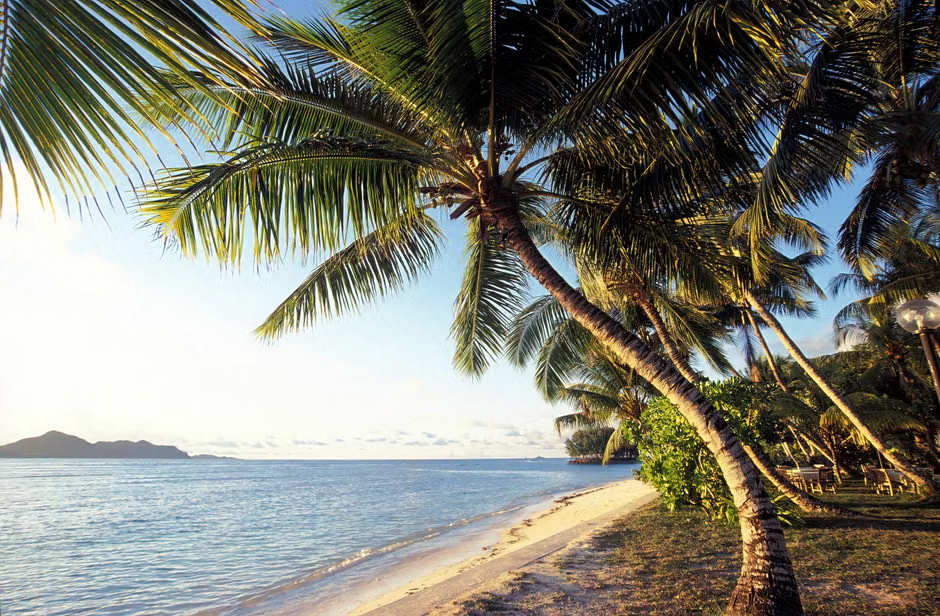
Why Anse Chastanet is Perfect for Your Celebration
- Dramatic Piton mountain backdrop provides an unmatched natural ceremony setting
- Boutique, private resort environment ensures exclusivity for intimate celebrations
- Coral reef snorkeling and rainforest activities create memorable guest experiences
- Dry season (Jan–Apr, Dec) offers reliably clear skies and calm Caribbean waters
- Beachfront and clifftop event spaces suit romantic, small-scale weddings perfectly
- Saint Lucia's established wedding tourism infrastructure supports legal ceremonies on-island
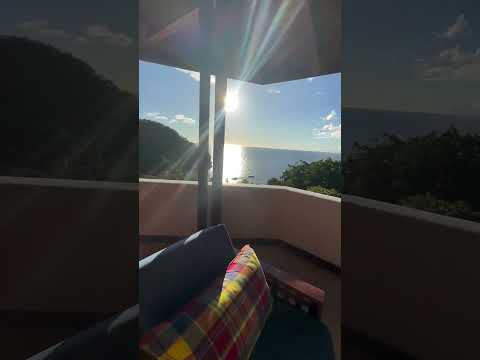
Compare Anse Chastanet with Other Top Destinations
Frequently Asked Questions
Is Anse Chastanet a good destination for a destination wedding?
Yes, particularly for intimate celebrations. Anse Chastanet is among the Caribbean's most scenically dramatic settings for a wedding, with the Piton mountains as a natural backdrop and beachfront and clifftop ceremony spaces. It suits couples prioritising privacy, natural beauty, and a boutique experience over large-scale production. Guest lists of up to roughly 100–150 are the most practical fit for the destination's scale.
What is the best time of year to hold a wedding or event at Anse Chastanet?
The dry season — January, February, March, April, and December — is the most reliable window. Rainfall is significantly lower, the Caribbean Sea is calm and clear, and the risk of outdoor event disruption is minimal. December combines dry-season conditions with a festive atmosphere. The hurricane season (June–November) brings heavy rainfall and travel disruption risk, making it unsuitable for outdoor celebrations.
How do guests get to Anse Chastanet?
Guests fly into Hewanorra International Airport in the south of Saint Lucia, then transfer to Anse Chastanet by private road (approximately 30–40 minutes of winding coastal road) or by private boat charter, which many guests find more comfortable. There is no rail network on the island. Advance transfer coordination is essential for groups arriving on multiple flights.
How many guests can realistically be accommodated for an event at Anse Chastanet?
The destination comfortably suits intimate celebrations — typically up to around 100–150 guests for a combined ceremony and reception. The boutique resort character means on-site accommodation is limited; larger groups may need to arrange supplementary accommodation in the nearby Soufrière area. The event spaces are designed for atmosphere and privacy rather than large-scale capacity.
What kinds of event spaces are available at Anse Chastanet?
Event spaces are predominantly outdoor and nature-integrated: beachfront lawns on the black-sand beach, open-air clifftop terraces with Piton views, and garden settings within the rainforest estate. Indoor dining and reception spaces are available within the resort's restaurant facilities. There are no large enclosed ballrooms or convention-style spaces — the character throughout is boutique, open-sided, and scenery-led.
Can a wedding at Anse Chastanet be legally recognised?
Yes. Saint Lucia has a well-established legal framework for destination weddings, and the process for international couples is straightforward relative to many other Caribbean islands. Local coordinators at the resort are experienced in guiding couples through the documentation requirements. It is advisable to begin the legal process well in advance of the wedding date to allow for any administrative lead times.
What activities are available for wedding guests during their stay?
The destination offers a strong experiential programme: snorkelling and diving on the coral reef directly offshore, rainforest hiking, visits to the Sulphur Springs volcano and Diamond Falls, zip-lining, kayaking, and spa treatments. The nearby town of Soufrière provides a local market and restaurants. This range of activities makes the trip feel like a full destination experience for guests, not just a venue visit.
What is the local vendor and catering ecosystem like for events?
The resort has long-established relationships with local florists, musicians, photographers, and officiants experienced in working within the estate. On-site catering is strong, with kitchens capable of producing high-quality Caribbean and international menus. The local vendor pool is smaller than a major city destination, so highly specialised or large-scale production requirements may need to be sourced from Castries or off-island, requiring additional lead time.
Is Anse Chastanet suitable for events other than weddings?
Yes, though weddings are the primary fit. The destination also suits honeymoons, milestone anniversary celebrations, vow renewals, and small high-end executive retreats. Its appeal is rooted in privacy, natural drama, and immersive tropical experience — event types that benefit from those qualities are well-matched. Large-scale corporate conferences, galas, or events requiring significant indoor capacity are not a natural fit.
What should planners know about local transport for groups once guests arrive?
The estate itself is navigated largely on foot, with resort transport available for excursions. The road to Anse Chastanet is not served by public transport, so private minibuses or boat charters are the standard solution for group movement. The winding coastal road can be slow for large coaches, and some guests may find it uncomfortable — boat transfers are a practical and scenic alternative where conditions allow.
Are there any genuine drawbacks to choosing Anse Chastanet for a destination celebration?
Yes. The boutique scale limits guest capacity; the remote location requires international travel and careful transfer coordination; the hurricane season (June–November) makes outdoor events genuinely unreliable; and the local vendor pool, while experienced, is smaller than in a major city. Guests expecting urban nightlife, diverse dining, or easy shopping will find the secluded Soufrière location limiting. These are real trade-offs worth weighing against the destination's considerable scenic and privacy strengths.

Ready to explore venues in Anse Chastanet?
Anse Chastanet: Destination Wedding & Intimate Event Venue Guide
◆Anse Chastanet is a boutique, secluded destination on the southwest coast of Saint Lucia, best suited to intimate weddings, honeymoons, and small private celebrations. Its primary vibe is romantic and dreamy — defined by the twin Piton volcanic peaks, black-sand beaches, coral reefs, and dense rainforest. The destination suits couples and small groups rather than large-scale events, given its deliberately exclusive, low-density character. The dry season (January through April, and December) is the reliable window for outdoor celebrations. International guests must fly into Hewanorra International Airport and transfer by road or boat; there is no rail access on the island. The overall character is high-end and immersive, with a strong emphasis on natural beauty and privacy over urban convenience.
Anse Chastanet at a Glance
| Category | Detail |
|---|---|
| Best For | Intimate Weddings, Honeymoons, Romantic Anniversaries, Small Private Celebrations |
| Primary Vibe | Romantic & Dreamy |
| Other Vibes | Secluded, Nature-Immersed, Adventurous, Tropical Luxury |
| Best Season | Dry Season (Jan, Feb, Mar, Apr, Dec) |
Why Choose Anse Chastanet?
- Unrivalled natural scenery: The UNESCO-listed Piton mountains rise directly behind the resort estate, providing a ceremony backdrop that is genuinely singular in the Caribbean — no constructed venue can replicate it.
- Genuine privacy and exclusivity: Anse Chastanet operates as a self-contained, boutique estate accessible only by a private road or boat. This means celebrations are not shared with passing tourists or unrelated hotel guests in the way a large resort complex would be.
- Integrated land and sea experiences: The destination sits directly above one of Saint Lucia's best coral reef systems, and the surrounding rainforest offers hiking, zip-lining, and volcano visits — giving guests a full experiential programme beyond the ceremony itself.
- Established legal framework for weddings: Saint Lucia has a well-established, straightforward process for legally recognised destination weddings, with local coordinators experienced in handling international couples' documentation requirements.
- Dry season reliability: January through April and December offer consistently low rainfall, low humidity relative to the rest of the year, and calm Caribbean Sea conditions — making outdoor beachfront and clifftop ceremonies genuinely dependable during this window.
- Boutique hospitality maturity: Despite its remote feel, the destination has decades of experience hosting international guests at a high standard, with on-site culinary, spa, and event coordination capabilities that reduce the need to import everything from outside.
Which Celebrations Work Best in Anse Chastanet?
- Intimate Destination Weddings: This is the destination's strongest suit. The combination of dramatic natural scenery, beachfront and clifftop settings, and a boutique resort environment makes it particularly well-suited to ceremonies of up to roughly 100–150 guests. The setting does the heavy lifting aesthetically, and the privacy of the estate means the day feels genuinely exclusive.
- Honeymoons and Romantic Retreats: Couples who marry elsewhere and choose Anse Chastanet as their honeymoon base find the destination equally compelling — the seclusion, the spa facilities, the snorkelling, and the Piton views create a naturally romantic atmosphere without requiring any event planning at all.
- Milestone Anniversary Celebrations: Small groups gathering to mark a significant anniversary — particularly those who value natural beauty and a sense of occasion over nightlife or urban entertainment — find the destination well-matched to the mood of such events.
- Private Vow Renewals: The intimate scale and scenic drama of the location make it a strong choice for vow renewal ceremonies, which typically involve smaller guest numbers and place a premium on atmosphere over logistics.
- Small Corporate Retreats (Senior/Executive Level): While not primarily a corporate destination, the exclusivity and immersive natural environment make it a credible option for very small, high-end executive retreats where the goal is genuine disconnection and relationship-building rather than large-scale conferencing.
Venues & Event Spaces
The event spaces available at Anse Chastanet are defined by the natural landscape rather than purpose-built convention infrastructure. Celebrations typically take place across a range of outdoor and semi-outdoor settings: beachfront lawns directly on the black-sand beach, open-air clifftop terraces with unobstructed Piton views, and garden spaces within the rainforest estate. Indoor dining and reception spaces are available within the resort's restaurant and lounge facilities, which can be configured for private events. The architecture throughout is deliberately open-sided and nature-integrated, meaning the boundary between indoor and outdoor is intentionally blurred — a design choice that suits tropical celebrations but requires weather contingency planning outside the dry season. There are no large standalone banquet halls or convention-centre-style spaces; the venue character is consistently boutique, organic, and scenery-led. Groups requiring a ballroom-scale enclosed space or a flat, manicured lawn of several acres would need to look beyond this destination.
Best Time to Celebrate
The curated best season for Anse Chastanet is the dry season: January, February, March, April, and December. During these months, Saint Lucia's southwest coast — which sits in the rain shadow of the island's central mountains — receives significantly less rainfall than the north, and the Caribbean Sea is typically calm and clear. Visibility for underwater activities is at its best, and the risk of a ceremony being disrupted by a sudden tropical downpour is meaningfully lower than at other times of year.
December is particularly popular because it combines the dry-season weather advantage with the festive atmosphere many couples want for a year-end celebration. January through March represents the peak of the dry season and is the most reliably settled period. April remains largely dry but begins to see slightly increasing humidity as the island transitions toward the wetter months.
May and early June are a shoulder period — not yet the height of the hurricane season, but rainfall increases noticeably and the humidity rises. These months are not ideal for outdoor events but are not as risky as the core hurricane months. June through November is the Atlantic hurricane season, and while a direct hurricane strike on Saint Lucia in any given year is not guaranteed, the risk of heavy rainfall, strong winds, and disrupted flight connections is real and significant enough to make outdoor event planning genuinely unreliable. The combination of high humidity, frequent rain showers, and the possibility of storm-related travel disruption makes this period unsuitable for events where guests are travelling internationally and outdoor settings are central to the experience.
Getting There & Local Connectivity
The primary gateway for international guests is Hewanorra International Airport (UVF), located in the south of Saint Lucia near Vieux Fort. From the airport, Anse Chastanet is accessible by road — a scenic but winding mountain drive of roughly 30–40 minutes — or by private boat transfer, which many guests find a more comfortable and atmospheric arrival experience. The resort itself arranges transfers, and this is the standard approach for groups.
Saint Lucia has no railway network, so all ground movement is by road or water. For a group of guests arriving on different flights, coordinating transfers requires advance planning — the road to Anse Chastanet is not served by regular public transport, and the winding coastal road can be slow for large coach vehicles. Private minibuses and boat charters are the practical solutions for group logistics.
Within the destination itself, movement is largely on foot within the estate, supplemented by the resort's own transport for excursions. The nearest town, Soufrière, is a short drive or boat ride away and offers local restaurants, a market, and access to the Sulphur Springs and Diamond Falls — useful for guest day-trip programming. Connectivity to the wider island (Castries, the capital, in the north) takes approximately 1.5–2 hours by road, which is worth factoring in if guests wish to explore beyond the immediate area.
Local Vendor & Hospitality Ecosystem
The hospitality ecosystem at Anse Chastanet is mature relative to the destination's small scale. The resort properties in the area have long experience hosting international weddings and events, and they maintain relationships with local florists, musicians, photographers, and officiants who are accustomed to working within the estate's specific environment. Saint Lucia as a whole has a well-developed wedding tourism sector, and the southwest of the island — centred on Soufrière — has its own cluster of experienced vendors who work regularly with destination couples.
That said, the vendor pool is smaller and less diverse than what a major city destination would offer. Highly specialised suppliers — particular styles of floral design, specific cuisine types, large-scale AV production — may need to be sourced from Castries or, in some cases, imported from off-island, which adds lead time and logistical complexity. Couples working with the resort's in-house coordination team generally find this manageable, as the team has established supplier relationships and can advise on what is locally available versus what needs to be arranged externally. The culinary offering on-site is strong, with the resort's kitchens capable of producing high-quality Caribbean and international menus for event dining.
Pros & Things to Consider
Why Anse Chastanet Works Well
- Genuinely singular natural scenery — the Piton backdrop is among the most dramatic in the Caribbean
- High degree of privacy and exclusivity; the estate is not a through-traffic location
- Dry season (Jan–Apr, Dec) is reliably settled for outdoor events
- Established legal and logistical framework for destination weddings in Saint Lucia
- On-site coordination, catering, accommodation, and activities reduce the need for complex multi-vendor logistics
- Strong experiential programming for guests — reef snorkelling, rainforest hikes, volcano visits, spa — makes the trip feel like a full destination experience, not just a venue
Things to Consider
- Guest capacity is genuinely limited by the boutique nature of the destination — very large wedding parties (200+ guests) will find the available accommodation and event space insufficient without significant off-site supplementation
- International travel is required for all guests; there are no domestic flight connections from within Saint Lucia, and the island is not a hub airport, meaning most guests will connect through a major Caribbean or North American hub
- The road transfer from the airport is winding and can be uncomfortable for guests prone to motion sickness; boat transfers are an alternative but weather-dependent
- Outside the dry season, the destination's outdoor-centric event spaces are genuinely exposed to tropical rainfall and humidity — weather contingency planning is essential
- The local vendor pool, while experienced, is smaller than in a major city destination; highly bespoke or large-scale production requirements may need off-island sourcing
- The remote, nature-immersed character that makes the destination special also means limited nightlife, shopping, and urban entertainment for guests who want those options
When Anse Chastanet May Not Be the Right Fit
- Large guest lists: If your celebration involves more than roughly 150 guests requiring on-site accommodation and a single cohesive event space, the boutique scale of the destination will create genuine logistical strain. A larger resort destination would serve this need more comfortably.
- Guests with limited international travel flexibility: If a significant portion of your guest list faces difficulty obtaining visas, affording long-haul flights, or managing multi-leg journeys, the Caribbean location will create meaningful attendance barriers that a more accessible destination would not.
- Events planned during the hurricane season (June–November): If your dates are fixed within this window, the combination of rainfall risk, humidity, and potential travel disruption makes Anse Chastanet's outdoor-centric event spaces a genuinely poor match. A destination with more reliable year-round weather or better indoor venue options would be more appropriate.
- Guests who prioritise urban entertainment and variety: The destination's appeal is rooted in nature, seclusion, and romance. Guests who expect a lively nightlife scene, diverse dining options beyond the resort, or easy access to shopping and cultural attractions will find the remote Soufrière location limiting.