
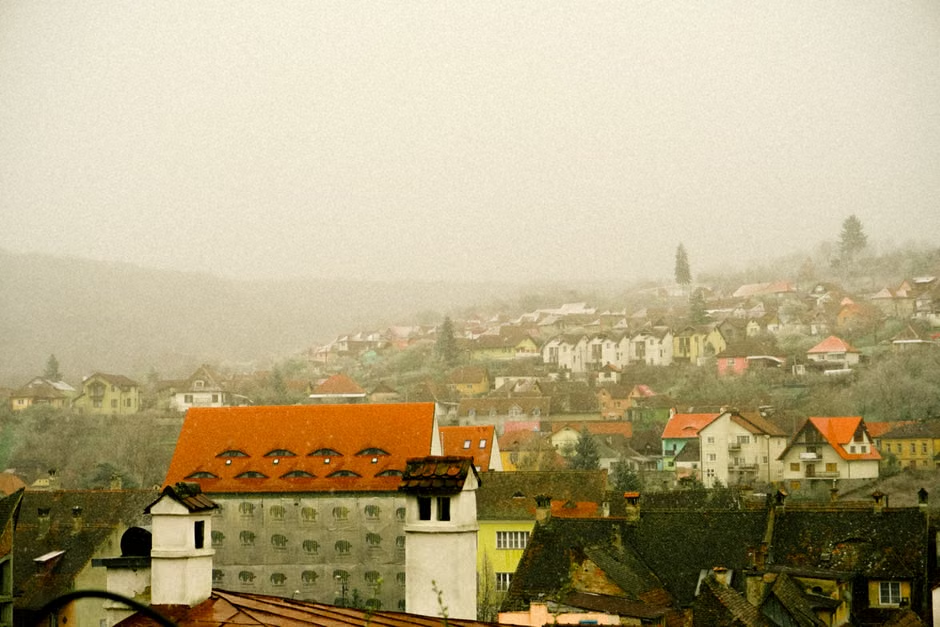
Why Transylvania / Sighișoara is Perfect for Your Celebration
- UNESCO World Heritage citadel of Sighișoara provides an unmatched medieval backdrop for ceremonies
- Authentic Gothic towers, fortified churches, and Saxon architecture create naturally dramatic event settings
- Rolling Carpathian hills and vineyards surrounding the region offer stunning outdoor ceremony landscapes
- Summer months bring long golden evenings — ideal for al fresco dinners and garden receptions
- Relatively intimate scale suits boutique weddings and exclusive private celebrations
- Transylvania's growing tourism infrastructure means improving hospitality standards without losing authenticity
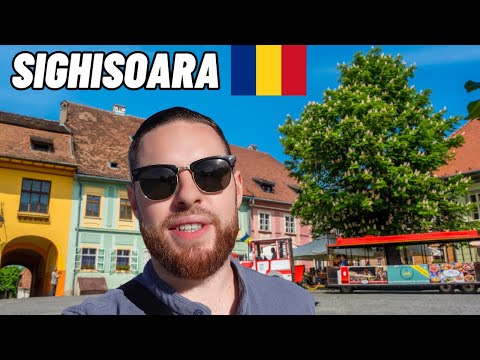
Top Venues in Transylvania / Sighișoara
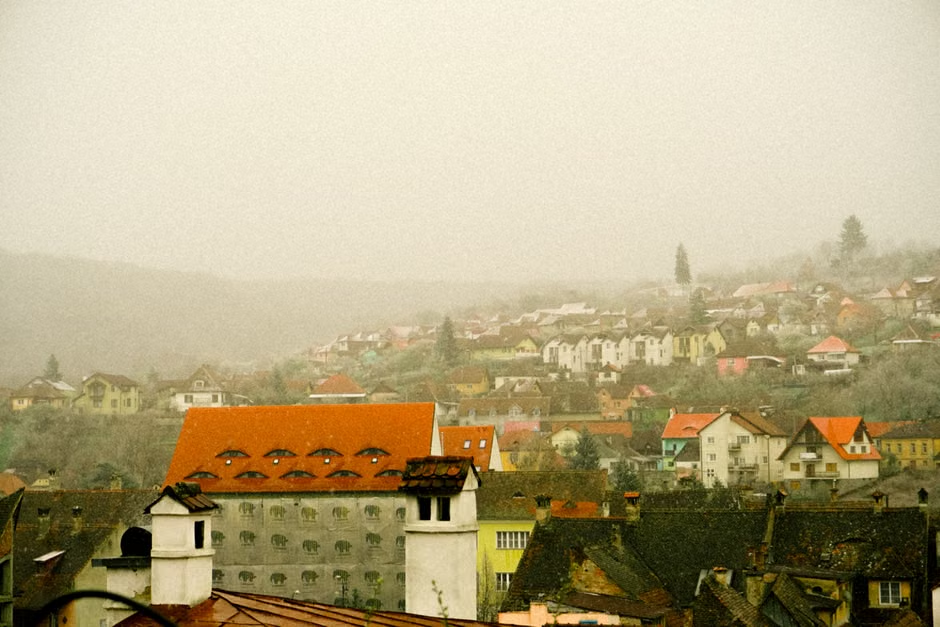
Sighișoara Boutique Hotel
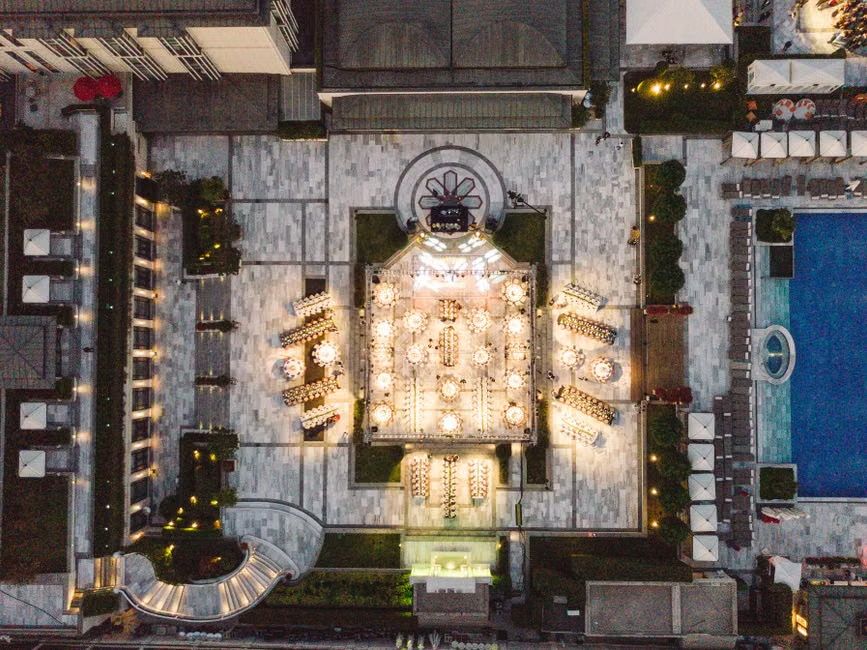
Hotel Korona
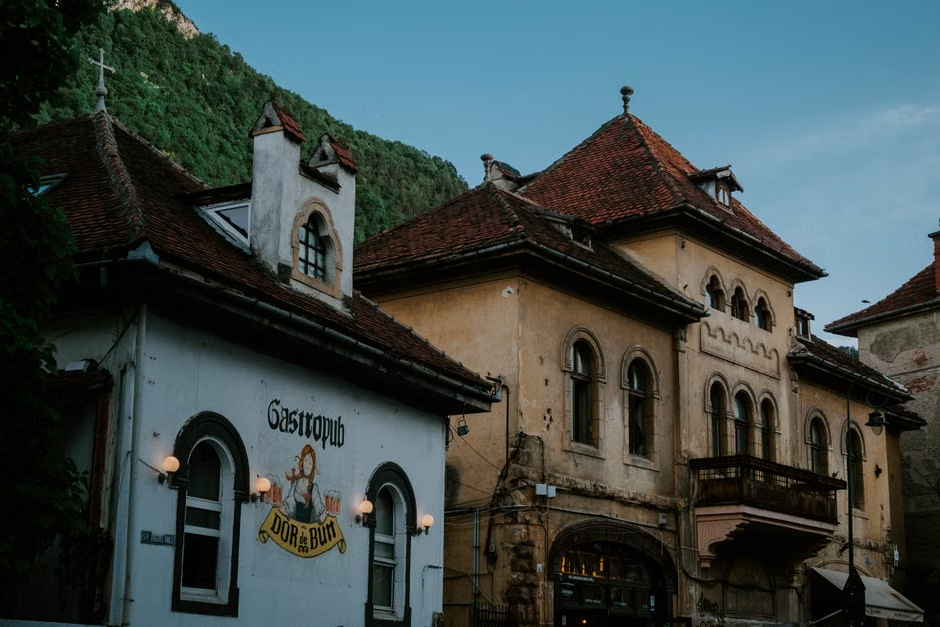
Casa Wagner
Compare Transylvania / Sighișoara with Other Top Destinations
Frequently Asked Questions
Is Sighișoara a good destination for a wedding?
Yes, particularly for intimate and boutique weddings. Sighișoara's UNESCO-listed medieval citadel provides one of the most atmospheric and genuinely distinctive ceremony backdrops in Europe. It is best suited to guest lists under approximately 150, where the heritage setting and the destination's boutique hospitality scale are genuine assets rather than constraints.
What is the best time of year to hold a wedding or event in Transylvania / Sighișoara?
May through September is the curated best season. This period offers warm temperatures, long daylight hours, and accessible roads and countryside venues. September is particularly favoured for its golden light and thinner crowds. Winter months (November–March) are generally impractical for outdoor events due to heavy snow and sub-zero temperatures.
How do international guests typically get to Sighișoara?
Most international guests fly into Cluj-Napoca International Airport, then travel approximately two to two-and-a-half hours by road or rail to Sighișoara. Brașov is another practical entry point for guests arriving via Bucharest. The journey requires planning — there is no commercial airport in Sighișoara itself — but the route is well-established and manageable with coordinated transfers.
Can guests travel by train to Sighișoara?
Yes. Sighișoara has its own railway station on the main Brașov–Cluj line, connecting it to Romania's major cities. Train travel is a practical and scenic option for guests arriving from Brașov or Cluj-Napoca, and is commonly used alongside road transfers for wedding parties.
What kinds of venues are available for events in and around Sighișoara?
The most distinctive options are heritage spaces within or adjacent to the medieval citadel — restored Saxon townhouses, historic inns, and courtyard settings. The broader Transylvania region also offers countryside manor houses, vineyard estates, and castle properties suited to private buyouts. Purpose-built ballrooms are limited; the destination rewards creative use of heritage spaces.
How many guests can Sighișoara realistically accommodate for a wedding?
Sighișoara is best suited to guest lists of roughly 50 to 150. In-town accommodation is limited in total room count, so larger groups will need to be distributed across multiple properties with coordinated transport. For events above 150 guests, the broader Transylvania region — including areas around Brașov — offers more capacity.
Is there a local wedding planning and vendor community in Transylvania?
Yes, a growing one. A small but experienced community of destination wedding planners operates in Transylvania, several specialising in the citadel and castle-property circuit. Catering, photography, and floristry vendors are available locally, though for highly specialised requirements, suppliers may need to travel from Brașov or Cluj-Napoca. Engaging a local planner with established relationships is strongly advisable.
What makes Sighișoara different from other European destination wedding locations?
Its UNESCO World Heritage medieval citadel is one of the best-preserved in Europe and remains genuinely off the mass-tourism circuit. Events here carry authentic historical character — cobblestone lanes, Gothic towers, a hilltop church — without the manufactured quality of purpose-built wedding venues. It suits couples who prioritise uniqueness and cultural depth over large-scale resort infrastructure.
Is Transylvania / Sighișoara safe for international wedding guests?
Yes. Romania is generally considered a very safe destination for international travellers, and Sighișoara specifically — as a small, heritage-focused town — has a calm and welcoming character. Standard travel precautions apply, but safety is not typically a concern raised by couples or planners considering this destination.
What is the local transport situation for a wedding group once guests arrive?
Within Sighișoara's citadel and old town, venues are compact and walkable — a genuine advantage for moving between ceremony and reception. For guests staying in surrounding countryside properties, private minibus or coach transfers are the standard solution. Local taxi and rideshare infrastructure is limited, so pre-arranged group transport is strongly recommended.
Does the Sighișoara Medieval Festival affect wedding events?
It can. The annual Medieval Festival, typically held in late July, brings increased visitor numbers to the citadel's public spaces. Couples planning events during this period should factor in reduced exclusivity of outdoor public areas and potentially higher accommodation demand. May, June, and September generally offer a quieter, more private atmosphere.

Ready to explore venues in Transylvania / Sighișoara?
Transylvania / Sighișoara: Destination Wedding & Event Venues in Romania's Medieval Heart
◆Transylvania and Sighișoara are best suited to intimate, boutique weddings, elopements, cultural celebrations, and small private events where atmosphere and authenticity matter more than large-scale infrastructure. The primary vibe is Cultural & Timeless — rooted in a genuine UNESCO World Heritage medieval citadel, Gothic Saxon architecture, and Carpathian countryside. The ideal season runs from May through September, when long summer days, warm temperatures, and accessible roads make outdoor and semi-outdoor events practical. Accessibility requires planning: guests typically fly into Cluj-Napoca or Brașov and travel onward by road or rail. The destination suits couples and planners who prioritise uniqueness and historic character over large hotel inventories or metropolitan vendor ecosystems.
Transylvania / Sighișoara at a Glance
| Category | Detail |
|---|---|
| Best For | Intimate Weddings, Elopements, Cultural Celebrations, Private Social Events |
| Primary Vibe | Cultural & Timeless |
| Other Vibes | Romantic, Medieval, Rustic, Scenic |
| Best Season | Summer (May, Jun, Jul, Aug, Sep) |
Why Choose Transylvania / Sighișoara?
- UNESCO World Heritage status: Sighișoara's medieval citadel is one of the best-preserved in all of Europe — a genuinely rare, living backdrop for ceremonies that no purpose-built venue can replicate.
- Authentic Saxon Gothic architecture: Fortified towers, the iconic Clock Tower, the Church on the Hill, and cobblestone lanes create naturally dramatic visual settings without requiring elaborate décor.
- Carpathian countryside and vineyards: The surrounding landscape — rolling hills, Saxon villages, and Transylvanian wine country — provides exceptional options for outdoor ceremonies, countryside drives, and pre-wedding photography.
- Boutique and intimate scale: The destination's relatively small size is an asset for exclusive, private celebrations where a couple wants to feel like they have a place to themselves rather than sharing a resort complex with hundreds of other guests.
- Improving hospitality standards: Romania's growing tourism sector has brought better accommodation quality, more experienced event-facing staff, and a wider range of local catering options to the region over the past decade.
- Relatively uncrowded for an international heritage site: Compared to similarly storied European destinations, Sighișoara remains genuinely off the mass-tourism circuit, giving events here a sense of discovery and exclusivity.
Which Celebrations Work Best in Transylvania / Sighișoara?
- Intimate Destination Weddings: The citadel's scale and character are ideally matched to smaller guest lists — typically under 150 — where the setting itself does the heavy lifting. Couples seeking a ceremony inside or adjacent to a medieval fortification, followed by a reception in a heritage courtyard or garden, will find this destination particularly compelling.
- Elopements and Micro-Weddings: Sighișoara is among the more atmospheric places in Europe for a very small, private ceremony. The citadel's lanes and hilltop church provide extraordinary backdrops for just a couple and their closest witnesses.
- Cultural and Heritage Celebrations: Milestone anniversaries, family reunions with a travel-and-experience focus, or any celebration where the group wants to genuinely engage with a place rather than simply use it as a backdrop will find Transylvania rewarding.
- Private Social Events and Corporate Retreats: The region's castle properties and countryside estates — particularly in the broader Transylvania area — lend themselves to exclusive private gatherings, team retreats, and incentive travel events where a sense of place and history is part of the value proposition.
Venues & Event Spaces
The venue landscape in and around Sighișoara is defined by heritage character rather than scale. The most distinctive spaces are housed within or immediately adjacent to the medieval citadel itself — restored Saxon townhouses, historic inns, and courtyard spaces that have been adapted for small receptions and ceremonies. Beyond the citadel walls, the broader Transylvania region offers a wider range of options including countryside manor houses, restored Saxon farmsteads, vineyard estates, and castle properties that can accommodate private buyouts for a wedding party.
Outdoor lawns and garden terraces are available at several properties in the surrounding countryside, particularly well-suited to summer evening receptions. Banquet hall infrastructure in the conventional sense is limited within Sighișoara itself — planners should expect to work creatively with heritage spaces rather than expecting purpose-built ballrooms. For larger guest lists, the broader Transylvania region (including areas around Brașov and Sibiu) offers more capacity, though Sighișoara specifically remains best matched to intimate gatherings.
Best Time to Celebrate
The curated best season is Summer: May through September, and this reflects genuine practical advantages beyond simply "the weather is nice."
- May and June bring mild warmth, lush green Carpathian hillsides, and long daylight hours without the peak-summer heat. Wildflowers are in bloom across the countryside, and the citadel is at its most photogenic before the height of tourist season.
- July and August are the warmest months, with temperatures typically reaching the low-to-mid 20s°C — comfortable for outdoor ceremonies and evening receptions. These are also the months when Sighișoara hosts its annual Medieval Festival, which adds atmosphere but also increases visitor numbers in the citadel itself.
- September is arguably the most refined month for events: the summer crowds thin, temperatures remain pleasant, the surrounding vineyards begin harvest season, and the light takes on a golden quality that is particularly beautiful for photography.
- October sees a rapid temperature drop and early frost risk in the Carpathians — outdoor events become unreliable, and the window for comfortable al fresco celebrations closes quickly.
- November through March brings genuine winter conditions: heavy snowfall, sub-zero temperatures, and road accessibility challenges in the surrounding countryside. While the snow-covered citadel is visually striking, the practical constraints for events — guest travel, outdoor spaces, vendor logistics — are significant. Many smaller properties reduce operations or close entirely during this period.
- April is a transitional shoulder month: temperatures are rising but unpredictable, and late frosts remain possible. It can work for indoor-focused events but carries weather risk for outdoor plans.
Getting There & Local Connectivity
Sighișoara does not have its own commercial airport. The most commonly used international gateway is Cluj-Napoca International Airport, which offers connections to major European hubs and, via connections, to intercontinental destinations. The journey from Cluj-Napoca to Sighișoara takes approximately two to two-and-a-half hours by road, or a similar duration by train on the Brașov–Cluj main line. Brașov is another practical entry point for guests arriving from Bucharest, with onward road or rail connections to Sighișoara.
For international guests, the typical routing involves a flight to a major European hub (Vienna, Budapest, Munich, or London are common), then a connecting flight to Cluj-Napoca or Bucharest, followed by ground transfer. This multi-leg journey is worth communicating clearly to guests during the planning phase — it is manageable but requires more coordination than a destination with a direct international airport.
Within Sighișoara itself, the citadel and old town are compact and walkable — a genuine advantage for a wedding party moving between ceremony and reception venues. For guests staying in surrounding countryside properties, private minibus or coach transfers are the standard and practical solution, as local taxi and rideshare infrastructure is limited compared to larger cities.
Local Vendor & Hospitality Ecosystem
Transylvania's event vendor ecosystem has grown meaningfully in recent years, driven by increasing interest from international couples and the broader growth of Romanian tourism. However, it remains a developing rather than mature destination wedding market compared to, say, Tuscany or the French Riviera.
- Catering: Local catering options have improved, with several operators experienced in multi-course event dining. Traditional Transylvanian and broader Romanian cuisine can be incorporated meaningfully into menus, and international cuisine is increasingly available through Brașov and Cluj-based caterers who travel to events.
- Photography and videography: Romania has a strong and growing community of wedding photographers, many of whom are experienced with the citadel and countryside settings. International photographers also frequently travel to the region given its visual appeal.
- Floristry and décor: Local florists exist but the range of exotic or highly specialised floral options may be more limited than in a major metropolitan destination. Planning ahead and potentially sourcing from Brașov or Cluj is advisable for complex briefs.
- Event planning: A small but experienced community of destination wedding planners operates in Transylvania, several of whom specialise specifically in the citadel and castle-property circuit. Engaging a local planner with established vendor relationships is strongly advisable for international couples.
- Accommodation capacity: Sighișoara's in-town accommodation is limited in total room count — a consideration for larger guest lists who all need to stay within walking distance of the citadel. Overflow accommodation in surrounding villages and countryside properties is available but requires coordinated transport.
Pros & Things to Consider
Why Transylvania / Sighișoara Works Well
- Genuinely unique, UNESCO-listed medieval setting that is difficult to replicate anywhere else in the world
- Intimate scale suits boutique weddings and exclusive private events particularly well
- Long summer days (May–September) provide excellent natural light and comfortable outdoor conditions
- Carpathian countryside offers exceptional pre-wedding photography and guest experience opportunities
- Growing but not yet saturated destination wedding market — couples can still feel like pioneers here
- Strong sense of place and cultural authenticity that guests genuinely remember
Things to Consider
- No nearby international airport — multi-leg travel is the norm for most international guests, adding journey time and complexity
- In-town accommodation capacity is limited; larger guest lists will need to be distributed across multiple properties with coordinated transfers
- The vendor ecosystem, while improving, is less deep and less competitive than in more established destination wedding markets — specialist suppliers may need to travel from larger cities
- The Medieval Festival in July–August brings increased visitor numbers to the citadel, which can affect the exclusivity of public spaces during that period
- Winter months (November–March) are genuinely impractical for most event formats due to cold, snow, and reduced hospitality operations
- Language can be a practical consideration for international planners — Romanian is the primary language, and while English is spoken in hospitality contexts, detailed vendor negotiations may benefit from a local coordinator
When Transylvania / Sighișoara May Not Be the Right Fit
- Large guest lists (200+): The local venue and accommodation inventory within Sighișoara itself is not well-suited to very large events. Couples expecting to host 200 or more guests in a single venue with on-site accommodation for all will find the options limited.
- Guests with limited travel flexibility: If a significant portion of the guest list has difficulty managing multi-leg international journeys or long ground transfers, the routing to Sighișoara may create genuine attendance challenges.
- Events planned for October through April: Outside the curated summer season, weather conditions — particularly from November through March — make most outdoor event formats impractical and some properties inaccessible or closed.
- Couples seeking a deep, mature vendor market: If the brief requires highly specialised vendors (a particular cuisine style, a large-scale production team, a specific entertainment format) that need to be sourced locally, Sighișoara's current ecosystem may not yet support that without significant logistics from larger cities.