
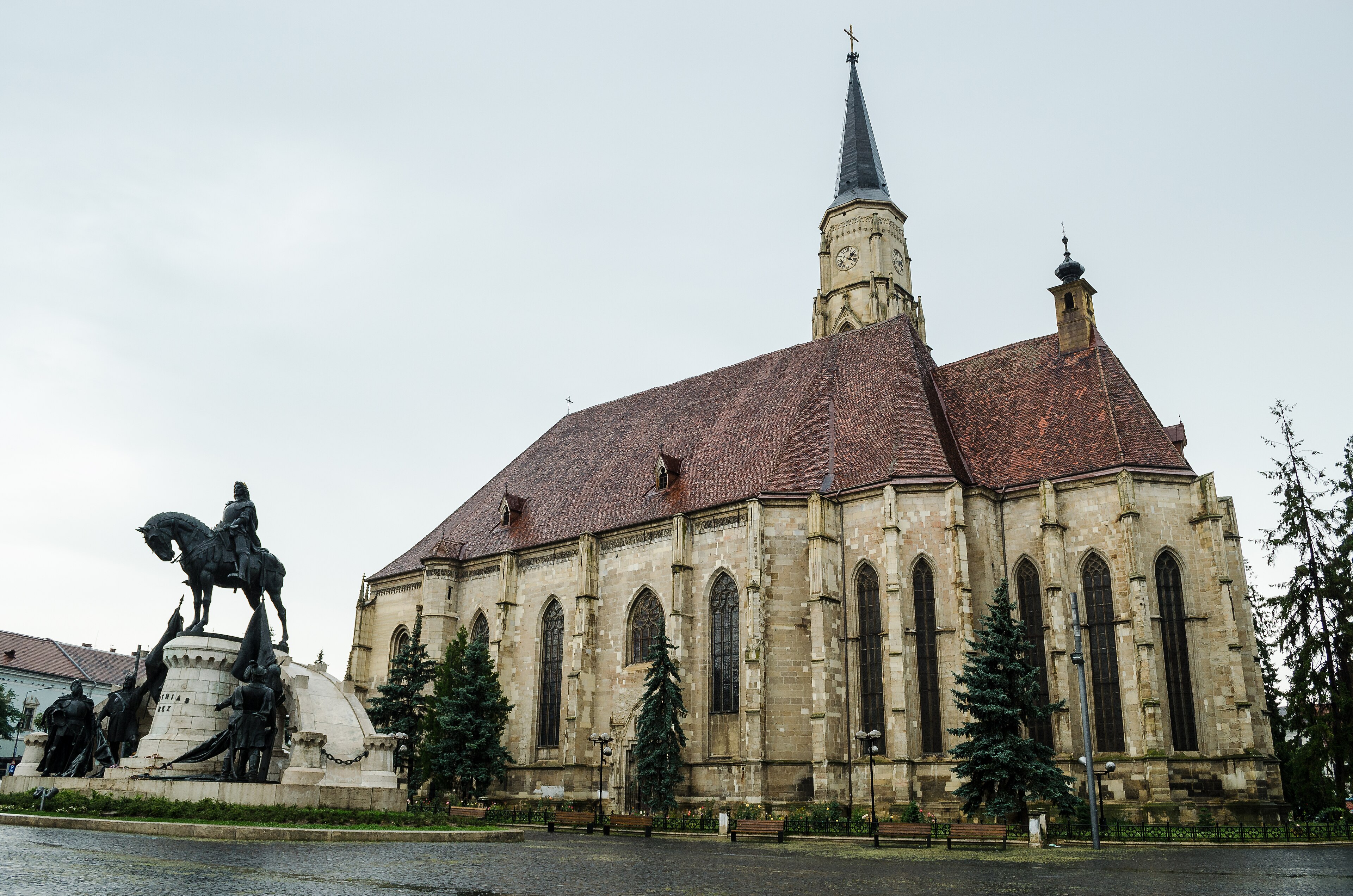
Why Cluj-Napoca is Perfect for Your Celebration
- Stunning Baroque and Gothic architecture provides a naturally photogenic backdrop for ceremonies and receptions
- Vibrant cultural scene with theatres, galleries, and historic squares ideal for immersive event experiences
- Warm, long summer days from May through September create excellent conditions for both outdoor and indoor celebrations
- Well-developed local hospitality and catering industry with experienced event planners and vendors
- Cluj-Napoca International Airport offers direct connections to major European hubs, easing guest travel
- Compact, walkable city center makes guest logistics and venue-to-accommodation transfers straightforward
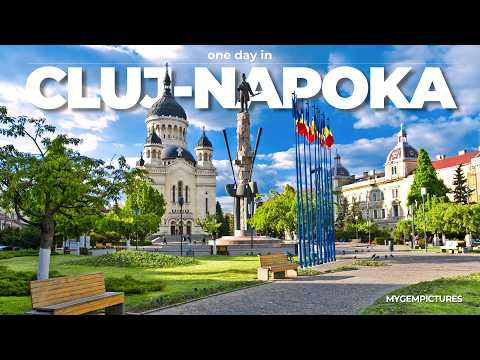
Top Venues in Cluj-Napoca
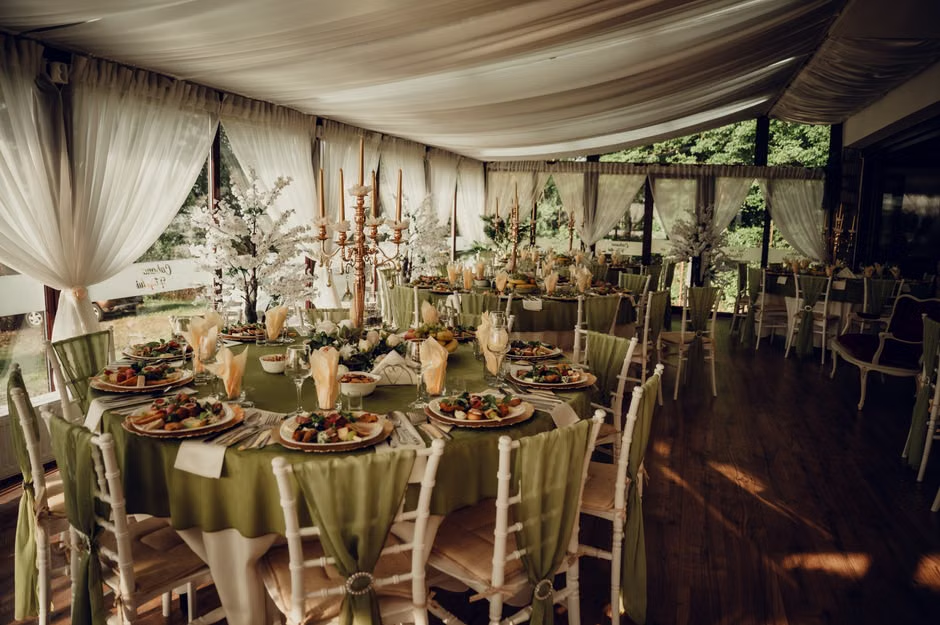
Radisson Blu Hotel Cluj-Napoca
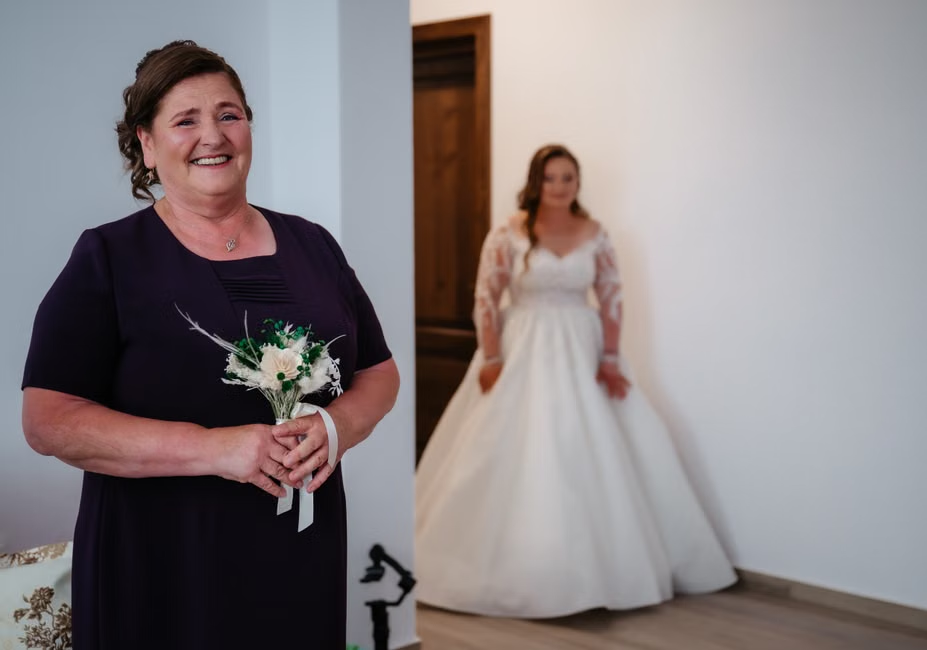
Hotel Beyfin

Hotel Platinia
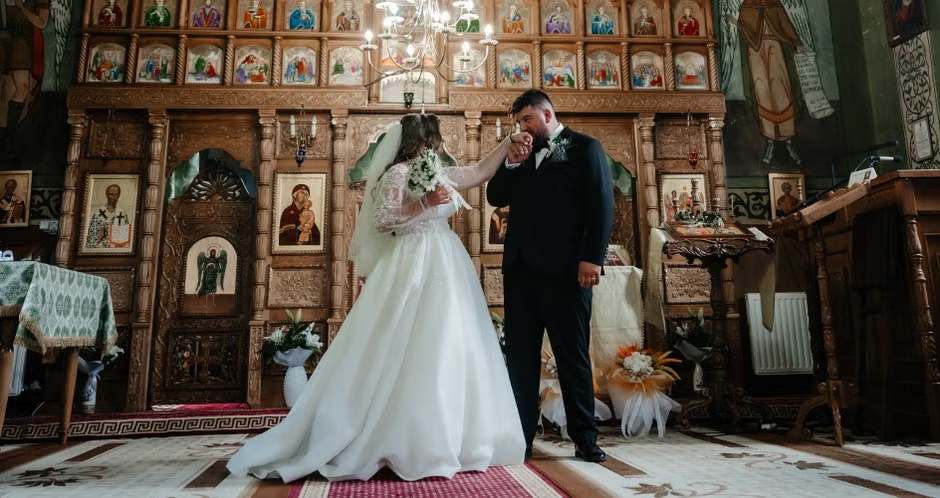
Hotel Confort
Compare Cluj-Napoca with Other Top Destinations
Frequently Asked Questions
Is Cluj-Napoca a good destination for a wedding?
Yes. Cluj-Napoca is well-suited to weddings, particularly for couples seeking a European heritage setting with a cosmopolitan character. The city's Baroque architecture, experienced local vendors, and warm summer season create a compelling backdrop. It works best for intimate-to-medium-sized weddings where guests are primarily traveling from within Europe.
What is the best time of year to hold an event in Cluj-Napoca?
May through September is the recommended window. These months offer warm temperatures, long daylight hours, and reliably dry weather that support both outdoor and indoor events. September is particularly elegant, combining good weather with a quieter city atmosphere. Winter months (November–March) are cold and not suited to outdoor elements.
How do guests typically get to Cluj-Napoca for a destination event?
Most guests fly into Cluj-Napoca International Airport, which has direct connections to major European cities including London, Amsterdam, Vienna, and Munich. The airport is approximately 8 km from the city center. Guests from outside Europe will generally need to connect through a major European hub, so this should be factored into travel planning.
What size guest list can Cluj-Napoca realistically accommodate for an event?
Cluj-Napoca comfortably handles events from small intimate gatherings up to a few hundred guests. For very large events exceeding several hundred attendees requiring a single venue, the local inventory may require splitting across multiple properties. The city is best suited to small-to-medium-scale celebrations rather than very large-format events.
What kinds of venues are available for events in Cluj-Napoca?
The city offers hotel ballrooms and conference centers, restored heritage buildings, Baroque courtyards, purpose-built banquet halls, and outdoor garden spaces. For a more rural or estate setting, manor houses and countryside properties in the surrounding Cluj County are accessible within a short drive while keeping guests based in the city.
Is Cluj-Napoca suitable for corporate events and conferences?
Yes. The city has solid business infrastructure, reliable European air connectivity, and a range of hotel conference facilities. Its central European location makes it practical for pan-European corporate gatherings. The local hospitality industry is experienced in handling multi-day corporate programs, retreats, and product launches.
How easy is it to move a large guest group around Cluj-Napoca during an event?
Relatively straightforward. The historic center is compact and walkable, and taxis and rideshare services operate reliably. For coordinated group transfers between venues, hotels, and the airport, local companies offer minibus and coach hire. The manageable city layout is a genuine logistical advantage compared to more spread-out destinations.
Are local wedding and event vendors experienced enough for a destination celebration?
Generally yes. Cluj-Napoca has a mature local vendor ecosystem including experienced wedding planners, photographers, florists, caterers, and entertainment providers. The city's strong creative and hospitality culture supports ambitious event concepts. For very specialized or large-scale production requirements, some elements may need to be sourced from Bucharest or internationally.
Is Cluj-Napoca safe for international guests attending a destination event?
Yes. Cluj-Napoca is considered very safe by European standards. It is a major university city with a welcoming, internationally-oriented atmosphere. Standard travel precautions apply, but guests from across Europe and beyond generally find the city comfortable and easy to navigate.
What makes Cluj-Napoca distinctive as an event destination compared to a generic city hotel?
The combination of genuine Transylvanian heritage architecture, a vibrant arts and cultural scene, and a cosmopolitan hospitality industry gives Cluj-Napoca a distinctive character that is hard to replicate in a standard hotel setting. The city's Baroque squares, historic courtyards, and local food and wine culture add authentic regional depth to any celebration held here.
Can guests find accommodation easily in Cluj-Napoca for a multi-day event?
Yes, for most event sizes. The city has a range of accommodation options from full-service hotels to boutique properties, concentrated in and around the city center. During peak summer months — particularly around major local festivals — availability tightens, so accommodation blocks should be secured well in advance for larger guest groups.

Ready to explore venues in Cluj-Napoca?
Cluj-Napoca: Destination Wedding & Event Venues in Transylvania
◆Cluj-Napoca is Transylvania's largest and most cosmopolitan city, particularly well-suited to weddings, corporate events, cultural festivals, and milestone celebrations. Its primary vibe is chic and cosmopolitan, anchored by Baroque and Gothic architecture, a thriving arts and hospitality scene, and a compact, walkable city center. The best season runs from May through September, when warm temperatures and long daylight hours support both outdoor ceremonies and indoor receptions. The city is accessible via its own international airport with direct European connections, and its hospitality infrastructure — hotels, caterers, event planners — is mature and well-developed relative to its size.
Cluj-Napoca at a Glance
| Category | Detail |
|---|---|
| Best For | Weddings, Corporate Events, Cultural Festivals, Milestone Celebrations |
| Primary Vibe | Chic & Cosmopolitan |
| Other Vibes | Heritage & Cultural, Romantic, Vibrant & Youthful |
| Best Season | Summer (May, Jun, Jul, Aug, Sep) |
Why Choose Cluj-Napoca?
- Architectural grandeur without the crowds: Cluj-Napoca's Baroque squares, Gothic churches, and neoclassical civic buildings provide a naturally photogenic setting that rivals more famous European capitals, yet the city remains far less saturated with tourist events, giving your celebration a more exclusive feel.
- A genuinely cosmopolitan hospitality scene: As Romania's second-largest city and a major university hub, Cluj-Napoca has a sophisticated, internationally-oriented hospitality industry — experienced event coordinators, diverse catering options, and a range of accommodation tiers are all readily available.
- Excellent European air connectivity: Cluj-Napoca International Airport operates direct routes to major European cities including London, Paris, Amsterdam, Vienna, and Munich, making it straightforward for guests traveling from across Europe to attend.
- Compact, guest-friendly city layout: The historic center is walkable, and key venues, hotels, and restaurants are clustered within a manageable radius, reducing the logistical complexity of moving large guest groups between ceremony, reception, and accommodation.
- Rich cultural programming as a natural add-on: The city's theatres, art galleries, and cultural institutions — including the Romanian National Opera — offer ready-made pre- and post-event experiences that elevate a destination celebration beyond a single day.
- Warm, reliable summers: The May–September window delivers consistently warm, dry weather with long evenings, supporting outdoor garden ceremonies, terrace receptions, and al fresco dinners without the unpredictability of shoulder seasons.
Which Celebrations Work Best in Cluj-Napoca?
Weddings: Cluj-Napoca suits couples seeking a European heritage backdrop with genuine cosmopolitan character. The city's historic squares, Baroque courtyards, and well-appointed hotel ballrooms provide a range of ceremony and reception settings. It works particularly well for intimate-to-medium-sized weddings where the couple wants a culturally rich, visually distinctive location without the logistical complexity of a remote rural venue.
Corporate Events & Conferences: The city's strong business infrastructure, reliable connectivity, and range of modern hotel conference facilities make it a practical and appealing choice for corporate retreats, team events, product launches, and regional conferences. Its central European location is a genuine advantage for pan-European corporate gatherings.
Cultural Festivals & Themed Celebrations: Cluj-Napoca has an established identity as a festival city — it hosts major international events in music, film, and the arts — and this cultural DNA translates well to private celebrations with a creative or themed brief. The city's venues and vendors are accustomed to ambitious, design-led event concepts.
Milestone Celebrations (Anniversaries, Landmark Birthdays): For guests traveling from across Europe to mark a significant occasion, Cluj-Napoca offers a compelling combination of cultural depth, good dining, and a lively city atmosphere that makes the trip feel like a genuine experience rather than just a venue visit.
Venues & Event Spaces
Cluj-Napoca's event venue landscape is diverse for a city of its size. At the upper end, full-service hotel ballrooms and conference centers offer polished, all-inclusive event packages with in-house catering, accommodation blocks, and dedicated event coordination. These properties typically handle everything from intimate dinners to multi-day corporate programs under one roof.
Beyond hotels, the city has a growing stock of standalone event spaces — restored heritage buildings, Baroque-era courtyards, and repurposed industrial lofts — that suit couples or planners looking for a more distinctive, non-hotel aesthetic. These spaces generally require external catering and vendor coordination but offer significant creative flexibility.
Outdoor options include landscaped hotel gardens, historic public squares (subject to permitting), and the green spaces of the surrounding Transylvanian countryside within easy reach of the city. For events that want a rural or vineyard setting while keeping guests based in the city, the broader Cluj County offers manor houses and estate properties within a reasonable drive.
Banquet halls and dedicated wedding venues — purpose-built spaces with fixed décor packages and in-house catering — are also well-represented in the city, catering to more traditional celebration formats with straightforward logistics.
Best Time to Celebrate
The curated best season for Cluj-Napoca runs from May through September, and this recommendation is well-grounded in the city's actual climate and event calendar.
May and June are particularly pleasant — temperatures are warm but not oppressive (typically in the low-to-mid 20s°C), the city is in full bloom, and daylight extends well into the evening, giving outdoor ceremonies and garden receptions a naturally beautiful light. These months also precede the peak summer tourist season, which can mean slightly more venue availability and a less crowded city atmosphere.
July and August are the warmest months, with temperatures occasionally reaching the upper 20s°C. Long days and reliably dry weather make these months ideal for outdoor events, though the city is at its busiest and accommodation should be secured well in advance, particularly around major local festivals.
September offers a gentle transition — still warm, with the added visual appeal of early autumn color beginning to appear in the surrounding hills. It is often considered the most elegant month for a celebration, combining reliable weather with a slightly quieter city.
Outside this window, the picture changes considerably. October brings rapidly cooling temperatures and increasing rainfall, making outdoor elements unreliable. November through March is genuinely cold — temperatures regularly drop below freezing, snowfall is common, and the short daylight hours limit the appeal of outdoor settings entirely. While indoor events are technically feasible year-round, the winter months require a fully indoor-focused plan and guests should be prepared for cold travel conditions. April is an unpredictable shoulder month — spring arrives gradually, but late frosts and heavy showers are common enough to make outdoor planning risky.
Getting There & Local Connectivity
Cluj-Napoca is served by its own international airport located approximately 8 km from the city center, offering direct flights to a broad range of European destinations. For guests traveling from within Europe, the airport is generally the most convenient entry point, with journey times from major hubs typically under three hours. The airport is well-served by taxis, rideshare services, and public transport links into the center.
For guests traveling by rail — particularly from within Romania or neighboring countries — Cluj-Napoca's central railway station is well-connected to Bucharest, Oradea, and other major Romanian cities, with overnight and daytime services available. The station sits close to the city center, making onward transfers to hotels and venues straightforward.
Within the city, movement is generally easy. The historic center is compact and walkable, and taxis and rideshare apps operate reliably. For larger guest groups requiring coordinated transfers between venues, hotels, and the airport, local transport companies offer minibus and coach hire, which is the most practical solution for event logistics at scale.
Guests arriving from outside Europe — particularly from Asia, the Americas, or the Middle East — will typically need to connect through a major European hub such as London, Amsterdam, Vienna, or Bucharest. This adds a connection leg that should be factored into travel planning, particularly for guests less familiar with European transit.
Local Vendor & Hospitality Ecosystem
Cluj-Napoca has a well-developed event vendor ecosystem by Romanian standards, reflecting its status as the country's second city and a major cultural and business center. Wedding planners, event coordinators, florists, photographers, and catering companies with genuine experience in destination events are all present in the market.
The city's strong restaurant and hospitality culture means that catering quality — both in-house at hotels and through independent caterers — is generally high, with good access to both Romanian and international cuisine. Local wine and spirits are a genuine asset; Transylvanian wines are increasingly well-regarded and add an authentic regional dimension to event menus.
The presence of a large student and creative population has also fostered a strong design, music, and entertainment vendor community, which is particularly useful for events with a creative or festival-style brief. Live music, DJ services, lighting and production companies, and bespoke décor suppliers are all accessible locally.
That said, for very large-scale events or highly specialized requirements — such as internationally-branded entertainment, very large floral installations, or niche technical production — some elements may need to be sourced from Bucharest or internationally, which adds lead time and coordination complexity.
Pros & Things to Consider
Why Cluj-Napoca Works Well
- Distinctive Baroque and Transylvanian heritage setting that is genuinely photogenic and culturally rich
- Mature, cosmopolitan hospitality industry with experienced event professionals
- Good European air connectivity via its own international airport
- Compact city center makes guest logistics manageable for groups of most sizes
- Warm, reliable summers with long evenings ideal for outdoor and mixed-format events
- Strong local food, wine, and entertainment culture adds authentic character to celebrations
- Generally very safe city with a welcoming, internationally-oriented atmosphere
Things to Consider
- No direct intercontinental flights — guests from outside Europe will need a connecting hub, adding travel complexity
- Winter months (November–March) are genuinely cold and not suited to outdoor event elements
- For very large guest lists (500+), the local venue inventory may require creative solutions or splitting across multiple properties
- Some highly specialized event production or entertainment requirements may need to be sourced from Bucharest or abroad, increasing lead times
- Peak summer months coincide with major local festivals, which can affect accommodation availability — early booking is essential
- Romanian language and local administrative processes may require a local event coordinator for international planners unfamiliar with the market
When Cluj-Napoca May Not Be the Right Fit
- Guests with no European hub connection: If the majority of your guest list is traveling from outside Europe and has no convenient connecting hub, the multi-leg journey to Cluj-Napoca may be a genuine deterrent to attendance.
- Outdoor-focused winter celebrations: If your event concept relies heavily on outdoor settings — garden ceremonies, terrace receptions, open-air dining — and your preferred dates fall between November and March, Cluj-Napoca's cold winters make this impractical.
- Very large-scale events requiring a single mega-venue: If your guest list exceeds several hundred people and you require a single, self-contained venue with very large ballroom capacity, the local inventory may not comfortably accommodate the scale without splitting across properties.
- Guests seeking a beach or coastal setting: Cluj-Napoca is an inland city with no coastal or lakeside character. If the event brief is specifically oriented around water, beaches, or a seaside atmosphere, a different destination would be a more natural fit.