
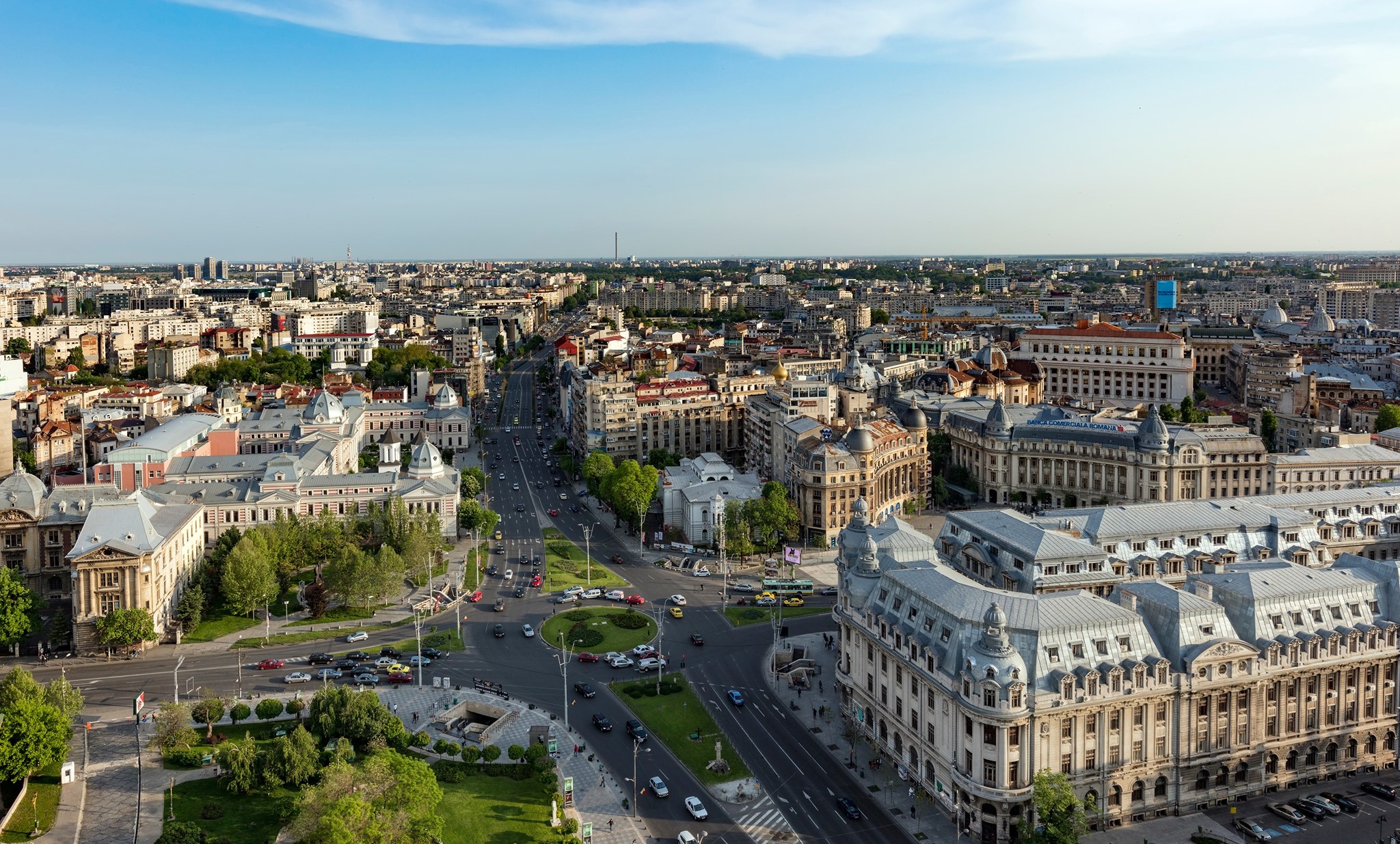
Why Bucharest is Perfect for Your Celebration
- Grand Belle Époque palaces and ornate ballrooms provide a uniquely European heritage backdrop
- Excellent international air connectivity via Henri Coandă Airport with direct routes across Europe and beyond
- A mature, cosmopolitan hospitality ecosystem with experienced event planners, caterers, and AV vendors
- Long, warm summer days (May–September) allow full use of outdoor garden terraces and rooftop venues
- A wide spectrum of venue types — from historic manor houses to sleek urban hotels — suits diverse event styles
- Vibrant city culture means guests enjoy rich dining, nightlife, and sightseeing between event functions

Top Venues in Bucharest
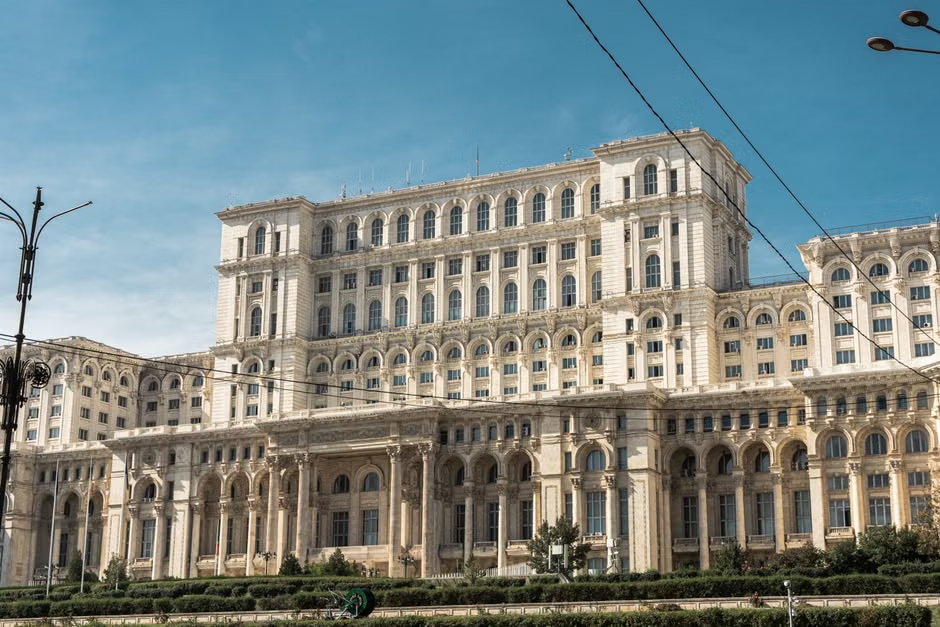
Athenee Palace Hilton Bucharest
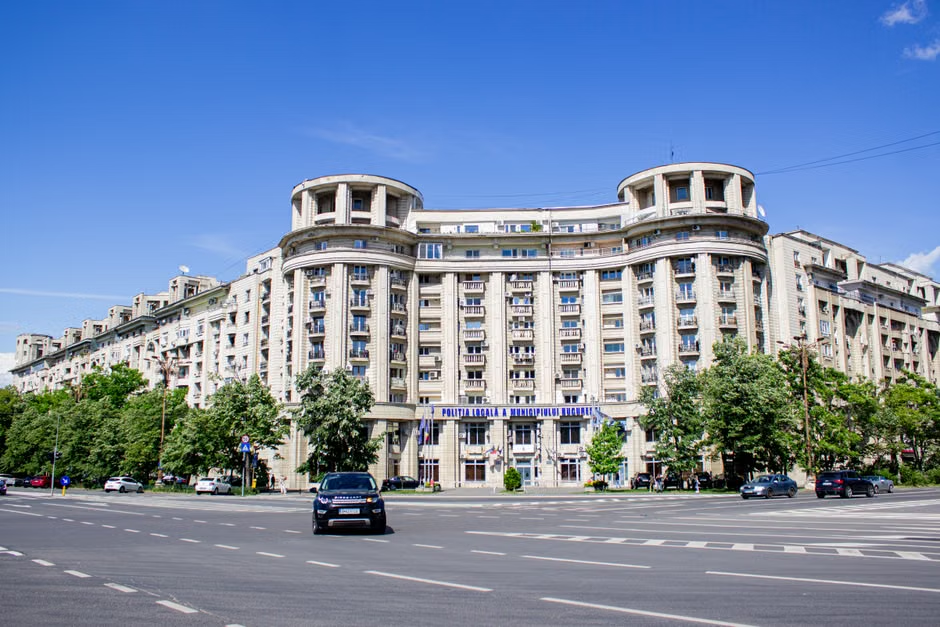
JW Marriott Bucharest Grand Hotel
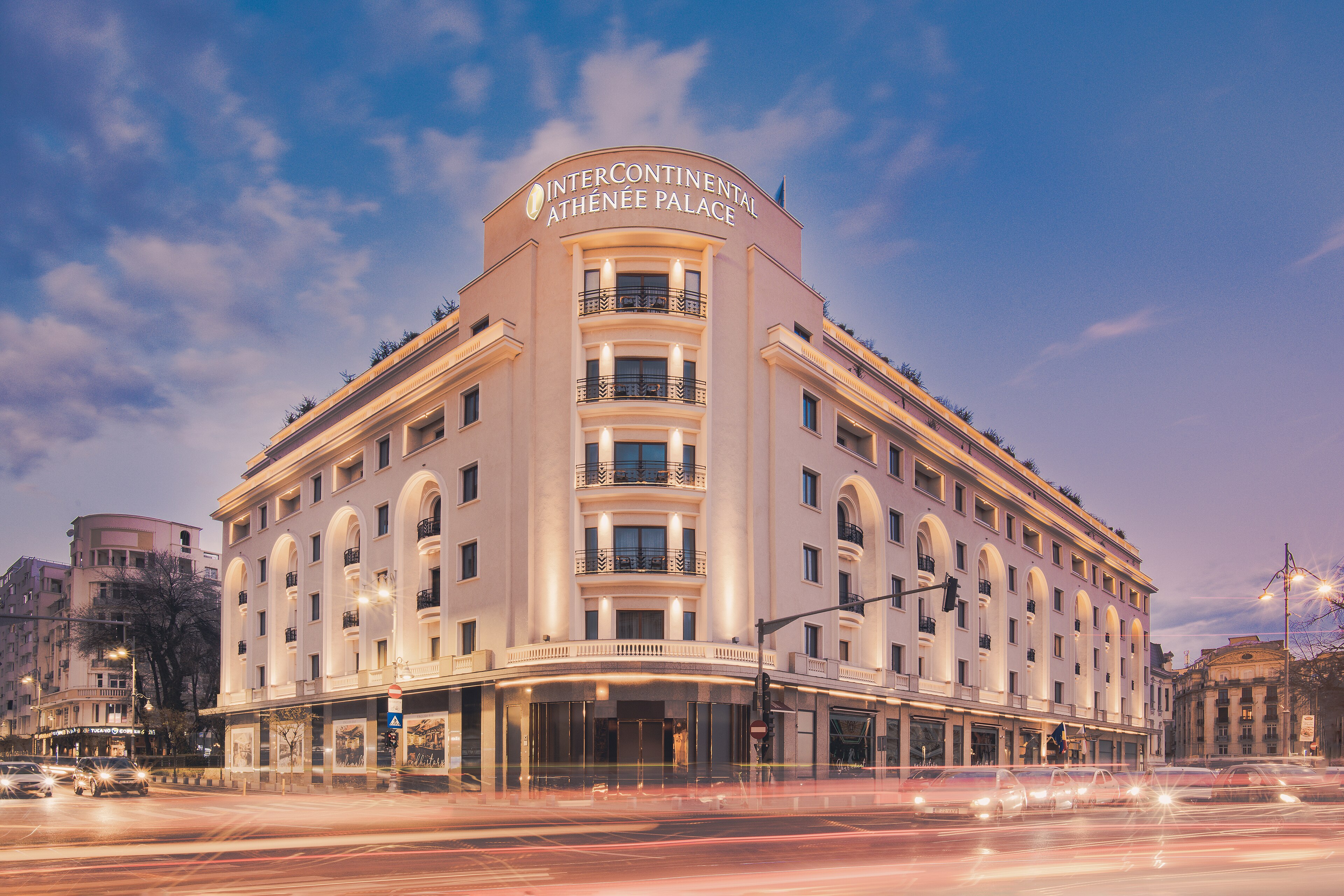
InterContinental Bucharest
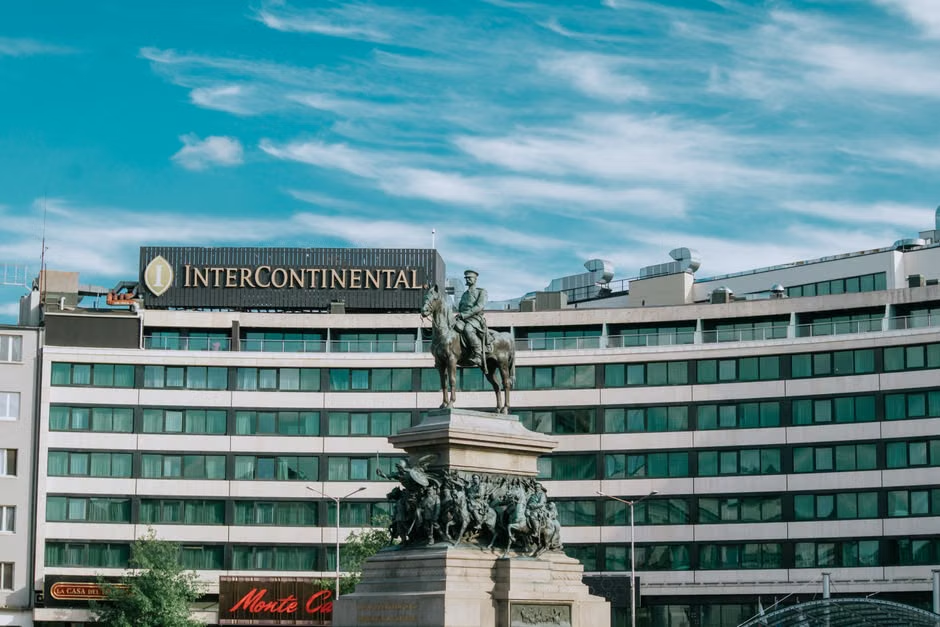
Crowne Plaza Bucharest
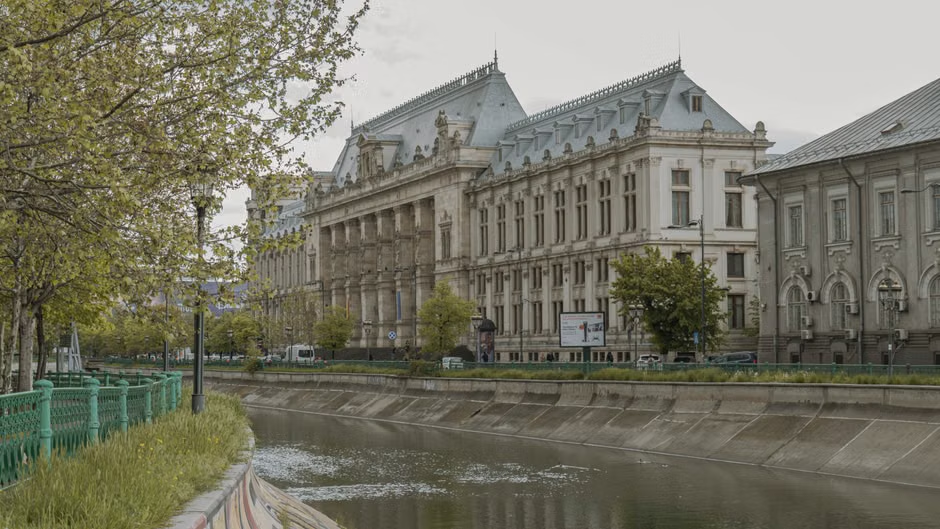
Novotel Bucharest City Centre
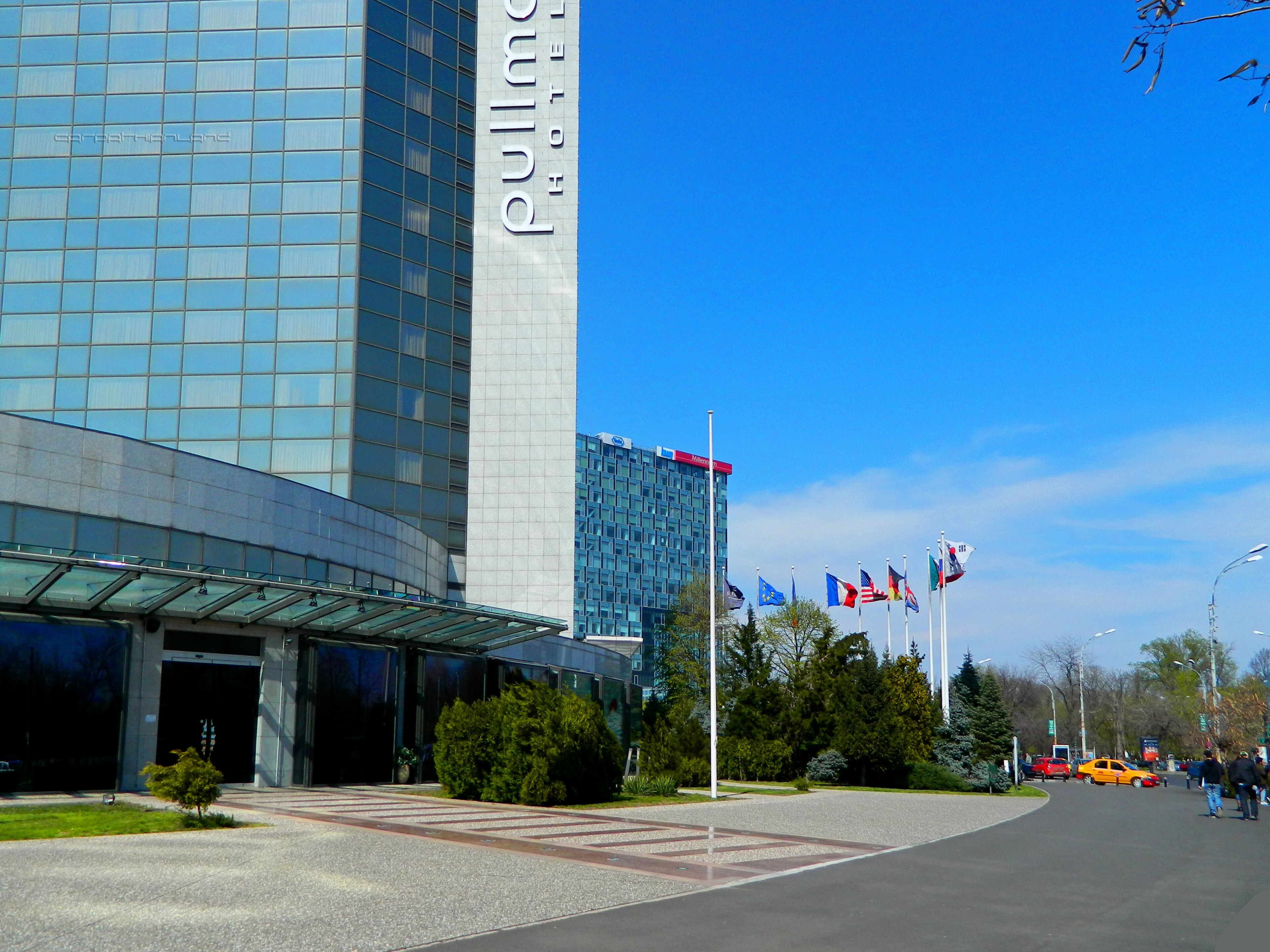
Pullman Bucharest World Trade Center
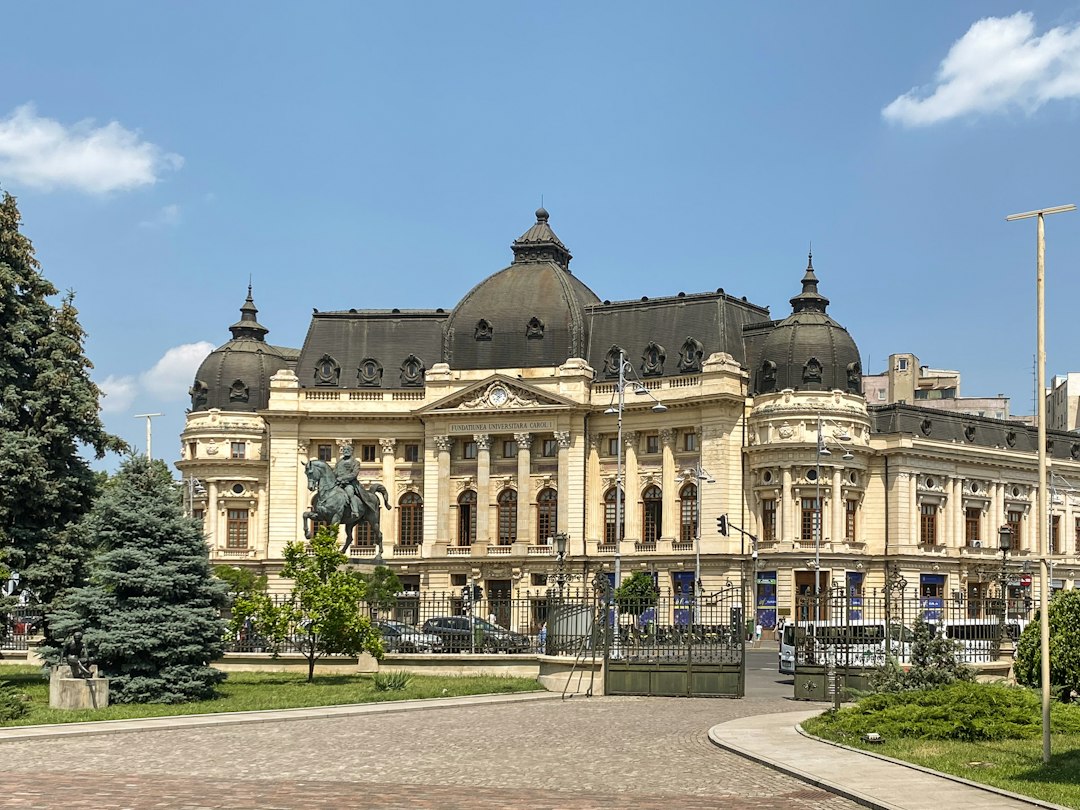
Mercure Bucharest Unirii
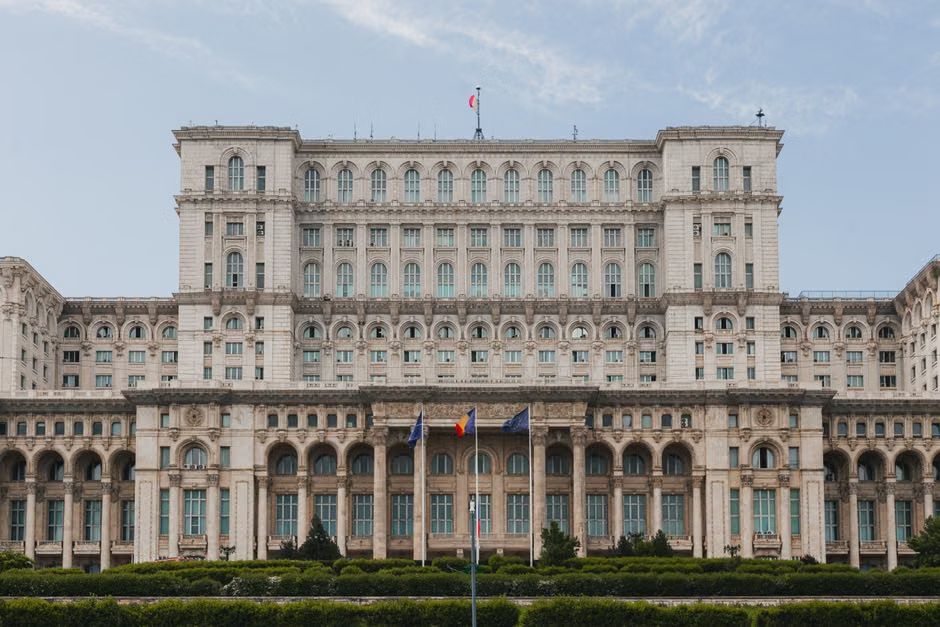
Ibis Bucharest Palatul Parlamentului
Compare Bucharest with Other Top Destinations
Frequently Asked Questions
Is Bucharest a good destination for a wedding celebration?
Yes. Bucharest suits destination weddings particularly well when couples want a cosmopolitan European capital setting with genuine architectural character — grand ballrooms, heritage garden estates, and chic hotel courtyards. It works best for guest groups already based in Europe, given the strong direct flight connectivity, and for couples whose vision aligns with an urban, chic, and culturally rich backdrop rather than a rural or coastal retreat.
What guest group sizes can Bucharest venues realistically accommodate?
Bucharest's venue inventory covers a wide range. Intimate gatherings of 30–80 guests are well served by heritage villas and boutique hotel spaces. Mid-size events of 100–400 guests fit comfortably in the ballrooms of the city's major international hotels. For larger corporate events or gala celebrations of 500–1,000+ guests, the city's dedicated conference and event centers, as well as the largest hotel ballrooms, provide the necessary scale.
What is the nearest airport to Bucharest and how easy is it to reach the city?
Henri Coandă International Airport (OTP) is the main international gateway, located approximately 16–18 km north of the city center. It operates direct flights to most major European hubs and several intercontinental destinations. A dedicated airport express rail link connects the airport to Gara de Nord (the city's central railway station) in under 30 minutes, making the transfer into the city straightforward and reliable for arriving guests.
When is the best time of year to hold an event in Bucharest?
May through September is the recommended window. This period offers warm, largely dry weather with long daylight hours, making outdoor ceremonies, garden receptions, and rooftop events fully viable. September is often considered the optimal month — temperatures are comfortable (mid-20s°C), summer crowds have thinned, and the city retains its warm, lively character. October through April brings cold, wet, or freezing conditions that significantly limit outdoor event options.
What kinds of event venues are available in Bucharest?
Bucharest offers a genuinely varied venue landscape: grand hotel ballrooms with ornate Belle Époque detailing, heritage villas and manor houses converted into private event spaces, rooftop terraces with city skyline views, landscaped garden venues on the city's northern fringes, and dedicated conference and event centers for large corporate productions. The range covers intimate gatherings through to large-scale multi-day events.
How easy is it for a large guest group to get around Bucharest during an event?
For event groups, private minibus or coach transfers between hotels and venues are the most practical solution and are readily available locally. The city has a metro network and ride-hailing apps operate widely, giving individual guests flexible independent options. Central Bucharest traffic can be congested during peak hours, so event schedules should build in realistic transfer times — particularly for morning and early evening movements across the city.
Is Bucharest well set up for corporate events and conferences?
Yes, and it is arguably the strongest event type fit for the city. Bucharest has large hotel ballrooms, dedicated conference centers, and a professional AV and production vendor base experienced in multi-day international programs. Strong air connectivity makes it practical for delegate groups from across Europe. In-house event management teams at the city's major international hotels further reduce coordination complexity for corporate planners.
How developed is the local event vendor ecosystem in Bucharest?
Bucharest has one of the most mature event vendor ecosystems in Central-Eastern Europe. The city has specialist event planning agencies, large-scale catering companies, floral designers, lighting and AV production specialists, and luxury transport providers. English is widely spoken across the hospitality and events sector, which significantly reduces language-barrier friction for international planners coordinating remotely or arriving from abroad.
Can guests find good accommodation options near event venues in Bucharest?
Yes. Bucharest has a substantial accommodation inventory across multiple tiers, concentrated in the city center, the Floreasca and Dorobanți northern districts, and the Unirii area. Major international hotel brands operate multiple properties in the city, meaning large guest groups can typically be housed within a manageable radius of the main event venue. Early booking is advisable for peak summer dates when city-wide occupancy is higher.
Is Bucharest safe for international guests attending a wedding or event?
Generally, yes. Bucharest is considered a generally safe destination for international visitors, with a well-functioning urban infrastructure and a hospitality sector accustomed to hosting international guests. Standard urban precautions apply — as in any large European capital — but the city does not present unusual safety concerns for event groups. The city center and major hotel districts are well-policed and well-lit.
What makes Bucharest distinctive as an event destination compared to other European capitals?
Bucharest's most distinctive quality is its Belle Époque architectural heritage — wide Haussmann-influenced boulevards, ornate early 20th-century civic buildings, and grand hotel interiors that give events a genuinely specific visual character. Combined with a cosmopolitan city culture, a mature vendor ecosystem, and strong air connectivity, it offers a European capital experience that feels both grand and relatively accessible, without the extreme venue saturation of cities like Paris or Vienna.

Ready to explore venues in Bucharest?
Bucharest: Destination Wedding & Corporate Event Venues in Romania's Capital
◆Bucharest is Romania's capital and its most cosmopolitan city, best suited to corporate events, festivals, milestone celebrations, and destination weddings that call for a chic, European urban backdrop. The city's primary strength lies in its combination of grand Belle Époque heritage architecture, a well-developed luxury hotel sector, and strong international air connectivity. The ideal season runs from May through September, when long warm days make outdoor terraces, garden venues, and rooftop spaces fully viable. Bucharest is generally accessible for European guests and offers a mature hospitality and vendor ecosystem, making event logistics comparatively straightforward for a Central-Eastern European capital.
Bucharest at a Glance
| Category | Detail |
|---|---|
| Best For | Corporate Events, Destination Weddings, Festivals, Milestone Celebrations |
| Primary Vibe | Chic & Cosmopolitan |
| Other Vibes | Heritage & Grand, Vibrant & Urban, Romantic Belle Époque |
| Best Season | Summer (May, Jun, Jul, Aug, Sep) |
Why Choose Bucharest?
- Belle Époque grandeur: Bucharest earned its historic nickname "Little Paris" through its wide boulevards, ornate 19th- and early 20th-century architecture, and palatial civic buildings — a genuinely distinctive visual backdrop that few Central-Eastern European capitals can match at this scale.
- Diverse venue portfolio: The city offers a genuine spectrum of event spaces — from grand hotel ballrooms accommodating several hundred guests to intimate heritage manor houses, rooftop terraces overlooking the city skyline, and landscaped garden venues on the city's northern fringes.
- Strong international air connectivity: Henri Coandă International Airport operates direct routes to most major European hubs and several intercontinental destinations, making it straightforward for guests traveling from across Europe, the Middle East, or North America to reach the city without complex connections.
- Mature hospitality and vendor ecosystem: Bucharest has a well-established network of event planners, catering companies, floral designers, AV and production specialists, and luxury transport providers — a depth of local vendor infrastructure that smaller Romanian cities typically cannot match.
- Vibrant city culture for guests: Between event functions, guests have access to a rich offering of fine dining restaurants, rooftop bars, cultural landmarks, and a genuinely lively nightlife scene — making Bucharest a destination where guests enjoy the city itself, not just the event.
- Favorable summer conditions: The May–September window delivers reliably warm, largely dry weather with long daylight hours, allowing outdoor ceremonies, garden cocktail receptions, and al fresco dinners to run without the weather uncertainty that affects the city's colder months.
Which Celebrations Work Best in Bucharest?
Corporate Events & Conferences: Bucharest is arguably the strongest fit for corporate gatherings among all event types. The city's large hotel ballrooms, dedicated conference centers, and professional AV and production vendor base make it well-equipped for everything from board-level retreats to multi-day international conferences. The city's connectivity and accommodation depth mean large delegate groups can be housed and moved efficiently.
Destination Weddings: Couples seeking a European capital setting with genuine architectural character — grand ballrooms, heritage garden estates, or chic boutique hotel courtyards — will find Bucharest a compelling choice. It suits weddings where the city's cosmopolitan energy and visual grandeur are part of the appeal, particularly for guest groups already based in Europe.
Festivals & Large-Scale Celebrations: Bucharest's infrastructure — multiple large venues, strong accommodation inventory, and good urban transport — supports festival-format events and large milestone celebrations (anniversaries, brand launches, product reveals) that require scale and logistical depth.
Milestone & Social Celebrations: Significant birthdays, anniversaries, and family reunion events benefit from the city's range of venue sizes and styles, allowing hosts to match the venue character precisely to the occasion — from an intimate heritage dining room to a full ballroom gala.
Venues & Event Spaces
Bucharest's event venue landscape is genuinely varied. At the upper end, the city's major international luxury hotels offer grand ballrooms with high ceilings, ornate detailing, and professional in-house event teams capable of handling large, complex productions. Several of these properties also feature outdoor terraces and garden spaces that become particularly attractive during the summer season.
Beyond the hotel sector, Bucharest has a collection of heritage villas and manor houses — particularly in the northern residential districts — that have been converted into private event venues. These properties typically offer a more intimate, characterful setting than a hotel ballroom, with landscaped gardens suitable for outdoor ceremonies and cocktail receptions.
The city also has dedicated event and conference centers suited to large-format corporate gatherings, as well as a growing number of rooftop venues that offer panoramic views of the city's distinctive skyline — a particularly popular choice for cocktail receptions and evening celebrations during the summer months. Outdoor garden venues on the city's northern and western periphery extend the options further for couples or planners seeking a more natural, open-air setting without leaving the greater Bucharest area.
Best Time to Celebrate
The curated best season for Bucharest events runs from May through September, and this recommendation is grounded in several concrete factors beyond simply "pleasant weather."
May and June are particularly well-regarded: temperatures are warm but not oppressively hot (typically in the low-to-mid 20s°C), daylight hours are long, and the city's parks and gardens are in full bloom — making outdoor ceremonies and garden receptions visually at their best. Rainfall is moderate and typically falls as short afternoon showers rather than sustained events that would disrupt an outdoor program.
July and August bring the warmest temperatures, often reaching 30°C or above. This is peak summer and the city is at its most energetic, but planners should account for the heat when scheduling outdoor daytime elements — late afternoon and evening ceremonies are generally more comfortable than midday events. Rooftop and garden venues with shade structures or natural tree cover become particularly valuable in these months.
September is widely considered the most comfortable month for events: temperatures moderate to the mid-20s°C, the summer crowds thin, and the city retains its warm, lively character without the peak-heat intensity of July and August. For many event planners, September represents the optimal balance of weather, venue availability, and guest comfort.
The months outside this window present genuine challenges. October sees temperatures drop quickly and rainfall increase, making outdoor event planning unreliable. November through March brings cold, often grey conditions with temperatures regularly falling below freezing — outdoor venues are effectively non-operational, and the city's visual character is considerably less appealing than in summer. April is an unpredictable shoulder month: temperatures are rising but spring showers and cool spells are common enough to make outdoor event planning a risk without robust contingency arrangements.
Getting There & Local Connectivity
Bucharest is well-connected internationally. Henri Coandă International Airport, located approximately 16–18 km north of the city center, operates direct flights to most major European capitals and a range of intercontinental destinations. For European guest groups, direct routing is typically available from most origin cities, making the journey straightforward. The airport is served by a dedicated express rail link (the Henri Coandă Airport Express) connecting it to Gara de Nord, the city's main railway station, in under 30 minutes — a reliable and cost-effective transfer option for arriving guests.
Gara de Nord is Bucharest's principal railway hub and connects the city to other major Romanian cities as well as international rail routes into neighboring countries. For guests traveling from within Romania or from nearby European countries, rail is a practical arrival option.
Within the city, Bucharest has a metro network covering the main districts, supplemented by an extensive bus and tram system. For event groups, private minibus or coach transfers between hotels and venues are the most practical solution and are readily available through local transport providers. Ride-hailing apps operate widely in the city, giving individual guests a convenient and affordable option for independent movement. Traffic congestion in central Bucharest can be significant during peak hours, so event schedules should build in realistic transfer times, particularly for morning or early evening movements.
Local Vendor & Hospitality Ecosystem
Bucharest has one of the most developed event vendor ecosystems in Central-Eastern Europe. The city's major international hotel brands bring with them in-house event management teams experienced in handling complex, multi-day programs for large guest groups — a meaningful advantage for planners who prefer a single point of coordination.
Beyond the hotels, Bucharest has a well-established independent vendor community: specialist event planning agencies with experience in both corporate and social celebrations, catering companies capable of delivering large-scale banquets as well as intimate fine-dining experiences, and a strong base of floral designers, lighting and AV production companies, and luxury transport providers. English is widely spoken across the hospitality and events sector, which reduces the coordination friction that can arise in destinations where language barriers are more significant.
The city's restaurant and fine-dining scene has matured considerably, offering planners genuine options for rehearsal dinners, welcome lunches, and post-event gatherings at venues beyond the host hotel. Romanian cuisine — and the city's growing international dining offer — gives guests a genuinely interesting culinary experience as part of the overall event program.
Pros & Things to Consider
Why Bucharest Works Well
- Genuinely distinctive Belle Époque architectural character — a visual backdrop that is specific to this city, not generic
- Strong international air connectivity makes guest travel straightforward for European and many intercontinental groups
- A mature, professional event vendor ecosystem reduces planning risk and coordination complexity
- Wide range of venue types and sizes accommodates everything from intimate gatherings to large-scale corporate productions
- Long summer days and warm, largely dry weather from May–September allow full use of outdoor spaces
- Rich city culture — dining, nightlife, landmarks — gives guests a compelling experience beyond the event itself
- English widely spoken in hospitality and events, reducing language-barrier friction for international planners
Things to Consider
- The city's winters are genuinely cold and grey — events planned outside the May–September window face real limitations on outdoor elements and a less visually appealing urban backdrop
- Central Bucharest traffic congestion can be significant; transfer times between venues and hotels need realistic scheduling, particularly during morning and early evening peak hours
- Bucharest is a large, sprawling city — venues, hotels, and guest accommodation can be spread across considerable distances, requiring careful logistics planning for groups
- The city's event scene is primarily urban and cosmopolitan in character; couples or planners seeking a rural, lakeside, or mountain-retreat atmosphere will need to look beyond the city itself
- Peak summer months (July–August) can see temperatures above 30°C, which requires thoughtful scheduling of outdoor daytime elements and appropriate venue infrastructure (shade, cooling)
When Bucharest May Not Be the Right Fit
- Outdoor-focused events planned outside May–September: If the event concept depends heavily on outdoor ceremonies, garden receptions, or al fresco dining, and the dates fall between October and April, Bucharest's climate makes reliable outdoor programming genuinely difficult — a different season or destination would serve better.
- Guests requiring very short, simple travel from non-European origins: While connectivity from Europe is strong, guests traveling from South or Southeast Asia, sub-Saharan Africa, or South America will typically face longer journeys with at least one connection — for groups where minimizing travel complexity is a priority, a destination with broader intercontinental direct routing may be preferable.
- Celebrations seeking a natural, rural, or resort-retreat atmosphere: Bucharest is fundamentally an urban destination. Couples or planners whose vision centers on a lakeside estate, mountain lodge, vineyard, or coastal resort setting will find the city's offer a poor match — Romania has such destinations, but they are not Bucharest.
- Very large-scale outdoor events (500+ guests, fully open-air): While the city has outdoor garden venues, the inventory of large-capacity, purpose-built outdoor event spaces within the city limits is more limited than in some resort or purpose-built event destinations — very large outdoor productions may find the local venue options constraining.