
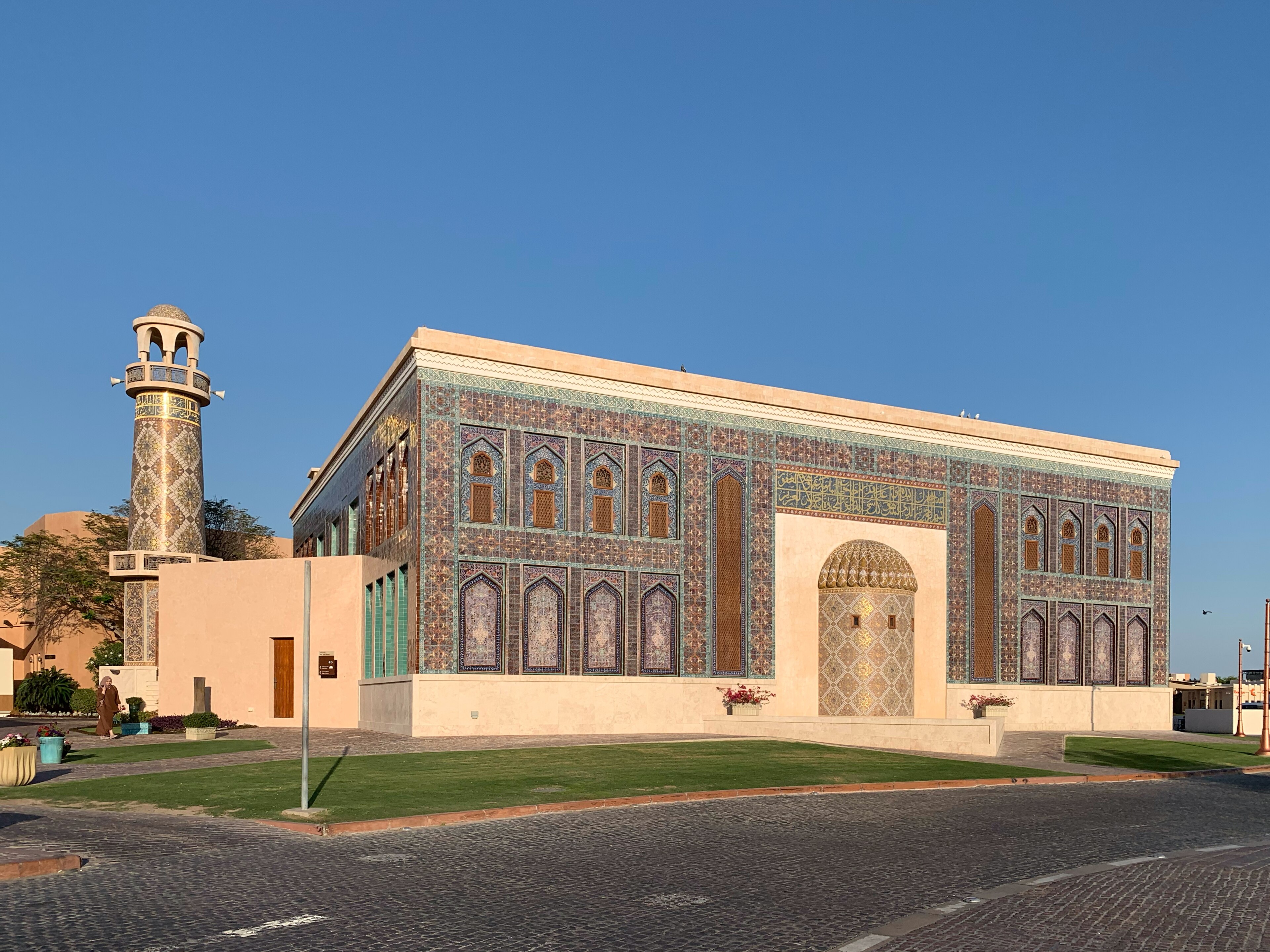
Why Katara Cultural Village is Perfect for Your Celebration
- Purpose-built cultural district with dedicated open-air amphitheatres and curated event spaces
- Iconic Islamic-Mediterranean architecture provides a distinctive, photogenic backdrop
- Waterfront promenade and beach areas enable elegant outdoor receptions during cool season
- Proximity to Hamad International Airport (DOH) — one of the world's best-connected hubs — ensures easy international guest arrival
- World-class hospitality properties within and immediately adjacent to the village
- Established ecosystem of professional event management, AV, catering, and cultural programming vendors in Doha

Compare Katara Cultural Village with Other Top Destinations
Frequently Asked Questions
Is Katara Cultural Village a good destination for cultural festivals and large-scale events?
Yes, it is particularly well-suited to cultural festivals and large-scale events. Katara was purpose-built for this kind of programming, with a large open-air amphitheatre, indoor theatres, gallery halls, and open plazas. Its Islamic-Mediterranean architecture and waterfront setting give events a distinctive visual identity that generic convention venues cannot replicate.
What guest group sizes can Katara Cultural Village realistically support?
Katara's own spaces can accommodate events ranging from intimate gatherings of 50–100 guests in gallery or indoor theatre settings to several thousand attendees in the open-air amphitheatre. When combined with the large-format ballrooms and event facilities in adjacent West Bay hotels, the destination can comfortably support very large corporate or social events.
How do international guests get to Katara Cultural Village?
Most guests arrive via Hamad International Airport (DOH), approximately 15 km from the village. DOH is one of the world's best-connected airports, with direct flights from virtually every major city globally. From the airport, taxis, ride-hailing services, and chartered coaches are the most practical transfer options for groups.
What is the best time of year to hold an event at Katara Cultural Village?
The cool season — November through March — is the only genuinely comfortable window for outdoor events. Temperatures during this period typically range from 18°C to 26°C with low humidity and clear skies. The summer months (June–September) bring extreme heat exceeding 40°C, making outdoor programming impractical and potentially unsafe.
What kinds of event spaces are available at Katara Cultural Village?
The village offers a large open-air amphitheatre, smaller indoor theatres, gallery halls, open plazas, a waterfront promenade, and beach areas. Adjacent luxury hotels provide fully serviced ballrooms and banquet facilities. This range allows event planners to combine cultural outdoor spaces for signature moments with climate-controlled hotel venues for dining and accommodation.
How easy is it to accommodate a large guest list in terms of accommodation?
Very manageable. Doha's West Bay district, a short transfer from Katara, hosts a high concentration of internationally branded luxury and upper-midscale hotels with large room inventories. For major events, planners typically block rooms across multiple properties and arrange shuttle transfers to and from the village, which is a well-established practice in Doha.
Is Katara Cultural Village suitable for destination weddings?
Yes, for couples seeking a culturally immersive, architecturally dramatic setting — particularly those with international guest lists already routing through Doha. It is best suited to intimate to mid-scale weddings rather than very large traditional celebrations. The village's spaces and adjacent luxury hotels together provide a compelling combination of ceremony backdrop and hospitality infrastructure.
How mature is the local event vendor and hospitality ecosystem in Doha?
Doha's event ecosystem is well-developed and internationally experienced, strengthened significantly by the 2022 FIFA World Cup. Professional event management companies, specialist caterers, AV and production suppliers, and floral and décor vendors operating at global standards are readily available. Katara Hospitality also has its own dedicated events division for village-based programming.
Are there any regulatory considerations event planners should be aware of in Qatar?
Yes. Qatar has specific regulations around alcohol service, public entertainment, and certain event formats. Licensed venues within Katara and adjacent hotels can serve alcohol in designated areas, but planners should engage with local operators early to confirm what is permissible for their specific event type, particularly for large or public-facing events.
What makes Katara Cultural Village distinctive compared to a standard hotel ballroom event?
Katara's defining characteristic is its architectural and cultural identity — Islamic domes, arched colonnades, a waterfront promenade, and a purpose-built amphitheatre create a setting that is inherently photogenic and culturally resonant. Events here carry a sense of place and occasion that a generic hotel ballroom, however well-appointed, cannot replicate.
How safe is Doha for international event guests?
Qatar is consistently rated among the safest countries in the world, with very low crime rates, reliable infrastructure, and a well-organised public services environment. International guests — including solo travellers and families — generally report feeling very safe throughout Doha, including in and around Katara Cultural Village.

Ready to explore venues in Katara Cultural Village?
Katara Cultural Village, Doha: Destination Events, Festivals & Corporate Celebrations
◆Katara Cultural Village is a purpose-built waterfront cultural district in Doha, Qatar, primarily suited to festivals, large-scale cultural celebrations, corporate events, and milestone social gatherings. Its vibe is Cultural & Timeless — defined by Islamic-Mediterranean architecture, open-air amphitheatres, gallery spaces, and a curated promenade along the Arabian Gulf. The destination is best visited between November and March, when Doha's climate is genuinely comfortable for outdoor programming. Accessibility is exceptional: Hamad International Airport is one of the world's best-connected hubs, and English is widely spoken across the hospitality sector, making international guest management straightforward.
Katara Cultural Village at a Glance
| Attribute | Detail |
|---|---|
| Best For | Cultural Festivals, Corporate Events, Social Galas, Milestone Celebrations |
| Primary Vibe | Cultural & Timeless |
| Other Vibes | Cosmopolitan, Waterfront, Heritage-Inspired |
| Best Season | Cool / Mild Season (Jan, Feb, Mar, Nov, Dec) |
Why Choose Katara Cultural Village?
- Architecturally distinctive setting: The village's blend of Islamic domes, arched colonnades, and Mediterranean-influenced facades creates a backdrop that is genuinely unlike any generic hotel ballroom or convention centre — events here carry an inherent visual identity.
- Dedicated cultural infrastructure: Katara was designed from the ground up for large-scale public and private programming, with a purpose-built amphitheatre, indoor theatres, gallery halls, and open plazas that can be configured for a wide range of event formats.
- Waterfront promenade and beach access: The Arabian Gulf frontage allows for outdoor receptions, sunset ceremonies, and beachside dinners during the cool season — a rare combination of cultural grandeur and natural scenery in an urban Gulf setting.
- World-class international connectivity: Hamad International Airport (DOH) consistently ranks among the top airports globally and offers direct routes from virtually every major city in Asia, Europe, Africa, and the Americas, making it one of the most accessible event destinations in the world for a geographically dispersed guest list.
- Mature, professional hospitality ecosystem: Doha's rapid development over the past two decades — accelerated further by the 2022 FIFA World Cup — has produced a deep bench of experienced event management companies, international catering operators, AV specialists, and luxury hospitality brands operating at global standards.
- Safety and regulatory stability: Qatar is consistently rated among the safest countries in the world, with low crime, reliable infrastructure, and a well-organised public services environment — factors that meaningfully reduce logistical risk for large group events.
Which Celebrations Work Best in Katara Cultural Village?
Cultural Festivals & Arts Events: Katara's primary identity is as a cultural hub, and it hosts some of the Gulf's most prominent annual festivals — from film and music to food and heritage. Private cultural festivals, themed galas, and arts-driven celebrations align naturally with the village's programming DNA and physical infrastructure.
Corporate Events & Conferences: The combination of flexible indoor and outdoor spaces, proximity to Doha's West Bay business district, and the availability of large-format convention facilities in adjacent hotels makes Katara a compelling choice for regional corporate summits, product launches, and incentive travel programmes.
Social Galas & Milestone Celebrations: Landmark birthdays, anniversaries, and community celebrations benefit from the village's ability to offer a curated, culturally resonant environment that feels special without requiring a remote or difficult-to-reach location.
Destination Weddings (select formats): While Katara is not a traditional wedding resort destination, couples seeking a culturally immersive, architecturally dramatic setting — particularly those with international guest lists already routing through Doha — will find the village's spaces and adjacent luxury hotels well-suited to intimate to mid-scale wedding celebrations.
Venues & Event Spaces
Katara Cultural Village offers a genuinely diverse range of event environments within a compact, walkable footprint. The centrepiece is a large open-air amphitheatre capable of hosting several thousand attendees for concerts, ceremonies, and large-format cultural performances. Smaller indoor theatres and gallery halls provide climate-controlled options for more intimate programming, presentations, or exhibition-style events.
The village's plazas, colonnaded walkways, and beachfront areas are frequently used for outdoor receptions, cocktail evenings, and ceremonial processions during the cool season months. Several dedicated banquet and function halls within the village's own hospitality properties offer fully serviced indoor event spaces with professional catering and AV infrastructure.
Beyond the village boundary itself, the immediately adjacent and nearby West Bay district hosts a concentration of internationally branded luxury and upper-midscale hotels, many of which feature large ballrooms, rooftop terraces, and dedicated wedding and events teams. This means that a multi-day event programme can comfortably combine Katara's cultural spaces for signature moments with hotel-based facilities for accommodation, dining, and breakout sessions — all within a short transfer distance.
Best Time to Celebrate
The Cool / Mild Season (January, February, March, November, December) is the only genuinely comfortable window for outdoor events at Katara Cultural Village. During these months, daytime temperatures typically range from approximately 18°C to 26°C, with low humidity and clear skies — conditions that make the waterfront promenade, beach areas, and open plazas genuinely pleasant for extended outdoor programming, including evening receptions and open-air ceremonies.
This season also coincides with Doha's peak cultural calendar, when Katara itself hosts its most prominent public festivals and the city's hospitality sector is at its most active. Vendors, entertainment acts, and specialist event suppliers are most readily available during this period.
April and May represent a transitional period where temperatures begin climbing rapidly toward 35°C and above. Outdoor events become increasingly uncomfortable, and the risk of a genuinely hot day disrupting an outdoor programme rises significantly. Indoor-only events remain feasible, but the village's most distinctive outdoor spaces lose much of their appeal.
June through September should be avoided for any event with meaningful outdoor components. Temperatures regularly exceed 40°C, humidity rises sharply in the coastal environment, and the combination makes prolonged outdoor exposure genuinely hazardous for guests. Even short outdoor transitions between air-conditioned spaces can be uncomfortable. Fully indoor, heavily air-conditioned events are technically possible but represent a significant constraint on the kind of programming that makes Katara distinctive.
October is a shoulder month — temperatures are declining but remain warm enough (often 30°C–35°C) that outdoor evening events carry meaningful weather risk. It is not classified within the recommended season for this reason.
Getting There & Local Connectivity
Katara Cultural Village's single greatest logistical advantage is its proximity to Hamad International Airport (DOH), located approximately 15 km away. DOH is consistently ranked among the world's top airports for connectivity, passenger experience, and operational efficiency. Direct flights serve Doha from virtually every major city across Asia, Europe, Africa, the Middle East, and the Americas, meaning that even a geographically dispersed international guest list can typically reach Doha with a single flight or at most one connection.
Within Doha, the city's Doha Metro network provides a modern, air-conditioned rail option connecting key districts, with stations accessible from the Katara area. However, for group event logistics — particularly moving guests between hotels, the village, and the airport — taxis, ride-hailing services (Karwa, Uber), and chartered coaches are the most practical and commonly used options. Road infrastructure in Doha is modern and well-maintained, and journey times between the village and the main hotel clusters in West Bay are typically short.
English is widely spoken across Doha's hospitality, transport, and retail sectors, which significantly reduces friction for international guests navigating the city independently. Visa-on-arrival or visa-free access is available to nationals of a large number of countries, though event planners should verify current entry requirements for their specific guest nationalities well in advance.
Local Vendor & Hospitality Ecosystem
Doha's event vendor ecosystem has matured considerably over the past decade and was further strengthened by the infrastructure and operational investment surrounding the 2022 FIFA World Cup. The city now hosts a well-established community of professional event management companies, many of which have direct experience delivering large-scale international events with complex logistics, multi-cultural guest requirements, and high production values.
Catering options range from internationally branded hotel F&B operations to specialist event caterers capable of delivering diverse cuisine profiles — an important consideration for events with guests from multiple cultural backgrounds. Floral, décor, lighting, and AV suppliers operating at international standards are readily available in Doha, and many have specific experience working within Katara Cultural Village's unique architectural environment.
Katara Hospitality — the entity that manages the village — has its own dedicated events and hospitality division, which provides a single point of coordination for events using the village's own spaces. This institutional infrastructure is a meaningful advantage over destinations where event planners must assemble a vendor network entirely from scratch.
It is worth noting that Qatar operates under specific regulatory frameworks around alcohol, public gatherings, and certain forms of entertainment. Licensed venues within Katara and its adjacent hotels can serve alcohol to guests in designated areas, but event planners should engage with local operators early to understand what is and is not permissible for their specific event format, particularly for large public-facing or mixed-audience events.
Pros & Things to Consider
Why Katara Cultural Village Works Well
- Architecturally iconic setting that gives events a distinctive, memorable visual identity
- Purpose-built event infrastructure — amphitheatre, galleries, plazas — designed for large-scale programming
- Exceptional international air connectivity via Hamad International Airport
- Very high safety standards and reliable public infrastructure
- Mature, internationally experienced hospitality and event vendor ecosystem
- Cool season (Nov–Mar) offers genuinely comfortable outdoor conditions for waterfront events
- Compact, walkable village layout simplifies guest movement during multi-session events
Things to Consider
- Extreme summer heat: June through September is genuinely unsuitable for outdoor events, and even transitional months (April, May, October) carry meaningful heat risk — the usable outdoor season is relatively short.
- Regulatory environment: Qatar's rules around alcohol service, public entertainment, and mixed-gender gatherings require careful advance planning and clear communication with local operators — what is standard practice in other destinations may require specific licensing or venue selection here.
- Not a traditional resort destination: Katara is an urban cultural district, not a self-contained resort. Guests seeking a secluded, immersive resort experience will need to be accommodated in nearby hotels rather than on-site, which adds a logistical layer to multi-day programmes.
- Peak season demand: The cool season (Nov–Mar) is also Doha's busiest period for events, conferences, and tourism, which means popular venues and hospitality properties book up well in advance and require early planning.
- Cultural sensitivity requirements: Events with dress codes, entertainment formats, or programming elements that do not align with local cultural norms will require thoughtful adaptation — this is manageable but should not be underestimated by planners unfamiliar with the Gulf context.
When Katara Cultural Village May Not Be the Right Fit
- Events planned for summer months (June–September): If your event date is fixed in the summer window, the extreme heat makes Katara's most distinctive outdoor spaces essentially unusable, and the destination's core appeal is significantly diminished.
- Guests requiring a fully self-contained resort experience: Couples or planners seeking a single property where all guests stay, dine, celebrate, and relax without needing transfers will find Katara's urban district format less convenient than a dedicated resort destination.
- Events requiring unrestricted entertainment or alcohol service: Planners whose event concept depends on open-bar formats, certain entertainment acts, or programming styles that conflict with Qatar's regulatory environment may find the constraints difficult to work around, even in licensed venues.
- Very small, intimate gatherings seeking seclusion: Katara is a public-facing cultural village with significant foot traffic, particularly during its own festival calendar. Planners seeking a private, secluded setting for a small group may find the environment too open and busy for their needs.