
Why Porto is Perfect for Your Celebration
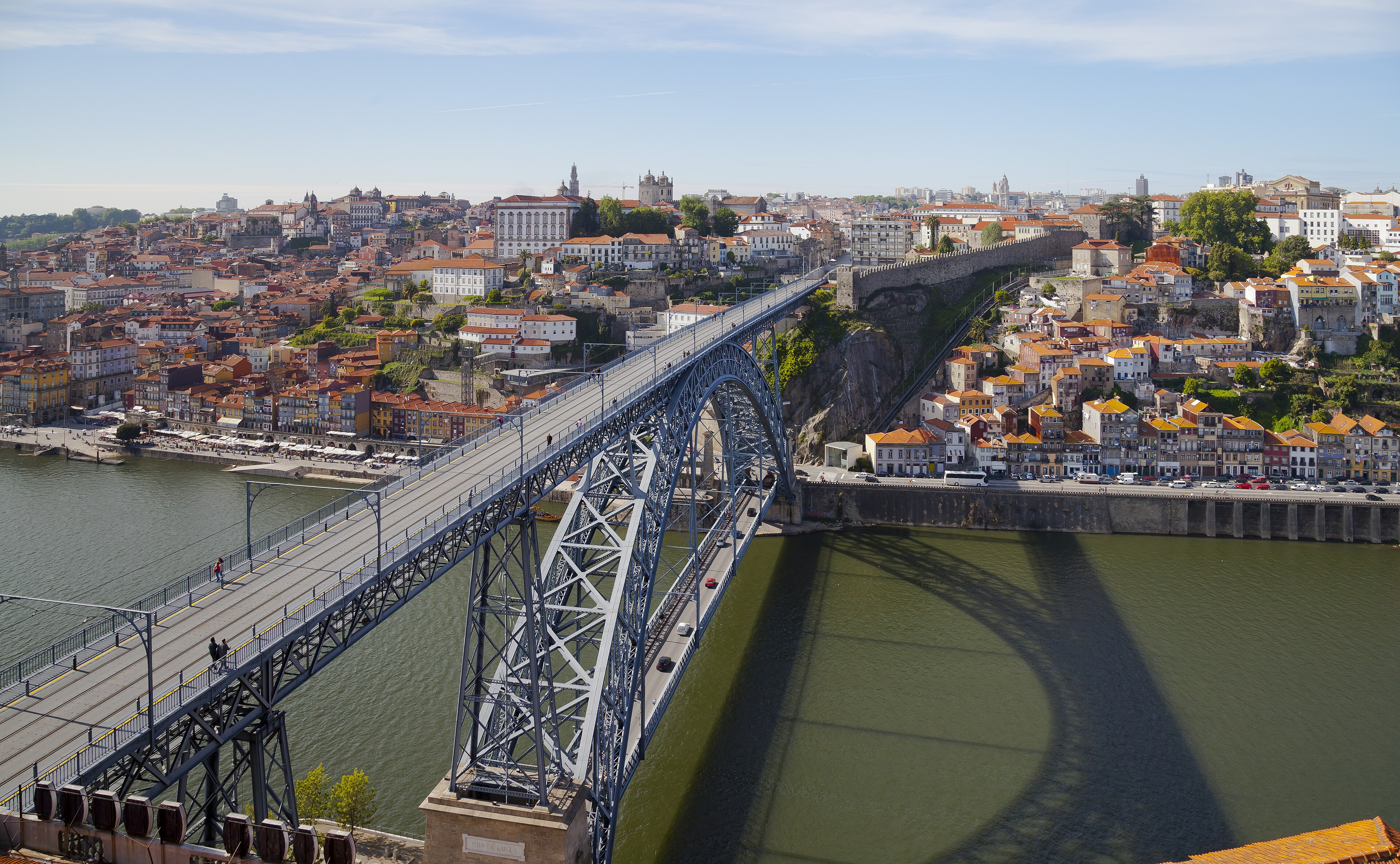
- UNESCO World Heritage riverside setting provides a naturally cinematic backdrop for ceremonies and receptions
- Port wine cave venues in Vila Nova de Gaia offer a uniquely Porto experience unavailable anywhere else
- Warm, dry summers (May–Sep) allow full use of terraces, rooftops, and outdoor riverside spaces
- Francisco Sá Carneiro Airport offers direct connections to dozens of European cities, making guest travel straightforward
- A mature, internationally experienced hospitality and catering ecosystem accustomed to destination events
- Diverse venue typology — from baroque palaces and azulejo-clad manor houses to contemporary design hotels and wine estates along the Douro
Compare Porto with Other Top Destinations
Frequently Asked Questions
Is Porto a good destination for a wedding?
Yes. Porto is particularly well-suited to destination weddings of an intimate-to-medium scale — typically 50 to 250 guests. Its UNESCO World Heritage riverside setting, heritage palace venues, and unique port wine cave experiences create a naturally distinctive celebration environment. The summer season (May–September) provides reliable outdoor weather, and excellent European air connectivity makes guest travel straightforward.
What is the best time of year to hold an event in Porto?
May through September is the curated best season for Porto events. These months offer warm, predominantly dry weather with long daylight hours, making outdoor riverside ceremonies, rooftop receptions, and terrace dinners reliably viable. July and August are the driest months. October and April are workable shoulder months for indoor-focused events, but November through March brings frequent Atlantic rain and cooler temperatures that make outdoor formats impractical.
How easy is it for international guests to travel to Porto?
Very easy, particularly from within Europe. Francisco Sá Carneiro Airport operates direct routes to dozens of European cities and is connected to the city centre by metro. High-speed rail links Porto to Lisbon in approximately 2.5–3 hours. Guests from outside Europe will typically connect through Lisbon or a major European hub, which adds a leg but remains manageable for most international guest groups.
What kinds of venues are available for events in Porto?
Porto offers a genuinely varied venue landscape: heritage palace hotels, contemporary luxury hotels with ballrooms and terraces, port wine cave venues in Vila Nova de Gaia, rooftop spaces with Douro river views, and — within roughly 30 km — Douro Valley wine estates and quintas. The city is better suited to intimate and medium-scale events than to very large-format gatherings.
Can Porto accommodate a large guest group in terms of accommodation?
Yes, for medium-scale groups. Porto has a broad accommodation stock across multiple properties within a compact geographic area, making it practical to house a guest group of 100–300 across nearby hotels. For very large groups (400+), early booking is essential as peak summer months (July–August) see high overall demand and accommodation availability tightens significantly.
What makes Porto's event experience genuinely distinctive compared to other European cities?
Porto's most distinctive offering is its port wine cave venues in Vila Nova de Gaia — historic barrel-lined cellars and tasting rooms that can be hired for private dinners and receptions, offering an atmosphere unavailable in virtually any other European destination. Combined with the UNESCO Ribeira waterfront, azulejo-tiled heritage architecture, and a strong gastronomic culture, Porto provides a celebration character that is genuinely specific to this place.
How well-developed is Porto's local event vendor ecosystem?
Porto's vendor ecosystem is mature and internationally experienced. Local wedding planners, caterers, florists, photographers, and AV suppliers with experience managing non-Portuguese clients are available. English is widely spoken in the hospitality sector. The city's strong restaurant and gastronomy culture also means in-house and independent catering options are of a high standard, with excellent access to local produce and Douro Valley wines.
Is Porto suitable for corporate retreats and incentive travel events?
Yes. Porto is a strong choice for corporate retreats and incentive travel. The city combines excellent European air connectivity, modern hotel conference facilities, and a rich programme of cultural and gastronomic experiences — wine cave visits, river cruises, azulejo workshops, Douro Valley day trips — that work well for group incentive formats. Its compact layout also simplifies group logistics considerably.
What are the main logistical considerations for moving a guest group around Porto?
Porto's compact city layout is a genuine advantage — most hotels, ceremony venues, and reception spaces are within short transfer distances of each other. The city has a metro, trams, and good rideshare availability. However, Porto's famously steep, cobbled terrain can be challenging for guests with mobility limitations, and this should be factored into venue selection. Coach and minibus hire for group transfers is well-established and straightforward to arrange.
Are there good options for multi-day celebration programmes in Porto?
Yes. Porto's range of experiences — Douro river cruises, port wine tastings, azulejo tile workshops, day trips to the Douro Valley vineyards, and a vibrant restaurant scene — provides a natural multi-day itinerary that suits mixed-age guest groups well. This makes Porto particularly effective as a destination for couples who want to offer guests a full cultural experience around the main celebration event.
What should planners be aware of when booking Porto for a summer event?
July and August are Porto's peak tourist months, so accommodation blocks and popular venues should be secured well in advance — ideally 12–18 months ahead for larger groups. Popular areas of the city can feel crowded during peak summer, which is worth factoring into guest experience planning. Non-EU guests should also be reminded of Schengen visa requirements early in the planning process.

Ready to explore venues in Porto?
Porto: Destination Wedding & Event Venues in Northern Portugal
◆Porto is a UNESCO World Heritage city in northern Portugal, positioned along the Douro River, and is particularly well-suited to destination weddings, intimate corporate retreats, and milestone social celebrations. Its primary vibe is Cultural & Timeless — defined by baroque architecture, azulejo-tiled facades, port wine heritage, and a vibrant contemporary food and design scene. The best season for events runs from May through September, when warm, dry Atlantic weather makes full use of outdoor terraces, rooftop spaces, and riverside settings. Guest access is straightforward: a major international airport sits roughly 11 km from the city centre, and high-speed rail connects Porto to Lisbon and other Iberian cities. The destination sits at a mid-to-upper cost tier by European standards, though it generally offers strong value relative to comparable Western European capitals.
Porto at a Glance
| Category | Detail |
|---|---|
| Best For | Destination Weddings, Corporate Retreats, Social Celebrations, Milestone Events |
| Primary Vibe | Cultural & Timeless |
| Other Vibes | Romantic, Riverside, Heritage, Gastronomic |
| Best Season | Summer (May, Jun, Jul, Aug, Sep) |
Why Choose Porto?
- Unmatched UNESCO heritage scenery: The Ribeira waterfront, Dom Luís I Bridge, and azulejo-clad church facades provide a naturally cinematic setting that requires minimal decoration — the city itself is the backdrop.
- Port wine cave experiences: Vila Nova de Gaia, directly across the Douro, is home to historic port wine lodges that offer a genuinely unique celebration format — wine cave dinners and tastings — unavailable in virtually any other European destination city.
- Excellent international air connectivity: Francisco Sá Carneiro Airport operates direct routes to dozens of European cities, making Porto one of the more accessible destination-event cities on the continent for guests travelling from the UK, France, Germany, Scandinavia, and beyond.
- Mature, internationally experienced vendor ecosystem: Porto has hosted a growing volume of international destination events over the past decade, meaning local wedding planners, caterers, florists, and AV suppliers are accustomed to working with non-Portuguese clients and multi-day event formats.
- Diverse venue typology: From baroque palaces and azulejo manor houses to contemporary design hotels, wine estates along the Douro Valley, and rooftop terraces with river views, Porto offers a genuine range of event space characters within a compact, walkable city.
- Compact, navigable city layout: Porto's relatively small footprint means guests can move between ceremony, reception, and accommodation without long transfers — a practical advantage for multi-day celebrations with large guest groups.
Which Celebrations Work Best in Porto?
Destination Weddings: Porto is particularly well-suited to intimate-to-medium-scale destination weddings (typically 50–250 guests) where the couple wants a culturally rich, visually distinctive setting rather than a generic resort backdrop. The combination of heritage ceremony venues, riverside reception spaces, and wine cave dinners creates a natural multi-day wedding itinerary that guests find genuinely memorable.
Corporate Retreats & Incentive Travel: Porto's combination of excellent air connectivity, a strong hotel infrastructure with modern conference facilities, and a rich programme of cultural and gastronomic experiences makes it a compelling choice for corporate groups. The city's compact layout also simplifies group logistics considerably.
Milestone Social Celebrations: Significant birthdays, anniversaries, and family reunion events translate well to Porto's setting. The city's restaurant scene, wine culture, and walkable heritage districts provide a natural social programme that requires little additional planning.
Pre-Wedding & Post-Wedding Events: Porto's range of experiences — river cruises, wine tastings, azulejo tile workshops, day trips to the Douro Valley — makes it an excellent base for multi-day celebration programmes, with activities that suit mixed-age guest groups.
Venues & Event Spaces
Porto's event venue landscape is notably varied. At the upper end, the city offers heritage palace hotels — converted aristocratic townhouses and historic buildings that combine period architecture with contemporary hospitality standards, typically suited to smaller, more intimate gatherings. Contemporary luxury hotels with dedicated ballrooms and terraces cater to larger groups and provide the full-service infrastructure (in-house catering, AV, accommodation blocks) that simplifies large-scale event logistics.
Across the river in Vila Nova de Gaia, port wine lodges and cave venues represent Porto's most distinctive event format — barrel-lined cellars and tasting rooms that can be hired for private dinners, cocktail receptions, and ceremony spaces, offering an atmosphere genuinely unlike anything available in most other European cities.
The city also has a growing stock of rooftop terraces and riverside esplanades that come into their own during the summer season, offering panoramic views of the Douro and the Dom Luís I Bridge. For larger corporate events, purpose-built conference and convention facilities exist within the hotel infrastructure, particularly in the Boavista and Matosinhos areas. Further afield, within roughly 30 km of the city centre, Douro Valley wine estates and quintas offer a rural, vineyard-framed alternative for groups willing to arrange transport — a popular choice for day-event formats or smaller, more exclusive gatherings.
Best Time to Celebrate
The curated best season for Porto events runs from May through September, and this reflects the city's Atlantic climate in a meaningful way. During these months, Porto typically experiences warm, predominantly dry weather with long daylight hours — conditions that make outdoor riverside ceremonies, rooftop receptions, and terrace dinners genuinely viable rather than weather-dependent gambles.
June, July, and August are the warmest and driest months, with temperatures generally ranging from the high teens to the mid-twenties Celsius. July and August in particular see very little rainfall, making them the most reliable months for outdoor event formats. May and September are excellent shoulder months within the season — slightly cooler and with a marginally higher chance of a passing shower, but still far more suitable for outdoor events than the autumn and winter months, and often less crowded than peak summer.
Outside this window, Porto's Atlantic exposure becomes a more significant planning factor. October and April are transitional months — mild enough for indoor events and occasionally pleasant for outdoor ones, but with a meaningful rain risk that makes them unsuitable as a primary outdoor-event season without contingency planning. November through March brings Porto's wettest and coolest period: frequent Atlantic rain systems, shorter days, and temperatures that regularly drop into single figures make outdoor event formats impractical, and the city's characteristic grey winter light, while atmospheric for photography, is a genuine constraint for event planning. Indoor-only events can work year-round, but the full Porto experience — the riverside terraces, the rooftop views, the outdoor wine cave courtyards — is fundamentally a summer proposition.
Getting There & Local Connectivity
By air: Francisco Sá Carneiro Airport is Porto's main international gateway, located approximately 11 km from the city centre. It is one of Portugal's busiest airports and operates direct routes to a wide range of European cities, including London, Paris, Amsterdam, Frankfurt, Madrid, and many others. For guests travelling from outside Europe, connections are typically made through Lisbon or major European hub airports. The airport is connected to the city centre by metro (Line E/Violet), making arrival logistics straightforward for individual guests, while group transfers by coach or minibus are also readily available.
By rail: Porto Campanhã is the city's main intercity railway station, offering high-speed and intercity connections to Lisbon (approximately 2.5–3 hours by Alfa Pendular), Braga, Aveiro, Coimbra, and cross-border services to Vigo in Spain. Porto São Bento, the city's iconic azulejo-tiled central station, handles regional and suburban services. For guests travelling from Lisbon, the train is a genuinely competitive option in terms of both journey time and convenience.
Local movement: Porto's compact city layout means that most event-relevant locations — hotels, ceremony venues, riverside reception spaces — are within a short taxi, rideshare, or even walking distance of each other. The city has a functional metro network, an extensive tram and bus system, and good rideshare availability. For group transfers between venues or to/from the airport, coach and minibus hire is well-established and straightforward to arrange through local operators.
Local Vendor & Hospitality Ecosystem
Porto's event vendor ecosystem has matured considerably over the past decade, driven by a significant increase in international tourism and a growing reputation as a destination-event city. Local wedding planners and event coordinators with experience managing international clients — including non-Portuguese-speaking couples and corporate groups — are available, though as with any destination, early engagement and clear communication are advisable.
The city's catering and gastronomy scene is a genuine asset: Porto has a strong restaurant culture, a deep tradition of Portuguese cuisine, and access to excellent local produce — seafood, Douro Valley wines, regional cheeses and charcuterie — that translates well into event catering. Many hotels and dedicated event venues offer in-house catering of a high standard, and independent catering companies with event experience are available for external-venue formats.
Floristry, photography, and AV production services are all available locally, with a growing number of suppliers experienced in destination-event formats. English is widely spoken in the hospitality sector, which reduces the coordination friction that can affect events in less internationally-oriented destinations. Porto's accommodation stock is broad enough to house a medium-to-large guest group across multiple properties within a small geographic area, simplifying the logistics of keeping a guest group together.
Pros & Things to Consider
Why Porto Works Well
- UNESCO World Heritage setting provides a visually distinctive, naturally photogenic backdrop
- Excellent international air connectivity makes guest travel from across Europe straightforward
- Unique port wine cave venues offer a celebration format genuinely specific to this destination
- Warm, dry summers (May–September) reliably support outdoor event formats
- Compact city layout simplifies group logistics and keeps guests close together
- Mature hospitality ecosystem with English-speaking vendors experienced in international events
- Rich cultural and gastronomic programme provides natural content for multi-day celebration itineraries
Things to Consider
- Seasonal dependency: Porto's outdoor event viability is strongly concentrated in May–September; planning outdoor formats outside this window carries meaningful weather risk that requires robust contingency planning.
- Scale limitations: Porto is not a destination for very large-scale events (500+ guests) in the way that a purpose-built resort destination might be; the local venue inventory is better suited to intimate-to-medium-scale gatherings.
- Hilly terrain: Porto's famously steep topography can be a practical challenge for guests with mobility limitations, and should be factored into venue selection and group movement planning.
- Peak summer crowds: July and August are Porto's busiest tourist months; accommodation availability tightens, and popular areas can feel crowded — early booking of accommodation blocks is essential for summer events.
- Non-EU guest travel: For guests travelling from outside the Schengen Area, visa requirements apply; this is worth communicating clearly to international guest lists early in the planning process.
When Porto May Not Be the Right Fit
- Very large guest lists (500+): Porto's venue inventory is generally better calibrated to intimate and medium-scale events; couples or planners needing a single venue to accommodate very large groups may find the local options limiting.
- Outdoor events outside May–September: If the event date is fixed in the autumn or winter months and outdoor formats are non-negotiable, Porto's Atlantic climate makes this a genuinely risky proposition — a destination with a more reliably dry winter season would be a stronger fit.
- Guests with significant mobility challenges: Porto's steep, cobbled streets and hillside venue locations can present real accessibility difficulties; if a large proportion of the guest group has mobility limitations, a flatter, more accessible destination may serve them better.
- Guests requiring very short-haul travel from non-European origins: While Porto is highly accessible from within Europe, guests travelling from Asia, the Americas, or Africa will typically face a multi-leg journey; for a guest list that is predominantly non-European, a destination with more direct long-haul connectivity may reduce travel friction.