
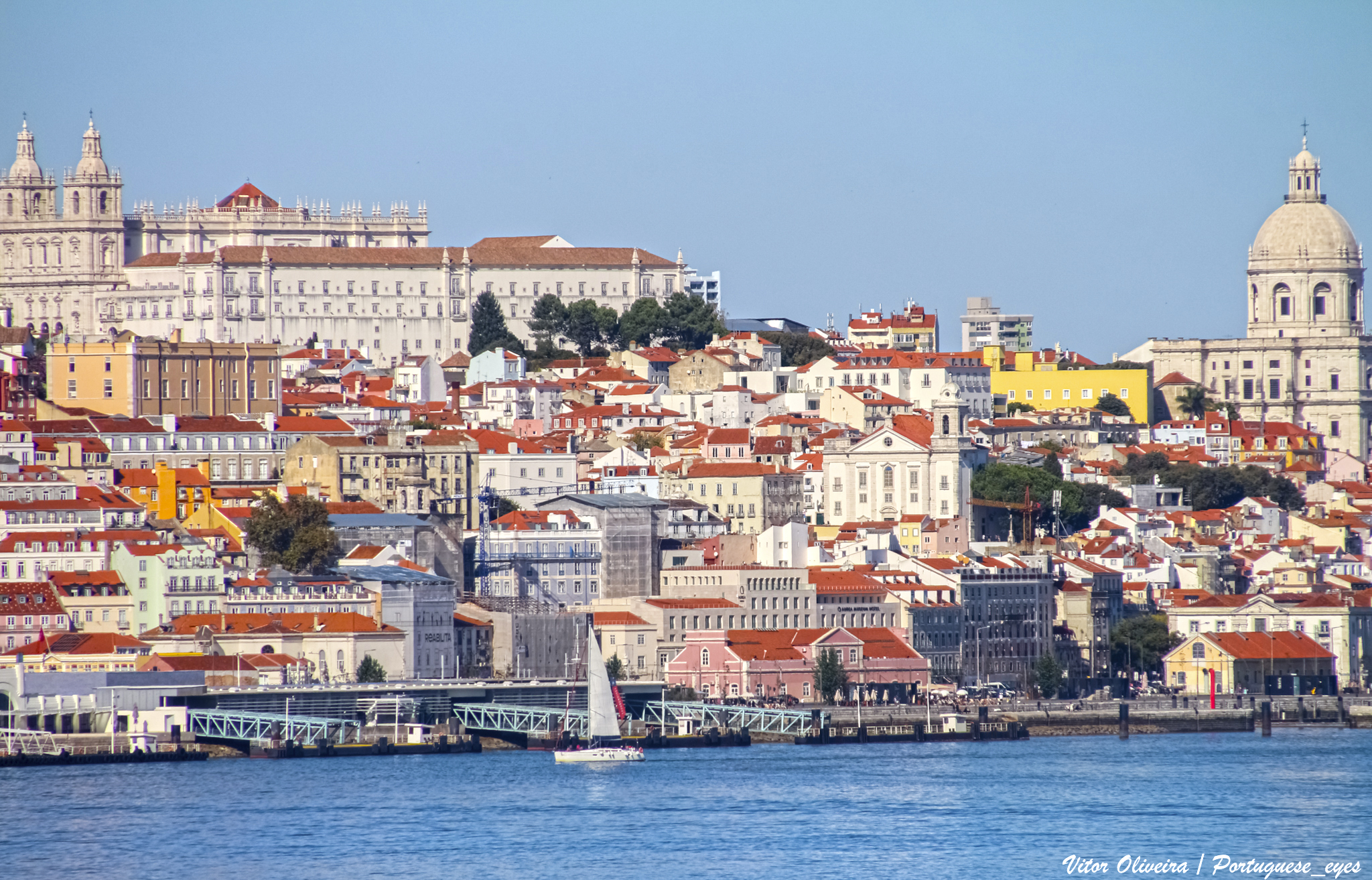
Why Lisbon is Perfect for Your Celebration
- Iconic riverside palaces and hilltop heritage venues provide dramatic backdrops unique to Lisbon
- Humberto Delgado Airport (LIS) offers direct connections to over 100 international destinations, making guest travel straightforward
- Spring and early autumn deliver reliably sunny, warm days — perfect for outdoor ceremonies and terrace receptions
- A mature, internationally experienced hospitality and events vendor ecosystem, including Michelin-starred catering partners
- Compact city layout means ceremony, reception, and accommodation are rarely more than 15–20 minutes apart
- Rich cultural programming — fado performances, wine tastings, Sintra day trips — gives guests memorable pre- and post-event experiences

Compare Lisbon with Other Top Destinations
Frequently Asked Questions
Is Lisbon a good destination for a wedding with international guests?
Yes, particularly for couples with a predominantly European guest list. Humberto Delgado Airport connects directly to most major European cities, making Lisbon one of the more accessible destination wedding locations on the continent. English is widely spoken across the hospitality sector, and the local events vendor ecosystem is experienced with multilingual, multicultural guest groups. For guests travelling from outside Europe, connections through major hubs are generally efficient.
What guest group sizes can Lisbon venues realistically support?
Lisbon's venue inventory is strongest in the 30–300 guest range. Boutique heritage spaces and rooftop venues suit intimate gatherings of 30–80 guests, while the city's larger hotel ballrooms and riverside palace properties can comfortably accommodate 150–400 guests. Very large events requiring a single contiguous space for 500 or more guests will find options more limited and should confirm capacity early in the planning process.
What is the best time of year to plan a celebration in Lisbon?
April, May, June, September, and October are the strongest months. These windows deliver warm, sunny days with low humidity and long daylight hours — ideal for outdoor ceremonies and terrace receptions. July and August are hot (regularly above 30°C) and heavily crowded with tourists, which adds logistical pressure. November through March brings frequent rain and cooler temperatures, making outdoor event elements unreliable.
How do guests typically get to Lisbon for a destination event?
Most guests fly into Humberto Delgado Airport, which sits approximately 7 km from the city centre — one of the shortest airport-to-centre distances of any European capital. Direct flights operate from across Europe, the Americas, Africa, and the Middle East. Guests arriving overland from elsewhere in Iberia can use intercity rail services into Lisbon's Oriente or Santa Apolónia stations.
What kinds of venues are available for events in Lisbon?
Lisbon offers genuine variety: historic palace properties and heritage quintas with formal gardens and Tagus views, luxury hotel ballrooms along Avenida da Liberdade, boutique townhouse venues in Chiado and Alfama, rooftop terraces, and resort complexes in the nearby Estoril and Sintra corridor. This range suits everything from intimate boutique weddings to mid-size corporate conferences and cultural festivals.
Is Lisbon suitable for corporate retreats and incentive travel?
Yes. Lisbon is an established European incentive destination with strong conference infrastructure, a safe and navigable city environment, and a rich cultural activity programme — fado evenings, Sintra excursions, Atlantic gastronomy experiences — that makes building a compelling programme around a business agenda straightforward. The city has hosted major international summits and large-scale conferences, so the local vendor base is well-practised.
How easy is it to move a large guest group around Lisbon during an event?
Generally straightforward. The city's core event neighbourhoods are compact and within 15–20 minutes of each other by car. A well-developed private transfer and coach hire market caters specifically to event groups, and several local destination management companies offer end-to-end group logistics coordination. The metro is functional for independent guest movement, though private transfers are typically more practical for coordinated group movements between event elements.
What makes Lisbon's local hospitality and vendor ecosystem well-suited to events?
Lisbon has a mature, internationally oriented events industry shaped by decades of hosting major conferences, incentive groups, and destination weddings. Local catering operators are sophisticated, with strong Portuguese wine and gastronomy expertise. Entertainment options — including authentic fado performances — are culturally distinctive. English is widely spoken, and established local DMCs offer specialist destination wedding and corporate event planning support with strong existing supplier networks.
Are there accessibility considerations for guests in Lisbon?
Yes — Lisbon's famous hills, particularly in Alfama and Bairro Alto, can present real challenges for elderly guests or those with mobility limitations. Cobblestone streets and steep gradients are common in heritage neighbourhoods. Event planners should factor accessibility into venue selection, and private transfers are strongly advisable for mobility-limited guests rather than relying on walking or public transport between event locations.
What cultural experiences can guests enjoy around a Lisbon event?
Lisbon offers a genuinely rich guest itinerary beyond the event itself. Fado performances in Alfama, day trips to Sintra's UNESCO-listed palaces (approximately 30 minutes by train), Atlantic seafood dining, wine tastings featuring Portuguese varieties, and Belém's historic monuments are all readily accessible. These experiences meaningfully enhance the overall destination value for guests and are a consistent reason couples and planners choose Lisbon over more generic European city venues.
Is Lisbon safe for international guests attending a destination event?
Yes. Lisbon consistently ranks among the safer European capitals for visitors. Petty theft in very crowded tourist areas (particularly on tram routes) is the most commonly cited concern, but serious crime affecting visitors is rare. Guests can generally move around the city independently, including in the evening, without significant safety concerns — a meaningful practical advantage for destination events where guests explore the city on their own time.

Ready to explore venues in Lisbon?
Lisbon: Destination Wedding & Event Venues in Portugal
◆Lisbon is a well-established European destination for weddings, corporate retreats, milestone celebrations, and cultural festivals. Its primary vibe is chic and cosmopolitan — a city that pairs genuine historic character (hilltop castles, azulejo-tiled palaces, Moorish alleyways) with a modern, internationally fluent hospitality infrastructure. Spring and early autumn (April through June, September and October) are the strongest windows for outdoor events, offering warm, sunny days without the peak-summer heat and crowd pressure. Humberto Delgado Airport connects directly to most major European cities and several intercontinental routes, making guest travel straightforward. The city is compact, walkable in its core neighbourhoods, and well-served by private transfers and metro for larger groups.
Lisbon at a Glance
| Category | Detail |
|---|---|
| Best For | Destination Weddings, Corporate Retreats, Cultural Festivals, Milestone Celebrations |
| Primary Vibe | Chic & Cosmopolitan |
| Other Vibes | Romantic, Heritage, Coastal, Bohemian |
| Best Season | Spring (Apr, May, Jun, Sep, Oct) |
Why Choose Lisbon?
- Exceptional venue diversity: Lisbon offers a genuinely wide spectrum of event spaces — from grand riverside palaces and hilltop heritage quintas to sleek rooftop terraces, boutique Chiado townhouses, and full-service resort complexes in the nearby Estoril and Sintra corridors. Few European capitals of comparable size match this range within a 30 km radius.
- Outstanding international accessibility: Humberto Delgado Airport (LIS) sits just 7 km from the city centre and operates direct routes to over 100 destinations across Europe, the Americas, Africa, and the Middle East. For most European guest groups, Lisbon is a single direct flight away.
- A mature, internationally experienced events ecosystem: Lisbon has hosted major international summits, fashion weeks, and large-scale corporate conferences for decades. The local vendor base — catering, floristry, AV production, photography, entertainment — is sophisticated and accustomed to multilingual, multicultural client groups.
- Reliable spring and autumn weather: April through June and September through October deliver consistently warm, low-humidity days with long daylight hours, making outdoor ceremonies and terrace receptions genuinely dependable rather than a weather gamble.
- Rich cultural programming for guests: Fado performances, Sintra UNESCO World Heritage day trips, Atlantic seafood dining, wine and pastel de nata tastings — Lisbon gives guests a full cultural itinerary beyond the event itself, which meaningfully improves the overall destination experience.
- Compact geography: The city's core neighbourhoods — Baixa, Chiado, Alfama, Belém, Marquês de Pombal — are all within 15–20 minutes of each other by car or metro, reducing logistical complexity for groups moving between ceremony, reception, and accommodation.
Which Celebrations Work Best in Lisbon?
- Destination Weddings: Lisbon is particularly well-suited to intimate-to-mid-size destination weddings (typically 30–200 guests) where the couple wants a European capital setting with genuine historic character, strong international flight access, and a hospitality ecosystem that can handle multilingual, multicultural guest groups without friction. The availability of heritage palace venues, riverside terraces, and boutique hotel buyouts gives couples meaningful visual variety.
- Corporate Retreats & Incentive Travel: Lisbon has long been a preferred European incentive destination. Its conference infrastructure is strong, the city is safe and easy to navigate, and the combination of cultural activities (fado evenings, Sintra excursions, cooking classes) makes it straightforward to build a compelling programme around a business agenda.
- Cultural Festivals & Brand Activations: The city's outdoor public spaces, rooftop venues, and riverside esplanades make it a natural fit for brand-led cultural events, product launches, and festival-format gatherings, particularly in the spring and early autumn windows when outdoor programming is reliable.
- Milestone Celebrations (Anniversaries, Landmark Birthdays): For smaller, high-quality celebrations where the experience of the destination itself is part of the gift, Lisbon delivers well — boutique hotel buyouts, private fado dinners, and curated city experiences are all readily available through established local operators.
Venues & Event Spaces
Lisbon's event venue landscape spans several distinct categories, each suited to different event scales and aesthetics. At the grandest end, historic palace properties and heritage quintas — many with formal gardens, azulejo-tiled interiors, and sweeping views over the Tagus — provide the kind of backdrop that is genuinely difficult to replicate elsewhere in Europe. These properties typically accommodate mid-size groups and are particularly popular for wedding ceremonies and gala dinners.
The city's luxury and upper-upscale hotels along Avenida da Liberdade and around Marquês de Pombal offer purpose-built ballrooms and flexible event floors capable of handling larger corporate conferences and receptions. Several properties have dedicated event coordinators and in-house catering teams experienced with international menus and dietary requirements.
Boutique venues in Chiado, Alfama, and Bairro Alto — converted townhouses, wine cellars, rooftop terraces — suit smaller, more intimate gatherings where atmosphere and exclusivity matter more than raw capacity. These spaces are particularly well-matched to milestone celebrations, rehearsal dinners, and brand activations.
Beyond the city centre, the Estoril and Sintra corridor (within roughly 25–30 km) adds resort-scale properties with extensive outdoor grounds, golf courses, and sea-view terraces — a meaningful extension of the usable venue inventory for groups who want a more resort-style experience while remaining within easy reach of Lisbon's airport and city amenities.
Best Time to Celebrate
The curated best season for Lisbon events is Spring: April, May, June, September, and October. Here is why each part of that window works, and what makes the remaining months less suitable:
- April & May: Temperatures typically range from the mid-teens to low-to-mid twenties Celsius. Rainfall is possible but generally brief; the city is green, flowers are in bloom, and daylight hours are long. Tourist volumes are moderate, meaning accommodation availability is good and venues are not under peak-season pressure.
- June: Lisbon's early summer is arguably its most reliable event month — warm (typically 22–26°C), very sunny, low humidity, and long evenings that make outdoor receptions genuinely comfortable well into the night. The city's famous Santos Populares festivals in mid-June add a festive cultural backdrop, though they also bring crowds to certain neighbourhoods.
- September & October: Post-summer, temperatures ease back from the July–August peak to a very comfortable 20–25°C range. The Atlantic light in September is particularly beautiful for photography. Tourist crowds thin noticeably after mid-September, and the city returns to a more relaxed pace — often the preferred window for couples who want the warmth of summer without the peak-season intensity.
- July & August (less ideal): Temperatures regularly exceed 30°C and can spike above 35°C during heatwaves, which have become more frequent in recent years. The city is at its most crowded with tourists, accommodation is under maximum pressure, and outdoor daytime events can be genuinely uncomfortable. Evening events are more manageable, but the overall logistical environment is harder.
- November through March (less ideal): Lisbon's Atlantic winter brings frequent rain, overcast skies, and temperatures that can drop to 8–12°C at night. Outdoor ceremonies and terrace receptions become unreliable. The city is quieter and more affordable, but the weather risk for outdoor event elements is real and should be planned around carefully.
Getting There & Local Connectivity
Humberto Delgado Airport is one of the best-connected airports in Southern Europe, sitting just a short drive or metro ride from the city centre. For European guest groups, direct flights are available from virtually every major hub; for guests travelling from further afield, connections through major European hubs are typically efficient. The airport's proximity to the city centre (approximately 7 km) means arrival-to-venue transfer times are among the shortest of any European capital, which meaningfully reduces guest fatigue on travel days.
Within the city, Lisbon has a functional metro network, an extensive taxi and ride-hailing ecosystem, and a well-developed private transfer market accustomed to handling event groups. For larger groups moving between venues or from accommodation to ceremony sites, private coach transfers are readily available and straightforward to coordinate through local DMCs (destination management companies).
The Estoril and Sintra corridor is served by a suburban rail line from Cais do Sodré station, making it accessible without private transport — though for event groups, private transfers are generally more practical. Lisbon's two main intercity rail stations (Santa Apolónia and Oriente) connect to Porto, the Algarve, and Madrid, giving guests arriving overland from elsewhere in Iberia a viable rail option.
Local Vendor & Hospitality Ecosystem
Lisbon's events vendor ecosystem is genuinely mature by European standards. The city has hosted NATO summits, Web Summit (one of Europe's largest tech conferences), and a continuous stream of international incentive groups, which means local suppliers — catering companies, AV and production houses, florists, photographers, entertainment agencies — are experienced with demanding, internationally-oriented briefs.
Catering quality is a particular strength: Portugal's food culture is sophisticated, and Lisbon has a deep pool of catering operators capable of delivering everything from traditional Portuguese banquets to contemporary European tasting menus, with genuine Michelin-level culinary talent available for high-end events. Wine service is a natural strength given Portugal's exceptional wine regions.
Entertainment options are culturally distinctive: fado performances, Portuguese folk music, and traditional Arraial-style celebrations can all be incorporated authentically rather than as tourist-facing approximations. For international couples or corporate groups wanting a culturally immersive element, this is a genuine differentiator.
English is widely spoken across the hospitality sector, which reduces coordination friction for international event planners. A number of established local DMCs specialise specifically in destination weddings and incentive events, offering end-to-end planning support with strong supplier networks already in place.
Pros & Things to Consider
Why Lisbon Works Well
- Exceptional international flight connectivity — most European guests can reach Lisbon on a direct, short-haul flight
- Genuine venue diversity across heritage palaces, riverside terraces, boutique townhouses, and resort complexes
- Reliable, warm, low-humidity weather during the curated spring and early autumn windows
- Mature, internationally experienced vendor and hospitality ecosystem with strong English-language capability
- Rich cultural programming (fado, Sintra, Atlantic gastronomy) that enhances the overall guest experience beyond the event itself
- Very safe city with low crime rates — guests can move around independently without significant concern
- Compact city layout minimises transfer times between event elements
Things to Consider
- Peak-season pressure: July and August bring significant tourist volumes that affect accommodation availability, venue pricing, and general city logistics — events in this window require earlier planning lead times and more careful crowd management.
- Hilly terrain: Lisbon's famous hills (particularly in Alfama and Bairro Alto) can present genuine accessibility challenges for elderly guests or those with mobility limitations — venue selection should account for this.
- Winter weather risk: November through March brings real rainfall and cooler temperatures; outdoor event elements in this period carry meaningful weather risk and should have covered contingency plans.
- Smaller venue capacity ceiling: While Lisbon has strong mid-size event infrastructure, very large-scale events (500+ guests requiring a single contiguous space) may find the local venue inventory more constrained than in larger European capitals — early venue confirmation is important for larger groups.
- Santos Populares in June: The mid-June popular saints' festivals bring significant street celebrations to certain neighbourhoods (particularly Alfama and Mouraria) — a wonderful cultural backdrop for some events, but a source of noise and crowd congestion for others. Venue selection in this period should be made with awareness of proximity to festival areas.
When Lisbon May Not Be the Right Fit
- Very large-scale events (500+ guests, single venue): Lisbon's heritage and boutique venue stock is strongest in the 50–300 guest range. Groups requiring a single contiguous space for 500 or more guests will find the options more limited and should verify capacity carefully before committing.
- Guests travelling primarily from outside Europe: While Lisbon has intercontinental connections, guests flying from South Asia, Southeast Asia, or the Americas face longer journeys with potential connections. If the majority of the guest list is travelling from a non-European origin, a destination closer to that origin may offer meaningfully better travel ease.
- Outdoor-focused events planned for November through March: If the event concept depends heavily on outdoor ceremonies, garden receptions, or terrace dining, the Atlantic winter months carry real weather risk. A covered or indoor-primary venue plan is strongly advisable in this window, or the event should be rescheduled to the curated spring/autumn season.
- Groups seeking a remote, private, or secluded retreat character: Lisbon is a busy, vibrant European capital. Groups whose primary requirement is seclusion, privacy from the public, or a remote natural setting will find the city's energy and density work against that goal — a rural Alentejo quinta or an island destination would be a better fit for that brief.