
Why Douro Valley is Perfect for Your Celebration
- Exclusive-use historic quintas (wine estates) offer unmatched privacy and character for intimate celebrations
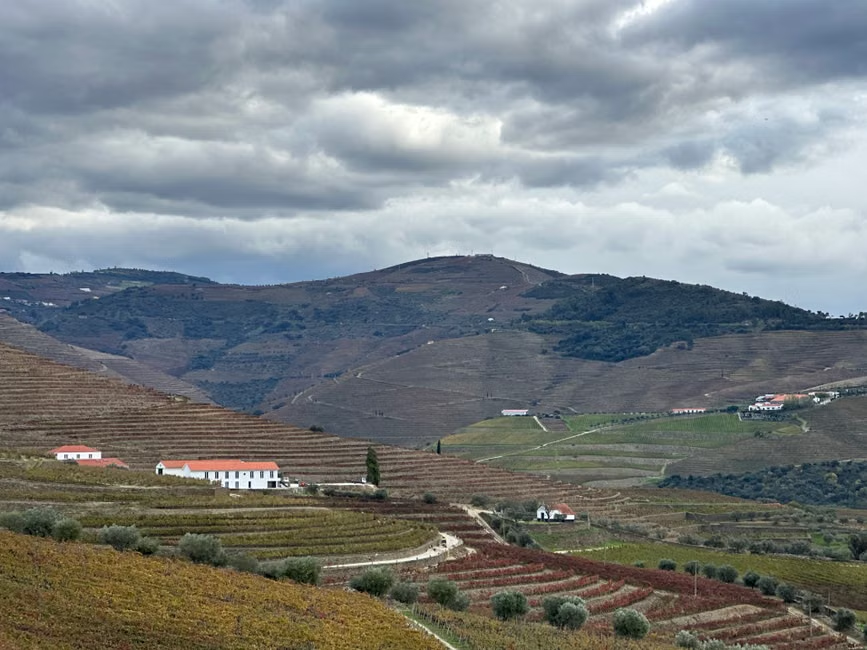
- UNESCO World Heritage terraced vineyard landscapes create naturally stunning ceremony backdrops
- World-class Douro wines and Portuguese cuisine elevate every dining experience
- Warm, long summer days from May to September provide ideal outdoor event conditions
- Douro River cruises and wine-tasting experiences offer memorable guest activities
- Intimate scale of the valley suits smaller, deeply personal celebrations over large-scale events

Compare Douro Valley with Other Top Destinations
Frequently Asked Questions
Is the Douro Valley a good destination for an intimate wedding?
Yes, particularly so. The Douro Valley is among the strongest destinations in Europe for intimate destination weddings, typically accommodating between 30 and 150 guests. Its historic quinta estates offer exclusive-use buyouts, outstanding local wine and cuisine, and UNESCO-listed vineyard scenery — a combination that suits couples prioritising a deeply personal, visually extraordinary celebration over large-scale production.
What is the best time of year to hold a wedding or event in the Douro Valley?
May through September is the recommended window. This period offers warm, dry weather, long daylight hours, and the valley at its most visually dramatic — from vivid green vine growth in spring through the golden harvest season in September. July and August are the warmest months; September's grape harvest adds a particularly atmospheric quality. Winter months (November–February) are generally unsuitable for outdoor events.
How do guests typically travel to the Douro Valley for a destination event?
Most guests fly into Francisco Sá Carneiro Airport in Porto, which has good connections across Europe and beyond. From Porto, the journey to the valley's main event areas takes approximately 1.5 to 2 hours by road. Private coach or minibus transfers are the standard arrangement for event groups. A scenic train service (the Douro Line) also connects Porto to Pinhão, though it is slow and infrequent for logistics purposes.
What kinds of venues are available for events in the Douro Valley?
The dominant venue type is the historic quinta — a wine-producing estate ranging from fully modernised luxury resorts with dedicated event terraces and indoor spaces to more intimate, family-run heritage properties. Outdoor ceremony terraces with vineyard and river views are widely available. Large urban-style banquet halls are not part of the valley's offering; the character here is consistently rural, historic, and intimate.
How large a guest list can the Douro Valley realistically accommodate?
Most quinta venues comfortably accommodate between 30 and 150 guests for a seated celebration. Some of the larger resort properties can stretch to around 200 guests for certain event formats. The valley is not well-suited to events of 250 or more guests — the intimate scale of its properties is a defining characteristic rather than a limitation that can easily be worked around.
Is it easy for guests to get around the Douro Valley once they arrive?
Not independently — private road transfers are essentially essential. The quintas and estates are spread across steep hillsides and narrow rural roads with minimal public transport between them. For event groups, coordinated private minibuses or coaches are the standard approach. Guests wishing to explore independently will find car hire from Porto the most practical option.
What makes the Douro Valley's food and wine offering distinctive for a celebration?
The Douro is Portugal's oldest demarcated wine region, and many quinta venues produce their own estate wines and Port. Events here can be built around exceptional local wines, fresh river fish, slow-roasted regional meats, and outstanding olive oil — a culinary programme that is genuinely rooted in place rather than generic. Wine service is a particular strength, and incorporating estate wines into the event is both authentic and logistically straightforward.
Are there good guest activities available around a multi-day Douro Valley celebration?
Yes. Douro River cruises, wine-tasting tours across neighbouring quintas, olive oil tastings, and scenic drives through the terraced vineyard landscape are all genuinely accessible and well-established guest experiences. During September, the grape harvest (vindima) adds a particularly memorable participatory dimension. These activities make the Douro Valley especially well-suited to multi-day destination wedding programmes.
How far in advance should I plan a Douro Valley destination wedding?
Ideally 12 to 18 months ahead for a summer event. Peak season dates (particularly July, August, and September harvest weekends) at the most sought-after quinta properties book up well in advance. The local vendor ecosystem — while capable — is smaller than in major urban destinations, and preferred photographers, florists, and coordinators with Douro Valley experience also fill their calendars early.
Is the Douro Valley suitable for guests with mobility challenges?
Generally not ideal. The valley's terrain involves steep hillsides, terraced vineyard paths, cobbled estate courtyards, and multi-level historic buildings. Many quinta properties cannot be fully adapted for guests with significant mobility limitations. If a meaningful portion of the guest list has mobility needs, this is an important factor to discuss directly with any shortlisted venue before committing.
What is the general safety and hospitality standard for international guests in the Douro Valley?
Very safe. Portugal consistently ranks among Europe's safest countries, and the Douro Valley's hospitality sector is experienced with international guests — particularly from the UK, US, and northern Europe. English is widely spoken at established quinta properties and event venues. The overall guest experience is typically described as warm, attentive, and genuinely welcoming rather than transactional.

Ready to explore venues in Douro Valley?
Douro Valley: Destination Wedding & Event Venues in Portugal's Wine Country
◆The Douro Valley is best suited to intimate, romantic destination weddings, private milestone celebrations, and small corporate retreats held in exclusive-use historic wine estates known as quintas. Its primary vibe is romantic and dreamy — defined by UNESCO-listed terraced vineyards, the winding Douro River, and golden-hour light over ancient hillsides. The destination suits couples and hosts seeking privacy, natural beauty, and a deeply personal atmosphere over large-scale, high-capacity events. The best season runs from May through September, when warm, dry weather makes outdoor ceremonies and riverside dining genuinely reliable. Accessibility is moderate — guests typically fly into Porto and travel onward by private transfer, making logistics planning an important part of any event here.
Douro Valley at a Glance
| Category | Detail |
|---|---|
| Best For | Intimate Destination Weddings, Private Celebrations, Honeymoon Experiences, Small Corporate Retreats |
| Primary Vibe | Romantic & Dreamy |
| Other Vibes | Rustic Elegance, Heritage, Serene & Private |
| Best Season | Summer (May, Jun, Jul, Aug, Sep) |
Why Choose Douro Valley?
- UNESCO World Heritage scenery: The valley's terraced vineyards and river panoramas are among the most photographed landscapes in Europe, providing a naturally extraordinary backdrop for ceremonies and portraits without any additional decoration.
- Exclusive-use quinta estates: Many historic wine estates offer full exclusive-use buyouts, meaning your celebration occupies the entire property — a level of privacy and personalisation that is genuinely rare in mainstream wedding destinations.
- World-class wine and cuisine: The Douro is Portugal's oldest demarcated wine region, and events here can be built around exceptional local wines, olive oils, and a rich regional culinary tradition that elevates every dining moment.
- Intimate scale: The valley's character naturally suits smaller, more personal guest lists — typically between 30 and 150 guests — making it ideal for couples who prioritise depth of experience over scale.
- Douro River as an event asset: River cruises, sunset boat aperitivos, and riverside dining are genuine, logistically accessible guest experiences that add a distinctive dimension unavailable in most other European wine regions.
- Established international hospitality: The presence of internationally operated luxury resort properties alongside independent quintas means guests can expect a reliable standard of accommodation and service, even in a rural setting.
Which Celebrations Work Best in Douro Valley?
- Destination Weddings: The Douro Valley is particularly well-suited to destination weddings for couples seeking an intimate, visually extraordinary setting. The combination of exclusive-use quintas, outdoor ceremony terraces overlooking vineyards, and exceptional food and wine creates a celebration that feels genuinely unique rather than formulaic.
- Private Milestone Celebrations: Significant anniversaries, landmark birthdays, and family reunion gatherings translate well here, especially when the host wants a multi-day experience — wine tastings, river excursions, and estate dinners can be woven naturally into a longer programme.
- Honeymoon Experiences: While not an event in the traditional sense, the Douro Valley is a strong honeymoon destination for couples who have married elsewhere and want a deeply romantic, unhurried retreat in a setting of genuine natural beauty.
- Small Corporate Retreats and Incentive Travel: Senior leadership retreats, incentive travel programmes, and small board-level gatherings benefit from the valley's combination of privacy, prestige, and memorable experiential programming around wine and landscape.
Venues & Event Spaces
The Douro Valley's event venue landscape is defined primarily by historic quinta estates — centuries-old wine-producing properties that have been adapted, to varying degrees, for hospitality and private events. These range from fully modernised luxury resort properties with dedicated event infrastructure (terraces, indoor ballrooms, spa facilities, and multiple accommodation wings) to more intimate, family-run heritage estates where the event experience is deliberately rustic and personal.
Outdoor ceremony spaces are the valley's strongest suit: vine-lined terraces, riverside lawns, and hilltop viewpoints with panoramic river views are commonly available across the better-equipped properties. Indoor spaces tend to be characterful rather than vast — stone-walled wine cellars, historic manor dining rooms, and converted agricultural buildings are typical, and they suit seated dinners and intimate receptions particularly well. Large-format banquet halls of the kind found in urban hotel destinations are generally not part of the Douro Valley's offering, which is a deliberate reflection of the destination's intimate character rather than a gap in its infrastructure.
Accommodation is typically on-site or within the estate itself for exclusive-use bookings, which simplifies logistics considerably for destination wedding groups. For larger guest lists that exceed a single property's room count, nearby village guesthouses and smaller rural hotels can supplement the primary venue's accommodation.
Best Time to Celebrate
The curated best season for events in the Douro Valley runs from May through September, and this recommendation is grounded in several concrete factors beyond simply "good weather."
May and June offer warm temperatures, long daylight hours, and vineyards in vivid green growth — ideal for outdoor ceremonies and photography. The valley is not yet at peak summer heat, making outdoor dining and dancing comfortable well into the evening. July and August are the warmest months, with temperatures regularly reaching the high 20s to low 30s Celsius in the valley floor. Outdoor events during midday require shade planning, but evenings are reliably warm and dry, and the golden light over the terraced vines at sunset is at its most dramatic. September is arguably the most atmospheric month of all: the grape harvest (vindima) begins, the vines turn amber and gold, and the valley takes on a particularly rich visual character. Harvest-season events carry a genuine sense of place that no other time of year can replicate.
Outside this window, the picture changes significantly. October can still be pleasant in the early weeks, but rainfall increases and temperatures drop noticeably as the month progresses, making outdoor event planning less reliable. November through February brings cold, wet conditions, reduced daylight, and the closure or reduced operation of many quinta properties — this period is genuinely unsuitable for outdoor celebrations and logistically challenging even for indoor events. March and April see the valley begin to wake up, with almond blossoms and early vine growth offering some visual appeal, but unpredictable rainfall and cool temperatures mean outdoor event reliability remains low, and many properties are still ramping up their seasonal operations.
Getting There & Local Connectivity
The primary international gateway for the Douro Valley is Francisco Sá Carneiro Airport in Porto, which is well-connected to major European cities and, via connecting flights, to intercontinental destinations. The journey from Porto airport to the heart of the Douro Valley — the area around Pinhão and Peso da Régua — takes approximately 1.5 to 2 hours by road, depending on the specific quinta's location. This is a manageable transfer for destination wedding guests, particularly when private coach or minibus transfers are arranged as part of the event programme.
The Douro railway line (Linha do Douro) offers a scenic train journey from Porto's São Bento station to Pinhão, and it is genuinely one of the most beautiful train rides in Europe. However, train frequency is limited and journey times are long (approximately 2.5 to 3 hours), making it more suitable as a guest experience activity than a primary logistics solution for a large arriving group.
Within the valley itself, private road transport is essentially essential. The quintas and estates are spread across steep hillsides and narrow rural roads, and public transport between them is minimal. For event groups, coordinated private transfers — minibuses, coaches, or a fleet of cars — are the standard approach and should be budgeted and planned well in advance. Guests who wish to explore independently will find car hire from Porto the most practical option.
Local Vendor & Hospitality Ecosystem
The Douro Valley has developed a meaningful destination wedding vendor ecosystem over the past decade, driven by growing international demand from couples across Europe, North America, and beyond. Wedding planners and event coordinators with specific Douro Valley expertise are available, and many of the established quintas work with preferred supplier lists that include experienced local florists, photographers, caterers, and musicians familiar with the valley's logistical realities.
Portuguese catering at this level is genuinely strong — the regional cuisine, built around fresh river fish, slow-roasted meats, local cheeses, and exceptional olive oil, translates naturally into elegant event menus. Wine service, unsurprisingly, is a particular strength: many quintas produce their own Douro DOC wines and Port, and incorporating estate wines into the event programme is both authentic and logistically straightforward.
That said, the ecosystem is smaller and more specialised than what you would find in a major urban wedding destination. Vendors with very large-scale event experience (500+ guests, complex multi-day productions) are less numerous, and lead times for booking preferred suppliers during peak summer months can be significant. Early planning — ideally 12 to 18 months ahead for a summer event — is strongly advisable.
Pros & Things to Consider
Why Douro Valley Works Well
- Genuinely extraordinary natural scenery that requires minimal additional decoration to create a visually stunning event
- Exclusive-use quinta estates offer a level of privacy and personalisation rarely available in mainstream destinations
- World-class local wine and cuisine provide a built-in, authentic culinary programme
- Long, reliable summer season (May–September) with warm evenings well-suited to outdoor dining and dancing
- Douro River activities (cruises, boat aperitivos) add a distinctive experiential dimension for guests
- Very safe destination with a welcoming, internationally experienced hospitality culture
Things to Consider
- The valley's rural character means private road transfers are essential for all guest movements — this adds logistical complexity and requires careful coordination
- Venue capacity is generally limited to smaller guest lists; couples expecting 200+ guests may find the local inventory constraining
- The destination is not well-suited to guests with limited mobility, as many quinta properties involve steep terrain, cobbled paths, and multi-level layouts
- Peak summer months (July–August) can bring intense midday heat in the valley floor, requiring thoughtful event scheduling and shade provision for outdoor elements
- The vendor ecosystem, while capable, is smaller than in major urban destinations — early booking of preferred suppliers is essential, particularly for summer dates
- Internet and mobile connectivity can be limited at more remote quinta properties, which may affect guests' expectations around communication during a multi-day stay
When Douro Valley May Not Be the Right Fit
- Large guest lists: Couples planning celebrations for 250 or more guests will likely find the Douro Valley's venue inventory insufficient — the intimate scale of most quintas is a defining characteristic, not a gap that can easily be worked around.
- Guests with significant mobility challenges: The valley's terrain — steep hillsides, terraced vineyards, cobbled estate paths — is genuinely difficult to navigate for guests with limited mobility, and many historic quinta properties cannot be fully adapted.
- Events planned for the winter months: Couples with fixed dates between November and March will find the Douro Valley a poor fit — cold, wet conditions, reduced property availability, and limited daylight make outdoor celebrations impractical and the overall experience significantly diminished.
- Guests requiring straightforward, low-effort travel: For a guest group that includes many elderly travellers, families with very young children, or guests unfamiliar with international travel, the combination of a connecting flight to Porto and a 2-hour onward road transfer may represent a meaningful barrier to comfortable attendance.