
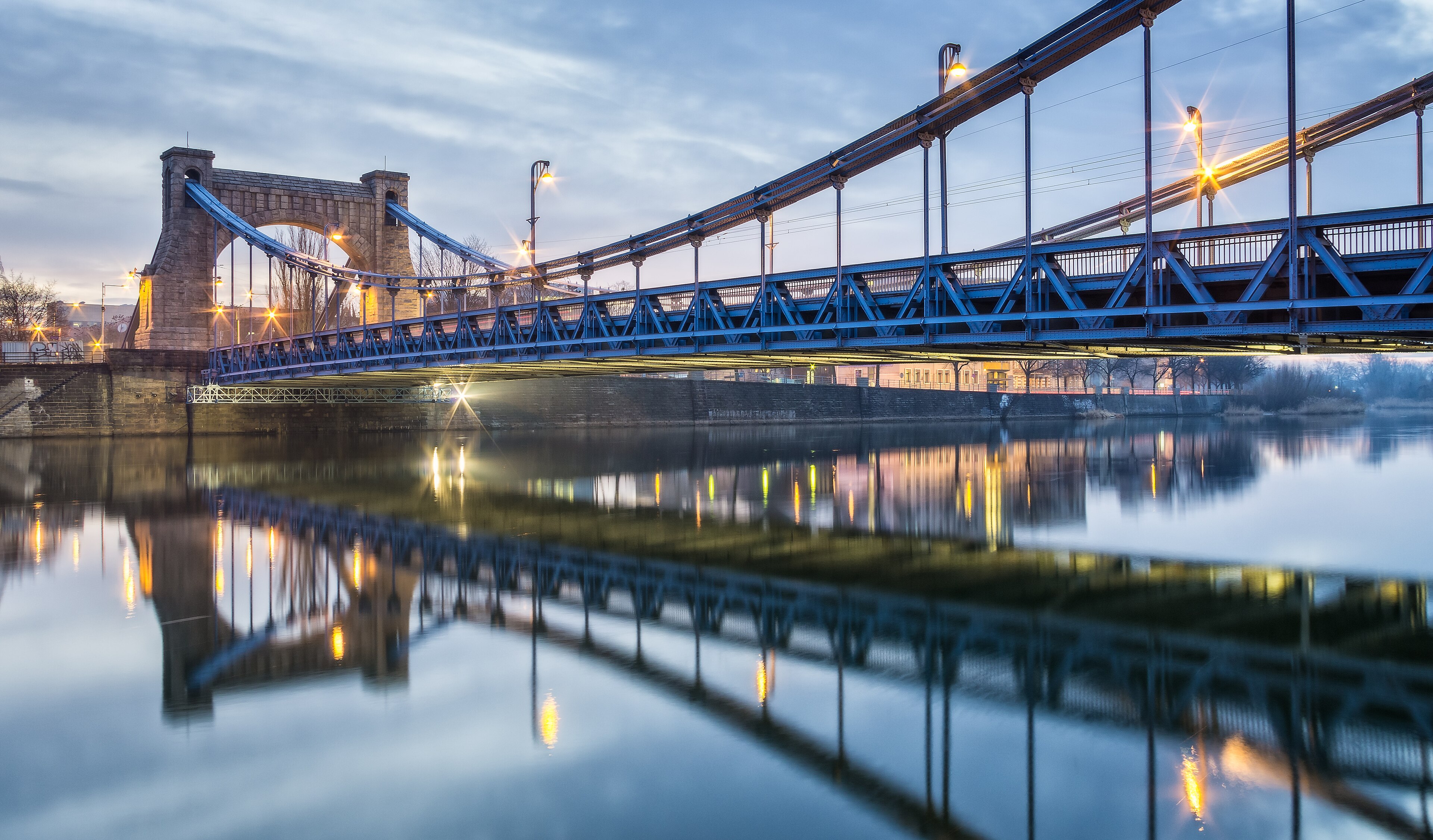
Why Wrocław is Perfect for Your Celebration
- Iconic Market Square (Rynek) provides a world-class backdrop for wedding photography and outdoor receptions
- Rich architectural diversity — Gothic cathedrals, Baroque palaces, and Art Nouveau buildings offer varied venue aesthetics
- Wrocław Copernicus Airport (WRO) offers direct connections to major European cities, easing international guest travel
- Wrocław Główny station connects to Warsaw, Kraków, Berlin, and Prague, making rail travel straightforward for guests
- Warm, long-daylight summers (May–September) are ideal for outdoor ceremonies and evening receptions
- A mature hospitality ecosystem with experienced event caterers, florists, and wedding planners familiar with international clients

Top Venues in Wrocław
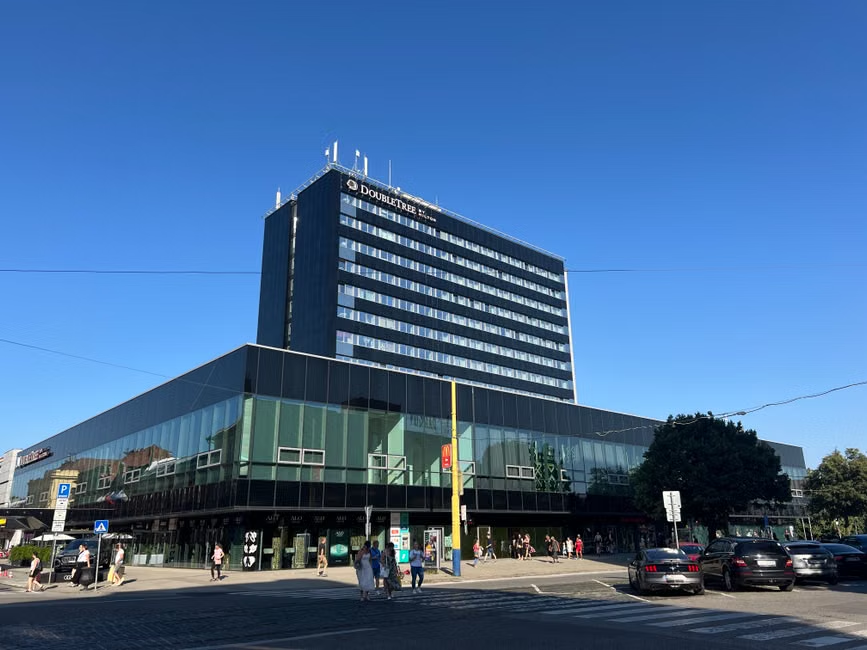
DoubleTree by Hilton Wrocław
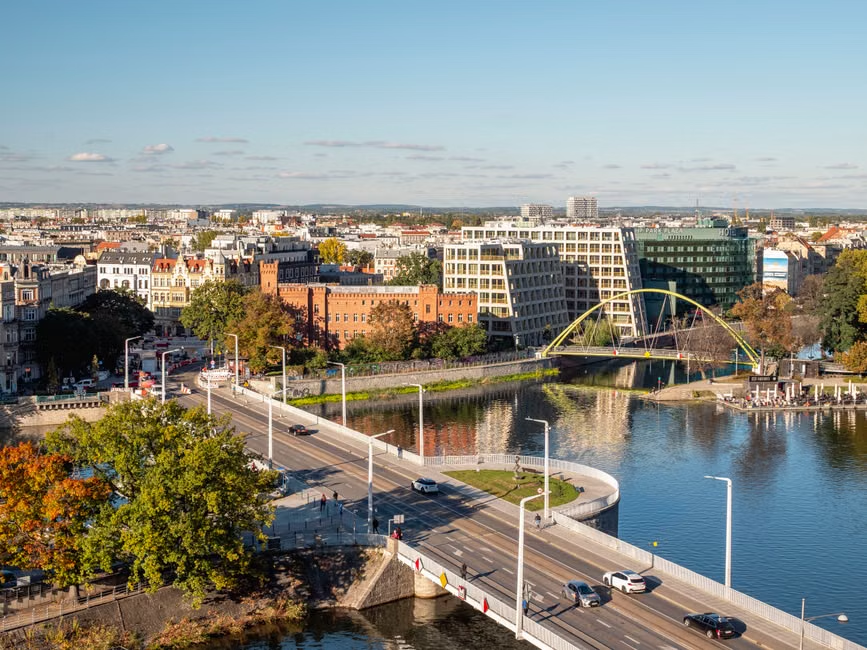
Hotel Puro Wrocław Stare Miasto
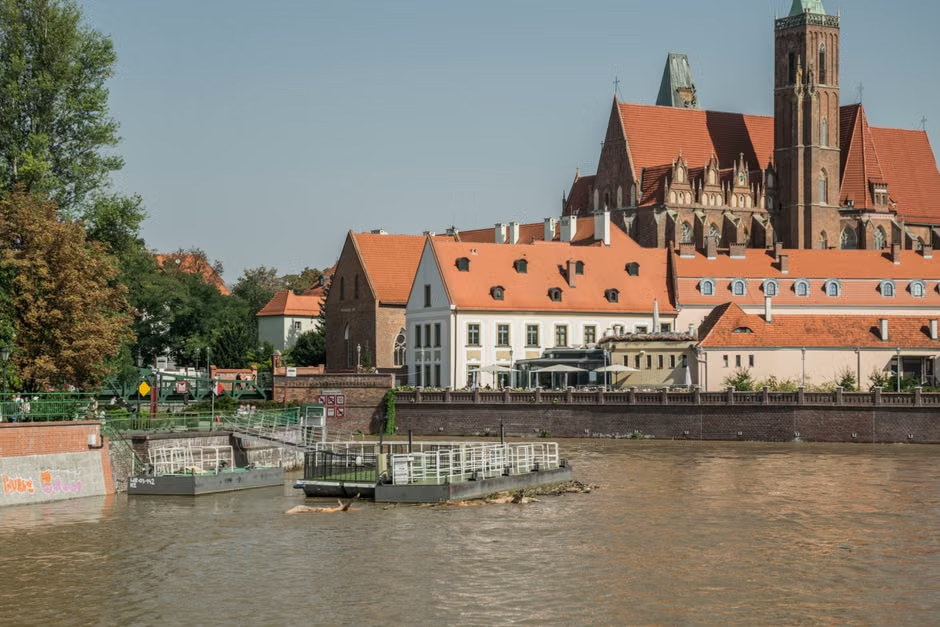
Hotel Tumski
Compare Wrocław with Other Top Destinations
Frequently Asked Questions
Is Wrocław a good destination for a wedding celebration?
Yes. Wrocław is particularly well-suited to destination weddings for couples seeking a European heritage setting. The city's Gothic and Baroque architecture, romantic Market Square, Cathedral Island, and riverside Oder setting provide a naturally dramatic backdrop. Its compact old town, good hotel infrastructure, and strong European air and rail connectivity make it practical for international guest groups of small to medium size.
What is the best time of year to hold a celebration in Wrocław?
May through September is the recommended window. These months offer warm temperatures, long daylight hours — often until 9 pm in June and July — and reliable conditions for outdoor ceremonies and receptions. September is particularly pleasant, with softer light and fewer crowds. November through February should generally be avoided for outdoor-dependent events due to cold temperatures, limited daylight, and grey conditions.
How do guests typically travel to Wrocław for a destination event?
Most guests arrive via Wrocław Copernicus Airport (WRO), approximately 10 km from the city centre, which has direct connections to London, Frankfurt, Amsterdam, Dublin, Copenhagen, and other European cities. Guests from within Poland or neighbouring countries often travel by rail — Wrocław Główny station connects to Warsaw, Kraków, Berlin, and Prague. Transfer from the airport to the city centre takes roughly 20–30 minutes.
What size of guest group can Wrocław realistically accommodate for an event?
Wrocław is best suited to small and medium-sized celebrations — typically up to around 300–400 guests. The city's hotel ballrooms and event spaces are well-equipped for this range. Very large celebrations of 500 or more guests may find the local venue inventory limiting, and planners should assess capacity carefully if the guest list is at the upper end of that scale.
What kinds of venues are available for events in Wrocław?
The venue mix includes heritage hotel ballrooms in historic city-centre buildings, restored industrial loft spaces, cultural institution venues such as concert halls and gallery spaces, and outdoor riverside terraces and old-town courtyards available during the summer months. The overall character skews toward boutique and architecturally distinctive rather than large-scale purpose-built resort venues.
Is Wrocław suitable for corporate events and incentive travel?
Yes. Wrocław is one of Poland's leading business cities with a strong technology and financial services sector. Its conference-capable hotels, central European location, and direct air connections to major business hubs make it a practical and visually impressive choice for corporate conferences, team retreats, and incentive travel programmes. The city's cultural programme also provides strong ancillary experiences for multi-day corporate events.
How easy is it for guests to get around Wrocław once they arrive?
Very easy. The historic old town is compact and largely walkable, meaning guests can move between ceremony venues, reception spaces, and accommodation on foot in many cases. The city also has a reliable tram and bus network, and taxis and ride-hailing services are readily available. For coordinated group transfers, local coach and minibus hire is straightforward to arrange through event management companies.
How developed is the local wedding and event vendor ecosystem in Wrocław?
Wrocław has a mature local event industry, with experienced wedding planners, caterers, photographers, florists, and AV suppliers accustomed to working with international clients. English is widely spoken in the hospitality sector. Some highly specialist luxury décor or floral installation vendors may need to be sourced from Warsaw or Kraków, so building extra lead time into planning is advisable for events with bespoke requirements.
Are there outdoor ceremony options in Wrocław?
Yes, during the summer months (May–September). Riverside terraces along the Oder, courtyard spaces within the old town, and hotel garden areas are all used for outdoor ceremonies and cocktail receptions. Planners should note that summer thunderstorms are a genuine possibility in July and August, so a covered contingency arrangement is strongly recommended for any outdoor event element.
What makes Wrocław distinctive compared to a typical resort wedding destination?
Wrocław's appeal is architectural and cultural rather than resort-leisure. The city offers Gothic cathedrals, Baroque townhouses, a world-famous Market Square, and a layered history shaped by Polish, German, and Bohemian influences — giving events a genuinely storied, European character. It suits couples and clients who want a celebration rooted in place and history rather than a purpose-built resort setting.
Is Wrocław safe for international guests attending a destination event?
Yes. Wrocław is generally considered very safe for international visitors. It is a major Polish university city with a well-established tourism infrastructure, and incidents affecting visitors are uncommon. Standard urban awareness is advisable, as with any European city, but the old town and main hotel areas are considered safe and well-policed environments for event guests.

Ready to explore venues in Wrocław?
Wrocław: Destination Wedding & Corporate Event Venues in Lower Silesia
◆Wrocław is a strong choice for destination weddings, corporate events, and milestone celebrations in Central Europe, offering a rare combination of Gothic and Baroque architectural grandeur, a compact and walkable old town, and reliable summer weather from May through September. The city's primary vibe is Cultural & Timeless — rooted in centuries of layered Polish, German, and Bohemian heritage — making it particularly well-suited to couples and planners seeking a European backdrop with genuine historical character rather than a purpose-built resort setting. Guest accessibility is high: Wrocław Copernicus Airport (WRO) serves direct routes from across Europe, and Wrocław Główny station connects efficiently to Warsaw, Kraków, Berlin, and Prague. The hospitality ecosystem is mature and internationally experienced.
Wrocław at a Glance
| Category | Detail |
|---|---|
| Best For | Destination Weddings, Corporate Events, Milestone Celebrations, Cultural Gatherings |
| Primary Vibe | Cultural & Timeless |
| Other Vibes | Romantic, Riverside, Heritage, European Cosmopolitan |
| Best Season | Summer (May, Jun, Jul, Aug, Sep) |
Why Choose Wrocław?
- Architectural grandeur at every turn: The Market Square (Rynek), Cathedral Island (Ostrów Tumski), and the city's network of Gothic churches and Baroque townhouses provide a naturally photogenic setting that few European cities of this size can match — without requiring guests to travel to a major capital.
- Genuine cultural depth: Wrocław's layered history — shaped by Polish, Silesian, German, and Bohemian influences — gives events here a distinctive, storied character that resonates with couples and clients seeking something beyond a generic luxury resort experience.
- Practical European connectivity: Wrocław Copernicus Airport (WRO) handles direct flights from the UK, Germany, the Netherlands, Scandinavia, and other European hubs, making it genuinely accessible for international guest groups without a long-haul journey.
- Walkable, self-contained old town: The historic centre is compact enough that guests can move between ceremony venues, reception spaces, and accommodation largely on foot, reducing the logistical complexity of coordinating group transport.
- Experienced local event industry: As a major Polish university city and a 2016 European Capital of Culture, Wrocław has a well-developed ecosystem of event planners, caterers, florists, and AV suppliers accustomed to working with international clients and multi-day celebrations.
- Long summer days: From May through September, Wrocław enjoys extended daylight — often until 9 pm or later in June and July — which is particularly valuable for outdoor ceremonies, garden receptions, and evening photography along the Oder River.
Which Celebrations Work Best in Wrocław?
- Destination Weddings: The combination of Gothic and Baroque ceremony venues, riverside settings on the Oder, and a romantic old-town atmosphere makes Wrocław a compelling choice for couples wanting a European heritage wedding. The city's scale means it feels intimate compared to major capitals, while still offering full-service hospitality infrastructure.
- Corporate Events & Conferences: Wrocław is one of Poland's leading business cities, home to a significant technology and financial services sector. Its conference-capable hotels, central location within Europe, and strong air and rail links make it a practical and attractive choice for corporate gatherings, team retreats, and incentive travel programmes.
- Milestone Celebrations (anniversaries, significant birthdays): The city's cultural richness — opera house, world-class museums, historic restaurants — provides a natural programme of experiences around which a multi-day celebration can be built, making it well-suited to groups who want more than just a venue.
- Cultural & Arts-Themed Gatherings: Given Wrocław's identity as a city of theatre, music, and visual arts (reinforced by its European Capital of Culture legacy), it is a particularly fitting location for events with a creative or cultural dimension — product launches, arts patronage dinners, or brand experiences that benefit from an architecturally distinctive setting.
Venues & Event Spaces
Wrocław's event venue landscape is anchored by its historic city-centre hotels, several of which occupy heritage buildings and offer ballrooms or banquet halls with period architectural features. Beyond hotel ballrooms, the city has a range of dedicated event spaces including restored industrial lofts, historic townhouse interiors, and cultural institution venues such as concert halls and gallery spaces that can be hired for private events. Outdoor options are available in the warmer months, with riverside terraces along the Oder and courtyard spaces within the old town providing atmospheric settings for cocktail receptions and garden ceremonies. For larger corporate events, purpose-built conference centres complement the hotel inventory. The overall venue mix skews toward mid-scale and boutique rather than very large-capacity, which suits intimate-to-medium-sized celebrations particularly well.
Best Time to Celebrate
The curated best season for Wrocław is Summer: May through September, and this reflects the city's climate in a meaningful, practical way for event planning.
- May and June are arguably the most pleasant months — temperatures are warm (typically 17°C–23°C), the city is in full bloom, daylight extends well into the evening, and the tourist season has not yet reached its peak intensity, meaning venues and accommodation are somewhat easier to secure.
- July and August are the warmest months, with temperatures regularly reaching 22°C–26°C and occasional peaks above 30°C. These months are ideal for outdoor receptions and garden ceremonies, though planners should have contingency arrangements for occasional summer thunderstorms, which are not uncommon in the region.
- September offers a gentle transition — still warm enough for outdoor events, with the added benefit of early autumn light that is particularly flattering for photography. Crowds thin slightly compared to peak summer, and the city's cultural calendar (theatre, music) resumes after the summer break.
- October marks a rapid shift: temperatures drop noticeably, rain increases, and daylight shortens significantly. While not impossible for indoor events, it is a genuine shoulder period rather than a recommended window.
- November through February brings cold, grey conditions — temperatures regularly fall below freezing, daylight is limited to roughly 8 hours, and outdoor event elements become impractical. These months are best avoided for destination celebrations unless a deliberately wintry, indoor-only aesthetic is the specific intention.
- March and April are transitional but unreliable — cold snaps can persist into April, and rainfall is frequent. They are not recommended for outdoor-dependent events.
Getting There & Local Connectivity
Wrocław is well-connected by both air and rail, which meaningfully reduces the logistical burden for event planners coordinating multi-origin guest groups.
By air: Wrocław Copernicus Airport (WRO) is located approximately 10 km from the city centre and is served by a range of European carriers including LOT Polish Airlines, Ryanair, Wizz Air, and Lufthansa, among others. Direct routes connect Wrocław to London, Frankfurt, Amsterdam, Copenhagen, Dublin, and other major European hubs, making it genuinely accessible for guests travelling from Western Europe. The airport is compact and efficient, with transfer times to the city centre of roughly 20–30 minutes by taxi or the dedicated airport bus service.
By rail: Wrocław Główny, the city's central railway station, is one of Poland's busiest and best-connected rail hubs. High-speed and intercity services link Wrocław to Warsaw (approximately 3.5–4 hours), Kraków (approximately 3 hours), and Poznań, while international connections reach Berlin and Prague. For guests travelling from within Poland or neighbouring countries, rail is a comfortable and practical option.
Local movement: Within the city, the old town is compact and walkable, which is a genuine advantage for event groups. Trams and buses provide reliable public transport across the wider city, and taxis and ride-hailing services are readily available. For groups requiring coordinated transfers between venues, local coach and minibus hire is well-established and straightforward to arrange through event management companies.
Local Vendor & Hospitality Ecosystem
Wrocław's status as Poland's fourth-largest city and a significant cultural and business centre means its event vendor ecosystem is considerably more developed than its size might suggest to planners unfamiliar with the city. The local market includes experienced wedding planners and event management companies with portfolios of international clients, a strong catering industry drawing on both Polish culinary traditions and contemporary European cuisine, and a well-established network of florists, photographers, and AV/lighting suppliers.
English is widely spoken within the hospitality and events industry, which reduces communication friction for international couples and corporate clients. The city's hotel properties — particularly those in the four-star tier — have dedicated events teams experienced in managing multi-day celebrations, group accommodation blocks, and the coordination of external suppliers. Wrocław's university character also means there is a large pool of skilled service staff, which generally supports consistent hospitality quality during peak event periods.
One practical consideration: because Wrocław is not primarily a leisure resort destination, some specialist wedding vendors (bespoke floral installation artists, certain luxury linen and décor hire companies) may need to be sourced from Warsaw or Kraków and brought in for the event. This is manageable but worth factoring into planning timelines.
Pros & Things to Consider
Why Wrocław Works Well
- Exceptional architectural backdrop — Gothic, Baroque, and Art Nouveau settings give events a genuinely distinctive visual character
- Strong European air connectivity via Wrocław Copernicus Airport (WRO), with direct routes from multiple Western European cities
- Excellent rail links to Warsaw, Kraków, Berlin, and Prague for guests travelling overland
- Compact, walkable old town reduces group transport complexity and keeps the guest experience cohesive
- Long summer daylight hours (May–September) are ideal for outdoor ceremonies and evening receptions
- Mature, internationally experienced local event and hospitality industry
- Rich cultural programme (opera, theatre, museums) provides natural ancillary experiences for multi-day celebrations
Things to Consider
- Venue capacity skews toward intimate-to-medium scale — very large celebrations (500+ guests) may find the local hotel and venue inventory limiting compared to purpose-built resort destinations
- Some specialist luxury wedding vendors may need to be sourced from other Polish cities and brought in, adding logistical complexity
- The city is not a beach or resort destination — guests expecting a leisure-resort atmosphere will find Wrocław's appeal is cultural and urban rather than relaxation-focused
- Wrocław is not yet as widely recognised as a destination wedding city as some Western European alternatives, which may require more active communication with guests about what to expect
- Summer thunderstorms are a genuine possibility in July and August — outdoor event plans should always include a covered contingency
When Wrocław May Not Be the Right Fit
- Very large celebrations (500+ guests): If your guest list is very large and you require a single venue capable of accommodating everyone under one roof at scale, Wrocław's current hotel and event space inventory may not comfortably meet that need — a larger purpose-built conference or resort destination would serve better.
- Guests requiring long-haul direct connections: While European connectivity is strong, guests travelling from outside Europe (South Asia, North America, East Asia) will typically need to connect through a major hub such as Frankfurt, Amsterdam, or Warsaw. For groups where the majority of guests are travelling long-haul, a destination with a larger international hub airport may reduce travel fatigue.
- Outdoor-focused winter celebrations: If the event concept depends on outdoor elements and the preferred date falls between November and March, Wrocław's climate makes this genuinely impractical. A warmer-climate destination would be a more appropriate choice.
- Couples or clients seeking a beach, tropical, or resort-leisure atmosphere: Wrocław's strengths are architectural, cultural, and urban. It is not the right fit for celebrations where the primary draw is a beachfront, poolside, or tropical garden setting.