
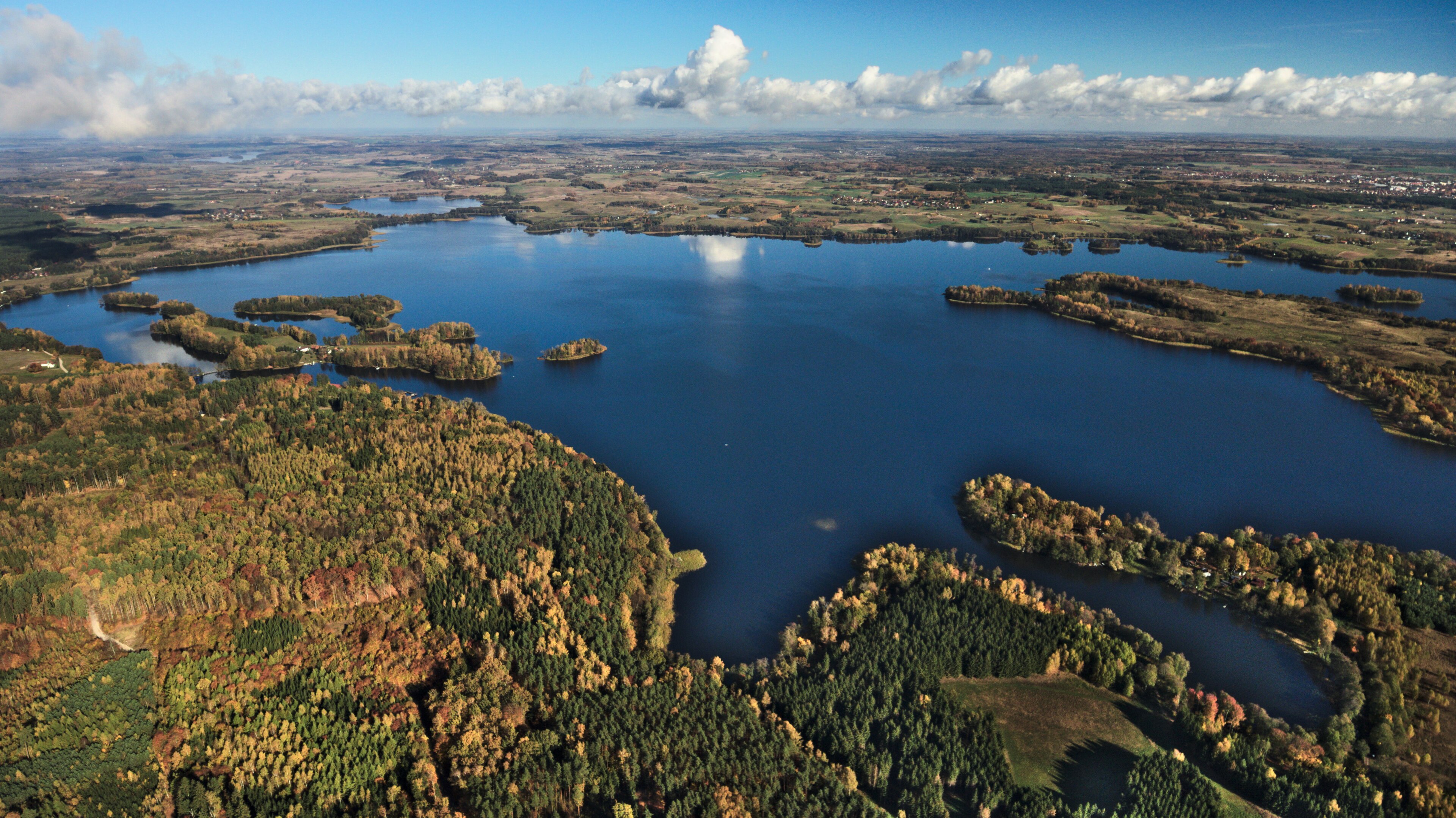
Why Masurian Lakes is Perfect for Your Celebration
- Over 2,000 interconnected lakes create a uniquely scenic, photogenic natural backdrop unavailable in most European destinations
- Lakeside manor houses and boutique resorts offer genuine privacy and exclusivity for intimate celebrations
- Long summer days (16+ hours of daylight in June–July) allow extended outdoor ceremonies and evening receptions on the water
- Sailing, kayaking, and boat-based event elements are genuinely available and distinctive to this region
- Low population density means minimal noise, crowds, or urban intrusion during private events
- Strong Polish hospitality tradition with locally sourced cuisine — fresh fish, game, and regional produce — adds authentic character to catering

Compare Masurian Lakes with Other Top Destinations
Frequently Asked Questions
Is Masurian Lakes a good destination for a wedding?
Yes, particularly for intimate destination weddings. Masurian Lakes offers a genuinely secluded, scenic setting with lakeside resorts and historic castle venues that suit smaller guest lists — typically under 150 guests. The combination of natural beauty, privacy, and water-based event elements makes it a distinctive choice for couples who want the landscape to be central to their celebration rather than simply a backdrop.
What is the best time of year to hold a celebration in Masurian Lakes?
May through September is the strongly recommended window. June and July offer the longest daylight hours (up to 16+ hours), warm temperatures, and full availability of water-based activities. May is quieter and slightly cooler; August is the busiest month but fully operational. Outside this period, cold temperatures and the closure of seasonal outdoor facilities make event planning significantly more difficult.
How do guests typically travel to Masurian Lakes?
Most guests travel by car or coach from Warsaw, approximately 200–230 km away — a journey of roughly 2.5 to 3 hours. International guests typically fly into Warsaw and arrange onward road transfers. A regional airport serves limited routes, and rail connections reach some towns in the area, but the final leg to most lakeside venues requires a car or pre-arranged group transfer.
What kinds of venues are available for events in Masurian Lakes?
The region offers lakeside resorts with outdoor terraces and jetties, restored medieval castles and manor houses, and smaller boutique guesthouses. Lakeside resorts are the most common event venue type and can accommodate groups from small gatherings to a few hundred guests. Castle properties offer a more intimate, historic atmosphere and are particularly suited to ceremonies and smaller receptions.
How many guests can Masurian Lakes venues realistically accommodate?
Most venues in the region are best suited to events of 50–250 guests. The largest resort properties can accommodate up to 500 or more for a banquet, but the overall accommodation inventory in any single lake district town is limited. For very large events, guests may need to be distributed across multiple properties, which requires careful logistical coordination.
Is local accommodation sufficient to house a full guest group?
For groups up to around 100–150 guests, a single larger resort or castle property can often accommodate the full group on-site, which is ideal for a multi-day celebration. Larger groups will typically need to use a combination of properties within the same town or lake area. Early booking — particularly for peak summer weekends — is essential, as the region's total accommodation capacity is finite.
What makes the local catering and vendor ecosystem suited to events?
Established lakeside resorts in the region have in-house catering and event coordination teams experienced with weddings and private celebrations. Regional cuisine — freshwater fish, game, wild mushrooms, and local produce — gives event menus a distinctive character. The pool of local florists, photographers, and music vendors is smaller than in a major city, so early booking and, for specialist needs, sourcing from Warsaw is advisable.
Are water-based event elements genuinely available, or just a marketing concept?
Genuinely available. Sailing excursions, kayak tours, sunset boat cruises, and boat transfers between properties are real, operational offerings during the summer season. Some venues have jetties and floating platforms that can be used for ceremonies or cocktail receptions directly on the water. These elements are a true differentiator for Masurian Lakes and are not available in most other European event destinations.
What should I know about local transport once guests arrive?
The region is almost entirely car-dependent once guests arrive. Public transport between lake district towns is limited, and the dispersed geography of resorts means that a coordinated shuttle or minibus arrangement is strongly recommended for any event where guests need to move between venues or stay at different properties. Boat transfers are a scenic and practical alternative for properties with direct lake access.
Is Masurian Lakes suitable for a birthday celebration or private party, not just a wedding?
Yes. The region's boutique resorts and castle properties are well-configured for exclusive buyouts, making them a strong fit for milestone birthdays, anniversary weekends, and family reunion gatherings. The private, nature-immersed setting suits any celebration where the group wants to be together in a distinctive environment without the distractions of an urban or tourist-heavy location.
What are the main practical challenges of planning an event in Masurian Lakes?
The key challenges are: a narrow viable season (May–September only for outdoor events), limited international flight access requiring most guests to transit through Warsaw, car-dependent local logistics, and a smaller specialist vendor pool compared to major cities. Weather variability within summer also means outdoor events should always have a credible indoor backup plan. None of these are insurmountable, but they require earlier and more active planning than an urban venue would.

Ready to explore venues in Masurian Lakes?
Masurian Lakes: Destination Wedding & Celebration Venues in Poland's Lake District
◆Masurian Lakes is best suited to intimate, nature-immersed weddings, private birthday celebrations, and small corporate retreats where seclusion and scenic beauty are the primary draw. The region's primary vibe is peaceful and secluded — thousands of interconnected lakes, dense pine forests, and low population density create a genuinely private atmosphere that urban or heritage-city destinations cannot replicate. The ideal season runs from May through September, when warm temperatures and long daylight hours make outdoor lakeside events fully viable. Accessibility is moderate: the region is reachable by car from Warsaw (roughly 2.5–3 hours) and by regional rail, but international guests will typically need a connecting journey. The overall character suits smaller, carefully curated guest lists rather than large-scale mass events.
Masurian Lakes at a Glance
| Category | Detail |
|---|---|
| Best For | Intimate weddings, private birthday celebrations, nature retreats, small corporate events |
| Primary Vibe | Peaceful & Secluded |
| Other Vibes | Romantic, Rustic, Nature-immersed, Countryside |
| Best Season | Summer (May, Jun, Jul, Aug, Sep) |
Why Choose Masurian Lakes?
- Unmatched natural scenery: With over 2,000 lakes connected by rivers and canals, the Masurian landscape offers a photographic backdrop that is genuinely rare in Central Europe — every ceremony or reception benefits from water views, forest light, and open skies.
- Genuine privacy and exclusivity: The low population density and dispersed resort geography mean that a lakeside property can be effectively privatised for a celebration, with minimal intrusion from passing tourists or urban activity.
- Extended summer daylight: June and July bring 16 or more hours of daylight, allowing outdoor ceremonies in the late afternoon and long, naturally lit evening receptions without the need for heavy artificial lighting infrastructure.
- Water-based event elements: Sailing excursions, kayak tours, sunset boat cruises, and floating ceremony platforms are genuinely available and distinctive to this region — they add an experiential dimension that most land-based destinations cannot offer.
- Authentic regional cuisine: Local catering draws on freshwater fish (pike, perch, trout), game meats, wild mushrooms, and regional Polish produce — a genuinely distinctive culinary identity that elevates event menus beyond generic banquet fare.
- Heritage venue diversity: Alongside modern lakeside resorts, the region contains restored medieval castles and manor houses that provide a historic, characterful setting for ceremonies and receptions without the crowds of a major heritage city.
Which Celebrations Work Best in Masurian Lakes?
- Intimate destination weddings: The combination of lakeside scenery, private resort settings, and a naturally romantic atmosphere makes Masurian Lakes particularly well-suited to smaller weddings — typically under 150 guests — where the couple wants the landscape itself to be a central part of the experience rather than a backdrop to a large production.
- Private birthday celebrations and milestone events: The region's boutique resorts and castle properties are well-configured for exclusive buyouts, making them a strong fit for significant birthdays, anniversaries, or family reunion weekends where privacy and a sense of occasion matter more than urban convenience.
- Nature and wellness retreats: The lakes, forests, and spa facilities at several resorts make Masurian Lakes a genuinely suitable location for corporate wellness retreats, pre-wedding group getaways, or post-event recovery stays — the natural environment does meaningful work here that a city hotel cannot replicate.
- Small corporate off-sites and team events: For groups seeking a focused, distraction-free environment with outdoor team-building options (sailing, kayaking, hiking), the region offers a credible alternative to standard conference-hotel settings, particularly during the summer months.
Venues & Event Spaces
The Masurian Lakes region offers a range of venue types that reflect its natural and historical character. The most prominent category is the lakeside resort — typically mid-to-large properties with direct water access, outdoor terraces, jetties, and indoor banquet facilities that can accommodate events from small gatherings to several hundred guests. These resorts generally combine modern amenities with natural surroundings, and many offer on-site accommodation to keep guest groups together across a multi-day celebration.
A second, distinctly characterful category is the castle or manor house. The region contains several restored medieval and Renaissance-era properties that have been converted into hotel and event venues. These offer stone-walled ceremony rooms, courtyard spaces, and a sense of historic gravitas that contrasts pleasingly with the surrounding lake landscape. Capacity at these properties tends to be more limited, making them particularly appropriate for intimate celebrations.
Beyond these two primary types, the region also has smaller boutique guesthouses and agritourism estates that suit very intimate gatherings or pre/post-event accommodation overflow. Outdoor event infrastructure — including lakeside lawns, forest clearings, and floating platforms — is available at several properties and is a genuine differentiator for couples wanting a ceremony directly on or beside the water.
Best Time to Celebrate
The curated best season for events in Masurian Lakes runs from May through September, and this window is well-justified by the region's climate and event infrastructure. May brings mild temperatures (typically 12–18°C), fresh greenery, and the reopening of water-based activities after winter — it is a quieter month that suits couples wanting lower visitor density. June and July are the peak of the season: temperatures reach 20–24°C, daylight extends well past 9 pm, and the lakes are fully navigable for sailing and boat-based event elements. August remains warm and is the most popular month for Polish domestic tourism, meaning venues are busiest but also most fully staffed and operationally prepared. September offers a gentle transition — temperatures begin to cool (15–20°C), the summer crowds thin, and the early autumn foliage begins to add colour to the landscape, creating a different but equally photogenic setting.
Outside this window, the picture changes significantly. October brings rapidly cooling temperatures and increasing rainfall, and many lakeside resorts reduce their event services or close seasonal facilities. November through March is genuinely cold — temperatures regularly fall below freezing, lakes may ice over, and outdoor event infrastructure is largely unavailable. April is a transitional month: snow is possible into early April, and while some properties begin reopening, the full range of outdoor and water-based event options is not reliably available until May. For any celebration where outdoor elements, water access, or natural scenery are central to the plan, the May–September window is not merely preferred — it is effectively the only viable period.
Getting There & Local Connectivity
The most practical route for most guests is by car from Warsaw, which sits roughly 200–230 km to the southwest of the central lake district. The drive typically takes 2.5 to 3 hours on well-maintained roads and is the standard approach for Polish guests and international visitors arriving via Warsaw Chopin Airport. For groups, private coach transfers from Warsaw are a common and well-established option that keeps the guest group together and eliminates the complexity of individual car hire.
The nearest regional airport — Olsztyn-Mazury Airport — serves a limited number of domestic and seasonal European routes, which can be useful for guests arriving from specific origins but should not be assumed to cover all international guest needs. Rail connections exist to Olsztyn and to some lake district towns, but the network is less comprehensive than in western Poland, and the final leg from a rail hub to a specific lakeside resort will typically require a car or arranged transfer.
Once guests arrive in the region, local mobility is almost entirely car-dependent. Public transport between lake district towns is limited, and the dispersed geography of resorts and venues means that a coordinated shuttle or minibus arrangement is strongly advisable for any event where guests are staying at multiple properties or need to move between a ceremony venue and a reception site. Boat transfers between lakeside properties are genuinely possible and add a memorable experiential element for guests.
Local Vendor & Hospitality Ecosystem
The Masurian Lakes region has a well-developed hospitality ecosystem relative to its size, driven by decades of domestic Polish tourism and a growing international leisure market. Lakeside resorts in the area — particularly around Mikołajki and Mrągowo — are experienced in hosting weddings and private events, and many have in-house catering, decoration, and coordination teams that reduce the need to import vendors from Warsaw or other cities.
Regional catering is a genuine strength: local suppliers provide freshwater fish, game, dairy, and seasonal produce that give event menus a distinctive and authentic character. Florists, photographers, and music vendors operating in the region are generally experienced with outdoor and lakeside settings, though the pool of specialists is smaller than in a major city, and early booking — particularly for peak summer weekends — is important.
For very large or highly bespoke events, some specialist vendors (luxury décor, international DJs, large-scale AV production) may need to be sourced from Warsaw and transported to the region, which adds logistical complexity but is entirely manageable with advance planning. The overall vendor ecosystem is well-suited to events up to approximately 200–300 guests; beyond that scale, the local supply chain requires more active management.
Pros & Things to Consider
Why Masurian Lakes Works Well
- Genuinely unique natural scenery — thousands of lakes and forests create a backdrop unavailable in most European destinations
- High degree of privacy and exclusivity, particularly at resort and castle properties that can be partially or fully bought out
- Long summer days allow extended outdoor events without artificial lighting dependency
- Water-based activities (sailing, kayaking, boat transfers) add a distinctive experiential layer to multi-day celebrations
- Authentic regional cuisine with strong local sourcing gives event catering a genuine identity
- Relatively lower event costs compared to major Western European destination wedding markets, while maintaining quality
Things to Consider
- International accessibility is limited — guests without a Warsaw connection will face a multi-leg journey, and the final transfer to the lake district requires a car or arranged coach
- The season is genuinely narrow: outside May–September, outdoor and water-based event elements are largely unavailable, and some venues reduce operations significantly
- Local venue capacity is generally suited to smaller guest lists; very large events (300+ guests) may strain the available accommodation and venue inventory in a single area
- Mobile connectivity and internet infrastructure can be patchy in more remote lake areas — worth verifying for any event requiring reliable streaming or digital coordination
- Weather variability even within summer: rain is possible in any month, and outdoor events should have a credible indoor backup plan
When Masurian Lakes May Not Be the Right Fit
- Large guest lists (300+ guests): The region's venue and accommodation inventory is best configured for intimate to mid-sized events. Hosting a very large wedding or corporate event in a single location may require spreading guests across multiple properties, adding logistical complexity.
- International guests with limited travel flexibility: If a significant portion of the guest list is travelling from outside Europe, or from countries without convenient Warsaw connections, the multi-leg journey to the lake district may be a genuine deterrent to attendance.
- Events planned outside the May–September window: Any celebration where outdoor scenery, water access, or lakeside atmosphere is central to the concept should not be planned for October through April — the natural environment and most event infrastructure are simply not available in the same form.
- Couples or planners wanting a heritage-city or urban atmosphere: Masurian Lakes is fundamentally a nature destination. Those seeking the energy of a historic city, a vibrant local culture scene, or easy access to restaurants and nightlife will find the region's quiet, rural character a poor match for their vision.