
Why Gdańsk is Perfect for Your Celebration
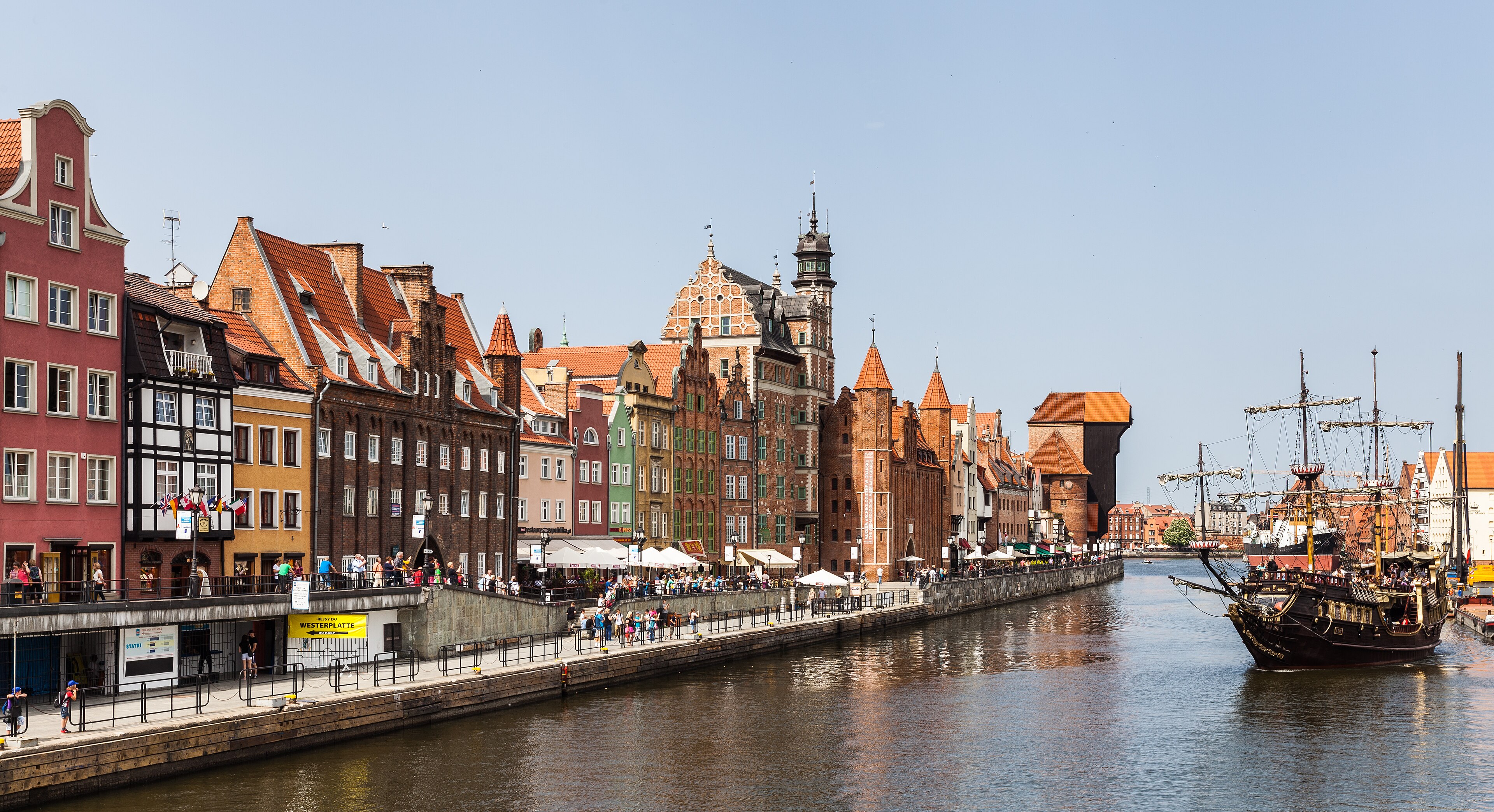
- Stunning Hanseatic Gothic architecture provides a uniquely dramatic backdrop unavailable in most European cities
- Long Baltic summer days (up to 17 hours of daylight in June–July) extend outdoor celebration windows significantly
- The historic Long Market and Motława waterfront offer iconic, photogenic settings for ceremonies and receptions
- Well-developed hotel and event infrastructure across the Tri-City area (Gdańsk, Gdynia, Sopot) expands venue options
- Gdańsk Lech Wałęsa Airport connects directly to major European hubs, making international guest travel straightforward
- Rich amber and maritime craft traditions give local décor, favors, and catering a genuinely distinctive regional character

Top Venues in Gdańsk
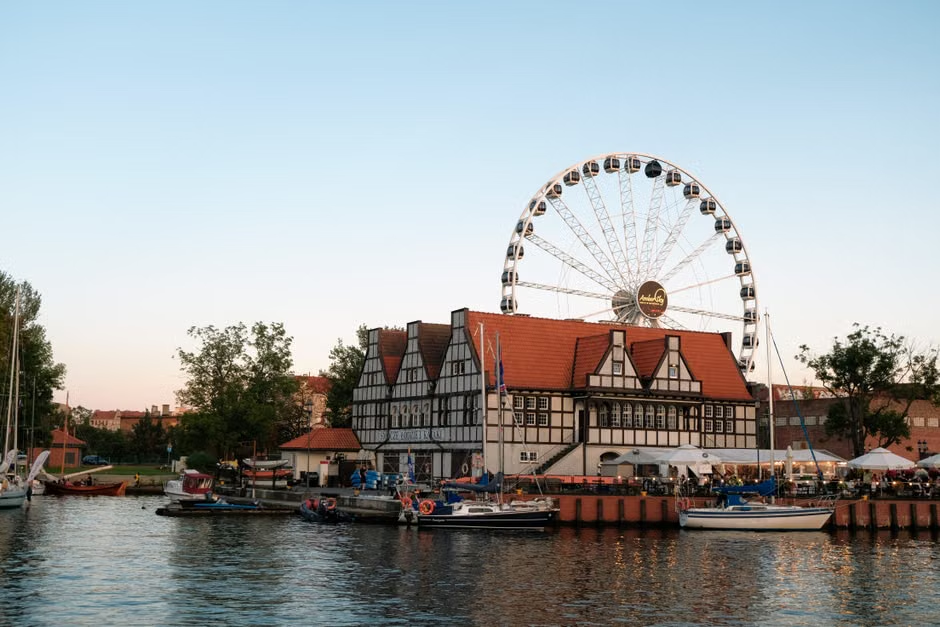
Novotel Gdańsk Marina
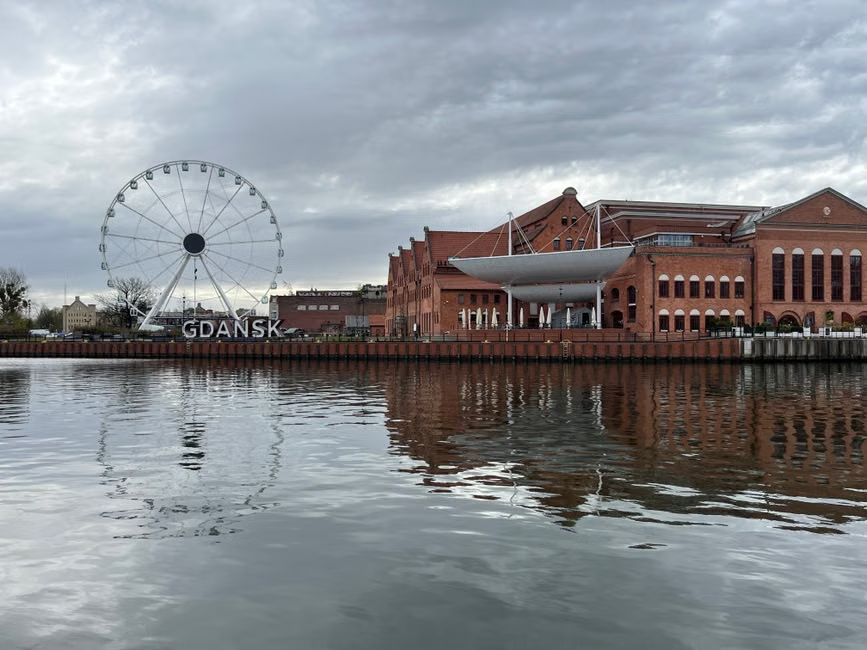
Hotel Ibis Styles Gdańsk Stare Miasto
Compare Gdańsk with Other Top Destinations
Frequently Asked Questions
Is Gdańsk a good destination for a wedding?
Yes. Gdańsk is particularly well-suited to weddings that prioritise architectural drama and a strong sense of place. Its restored Hanseatic Gothic townhouses, Motława waterfront, and heritage hotel ballrooms provide a genuinely distinctive backdrop. It works best for mid-sized weddings — typically up to 300–400 guests — where the local venue inventory is most comfortable, and during the summer season when outdoor elements are viable.
What is the best time of year to hold a wedding or event in Gdańsk?
May through September is the curated best season. June and July offer the longest daylight hours — up to 17 hours — which is a genuine practical advantage for outdoor ceremonies and evening receptions. September is often preferred for its balance of lingering warmth, reduced tourist crowds, and beautiful early-autumn light. October through April brings cold Baltic conditions that significantly limit outdoor event options.
How do guests typically travel to Gdańsk for a destination event?
Most guests arrive via Gdańsk Lech Wałęsa Airport (GDN), approximately 12 km from the city center, which has direct connections to major European hubs including London, Amsterdam, and Frankfurt. Domestic guests from Warsaw, Kraków, and other Polish cities often travel by express train to Gdańsk Główny (Central Station), which sits within the historic core and takes around 3 hours from Warsaw.
What guest group sizes can Gdańsk venues realistically support?
Gdańsk's venue inventory comfortably supports gatherings from intimate celebrations of 30–50 guests up to mid-sized events of 300–400 guests. Heritage properties along the Motława typically suit smaller, more atmospheric gatherings, while the larger international-brand hotels can accommodate banquets of 200–400 guests. For events above 500 guests requiring a single venue, options become limited and early planning is essential.
What kinds of event spaces are available in Gdańsk?
Gdańsk offers a varied mix: international-brand hotel ballrooms with modern event infrastructure, restored Hanseatic heritage properties with exceptional architectural character, converted industrial spaces in the Młode Miasto district, and outdoor waterfront terraces suitable for summer receptions. The broader Tri-City area (including Sopot and Gdynia) expands options further with beach resort and modernist venue styles within easy reach.
Is Gdańsk suitable for corporate events and incentive travel?
Yes. Gdańsk's combination of strong European flight connectivity, distinctive historic setting, and professional conference infrastructure makes it a credible choice for incentive groups, leadership retreats, and product launches. The city's compact walkability and high English-language proficiency among hospitality staff reduce logistical friction for international corporate groups.
How easy is it for guests to get around Gdańsk once they arrive?
Very straightforward. The historic center is compact and walkable, meaning most ceremony venues, reception spaces, and accommodation are within comfortable walking distance of each other. The Tri-City SKM commuter rail links Gdańsk, Sopot, and Gdynia efficiently for guests spread across the area. Private coach hire for group transfers between venues is readily available and commonly used for wedding parties.
Does Gdańsk have a strong local vendor and catering ecosystem for events?
Generally yes, particularly for mid-sized events. Gdańsk has a mature base of wedding planners, florists, AV companies, and caterers with international experience. Baltic seafood and regional Polish cuisine are genuine local catering strengths. For very large or technically complex productions, supplementing with Warsaw-based suppliers may be advisable, as the local ecosystem — while capable — is not as deep as Poland's largest cities.
What makes Gdańsk's setting distinctive compared to a generic European city venue?
Gdańsk's Hanseatic Gothic architecture — the Long Market, the Crane Gate, the coloured merchant townhouses — is genuinely rare in Europe and provides a ceremony and photography backdrop with real historical weight. The amber heritage, Baltic waterfront, and Kashubian folk traditions also give local décor, catering, and entertainment a distinctive regional identity that enriches celebrations beyond what a generic hotel setting can offer.
Should I plan a weather contingency for an outdoor event in Gdańsk?
Yes, always. Even during the best summer months, the Baltic climate can produce cool, overcast days and rain at short notice. Any outdoor ceremony or reception in Gdańsk should have a clearly defined indoor backup space or a quality marquee arrangement. This is standard practice among local event planners and should be built into the planning process from the outset, not treated as an afterthought.
Is Gdańsk safe and easy to navigate for international guests unfamiliar with Poland?
Yes. Gdańsk consistently ranks among Poland's safest and most visitor-friendly cities. English-language proficiency is high among hospitality, retail, and transport staff in the tourist areas. Signage in the historic center is clear, the city is well-lit and well-policed, and the compact layout means guests are rarely far from their accommodation or the main event venues.

Ready to explore venues in Gdańsk?
Gdańsk: Destination Wedding & Cultural Event Venues on the Baltic Coast
◆Gdańsk is a historic Baltic port city in northern Poland, best suited to weddings, cultural celebrations, corporate events, and milestone gatherings that benefit from a dramatic architectural backdrop and a strong sense of place. Its primary vibe is Cultural & Timeless, rooted in Hanseatic Gothic townhouses, amber heritage, and a living waterfront along the Motława River. The ideal season runs from May through September, when long daylight hours and warm temperatures make outdoor ceremonies and receptions genuinely viable. The city is well-connected via its own international airport and a central railway station, making it accessible for both domestic Polish guests and international visitors arriving from across Europe.
Gdańsk at a Glance
| Category | Detail |
|---|---|
| Best For | Weddings, Cultural Celebrations, Corporate Events, Milestone Gatherings |
| Primary Vibe | Cultural & Timeless |
| Other Vibes | Historic, Coastal, Romantic, Festive |
| Best Season | Summer (May, Jun, Jul, Aug, Sep) |
Why Choose Gdańsk?
- Unmatched architectural character: Gdańsk's meticulously restored Hanseatic Gothic streetscapes — the Long Market, the Green Gate, the Crane Gate on the Motława — provide a ceremony and photography backdrop that is genuinely rare in European event destinations.
- Extended summer daylight: At this northern latitude, June and July bring up to 17 hours of daylight, giving outdoor receptions and evening celebrations a naturally luminous quality that warmer southern destinations cannot replicate.
- Tri-City flexibility: Gdańsk sits within the Tri-City metropolitan area alongside Gdynia and Sopot, effectively tripling the range of venues, accommodation, and catering options available to event planners without requiring guests to travel far.
- Strong international connectivity: Gdańsk Lech Wałęsa Airport (GDN) operates direct routes to major European hubs including London, Amsterdam, Frankfurt, and Copenhagen, making it straightforward for international guests to attend.
- Distinctive regional identity: Amber craftsmanship, Baltic seafood cuisine, and Kashubian folk traditions give local catering, décor, and entertainment a genuinely distinctive regional character that enriches any celebration.
- Safe, walkable, well-organised city: Gdańsk consistently ranks among Poland's safest and most visitor-friendly cities, with a compact historic core that guests can navigate comfortably on foot, reducing logistical complexity for large groups.
Which Celebrations Work Best in Gdańsk?
- Weddings: The combination of Gothic church interiors, riverside terraces, and heritage hotel ballrooms makes Gdańsk particularly well-suited to couples seeking a ceremony with genuine historical weight and visual drama. Both intimate and mid-sized weddings are well-supported by the local venue inventory.
- Cultural celebrations & milestone events: Anniversaries, significant birthdays, and family reunions benefit from Gdańsk's rich cultural programming — the city hosts major summer festivals that can complement a private celebration with a broader festive atmosphere.
- Corporate events & incentive travel: Gdańsk's conference infrastructure, combined with its strong European flight connections and distinctive setting, makes it a credible choice for incentive groups, product launches, and leadership retreats seeking something beyond a generic business hotel environment.
- Engagement parties & pre-wedding gatherings: The waterfront promenade, amber-lit old town bars, and summer evening light create a naturally romantic setting for smaller pre-wedding events that set a memorable tone for the celebration ahead.
Venues & Event Spaces
Gdańsk offers a genuinely varied landscape of event spaces. At the upper end, international-brand luxury hotels provide purpose-built ballrooms and banquet halls with modern AV infrastructure, professional event coordination, and accommodation blocks that can house a substantial guest list under one roof. Heritage properties — many occupying restored Hanseatic merchant houses or historic granaries along the Motława — offer smaller, more intimate spaces with exceptional architectural character, typically better suited to gatherings of under 150 guests where atmosphere takes priority over scale.
Beyond hotels, the city has a growing stock of dedicated event venues: converted industrial spaces in the Młode Miasto (Young City) district, historic fortification buildings, and waterfront terraces that can be hired for private receptions. Outdoor ceremonies in the historic core — on cobbled squares, riverside terraces, or within the grounds of heritage properties — are a genuine option during the summer season, though they require careful weather contingency planning given the Baltic climate's variability even in summer. The Tri-City area as a whole expands options further, with Sopot's beach resort character and Gdynia's modernist architecture offering distinct alternatives within easy reach.
Best Time to Celebrate
The curated best season for events in Gdańsk runs from May through September, and this recommendation is grounded in several concrete factors beyond simply "the weather is nice."
May and June offer the most comfortable conditions for outdoor ceremonies — temperatures typically range from 15°C to 22°C, rainfall is moderate, and the city has not yet reached peak tourist density. The extraordinarily long daylight hours in June (sunset after 9 pm) allow evening receptions to begin outdoors in natural light, a quality that is genuinely difficult to replicate at other times of year.
July and August are the warmest months, with temperatures occasionally reaching 25°C–28°C, and represent the peak of Gdańsk's summer festival calendar. The city is at its most vibrant and photogenic, though accommodation demand is highest and advance planning is essential. The Baltic can be warm enough for swimming, adding a leisure dimension for guests staying multiple days.
September is often considered the most balanced month — summer warmth lingers, crowds thin noticeably after the school-holiday peak, and the early autumn light gives a golden quality to outdoor photography. It is frequently the preferred month for couples who want summer conditions without peak-season logistical pressure.
October through April present genuine challenges for event planning. Temperatures drop sharply from October onward, with January and February averages around 0°C–2°C. Grey skies, short daylight hours, and cold winds off the Baltic make outdoor elements impractical for most of this period. Indoor-only events are possible year-round, but the destination's strongest assets — its waterfront, its Gothic streetscapes, its outdoor terraces — are largely inaccessible in the colder months. April can bring pleasant days but remains unpredictable, with cold snaps capable of disrupting outdoor plans at short notice.
Getting There & Local Connectivity
By air: Gdańsk Lech Wałęsa Airport (GDN) is located approximately 12 km from the city center and is well-served by both full-service and low-cost European carriers. Direct connections exist to major hubs including London, Amsterdam, Frankfurt, Copenhagen, and several other European capitals, making it genuinely accessible for international guest groups. The airport is compact and efficient, with journey times to the city center of around 25–35 minutes by taxi, ride-share, or the SKM commuter rail link.
By rail: Gdańsk Główny (Central Station) sits within the historic core and connects the city directly to Warsaw (approximately 3 hours by express train), Kraków, Wrocław, and the broader Polish rail network. For domestic guests, the train is often the most comfortable and reliable option. The Tri-City SKM commuter rail network links Gdańsk, Gdynia, and Sopot efficiently, making it easy for guests accommodated across the three cities to reach a single event venue.
Local movement: The historic center is compact and walkable, which significantly reduces the logistical burden of moving large guest groups between accommodation, ceremony venues, and reception spaces. For guests spread across the Tri-City area, the SKM rail and a well-developed tram and bus network provide reliable options. Private coach hire for group transfers is readily available and commonly used for wedding parties.
Local Vendor & Hospitality Ecosystem
Gdańsk has a mature and growing event vendor ecosystem, particularly for weddings and corporate events. The city's tourism infrastructure — developed significantly over the past two decades as it has become one of Poland's most visited destinations — has brought with it a corresponding growth in professional event services: wedding planners with international experience, florists familiar with both local and imported materials, catering companies capable of delivering both traditional Polish menus and contemporary European cuisine, and AV and production companies equipped for mid-to-large scale events.
The amber and maritime craft traditions of the region give local artisan suppliers a distinctive offering for bespoke favors, table décor, and ceremonial elements that genuinely reflect the destination's identity. Baltic seafood — particularly fresh fish, smoked eel, and local shellfish — is a genuine regional catering strength that can anchor a memorable wedding menu.
English-language proficiency among hospitality professionals in Gdańsk is generally high by Polish standards, which reduces communication friction for international couples or corporate clients planning remotely. That said, for very large or highly complex events, engaging a local event coordinator with established supplier relationships is strongly advisable, as the ecosystem — while capable — is not as deep as that of Warsaw or Kraków for the very largest productions.
Pros & Things to Consider
Why Gdańsk Works Well
- Genuinely distinctive Gothic and Hanseatic architectural backdrop unavailable in most European cities
- Long summer daylight hours create exceptional conditions for outdoor ceremonies and evening receptions
- Good international air connectivity via GDN airport, with direct European routes
- Compact, walkable historic center reduces guest logistics complexity significantly
- Tri-City area expands accommodation and venue options without requiring long transfers
- Strong regional food and craft identity enriches catering and décor with genuine local character
- Very safe, well-organised city with high English-language proficiency in hospitality
Things to Consider
- Seasonal dependency is real: The destination's strongest assets are outdoor and weather-dependent; outside May–September, the Baltic climate significantly limits what is practically achievable for celebrations with outdoor elements.
- Peak summer demand: July and August bring high tourist volumes that affect accommodation availability and pricing; events planned for these months require earlier lead times than many comparable European destinations.
- Venue scale ceiling: For very large gatherings — typically above 400–500 guests — the local venue inventory may require creative solutions or splitting groups across multiple properties, as single-venue capacity at that scale is limited compared to major capital cities.
- Weather variability even in summer: The Baltic climate can produce cool, overcast days and rain even in July and August; robust weather contingency planning (indoor backup spaces, marquees) is essential for any outdoor ceremony or reception.
- Vendor depth for very large productions: While the ecosystem is capable for mid-sized events, very large or technically complex productions may need to supplement local suppliers with Warsaw-based vendors, adding logistical layers.
When Gdańsk May Not Be the Right Fit
- Outdoor-focused events planned for October through April: If the vision centres on outdoor ceremonies, garden receptions, or alfresco dining, the Baltic winter and shoulder seasons make this genuinely impractical for most of the year.
- Very large guest lists (500+) requiring a single venue: The local inventory of single-site venues capable of hosting 500 or more guests under one roof is limited; couples or planners with guest lists at this scale may find a larger Polish city or a purpose-built resort destination more practical.
- Guests travelling from outside Europe with no direct connections: While European connectivity is strong, guests arriving from South Asia, the Americas, or East Asia will typically require a connection through a major European hub, adding travel time and complexity that may not suit all guest profiles.
- Events requiring a tropical or warm-climate aesthetic year-round: Gdańsk's identity is fundamentally northern European — Gothic, maritime, amber-toned. Couples or planners seeking a Mediterranean, tropical, or warm-weather destination aesthetic will find the local environment works against rather than with that vision.