
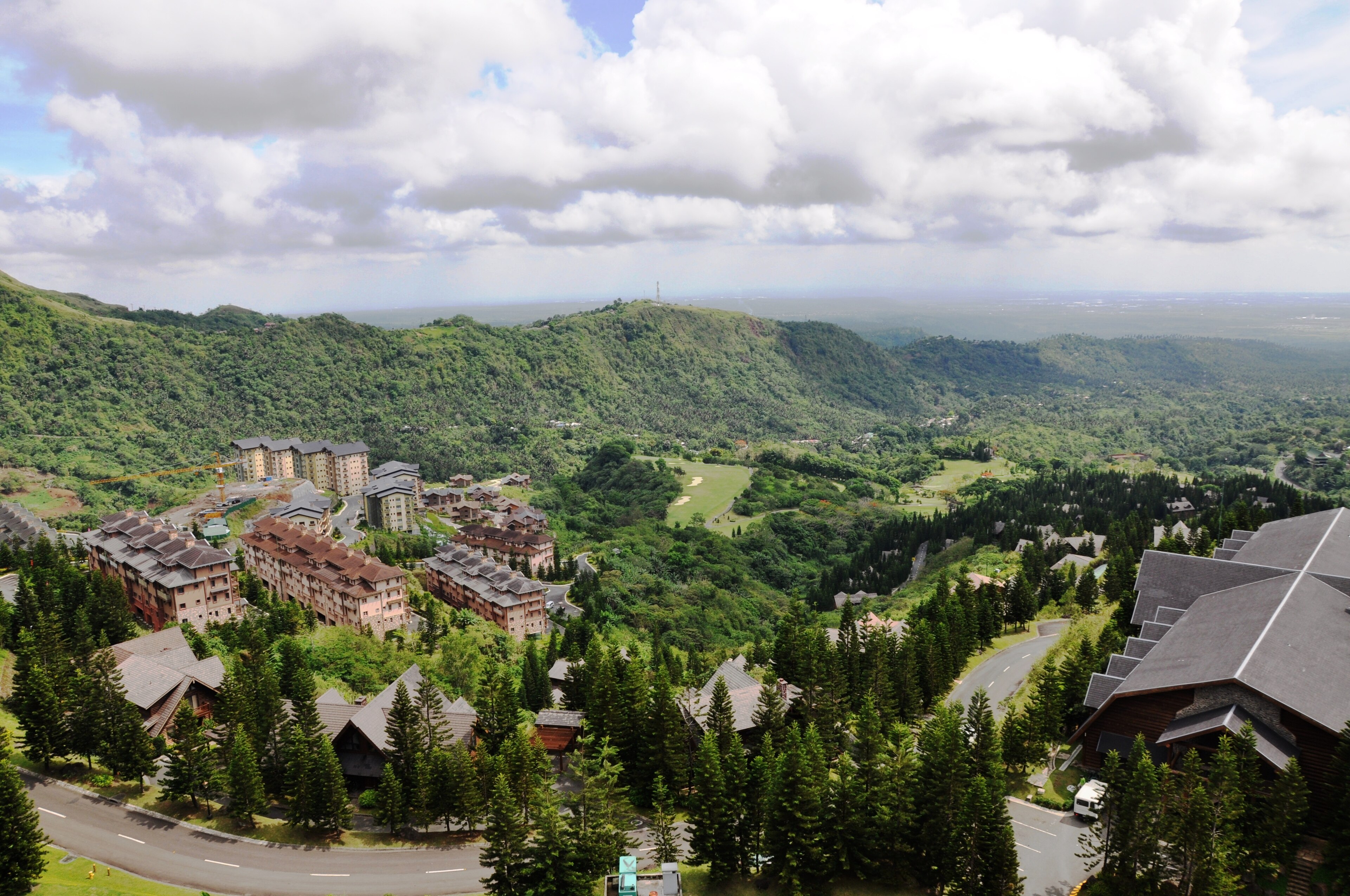
Why Tagaytay is Perfect for Your Celebration
- Dramatic Taal Volcano and Taal Lake backdrop unique to this destination
- Cool highland climate (18°C–24°C in peak season) keeps outdoor events comfortable
- Wide range of garden, chapel, and resort venues suited to intimate gatherings
- Only 1.5–2 hours from Metro Manila — easy day-trip or overnight for guests
- Strong local hospitality ecosystem with experienced wedding vendors and caterers
- Naturally scenic setting reduces need for heavy décor investment

Compare Tagaytay with Other Top Destinations
Frequently Asked Questions
Is Tagaytay a good destination for a wedding?
Yes, particularly for intimate weddings. Tagaytay is one of the Philippines' most established destination wedding locations, offering a cool highland climate, the dramatic Taal Volcano backdrop, and a mature local vendor ecosystem. It is best suited to weddings in the 50–300 guest range; very large-scale events may find the local venue inventory more limited.
What is the best time of year to hold a wedding or event in Tagaytay?
January, February, March, April, and December are the recommended months. These fall within the Philippine dry season, when rainfall is minimal and Tagaytay's highland temperatures are at their most comfortable — typically 18°C to 24°C during the day. January and February are generally the most reliably clear and dry.
How do guests get to Tagaytay from Manila?
By road via the South Luzon Expressway, typically a 1.5 to 2-hour drive from Metro Manila under normal traffic conditions. There is no railway connection and no commercial airport in Tagaytay itself. For event groups, chartered buses or vans from Manila are the standard and most practical arrangement to ensure timely, coordinated arrival.
Which airport do guests fly into when traveling to Tagaytay?
Ninoy Aquino International Airport (MNL) in Metro Manila is the primary gateway. From there, guests travel to Tagaytay entirely by road — approximately 60–80 km south via the South Luzon Expressway. There is no airport closer to Tagaytay itself.
What kinds of venues are available in Tagaytay for events?
The venue landscape is dominated by garden resorts, hillside resort properties, and boutique farm estates — many offering integrated ceremony and reception spaces. Outdoor garden lawns with Taal Volcano views are the signature venue type. Some properties also feature covered or indoor reception halls for weather contingency. The inventory is strongest for events of 50–300 guests.
Can Tagaytay accommodate a large guest list?
Comfortably up to around 300 guests at most established resort properties; some larger venues can stretch to 400–500. For events significantly above that range, the local venue supply becomes constrained. Very large-scale events are generally better served by Metro Manila or other major Philippine cities with convention-scale infrastructure.
Is it safe to plan an outdoor event in Tagaytay during the rainy season?
Generally not recommended. June through October is the Philippine typhoon season, and Tagaytay — despite its elevation — is exposed to heavy rainfall and strong winds during this period. Outdoor events carry real weather risk, and road travel from Manila can be disrupted. Events during these months should have robust indoor backup plans or consider a different season entirely.
How experienced are local vendors in Tagaytay with destination weddings?
Very experienced. Tagaytay has been a destination wedding location for over two decades, and a well-developed community of local and Manila-based vendors — coordinators, florists, caterers, photographers — regularly works there. Many resort properties also have in-house events teams familiar with the specific logistics of highland outdoor celebrations.
What makes Tagaytay different from other Philippine wedding destinations?
The combination of a cool highland climate and the Taal Volcano and Taal Lake backdrop is genuinely distinctive — no other easily accessible Philippine destination offers the same natural setting. The cool temperatures during the dry season make outdoor events comfortable in a way that lowland Philippine destinations typically cannot match.
How should we handle accommodation for a large guest group in Tagaytay?
Plan for accommodation across multiple properties. No single Tagaytay venue operates at the scale of a large Metro Manila convention hotel, so larger guest groups will typically be distributed across several resort properties. Coordinated shuttle transfers between accommodation and the event venue are standard practice and should be built into the event logistics plan.
Is Tagaytay suitable for a prenuptial photo shoot?
Yes — it is one of the Philippines' most popular prenuptial shoot destinations. The Taal Volcano ridge, misty mornings, garden estates, and scenic highland roads provide a visually rich and varied backdrop. Many couples plan a Tagaytay prenuptial shoot even when their main wedding ceremony is held elsewhere.

Ready to explore venues in Tagaytay?
Tagaytay: Destination Wedding & Event Venues in the Philippine Highlands
◆Tagaytay is a highland city in Cavite province, Philippines, best suited for intimate weddings, prenuptial events, private social gatherings, and small corporate retreats. Its primary draw is a cool, breezy climate and a dramatic natural backdrop — the Taal Volcano and Taal Lake — that few Philippine destinations can match. The best season runs from January through April and again in December, when rainfall is minimal and temperatures are at their most comfortable. Tagaytay is accessible by road from Metro Manila in roughly 1.5 to 2 hours, making it a practical choice for guests based in the capital, though it has no direct rail connection and no commercial airport of its own.
Tagaytay at a Glance
| Category | Details |
|---|---|
| Best For | Intimate Weddings, Prenuptial Shoots, Private Social Celebrations, Small Corporate Retreats |
| Primary Vibe | Peaceful & Secluded |
| Other Vibes | Romantic, Nature-Immersed, Scenic |
| Best Season | Cool / Mild Season (Jan, Feb, Mar, Apr, Dec) |
Why Choose Tagaytay?
- Unmatched natural backdrop: The Taal Volcano and Taal Lake panorama is one of the most photographed and celebrated natural settings in the Philippines, providing a built-in visual centerpiece for ceremonies and receptions that no amount of décor can replicate.
- Cool highland climate: Sitting at roughly 600–700 meters above sea level, Tagaytay is noticeably cooler than Metro Manila and most Philippine lowland cities. During the best season months, daytime temperatures typically range from 18°C to 24°C — genuinely comfortable for outdoor events and formal attire.
- Proximity to Metro Manila: At approximately 60–80 km south of Manila via the South Luzon Expressway, Tagaytay is close enough for guests to travel on the day of an event without requiring overnight stays, while still feeling like a genuine destination escape.
- Diverse venue types: The city and its immediate surroundings offer garden resorts, chapel-and-reception combos, hillside event lawns, and boutique resort properties — a range that suits intimate gatherings of 50 to mid-scale events of several hundred guests.
- Mature wedding and events industry: Tagaytay has been a preferred Philippine wedding destination for well over two decades. Local vendors — florists, caterers, photographers, coordinators — are experienced with destination event logistics and familiar with the specific requirements of highland outdoor celebrations.
- Natural scenery reduces décor dependency: The landscape itself — rolling ridges, pine-scented air, lake views — means that even modestly decorated venues feel visually rich, which can work in favor of couples prioritizing experience over elaborate production.
Which Celebrations Work Best in Tagaytay?
- Intimate Weddings (50–200 guests): Tagaytay is most naturally suited to smaller, more personal weddings. The venue inventory skews toward boutique resorts and garden properties rather than large convention-scale ballrooms, and the overall atmosphere — quiet, scenic, unhurried — reinforces an intimate tone. Couples who want a meaningful setting over a grand production will find Tagaytay particularly well-matched.
- Prenuptial and Post-Wedding Shoots: The Taal Volcano ridge, misty mornings, garden estates, and rustic highland roads make Tagaytay one of the Philippines' most popular prenuptial photography destinations. Many couples plan a shoot here even if their main wedding is held elsewhere.
- Private Social Celebrations (debuts, anniversaries, milestone birthdays): The city's resort properties are well-configured for private buyouts and exclusive-use events. A debut or anniversary celebration in a hillside garden setting, with the lake as a backdrop, carries a distinctly different character from a Metro Manila hotel ballroom event.
- Small Corporate Retreats and Team Events: Tagaytay's proximity to Manila and its cooler, calmer environment make it a practical choice for leadership offsites, team-building retreats, and small corporate gatherings where the goal is to step away from the city without a long journey.
Venues & Event Spaces
Tagaytay's event venue landscape is defined primarily by garden resorts and hillside resort properties, many of which offer integrated ceremony and reception spaces on a single property. Outdoor garden lawns with volcano views are the signature venue type — these are typically open-air or semi-covered, designed to take advantage of the natural scenery and cool breeze. Several properties also feature chapel or garden ceremony spaces paired with indoor or covered reception halls, allowing couples to plan for weather contingencies without sacrificing the outdoor aesthetic.
Beyond the main resort properties, the broader Tagaytay area — including nearby Alfonso in Cavite and the Laurel area of Batangas — includes boutique farm estates and garden venues that specialize in intimate, nature-immersed celebrations. These tend to be smaller-capacity, exclusive-use properties particularly well-suited to weddings of under 150 guests. For larger events, the more established resort hotels along Aguinaldo Highway offer ballroom and function hall spaces that can accommodate several hundred guests while still providing access to outdoor terraces and lake-view areas. Overall, the venue inventory in Tagaytay is strongest for events in the 50–300 guest range; very large-scale events of 500 or more guests may find the local supply more constrained.
Best Time to Celebrate
The real curated best season for Tagaytay — January, February, March, April, and December — aligns with the Philippine dry season and the months when the highland climate is at its most favorable for outdoor events.
During these months, rainfall is minimal, skies are generally clear, and temperatures along the Tagaytay ridge typically sit between 18°C and 24°C during the day — cool enough to be genuinely comfortable for formal attire and outdoor ceremonies, but not cold enough to require special provisions for guests. December in particular carries a festive atmosphere and is one of the most popular months for weddings in the Philippines generally, with Tagaytay's cool December air adding to its appeal.
January and February are often considered the most reliably dry and clear months, with the lowest humidity and the best visibility for Taal Volcano views — important for photography and for the overall visual experience of an outdoor event. March and April remain dry but temperatures begin to climb slightly as the pre-monsoon period approaches; outdoor events in April should plan for warmer afternoons, though evenings remain pleasant.
May marks the transition into the wet season and is generally less predictable — humidity rises sharply and early rains can begin, making outdoor event planning riskier. June through October is the typhoon season in the Philippines, and Tagaytay — while somewhat sheltered by its elevation — is not immune to heavy rainfall, strong winds, and the disruption that typhoon-adjacent weather brings. Outdoor events during these months carry meaningful weather risk, and even indoor events can be affected by road conditions and guest travel disruptions. November is a transitional month; rains typically ease but can linger, and it is generally treated as a shoulder period rather than a reliable event month.
Getting There & Local Connectivity
Tagaytay has no commercial airport of its own. The primary gateway for guests is Ninoy Aquino International Airport (MNL) in Metro Manila, which is served by a wide range of domestic and international carriers. From the airport, Tagaytay is reached entirely by road — typically via the South Luzon Expressway (SLEX) and Sta. Rosa–Tagaytay Road or Aguinaldo Highway. Under normal traffic conditions, the drive takes approximately 1.5 to 2 hours; on peak weekends or holiday periods, this can extend to 2.5–3 hours, which is a meaningful consideration for event-day logistics.
There is no railway connection to Tagaytay. All guest movement to and within the city is road-based. For event groups, private chartered buses and vans from Manila are the standard and most practical arrangement — they allow the group to travel together, avoid individual navigation challenges, and ensure timely arrival. Local transport within Tagaytay itself is limited; the city is spread along a ridge road, and guests staying at different properties will generally need vehicle transfers rather than being able to walk between venues. Event planners should factor in a dedicated transport arrangement for the full guest group rather than assuming guests can self-navigate locally.
Road conditions in Tagaytay are generally good along the main Aguinaldo Highway corridor, though some resort properties and garden venues sit on narrower access roads that may require smaller vehicles. For large groups arriving by coach, it is worth confirming vehicle access with the venue in advance.
Local Vendor & Hospitality Ecosystem
Tagaytay has one of the more developed wedding and events vendor ecosystems outside of Metro Manila in the Philippines. Because the city has been a destination wedding location for many years, a substantial community of local and Manila-based vendors who regularly work in Tagaytay has developed — including wedding coordinators, florists, photographers, caterers, and entertainment providers who are familiar with the specific logistics of highland outdoor events.
Many of the established resort properties have in-house catering and events teams with direct experience managing destination weddings, which simplifies coordination for couples who prefer a more integrated planning process. For couples who prefer to bring in external vendors, the proximity to Manila means that Metro Manila-based suppliers can travel to Tagaytay without the extended logistics that more remote destinations require.
The local food and beverage scene is also notably strong for a city of Tagaytay's size — the city is well-known within the Philippines for its restaurant culture, and several local catering operations have built reputations specifically around highland event dining. Accommodation for guests is available across a range of resort properties in and around the city, though for very large guest groups, accommodation may need to be spread across multiple properties, as no single venue in Tagaytay operates at the scale of a large Metro Manila convention hotel.
Pros & Things to Consider
Why Tagaytay Works Well
- Genuinely distinctive natural setting — Taal Volcano backdrop is a rare and memorable visual anchor for any celebration
- Cool highland climate makes outdoor events comfortable during the best season months, unlike most Philippine lowland destinations
- Close enough to Metro Manila for day-trip guests, yet feels like a true destination escape
- Mature local vendor ecosystem with experienced wedding and events professionals
- Variety of venue types — from garden estates to resort ballrooms — suits different event styles and sizes
- Strong local food culture adds to the overall guest experience
Things to Consider
- No rail access and no local airport: All guests travel by road, and weekend traffic on the Manila–Tagaytay corridor can be heavy — event-day transport planning is essential, not optional
- Typhoon season risk (June–October): Outdoor events during these months carry real weather risk; even indoor events can be disrupted by road conditions and guest travel delays
- Venue capacity ceiling: Tagaytay is not well-suited to very large events (500+ guests); the local venue inventory is strongest for intimate to mid-scale gatherings
- Weekend congestion: Tagaytay is a popular weekend destination for Metro Manila residents, which means the city itself — restaurants, roads, and some venues — can feel crowded on peak weekends, particularly during the dry season
- Accommodation spread: Large guest groups may need to be distributed across multiple properties, requiring additional coordination for transfers and logistics
When Tagaytay May Not Be the Right Fit
- Large-scale events of 500 or more guests: The local venue inventory does not comfortably support very large gatherings. Couples or planners expecting a grand ballroom at convention-hotel scale will find the options limited compared to Metro Manila or Cebu.
- Events planned during June through October: The typhoon season brings genuine weather risk to outdoor events and can disrupt road travel for guests. If the event date falls in this window and outdoor elements are important, a different destination or a fully indoor venue in a less weather-exposed location would be more reliable.
- Guests traveling from outside the Philippines or from distant Philippine regions: Tagaytay's accessibility is strongest for Metro Manila-based guests. International guests or those flying in from Visayas or Mindanao face a multi-leg journey (international or inter-island flight to Manila, then a road transfer) that adds meaningful travel complexity compared to a destination with its own airport.
- Couples seeking a large, urban, high-production celebration: Tagaytay's character is inherently peaceful, scenic, and intimate. Couples who want a high-energy, large-format celebration with extensive production infrastructure — multiple ballrooms, large entertainment stages, convention-scale logistics — will find Metro Manila or Cebu better equipped for that vision.