
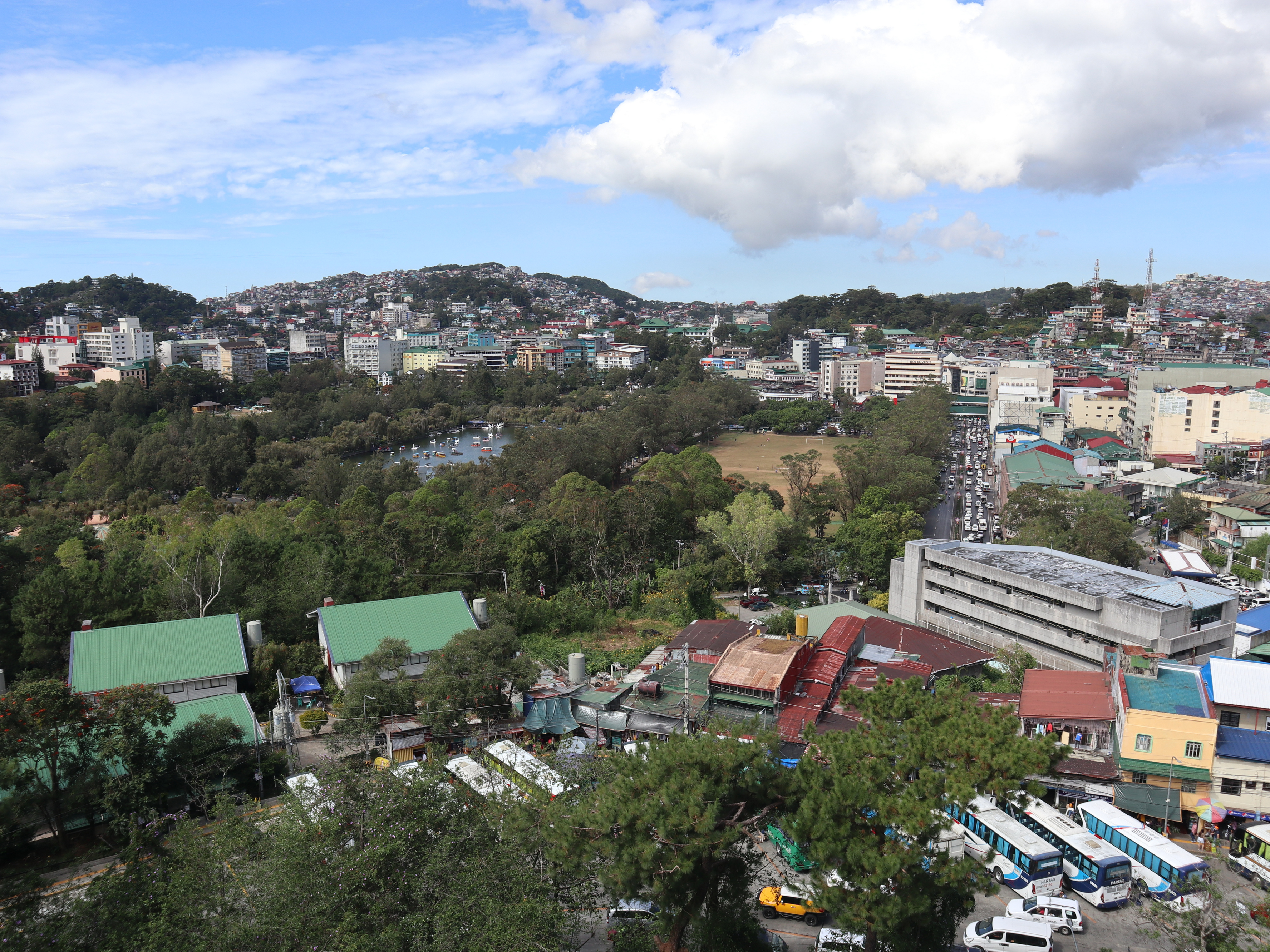
Why Baguio is Perfect for Your Celebration
- Cool highland climate (13°C–23°C) makes outdoor celebrations genuinely comfortable year-round in dry months
- Pine-forested mountain scenery provides a naturally dramatic, photogenic backdrop unlike any lowland Philippine city
- Garden estates and mountain resorts offer intimate, private settings well-suited to smaller weddings and milestone events
- Strong local hospitality infrastructure built around decades of domestic tourism and retreat hosting
- Accessible from Manila via well-established bus routes, making it reachable for most Philippine-based guests
- Colonial-era architecture and heritage parks add a distinctive character to event photography and décor

Top Venues in Baguio
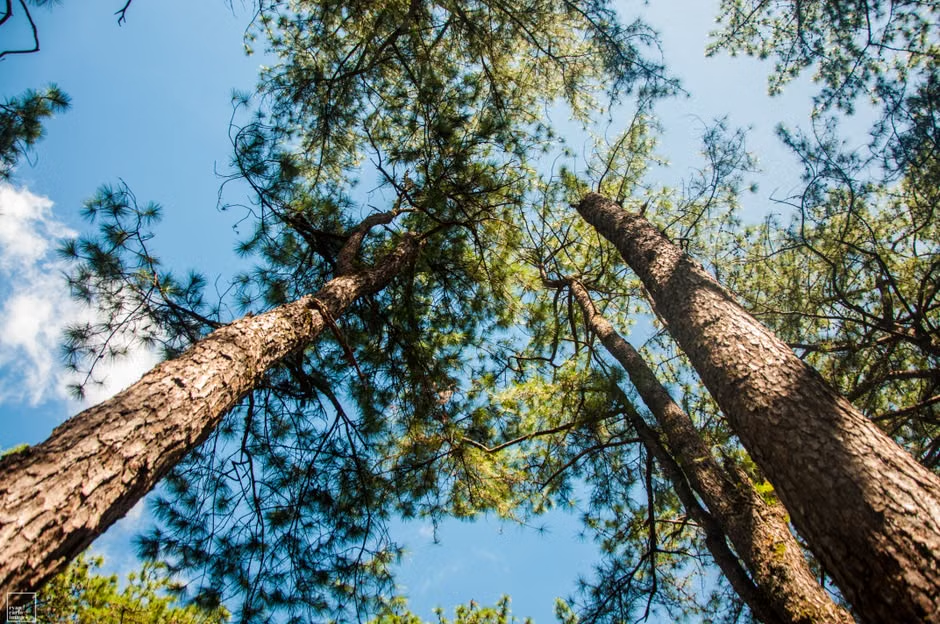
Forest Lodge at Camp John Hay
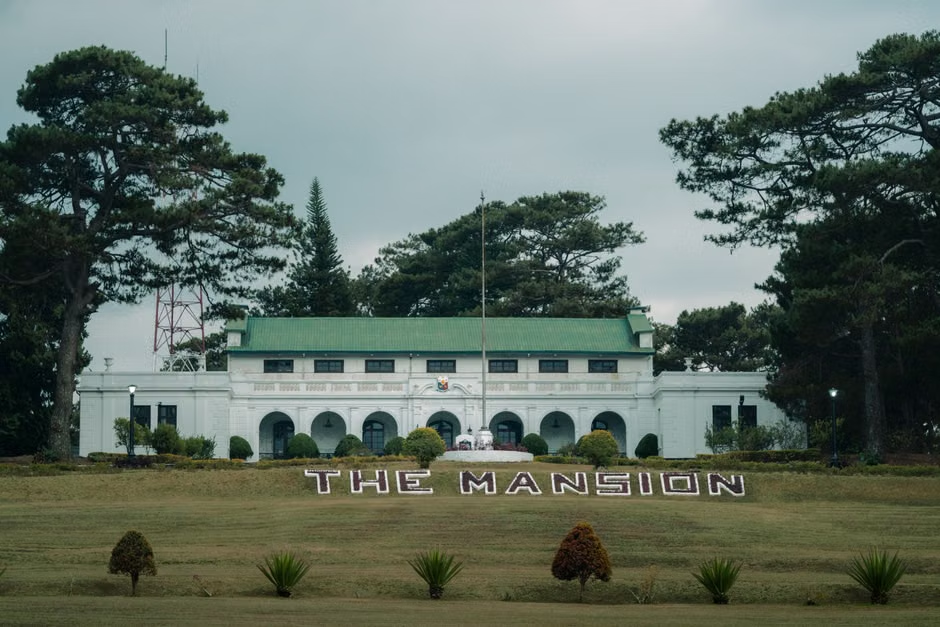
Baguio Country Club
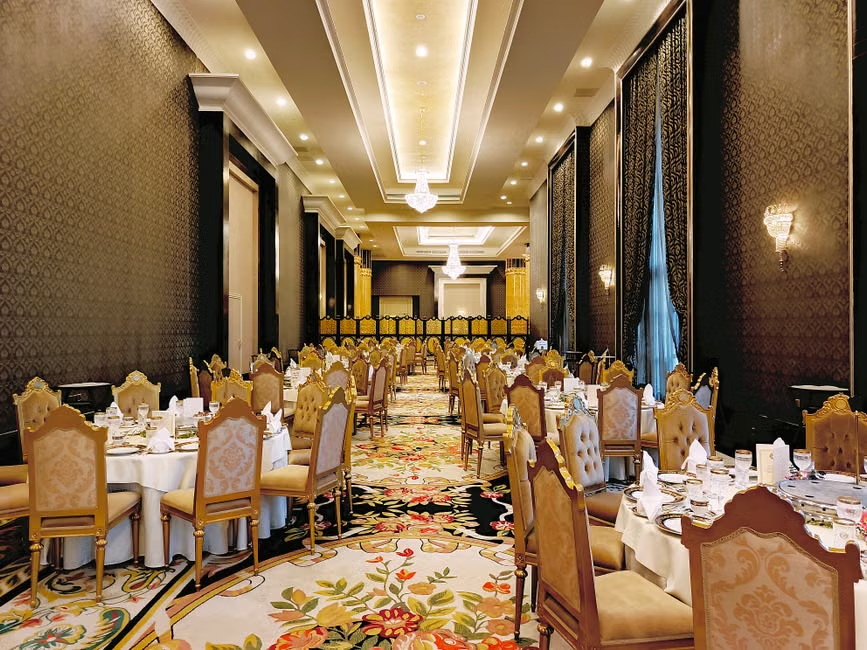
Hotel Elizabeth Baguio
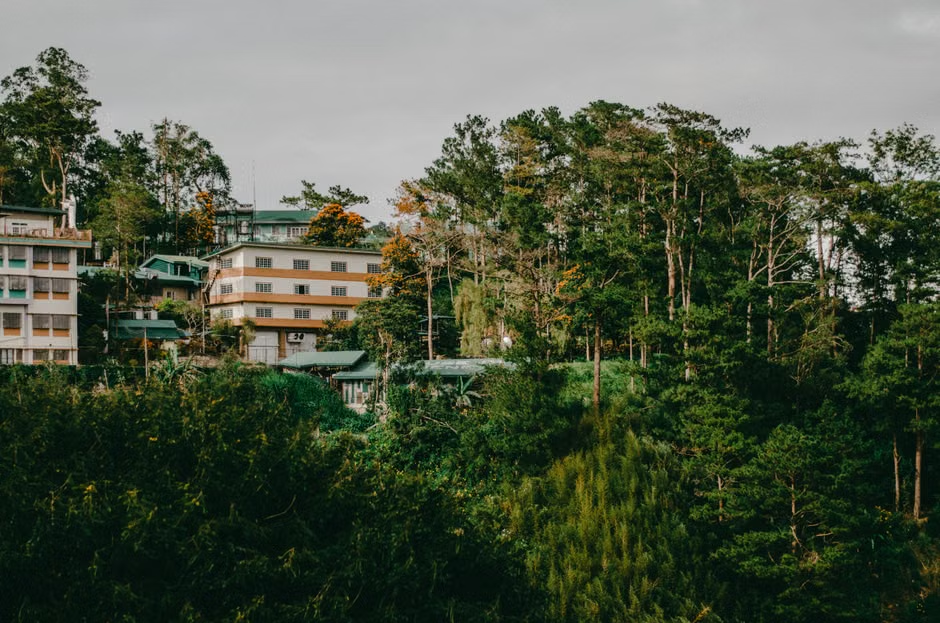
Azalea Residences Baguio
Microtel by Wyndham Baguio
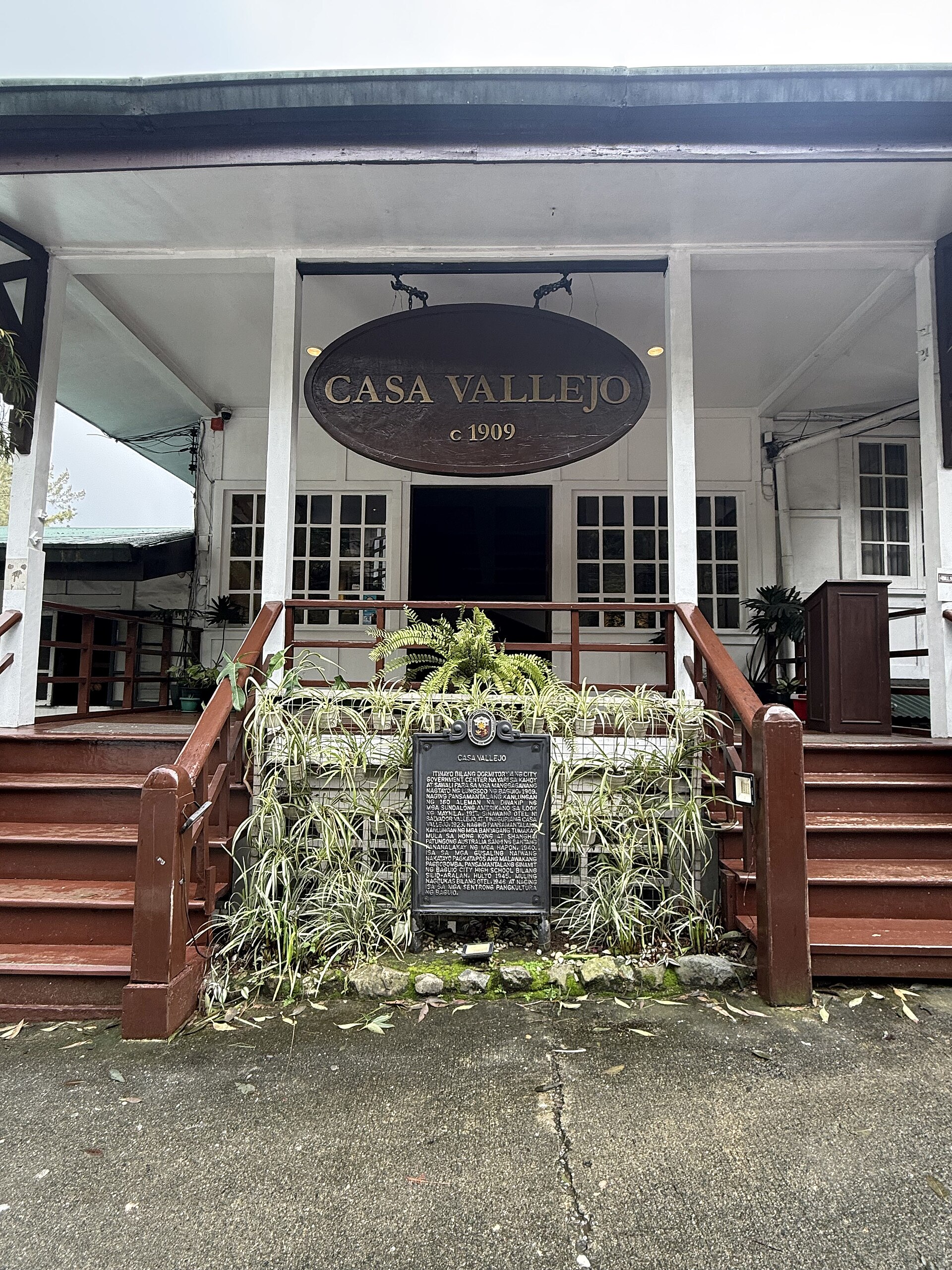
Casa Vallejo
Compare Baguio with Other Top Destinations
Frequently Asked Questions
Is Baguio a good destination for a wedding?
Yes, particularly for intimate to mid-sized weddings. Baguio's cool highland climate, pine forest scenery, and garden estate venues create a naturally romantic atmosphere that is genuinely distinctive within the Philippines. It works best for weddings of roughly 50–300 guests where atmosphere and setting are prioritised. Very large weddings of 500 or more guests may find the local venue inventory limiting.
What is the best time of year to hold an event in Baguio?
January through April and December are the most reliable months. This cool, dry window offers stable weather, clear skies, and comfortable temperatures for outdoor ceremonies and garden receptions. June through October should be avoided — Baguio receives heavy monsoon rainfall and is exposed to typhoon systems during this period, which creates genuine travel and event disruption risk.
How do guests typically travel to Baguio?
Most guests travel by road from Metro Manila, a journey of approximately 5–6 hours via the North Luzon Expressway. Several well-established bus operators run regular services on this route. Baguio's local airport has very limited commercial service and cannot be relied upon for event guest travel. Guests from Visayas, Mindanao, or international origins typically fly into Manila and travel onward by road.
What kinds of event venues are available in Baguio?
Baguio offers mountain resorts with garden lawns and indoor function halls, heritage country clubs with ballrooms and al fresco terraces, and boutique heritage hotels with intimate event spaces. The Camp John Hay estate is particularly well-known for its pine-forested grounds and colonial-style architecture. Outdoor garden ceremonies are a particular strength of the local venue ecosystem.
How large a guest list can Baguio venues realistically accommodate?
Most Baguio venues are well-suited to events of 50–400 guests. The city's venue inventory is strongest in the intimate-to-mid-sized range. Events requiring a single space for 500 or more guests will find options limited, and very large-scale celebrations may be better served by a major metropolitan destination with larger ballroom capacity.
Is local transport within Baguio easy for event groups?
It is manageable with advance planning. The city is compact but hilly, making walking between venues and accommodations impractical for groups. Taxis and ride-hailing services are available, but pre-arranged shuttle services between accommodations and the event venue are strongly advisable. Parking in the city centre can be constrained on peak-season weekends.
What is the local vendor and catering ecosystem like for events?
Baguio has a well-developed local vendor ecosystem shaped by decades of hosting domestic tourism and corporate retreats. In-house catering at major resort and heritage properties is reliable. Local florists, event stylists, and photographers experienced in highland settings are available. For highly specialised requirements, Manila-based vendors are sometimes brought in — a common and accepted practice for Baguio events.
Can Baguio work for corporate retreats and team events?
Yes. Baguio has long been a preferred destination for corporate off-sites and leadership retreats from Manila-based organisations. Its distance from the capital, cool climate, pine forest surroundings, and resort infrastructure support focused, immersive group programmes. The city's hospitality workforce is experienced in handling corporate group requirements.
What makes Baguio's climate special for outdoor events?
Baguio sits at roughly 1,500 metres above sea level, giving it temperatures of 13°C–23°C — genuinely cool by Philippine standards. During the dry season (January–April, December), outdoor ceremonies and garden receptions are comfortable without the heat and humidity that affect most other Philippine destinations. This is a rare and valued quality that distinguishes Baguio as an event location.
Are there accommodation options near event venues for out-of-town guests?
Yes. Baguio has a range of accommodation options from heritage hotels to mountain resorts, several of which are located within or adjacent to major event venues — particularly within the Camp John Hay estate. For larger guest groups, accommodation is spread across multiple properties in the city, so early booking and coordinated room-block arrangements are advisable, especially for peak-season dates.
What should I watch out for when planning a Baguio event during Holy Week or the Christmas season?
Both periods fall within the recommended dry season window and offer excellent weather, but they are also Baguio's busiest domestic tourism periods. Traffic on mountain roads can be severely congested, accommodation books out months in advance, and venue availability is limited. Early booking — ideally 6–12 months ahead — is essential for events planned during these peak periods.

Ready to explore venues in Baguio?
Baguio: Destination Wedding & Event Venues in the Philippine Highlands
◆Baguio is the Philippines' premier highland city, sitting at roughly 1,500 metres above sea level in the Cordillera mountains of Luzon. Its primary strength as an event destination is its genuinely cool climate, pine-forested scenery, and a well-established hospitality ecosystem built around domestic tourism and retreat hosting. It suits intimate weddings, social celebrations, corporate retreats, and milestone events particularly well. The best season runs from January through April and in December, when the weather is cool and dry. Guests travel primarily by road from Manila (approximately 5–6 hours), making it accessible but requiring advance logistics planning for larger groups.
Baguio at a Glance
| Category | Detail |
|---|---|
| Best For | Intimate Weddings, Social Celebrations, Corporate Retreats, Milestone Events |
| Primary Vibe | Adventurous & Thrilling |
| Other Vibes | Romantic, Refreshing, Heritage-Tinged |
| Best Season | Cool / Mild Season (Jan, Feb, Mar, Apr, Dec) |
Why Choose Baguio?
- Genuinely cool highland climate: Temperatures typically range from 13°C to 23°C, making outdoor ceremonies and garden receptions comfortable in a country where most cities are hot and humid — a rare and valued quality for event guests.
- Distinctive pine forest scenery: The surrounding Benguet pine forests and mountain ridgelines create a naturally dramatic backdrop that is visually unlike any lowland Philippine destination, lending events a unique, memorable character without elaborate décor.
- Established resort and heritage venue stock: Baguio has a mature hospitality infrastructure anchored by well-known mountain resorts, heritage clubs, and garden estates that have hosted events for decades, with experienced in-house event teams.
- Intimate scale well-suited to curated celebrations: The city's venue inventory is particularly strong for gatherings of 50 to 400 guests, making it an excellent fit for weddings and social events that prioritise atmosphere over sheer scale.
- Colonial-era heritage character: American-era architecture, heritage parks, and the legacy of Camp John Hay give Baguio a distinctive historical texture that enriches event photography and theming.
- Accessible from Manila without flying: Regular, well-operated bus services connect Baguio to Manila and other Luzon cities, meaning guests do not need to book domestic flights — a practical advantage for Philippine-based attendees.
Which Celebrations Work Best in Baguio?
- Intimate Weddings: Baguio's garden estates, pine-shaded lawns, and mountain resort chapels are particularly well-suited to weddings of 50–300 guests. The cool air, natural greenery, and heritage settings create a romantic atmosphere that requires minimal additional styling.
- Social Celebrations (Debuts, Anniversaries, Reunions): The city's resort venues and heritage clubs regularly host debut parties, silver and golden anniversaries, and family reunions. The relaxed highland pace and scenic surroundings make multi-day celebrations genuinely enjoyable for guests of all ages.
- Corporate Retreats and Team Events: Baguio has long been a preferred destination for corporate off-sites and leadership retreats from Manila-based organisations. Its distance from the capital, cool climate, and resort infrastructure support focused, immersive group programmes.
- Milestone Birthday Celebrations: The combination of distinctive scenery, comfortable weather, and a range of venue sizes makes Baguio a strong choice for significant birthday milestones where the host wants a destination feel without requiring guests to fly.
Venues & Event Spaces
Baguio's event venue landscape is anchored by mountain resorts with dedicated function halls and outdoor garden lawns, heritage country clubs with ballrooms and al fresco terraces, and boutique heritage hotels with intimate event spaces. The Camp John Hay estate — a former American military rest and recreation facility — contains some of the city's most recognised event properties, offering pine-forested grounds, colonial-style architecture, and multiple indoor and outdoor function areas within a single managed estate.
Beyond Camp John Hay, the city has heritage clubs with long-standing event traditions, serviced residence-style properties with flexible function rooms, and smaller boutique hotels suited to intimate gatherings. Outdoor garden ceremonies are a particular strength of the Baguio venue ecosystem, with several properties offering well-maintained lawns and terraced gardens that take full advantage of the mountain scenery. Indoor ballrooms are generally mid-sized, comfortably accommodating events of 100–400 guests, though very large-scale events of 600 or more guests may find the local inventory limiting.
Best Time to Celebrate
The curated best season for events in Baguio is the Cool / Mild Season: January, February, March, April, and December. Here is why each part of this window works, and why the remaining months are less suitable:
- December and January: These are Baguio's coolest and most festive months. Temperatures can dip to 13°C–16°C at night, creating a genuinely crisp highland atmosphere. Skies are generally clear, road conditions are stable, and the city has a celebratory energy around the holiday season. Outdoor ceremonies are comfortable and photogenic.
- February and March: Widely considered the most reliable months for outdoor events. Rainfall is minimal, daytime temperatures are pleasant (17°C–21°C), and the pine forests are at their most vivid. These months are popular for weddings precisely because the weather is predictable and the scenery is at its best.
- April: A transitional month that still falls within the acceptable window. Temperatures begin to rise slightly and humidity increases toward the end of the month, but conditions remain generally manageable for events, particularly earlier in the month.
- May: A shoulder month where conditions begin to deteriorate. Early rains can arrive, humidity rises noticeably, and the risk of disruption to outdoor plans increases. Not recommended for events requiring reliable outdoor access.
- June through October: Baguio sits in the path of the southwest monsoon and is also exposed to typhoon systems that affect northern Luzon. This period brings heavy, sustained rainfall, frequent low cloud and fog, and occasional road disruptions on the mountain highways leading to the city. Outdoor events are genuinely risky, and even indoor events can be affected by guest travel disruptions. This is the period most strongly to avoid for event planning.
- November: A recovery month as the monsoon withdraws. Conditions improve through the month but can remain unsettled, particularly in early November. Late November is generally more reliable and can serve as a shoulder option for flexible planners.
Getting There & Local Connectivity
The primary route to Baguio for most guests is by road from Metro Manila, a journey of approximately 5–6 hours under normal conditions via the North Luzon Expressway and Kennon Road or Marcos Highway. Several well-established bus operators run regular, comfortable services on this route, making it accessible without requiring domestic flights. For guests coming from other parts of Luzon — Pangasinan, La Union, Ilocos — road travel times are generally shorter.
Baguio has a local airport (Loakan Airport) but its commercial service is extremely limited and cannot be relied upon for event guest travel. Guests flying in from Visayas, Mindanao, or international origins will typically fly into Manila and then travel onward by road. This multi-leg journey should be factored into guest logistics planning, particularly for elderly guests or those with mobility considerations.
Within Baguio itself, the city is compact and navigable, but its hilly terrain means that walking between venues and accommodations is not always practical. Taxis, ride-hailing services, and jeepneys are widely available. For event groups, pre-arranged shuttle services between accommodations and the event venue are strongly advisable, as parking in the city centre can be constrained, particularly during peak season weekends.
Local Vendor & Hospitality Ecosystem
Baguio has a well-developed local vendor ecosystem relative to its size, shaped by decades of hosting domestic tourism, corporate retreats, and social events from Manila-based clients. In-house catering at the major resort and heritage properties is generally of a reliable standard, with experience handling multi-course banquets and buffet setups for event groups.
Local florists and event stylists are available and familiar with the highland aesthetic — pine, eucalyptus, and cool-climate blooms feature prominently in Baguio event styling. Photography and videography vendors with experience in mountain and garden settings are well-represented in the local market. For highly specialised requirements — international cuisine, large-scale production lighting, or very specific floral imports — Manila-based vendors are sometimes brought in, which is a common and accepted practice for Baguio events.
The city's hospitality workforce has a strong service culture shaped by its long history as a retreat and tourism destination. English is widely spoken across all hospitality and vendor interactions, which simplifies planning for both local and international clients.
Pros & Things to Consider
Why Baguio Works Well
- Genuinely cool, comfortable climate during the dry season — a rare advantage in the Philippine context
- Distinctive pine forest and mountain scenery that elevates event photography and guest experience without additional effort
- Mature hospitality infrastructure with experienced in-house event teams at major properties
- Strong fit for intimate to mid-sized events (50–400 guests) where atmosphere is prioritised
- Accessible from Manila without flying, reducing logistical complexity for most Philippine-based guests
- Heritage character and colonial-era architecture add a distinctive visual layer to events
Things to Consider
- The road journey from Manila (5–6 hours) is long and can be tiring for guests, particularly the elderly or those with mobility needs — shuttle coordination is essential
- Mountain roads can be affected by landslides, fog, and road closures during the rainy season, creating genuine travel risk for events planned outside the dry window
- Venue capacity for very large events (500+ guests) is limited — the local inventory is not well-suited to grand-scale celebrations requiring a single large ballroom
- Baguio's popularity as a domestic tourism destination means peak-season weekends (especially Holy Week and Christmas–New Year) see heavy traffic and accommodation pressure — early booking is essential
- Highly specialised vendor requirements may need to be sourced from Manila, adding coordination complexity and lead time
When Baguio May Not Be the Right Fit
- Large-scale events of 500 or more guests: The local venue inventory is not designed for very large gatherings. Hosts needing a single ballroom or outdoor space for 600+ guests will find options limited and may be better served by a major metropolitan destination.
- Events planned during the June–October monsoon window: The combination of heavy rainfall, typhoon risk, and mountain road vulnerability makes this period genuinely unsuitable for outdoor-dependent celebrations. Hosts with fixed dates in this window should consider an alternative destination.
- Guest groups with a high proportion of elderly or mobility-limited attendees: The 5–6 hour road journey and the hilly terrain within the city can be physically demanding. A destination with direct flight access and flatter terrain may serve such groups better.
- International guests requiring direct international flight access: Baguio has no practical international or domestic air connectivity. International guests must route through Manila and then travel onward by road — a multi-leg journey that may be impractical for guests flying from distant origins.