
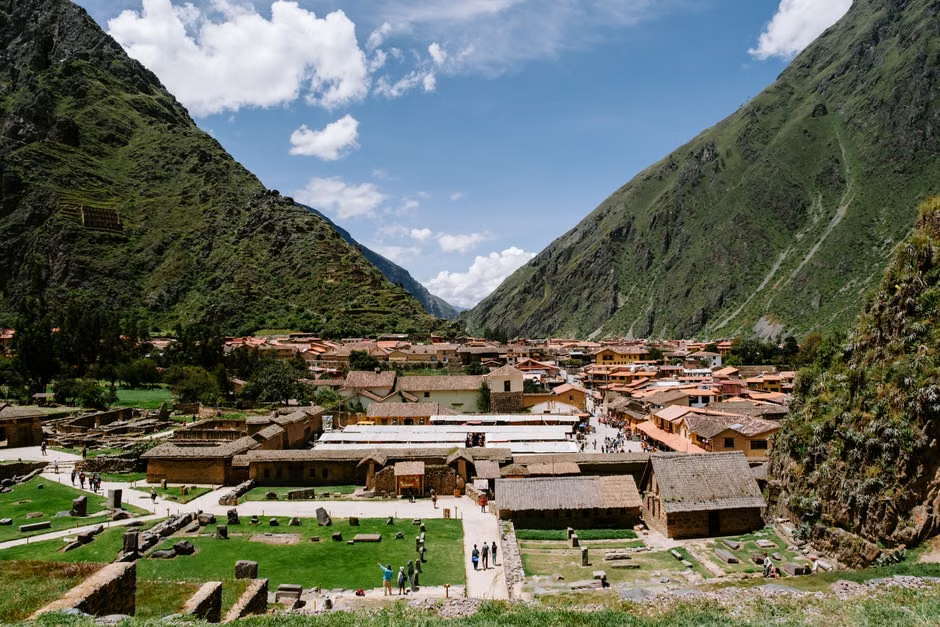
Why Cusco / Sacred Valley is Perfect for Your Celebration
- Dramatic Andean backdrops — snow-capped peaks, terraced ruins, and sacred rivers frame every event
- UNESCO World Heritage sites including Cusco's historic centre and the broader Sacred Valley corridor
- Intimate hacienda estates and boutique luxury lodges ideal for exclusive buyouts
- Rich Inca and colonial cultural programming — ceremonies, local textiles, traditional music — built into the event experience
- Dry season (May–Sep) delivers reliably clear skies and comfortable daytime temperatures for outdoor celebrations
- A mature luxury hospitality ecosystem with internationally experienced event teams at leading properties

Compare Cusco / Sacred Valley with Other Top Destinations
Frequently Asked Questions
Is Cusco / Sacred Valley a good destination for a wedding?
Yes, particularly for intimate destination weddings. The region offers a genuinely singular combination of Inca heritage sites, Andean mountain scenery, and exclusive-use hacienda estates that few destinations worldwide can match. It is best suited to groups of roughly 20–200 guests who prioritise a culturally immersive, scenically dramatic experience over large-scale ballroom-style events.
What guest group sizes can venues in Cusco and the Sacred Valley realistically support?
Most properties in the region are configured for intimate to mid-size groups — typically 20 to 200 guests. A handful of larger hotel properties in Cusco city can accommodate up to around 250–300 guests for a reception, but the destination's overall inventory is strongest at the boutique and exclusive-use end. Very large weddings above 300 guests will find the local venue landscape genuinely limiting.
What is the best time of year to hold an event in Cusco / Sacred Valley?
The dry season — May through September — is the only reliably suitable window for outdoor events. Skies are predominantly clear, rainfall is minimal, and daytime temperatures are comfortable. June and July are the most reliable months. The wet season (November–March) brings heavy daily rainfall that directly disrupts outdoor ceremonies and receptions, and is not recommended for event planning.
How do guests get to Cusco / Sacred Valley?
The primary gateway is Alejandro Velasco Astete International Airport (CUZ), approximately 5 km from Cusco city centre. International guests connect through Lima's Jorge Chávez International Airport, which has broad intercontinental links. The Lima–Cusco domestic flight takes around 1.5 hours and operates frequently. Planners should build buffer travel days into the itinerary, as weather-related delays at Cusco airport are not uncommon.
How should we handle altitude sickness for our guests?
Altitude acclimatisation is a genuine planning requirement, not a minor footnote. Cusco sits at approximately 3,400 metres above sea level. Most guests arriving from sea level need 1–2 days to acclimatise before they are comfortable participating fully in an event. Building arrival days into the programme before the main event, and briefing guests in advance about hydration and pacing, is strongly advisable.
What kinds of venues are available for events in this region?
The venue landscape divides into two main types: converted colonial heritage properties (former monasteries and palaces) in Cusco city, which offer extraordinary stone-walled courtyards and chapel spaces for ceremonies and intimate dinners; and hacienda estates and mountain lodge resorts in the Sacred Valley, which offer outdoor lawns, terraced grounds with Andean views, and the option of full exclusive-use buyouts for wedding groups.
Can we arrange guest excursions to Machu Picchu as part of the event programme?
Yes. Machu Picchu is accessible from the Sacred Valley via the scenic rail service to Aguas Calientes, making it a natural and highly popular guest excursion for destination wedding groups based in the region. Advance booking of train tickets and site entry permits is essential, particularly during the dry season when demand is highest. A local destination management company can coordinate this efficiently.
How do guests move between Cusco city and Sacred Valley properties?
Ground transport between Cusco and the Sacred Valley is primarily by private road transfer — the journey to Urubamba takes approximately 1.5 to 2 hours. There is no public transport infrastructure suited to moving event groups efficiently. Planners should arrange dedicated private vehicles or chartered minibuses for the duration of the event, factoring this into the overall logistics plan.
Is the local vendor and catering ecosystem strong enough for a destination wedding?
Yes, at the luxury end. The leading properties have experienced in-house event teams, and the broader region has a growing pool of specialist wedding vendors — florists, photographers, entertainment — supplemented by Lima-based professionals who regularly travel for destination events. Peruvian cuisine is world-class and a genuine asset. Working with a local destination management company with specific Sacred Valley experience is strongly recommended.
What makes Cusco / Sacred Valley culturally distinctive as an event destination?
The region's Quechua cultural heritage is genuinely woven into the event experience — traditional Andean music, handwoven textile décor, native floral arrangements, and pisco-based Peruvian cocktails are all authentically local rather than imported. The proximity of Inca archaeological sites, including Machu Picchu, Ollantaytambo, and Pisac, gives the destination a cultural depth that few event destinations worldwide can offer.
Are there things to consider for evening outdoor events in the Sacred Valley?
Yes. Even during the dry season, nighttime temperatures in the Sacred Valley can drop sharply — sometimes close to freezing. Evening outdoor receptions require thoughtful planning: outdoor heating, clear attire guidance for guests, and a warm indoor fallback space. This is a consistent planning consideration regardless of the time of year, and experienced local event teams will factor it in as standard.

Ready to explore venues in Cusco / Sacred Valley?
Cusco / Sacred Valley: Destination Wedding & Event Venues in Peru's Andean Heartland
◆Cusco and the Sacred Valley are best suited to intimate, culturally immersive destination weddings, elopements, and small social celebrations where the setting itself is the centrepiece. The primary vibe is Cultural & Timeless — defined by Inca heritage, Andean mountain scenery, and colonial architecture rather than large-scale ballroom events. The destination suits groups typically ranging from 20 to 250 guests, with the strongest venue inventory in the boutique luxury and heritage lodge categories. The dry season (May through September) is the only reliably suitable window for outdoor events. Guests travel internationally via Lima, and the high altitude (Cusco sits at approximately 3,400 metres above sea level) requires deliberate acclimatisation planning. The destination is generally positioned at the upper end of the event cost spectrum.
Cusco / Sacred Valley at a Glance
| Attribute | Detail |
|---|---|
| Best For | Destination Weddings, Elopements, Intimate Social Celebrations, Cultural Experiences |
| Primary Vibe | Cultural & Timeless |
| Other Vibes | Scenic & Dramatic, Heritage & Spiritual, Boutique & Exclusive |
| Best Season | Dry Season (May, Jun, Jul, Aug, Sep) |
Why Choose Cusco / Sacred Valley?
- Unmatched heritage scenery: The Sacred Valley corridor contains some of the world's most dramatic event backdrops — Inca agricultural terraces, snow-capped Andean peaks, and the Urubamba River running through the valley floor. No constructed venue can replicate this.
- UNESCO World Heritage status: Cusco's historic centre is a UNESCO-listed site, meaning colonial plazas, converted monastery hotels, and centuries-old stone architecture are genuinely available as event settings — not reproductions.
- Exclusive-use hacienda and lodge estates: The Sacred Valley has a strong inventory of boutique properties that can be taken over entirely for a wedding group, offering a level of privacy and immersion that larger resort destinations rarely match.
- Mature luxury hospitality ecosystem: International hotel groups including Belmond, Marriott Luxury Collection, and JW Marriott operate here, bringing globally experienced event and catering teams to a destination that might otherwise feel logistically remote.
- Cultural programming depth: Local Quechua traditions, Andean textile ceremonies, traditional music, and proximity to Machu Picchu give event planners a genuinely rich menu of guest experiences beyond the event itself.
- Intimate scale by design: The destination's venue inventory naturally favours groups of 20–200, making it particularly well-suited to couples who want a meaningful, curated celebration rather than a large-format production.
Which Celebrations Work Best in Cusco / Sacred Valley?
- Destination Weddings: The combination of dramatic natural scenery, heritage architecture, and exclusive-use lodge estates makes this one of the most distinctive destination wedding settings in South America. Ceremonies set against Inca ruins or in converted colonial monastery courtyards are genuinely achievable here.
- Elopements & Micro-Weddings: Several boutique properties in both Cusco and the Sacred Valley are specifically well-configured for very small, intimate groups — making this an excellent choice for couples who want an extraordinary setting without the logistics of a large guest list.
- Anniversary & Milestone Celebrations: The destination's cultural depth and scenic grandeur make it a compelling choice for significant personal milestones where the experience itself is the gift — a landmark anniversary trip built around a private dinner or ceremony at a heritage property, for example.
- Small Corporate Retreats & Incentive Groups: The Sacred Valley's lodge properties, combined with the region's adventure and cultural programming (trekking, weaving workshops, archaeological site visits), make it a strong fit for high-end incentive travel groups seeking an immersive, off-the-beaten-path experience.
Venues & Event Spaces
The venue landscape across Cusco and the Sacred Valley divides broadly into two distinct zones, each with its own character. Within Cusco city itself, the dominant venue type is the converted colonial heritage property — former monasteries, palaces, and aristocratic mansions that have been restored into luxury hotels. These properties typically offer internal courtyards, stone-walled salons, and chapel spaces that are architecturally extraordinary but naturally limited in capacity. They suit ceremonies and intimate dinners rather than large receptions.
In the Sacred Valley — particularly around Urubamba, Yucay, and Huaran — the dominant venue type shifts to hacienda estates and mountain lodge resorts. These properties generally offer more outdoor space: garden lawns, terraced grounds with valley views, and open-air event pavilions. Many can be taken on an exclusive-use basis, which is a significant draw for destination wedding groups wanting full privacy. Outdoor ceremonies with Andean mountain backdrops are a signature offering of this zone.
Beyond the hotel-based venues, the region also offers access to archaeological site-adjacent settings — event planners with the right local contacts and permits can incorporate Inca terraces and ruins into the broader event experience, though formal ceremonies within protected archaeological zones are subject to Peruvian cultural heritage regulations and require careful advance planning.
Best Time to Celebrate
The dry season, running from May through September, is the only period that can be reliably recommended for outdoor events in this destination. During these months, rainfall is minimal, daytime temperatures in the Sacred Valley are typically comfortable (ranging from around 10°C at night to 20°C during the day), and skies are predominantly clear — critical for events where the mountain scenery is a core part of the experience. June and July represent the peak of the dry season and are particularly reliable.
The wet season (November through March) brings heavy daily rainfall, often in the afternoons and evenings — precisely when outdoor ceremonies and receptions are typically scheduled. Beyond the direct disruption to events, the wet season also affects access: roads into the Sacred Valley can become difficult, and the Inca Trail to Machu Picchu closes entirely in February. For any event with outdoor components or guest excursions planned, the wet season presents genuine operational risk.
April and October are transitional shoulder months. April in particular can still carry significant residual rainfall from the wet season, while October begins to see the first rains of the new wet season. Neither month is as reliable as the core dry season window, and planners should treat them as higher-risk months for outdoor events rather than safe alternatives.
One additional consideration specific to this destination: even during the dry season, nighttime temperatures at altitude can drop sharply — sometimes to near-freezing in the Sacred Valley. Evening outdoor events require thoughtful planning around guest comfort, including heating, appropriate attire guidance, and venue selection that allows for a warm indoor fallback.
Getting There & Local Connectivity
The primary gateway for international guests is Alejandro Velasco Astete International Airport (CUZ) in Cusco, located approximately 5 km from the city centre. The airport receives direct domestic flights from Lima (the main international hub) and a small number of other Peruvian cities. International guests will almost universally connect through Lima's Jorge Chávez International Airport, which has broad intercontinental connectivity. The Lima–Cusco leg is a short domestic flight, typically around 1.5 hours, and operates frequently throughout the day.
It is important to note that Cusco's airport has altitude and runway constraints that limit the size of aircraft that can operate there, and weather-related delays or cancellations — particularly during the wet season — are not uncommon. For large guest groups, building buffer days into the travel itinerary on either side of the event is strongly advisable.
Once in the region, ground transport between Cusco city and the Sacred Valley is primarily by road. The journey from Cusco to Urubamba, the main hub of the Sacred Valley, takes approximately 1.5 to 2 hours by road depending on traffic and route. Private transfers and chartered minibuses are the standard arrangement for event groups. The scenic rail service (PeruRail and Inca Rail) connects Cusco and Ollantaytambo to Aguas Calientes (the gateway town for Machu Picchu) and is a popular option for guest excursions, though it is not a primary event logistics route.
Within the Sacred Valley itself, distances between properties and event sites are manageable but require coordinated private transport — there is no meaningful public transport infrastructure suited to moving a wedding group efficiently. Planners should budget for dedicated vehicle hire throughout the event period.
Local Vendor & Hospitality Ecosystem
Cusco and the Sacred Valley have developed a genuinely mature destination wedding and events ecosystem over the past two decades, driven largely by the growth of international luxury tourism to the region. The leading hotel properties — particularly those operated by international groups — have in-house event teams with significant experience managing destination weddings for international couples, including multi-day programmes, guest excursions, and coordination with local cultural performers.
The local catering ecosystem is strong at the luxury end, with access to high-quality Peruvian cuisine — one of the world's most celebrated culinary traditions — and experienced chefs capable of delivering both traditional Andean menus and internationally oriented banquet formats. Peruvian gastronomy is itself a genuine event asset, and incorporating local ingredients, pisco-based cocktails, and traditional cooking techniques into the event programme is both authentic and impressive for international guests.
For specialist wedding vendors — florists, photographers, entertainment, décor — the destination has a growing pool of local professionals, supplemented by Lima-based vendors who regularly travel to Cusco for destination events. International couples often bring their own photographer and coordinator and source remaining vendors locally or from Lima. The local artisan community also provides access to genuinely distinctive décor elements: handwoven Andean textiles, ceramics, and floral arrangements using native Andean blooms.
One practical consideration: vendor logistics at altitude can be more complex than at sea-level destinations. Equipment transport, generator requirements for remote outdoor sites, and the physical demands on staff working at 3,400 metres all require experienced local coordination. Working with a destination management company (DMC) with specific Cusco/Sacred Valley experience is strongly recommended for any event of meaningful scale.
Pros & Things to Consider
Why Cusco / Sacred Valley Works Well
- Genuinely singular scenery — Inca ruins, Andean peaks, and colonial heritage combine in a way that no other destination replicates
- Strong luxury hospitality infrastructure with internationally experienced event teams at leading properties
- Exclusive-use hacienda and lodge estates offer exceptional privacy for destination wedding groups
- Rich cultural programming — Quechua traditions, Machu Picchu excursions, Andean gastronomy — gives guests a multi-day experience well beyond the event itself
- Dry season (May–September) delivers reliably clear skies and comfortable daytime conditions for outdoor events
- Peruvian cuisine is world-class and a genuine event asset in its own right
Things to Consider
- High altitude: Cusco sits at approximately 3,400 metres above sea level, and the Sacred Valley at around 2,800 metres. Altitude sickness (soroche) is a real concern for guests arriving from sea level — typically requiring 1–2 days of acclimatisation before the event. This must be built into the programme.
- International travel complexity: All guests travel internationally and connect through Lima. Long-haul guests from Europe, North America, or Asia face significant journey times. Flight delays and cancellations at Cusco airport are not uncommon, particularly in shoulder and wet season months.
- Limited large-group capacity: The destination's venue inventory is strongest for groups of 20–200. Very large weddings (300+ guests) will find the local venue landscape genuinely constraining.
- Wet season risk: The November–March wet season makes outdoor events operationally risky and is not recommended. Even shoulder months (April, October) carry meaningful rainfall risk.
- Cold evenings year-round: Even in the dry season, nighttime temperatures can drop sharply. Evening outdoor events require heating and careful guest comfort planning.
- Remote logistics: Moving large groups between Cusco city and Sacred Valley properties requires coordinated private transport — there is no convenient public infrastructure for event groups.
When Cusco / Sacred Valley May Not Be the Right Fit
- Large guest lists (300+ guests): The destination's venue inventory is genuinely oriented toward intimate and mid-size groups. Couples expecting a very large guest count will find that the local supply of suitable spaces is limited, and the logistics of accommodating a large group across multiple properties adds significant complexity.
- Guests with health sensitivities to altitude: The high altitude is a real medical consideration, not just a travel inconvenience. Guests with certain cardiovascular or respiratory conditions may be advised against travel to Cusco by their physicians. If a significant portion of the guest list falls into this category, a lower-altitude destination would be more appropriate.
- Events planned during the wet season (November–March): If the event date is fixed in the wet season window, the risk of daily afternoon and evening rainfall disrupting outdoor components is high enough that a different destination — or a fully indoor venue — should be seriously considered.
- Guests seeking minimal travel complexity: For a guest list that is largely domestic (within one country) or that includes many elderly or mobility-limited guests, the combination of long international travel, altitude acclimatisation, and ground transport logistics between Cusco and the Sacred Valley may make the destination impractical regardless of its scenic appeal.