

Why Arequipa is Perfect for Your Celebration
- UNESCO World Heritage colonial center provides a breathtaking, one-of-a-kind backdrop
- Dramatic El Misti volcano and Andean skyline create unmatched natural scenery for photography
- Dry season (May–Sep) delivers consistently clear, sunny days ideal for outdoor ceremonies
- Rich Arequipeño culinary tradition offers distinctive, locally-rooted catering experiences
- Boutique colonial mansions (casonas) and historic convents available as intimate event venues
- Relatively compact city center makes guest movement and logistics straightforward during events

Top Venues in Arequipa
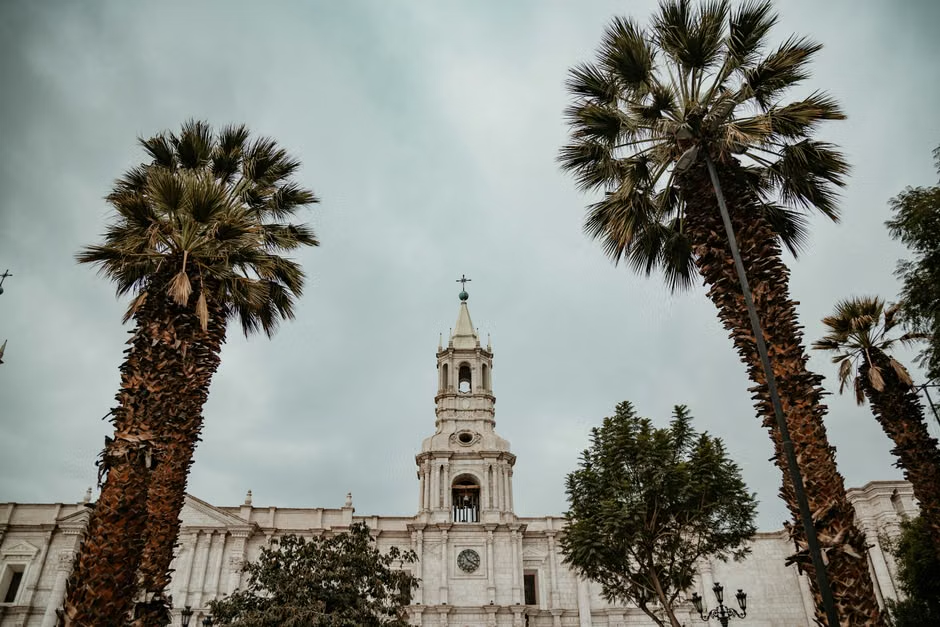
Casa Andina Premium Arequipa
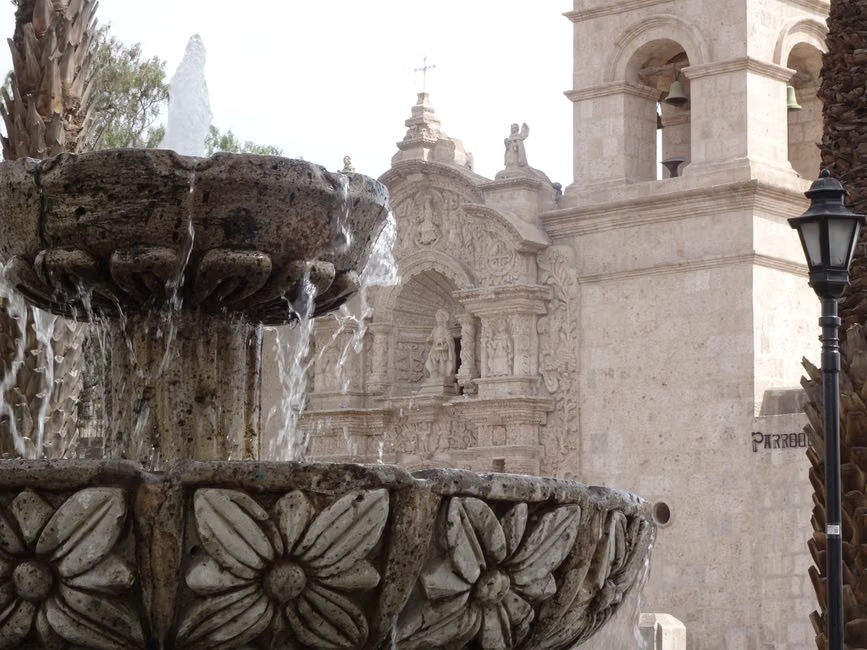
Hotel Casona Plaza Arequipa
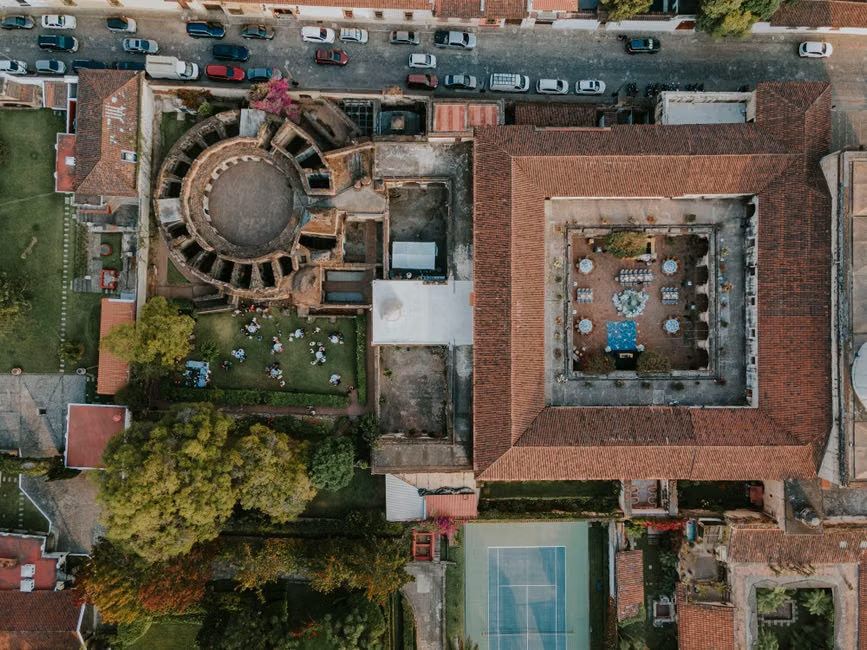
La Posada del Puente
Compare Arequipa with Other Top Destinations
Frequently Asked Questions
Is Arequipa a good destination for a wedding?
Yes. Arequipa is particularly well-suited to destination weddings where heritage atmosphere and dramatic scenery are the priority. Its UNESCO-listed colonial center, volcanic backdrop, and boutique casona venues create a genuinely distinctive setting. It works best for intimate-to-medium-scale celebrations — typically up to around 250 guests — rather than very large events, given the scale of the local venue stock.
What is the best time of year to hold a wedding or event in Arequipa?
The dry season from May through September is the strongly recommended window. These months bring consistently clear skies, mild daytime temperatures, and minimal rainfall, making outdoor ceremonies reliably plannable. July and August are peak dry season but coincide with Peruvian national holidays, so booking venues and accommodation well in advance is important. The wet season (roughly November–March) brings frequent afternoon storms that make outdoor events genuinely risky.
How do guests get to Arequipa for a destination event?
Most guests fly into Rodríguez Ballón International Airport (AQP), located approximately 8 km from the city center. Domestic flights from Lima take around 1.5 hours, and Lima is the main international hub for guests arriving from abroad. International guests will typically require one connecting flight through Lima. A scenic PeruRail train service also connects Arequipa to Puno and Cusco for guests combining the event with broader Peruvian travel.
Should we be concerned about altitude for our guests in Arequipa?
It is worth planning for. Arequipa sits at approximately 2,335 meters above sea level — lower than Cusco but still high enough that some guests, particularly those arriving from sea-level cities, may experience mild altitude adjustment symptoms in the first 24–48 hours. Building an arrival buffer day into the event schedule before the main celebration is a practical and widely recommended approach.
What kinds of venues are available for events in Arequipa?
The most distinctive options are historic casonas — colonial mansions built from white sillar volcanic stone — which offer internal courtyards, vaulted corridors, and garden terraces. Hotel ballrooms and event halls provide more conventional banquet capacity. Outdoor terraces and rooftop spaces with volcano views are popular for cocktail hours and sunset ceremonies during the dry season. The venue stock is best suited to intimate and medium-scale events rather than very large gatherings.
How many guests can Arequipa realistically accommodate for a destination event?
Arequipa's venue landscape comfortably supports events in the range of roughly 50 to 250 guests. Smaller, more intimate celebrations of 30–100 guests are particularly well-served by the boutique casona and heritage venue stock. Events above approximately 300 guests may find the local venue capacity somewhat constrained, and planners should verify specific venue capacities early in the planning process.
Is the local vendor and catering ecosystem in Arequipa equipped for destination events?
Generally yes, for intimate-to-medium-scale events. Arequipa has experienced local wedding planners, photographers, florists, and caterers familiar with heritage-venue events. The city's celebrated regional cuisine — Arequipeño gastronomy — is a genuine asset for catering. Highly specialized production items may need to be sourced from Lima with additional lead time, so early coordination with a local planner is advisable.
What makes Arequipa's setting distinctive compared to other Peruvian event destinations?
Arequipa's combination of a UNESCO World Heritage colonial center — built almost entirely from white volcanic sillar stone — and a dramatic backdrop of active and dormant volcanoes including El Misti creates a visual character that is genuinely unique. Unlike beach or jungle destinations, Arequipa offers a highland Andean cultural identity, one of Peru's finest regional food traditions, and architectural event spaces that cannot be replicated elsewhere.
What local experiences can guests enjoy around an Arequipa event?
Guests can explore the Santa Catalina Monastery, one of South America's most remarkable colonial complexes, wander the UNESCO historic center, and experience Arequipeño cuisine at the city's acclaimed restaurants. The Colca Canyon — one of the world's deepest canyons and a habitat for Andean condors — is within the Arequipa region and a popular excursion for guests extending their stay.
Is Arequipa safe for international guests attending a destination event?
Arequipa is generally considered safe for tourists and event guests, particularly within the historic center and established hotel areas. Standard urban precautions apply — being aware of surroundings, using reputable transport, and avoiding unfamiliar areas late at night. Working with a local event coordinator who can advise on current conditions and arrange reliable group transport is a practical step for larger guest groups.
How far in advance should we plan a destination event in Arequipa?
For dry-season dates — particularly July and August, which coincide with Peruvian national holidays — booking venues and accommodation at least 9–12 months in advance is advisable. Boutique casona venues have limited capacity and are in demand. For shoulder dry-season months like May, June, or September, 6–9 months of lead time is generally workable, though earlier is always preferable for securing preferred spaces and coordinating international guest travel.

Ready to explore venues in Arequipa?
Arequipa: Destination Wedding & Cultural Event Venues in Peru
◆Arequipa is best suited to intimate-to-medium-scale weddings, cultural celebrations, and social gatherings where heritage atmosphere and dramatic natural scenery are the priority. Its primary vibe is Cultural & Timeless — defined by UNESCO-listed colonial architecture in white volcanic sillar stone, the looming presence of El Misti volcano, and a deeply rooted Andean cultural identity. The dry season (May through September) is the clear window for outdoor events, offering reliably clear skies and mild temperatures. Accessibility is moderate: the city has its own international airport with connections through Lima, though international guests will typically require at least one connecting flight. The local hospitality and vendor ecosystem is well-developed for a South American heritage city of its size, though it is not on the same scale as Lima or Cusco.
Arequipa at a Glance
| Category | Detail |
|---|---|
| Best For | Destination Weddings, Cultural Celebrations, Social Gatherings, Honeymoon Extensions |
| Primary Vibe | Cultural & Timeless |
| Other Vibes | Romantic, Adventurous, Intimate |
| Best Season | Dry Season (May, Jun, Jul, Aug, Sep) |
Why Choose Arequipa?
- UNESCO World Heritage setting: Arequipa's historic center is one of the best-preserved colonial urban landscapes in the Americas, providing a genuinely rare and photogenic backdrop that no purpose-built resort can replicate.
- Volcanic skyline as a natural stage: El Misti, Chachani, and Pichu Pichu volcanoes frame the city on three sides, creating dramatic, ever-present scenery that elevates outdoor ceremonies and photography without any additional decoration.
- Distinctive local gastronomy: Arequipeño cuisine — including dishes like rocoto relleno, chupe de camarones, and adobo — is widely regarded as among Peru's finest regional food traditions, giving event catering a genuinely local and memorable character.
- Boutique colonial venue stock: Historic casonas (colonial mansions) and convent spaces within the city center offer intimate, architecturally rich event environments that are genuinely unique to this destination.
- Compact, walkable historic core: The city's central event venues, accommodation, and dining are concentrated within a manageable area, reducing logistical complexity for groups moving between ceremony, reception, and accommodation.
- Relatively accessible for a Peruvian highland city: Rodríguez Ballón International Airport (AQP) sits only around 8 km from the city center and receives direct flights from Lima and select regional hubs, making it more reachable than many comparable Andean destinations.
Which Celebrations Work Best in Arequipa?
- Destination Weddings: Arequipa is particularly well-suited to couples seeking a heritage-rich, visually dramatic setting rather than a beach or resort-style wedding. The colonial architecture, volcanic backdrop, and intimate venue scale make it ideal for ceremonies of roughly 50–250 guests who want something genuinely distinctive.
- Cultural & Heritage Celebrations: Milestone anniversaries, family reunions with a cultural travel dimension, and celebrations tied to Peruvian or Latin American heritage find a natural home here. The city's living cultural identity — its festivals, food, and architecture — enriches any gathering with authentic local character.
- Social Gatherings & Private Dinners: Arequipa's boutique casona venues and restaurant spaces are well-configured for smaller, high-quality social events — private dinners, cocktail receptions, and corporate social evenings — where atmosphere matters more than sheer scale.
- Honeymoon Extensions: While not a standalone honeymoon destination in the conventional sense, Arequipa pairs naturally with a Peruvian honeymoon itinerary that includes Cusco, Machu Picchu, or the Colca Canyon (one of the world's deepest canyons, located within the Arequipa region), making it a logical and rewarding stop for couples already traveling Peru.
Venues & Event Spaces
Arequipa's event venue landscape is defined by its colonial heritage rather than large-scale resort infrastructure. The most distinctive spaces are historic casonas — colonial-era mansions built from white sillar volcanic stone — which typically offer internal courtyards, vaulted stone corridors, and garden terraces that create an intimate, architecturally immersive atmosphere. Several of these properties have been converted into boutique hotels or private event venues and can accommodate ceremonies and receptions for small-to-medium guest groups.
Beyond casonas, the city offers hotel ballrooms and event halls within its established hotel properties, suitable for seated dinners and receptions. Outdoor terraces and rooftop spaces with direct views of El Misti and the surrounding volcanoes are available at select properties and are particularly popular for cocktail hours and sunset ceremonies during the dry season. The Santa Catalina Monastery — a vast, colorful 16th-century convent complex within the city — is one of Arequipa's most iconic landmarks and, while primarily a museum, its aesthetic defines the visual character that many couples seek to echo in their venue choice.
For larger events requiring significant banquet capacity, the city's hotel properties are the most practical option, though planners should note that Arequipa does not have the very large-scale convention or banquet infrastructure found in Lima. Events above approximately 300 guests may find the local venue stock somewhat constrained.
Best Time to Celebrate
The dry season from May through September is the strongly preferred window for outdoor events and destination weddings in Arequipa. During these months, the city experiences its most stable weather: days are typically sunny and clear, with temperatures ranging from around 8°C at night to 22°C in the afternoon. Crucially, afternoon rainfall — which characterizes the wet season — is rare, making outdoor ceremonies and terrace receptions reliably plannable without significant weather contingency.
July and August represent the peak of the dry season and are particularly popular for events, though they also coincide with Peru's national holiday period (Fiestas Patrias in late July), which can affect accommodation availability and local logistics. May, June, and September offer similarly good conditions with somewhat less competition for venues and services.
The wet season (roughly November through March, peaking January–March) brings frequent afternoon and evening thunderstorms that make outdoor events genuinely risky. While mornings can be clear, the unpredictability of afternoon rainfall during this period is a real operational challenge for event planning. The transitional months of October–November and April see improving or deteriorating conditions respectively and carry moderate risk — they are workable for fully indoor events but are not recommended for outdoor ceremonies without robust contingency planning.
Getting There & Local Connectivity
By air: Rodríguez Ballón International Airport (AQP) is the primary gateway, located approximately 8 km from the city center. It receives regular domestic flights from Lima (typically around 1.5 hours), and Lima serves as the main international hub for guests arriving from abroad. Most international guests will route through Lima's Jorge Chávez International Airport. Select regional connections to Cusco and other Peruvian cities are also available, making multi-city Peruvian itineraries straightforward to combine with an Arequipa event.
By rail: PeruRail operates a scenic train service connecting Arequipa to Puno (on Lake Titicaca) and onward to Cusco. This is a genuinely memorable journey and a practical option for guests combining an Arequipa event with broader Peruvian travel, though journey times are long and this is not a primary arrival route for most event guests.
Local movement: Within the city, taxis and ride-hailing apps are the most practical transport for groups. The historic center is compact enough that many venues, hotels, and restaurants are within walking distance of each other, which simplifies guest logistics considerably. For groups requiring coordinated transfers — airport arrivals, ceremony-to-reception movement — local event coordinators and transport companies are available and experienced with group logistics.
Altitude note: Arequipa sits at approximately 2,335 meters (7,660 feet) above sea level. While this is significantly lower than Cusco, some guests — particularly those arriving directly from sea-level cities — may experience mild altitude adjustment symptoms in the first 24–48 hours. Building an arrival buffer day into the event schedule is a practical consideration for guest comfort.
Local Vendor & Hospitality Ecosystem
Arequipa has a well-established hospitality sector relative to its size, supported by its status as Peru's second-largest city and a significant domestic and international tourism destination. Local wedding and event planners with experience in destination celebrations are available, and the city has a growing community of photographers, florists, and catering professionals who are familiar with the specific aesthetic and logistical demands of heritage-venue events.
The Arequipeño culinary tradition is a genuine asset: local caterers and restaurants can draw on one of Peru's most celebrated regional food cultures, and incorporating local dishes and ingredients into event menus is both practical and adds authentic character. Several established restaurants in the city have private dining and event spaces and are experienced in catering for groups.
International-standard event production — large AV setups, elaborate floral installations, luxury linen and furniture hire — is available but may require coordination with Lima-based suppliers for the most specialized requirements. Planners should factor in lead time for sourcing items not readily available locally. Overall, the ecosystem is well-suited to intimate-to-medium-scale events with a heritage or cultural aesthetic, and less optimized for very large, high-production-value events that demand the full depth of a major metropolitan vendor market.
Pros & Things to Consider
Why Arequipa Works Well
- Genuinely unique UNESCO colonial setting that is difficult to replicate anywhere else in the world
- Dramatic volcanic skyline provides natural, high-impact scenery for photography and outdoor events
- Dry season (May–Sep) delivers reliably clear, photogenic weather for outdoor ceremonies
- Compact historic center simplifies guest logistics and keeps the event experience cohesive
- Distinctive local gastronomy elevates catering beyond generic event food
- Relatively accessible by Peruvian highland standards, with its own international-connected airport
- Boutique casona venues offer intimate, architecturally rich spaces unavailable in most other destinations
Things to Consider
- International guests will almost always require a connecting flight through Lima, adding travel time and complexity
- Altitude (approximately 2,335 m) may require a guest acclimatization day, which needs to be built into the event schedule
- Venue capacity is generally best suited to intimate-to-medium events; very large guest lists (300+) may strain the local venue stock
- Highly specialized event production items may need to be sourced from Lima, requiring additional lead time and coordination
- The wet season (Nov–Mar) makes outdoor events genuinely risky and limits the usable planning window
- Spanish is the primary working language for local vendors; international planners without Spanish proficiency may benefit from a bilingual local coordinator
When Arequipa May Not Be the Right Fit
- Very large guest lists: Couples expecting 400 or more guests may find that Arequipa's boutique venue stock cannot comfortably accommodate the full event in a single space, and may be better served by a larger metropolitan destination.
- Guests with significant altitude sensitivity: Travelers with respiratory conditions or those who have previously struggled with altitude may find even Arequipa's moderate elevation (around 2,335 m) uncomfortable, particularly if the event schedule does not allow adequate acclimatization time.
- Events planned during the wet season: Couples with fixed dates between January and March who require outdoor ceremonies should seriously consider whether the rainfall risk is manageable, or whether a different destination with more reliable year-round weather would be more appropriate.
- Guests requiring minimal travel complexity: If the majority of the guest list is international and values straightforward, direct-flight accessibility above all else, Arequipa's routing through Lima adds a layer of travel complexity that a more directly connected destination might avoid.