
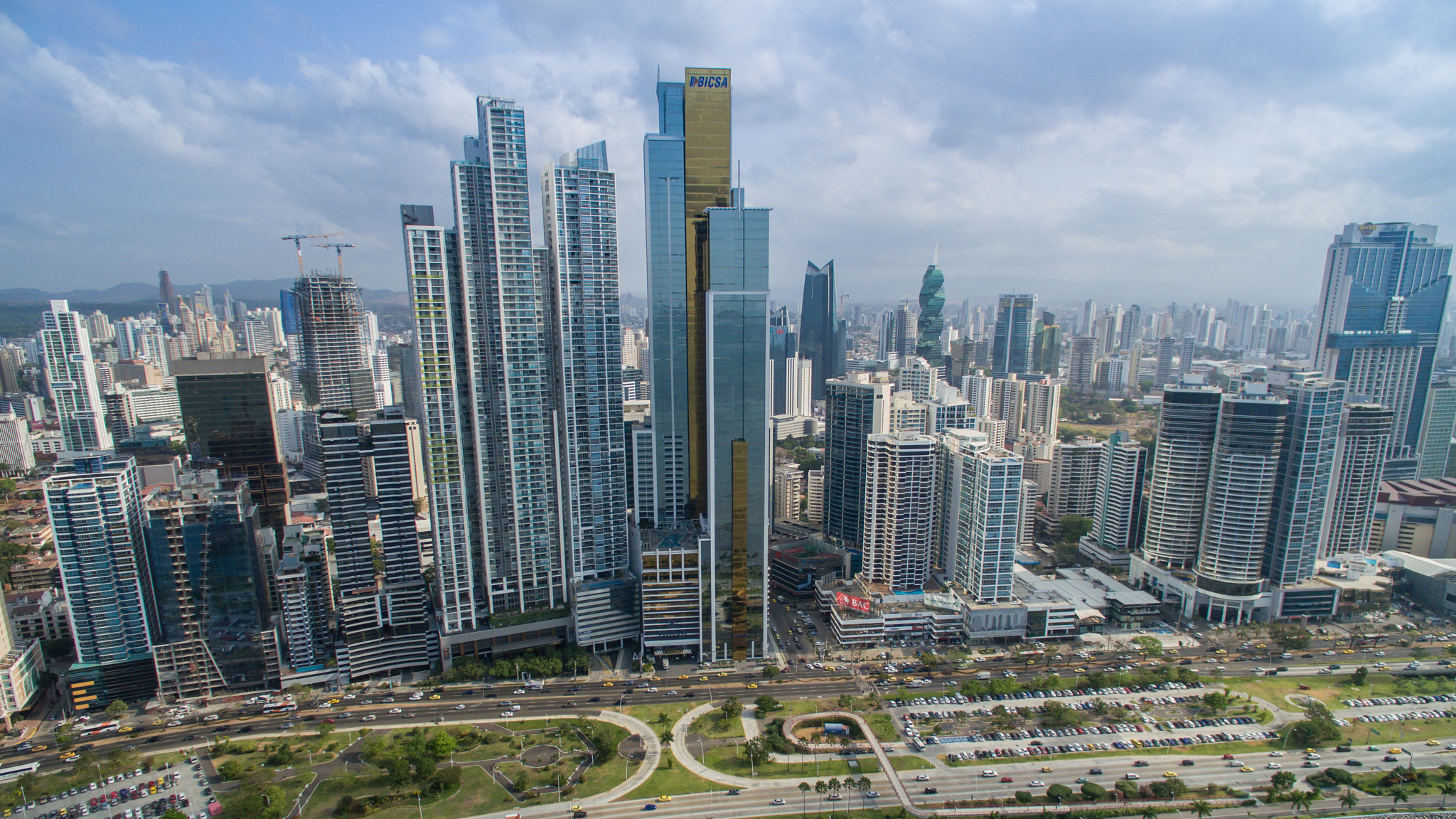
Why Panama City is Perfect for Your Celebration
- Tocumen International Airport offers direct connections from across the Americas, Europe, and beyond — making guest travel straightforward
- Casco Viejo's UNESCO-listed colonial district provides unique, atmospheric courtyards and heritage venues unlike anywhere else in the region
- The modern Punta Pacífica and Marbella districts host internationally branded luxury hotels with dedicated event and banquet infrastructure
- Dry season (Dec–Apr) delivers reliably clear skies and comfortable temperatures — ideal for outdoor ceremonies and rooftop receptions
- A mature international hospitality ecosystem means experienced event planners, caterers, and AV vendors are readily available
- The Panama Canal backdrop and Pacific waterfront offer genuinely iconic settings for photography and open-air celebrations

Compare Panama City with Other Top Destinations
Frequently Asked Questions
Is Panama City a good destination for a wedding?
Yes. Panama City suits couples seeking a cosmopolitan, internationally accessible wedding with genuine venue variety — from sleek hotel ballrooms and rooftop terraces to intimate colonial courtyards in Casco Viejo. Its strong air connectivity makes it practical for guest groups flying in from multiple countries, and the dry season (December–April) provides a reliable outdoor window.
What is the best time of year to hold an event in Panama City?
The dry season — December through April — is the strongly recommended window. February and March are typically the driest and most comfortable months. May through November bring heavy daily rainfall and high humidity that significantly limit outdoor event options and reduce overall guest comfort.
How easy is it for international guests to reach Panama City?
Very easy. Tocumen International Airport is the largest hub in Central America, with direct flights from major cities across North America, South America, Europe, and the Caribbean. Most international guests can reach Panama City with a single flight or one short connection, making it one of the more accessible destination event locations in the Americas.
What kinds of venues are available for events in Panama City?
Panama City offers genuine variety: luxury hotel ballrooms and banquet halls in the Marbella and Punta Pacífica districts, rooftop terraces with skyline and Pacific views, restored colonial courtyards in Casco Viejo, waterfront spaces along Balboa Avenue, and resort-style properties with outdoor lawns on the city's outskirts — all within the greater city area.
How large a guest group can Panama City realistically accommodate?
The city's internationally branded hotels can comfortably handle mid-to-large events — typically 200 to 600 guests — within a single property. Smaller, more intimate gatherings of 50 to 150 guests are particularly well-served by the colonial heritage venues in Casco Viejo. Very large events of 700+ guests may require careful venue selection.
Is English spoken in Panama City's hospitality and event industry?
Yes, broadly. While Spanish is the official language, Panama City's role as a global business hub means English is widely functional across hotels, event vendors, catering teams, and coordination services. International planners and guest groups generally find communication straightforward without requiring a local language intermediary.
What is the local transport situation for event guests once they arrive?
Ride-hailing services and taxis are widely available for individual guests. For group transfers — airport pickups, hotel-to-venue shuttles — private coach and minibus hire is well-established. Traffic congestion can be significant on main arterial roads, so event-day schedules should build in realistic transfer times, particularly around peak hours.
How developed is Panama City's event vendor ecosystem?
Quite mature. As a major international business hub, the city has an established layer of event planners, caterers, floral and décor vendors, AV and production companies, and photographers experienced with international guest groups. The regular flow of corporate conferences and incentive events has built a professional vendor community that goes beyond what smaller regional cities typically offer.
Is Panama City suitable for corporate events and incentive retreats?
Yes — arguably this is one of the city's strongest use cases. Its conference infrastructure, internationally branded hotels with dedicated meeting and event facilities, reliable connectivity, and combination of work-ready venues with leisure experiences (canal tours, Casco Viejo, Pacific waterfront) make it a natural and well-functioning incentive and corporate event destination.
What makes Casco Viejo special as an event setting?
Casco Viejo is Panama City's UNESCO-listed colonial quarter — a walkable district of restored 17th and 18th-century architecture, cobblestone streets, and open courtyards. It offers an intimate, historically atmospheric alternative to the modern hotel circuit, particularly suited to smaller weddings, rehearsal dinners, and curated private celebrations where character and uniqueness matter more than scale.
Are there outdoor event options in Panama City, and how weather-dependent are they?
Yes — rooftop terraces, waterfront spaces along Balboa Avenue, the Amador Causeway, and resort lawns on the city's outskirts all offer outdoor event settings. During the dry season (December–April), these are genuinely viable with low weather risk. Outside this window, heavy and frequent rainfall makes outdoor events significantly more weather-dependent and generally inadvisable without robust covered contingency plans.

Ready to explore venues in Panama City?
Panama City: Destination Wedding & Event Venues
◆Panama City is a strong choice for cosmopolitan destination weddings, corporate retreats, incentive events, and milestone celebrations. Its primary vibe is chic and urban — a modern financial capital with a UNESCO-listed colonial quarter, Pacific waterfront, and one of the best-connected international airports in the Americas. The dry season (December through April) is the clear window for outdoor events, offering reliably low rainfall and comfortable temperatures. The city's hospitality infrastructure is internationally mature, with a wide range of branded luxury hotels, experienced event vendors, and English-speaking service staff — making it accessible for international guest groups without significant logistical friction.
Panama City at a Glance
| Category | Detail |
|---|---|
| Best For | Destination Weddings, Corporate Events, Incentive Retreats, Milestone Celebrations |
| Primary Vibe | Chic & Cosmopolitan |
| Other Vibes | Colonial Heritage, Waterfront, Tropical Urban |
| Best Season | Dry Season (Jan, Feb, Mar, Apr, Dec) |
Why Choose Panama City?
- Exceptional international air connectivity: Tocumen International Airport is the largest hub in Central America, with direct routes from major cities across North America, South America, Europe, and the Caribbean — meaning guests from diverse origins can typically reach Panama City with a single flight or one short connection.
- Dual identity — modern skyline and colonial heritage: Few cities in the region offer the contrast of gleaming waterfront towers alongside a walkable, UNESCO-recognized colonial district (Casco Viejo) within the same city boundary. This gives event planners genuine variety in venue character without requiring guests to travel between cities.
- Mature luxury hospitality infrastructure: Panama City hosts a dense concentration of internationally branded hotels with purpose-built ballrooms, rooftop terraces, and outdoor event lawns — supported by experienced in-house event teams familiar with international standards.
- English widely spoken in hospitality: While Spanish is the official language, the city's role as a global business hub means English is broadly functional across hotels, vendors, and event services — reducing coordination friction for international planners and guests.
- Reliable dry-season weather window: The December–April dry season delivers consistently low rainfall and manageable humidity, making outdoor ceremonies and open-air receptions genuinely viable rather than weather-dependent gambles.
- Pacific waterfront and Panama Canal proximity: The Amador Causeway, the Bay of Panama, and the Canal itself provide iconic, photogenic backdrops that are genuinely unique to this destination and difficult to replicate elsewhere in the region.
Which Celebrations Work Best in Panama City?
- Destination Weddings: Panama City suits couples seeking a cosmopolitan, internationally accessible wedding with a choice between sleek modern hotel ballrooms and intimate colonial courtyards. The dry season provides a reliable outdoor window, and the city's strong air links make it practical for guest groups flying in from multiple countries.
- Corporate Events & Incentive Retreats: The city is arguably at its strongest for corporate gatherings. Its business infrastructure — conference facilities, internationally branded hotels, reliable connectivity, and a professional vendor ecosystem — is well-developed. The combination of work-ready venues and leisure experiences (canal tours, Casco Viejo, Pacific beaches nearby) makes it a natural incentive destination.
- Milestone Celebrations (Anniversaries, Birthdays, Reunions): For groups seeking a memorable, internationally accessible celebration with genuine wow-factor scenery and dining, Panama City delivers. Rooftop venues overlooking the skyline and waterfront dinners along Balboa Avenue are particularly well-suited to landmark occasions.
- Festivals & Cultural Events: Panama City's cosmopolitan character and event infrastructure support branded festivals, product launches, and cultural gatherings. The city regularly hosts international conferences and large-scale events, meaning the logistical ecosystem for managing large guest flows is established.
Venues & Event Spaces
Panama City's event venue landscape is genuinely diverse, spanning several distinct character types:
- Luxury hotel ballrooms and banquet halls: The Marbella, Punta Pacífica, and Costa del Este districts concentrate the city's internationally branded hotels, most of which have dedicated ballroom and banquet infrastructure capable of handling mid-to-large guest counts. These venues typically offer in-house catering, AV, and event coordination.
- Rooftop terraces and sky venues: Panama City's vertical skyline creates a category of rooftop event spaces with panoramic views of the Pacific and the city's distinctive tower clusters — particularly suited to cocktail receptions, rehearsal dinners, and evening celebrations.
- Colonial heritage courtyards (Casco Viejo): The UNESCO-listed old quarter contains restored colonial mansions, boutique hotels, and open courtyards that offer an intimate, atmospheric alternative to the modern hotel circuit. These spaces are generally better suited to smaller, more curated gatherings than large-scale receptions.
- Waterfront and causeway venues: The Amador Causeway and Balboa Avenue waterfront host event-capable restaurants, clubs, and open-air spaces with direct views of the Bay of Panama and the Bridge of the Americas — popular for outdoor ceremonies and sunset receptions during the dry season.
- Resort-style properties outside the urban core: Within roughly 30 km of the city center, beach-adjacent resort properties offer a more relaxed, tropical setting with outdoor lawns, pools, and garden spaces — suitable for couples or groups wanting a resort feel without leaving the greater Panama City area.
Best Time to Celebrate
The dry season — December through April — is the strongly preferred window for events in Panama City, and the reasoning goes beyond simply "less rain."
- December and January mark the transition into the dry season. Humidity drops noticeably, afternoon downpours become rare, and the city's outdoor spaces become reliably usable. December also benefits from a festive atmosphere tied to the holiday season, which can complement celebration planning.
- February and March are typically the driest and most comfortable months of the year — the peak of the dry season. Outdoor ceremonies, rooftop receptions, and waterfront dinners are at their most practical during this window. These months are popular for destination weddings and corporate retreats precisely because the weather risk is at its lowest.
- April remains within the dry season but begins to show early signs of the approaching wet season toward the latter half of the month. It is still generally suitable for events, though planners booking late April should build in contingency for outdoor elements.
- May through November constitute Panama City's rainy season, and this is a genuine planning constraint — not merely a mild inconvenience. The city receives the majority of its annual rainfall during this period, with heavy, often daily afternoon and evening downpours that can last several hours. Humidity is high throughout. Outdoor ceremonies and open-air receptions during this window carry meaningful weather risk, and even covered outdoor spaces can be affected by wind and lateral rain. Indoor-only events are more manageable, but the overall experience for guests — particularly those arriving from drier climates — is notably less comfortable. Planners with flexibility should strongly favor the dry season window.
Getting There & Local Connectivity
Panama City is among the most accessible destinations in the Americas for international guests. Tocumen International Airport serves as the primary regional hub for Copa Airlines and receives direct flights from major cities across North America, South America, Europe, and the Caribbean. For most guest groups, reaching Panama City requires at most one connection, and for guests from the United States, direct flights are available from numerous gateway cities.
Within the city, guest movement is primarily by road. Ride-hailing services (Uber operates in Panama City) and taxis are widely available and practical for individual guests. For group transfers — airport pickups, hotel-to-venue shuttles, and post-event transportation — private coach and minibus hire is well-established and commonly used by event planners. The city's urban metro system covers key residential and commercial zones but is not typically the primary mode for event guest groups, particularly those staying in the main hotel districts.
Traffic congestion in Panama City can be significant, particularly during peak hours on the main arterial roads connecting the airport to the hotel districts. Planners should factor realistic transfer times into event-day schedules, especially for airport arrivals and departures around morning and evening rush periods. The distance from Tocumen to the main hotel and event districts (Marbella, Punta Pacífica, Casco Viejo) typically ranges from 25 to 40 minutes under normal conditions, but can extend considerably during congestion.
Local Vendor & Hospitality Ecosystem
Panama City's vendor ecosystem is one of its genuine strengths as an event destination. As a major international business hub, the city has developed a professional layer of event services that goes well beyond what is typically available in smaller regional capitals:
- Event planning and coordination: A number of established destination wedding and corporate event planning firms operate in Panama City, with experience managing international guest groups, multi-day programs, and hybrid indoor/outdoor formats.
- Catering: The city's restaurant and catering scene is genuinely cosmopolitan — reflecting Panama's position as a crossroads of cultures. International cuisine, fusion menus, and traditional Panamanian food are all available at event-appropriate quality levels. Most major hotels offer in-house catering with customizable menus.
- Floral, décor, and production: Floral and event décor vendors are well-represented, with access to tropical blooms and imported flowers. AV and production companies capable of handling large-scale events are present in the city, supported by the regular flow of international conferences and corporate events.
- Photography and entertainment: A professional photography and videography community exists, with practitioners experienced in both the modern hotel and colonial heritage settings. Live music, DJs, and entertainment acts are available across a range of styles.
- English-language service: Across hotels, vendors, and event services, English is broadly functional — a meaningful practical advantage for international planners coordinating remotely or for guest groups with limited Spanish.
Pros & Things to Consider
Why Panama City Works Well
- Outstanding international air connectivity — one of the best-connected hubs in the Americas
- Genuine venue diversity: modern luxury hotels, colonial heritage spaces, waterfront terraces, and resort properties all within the greater city area
- Mature, internationally experienced hospitality and vendor ecosystem
- English widely spoken across hospitality and event services
- Reliable dry-season weather window (December–April) for outdoor events
- Iconic, photogenic backdrops — skyline, Pacific waterfront, Panama Canal proximity, Casco Viejo
- USD-based economy simplifies financial planning for US-based clients and guests
Things to Consider
- Rainy season is a genuine constraint: May through November brings heavy, frequent rainfall that meaningfully limits outdoor event options — not just a light shower risk.
- Traffic congestion: Panama City's road network can be significantly congested, and transfer times between the airport, hotels, and venues should be planned conservatively, particularly for time-sensitive event schedules.
- Urban character: Panama City is fundamentally a modern, urban capital. Guests or couples seeking a secluded, nature-immersed, or purely tropical beach setting may find the city's character less aligned with that vision — the beach resort experience requires traveling to properties on the city's outskirts.
- Casco Viejo venue capacity limits: The colonial district's intimate scale is a strength for smaller gatherings but a constraint for large guest counts — heritage courtyards and boutique properties in this area are generally not suited to receptions of several hundred guests.
- Humidity even in dry season: While the dry season is significantly more comfortable than the wet season, Panama City remains a tropical city — ambient humidity is present year-round, and guests unaccustomed to tropical climates should be prepared for warm, humid conditions even in the best months.
When Panama City May Not Be the Right Fit
- Events planned during May–November: If dates are fixed in the rainy season and the event relies heavily on outdoor elements — garden ceremonies, open-air receptions, waterfront dinners — Panama City's weather during this period creates meaningful risk that is difficult to fully mitigate.
- Couples seeking a secluded, nature-first destination: Panama City is a capital city with an urban energy. Those prioritizing a remote jungle lodge, a private island, or a quiet beach-village atmosphere will find the city's character a poor match, even accounting for the resort properties on its outskirts.
- Very large guest counts requiring a single venue: While the city's hotel ballrooms can accommodate substantial guest lists, extremely large celebrations (several hundred guests requiring a single contiguous outdoor space) may find the available inventory more constrained than in destinations purpose-built around large-scale resort events.
- Guests with very limited travel flexibility: While international connectivity is excellent, guests traveling from South or Southeast Asia, or from smaller regional cities without Copa connections, may face longer or more complex journeys than they would to a destination closer to their home region.