
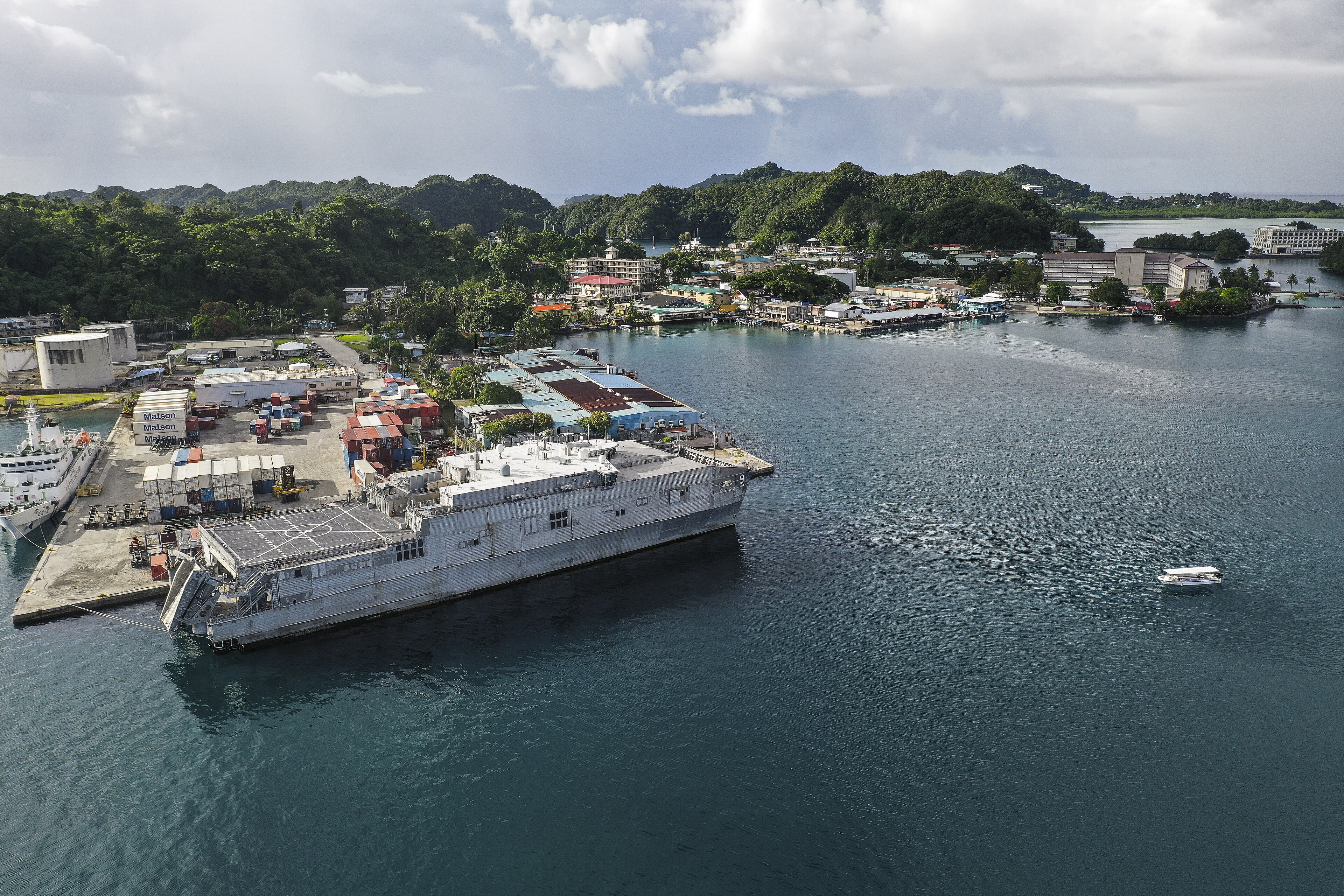
Why Malakal Island is Perfect for Your Celebration
- Gateway to some of the world's top-ranked dive sites, including Jellyfish Lake and Blue Corner
- Intimate island scale naturally suits small, exclusive celebrations and private group buyouts
- Dry season (Jan–Apr, Dec) offers calm seas and clear skies ideal for outdoor and water-based events
- Unique marine and jungle scenery creates genuinely unforgettable event photography backdrops
- Palau's strong eco-tourism infrastructure means experienced local operators for group excursions
- Seclusion and exclusivity are built-in — guests are genuinely immersed in a remote tropical paradise

Compare Malakal Island with Other Top Destinations
Frequently Asked Questions
Is Malakal Island a good place for a destination wedding?
Yes, for the right couple. Malakal Island is particularly well-suited to small, intimate destination weddings — typically under 80 guests — where the priority is an extraordinary natural setting and a shared adventure experience. The combination of pristine lagoons, reef scenery, and genuine seclusion creates a genuinely rare backdrop. It is less suited to large, production-heavy weddings requiring extensive vendor infrastructure.
What is the best time of year to hold an event on Malakal Island?
The dry season — January, February, March, April, and December — is the strongly recommended window. During these months, rainfall is reduced, seas are calmer, and conditions for outdoor ceremonies and water-based activities are at their most reliable. The wet season (May–November) brings heavy rain, rougher seas, and typhoon risk, making outdoor events significantly less predictable.
How do guests get to Malakal Island?
Guests fly into Roman Tmetuchl International Airport near Koror, which receives international connections primarily from Asian hub cities including Manila, Seoul, Taipei, Tokyo, and Guam. From the airport, Malakal Island is a short road and bridge transfer. Most guests from outside Asia will require at least one connecting flight, making total journey times substantial — this is an important factor when planning guest travel.
How many guests can realistically be accommodated for an event on Malakal Island?
Malakal Island's accommodation and venue inventory is limited by its compact size. Events of up to 50–80 guests are generally manageable, with guests spread across island resort properties and nearby Koror accommodation. Groups significantly larger than this will find the local inventory stretched, and coordinating accommodation across multiple properties adds logistical complexity.
What kinds of event spaces are available on Malakal Island?
The dominant event spaces are outdoor — waterfront terraces, garden lawns, and open-air decks with lagoon views. Indoor spaces within island resorts are modest in scale, suited to intimate dinners rather than large receptions. Boat charters and private island excursions offer a distinctive local option for sundowner events or informal celebrations on the water. The overall character is natural and relaxed rather than grand or formal.
Are there local event vendors and caterers available on Malakal Island?
Palau has a professional eco-tourism and hospitality operator network, and resort properties offer in-house catering and basic event coordination. However, the local pool of specialist event vendors — florists, photographers, entertainment acts, décor specialists — is limited. Planners should expect to source some specialist suppliers from outside Palau and factor in the logistics and lead time this requires.
What makes Malakal Island distinctive as an event destination compared to a conventional resort city?
Malakal Island's defining distinction is its marine environment. Guests have direct access to some of the world's most celebrated dive and snorkel sites, including Jellyfish Lake and Blue Corner. The combination of pristine reefs, limestone rock islands, and tropical jungle creates event photography and shared experiences that no conventional ballroom destination can replicate. The destination suits groups who value extraordinary natural immersion over production scale.
Is Malakal Island suitable for non-diving guests attending an event?
Yes. While diving is the headline activity, Palau offers snorkelling, kayaking, boat tours, island exploration, and cultural visits that are accessible to non-divers. Resort facilities provide comfortable bases for guests who prefer to relax rather than participate in water sports. That said, guests who are entirely averse to water-based activities may find the destination's activity offering less varied than a larger urban or resort city.
What is the internet and mobile connectivity like on Malakal Island?
Connectivity on Malakal Island is limited compared to urban destinations. Basic mobile and internet services are available through resort properties, but speeds and reliability are not comparable to a major city. Guests and planners who need consistent, high-speed connectivity for work or live-streaming event elements should factor this in and discuss options with their resort in advance.
Are there any environmental rules or regulations that affect event planning in Palau?
Yes. Palau has strong environmental regulations reflecting its internationally recognised conservation commitments, including the Palau Pledge — a visitor commitment to responsible behaviour. Certain activities, products (such as reef-damaging sunscreens), and behaviours are restricted. Event planners should familiarise themselves with local conservation rules early in the planning process to ensure their event design is compliant and respectful of the destination's values.
Is Malakal Island safe for international guests?
Generally, yes. Palau is considered a safe destination for international visitors, with low crime rates and a welcoming local community. Standard travel precautions apply. The main safety considerations for event groups are water-activity related — guests participating in diving or snorkelling should do so with qualified local operators and appropriate supervision, particularly those who are inexperienced.

Ready to explore venues in Malakal Island?
Malakal Island, Palau: Destination Events & Celebration Venues
◆Malakal Island is a small tropical island in Koror State, Republic of Palau, in the Western Pacific, best suited to intimate, adventurous celebrations — particularly small destination weddings, birthday milestones, and social group gatherings for guests who value extraordinary natural experiences over large-scale ballroom events. Its primary vibe is adventurous and thrilling, anchored by world-class diving, pristine lagoons, and genuine seclusion. The dry season (January through April, and December) is the strongly preferred window for events. Accessibility is limited — guests typically require long-haul international flights — making this destination most appropriate for small, committed guest groups rather than large assemblies.
Malakal Island at a Glance
| Category | Detail |
|---|---|
| Best For | Intimate Destination Weddings, Birthday Milestones, Social Group Gatherings, Adventure Celebrations |
| Primary Vibe | Adventurous & Thrilling |
| Other Vibes | Tropical, Secluded, Romantic, Nature-Immersive |
| Best Season | Dry Season (Jan, Feb, Mar, Apr, Dec) |
Why Choose Malakal Island?
- World-class marine environment: Malakal Island sits at the edge of Palau's extraordinary reef system, giving event groups immediate access to Jellyfish Lake, Blue Corner, and some of the most celebrated dive and snorkel sites on the planet — a genuinely rare experiential offering no conventional ballroom destination can replicate.
- Built-in exclusivity and seclusion: The island's compact scale and limited accommodation inventory mean that a group booking here effectively has the destination largely to themselves, creating a naturally private and immersive atmosphere.
- Exceptional dry-season conditions: During January through April and December, Palau's weather is at its most stable — calm seas, reduced rainfall, and excellent underwater visibility — making outdoor ceremonies, sunset dinners on the water, and boat-based excursions reliably feasible.
- Experienced eco-tourism operator network: Palau has a mature dive and eco-tourism industry with professional local operators well-practised in managing group logistics, boat charters, guided excursions, and multi-day itineraries — a meaningful advantage for event planners coordinating group activities.
- Genuinely distinctive photography: The combination of turquoise lagoons, limestone rock islands, lush jungle, and vibrant marine life produces event and wedding photography that is visually unlike any other destination in the world.
- Palau's strong conservation ethos: Palau is internationally recognised for its environmental stewardship, and celebrating here carries a meaningful, values-aligned dimension for couples and groups who care about sustainability and responsible travel.
Which Celebrations Work Best in Malakal Island?
- Intimate destination weddings: Malakal Island is particularly well-suited to small, meaningful ceremonies — typically under 80 guests — where the couple prioritises an extraordinary natural setting and shared adventure over large guest lists or elaborate production. The island's scenery does the heavy lifting that décor would need to do elsewhere.
- Milestone birthday celebrations: A significant birthday — a 30th, 40th, or 50th — celebrated in Palau carries a genuine sense of occasion. The combination of diving, island exploration, and intimate resort gatherings makes for a multi-day experience that guests remember for years.
- Social group gatherings and reunion trips: Friend groups, dive clubs, and close-knit social circles find Malakal Island an ideal base for a shared adventure that doubles as a celebration. The island's activity infrastructure supports group itineraries naturally.
- Pre-wedding or post-wedding retreats: Couples who have held their main wedding elsewhere sometimes choose Palau for a honeymoon or a small post-wedding celebration with their closest circle, taking advantage of the island's romantic seclusion and natural drama.
Venues & Event Spaces
Malakal Island's event venue landscape is characterised by resort-style properties rather than purpose-built banquet halls or convention centres. Outdoor spaces — waterfront terraces, garden lawns, and open-air decks overlooking the lagoon — are the dominant event setting, and they are genuinely spectacular during the dry season. Indoor spaces within island resorts tend to be modest in scale, suited to intimate dinners and small receptions rather than large-format productions. Boat charters and private island excursions are a distinctive local option, allowing groups to hold sundowner events, cocktail receptions, or informal celebrations on the water or on uninhabited islets nearby. The general character of available spaces leans toward natural, relaxed, and immersive rather than grand or formal — couples and planners who want dramatic floral installations, large stage setups, or multi-hall configurations will find the local inventory limited, but those who want the ocean and jungle as their backdrop will find it unmatched.
Best Time to Celebrate
The curated best season for events on Malakal Island is the dry season: January, February, March, April, and December. During these months, Palau experiences its most settled weather — rainfall is significantly reduced, seas are calmer, and underwater visibility at dive sites is typically at its clearest. For outdoor ceremonies and water-based activities, this window is strongly preferred. December in particular combines dry-season conditions with a festive atmosphere, making it popular for year-end celebrations.
The wet season, running broadly from May through November, brings substantially higher rainfall, rougher seas, and reduced visibility for snorkelling and diving. Typhoon risk, while not extreme for Palau compared to some neighbouring Pacific regions, is a genuine consideration from June through November. Outdoor events during the wet season carry meaningful weather risk, and boat-based activities may be curtailed or cancelled at short notice. Planners considering a wet-season event should have robust contingency plans and realistic expectations about activity availability.
Getting There & Local Connectivity
Malakal Island is accessed via Roman Tmetuchl International Airport, located on the main island of Babeldaob near Koror — a short road and bridge transfer from Malakal itself. The airport receives international flights primarily from Asian hub cities, with connections commonly routed through Manila, Seoul, Taipei, Tokyo, and Guam. For guests travelling from South Asia, Europe, or the Americas, reaching Palau typically involves at least one — and often two — connecting flights, making total journey times substantial. This is a defining logistical reality for event planning here: guest commitment and travel tolerance are important factors.
Once on the island, local movement is straightforward for small groups. Malakal Island itself is compact and walkable in parts, and boat transfers to nearby sites are readily arranged through local operators. Road connections to Koror — Palau's main commercial centre — are quick and easy, giving groups access to a broader range of restaurants, shops, and services than the island alone provides. For larger groups, coordinating boat charters and vehicle transfers in advance is advisable, as local transport capacity is not unlimited.
Local Vendor & Hospitality Ecosystem
Palau's hospitality ecosystem is shaped primarily by its dive and eco-tourism industry, which is mature, professional, and internationally experienced. Local dive operators, boat charter companies, and eco-tour guides are well-practised in managing group logistics and multi-day itineraries. For event-specific services — catering, floral design, event coordination, entertainment — the local vendor pool is smaller and more limited than in a major urban destination. Couples and planners should expect to work with a compact set of local suppliers, and in some cases to bring specialist vendors (photographers, florists, entertainment) from outside Palau. Resort properties on and near Malakal Island typically have in-house catering and basic event coordination capabilities, but the depth of choice available in a larger city is not replicated here. This is a trade-off worth understanding clearly before committing to the destination.
Pros & Things to Consider
Why Malakal Island Works Well
- Genuinely world-class natural setting — reefs, lagoons, and rock islands create extraordinary visual drama
- Naturally intimate and exclusive — small scale means groups feel genuinely immersed, not lost in a crowd
- Dry season conditions are reliable and well-defined, making event planning around weather straightforward
- Strong eco-tourism operator network handles group activity logistics professionally
- Palau's conservation reputation adds a meaningful, values-aligned dimension to celebrating here
- Distinctive, globally rare photography backdrop — no other destination produces quite the same imagery
Things to Consider
- Remote location means long, multi-leg journeys for most international guests — travel fatigue is a real factor
- Venue and accommodation inventory is limited; large guest lists (100+) are difficult to accommodate comfortably
- Specialist event vendors (florists, photographers, entertainment) may need to be sourced and flown in from outside Palau
- Internet and mobile connectivity on the island is limited compared to urban destinations — important for guests who need to stay connected
- Wet season (May–November) carries genuine weather and sea-condition risk that can affect outdoor and water-based event elements
- Palau's strong environmental regulations (including the Palau Pledge) mean certain activities and behaviours are restricted — planners should familiarise themselves with local conservation rules
When Malakal Island May Not Be the Right Fit
- Large guest lists: If your celebration involves more than 80–100 guests, Malakal Island's accommodation and venue inventory will struggle to absorb the group comfortably. A destination with larger resort or hotel infrastructure would serve better.
- Guests with limited travel flexibility: The multi-leg international journey to Palau is a significant ask. If your guest list includes elderly relatives, young children, or guests with limited travel budgets or time, the logistics may create more stress than the destination is worth.
- Wet-season event plans: If your preferred dates fall between May and November, the combination of heavy rainfall, rough seas, and potential typhoon risk makes outdoor and water-based event elements genuinely unreliable. A different destination or a date shift to the dry season would be strongly advisable.
- Events requiring extensive vendor choice: Couples who want a wide selection of local florists, caterers, entertainment acts, or décor specialists will find Palau's vendor ecosystem limited. If vendor diversity and local production depth are priorities, a larger destination city would be a better match.