
Why Airai is Perfect for Your Celebration
- Palau's main international airport sits within Airai, making it the most accessible entry point in the country for arriving guests
- Dry season (Jan–Apr, Dec) offers reliably low rainfall and calm Pacific waters, ideal for outdoor ceremonies and boat excursions
- Exceptional marine biodiversity — snorkeling, diving, and island-hopping are natural extensions of any celebration itinerary
- Small-scale, exclusive venue options mean events feel genuinely private rather than lost in a large resort complex
- Lush jungle backdrops, mangrove coastlines, and turquoise lagoons create naturally dramatic ceremony settings
- Palau's strong eco-tourism infrastructure supports responsible, nature-immersive event experiences unlike almost anywhere else in the Pacific

Compare Airai with Other Top Destinations
Frequently Asked Questions
Is Airai a good destination for a small intimate wedding?
Yes. Airai and the surrounding Koror–Malakal area in Palau are particularly well-suited to small, intimate weddings — typically groups of 20 to 150 guests. The tropical resort properties offer outdoor ceremony spaces with Pacific ocean and jungle backdrops, and the remote island setting creates a genuinely exclusive atmosphere that larger, more commercial destinations cannot replicate.
What is the best time of year to hold a celebration in Airai?
The dry season — January, February, March, April, and December — is the strongly recommended window. Rainfall is significantly lower, humidity is more manageable, and the surrounding waters are calmer, making outdoor ceremonies and water-based guest activities far more reliable. January and February are typically the driest months overall.
How do guests get to Airai, Palau?
Guests fly into Roman Tmetuchl International Airport, which is located within Airai State and is Palau's only international airport. It receives flights from regional hubs including Manila, Taipei, Seoul, and Tokyo. Most guests from Europe, South Asia, or the Americas will require at least one connecting flight, so early travel planning is essential.
How large a guest group can Airai realistically accommodate for an event?
Airai and the nearby Koror area can comfortably support events of roughly 20 to 200 guests across the available resort and hotel properties. Beyond that scale, the local accommodation and venue inventory becomes stretched. This destination is best suited to intimate or mid-sized celebrations rather than large-scale events requiring extensive banquet infrastructure.
What kinds of venues are available for events in Airai?
The primary venue types are tropical resort properties with outdoor garden, poolside, or waterfront lawn spaces suitable for ceremonies and receptions. Several properties also offer indoor air-conditioned banquet spaces. There are no palace-style heritage venues — the character is tropical resort and nature-immersive rather than grand architectural. Private island and boat-based arrangements are also possible.
How do guests get around locally once they arrive in Airai?
Local transport is by road vehicle and boat — there is no rail network or reliable public bus service. For event groups, pre-arranged minibus or van transfers between the airport, accommodation, and venues are the practical approach. Boat charters are widely available for island excursions and can be built into event programming. Taxis exist but are limited in number.
Are local event vendors and catering services available in Airai?
Yes, but the local vendor ecosystem is modest in scale. Resort properties generally have capable in-house catering teams, with fresh Pacific seafood a genuine local strength. Specialist event vendors — florists, decorators, photographers — exist locally in smaller numbers, and for highly customized events, some specialist talent may need to be sourced from Manila or Tokyo and brought in with advance planning.
What makes Airai distinctive as a celebration destination compared to a typical resort location?
Airai sits within one of the world's most celebrated marine ecosystems, offering guests access to world-class diving, snorkeling, and island-hopping in the Rock Islands as natural extensions of any celebration itinerary. The combination of genuine remoteness, pristine natural scenery, and Palau's strong eco-tourism culture creates an event experience that is difficult to replicate in more mainstream resort destinations.
Is Airai safe for international guests attending a celebration?
Yes. Palau is generally considered very safe for international visitors. Crime rates are low, the local population is welcoming to tourists, and the country has a well-established international visitor infrastructure. Standard travel precautions apply, but safety is not a significant concern for event planners assembling a guest group here.
What should planners know about the wet season in Airai?
The wet season runs from approximately May through November and brings frequent heavy rainfall, high humidity, and an elevated risk of tropical storms. Outdoor events become unreliable during this period, and the overall guest experience is considerably less comfortable. Venue operators can provide indoor contingency spaces, but the risk profile is meaningfully higher — the dry season window is strongly preferred for any celebration.
How far in advance should an event in Airai be planned?
Given the remote location, limited flight connections, and modest local vendor ecosystem, planning 9 to 18 months in advance is advisable for a destination event in Airai. This allows time to coordinate international guest travel, secure venue availability during the dry season, arrange any specialist vendors who need to travel to Palau, and manage customs logistics for imported event materials.

Ready to explore venues in Airai?
Airai, Palau: Destination Wedding & Celebration Event Guide
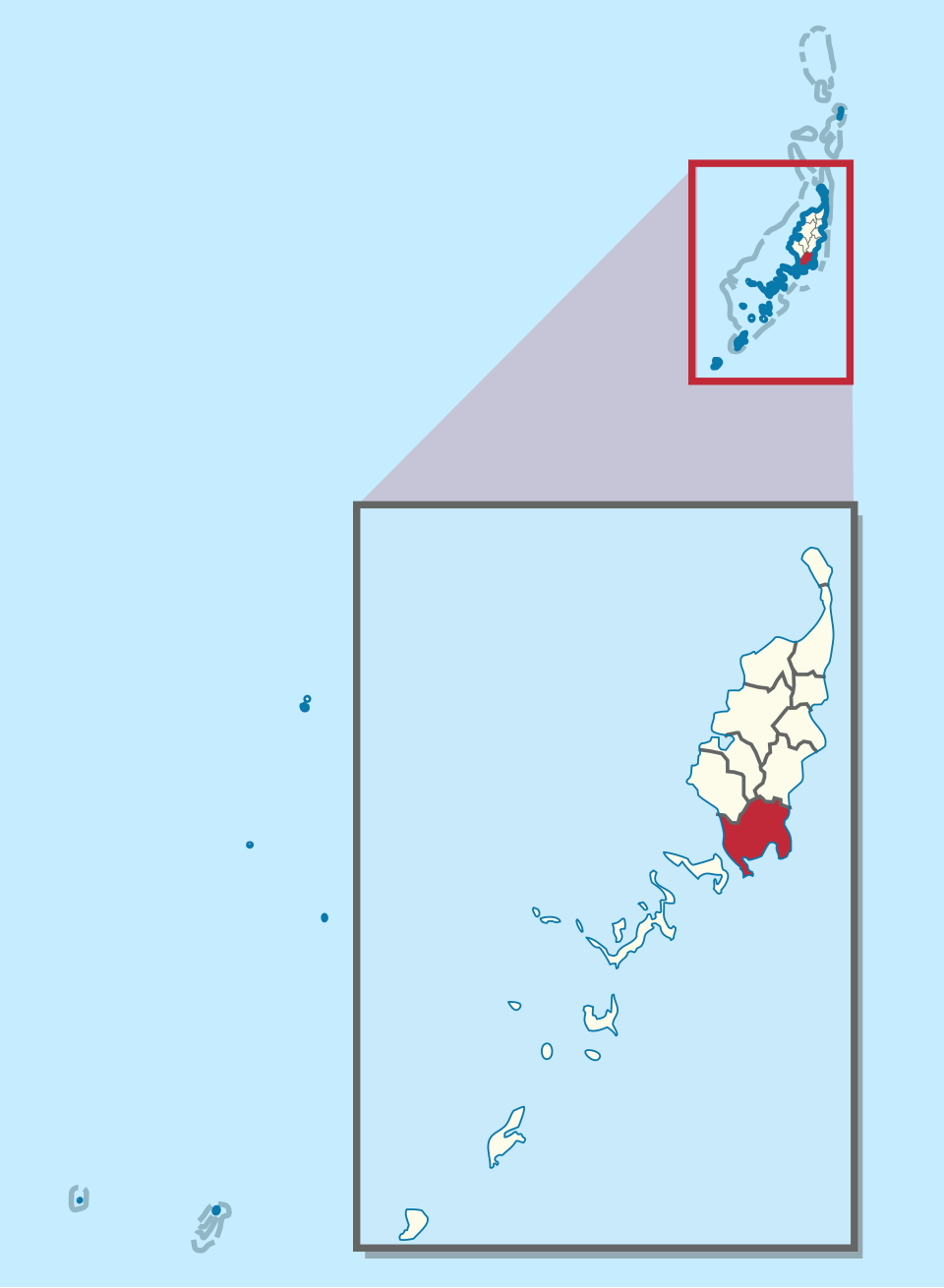
◆Airai is a state on Babeldaob island in the Republic of Palau, Micronesia, and functions as the country's primary arrival hub thanks to its international airport. It suits small, intimate weddings, private social celebrations, and milestone birthday events best — its primary vibe is chic and cosmopolitan within a genuinely tropical, nature-immersive setting. The dry season (January through April, and December) is the clear window for outdoor events, with lower rainfall and calmer seas. Guest accessibility requires careful planning given Palau's remote Pacific location, but for groups willing to make the journey, Airai delivers an extraordinarily exclusive and visually spectacular celebration environment.
Airai at a Glance
| Category | Detail |
|---|---|
| Best For | Intimate Weddings, Social Celebrations, Milestone Birthdays, Private Retreats |
| Primary Vibe | Chic & Cosmopolitan |
| Other Vibes | Tropical, Nature-Immersive, Exclusive, Serene |
| Best Season | Dry Season (Jan, Feb, Mar, Apr, Dec) |
Why Choose Airai?
- Gateway location: Airai hosts Palau's only international airport, making it the natural base for any destination event in the country — guests arrive directly into the celebration zone rather than transferring across islands.
- Unmatched natural scenery: Lush Babeldaob jungle, mangrove coastlines, and the turquoise waters of the Pacific create ceremony and reception backdrops that are genuinely difficult to replicate anywhere else in the world.
- Genuine exclusivity: Palau's small population and limited tourism infrastructure mean events here feel private and unhurried — there is no mass-market resort crowd to contend with.
- Eco-conscious celebration culture: Palau is internationally recognized for its marine conservation commitments, and its hospitality sector has developed strong eco-tourism practices that translate naturally into thoughtful, responsible event experiences.
- Dry season reliability: The January–April and December window offers consistently lower rainfall, calmer lagoon conditions, and comfortable temperatures — a dependable planning window for outdoor ceremonies and water-based activities.
- Marine activity extensions: World-class snorkeling, diving in Palau's famous Rock Islands, and private island excursions are natural add-ons to any celebration itinerary, giving guests an experience far beyond a standard hotel event.
Which Celebrations Work Best in Airai?
- Intimate Destination Weddings: Airai is particularly well-suited to small, close-knit wedding groups — typically under 150 guests — who prioritize a unique, visually extraordinary setting over large-scale banquet infrastructure. The tropical outdoor environment, combined with the exclusivity of a remote Pacific island, creates a ceremony atmosphere that is genuinely memorable.
- Milestone Birthday Celebrations: A significant birthday — a 30th, 40th, or 50th — gains real meaning when celebrated somewhere as distinctive as Palau. Small resort buyouts or private villa arrangements work well for groups of 20–80 guests seeking a shared adventure alongside the celebration itself.
- Social Gatherings & Private Retreats: Corporate social events, anniversary parties, and reunion gatherings benefit from Airai's combination of comfortable accommodation, natural beauty, and the built-in bonding experience of a remote destination. The journey itself becomes part of the event narrative.
- Pre- and Post-Wedding Experiences: Even for couples whose main ceremony is elsewhere, Airai and the broader Palau archipelago serve as an exceptional honeymoon or post-wedding retreat destination, with the dry season offering ideal conditions for water-based exploration.
Venues & Event Spaces
Airai and the immediately surrounding Koror–Malakal area offer a modest but genuine range of event-capable properties. The dominant venue type is the mid-scale tropical resort — properties with outdoor garden or poolside spaces that can be configured for ceremonies and receptions, typically accommodating groups of 50 to 250 guests comfortably. Several properties offer beachfront or waterfront lawn areas that serve as natural ceremony settings, with the Pacific as a backdrop.
Banquet hall infrastructure exists within the larger hotel properties, providing air-conditioned indoor options for receptions or dinners — important given the humidity even in the dry season. Smaller boutique guesthouses and motel-style properties can accommodate intimate gatherings of 20–60 guests and are sometimes available for partial or full buyout arrangements, which suits private celebration groups well.
There are no large convention-scale venues or palace-style heritage properties in Airai — the venue landscape is defined by tropical resort character rather than grand architectural grandeur. Outdoor natural settings — jungle clearings, waterfront decks, and private island arrangements accessible by boat — are among the most distinctive event spaces available, though these require more logistical coordination than a standard hotel ballroom.
Best Time to Celebrate
The dry season — spanning January, February, March, April, and December — is the strongly preferred window for events in Airai. During these months, rainfall is significantly lower than the rest of the year, humidity is more manageable, and the surrounding Pacific waters are calmer, making boat transfers, water activities, and outdoor ceremonies far more reliable. Temperatures remain warm (typically 24°C–30°C) but are moderated by lower humidity and occasional dry-season breezes.
January and February are generally the driest months and are considered the peak of the dry season — ideal for outdoor ceremonies with the lowest risk of rain disruption. March and April remain excellent, with conditions only beginning to shift toward the end of April. December is a strong option as well, benefiting from the tail end of the dry pattern and often coinciding with holiday travel schedules that make it easier for international guests to plan extended trips.
The wet season (May through November) brings frequent heavy rainfall, significantly higher humidity, and an elevated risk of tropical storms and occasional typhoon activity. While events are not impossible during this period, outdoor ceremonies become unreliable, and the overall guest experience is considerably less comfortable. Venue operators in Palau are accustomed to wet-season contingency planning, but the risk profile is meaningfully higher, and the natural scenery — while still beautiful — is less consistently accessible for water-based activities.
Getting There & Local Connectivity
Airai is home to Palau's only international airport, Roman Tmetuchl International Airport, which receives flights from a small number of regional hubs including Manila, Taipei, Seoul, and Tokyo. For guests traveling from Europe, South Asia, or the Americas, reaching Palau typically involves at least one — and often two — connecting flights, making total travel time significant. This is a genuine logistical consideration for event planners assembling a large or geographically diverse guest list.
Once guests arrive at the airport, Airai's proximity to the main accommodation and activity hub of Koror means that ground transfers are short — typically under 30 minutes by road. The Koror–Airai Bridge connects the two areas, and road infrastructure within this corridor is functional and well-maintained by regional standards.
Local transport within Palau is primarily by road vehicle and boat. There is no public rail network, and public bus services are limited. For event groups, the practical approach is to arrange dedicated minibus or van transfers between the airport, accommodation, and event venues. Boat charters are widely available for island excursions and can be incorporated into event programming. Local taxi and ride services exist but are limited in scale — pre-arranged group transport is strongly recommended for any event with more than 20 guests.
Local Vendor & Hospitality Ecosystem
Palau's hospitality sector is small but experienced in catering to international visitors with high expectations. The country's eco-tourism reputation has attracted a professional layer of guides, boat operators, and resort staff who are accustomed to working with discerning international guests. For events, this translates into a hospitality team that is generally attentive and service-oriented, even if the overall vendor ecosystem is more limited in scale than a major destination wedding hub.
Event-specific vendors — florists, decorators, photographers, and catering specialists — exist locally but in smaller numbers than in larger destination wedding markets. Couples and planners should expect to either work with the in-house teams of their chosen resort property or to bring specialist vendors from abroad (Manila and Tokyo are the most practical source cities for supplementary vendor talent). Shipping or transporting materials and décor to Palau requires advance planning given customs and logistics constraints.
Catering quality within the established resort properties is generally reliable, with a mix of Pacific-influenced cuisine and international options. Fresh seafood is a genuine local strength. For very large or highly customized events, early engagement with venue catering teams — ideally six to twelve months in advance — is advisable to ensure availability and alignment on menu requirements.
Pros & Things to Consider
Why Airai Works Well
- Genuinely extraordinary natural scenery — jungle, mangroves, and Pacific waters create ceremony backdrops that are almost impossible to replicate elsewhere
- High exclusivity — small tourism scale means events feel private and unhurried
- Dry season (Jan–Apr, Dec) is reliably suitable for outdoor events with low rain risk
- International airport within Airai itself simplifies arrival logistics for guests
- Strong eco-tourism culture supports responsible, nature-immersive event programming
- World-class marine activities (diving, snorkeling, island-hopping) provide exceptional guest experiences beyond the event itself
Things to Consider
- Remote location means long-haul travel for most international guests, with limited direct flight connections — this is a real barrier for large or geographically diverse guest lists
- Venue capacity is modest — Airai and surrounding Koror are not suited to very large events (200+ guests) given the limited scale of available properties
- Local vendor ecosystem is small; specialist event vendors may need to be sourced and transported from abroad, adding complexity and lead time
- Internet and mobile connectivity is limited compared to major urban destinations — guests and planners should set expectations accordingly
- Wet season (May–November) significantly limits outdoor event viability and should generally be avoided for celebration planning
- Customs and import logistics for event materials (décor, specialty items) require careful advance planning
When Airai May Not Be the Right Fit
- Large guest lists: If your celebration involves more than 150–200 guests, the local venue and accommodation inventory in Airai and surrounding Koror may not comfortably support the scale — a destination with larger resort infrastructure would serve better.
- Guests with limited travel flexibility: For a guest list that includes elderly relatives, young children, or guests who cannot manage long-haul multi-connection flights, Airai's remote Pacific location creates a genuine accessibility challenge that a closer destination would not.
- Wet season events: Any celebration planned between May and November faces a significantly elevated risk of heavy rainfall, high humidity, and potential storm disruption — outdoor-focused events in particular are poorly served by this window.
- Events requiring extensive specialist vendor support: If your event concept depends on a large team of specialist florists, decorators, entertainment acts, or catering professionals, the limited local vendor ecosystem means significant additional logistics and cost to bring those resources to Palau — a destination with a mature event industry would be more straightforward.