
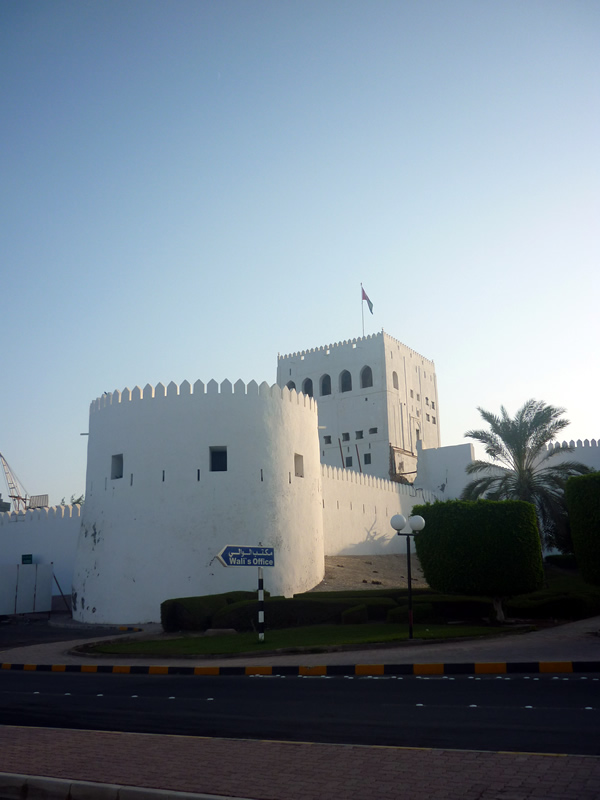
Why Sohar is Perfect for Your Celebration
- Authentic Omani cultural setting with Sohar Fort as a historic landmark backdrop
- Beachfront and coastal venues along the Gulf of Oman for scenic outdoor events
- Relatively uncrowded destination offering privacy and exclusivity for celebrations
- Cool, comfortable weather from November to March ideal for outdoor ceremonies
- Growing hospitality infrastructure with international-brand hotels supporting events
- Strong Omani traditions of hospitality and catering well-suited to large family gatherings

Compare Sohar with Other Top Destinations
Frequently Asked Questions
Is Sohar a good destination for a traditional Omani wedding?
Yes. Sohar is particularly well-suited to traditional Omani weddings. The city has deep-rooted cultural hospitality traditions, local caterers experienced in large-scale Omani feasts, and a heritage setting — including Sohar Fort — that aligns naturally with families seeking an authentic regional celebration rather than an internationally generic event.
What is the best time of year to hold an event in Sohar?
The cool season from November through March is strongly recommended. Temperatures during these months are mild and comfortable, making outdoor ceremonies and beachfront receptions genuinely viable. April through October brings extreme heat — often exceeding 40°C in summer — which makes outdoor events impractical and significantly limits the overall guest experience.
How do guests typically travel to Sohar from abroad?
Most international guests arrive via Muscat International Airport and then travel to Sohar by road, a journey of roughly two to two-and-a-half hours along a well-maintained coastal highway. Sohar also has its own regional airport with limited routes. Guests traveling from the UAE can reach Sohar by road in a shorter time, as the city sits near the Oman-UAE border.
What kinds of event venues are available in Sohar?
Sohar offers beachfront hotel properties with outdoor lawns and seafront terraces, city-center hotels with indoor banquet halls, and community or cultural halls used for traditional gatherings. The venue range suits events from intimate celebrations to mid-scale weddings and corporate functions, generally up to around 400 guests comfortably.
How large a guest list can Sohar realistically accommodate?
Sohar is best suited to events in the range of roughly 100 to 400 guests. The city's hotel and venue inventory can comfortably support this scale, including accommodation for out-of-town guests. Very large events exceeding 500 guests may find local capacity stretched, and supplementing with accommodation in nearby areas or coordinating transfers becomes more complex at that scale.
Is Sohar suitable for corporate events and retreats?
Yes. Sohar's growing industrial and commercial base has driven genuine demand for corporate meetings, product launches, and team retreats, and the city's established hotels have conference and event facilities suited to mid-scale professional gatherings. The destination's low congestion and coastal setting also make it a pleasant environment for off-site corporate retreats.
What is local transport like for a large guest group once they arrive in Sohar?
Sohar's urban layout is relatively compact, and taxis and ride-hailing services are available. However, for large groups, pre-arranged shuttle or coach transfers between the airport, hotels, and event venue are strongly advisable. Most established event hotels can assist with coordinating group transport logistics as part of their event planning support.
Are local vendors and caterers in Sohar experienced with large celebrations?
Yes, particularly for traditional Omani-style events. Local caterers are well-versed in large-scale Omani hospitality, including traditional dishes central to regional wedding customs. For more internationally-styled productions requiring specialist décor, high-end floral design, or bespoke entertainment, supplementing with vendors from Muscat is common and manageable with adequate planning lead time.
Is Sohar a safe destination for guests traveling from overseas?
Yes. Oman consistently ranks among the safest countries in the Middle East and the world, and Sohar reflects those standards. Guests — including solo travelers and families — generally report feeling very safe throughout the city. Standard travel precautions apply, but safety is not a meaningful concern for event planners choosing Sohar.
Can Sohar work for a destination wedding with guests coming from both Oman and the UAE?
Yes, and this is actually one of Sohar's practical strengths. The city sits close to the Oman-UAE border, making it more accessible by road from Dubai and Sharjah than Muscat is. For events with a mixed Omani-Emirati guest list, Sohar's geographic position can meaningfully reduce travel time and complexity for the UAE-based portion of the group.

Ready to explore venues in Sohar?
Sohar: Destination Wedding & Event Venues in Oman's Historic Port City
◆Sohar is one of Oman's oldest cities, situated on the Gulf of Oman coast in Al Batinah North Governorate, and is best suited to cultural weddings, intimate social celebrations, and mid-scale corporate events. Its primary vibe is Cultural & Timeless — rooted in Omani heritage, coastal scenery, and traditional Arabian hospitality rather than large-scale luxury resort infrastructure. The destination is most accessible by road from Muscat and has a small regional airport with limited direct connections. The cool season from November through March is strongly preferred for any outdoor event, as summers are genuinely extreme. Overall, Sohar offers a distinctive, uncrowded alternative for those seeking an authentic Omani setting.
Sohar at a Glance
| Category | Detail |
|---|---|
| Best For | Cultural Weddings, Social Gatherings, Corporate Events, Intimate Celebrations |
| Primary Vibe | Cultural & Timeless |
| Other Vibes | Coastal, Serene, Heritage-Driven |
| Best Season | Cool / Mild Season (Jan, Feb, Mar, Nov, Dec) |
Why Choose Sohar?
- Authentic Omani heritage setting: Sohar Fort, one of Oman's most recognizable historic landmarks, provides a genuinely distinctive cultural backdrop that few other Gulf cities can replicate at this scale of intimacy.
- Coastal and beachfront character: The Gulf of Oman coastline running through and around Sohar gives event planners access to open seafront settings that work particularly well for evening ceremonies and receptions during the cool season.
- Low crowd density: Unlike Muscat or Salalah, Sohar remains relatively uncrowded as an event destination, which translates to greater privacy, easier venue exclusivity, and a more relaxed atmosphere for guests.
- Strong Omani hospitality traditions: The city's deep-rooted culture of diyafa (traditional Omani hospitality) means local catering, service standards, and event hosting customs are genuinely well-developed, particularly for family-oriented celebrations.
- Reasonable road connectivity from Muscat: Sohar sits approximately 200 km north of Muscat along a well-maintained highway, making it a practical drive for guests flying into Oman's main international hub.
- Industrial and commercial growth: Sohar's expanding economic base has brought improved hotel infrastructure and professional event services to the city over the past decade, raising the overall standard of hospitality available.
Which Celebrations Work Best in Sohar?
- Cultural & Traditional Weddings: Sohar is particularly well-suited to Omani-style weddings and Gulf-tradition celebrations. The city's cultural fabric, local vendors experienced in traditional ceremonies, and heritage venues align naturally with families seeking an authentic rather than internationally generic wedding experience.
- Intimate Social Gatherings: Milestone birthdays, family reunions, and smaller social events benefit from Sohar's low-key, uncrowded character. Venues here can be secured with a degree of exclusivity that is harder to achieve in busier Omani cities.
- Corporate Events & Retreats: Sohar's growing industrial and commercial sector means the city already hosts a steady stream of corporate meetings, product launches, and team retreats. Hotel conference facilities are reasonably well-equipped for mid-scale professional events.
- Engagement & Pre-Wedding Celebrations: The coastal setting and relaxed pace make Sohar a pleasant location for pre-wedding functions such as engagement parties or mehendi evenings, especially when the main wedding is planned nearby or in Muscat.
Venues & Event Spaces
Sohar's event venue landscape is anchored by its beachfront and city-center hotels, which typically offer a combination of indoor banquet halls, outdoor garden or poolside lawns, and dedicated conference facilities. Beachfront properties provide the most scenic settings, with open-air terraces overlooking the Gulf of Oman that are particularly effective for evening receptions during the cool months. City-center hotels tend to offer more conventional banquet hall configurations suited to seated dinners and formal ceremonies.
Beyond hotels, Sohar has community and cultural halls that are used for larger traditional gatherings, particularly for local Omani families hosting weddings in keeping with regional customs. Outdoor desert-edge and coastal plots are occasionally used for marquee-style events, though these require more logistical coordination in terms of power, catering, and guest transport. The overall venue inventory is more modest in scale compared to Muscat, making Sohar most appropriate for events in the range of 100 to 400 guests rather than very large-scale productions.
Best Time to Celebrate
The cool season — January, February, March, November, and December — is the only genuinely comfortable window for outdoor events in Sohar. During these months, daytime temperatures typically range from the low-to-mid 20s°C, and evenings are pleasantly mild, making beachfront ceremonies, garden receptions, and outdoor dinners all viable without heat management concerns.
April and May see temperatures climbing rapidly toward 35°C and above, with increasing humidity near the coast. By June, July, and August, conditions become genuinely extreme — temperatures regularly exceed 40°C, and the combination of heat and coastal humidity makes any outdoor event impractical and potentially unsafe for guests. September and October represent a slow transition back toward tolerable conditions, but October in particular can still be warm enough to rule out comfortable outdoor events.
For indoor events, the summer months are technically possible given air-conditioned venues, but guest travel comfort, outdoor photography, and any transitional moments between indoor and outdoor spaces all suffer significantly. Planners targeting Sohar should treat the November–March window as non-negotiable for any event with an outdoor component, and should book well in advance given that this same window is the preferred season for all events across Oman.
Getting There & Local Connectivity
Sohar is served by Sohar Airport (OHS), a regional facility located approximately 15 km from the city center. The airport handles a limited number of domestic and select international routes, meaning most guests traveling from outside Oman will arrive via Muscat International Airport and then continue to Sohar by road. The drive from Muscat takes roughly two to two-and-a-half hours along the well-maintained coastal highway, making it a manageable journey for a wedding party or corporate group, particularly when organized coach or minibus transfers are arranged.
There is no railway connection to Sohar, so road transport is the primary mode of arrival for the majority of guests. Within the city, taxis and ride-hailing services are available, though for large groups attending an event, pre-arranged shuttle services between the airport, hotels, and venue are strongly advisable. Sohar's relatively compact urban layout means that once guests are accommodated, moving between the hotel, venue, and local attractions is generally straightforward.
For guests traveling from the UAE — particularly from Dubai or Sharjah — Sohar is actually closer by road than Muscat, sitting near the Oman-UAE border region. This makes it a genuinely convenient destination for cross-border guest groups, which is a meaningful logistical advantage for events with a mixed Omani-Emirati guest list.
Local Vendor & Hospitality Ecosystem
Sohar's vendor ecosystem is well-developed for traditional Omani celebrations, with local caterers experienced in preparing large-scale Omani feasts, shuwa (slow-cooked lamb), and traditional sweets that are central to regional wedding customs. Floral decoration, tent and furniture rental, and basic audio-visual services are available locally, though for more elaborate or internationally-styled productions, supplementing with vendors from Muscat is common practice and generally straightforward given the road distance.
The hospitality sector has matured alongside Sohar's industrial growth, and hotel event teams at the city's established properties are experienced in coordinating multi-day celebrations, corporate conferences, and family gatherings. However, the ecosystem is not as deep or as specialized as Muscat's — planners seeking niche services such as international-style wedding photography, high-end floral design, or bespoke entertainment production may need to source these from outside the city. This is a manageable consideration rather than a barrier, but it does require earlier planning lead times than a more event-mature destination would demand.
Pros & Things to Consider
Why Sohar Works Well
- Authentic Omani cultural atmosphere that is difficult to replicate in more commercialized Gulf destinations
- Beachfront and coastal settings provide genuinely scenic backdrops for cool-season events
- Low destination congestion means venues are more readily available and exclusivity is easier to secure
- Convenient road access from both Muscat and the UAE, broadening the practical guest catchment area
- Strong local catering traditions rooted in Omani hospitality customs
- Very safe destination with Oman's consistently high safety standards applying city-wide
Things to Consider
- Limited direct flight connectivity means most international guests face a two-leg journey via Muscat
- The hotel and venue inventory is modest in scale — very large events (500+ guests) may strain local accommodation capacity
- Specialist event vendors (high-end décor, international entertainment, bespoke photography) often need to be sourced from Muscat, adding coordination complexity
- The summer season (April–October) is genuinely unsuitable for outdoor events, significantly narrowing the usable planning calendar
- Sohar is not yet a widely recognized international wedding destination, which means less established destination-wedding infrastructure compared to more prominent Gulf cities
When Sohar May Not Be the Right Fit
- Very large-scale weddings (500+ guests): The current hotel and venue inventory in Sohar is best suited to events of up to around 400 guests. Planners expecting significantly larger guest lists may find that local accommodation and venue capacity becomes a genuine constraint.
- Events planned outside the November–March window: Any celebration with a meaningful outdoor component — ceremonies, receptions, photography sessions — will face serious challenges during the April–October period due to extreme heat and humidity. If the event date is fixed in summer, an indoor-only venue in a more climate-controlled setting may be more appropriate.
- Guests with no convenient Muscat connection: For international guest groups whose routing does not naturally pass through Muscat, the additional travel leg to Sohar adds meaningful journey time and complexity. Destinations with stronger direct international connectivity may serve those groups better.
- Events requiring a deep specialist vendor ecosystem on-site: Couples or planners who require a full suite of high-end, internationally-experienced vendors — luxury floral designers, cinematic wedding filmmakers, bespoke entertainment producers — available locally will find Sohar's current ecosystem requires significant supplementation from Muscat, which adds both lead time and logistical layers to the planning process.