
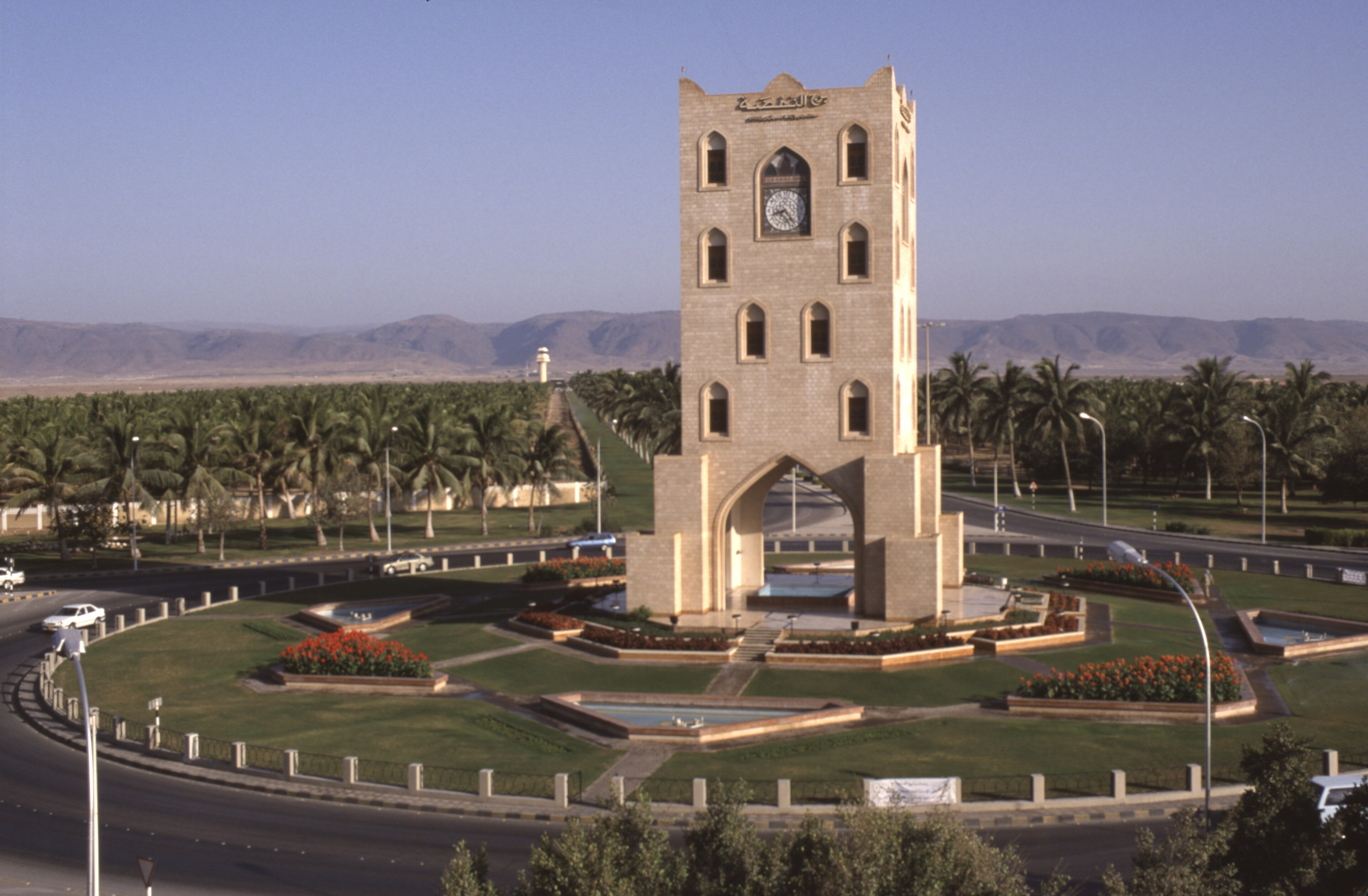
Why Salalah is Perfect for Your Celebration
- Pristine Indian Ocean beaches provide a naturally dramatic outdoor ceremony backdrop
- Frankincense-scented landscapes and Dhofari heritage give events a genuinely unique Arabian character
- Well-appointed beach resorts offer self-contained event infrastructure — lawns, ballrooms, and accommodation in one property
- Salalah International Airport (SLL) receives direct flights from Muscat, Dubai, Abu Dhabi, and other Gulf hubs
- Cool, dry winters (Oct–Mar) allow comfortable outdoor celebrations that most Gulf cities cannot offer in the same period
- Oman's reputation for safety and hospitality makes it a reassuring choice for international guest groups

Compare Salalah with Other Top Destinations
Frequently Asked Questions
Is Salalah a good destination for a wedding?
Yes, particularly for intimate destination weddings. Salalah's beachfront resorts, frankincense-scented landscapes, and Omani hospitality create a genuinely distinctive setting. It works best for guest lists of roughly 50–300, where the existing resort infrastructure can comfortably deliver a high-quality, personalised experience. Very large weddings may find the local venue inventory limiting.
What is the best time of year to hold an event in Salalah?
The best months are January, February, March, October, November, and December — Salalah's cool, mild season. Temperatures are comfortable for outdoor events, and October–November benefits from post-Khareef greenery. Avoid July through September (the Khareef monsoon brings persistent mist and drizzle) and April through June (rising heat and humidity).
How do guests get to Salalah for a destination event?
Most guests fly into Salalah International Airport (SLL), which is very close to the city centre. Direct flights operate from Muscat, Dubai, Abu Dhabi, and other Gulf cities. Guests travelling from further afield — Europe, South Asia, or beyond — will typically connect through Muscat or Dubai. There is no railway connection to Salalah.
What kinds of event venues are available in Salalah?
Salalah's event landscape is dominated by beach resort properties that combine beachfront ceremony lawns, landscaped garden terraces, and air-conditioned ballrooms under one roof. Boutique hotel properties offer smaller, more intimate spaces. Standalone banquet halls are less common — the resort model is the standard approach for destination events here.
How many guests can Salalah's venues realistically accommodate?
The city's leading resort properties can typically accommodate events ranging from around 100 to 500–600 guests depending on the configuration. For intimate gatherings of 50–300, the local inventory is well-suited. Very large events exceeding 600 guests may require creative use of multiple spaces or properties, which adds logistical complexity.
Is Salalah safe for international guests attending a wedding or event?
Yes. Oman consistently ranks among the safest countries in the Arab world, and Salalah specifically is a calm, low-crime city. International guests — including families, solo travellers, and mixed-gender groups — generally feel very secure. Oman's welcoming attitude toward visitors is a genuine asset for destination event planning.
What is the Khareef season and does it affect event planning?
The Khareef is Salalah's unique monsoon season, running roughly from July through September. It brings persistent coastal mist, drizzle, and high humidity — making outdoor events impractical. While the Khareef is a celebrated local phenomenon, it is firmly the season to avoid for outdoor-dependent celebrations. Indoor-only events during this period are feasible but limiting.
Can local vendors in Salalah handle a full destination wedding?
For events held within a major resort, the in-house catering, décor, and coordination teams are generally capable of delivering a well-executed celebration. For more bespoke requirements — specialist floristry, high-end AV production, or international entertainment — some suppliers may need to be brought in from Muscat or Dubai, which is worth factoring into planning timelines.
How should we arrange transport for guests once they arrive in Salalah?
Coordinated group transfers are strongly recommended. Public transport in Salalah is limited and not well-suited to moving large guest groups on a schedule. Most resort properties and local event operators can arrange dedicated coach or minibus transfers between the airport, accommodation, and event venues — this should be built into the event logistics plan from the outset.
What makes Salalah different from other Gulf event destinations?
Salalah's frankincense groves, Indian Ocean beaches, and post-Khareef greenery give it a natural landscape unlike any other Gulf city. Its peaceful, secluded character suits couples and hosts who want an exclusive, intimate atmosphere rather than a high-energy urban backdrop. Omani hospitality culture also adds a warmth and personalisation that distinguishes it from more commercially busy event destinations.
Is Salalah suitable for corporate retreats and incentive travel events?
Yes. The combination of resort conference facilities, diverse outdoor landscapes — beaches, wadis, and nature reserves — and a genuinely different environment from the typical Gulf business circuit makes Salalah a strong choice for corporate groups. The city's seclusion encourages focus and team cohesion in a way that a busy urban venue cannot easily replicate.

Ready to explore venues in Salalah?
Salalah: Destination Wedding & Event Venues in Dhofar, Oman
◆Salalah is Oman's southern coastal city and the capital of Dhofar Governorate, best suited to intimate destination weddings, exclusive social gatherings, and corporate retreats. Its primary vibe is peaceful and secluded — a genuine contrast to the high-energy event circuits of Dubai or Muscat. The cool, dry months from October through March offer comfortable outdoor conditions that most Gulf cities cannot match in the same window. Beach resort properties provide self-contained event infrastructure, and Oman's strong safety record and warm hospitality make international guest groups feel at ease. Accessibility is moderate: Salalah International Airport receives direct flights from Gulf hubs, though intercontinental guests will typically connect through Muscat or Dubai.
Salalah at a Glance
| Attribute | Detail |
|---|---|
| Best For | Intimate Destination Weddings, Social Gatherings, Corporate Retreats, Private Celebrations |
| Primary Vibe | Peaceful & Secluded |
| Other Vibes | Tropical, Heritage, Romantic, Coastal |
| Best Season | Cool / Mild Season (Jan, Feb, Mar, Oct, Nov, Dec) |
Why Choose Salalah?
- Genuinely unique Arabian landscape: Salalah's frankincense groves, coconut palms, and Indian Ocean coastline create a setting that is visually unlike any other Gulf destination — events here carry a natural, distinctive character without requiring elaborate décor.
- Self-contained beach resort infrastructure: The city's leading properties combine beachfront ceremony lawns, air-conditioned ballrooms, on-site accommodation, and catering under one roof — a significant logistical advantage for destination event planning.
- Comfortable outdoor conditions in peak season: Between October and March, daytime temperatures are mild and evenings are pleasant, making outdoor ceremonies and receptions genuinely comfortable — a rarity in the broader Gulf region during the same months.
- Oman's reputation for safety and hospitality: Oman consistently ranks among the safest countries in the Arab world. Guests — including solo female travellers and families — typically feel secure and well-received, which matters greatly for destination event planning.
- Relative seclusion and privacy: Salalah is not a mass-tourism destination. Events here benefit from a quieter, more private atmosphere than busier Gulf cities, which suits couples and hosts who want an exclusive feel without renting out an entire resort.
- Direct air access from key Gulf cities: Salalah International Airport (SLL) is served by direct flights from Muscat, Dubai, Abu Dhabi, and other regional hubs, making it reasonably accessible for guests based across the Gulf Cooperation Council region.
Which Celebrations Work Best in Salalah?
- Intimate Destination Weddings: Salalah is particularly well-suited to smaller, curated weddings where the setting itself is the statement. Beachfront lawns, frankincense-scented gardens, and Omani cultural touches give ceremonies a depth of atmosphere that larger, more generic venues cannot replicate. Guest lists of roughly 50–300 are most comfortably served by the existing resort inventory.
- Social Gatherings & Private Celebrations: Milestone birthdays, anniversary dinners, family reunions, and similar private events benefit from Salalah's seclusion and the warm, personalised service culture of Omani hospitality. The city's resorts are experienced in hosting smaller, high-touch social events.
- Corporate Retreats & Incentive Travel: The combination of well-equipped resort conference facilities, outdoor team-building landscapes (beaches, wadis, nature reserves), and a genuinely different environment from the typical Gulf business circuit makes Salalah a strong choice for corporate groups seeking an off-site retreat with a memorable backdrop.
- Pre-Wedding Celebrations (Mehendi, Sangeet, Engagement): The resort properties offer versatile indoor and outdoor spaces that can be styled for pre-wedding functions, and the relaxed pace of the city suits multi-day celebration programmes where guests are encouraged to unwind between events.
Venues & Event Spaces
Salalah's event venue landscape is anchored by its beach resort properties, which are the most practical and commonly used option for destination celebrations. These resorts typically offer a combination of open-air beachfront lawns suitable for outdoor ceremonies, landscaped garden terraces, and air-conditioned ballrooms or banquet halls for evening receptions or monsoon-season contingency use. Capacity across the city's leading properties generally ranges from around 100 to 600 guests depending on the configuration chosen.
Beyond the major resorts, the city has boutique hotel properties with smaller, more intimate event spaces — well-suited to private dinners, engagement parties, or corporate gatherings of under 150 guests. The Al Baleed Archaeological Park and the broader Dhofar coastline also provide scenic outdoor backdrops that experienced local event planners can incorporate into ceremony design, subject to the relevant permissions.
Dedicated standalone banquet halls and wedding-specific event venues are less prevalent in Salalah than in larger Gulf cities — the resort model dominates, and most event planners working here build their programmes around resort partnerships rather than standalone venue hire. This is worth factoring into planning, particularly for very large guest lists that might exceed a single property's comfortable capacity.
Best Time to Celebrate
The real curated best season for Salalah is the Cool / Mild Season: January, February, March, October, November, and December. During these months, temperatures along the Dhofar coast are genuinely comfortable — typically ranging from the low-to-mid twenties Celsius at night to the high twenties or low thirties during the day, with lower humidity than the summer months. Evenings are pleasant enough for outdoor receptions without the need for industrial cooling, which is a meaningful practical and aesthetic advantage.
October and November are particularly popular for events because they follow the Khareef (monsoon) season, when the landscape is at its greenest and most lush — the frankincense trees, coconut groves, and hillsides retain their verdant character well into November, giving events a backdrop that is unusually rich by Gulf standards. January through March offer the most reliably dry and settled conditions of the year.
Why other seasons are less suitable: The Khareef season (roughly July through September) brings persistent coastal mist, drizzle, and high humidity to Salalah — a phenomenon unique in the Arabian Peninsula. While the Khareef is celebrated locally and draws domestic tourists, it makes outdoor event planning highly impractical: visibility is low, surfaces stay damp, and the mist can persist for days at a time. April through June sees rising heat and humidity as the pre-monsoon period builds, making large outdoor gatherings increasingly uncomfortable. These months are best avoided for destination events unless the entire programme can be held in air-conditioned indoor spaces.
Getting There & Local Connectivity
By air: Salalah International Airport (SLL) is the primary gateway and is located very close to the city centre — a short transfer for arriving guests. The airport handles direct services from Muscat (Oman Air operates frequent daily flights), Dubai, Abu Dhabi, and several other Gulf and regional cities. Guests travelling from Europe, South Asia, or further afield will generally connect through Muscat or Dubai, adding a transit leg to their journey. Flight options are adequate for Gulf-based guest groups but more limited for intercontinental travellers compared to a major hub airport.
By road: Salalah is connected to Muscat by a long desert highway — a scenic but very lengthy drive (roughly 1,000 km) that is not a practical option for most event guests. Road travel is more relevant for guests already based in southern Oman or for local logistics within the Dhofar region.
Local transport: There is no rail network in Salalah or Oman more broadly. Within the city, taxis and ride-hailing services are the standard mode of transport. For event groups, resort properties and local event operators can typically arrange dedicated coach or minibus transfers between the airport, accommodation, and event venues — this kind of coordinated group transfer is strongly recommended for destination events, as public transport options are limited and not well-suited to moving large guest groups on a schedule.
Local Vendor & Hospitality Ecosystem
Salalah has a functioning but relatively compact event vendor ecosystem. The major resort properties maintain in-house catering, décor, and event coordination teams with experience in destination weddings and corporate events — for events held entirely within a resort, this in-house capability is generally sufficient for a well-executed celebration.
For more elaborate or bespoke events requiring specialist vendors — high-end floral designers, international entertainment acts, custom lighting and AV production, or specific cuisine specialists — planners should expect to source some suppliers from Muscat or occasionally from Dubai, with associated logistics. The local vendor market in Salalah is growing but has not yet reached the depth or specialisation of Muscat or the major UAE event cities.
Omani hospitality culture is genuinely warm and guest-focused, and hotel staff at the city's leading properties are experienced in managing international guest groups with varying cultural and dietary requirements. Halal catering is the default, and the city's resort kitchens are generally capable of accommodating a range of dietary needs with advance notice. Alcohol service is available at licensed resort properties, which is relevant for international guest groups.
Pros & Things to Consider
Why Salalah Works Well
- Genuinely distinctive natural setting — frankincense coast, Indian Ocean beaches, and lush Dhofar greenery are unlike any other Gulf event backdrop
- Peaceful, private atmosphere suits intimate celebrations and exclusive guest experiences
- Cool, dry winters allow comfortable outdoor events that most Gulf cities cannot offer in the same season
- Oman is among the safest and most politically stable countries in the region — reassuring for international guests
- Self-contained beach resorts simplify logistics by combining accommodation, catering, and event space in one property
- Omani hospitality culture is warm, personalised, and well-regarded by international visitors
Things to Consider
- The venue inventory is smaller than major Gulf event cities — very large guest lists (500+) may strain the available capacity of a single property
- Specialist event vendors (bespoke floristry, high-end AV, international entertainment) may need to be sourced from Muscat or Dubai, adding logistical complexity
- Intercontinental guests will typically require a connecting flight, which adds travel time and cost compared to a hub-airport destination
- The Khareef monsoon season (July–September) makes outdoor events impractical and should be firmly avoided for outdoor-dependent programmes
- Salalah is a relatively conservative city by Gulf standards — event planners should be mindful of local cultural norms when designing entertainment and dress-code elements
When Salalah May Not Be the Right Fit
- Very large guest lists: If your event requires a single venue to comfortably seat and accommodate 600 or more guests, Salalah's current resort inventory may not offer the scale needed without significant compromise on space or guest experience.
- Guests travelling from outside the Gulf region: For a guest list drawn primarily from Europe, South Asia, or the Americas, the connecting-flight requirement adds meaningful travel time and complexity. A destination with a major international hub airport may serve those guests more conveniently.
- Events planned for July, August, or September: The Khareef monsoon makes outdoor celebrations impractical during these months. If your programme is heavily outdoor-dependent and your dates fall in this window, a different destination or season is strongly advisable.
- Couples or hosts seeking a vibrant nightlife or entertainment-led event experience: Salalah's appeal is rooted in natural beauty and seclusion, not in a lively urban entertainment scene. Those seeking a high-energy city backdrop with extensive after-party options will find the city's offering limited compared to Dubai or Muscat.