
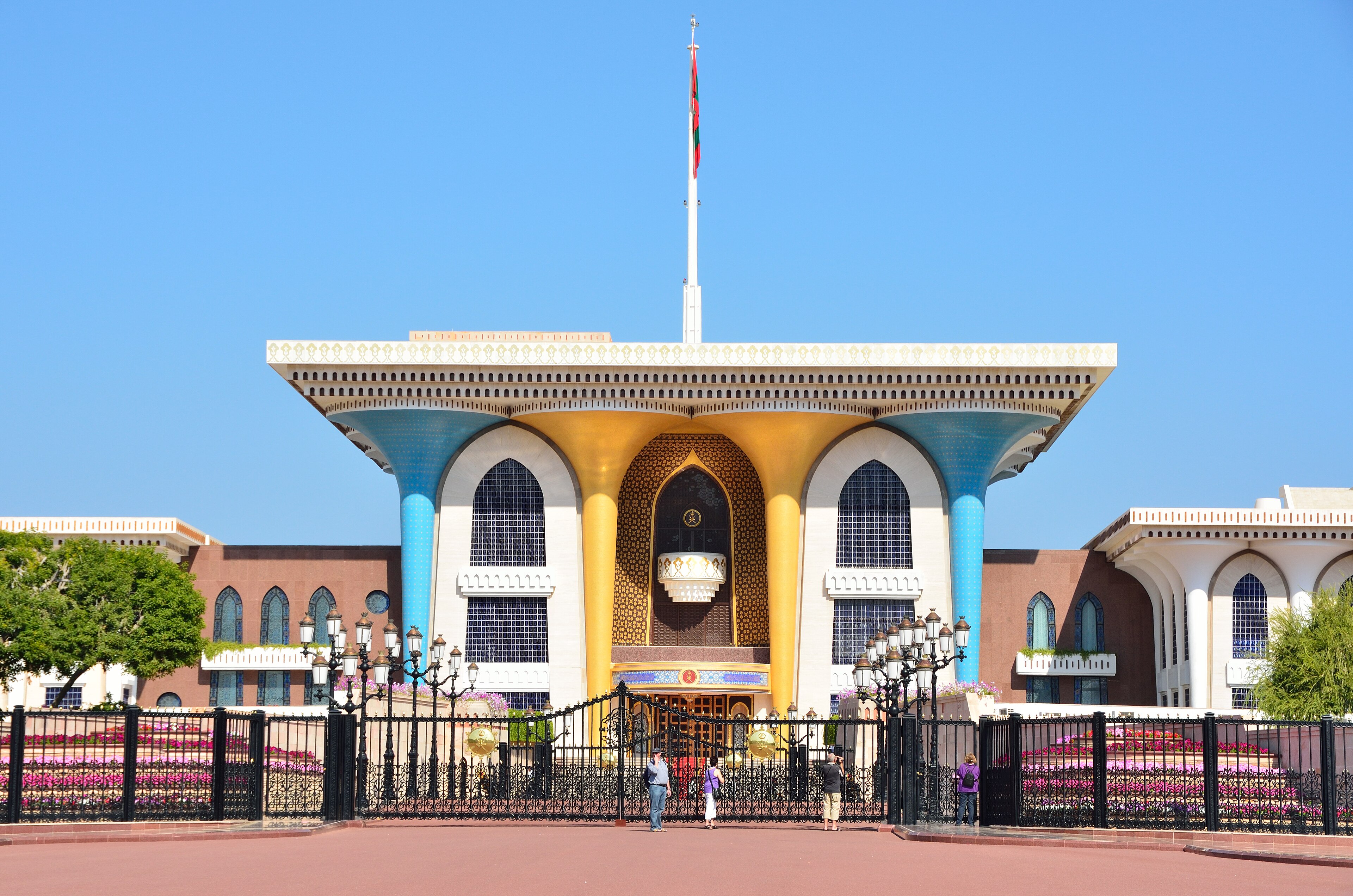
Why Muscat is Perfect for Your Celebration
- World-class luxury beach and mountain-view resorts with dedicated event infrastructure
- Dramatic natural backdrop of Al Hajar Mountains meeting the Gulf of Oman coastline
- Excellent international air connectivity via Muscat International Airport (MCT)
- Oman's reputation as one of the safest countries in the Arab world for international guests
- Cool, dry winters (Nov–Mar) provide near-perfect outdoor event conditions
- Rich Omani hospitality culture and a mature luxury hospitality ecosystem

Compare Muscat with Other Top Destinations
Frequently Asked Questions
Is Muscat a good destination for a wedding celebration?
Yes. Muscat is particularly well-suited to destination weddings, offering a combination of world-class luxury beach resorts, a dramatic coastal and mountain setting, and a mature hospitality ecosystem. The city's cool winter months (November–March) provide genuinely comfortable conditions for outdoor ceremonies and receptions, and its strong international air connectivity makes it accessible for guests travelling from South Asia, Europe, and the wider Gulf region.
What is the best time of year to hold an event in Muscat?
The best time is November through March — Muscat's cool, dry season. Daytime temperatures are typically in the low-to-mid twenties Celsius, evenings are pleasant, and humidity is low. January and February are the most reliably comfortable months. April onwards sees temperatures rise sharply, and June through September brings extreme heat (regularly above 40°C), making outdoor events impractical during those months.
How easy is it for international guests to travel to Muscat?
Very easy for most nationalities. Muscat International Airport (MCT) receives direct flights from across South Asia, Europe, East Africa, and the Gulf. Oman operates a visa-on-arrival or e-visa system for a wide range of nationalities, simplifying pre-travel logistics. For Indian guests specifically, direct flights are available from multiple major cities, making Muscat accessible without a connecting flight for a large proportion of a typical South Asian guest list.
What kinds of venues are available for events in Muscat?
Muscat's venue landscape is anchored by large international luxury beach resorts with private coastline, grand indoor ballrooms, and outdoor terraced lawns. Heritage-influenced properties in older districts offer Omani architectural character with courtyards and colonnades. For corporate events, convention-adjacent ballrooms are available. The inventory skews toward the upper end of the market — mid-range standalone banquet halls are less prevalent than in some other cities.
How large a guest group can Muscat realistically accommodate for a destination event?
Muscat's larger luxury resorts can comfortably accommodate guest groups of several hundred, with some properties offering event spaces for 500–1,000 guests across multiple function areas. For very large single-space requirements above 1,000 guests, planners may need to consider multi-venue configurations. Accommodation for large groups is generally manageable given the concentration of sizeable international hotel properties in the city.
Is Muscat safe for international guests attending a wedding or event?
Yes. Oman is consistently rated among the safest countries in the Arab world, and Muscat specifically has a very low crime rate and a stable political environment. International guests — including solo female travellers and families — generally report feeling very comfortable. This safety profile is one of the destination's genuine strengths for event planners managing a diverse, international guest list.
How do guests get around Muscat once they arrive?
All ground transport in Muscat is road-based — there is no metro or rail network. For event groups, pre-arranged private coaches or minibuses are the standard and most practical solution for transfers between the airport, hotels, and venues. Ride-hailing apps operate in the city and work well for individual guests. Muscat's main hotel and event districts are spread across a wide area, so deliberate transport coordination is important for large groups.
What is the local hospitality and vendor ecosystem like for events in Muscat?
Muscat has a well-developed hospitality ecosystem anchored by the in-house event teams of its major international hotel brands, which typically offer comprehensive event packages covering catering, décor, audio-visual, and accommodation management. An independent events industry — including specialist wedding planners, floral designers, and production companies — is also present and growing, though for highly niche vendor requirements, supplementing with specialists from outside Oman may be necessary.
Can alcohol be served at events in Muscat?
Yes, within licensed hotel premises. Alcohol service is available at Muscat's international luxury hotels for events held on their grounds, which covers the majority of destination wedding and corporate event settings. Alcohol is not freely available in public spaces outside licensed venues, so event programming that extends beyond hotel grounds requires careful planning around this consideration.
What makes Muscat distinctive compared to other Arabian destination wedding cities?
Muscat offers a combination that is relatively rare: a dramatic natural setting where the Al Hajar Mountains meet the Gulf of Oman coastline, a deeply rooted Omani hospitality culture, and a city that remains less saturated as a destination wedding location than some regional alternatives — giving events here a genuine sense of exclusivity and novelty. The city's safety record, visa accessibility, and winter climate further strengthen its case.
Are there outdoor venue options for ceremonies and receptions in Muscat?
Yes, and they are among the destination's strongest assets during the cool season. Several luxury beach resorts offer private beach lawns, terraced outdoor spaces, and garden areas that can be configured for ceremonies and receptions. Mountain-view terraces and wadi-adjacent outdoor setups are also available through specialist operators. These outdoor options are genuinely comfortable from November through March but become impractical in the summer months due to extreme heat.

Ready to explore venues in Muscat?
Muscat: Destination Wedding & Event Venues in Oman
◆Muscat is Oman's capital and a genuinely strong destination for luxury destination weddings, corporate galas, social celebrations, and milestone events. Its primary vibe is chic and cosmopolitan — a city where Arabian heritage architecture, dramatic mountain-meets-sea scenery, and world-class international hotel brands coexist seamlessly. The cool, dry winter months (November through March) are the clear window for outdoor and semi-outdoor events. Muscat is well-connected internationally via a major hub airport, is consistently rated among the safest cities in the Arab world, and offers a mature luxury hospitality ecosystem across a range of venue types — making it a credible, well-supported choice for international guest groups.
Muscat at a Glance
| Attribute | Detail |
|---|---|
| Best For | Destination Weddings, Corporate Galas, Social Celebrations, Milestone Events |
| Primary Vibe | Chic & Cosmopolitan |
| Other Vibes | Arabian Heritage, Coastal Grandeur, Serene & Regal |
| Best Season | Cool / Mild Season (Jan, Feb, Mar, Nov, Dec) |
Why Choose Muscat?
- Dramatic natural setting: The Al Hajar Mountains descend directly to the Gulf of Oman coastline, creating a backdrop that is genuinely rare among destination wedding cities — rugged, golden, and coastal simultaneously.
- Depth of luxury venue inventory: Muscat hosts multiple internationally branded five-star resorts and palace-style properties with dedicated ballrooms, private beach lawns, and large-scale event infrastructure — giving planners genuine choice at the top tier.
- Exceptional international air connectivity: Muscat International Airport (MCT) receives direct flights from across South Asia, Europe, East Africa, and the wider Middle East, making it genuinely accessible for a geographically dispersed guest list.
- Safety and regulatory stability: Oman is consistently ranked among the safest countries in the Arab world, and Muscat specifically has a well-established framework for hosting international events, including those involving alcohol-licensed venues within hotel premises.
- Omani hospitality culture: The concept of diyafa — generous, gracious hosting — is deeply embedded in Omani culture, and this translates into a hospitality industry that takes event service standards seriously at every level.
- Relatively uncrowded as a destination wedding city: Compared to more saturated regional alternatives, Muscat still offers a sense of exclusivity and novelty for guests, particularly those travelling from South Asia or Europe for whom it represents a genuinely distinctive experience.
Which Celebrations Work Best in Muscat?
- Destination Weddings: Muscat is particularly well-suited to multi-day destination weddings for mid-to-large guest groups. The concentration of large luxury resorts means that accommodation, ceremony, and reception can often be managed within a single property or a small cluster of nearby hotels, simplifying logistics considerably.
- Corporate Galas & Incentive Events: The city's MICE (Meetings, Incentives, Conferences, Exhibitions) infrastructure is well-developed, with several properties offering large convention-adjacent ballrooms and dedicated event coordination teams experienced in international corporate standards.
- Social Milestone Celebrations: Significant birthdays, anniversaries, and family reunion gatherings work well here — the combination of private beach settings, curated Omani dining experiences, and excursion options (desert, wadis, old souqs) gives multi-day social events genuine programming depth beyond the event itself.
- Engagement & Pre-Wedding Celebrations: Intimate engagement parties and pre-wedding functions benefit from Muscat's boutique luxury options and scenic coastal settings, particularly for couples who want something more private and curated than a large resort ballroom.
Venues & Event Spaces
Muscat's event venue landscape is anchored by its large international luxury beach resorts, several of which sit directly on private stretches of the Gulf of Oman coastline and offer a combination of grand indoor ballrooms, outdoor terraced lawns, and private beach areas that can be configured for ceremonies, receptions, or both. These properties typically have in-house event coordination, dedicated catering operations, and the capacity to accommodate large guest groups across multiple function spaces simultaneously.
Beyond the coastal resort cluster, the city also has heritage-influenced properties in older districts — particularly around the Muttrah and Al Bustan areas — that offer a more distinctly Omani architectural character, with arched colonnades, traditional geometric detailing, and landscaped courtyards that suit ceremonial functions particularly well.
For corporate and large-scale social events, several properties adjacent to Muscat's convention infrastructure offer pillar-free ballrooms and flexible pre-function spaces. Outdoor venues — including private beach setups, mountain-view terraces, and wadi-adjacent glamping-style configurations — are increasingly available through specialist event operators, particularly during the cooler months when outdoor settings are genuinely comfortable.
The general character of Muscat's venue inventory skews toward the upper end of the market — this is not a city with a large supply of mid-range banquet halls or community event spaces, and planners should expect that the most distinctive settings are concentrated within the luxury hotel ecosystem.
Best Time to Celebrate
The curated best season for events in Muscat is the Cool / Mild Season: January, February, March, November, and December. During these months, daytime temperatures typically range from the low-to-mid twenties Celsius, evenings are genuinely pleasant, and humidity is low — conditions that make outdoor ceremonies, beach receptions, and garden functions not just possible but genuinely comfortable for guests in formal attire.
November and December mark the transition into the cool season, with temperatures dropping steadily from the high-thirties of October. January and February represent the peak of Muscat's winter — the most reliably comfortable months for any outdoor element. March remains excellent, though temperatures begin climbing toward the end of the month.
April and May see a rapid rise in heat, with daytime temperatures regularly exceeding 35°C and humidity beginning to build — outdoor events become uncomfortable and logistically demanding. June through September is Muscat's extreme summer: temperatures routinely reach 40°C or above, humidity is high, and the southern Dhofar region's khareef (monsoon) season, while not directly affecting Muscat, contributes to a general atmospheric heaviness. October is a transitional month — temperatures are falling but remain warm enough to make outdoor events challenging, particularly in the first half of the month.
For planners, the practical implication is clear: booking the November–March window is strongly advisable for any event with an outdoor component, and even for fully indoor events, the cooler season aligns with peak international travel demand to Oman, meaning better flight availability and a more energised city atmosphere overall.
Getting There & Local Connectivity
Muscat International Airport (MCT) is the primary gateway and is well-served by direct international routes from across South Asia (including multiple Indian cities), the UK, continental Europe, East Africa, Southeast Asia, and the wider Gulf region. Oman Air operates a hub here, and several major international carriers serve the airport directly. For guests travelling from India specifically, direct flights are available from a number of major cities, making Muscat genuinely accessible without a connecting flight for a large proportion of a typical South Asian destination wedding guest list.
Oman operates a visa-on-arrival or e-visa system for a wide range of nationalities, which simplifies pre-travel logistics for international guest groups considerably compared to destinations with more complex visa requirements.
Within Muscat, the city is spread across a relatively large geographic area — the main hotel and event clusters (Shati Al Qurum, Al Bustan, Barr Al Jissah, Ghubrah) are connected by well-maintained highways, and private coach or minibus transfers are the standard and most practical solution for moving a guest group between accommodation, venues, and excursion points. Ride-hailing apps operate in Muscat and provide a reasonable fallback for individual guests, though for coordinated group movement, pre-arranged transport is strongly recommended. There is no metro or urban rail network, so all ground movement is road-based.
Local Vendor & Hospitality Ecosystem
Muscat has a well-developed hospitality ecosystem anchored by the in-house event teams of its major international hotel brands. These properties typically offer comprehensive event packages that include catering, décor coordination, audio-visual production, and accommodation block management — which is a significant advantage for planners who prefer a single-point-of-contact model.
Beyond the hotels, Muscat has a growing independent events industry: specialist wedding planners, floral designers, entertainment coordinators, and production companies with experience in both Omani-style celebrations and international destination weddings. The city's expatriate community and its role as a regional business hub have contributed to a vendor ecosystem that is comfortable working across cultural styles — traditional Omani, South Asian, Western, and hybrid formats.
Catering in Muscat is a particular strength: the city's culinary scene spans authentic Omani cuisine (slow-cooked meats, shuwa, halwa, and aromatic rice dishes), pan-Arabic mezze traditions, and international fine dining, all of which can be incorporated into event menus at the luxury hotel level. Halal catering is the default standard, and alcohol service is available within licensed hotel premises for events that require it.
One area where Muscat's ecosystem is still maturing relative to more established destination wedding cities is the depth of highly specialised independent vendors — particularly in niche areas like bespoke South Asian bridal styling, specialist fireworks operators, or very large-scale outdoor production. Planners bringing in specialist vendors from outside Oman should factor in the relevant import and logistics considerations.
Pros & Things to Consider
Why Muscat Works Well
- Genuinely world-class luxury resort infrastructure with large-scale event capacity
- Dramatic, photogenic natural setting — mountains, coastline, and desert all within reach
- Excellent international air connectivity for geographically dispersed guest lists
- Very high safety standards and political stability — a low-stress destination for international guests
- Cool, dry winters provide near-ideal outdoor event conditions for five months of the year
- Rich Omani hospitality culture and a mature luxury hotel event-management ecosystem
- Relatively uncrowded as a destination wedding city — still feels exclusive and distinctive
Things to Consider
- Strict seasonal window: The comfortable event season is genuinely limited to November–March; outside this window, heat and humidity make outdoor elements very difficult to manage.
- No rail network: All ground transport is road-based, which requires careful pre-planning for large guest groups moving between dispersed hotel clusters.
- Alcohol regulations: Alcohol is available within licensed hotel premises but not freely in public spaces — this is a relevant consideration for event programming that extends beyond hotel grounds.
- Specialist vendor depth: For highly niche event production requirements, Muscat's independent vendor market may require supplementing with specialists brought in from outside Oman.
- Geographic spread of the city: Muscat's main districts are spread across a wide area; guests staying in different hotel clusters may face meaningful transfer times, which requires deliberate transport coordination.
When Muscat May Not Be the Right Fit
- Events planned for April through October: If the event date falls outside the November–March window, Muscat's extreme summer heat makes outdoor elements genuinely impractical and significantly limits the destination's most distinctive venue settings.
- Very large guest groups requiring a single-venue solution: While Muscat has large resorts, planners needing a single property to accommodate and host 1,000+ guests in one space may find the local inventory constraining compared to purpose-built convention destinations.
- Guests with limited international travel experience or complex visa situations: While Oman's visa process is relatively straightforward for many nationalities, guests from countries with more complex entry requirements may face additional administrative steps that a domestic destination would avoid entirely.
- Events requiring a very deep independent vendor ecosystem: Couples or planners who rely heavily on a wide network of independent, specialist vendors (rather than hotel in-house teams) may find Muscat's independent market less developed than more established destination wedding cities in the region.