
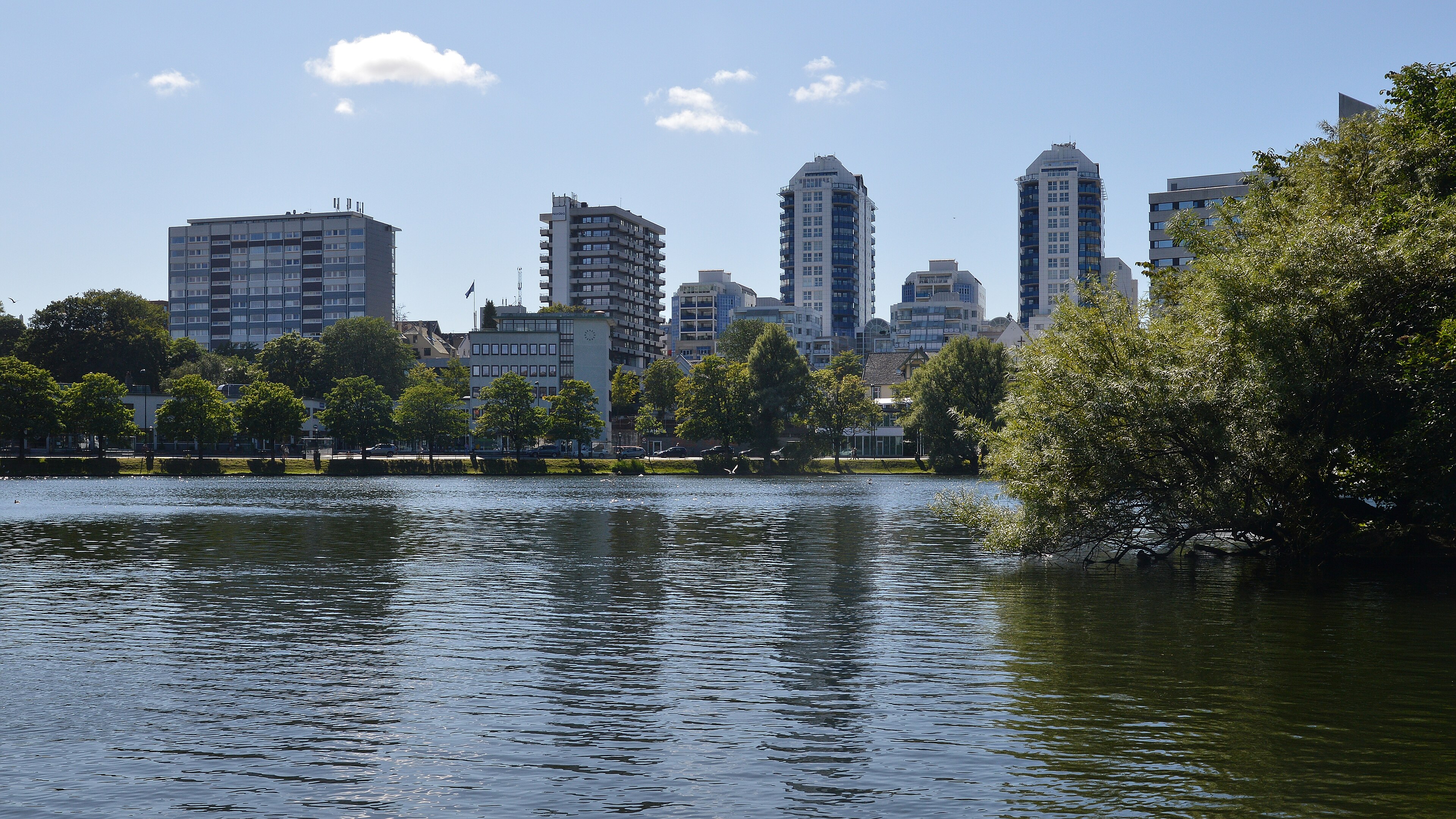
Why Stavanger is Perfect for Your Celebration
- Dramatic fjord and coastal scenery provides a genuinely unique Scandinavian backdrop for ceremonies and photography
- Stavanger's international oil-industry heritage means a mature, multilingual hospitality and catering ecosystem
- Long summer days (near-midnight light in June–July) allow extended outdoor celebrations without time pressure
- Charming Gamle Stavanger (Old Town) wooden houses offer a picturesque, historic setting unlike anywhere else in Norway
- Stavanger Airport (SVG) connects directly to major European hubs, making it accessible for international guests
- Compact, walkable city centre makes guest logistics and group movement straightforward during multi-day events
Compare Stavanger with Other Top Destinations
Frequently Asked Questions
Is Stavanger a good destination for a wedding?
Yes, particularly for couples seeking an intimate, scenically distinctive celebration rather than a large traditional banquet. Stavanger's combination of fjord landscapes, a charming historic old town, and long summer evenings creates a genuinely memorable atmosphere. It works best for guest lists in the range of 50–300, where the local venue and vendor ecosystem can comfortably deliver a high-quality experience.
What is the best time of year to hold an event in Stavanger?
Summer — specifically June, July, and August — is the clear best window. These months offer the warmest temperatures (typically 15–22°C), near-midnight daylight in June and July, and the most reliable conditions for outdoor elements. The rest of the year brings shorter days, frequent Atlantic rain, and in winter, very limited daylight and storm risk that make event planning significantly more challenging.
How do international guests get to Stavanger?
Most guests fly into Stavanger Airport, Sola (SVG), approximately 14 km from the city centre, which has direct connections to major European cities including London, Amsterdam, Copenhagen, and Frankfurt. Guests from outside Europe typically connect through Oslo or another major European hub. An express bus and taxis connect the airport to the city centre efficiently.
What size of guest group can Stavanger realistically accommodate for an event?
Stavanger is best suited to events in the range of 50–400 guests. Several city-centre hotels have banquet and conference facilities capable of handling groups at the upper end of this range. For very large events exceeding 400–500 guests requiring a single venue with full banquet service, the local inventory becomes more limited and early venue assessment is strongly recommended.
What kinds of venues are available for events in Stavanger?
The venue landscape includes well-equipped city-centre hotels with dedicated banquet and conference facilities, waterfront restaurant and private dining spaces suited to intimate gatherings, and the surrounding Rogaland landscape for outdoor ceremonies. The general aesthetic is contemporary Scandinavian — natural materials, clean lines, and water or landscape views — rather than grand ballroom or heritage-palace in character.
Is Stavanger suitable for corporate retreats and incentive events?
Yes, it is particularly well-suited to this format. The city's long history as Norway's oil capital has produced a mature corporate hospitality infrastructure with experienced event management, multilingual service, and strong conference facilities. Summer retreats combining business sessions with fjord excursions — hiking, boat trips on the Lysefjord — are a natural and popular format here.
How easy is it to move a large guest group around Stavanger during an event?
Relatively straightforward. The city centre is compact and walkable, meaning most movement between accommodation, ceremony venues, and dining can be managed on foot or by short taxi. For coordinated group transfers — airport arrivals, excursions, or movement between a ceremony and reception location — local coach and minibus hire is available and well-organised given the city's corporate event experience.
Are there local wedding and event vendors available in Stavanger?
Yes, though the market is smaller than in established European wedding destinations. Caterers, florists, photographers, and event coordinators with destination wedding experience are available. English is widely spoken across the hospitality sector. Couples planning from abroad are advised to engage a local coordinator early, as lead times for specialist vendors can be longer than in larger cities.
What makes Stavanger's summer daylight special for events?
In June and July, Stavanger experiences near-midnight twilight — the sky retains a warm golden quality well past 10 pm. This means outdoor ceremonies and evening receptions can run for hours in natural light, creating an atmosphere that is genuinely difficult to replicate elsewhere. It is one of the most distinctive and memorable features of a summer celebration in this destination.
Should outdoor event plans in Stavanger have a backup option?
Yes, always. Even in summer, Stavanger's Atlantic coastal location means rain and wind are possible on any given day. Outdoor ceremonies and receptions should always have a covered or indoor contingency plan. Reputable local venues and coordinators are experienced in managing this and will typically build weather contingencies into event planning as standard practice.
Is Stavanger safe for international guests attending a celebration?
Yes. Norway consistently ranks among the safest countries in the world, and Stavanger specifically is a low-crime, well-policed city with excellent general infrastructure. International guests — including those travelling alone or in smaller groups — can move around the city comfortably. Emergency services, healthcare, and general public safety standards are all very high.

Ready to explore venues in Stavanger?
Stavanger: Destination Wedding & Corporate Event Venues in Norway
◆Stavanger is a chic, cosmopolitan city on Norway's southwestern coast, best suited to intimate destination weddings, corporate retreats, milestone celebrations, and small-to-medium group events. Its primary appeal lies in a combination of dramatic fjord and coastal scenery, a walkable historic old town, and a hospitality infrastructure shaped by decades of international oil-industry activity — meaning multilingual service and well-equipped event spaces are genuinely available. Summer (June through August) is the clear window for outdoor celebrations, offering long daylight hours and the warmest temperatures. Accessibility is good for European guests via Stavanger Airport (SVG), though guests travelling from outside Europe will typically require a connection.
Stavanger at a Glance
| Category | Detail |
|---|---|
| Best For | Destination Weddings, Corporate Retreats, Milestone Celebrations, Intimate Gatherings |
| Primary Vibe | Chic & Cosmopolitan |
| Other Vibes | Scenic & Fjordside, Historic & Charming, Nordic & Modern |
| Best Season | Summer (Jun, Jul, Aug) |
Why Choose Stavanger?
- Genuinely unique scenery: The Lysefjord, Preikestolen (Pulpit Rock), and the rugged Rogaland coastline provide a dramatic, photogenic backdrop that is difficult to replicate anywhere else in Europe — particularly valuable for wedding photography and pre-event excursions.
- Extended summer daylight: In June and July, Stavanger experiences near-midnight twilight, meaning outdoor ceremonies and receptions can run well into the evening in natural golden light — a rare and memorable feature for guests accustomed to more southerly destinations.
- Mature international hospitality: Stavanger's long history as Norway's oil capital has produced a hospitality sector accustomed to hosting international delegations, executive events, and large corporate gatherings — service standards and multilingual capability are consistently high.
- Compact, walkable city centre: The city centre, harbour, and Gamle Stavanger (Old Town) are all within easy walking distance of each other, making multi-day event logistics — guest movement between venues, accommodation, and dining — straightforward without heavy reliance on private transport.
- Distinctive cultural character: Gamle Stavanger's 18th-century white wooden houses, the harbour area, and the city's blend of Viking heritage and modern Scandinavian design give events here a genuine sense of place rather than a generic hotel-resort feel.
- Good European connectivity: Stavanger Airport (SVG) operates direct routes to major European hubs including London, Amsterdam, Copenhagen, and Frankfurt, making it accessible for guests travelling from across Europe without requiring domestic Norwegian connections.
Which Celebrations Work Best in Stavanger?
- Destination Weddings: Stavanger suits couples seeking an intimate, scenically dramatic Nordic wedding rather than a large traditional banquet. The combination of fjord backdrops, historic old town settings, and long summer evenings creates a genuinely distinctive atmosphere. Venue capacities are generally best suited to guest lists in the range of 50–300, making it particularly well-matched to smaller, curated celebrations.
- Corporate Retreats & Incentive Events: The city's established corporate infrastructure — shaped by the international energy sector — means conference facilities, team-building logistics, and executive hospitality are well-developed. Summer retreats combining business sessions with fjord excursions (hiking to Preikestolen, boat trips on the Lysefjord) are a natural fit.
- Milestone Celebrations (Anniversaries, Landmark Birthdays): For guests who want a meaningful travel experience built around a celebration, Stavanger's combination of cultural richness, outdoor adventure, and quality dining makes it a strong choice for milestone events where the destination itself is part of the gift.
- Engagement Parties & Pre-Wedding Events: The city's restaurant scene, harbour-front settings, and boutique event spaces are well-suited to smaller pre-wedding gatherings, rehearsal dinners, and engagement celebrations where atmosphere and intimacy matter more than scale.
Venues & Event Spaces
Stavanger's event venue landscape is primarily anchored by well-equipped city-centre hotels with dedicated conference and banquet facilities, several of which can accommodate groups ranging from small boardroom-scale gatherings to receptions of several hundred guests. The waterfront and harbour area offer a number of restaurant and private dining venues that work well for intimate celebrations and rehearsal dinners. For outdoor ceremonies, the surrounding Rogaland landscape — coastal clifftops, fjord viewpoints, and the grounds of historic properties — provides dramatic natural settings, though these typically require careful logistical planning and are weather-dependent even in summer. The city also has dedicated conference centres capable of handling larger corporate formats. Across all venue types, the general character leans toward contemporary Scandinavian design rather than grand ballroom or heritage-palace aesthetics — clean lines, natural materials, and views of water or landscape are the defining features.
Best Time to Celebrate
The curated best season for Stavanger is Summer (June, July, August), and the reasons go beyond simply "warmer weather." June and July in particular offer near-continuous daylight — sunset does not occur until well after 10 pm, and the sky retains a golden twilight quality for hours. This is genuinely transformative for outdoor ceremonies and evening receptions, creating a natural atmosphere that no artificial lighting can replicate. Temperatures in summer typically range from around 15°C to 22°C, which is comfortable for outdoor events without the heat stress common in more southerly destinations.
The rest of the year presents meaningful challenges for event planning. Autumn (September–October) sees rapidly shortening days, increasing rainfall, and strengthening Atlantic winds — outdoor elements become unreliable, and the overall atmosphere shifts away from the celebratory brightness of summer. Winter (November–February) brings very short days (as few as 6–7 hours of daylight in December), frequent storms, and cold temperatures that make outdoor celebrations impractical and can disrupt guest travel. Spring (March–May) is transitional but unpredictable — temperatures remain cool, daylight is still limited compared to summer, and the risk of unsettled weather is significant. For any event with outdoor components or guests travelling internationally, summer is strongly the preferred window.
Getting There & Local Connectivity
Stavanger is served by Stavanger Airport, Sola (SVG), located approximately 14 km southwest of the city centre. The airport operates direct routes to a range of European cities, making it genuinely accessible for guests travelling from the UK, Germany, the Netherlands, Denmark, and other major European markets. Guests travelling from outside Europe will generally need to connect through Oslo (OSL), Copenhagen, or Amsterdam. The airport is connected to the city centre by a regular express bus service, and taxis and car hire are readily available.
By rail, Stavanger Railway Station sits in the heart of the city centre and is served by long-distance trains to Oslo and intermediate stops along the Sørlandsbanen line. The journey to Oslo by train takes approximately 8 hours, making rail a realistic option for guests travelling from eastern Norway but less practical for international arrivals. For guests coming from Bergen, the most common route involves a combination of ferry and bus or a flight, as there is no direct rail connection between the two cities.
Within Stavanger itself, the compact city centre means that most event-related movement — between accommodation, ceremony venues, and dining — can be managed on foot or with a short taxi ride. For larger groups requiring coordinated transfers (airport pickups, excursions to fjord viewpoints, or movement between a ceremony location and a reception venue), local coach and minibus hire is available and generally well-organised given the city's experience with corporate group logistics.
Local Vendor & Hospitality Ecosystem
Stavanger's vendor ecosystem is meaningfully shaped by its status as Norway's oil capital. The city has hosted international business delegations, executive conferences, and large corporate events for decades, which has produced a hospitality sector with above-average experience in managing complex, multi-day group events. Catering quality is generally high, with a strong emphasis on fresh Norwegian seafood, locally sourced ingredients, and contemporary Nordic cuisine — a genuine point of differentiation for events where food experience matters.
Wedding-specific vendors — florists, photographers, stylists, and event coordinators with experience in destination weddings — are available, though the market is smaller than in major European wedding destinations. Couples planning a destination wedding here should expect to work with a local coordinator who can bridge the gap between international expectations and local supplier networks. English is widely spoken across the hospitality sector, which significantly reduces the friction of planning from abroad.
The city's restaurant scene is well-developed for its size, with a number of venues capable of hosting private dining events and smaller celebrations. For very large-scale events (500+ guests), the local venue and vendor inventory is more limited, and planners should assess capacity carefully during the initial planning phase.
Pros & Things to Consider
Why Stavanger Works Well
- Genuinely dramatic and photogenic natural scenery — fjords, coastline, and the Lysefjord are world-class backdrops
- Extended summer daylight creates a magical, unhurried atmosphere for evening events
- Mature, internationally experienced hospitality sector with consistently high service standards
- Compact, walkable city centre simplifies guest logistics across multi-day events
- Strong European flight connectivity via Stavanger Airport (SVG)
- High safety standards and excellent general infrastructure make guest welfare straightforward to manage
- Distinctive Nordic cultural character gives events a genuine sense of place
Things to Consider
- Venue capacity is generally best suited to smaller and medium-sized events; very large guest lists (400+) may find the local inventory limiting
- Norway is a high-cost destination by European standards — accommodation, catering, and services reflect this across the board
- Guests travelling from outside Europe will require a connecting flight, typically through Oslo or another major hub, adding travel time and complexity
- The wedding-specific vendor market is smaller than in established European wedding destinations — early planning and a reliable local coordinator are important
- Summer weather, while the best available, is not guaranteed — Atlantic weather systems can bring rain and wind even in July, so outdoor plans should always have a covered contingency
- Outside the June–August window, the destination becomes significantly less suitable for events with outdoor components
When Stavanger May Not Be the Right Fit
- Very large guest lists: If your event requires a single venue accommodating 500 or more guests with full banquet service, Stavanger's current hotel and venue inventory may not comfortably support this scale — a larger European city would be a more practical choice.
- Guests with limited European travel access: For a guest list drawn primarily from Asia, the Americas, or Africa, the requirement for a connecting flight through a European hub adds meaningful travel time and cost — destinations with stronger long-haul direct connectivity may serve those guests better.
- Events planned outside the summer window: Any celebration with significant outdoor components planned between September and May faces genuine weather risk — short days, frequent rain, and Atlantic storms make Stavanger a poor fit for outdoor-focused events in those months.
- Couples seeking a grand ballroom or heritage-palace aesthetic: Stavanger's venue character is contemporary Scandinavian rather than ornate or palatial — if the visual brief calls for chandeliers, grand staircases, or historic grandeur, this destination's natural strengths lie elsewhere.