
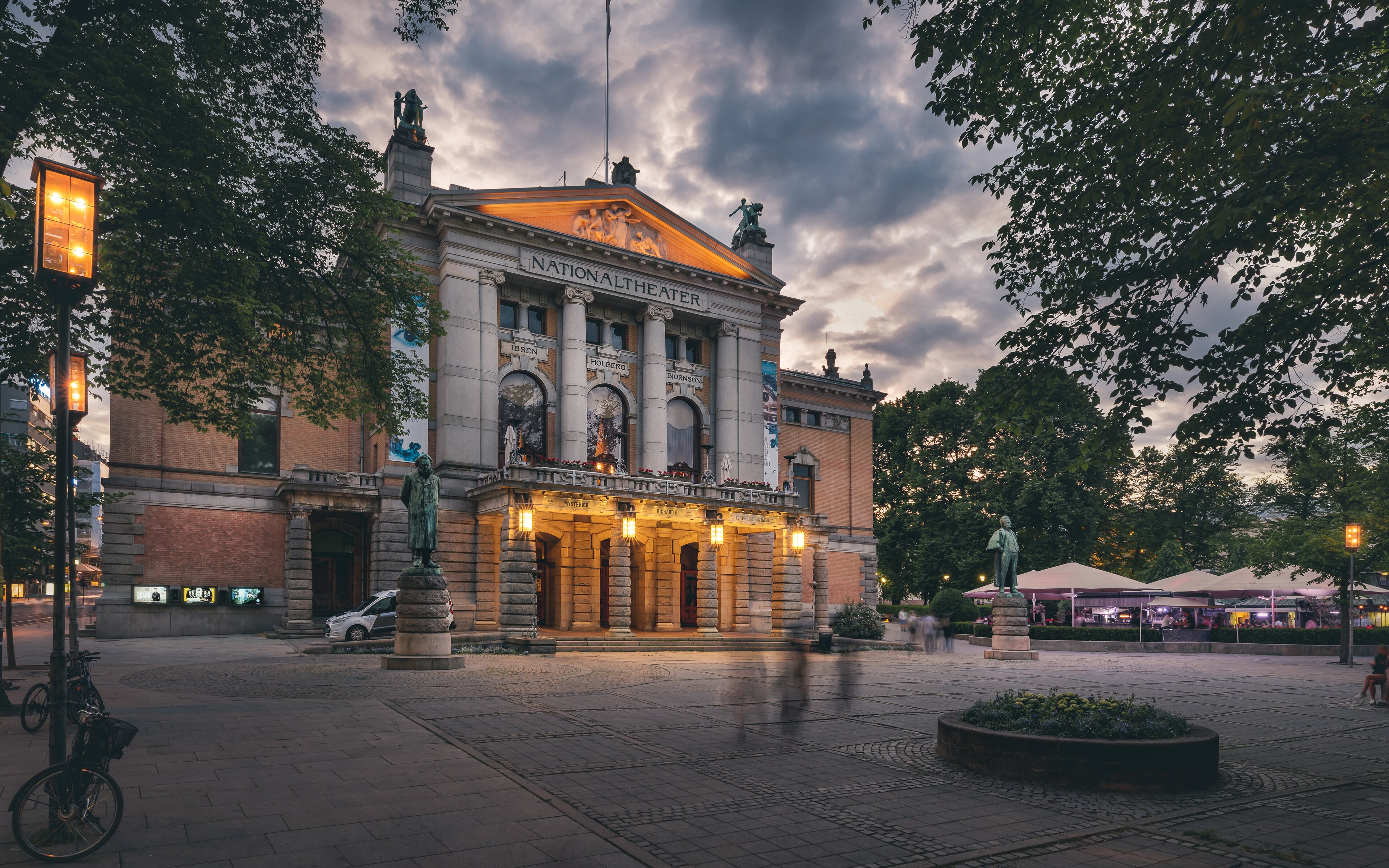
Why Oslo is Perfect for Your Celebration
- Endless summer daylight (up to 19 hours) creates a magical, extended atmosphere for outdoor celebrations
- Waterfront and fjord-facing venues offer genuinely dramatic Nordic scenery unavailable elsewhere
- World-class Scandinavian design aesthetic runs through venues, catering, and décor suppliers
- Oslo Gardermoen is one of Northern Europe's best-connected airports, making international guest travel straightforward
- A mature, professional event and hospitality industry accustomed to high-end corporate and private events
- Proximity to Oslo Fjord islands and forest retreats gives planners unique off-site excursion options for guests
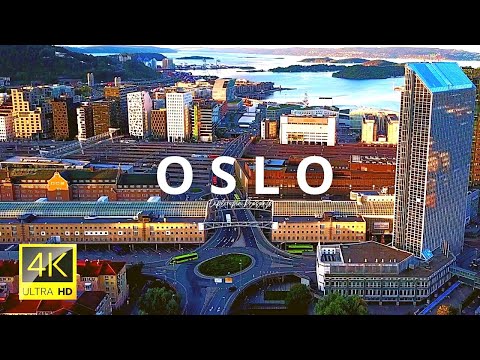
Compare Oslo with Other Top Destinations
Frequently Asked Questions
Is Oslo a good destination for an intimate destination wedding?
Yes. Oslo is particularly well-suited to smaller, design-conscious destination weddings. The city's boutique luxury hotels, waterfront settings along the Oslo Fjord, and Scandinavian aesthetic create a refined, distinctive backdrop. Venues comfortably accommodate intimate gatherings through to mid-sized celebrations, and the city's mature hospitality industry handles private events to high international standards.
What is the best time of year to hold a celebration in Oslo?
Summer — June, July, and August — is strongly recommended. Oslo's midsummer days offer up to 19 hours of daylight, with sunset after 10 pm, creating an extraordinary atmosphere for outdoor ceremonies and receptions. Temperatures are mild (typically 15–25°C), and the city's waterfront and outdoor venues are at their most usable. The rest of the year presents significant challenges for outdoor events.
How easy is it for international guests to travel to Oslo?
Very easy. Oslo Gardermoen Airport (OSL) is one of Northern Europe's best-connected international airports, with direct flights from most major European cities and many long-haul destinations. The airport express train reaches Oslo Central Station in approximately 20 minutes, making arrival logistics smooth. English is widely spoken throughout the city, further reducing friction for international guests.
What kinds of venues are available for events in Oslo?
Oslo offers a genuinely diverse range — waterfront boutique hotels with fjord views along Aker Brygge and Tjuvholmen, grand heritage hotel ballrooms in the city centre, contemporary large-capacity event hotels in the Bjørvika district, and resort-style properties in the forested Holmenkollen area. Outdoor terraces, rooftop spaces, and fjord-facing decks are widely available and particularly effective during summer.
How large a guest group can Oslo venues realistically accommodate?
Oslo's venue inventory is strongest for intimate to mid-sized events — typically up to 300–500 guests for a seated reception, depending on the property. The city's larger conference hotels can accommodate bigger corporate gatherings. For very large celebrations of 600 or more guests, planners should verify capacity early, as Oslo's strongest suit is quality and atmosphere rather than maximum scale.
What is the local transport situation for guests once they arrive in Oslo?
Excellent. Oslo has a comprehensive public transport network — metro, tram, bus, and ferry — that is reliable, English-signposted, and easy for first-time visitors to navigate. For event groups, private coach transfers between the airport, hotels, and venues are straightforward to arrange. The city's compact geography means most central locations are within short transfer distances of one another.
Is Oslo's hospitality and catering industry well-equipped for high-end private events?
Yes. Oslo has a mature, internationally oriented events industry with experienced caterers, AV and production suppliers, florists, and event planners. The catering scene is particularly strong in seasonal Nordic cuisine and high-quality seafood. English is effectively a working language across the industry, which simplifies vendor coordination for international planners and couples.
Are there unique guest experiences available around Oslo that complement a multi-day event programme?
Yes. The Oslo Fjord islands are reachable by short ferry and offer a distinctive natural excursion. The Holmenkollen forest and ski jump area to the north provides a scenic hillside experience. The city's museums, waterfront promenade, and vibrant food and design scene give guests a rich programme of activities that reinforce Oslo's Nordic identity throughout a multi-day stay.
Do guests from outside Europe need to consider any specific entry requirements for Norway?
Yes, and this is worth checking early. Norway is not an EU member, and while it is part of the Schengen Area, visa and entry rules can vary for guests from certain countries in ways that differ from standard EU destinations. Planners should advise guests to verify their specific entry requirements well in advance, particularly for guests travelling from South Asia, Africa, or parts of the Middle East.
What makes Oslo's summer daylight a genuine advantage for outdoor events?
During June and July, Oslo experiences near-continuous daylight — sunset falls after 10 pm and true darkness barely occurs. This means outdoor ceremonies, garden receptions, and waterfront dinners can run for many hours in natural light, creating an atmospheric quality that is genuinely rare and specific to high-latitude destinations. Event photographers particularly prize Oslo's extended golden hour during midsummer.

Ready to explore venues in Oslo?
Oslo: Destination Wedding & Event Venues in Norway's Nordic Capital
◆Oslo is Norway's capital and one of Scandinavia's most polished event destinations, best suited to intimate weddings, high-end corporate gatherings, brand activations, and cultural festivals. Its primary vibe is chic and cosmopolitan — a city where Nordic design sensibility, waterfront scenery, and a genuinely mature hospitality industry combine. Summer (June through August) is the clear window for celebrations, offering up to 19 hours of daylight and reliably mild temperatures. Oslo Gardermoen Airport provides excellent international connectivity, making it straightforward for guests travelling from across Europe and beyond. The destination sits at a premium cost tier by global standards, which is a genuine planning consideration.
Oslo at a Glance
| Category | Detail |
|---|---|
| Best For | Intimate Weddings, Corporate Events, Brand Activations, Cultural Festivals |
| Primary Vibe | Chic & Cosmopolitan |
| Other Vibes | Nordic Elegance, Waterfront, Design-Forward |
| Best Season | Summer (Jun, Jul, Aug) |
Why Choose Oslo?
- Extraordinary summer daylight: Oslo's midsummer days offer close to 19 hours of usable light, meaning outdoor ceremonies, rooftop receptions, and fjord-side dinners can run well into the evening without artificial lighting — a genuinely rare atmospheric advantage.
- Waterfront and fjord-facing venues: The Oslo Fjord provides a dramatic natural backdrop that is entirely specific to this destination. Venues along Aker Brygge, Tjuvholmen, and Bjørvika offer water views that are difficult to replicate elsewhere in Northern Europe.
- World-class Scandinavian design aesthetic: Oslo's hospitality industry reflects Norway's broader design culture — clean lines, high-quality materials, and thoughtful spatial planning are standard rather than exceptional, giving events a naturally elevated visual character.
- Excellent international air connectivity: Oslo Gardermoen (OSL) is one of Northern Europe's busiest and best-connected airports, with direct services from major hubs across Europe, North America, and the Middle East, making international guest logistics genuinely manageable.
- Mature, professional event ecosystem: Oslo has a well-established network of event planners, caterers, florists, AV specialists, and hospitality professionals experienced in delivering high-end private and corporate events to international standards.
- Unique off-site excursion options: The Oslo Fjord islands (reachable by short ferry), Holmenkollen forest, and nearby countryside give planners compelling options for pre- or post-event guest experiences that reinforce the destination's Nordic identity.
Which Celebrations Work Best in Oslo?
Intimate Destination Weddings: Oslo suits smaller, design-conscious weddings particularly well. The city's boutique luxury hotels, waterfront settings, and emphasis on quality over scale make it ideal for couples seeking a refined, non-traditional European wedding backdrop. Venues can typically accommodate intimate gatherings through to mid-sized celebrations comfortably.
Corporate Events & Conferences: Oslo is a natural fit for corporate gatherings — it has purpose-built conference infrastructure, a business-friendly culture, and a hospitality sector experienced in handling international delegations. The city's reputation for efficiency and professionalism aligns well with corporate event expectations.
Brand Activations & Product Launches: The city's design-forward aesthetic and cosmopolitan audience make it a strong choice for brands seeking a European launch platform with a distinctive Nordic identity. Waterfront and gallery-style spaces lend themselves well to experiential brand events.
Cultural Festivals & Milestone Celebrations: Oslo's summer calendar is already rich with cultural programming, and the city's open, festival-friendly atmosphere makes it receptive to private cultural celebrations, milestone anniversaries, and landmark birthday events that benefit from the city's energy during peak season.
Venues & Event Spaces
Oslo's event venue landscape is diverse and genuinely well-developed across several distinct categories. The city centre and waterfront districts offer luxury hotel ballrooms and private dining rooms within heritage buildings that carry significant architectural character — grand early-twentieth-century facades combined with contemporary interiors are a recurring theme. Along the Aker Brygge and Tjuvholmen waterfront, boutique design hotels provide intimate event spaces with direct fjord views, particularly suited to smaller, high-end gatherings where atmosphere matters as much as capacity.
Further from the centre, the Holmenkollen area to the north offers resort-style properties set within forested hillside terrain, providing a more secluded, nature-immersed setting for events that benefit from privacy and outdoor access. These properties typically combine indoor ballroom or conference facilities with outdoor terraces and garden areas that come into their own during summer months.
The Bjørvika district — Oslo's newer cultural quarter adjacent to the Opera House — has added a cluster of contemporary event-capable hotels with large, flexible function spaces suited to corporate events and larger receptions. Across the city, outdoor lawns, rooftop terraces, and fjord-facing decks are increasingly integrated into venue offerings, and summer's extended daylight makes these outdoor components genuinely usable rather than merely decorative. Historic manor houses and cultural institutions on the city's outskirts also occasionally serve as exclusive-use event venues for groups seeking something beyond the standard hotel setting.
Best Time to Celebrate
Summer — specifically June, July, and August — is Oslo's clear window for celebrations, and the reasons go well beyond simply "the weather is nice." June and July in particular offer near-continuous daylight, with sunset occurring after 10 pm and a brief twilight rather than true darkness. This creates an atmospheric quality for outdoor events — ceremonies on waterfront terraces, garden receptions, and fjord-side dinners — that is genuinely distinctive and impossible to replicate at other times of year.
Temperatures during summer typically range from around 15°C to 25°C, occasionally reaching the high twenties during warm spells. This is mild rather than hot, which suits outdoor events well — guests are comfortable in formal attire without the heat stress common in warmer European destinations during the same months. Rain is possible throughout summer but is generally less frequent and less prolonged than in spring or autumn.
The rest of the year presents real challenges for outdoor or semi-outdoor celebrations. September and October see temperatures drop quickly, rainfall increases, and daylight shortens noticeably — outdoor components become unreliable. November through March brings sub-zero temperatures, significant snowfall, and very short days (as few as six hours of daylight in December), making outdoor events impractical and placing heavy demands on indoor heating and logistics. April and May can be appealing in terms of emerging greenery, but cold snaps and unpredictable rain make them unreliable for events with outdoor components. For planners committed to Oslo's waterfront and outdoor aesthetic, summer is not merely preferred — it is effectively the only viable season.
Getting There & Local Connectivity
Oslo Gardermoen Airport is one of Northern Europe's principal international gateways, with direct connections to major European capitals, North American hubs, and a growing number of long-haul destinations. For guests travelling from within Europe, Oslo is typically reachable with a single direct flight from most major cities, making it genuinely accessible for an international guest list. The airport express train (Flytoget) connects Gardermoen to Oslo Central Station in approximately 20 minutes, which is among the most efficient airport-to-city connections in Europe — a meaningful practical advantage for groups managing multiple guest arrivals.
Within the city, Oslo's public transport network — metro (T-bane), tram, bus, and ferry — is extensive, reliable, and easy to navigate even for first-time visitors. English signage is standard throughout the network. For event groups, private coach transfers between the airport, hotels, and venues are straightforward to arrange and are the standard approach for managing guest movements on event days. The city's compact geography means that most central hotels, venues, and attractions are within a short transfer of one another, reducing logistical complexity for planners coordinating multi-day programmes.
For guests arriving by rail from other Scandinavian cities — Stockholm, Gothenburg, or Copenhagen — Oslo Central Station serves as the main terminus, with direct services connecting the city to the broader Nordic rail network. This makes Oslo accessible by train for guests based elsewhere in Scandinavia, adding a low-carbon travel option that aligns with the values of many international event clients.
Local Vendor & Hospitality Ecosystem
Oslo's event and hospitality ecosystem is mature, internationally oriented, and accustomed to delivering high-end private and corporate events to exacting standards. The city's catering industry reflects Norway's broader food culture — a strong emphasis on seasonal, locally sourced ingredients, with particular strengths in seafood, Nordic cuisine, and contemporary European cooking. For events where food and beverage quality is a priority, Oslo's catering suppliers are genuinely well-placed to deliver distinctive, high-quality menus that reinforce the destination's identity.
Floral and décor suppliers in Oslo tend to work within a Scandinavian aesthetic — restrained, design-conscious, and quality-focused — which suits events seeking a refined rather than maximalist visual approach. For couples or planners seeking more elaborate or culturally specific décor styles, it is worth confirming early that local suppliers can accommodate the brief, or planning to bring specialist suppliers from elsewhere.
AV, lighting, and technical event production suppliers are well-developed in Oslo, reflecting the city's active corporate events market. Photography and videography professionals experienced in destination events are available, and the city's summer light conditions — particularly the golden hour that extends for hours around midsummer — are genuinely prized by event photographers. English is effectively a working language across the hospitality and events industry, which removes the language barrier that can complicate vendor coordination in some European destinations.
Pros & Things to Consider
Why Oslo Works Well
- Extraordinary summer daylight creates a genuinely unique atmospheric quality for outdoor and semi-outdoor events
- Excellent international air connectivity via Gardermoen, with fast and reliable airport-to-city rail transfer
- A mature, English-speaking hospitality and events industry that operates to high international standards
- Diverse venue landscape spanning waterfront boutique hotels, heritage city-centre properties, and forested hillside resorts
- Very high safety standards and a well-functioning city infrastructure that makes guest logistics predictable
- Strong Nordic food culture and high-quality catering suppliers that can deliver distinctive, locally rooted menus
- Compact city geography reduces transfer times and simplifies multi-venue event programmes
Things to Consider
- Oslo is among the more expensive European capitals — venue hire, catering, accommodation, and local services all sit at a premium tier, which is a genuine planning consideration for overall event budgets
- The viable event season is narrow: summer (June–August) is strongly preferred, and the rest of the year presents real challenges for outdoor or mixed indoor-outdoor events
- Venue capacity for very large events (500+ guests) is more limited than in some larger European cities — Oslo's strongest suit is quality and intimacy rather than scale
- The Scandinavian design aesthetic that defines Oslo's venues is distinctive but specific — planners seeking maximalist, ornate, or culturally specific décor styles may find the local supplier base less naturally aligned
- Gardermoen Airport, while excellent, is approximately 47 km from the city centre — guests arriving on tight schedules should factor in transfer time, even with the fast rail link
When Oslo May Not Be the Right Fit
- Events planned outside June–August: If your event date falls in autumn, winter, or early spring, Oslo's outdoor and waterfront appeal is largely unavailable, and the logistical demands of cold-weather events add complexity and cost. A different European destination with a longer viable season may serve better.
- Very large guest lists: Oslo's venue inventory is strongest for intimate to mid-sized events. Groups requiring banquet capacity for several hundred guests or more may find the local options more limited than in larger European event cities, and should verify capacity early in the planning process.
- Guests with limited European travel experience or complex visa situations: While Oslo is very accessible for most European and many international travellers, Norway is not an EU member and sits outside the Schengen Area's standard visa framework in some respects — guests from certain countries should verify entry requirements carefully, as this can add a layer of complexity not present in EU destinations.
- Events where a warm, sun-drenched Mediterranean aesthetic is the priority: Oslo's beauty is Nordic — cool light, water, forest, and design. If the vision is a sun-soaked, warm-climate celebration with that specific visual character, a different destination will be a more natural fit.