
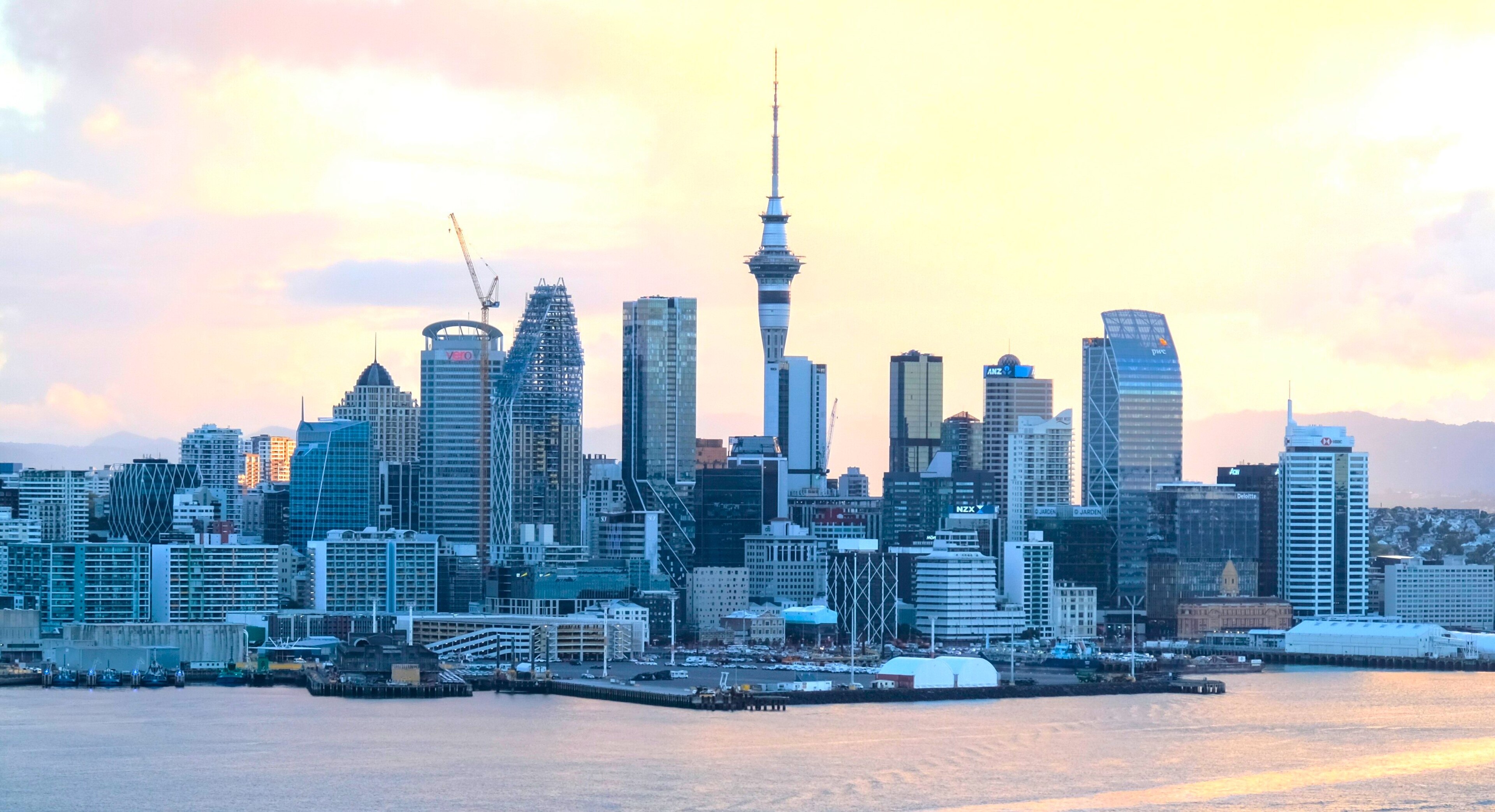
Why Auckland is Perfect for Your Celebration
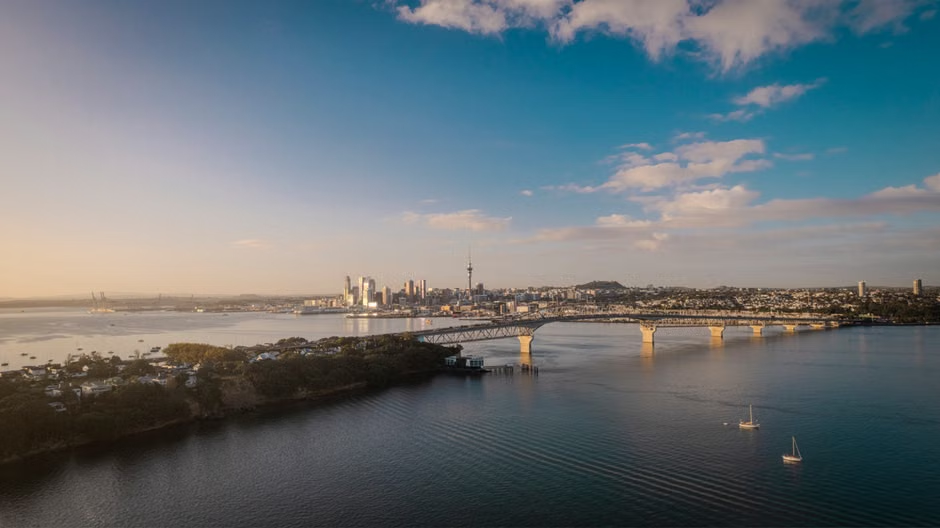
- Stunning waterfront and harbour venues unique to Auckland's twin-harbour geography
- Waiheke Island vineyard estates offer world-class winery wedding settings within 35 minutes by ferry
- Long summer days in Dec–Mar provide extended golden-hour windows for outdoor ceremonies
- Auckland Airport (AKL) offers direct international connections from Australia, Asia, Pacific Islands and beyond
- Mature, internationally experienced hospitality and events vendor ecosystem
- Diverse venue mix — from sky-high city event spaces to volcanic parkland and coastal clifftop settings

Top Venues in Auckland
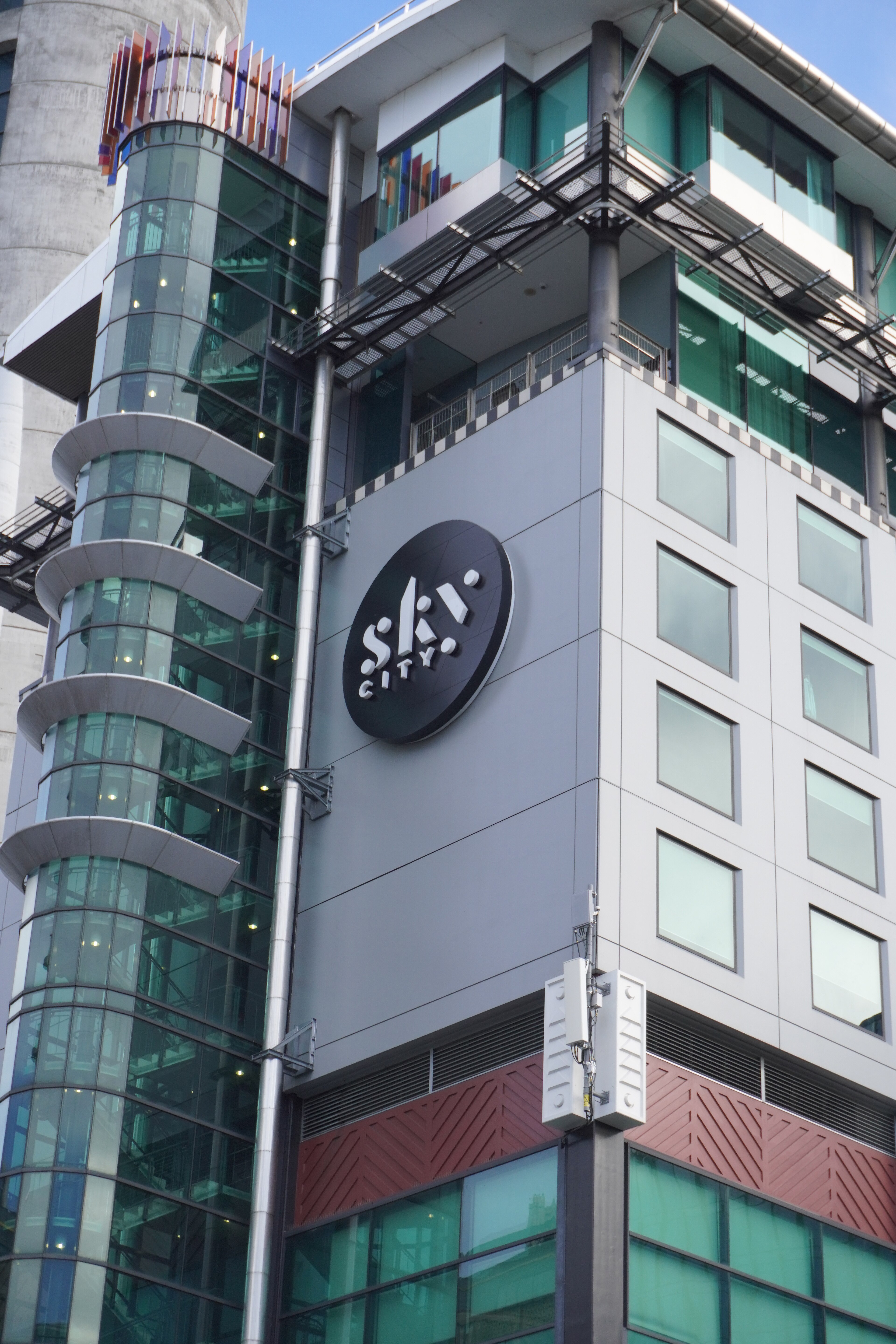
The Grand by SkyCity
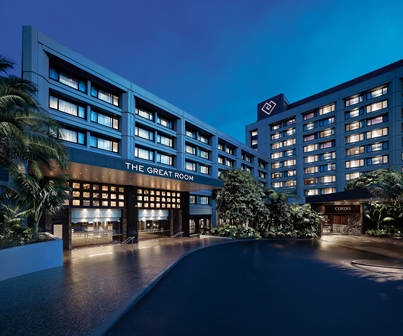
Cordis Auckland
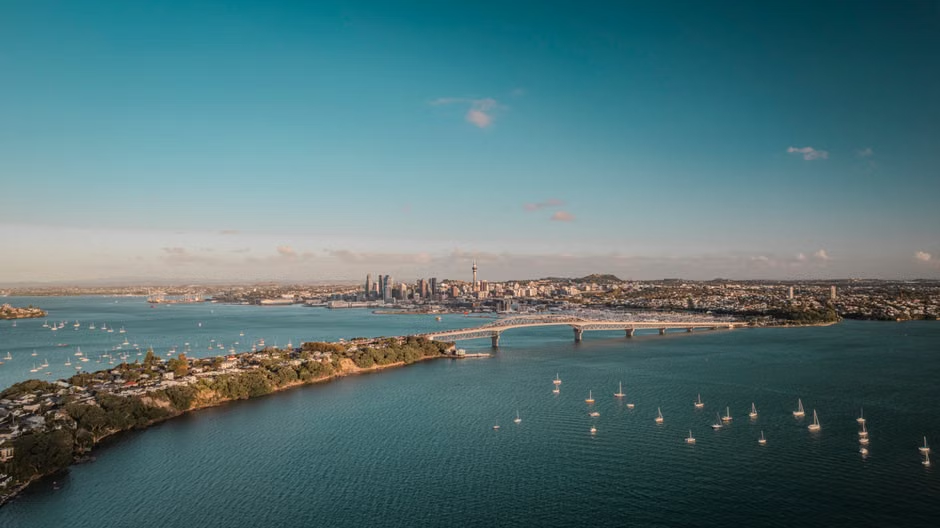
Sofitel Auckland Viaduct Harbour
InterContinental Auckland
Hilton Auckland
Pullman Auckland

Crowne Plaza Auckland
Novotel Auckland Airport
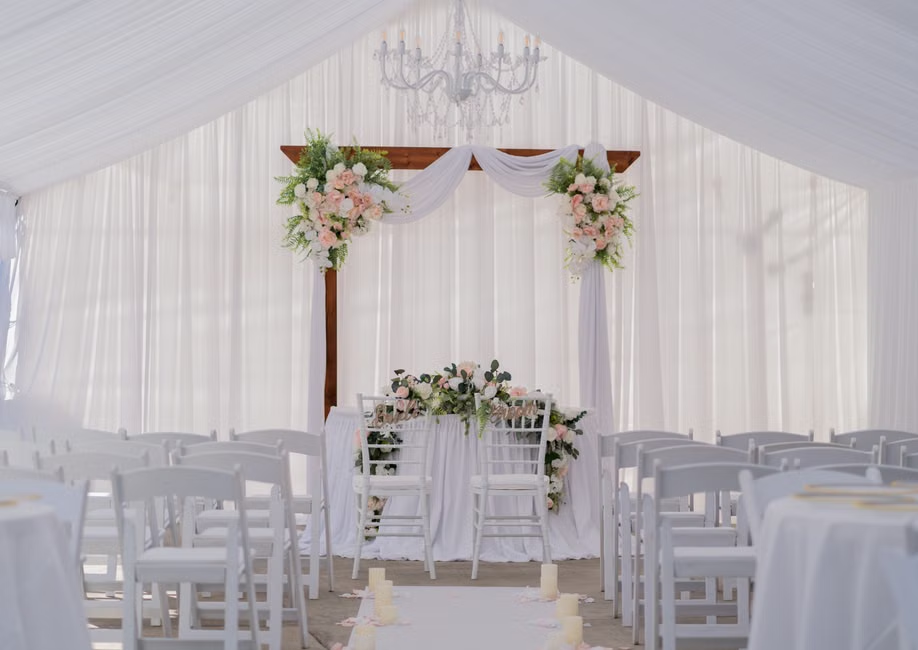
Mercure Auckland
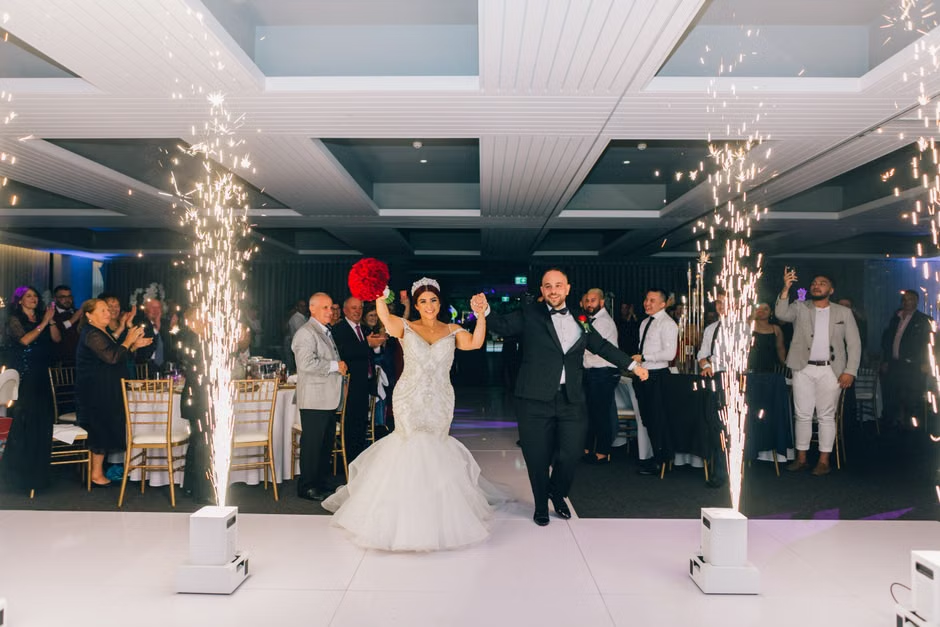
Rydges Auckland
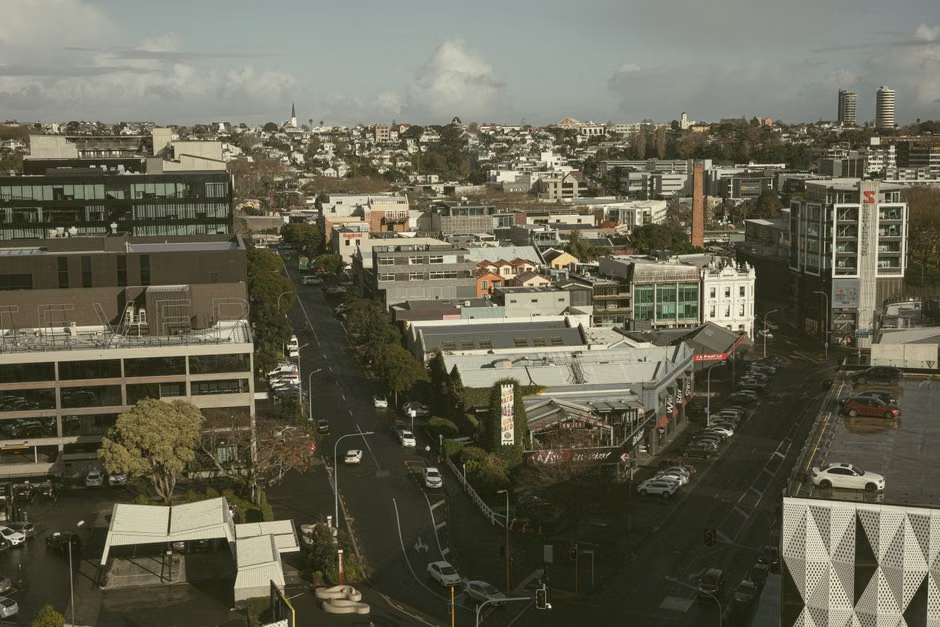
Ibis Budget Auckland Central
Compare Auckland with Other Top Destinations
Frequently Asked Questions
Is Auckland a good destination for an international wedding?
Yes. Auckland is particularly well-suited to international destination weddings, especially for couples with guest groups based in Australia, Southeast Asia, or the Pacific Islands. The city offers direct international flights, a mature hospitality ecosystem, and a diverse range of venue settings — from waterfront ballrooms to vineyard estates on Waiheke Island — that give couples genuine aesthetic choice without sacrificing logistical reliability.
What is the best time of year to hold a wedding or event in Auckland?
The best season is the Southern Hemisphere summer: December, January, February, and March. These months offer the warmest temperatures, longest daylight hours, and the most settled weather conditions of the year. January and February are typically the most reliable. December is popular but books up early due to end-of-year events. March is a strong shoulder option with slightly less venue competition.
How do international guests typically get to Auckland?
Auckland Airport (AKL) is the primary gateway and one of the Southern Hemisphere's busiest international airports. It handles direct services from Australia, Southeast Asia, East Asia, the Pacific Islands, the Middle East, and North America. Most guests from the Asia-Pacific region can reach Auckland on a single direct flight. The airport is approximately 21 km from the city centre, accessible by taxi, rideshare, or express coach.
What kinds of venues are available for events in Auckland?
Auckland offers a genuinely diverse venue mix: waterfront ballrooms and marina-facing event spaces in the Viaduct Harbour precinct, contemporary CBD hotel event floors, volcanic parkland settings with panoramic harbour views, vineyard estates on Waiheke Island (accessible by ferry), coastal clifftop properties, and purpose-built function centres across the wider region. This range suits very different event aesthetics and scales.
Can Auckland venues accommodate large guest lists?
Yes, for most event scales. Auckland's major CBD hotels and dedicated event venues can comfortably accommodate seated dinners and receptions for several hundred guests. For very large single-room capacities above approximately 800–1,000 guests, the local inventory is more selective, and early venue confirmation is strongly advisable. Waiheke Island venues typically suit more intimate gatherings of up to a few hundred guests.
What is Waiheke Island, and is it practical for an Auckland event?
Waiheke Island is a vineyard and coastal island in the Hauraki Gulf, reachable by a regular 35-minute ferry from Auckland's city-centre terminal. It is home to internationally recognised winery estates that regularly host weddings and private events. It is entirely practical for events, but requires coordinated ferry logistics for guests — most Waiheke event planners build group ferry transfers into the event programme as a standard element.
How easy is it to move a large guest group around Auckland?
Private coach hire is the most reliable option for moving large groups between the airport, accommodation, and venues, and is widely available through Auckland's established ground transport sector. Auckland's motorway network can experience significant congestion during morning and evening peaks, so transfer timing should account for this. The city's ferry network is excellent for reaching waterfront and island venues from the CBD.
Does Auckland have experience hosting multicultural weddings and events?
Yes. Auckland is one of the world's most ethnically diverse cities, with significant Māori, Pacific Island, Asian, and European communities. The local hospitality and catering sector is genuinely experienced at accommodating diverse ceremonial traditions, dietary requirements, and cuisine styles. This makes Auckland a practical choice for multicultural couples or corporate events with internationally diverse guest lists.
What should I know about Auckland's weather when planning an outdoor event?
Auckland's weather is variable even during the summer best season — rain is possible in any month, and the city's maritime climate means conditions can change within a day. Outdoor events should always include a credible wet-weather contingency plan, such as a marquee, covered terrace, or indoor backup space. Most experienced Auckland event venues and planners build this into their standard event design as a matter of course.
Is Auckland safe for international guests attending a wedding or event?
Yes. Auckland is consistently rated among the safest major cities in the world. New Zealand has low crime rates, reliable emergency services, good healthcare infrastructure, and a stable political environment. International guests — including those travelling alone or in small groups — generally find Auckland straightforward and comfortable to navigate, which reduces event-day welfare concerns for planners managing large, dispersed guest groups.
How far in advance should I book venues for a summer Auckland event?
For January and February dates, booking 12–18 months in advance is generally advisable for preferred venues, particularly waterfront and vineyard estate properties that have limited event-day availability. December dates should be secured even earlier — the concentration of end-of-year corporate and social events means popular venues can be fully committed 18–24 months out. March typically allows slightly more flexibility but early confirmation is still recommended.

Ready to explore venues in Auckland?
Auckland: Destination Wedding & Corporate Event Venues in New Zealand
◆Auckland is New Zealand's largest and most internationally connected city, positioned between the Waitematā and Manukau Harbours on the North Island. It is particularly well-suited to destination weddings, corporate conferences, milestone celebrations, and social events that benefit from a cosmopolitan, waterfront-oriented setting. The city's primary vibe is chic and cosmopolitan — polished, globally connected, and scenically dramatic without being remote. The best season for events is the Southern Hemisphere summer (December through March), when long days, warm temperatures, and settled weather make outdoor and waterfront celebrations highly practical. Auckland is generally accessible for international guests, with Auckland Airport (AKL) serving direct routes from Australia, Asia, the Pacific Islands, and beyond.
Auckland at a Glance
| Category | Detail |
|---|---|
| Best For | Destination Weddings, Corporate Events, Milestone Celebrations, Social Gatherings |
| Primary Vibe | Chic & Cosmopolitan |
| Other Vibes | Scenic & Waterfront, Relaxed & Sophisticated, Vineyard & Pastoral |
| Best Season | Summer (Jan, Feb, Mar, Dec) |
Why Choose Auckland?
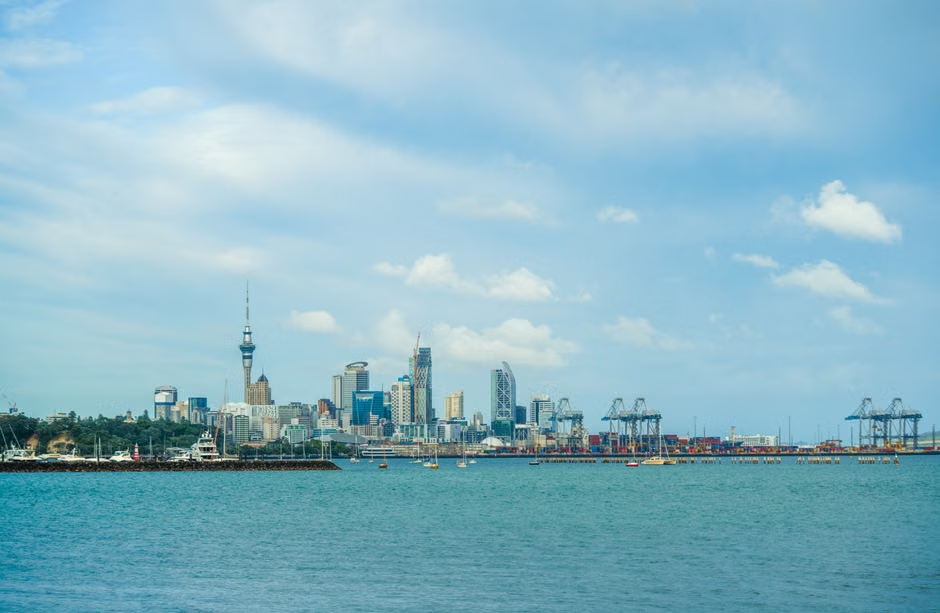
- Twin-harbour geography: Auckland's position between two working harbours creates a genuinely rare event backdrop — waterfront venues with active marina views are a defining feature of the city's event landscape, not an add-on.
- Vineyard estate access: Waiheke Island, reachable by a short ferry crossing from the city centre, is home to internationally recognised vineyard estates that regularly host weddings and private events, offering a pastoral counterpoint to the urban core.
- Mature international hospitality infrastructure: Auckland has hosted major international summits, sporting events, and large-scale conferences, meaning its hospitality and events vendor ecosystem is experienced, well-resourced, and accustomed to managing complex, multi-day programmes.
- Long summer days: During December through March, Auckland enjoys daylight until well past 8 pm, giving outdoor ceremonies and receptions extended golden-hour windows that are genuinely difficult to replicate in many other destinations.
- Diverse venue typology: From sky-level event spaces in CBD towers to volcanic parkland settings, clifftop coastal venues, and contemporary waterfront ballrooms, Auckland offers a breadth of venue character that suits very different event aesthetics.
- Strong international air connectivity: Auckland Airport is one of the Southern Hemisphere's busiest international gateways, making it straightforward for guests travelling from Australia, Southeast Asia, the Pacific, and further afield to reach the city with minimal connection complexity.
Which Celebrations Work Best in Auckland?
- Destination Weddings: Auckland suits couples seeking a cosmopolitan, scenically dramatic setting with genuine venue variety — from intimate harbour-view ceremonies to larger vineyard estate receptions. The city's international connectivity means guests from multiple countries can typically reach it on a single direct flight.
- Corporate Conferences & Incentive Events: Auckland's mature conference infrastructure, range of large-capacity CBD hotels, and proximity to unique off-site experiences (harbour cruises, vineyard dinners, volcanic park activities) make it a strong choice for incentive travel programmes and multi-day corporate gatherings.
- Milestone Celebrations (Anniversaries, Landmark Birthdays): The city's restaurant and private dining scene, combined with waterfront venue access, suits smaller, high-quality milestone events where atmosphere and culinary experience are priorities.
- Social & Cultural Gatherings: Auckland's multicultural character — with significant Māori, Pacific Island, Asian, and European communities — means the city is genuinely experienced at hosting culturally diverse celebrations, with catering and ceremonial flexibility that reflects this breadth.
Venues & Event Spaces
Auckland's event venue landscape is notably diverse. The city centre and Viaduct Harbour precinct contain a concentration of waterfront ballrooms, rooftop terraces, and contemporary event floors within major hotel properties, most of which are purpose-built for large-scale functions and can accommodate seated dinners ranging from intimate gatherings to several hundred guests. The Viaduct Harbour area in particular is known for its marina-facing event spaces that combine indoor and outdoor flow.
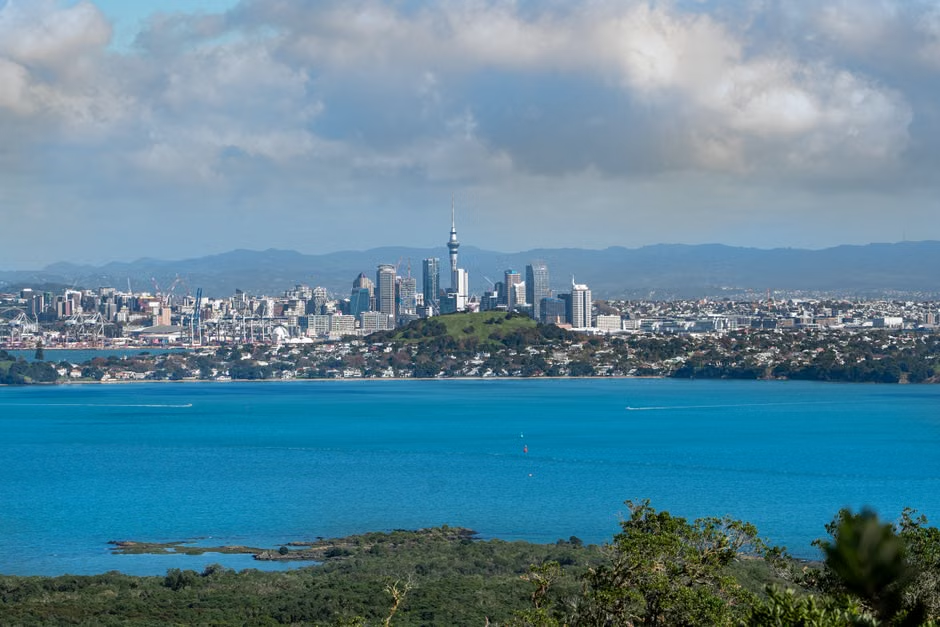
Beyond the CBD, Auckland's volcanic landscape provides a genuinely distinctive category of outdoor venue — parkland settings on or around volcanic cones offer panoramic city and harbour views that are unusual in an urban event context. These spaces suit ceremonies and cocktail receptions where the natural setting is intended to be the primary visual element.
Waiheke Island, accessible by regular ferry service from the city centre, adds a vineyard estate and boutique resort category to Auckland's venue mix. These properties typically offer full-day or multi-day event packages in a pastoral, wine-country setting, and are particularly popular for destination weddings where guests are expected to stay on the island overnight.
The broader Auckland region also includes coastal clifftop venues, private estate properties, and purpose-built function centres in suburban areas, giving planners flexibility to match venue character to event scale and aesthetic without being confined to the CBD core.
Best Time to Celebrate
The curated best season for Auckland events is Summer: December, January, February, and March. This period aligns with the Southern Hemisphere summer and offers the most consistently favourable conditions for outdoor and waterfront celebrations.
During these months, Auckland typically experiences temperatures in the high teens to mid-twenties Celsius, long daylight hours extending well into the evening, and the lowest probability of sustained rainfall compared to the rest of the year. The combination of warm evenings and extended natural light is particularly valuable for outdoor ceremonies, garden receptions, and harbour-view events where the setting is a central part of the experience.
December is a popular month for end-of-year corporate events and pre-Christmas celebrations, which means venue availability can tighten earlier than in January or February — early booking is advisable for December dates. January and February are generally the most settled weather months and represent the peak of the summer event season. March remains warm and is often considered a strong shoulder option within the summer window, with slightly reduced venue competition compared to January.
The months outside this window present genuine trade-offs. April and May bring Auckland's autumn transition — temperatures drop noticeably, rainfall increases, and the reliable outdoor evening conditions of summer become less predictable. June through August constitute Auckland's winter: cooler temperatures (often dropping to single digits overnight), shorter days, and the city's highest rainfall months. While indoor events remain entirely viable year-round, the outdoor and waterfront elements that define many of Auckland's most distinctive event experiences are significantly less reliable in winter. September through November is spring — conditions improve progressively, but spring in Auckland is characterised by variable, sometimes unsettled weather, and the risk of a wet or windy day for an outdoor event remains meaningful through October in particular.
Getting There & Local Connectivity
Auckland Airport (AKL) is the primary international gateway and one of the busiest airports in the Southern Hemisphere. It handles direct services from Australia (multiple cities), Southeast Asia, East Asia, the Pacific Islands, the Middle East, and North America, making it genuinely accessible for internationally dispersed guest groups without requiring complex multi-leg itineraries for most origin cities.
The airport sits approximately 21 km south of the city centre. Guests can reach the CBD by taxi, rideshare, or the SkyBus express coach service. The journey typically takes 30–45 minutes outside peak traffic periods, though Auckland's motorway network can experience congestion during morning and evening peaks — this is worth factoring into arrival and departure logistics for large groups.
Within the city, Auckland's public transport network includes trains, buses, and ferry services. The ferry network is particularly relevant for event purposes, as it connects the CBD's Britomart terminal to Waiheke Island and several North Shore destinations, making island and harbour-side venues genuinely practical for guests staying in the city centre. For large groups moving between venues or accommodation, private coach hire is the most reliable option and is widely available through Auckland's established ground transport sector.
Driving within Auckland is straightforward for guests comfortable with left-hand traffic, and car rental is readily available at the airport. However, for event days where guests are expected to consume alcohol, coordinated group transport is strongly advisable — Auckland's drink-driving laws are strictly enforced.
Local Vendor & Hospitality Ecosystem
Auckland's events and hospitality vendor ecosystem is among the most developed in the Southern Hemisphere. The city regularly hosts international conferences, major sporting events, and large-scale cultural festivals, which has produced a deep pool of experienced event planners, caterers, florists, photographers, audio-visual specialists, and entertainment providers who are accustomed to working at a high standard under professional event conditions.
Catering in Auckland reflects the city's multicultural character — there is genuine breadth in cuisine styles available for event menus, from contemporary New Zealand cuisine (which draws heavily on Pacific and Māori food traditions alongside European technique) to Asian, Pacific Island, and Middle Eastern catering specialists. This is particularly relevant for multicultural weddings and corporate events with internationally diverse guest lists.
Auckland's wine and beverage industry is a genuine asset for event catering — the city is the commercial hub for New Zealand's wine trade, and access to premium New Zealand wines (including those produced on Waiheke Island itself) is straightforward and competitively priced relative to importing equivalent quality elsewhere.
The city also has a well-established destination management company (DMC) sector, meaning international couples and corporate planners can engage local specialists who handle end-to-end logistics — venue sourcing, accommodation blocks, transport coordination, and vendor management — without needing to manage individual supplier relationships remotely.
Pros & Things to Consider
Why Auckland Works Well
- Exceptional international air connectivity makes it genuinely accessible for guests from Australia, Asia, and the Pacific without complex routing
- Unique venue typology — waterfront, volcanic parkland, vineyard estate, and contemporary CBD spaces — gives planners real aesthetic choice
- Long summer days (Dec–Mar) provide extended outdoor event windows that are a genuine competitive advantage
- Mature, internationally experienced hospitality and vendor ecosystem reduces planning risk for complex, multi-day events
- Multicultural city with genuine catering and ceremonial flexibility for diverse guest groups
- Very safe, well-governed destination with reliable infrastructure, healthcare access, and low event-day risk factors
Things to Consider
- Auckland's weather is variable even in summer — rain is possible in any month, and outdoor events should always have a credible wet-weather contingency plan
- The city's motorway network experiences significant congestion during peak hours, which can affect guest transfer timing between airport, accommodation, and venues
- Waiheke Island venues, while exceptional, require ferry logistics coordination for guests — this adds a layer of transport planning complexity that mainland venues do not
- Auckland is a relatively premium-cost destination by regional standards — venue, catering, and accommodation costs reflect a high-income, internationally competitive market
- December venue availability tightens early due to the concentration of end-of-year corporate and social events — late booking for December dates carries real availability risk
When Auckland May Not Be the Right Fit
- Guests primarily based in Europe or the Americas: While Auckland Airport is well-connected, the flight duration from Europe or the US East Coast is substantial (typically 24+ hours with connections), which may be a meaningful barrier for a guest group where the majority are travelling from those regions.
- Events requiring very large single-venue capacity: Auckland has strong mid-to-large venue options, but if an event requires a single space for 1,000+ guests in a single room, the local inventory is more limited than in larger global convention cities — planners should verify specific capacity requirements early.
- Outdoor events planned outside the Dec–Mar window: Auckland's winter and spring months bring genuine weather unpredictability. If an outdoor ceremony or reception is non-negotiable and a wet-weather backup is not acceptable, planning outside the summer season carries meaningful risk.
- Events seeking a traditional heritage or cultural-landmark setting: Auckland is a relatively young city by global standards and does not offer the kind of centuries-old palace, fort, or heritage estate settings found in older destinations. Couples or planners specifically seeking that aesthetic may find the local venue character — which skews contemporary and scenic rather than historic — a less natural fit.