
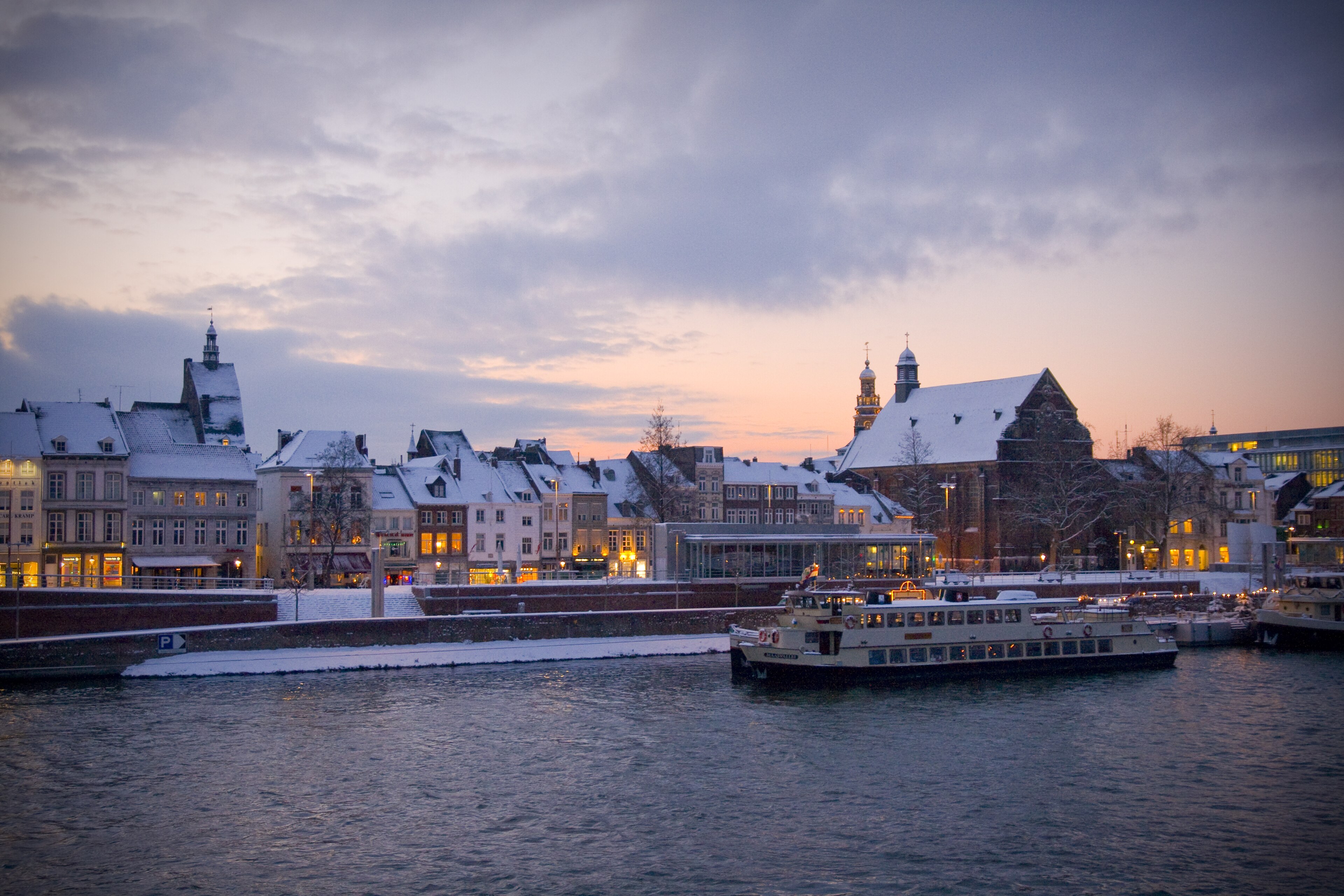
Why Maastricht is Perfect for Your Celebration
- Stunning medieval architecture including the Vrijthof square and Sint Servaasbasiliek as event backdrops
- Compact, walkable city centre makes guest logistics simple and enjoyable
- Sophisticated European hospitality with a strong tradition of fine dining and boutique accommodation
- Excellent rail connectivity from Amsterdam, Brussels, and Cologne — ideal for international guests
- Summer months offer long, warm evenings perfect for outdoor receptions and garden parties
- Intimate city scale suits smaller, curated celebrations rather than mass-market events

Top Venues in Maastricht
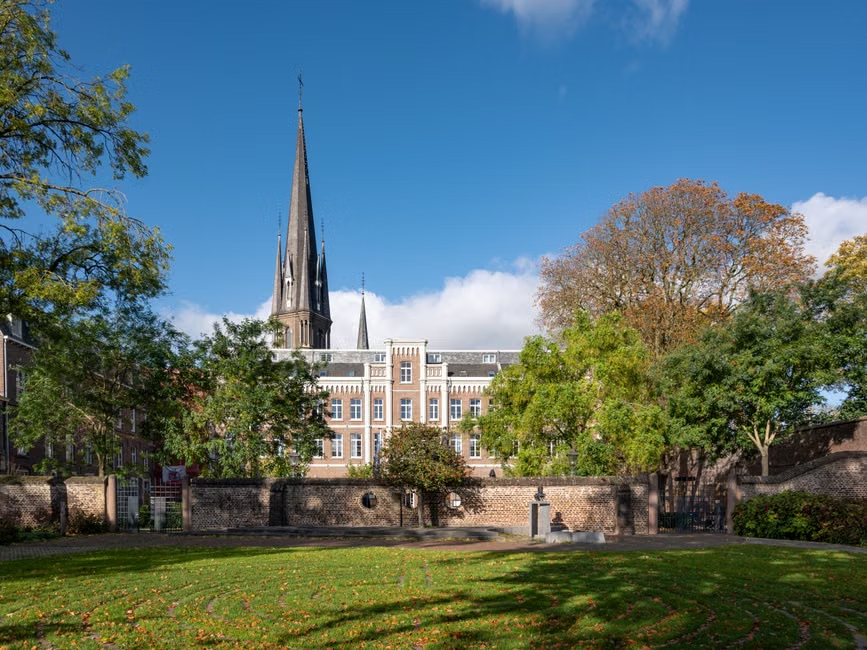
Kruisherenhotel Maastricht
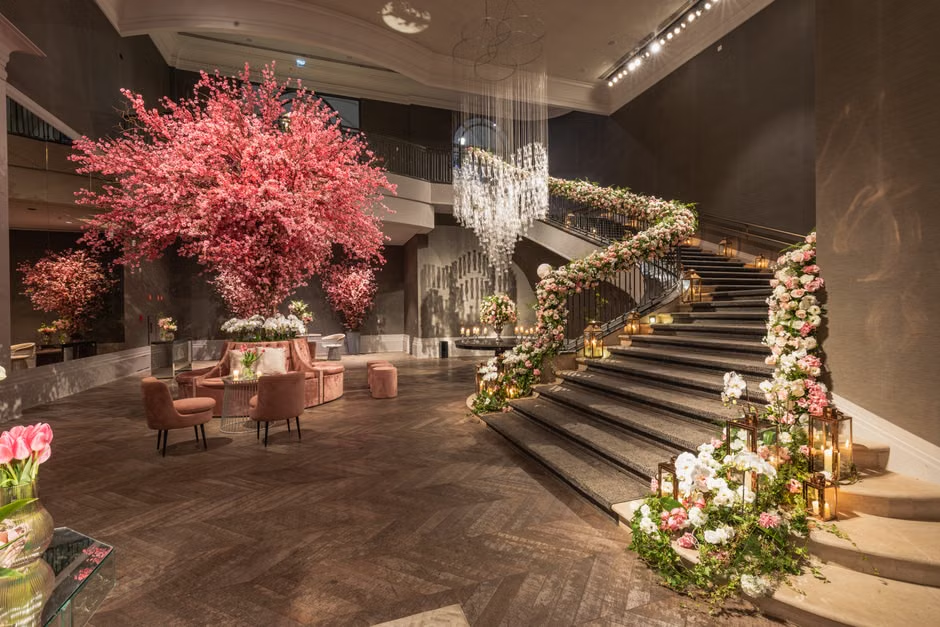
Amrâth Grand Hotel de l'Empereur
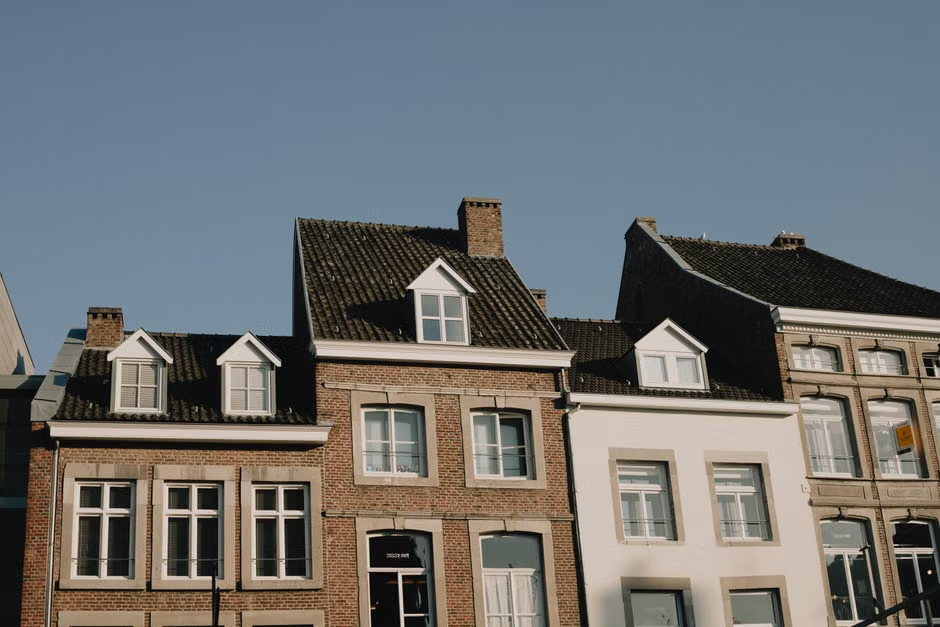
Hotel Beaumont Maastricht
Hotel Les Charmes
Compare Maastricht with Other Top Destinations
Frequently Asked Questions
Is Maastricht a good destination for an intimate wedding?
Yes. Maastricht is particularly well-suited to intimate weddings, typically in the 30–150 guest range. Its heritage venues — including converted monasteries, boutique hotels in historic buildings, and elegant courtyard spaces — create a genuinely distinctive atmosphere. The compact city centre also makes guest logistics straightforward, which is a meaningful practical advantage for destination weddings.
What is the best time of year to hold a wedding or event in Maastricht?
May through September is the recommended window. These months offer warm temperatures, long daylight hours (sunset as late as 10pm in midsummer), and the best conditions for outdoor receptions and garden events. Outside this period, cold temperatures, limited daylight, and frequent rain make outdoor elements impractical, and the city's most atmospheric spaces are less accessible.
How do guests typically travel to Maastricht for a destination event?
Most guests travel by train. Maastricht's railway station has direct intercity services from Amsterdam (approximately 2.5 hours), Brussels (approximately 1.5 hours via Liège), and Liège (approximately 30 minutes). Guests flying internationally typically route through Amsterdam Schiphol, Brussels Airport, or Eindhoven Airport and connect onward by rail or road. The local airport serves limited routes.
What kinds of event venues are available in Maastricht?
The venue landscape is dominated by heritage properties — converted historic buildings, boutique hotels in medieval structures, vaulted cellar spaces, and courtyard gardens. There are also contemporary hotel banquet and conference facilities for mid-sized corporate events. Outdoor settings including riverside terraces and historic squares are available in summer. The city's strength is firmly in the intimate-to-mid-scale range.
How many guests can Maastricht realistically accommodate for a destination event?
Maastricht's venue inventory is strongest for events in the 50–200 guest range. For events approaching or exceeding 300–400 guests requiring a single venue, options become more limited and planners should verify capacity at an early stage. Accommodation across multiple properties can support larger guest lists, but requires careful coordination given the city's boutique-scale hotel inventory.
Is Maastricht suitable for corporate retreats and off-site events?
Yes. Maastricht is well-established on the European MICE circuit. Its combination of excellent rail connectivity from major Western European cities, high-quality meeting facilities within heritage properties, strong local dining and hospitality, and a stimulating cultural environment makes it a strong choice for senior leadership retreats, strategy off-sites, and incentive travel programmes.
What is the local hospitality and catering ecosystem like for events?
It is well-developed relative to the city's size. Maastricht has a strong tradition of fine dining influenced by French and Belgian culinary culture, and local caterers and event vendors are generally experienced with international clients. Core suppliers — catering, floristry, audio-visual, event coordination — are available locally. Very large or highly specialist requirements may need to be sourced from Amsterdam or Brussels.
Can guests move around Maastricht easily during a multi-day event?
Yes. The city centre is compact and largely walkable, meaning most movement between hotels, ceremony venues, and reception spaces can be managed on foot or with a small number of local taxis and private transfers. This is a genuine practical advantage over larger cities and significantly simplifies group logistics for events spread across multiple locations within the city.
Are there outdoor event spaces available in Maastricht?
Yes, during the summer season. Riverside terraces along the Maas, historic courtyard gardens within heritage hotel properties, and the city's famous squares can all serve as outdoor event settings from May through September. Summer rain showers are a normal feature of the local climate, so outdoor plans should always include a covered contingency option regardless of the time of year.
What makes Maastricht distinctive compared to other European event destinations?
Its combination of genuine medieval heritage, a compact and walkable city centre, cross-border accessibility from three countries, and a sophisticated local hospitality culture gives it a character that is difficult to replicate. The city's historic squares, Gothic architecture, and Burgundian food culture create an atmosphere that feels authentically European rather than purpose-built for tourism, which many guests find particularly memorable.

Ready to explore venues in Maastricht?
Maastricht: Destination Wedding & Event Venues in the Heart of Europe
◆Maastricht is a compact, historically rich city in the southern Netherlands, best suited to intimate weddings, corporate retreats, cultural celebrations, and milestone events where atmosphere and European sophistication matter more than sheer scale. Its primary vibe is cultural and timeless — defined by medieval squares, Gothic basilicas, and refined boutique hospitality. The summer months (May through September) offer the most reliable conditions for outdoor receptions and garden events, with long daylight hours and warm temperatures. Guest accessibility is genuinely strong via direct rail connections from Amsterdam, Brussels, and Cologne, though the local airport serves a limited range of routes. Maastricht is not a destination for very large-scale events or guests seeking a tropical or exotic backdrop.
Maastricht at a Glance
| Category | Detail |
|---|---|
| Best For | Intimate Weddings, Corporate Retreats, Cultural Celebrations, Milestone Events |
| Primary Vibe | Cultural & Timeless |
| Other Vibes | Romantic, Sophisticated, Heritage-Rich |
| Best Season | Summer (May, Jun, Jul, Aug, Sep) |
Why Choose Maastricht?
- Exceptional architectural heritage: The Vrijthof square, Sint Servaasbasiliek, and the city's network of medieval streets and fortifications provide a genuinely rare and photogenic event backdrop that few European cities of this size can match.
- Intimate city scale: Maastricht's compact, walkable centre means guests can move between ceremony, reception, and accommodation on foot — a practical advantage that larger cities rarely offer.
- Sophisticated hospitality tradition: The city has a well-established reputation for fine dining, wine culture, and boutique accommodation, with a hospitality ecosystem that is accustomed to hosting discerning European guests.
- Strong rail connectivity: Direct train services from Amsterdam Centraal, Brussels-Midi, and Liège make Maastricht genuinely accessible for international guests without requiring a flight, which is a meaningful advantage for European guest lists.
- Cross-border appeal: Situated at the meeting point of the Netherlands, Belgium, and Germany, Maastricht draws naturally from a wide catchment of Western European guests, making it a logical neutral ground for multi-national guest lists.
- Cultural depth: The city hosts internationally recognised cultural events and has a strong arts and academic identity (home to Maastricht University), giving it a cosmopolitan character that enriches the overall guest experience.
Which Celebrations Work Best in Maastricht?
- Intimate destination weddings: Maastricht is particularly well-suited to smaller, curated weddings — typically under 150 guests — where the emphasis is on atmosphere, heritage settings, and refined hospitality rather than large-scale logistics. The city's boutique hotels and historic venues lend themselves naturally to ceremonies and receptions that feel personal and distinctive.
- Corporate retreats and off-sites: The combination of excellent rail connectivity, high-quality meeting facilities within heritage properties, and a stimulating cultural environment makes Maastricht a strong choice for senior leadership retreats, strategy off-sites, and incentive travel programmes. The city is already well-established on the European MICE circuit.
- Cultural celebrations and milestone events: Significant anniversaries, landmark birthdays, and family reunion gatherings benefit from Maastricht's ability to offer a genuinely memorable setting without the logistical complexity of a more remote destination. The city's restaurants, museums, and cultural venues provide natural programming options for multi-day celebrations.
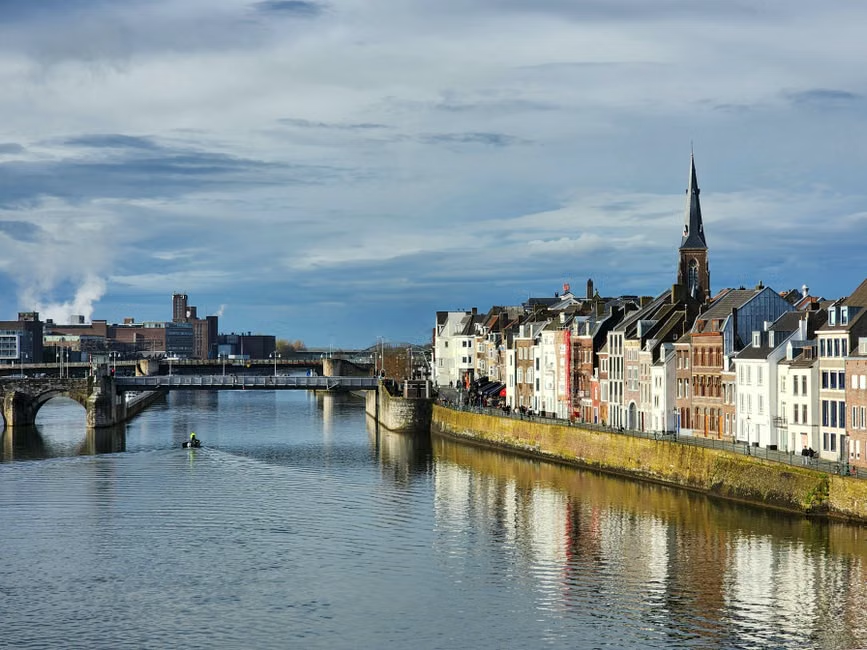
- Pre-wedding and post-wedding events: The city's café culture, riverside walks along the Maas, and proximity to the Heuvelland hills make it well-suited to informal pre-wedding gatherings, welcome dinners, and post-wedding brunches that extend the celebration across multiple days.
Venues & Event Spaces
Maastricht's venue landscape is defined by its heritage character. The most distinctive event spaces are typically housed within converted historic buildings — former monasteries, Gothic churches repurposed as cultural venues, and centuries-old merchant houses transformed into boutique hotels. These properties generally offer intimate ballrooms, vaulted cellar spaces, and courtyard gardens that are particularly well-suited to evening receptions and seated dinners.
Beyond the heritage tier, the city also offers contemporary hotel conference and banquet facilities within well-established international and regional hotel brands, capable of accommodating mid-sized corporate events and social gatherings. Outdoor event spaces — including riverside terraces and historic square settings — are available during the summer season, though these typically require coordination with local authorities and are subject to seasonal permitting.
For larger events exceeding 300–400 guests, the local venue inventory becomes more constrained, and planners should assess capacity requirements carefully at an early stage. The city's strength lies firmly in the intimate-to-mid-scale range, where the quality and character of available spaces is genuinely exceptional by European standards.
Best Time to Celebrate
The curated best season for events in Maastricht runs from May through September, and this recommendation is well-grounded in the city's actual climate and event conditions.
From May onwards, average daytime temperatures rise into the high teens and low twenties Celsius, daylight extends well into the evening (sunset as late as 10pm in June and July), and the city's outdoor spaces — terraces, courtyards, riverside promenades — become genuinely usable for receptions and garden parties. June, July, and August represent the warmest and most reliably pleasant months, though occasional summer rain showers are a normal feature of the Dutch climate and should be factored into outdoor event planning. September remains a strong month, with warm days, softer light, and noticeably fewer tourists than the peak summer weeks.
The months outside this window present meaningful challenges for event planning. October and early November can still offer mild days but are increasingly unpredictable, with shorter daylight and a higher likelihood of rain. November through February brings cold temperatures (regularly below 5°C), grey skies, very limited daylight, and conditions that make outdoor elements of any event impractical. March and April are transitional months — temperatures begin to recover, but rainfall is frequent and conditions remain unreliable for outdoor celebrations. Events planned entirely indoors can technically work year-round, but the city's most distinctive atmospheric qualities — its squares, terraces, and riverside settings — are only fully accessible in the summer season.
Getting There & Local Connectivity
Maastricht is served by its own regional airport approximately 15 km from the city centre, though this facility operates a limited schedule of routes and is not a major international hub. For most guests travelling from outside the immediate region, the more practical entry points are Amsterdam Schiphol, Brussels Airport, or Eindhoven Airport, all of which offer onward rail or road connections to Maastricht.
The city's railway station is the most reliable and frequently used arrival point for guests coming from within the Netherlands, Belgium, and Germany. Direct intercity services connect Maastricht to Amsterdam Centraal (approximately 2.5 hours), Brussels-Midi (approximately 1.5 hours via Liège), and Liège-Guillemins (approximately 30 minutes), making it genuinely accessible for a Western European guest list without requiring domestic flights.
Within the city, Maastricht's compact scale means that most event-related movement — between hotels, ceremony venues, and reception spaces — can be managed on foot or by a small fleet of local taxis and private transfers. The city is not large enough to require complex shuttle logistics for groups of typical event size, which is a practical advantage. For guests arriving by car, parking is available on the city's periphery with good pedestrian access to the centre.
Local Vendor & Hospitality Ecosystem
Maastricht has a well-developed hospitality and events ecosystem relative to its size. The city's long tradition of hosting European cultural events, academic conferences, and high-profile gatherings (including the signing of the Maastricht Treaty in 1992) means that local vendors — caterers, florists, audio-visual suppliers, and event coordinators — are generally experienced in working with international clients and to professional European event standards.
The local food and beverage scene is particularly strong, with a density of quality restaurants and specialist caterers that reflects the city's reputation as one of the Netherlands' premier dining destinations. Burgundian food culture — influenced by proximity to France and Belgium — means that catering for weddings and corporate events typically reaches a high standard without requiring suppliers to be brought in from outside the region.
For very large or highly bespoke events, some specialist suppliers (large-scale floral installations, luxury entertainment acts, specialist lighting rigs) may need to be sourced from Amsterdam, Brussels, or further afield, but the core vendor ecosystem is solid and well-practised for events in the intimate-to-mid-scale range.
Pros & Things to Consider
Why Maastricht Works Well
- Genuinely distinctive heritage settings that are difficult to replicate elsewhere in the Netherlands
- Compact, walkable city centre simplifies guest logistics significantly
- Strong rail connectivity from multiple Western European capitals
- High-quality local hospitality and dining ecosystem well-suited to discerning event clients
- Long summer evenings create naturally beautiful conditions for outdoor receptions
- Cross-border location makes it a natural choice for multi-national European guest lists
- Cosmopolitan, culturally rich environment enhances the overall guest experience across multi-day events
Things to Consider
- Venue capacity is limited for very large events — the city's inventory is strongest in the 50–200 guest range, and planners with larger guest lists should verify capacity early
- The local airport has limited international routes; most guests will need to route through a larger hub airport and connect onward, adding travel time
- Summer rain is a genuine possibility even in peak season — outdoor event plans should always include a covered contingency
- Accommodation inventory, while high in quality, is not vast; for events with 200+ overnight guests, rooms may need to be sourced across multiple properties, requiring careful coordination
- The city's popularity during peak summer and during major cultural events (such as TEFAF in March) can affect availability and lead times — early booking is advisable
When Maastricht May Not Be the Right Fit
- Very large guest lists: If your event requires a single venue accommodating 400 or more guests under one roof, Maastricht's current venue inventory is unlikely to meet that requirement comfortably — a larger Dutch or Belgian city would be a more practical choice.
- Guests travelling from outside Europe: For events where a significant proportion of guests are flying intercontinentally, Maastricht's limited direct air connectivity adds meaningful travel complexity; a destination with a major international hub airport would reduce guest journey times considerably.
- Winter or early spring events with outdoor elements: If outdoor ceremonies, garden receptions, or alfresco dining are central to the event concept, planning outside the May–September window carries a high risk of cold, wet, and short-daylight conditions that would undermine the experience.
- Events seeking a tropical, beach, or exotic destination feel: Maastricht's character is firmly European, historic, and temperate — guests or couples seeking a warm-weather beach setting, a tropical resort backdrop, or an exotic non-European atmosphere will find this destination a poor match for that brief.