
Why Delft is Perfect for Your Celebration
- Iconic canal-side settings and historic courtyards offer uniquely photogenic backdrops unavailable in larger cities
- Rich Delftware pottery heritage and Dutch Golden Age architecture create an authentically cultural atmosphere
- Excellent intercity rail connectivity makes Delft effortlessly reachable for guests from Amsterdam, Rotterdam, and The Hague
- Intimate city scale suits smaller, curated celebrations where every detail and guest experience can be carefully managed
- Long summer daylight hours (May–September) allow extended outdoor receptions along the canals and in historic gardens
- Proximity to Rotterdam The Hague Airport provides a practical international gateway for overseas guests

Top Venues in Delft
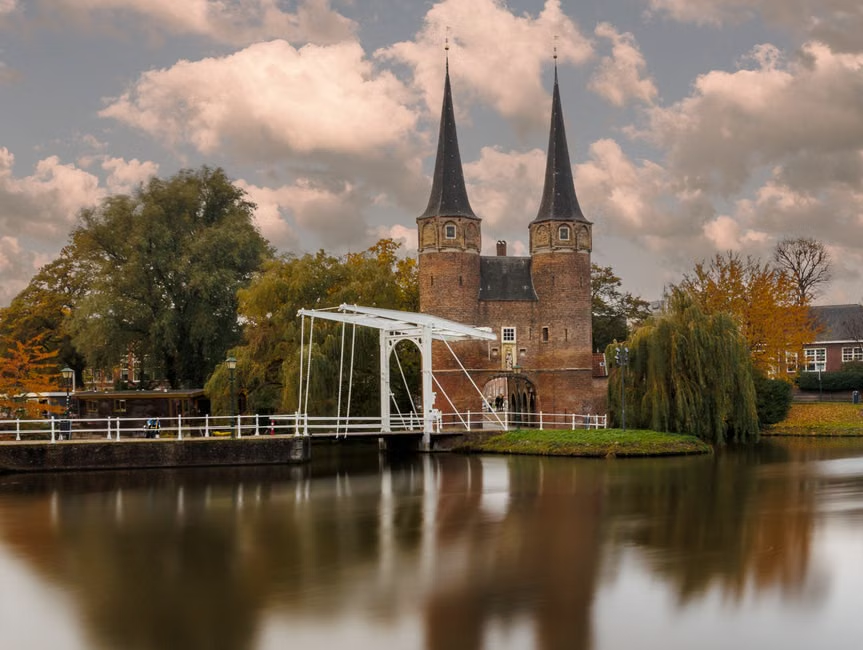
Hotel de Plataan
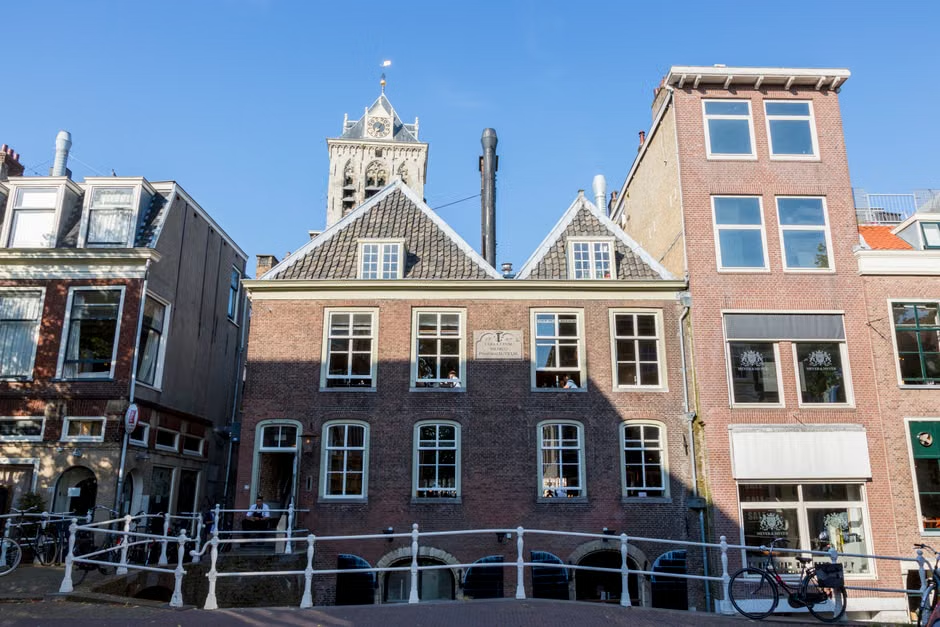
Hampshire Hotel – Delft Centre
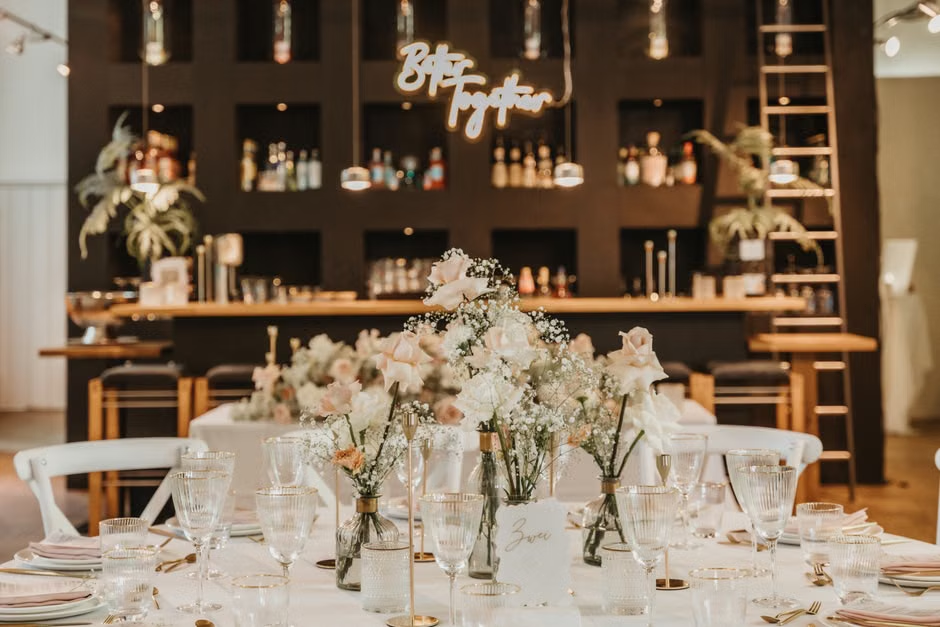
Hotel Johannes Vermeer
Compare Delft with Other Top Destinations
Frequently Asked Questions
Is Delft a good destination for an intimate wedding?
Yes. Delft is particularly well-suited to intimate weddings, typically in the 40–100 guest range. Its canal-side heritage settings, historic courtyards, and boutique hotels provide a naturally atmospheric backdrop, and the city's compact scale means guests can move between ceremony and reception spaces with minimal logistics. It is less suited to large-format weddings requiring significant banqueting capacity.
What is the best time of year to hold a celebration in Delft?
May through September is the recommended window. Long daylight hours — often extending past 9 or 10 pm in midsummer — make outdoor canal-side receptions genuinely practical, and temperatures are mild and comfortable. July and August are the warmest months but also the busiest for tourism, so venues and accommodation should be booked well in advance. October through March brings cold, grey, and frequently wet conditions that make outdoor elements unreliable.
How easy is it for guests to travel to Delft from abroad?
Very easy by European standards. Delft Centraal station sits on a major intercity rail corridor with direct services to Amsterdam, Rotterdam, and The Hague. Guests arriving at Amsterdam Schiphol — the Netherlands' main international hub — can reach Delft by train in approximately 60–75 minutes. Rotterdam The Hague Airport, roughly 15 km away, serves a range of European routes and is accessible by taxi or rideshare.
What kinds of event venues are available in Delft?
Delft's venue landscape is characterised by boutique heritage hotels, restored canal-side properties, historic courtyards, and cultural institution spaces. The city does not have large convention centres or resort complexes — its strength lies in intimate, character-rich settings. For events requiring larger banqueting capacity, planners often supplement with venues in nearby Rotterdam or The Hague, both reachable within 15–20 minutes by train.
How many guests can Delft realistically accommodate for a destination event?
Delft's local venue inventory is most comfortable in the 40–100 guest range for a single-venue event. The city's total hotel room count is also relatively modest, so larger guest lists may need to be distributed across Delft, The Hague, and Rotterdam. For events of 200 or more guests, a nearby larger city would typically be a more practical primary base.
Is Delft suitable for corporate events and retreats?
Yes. Delft's identity as a leading academic and research city — home to Delft University of Technology — makes it a credible and stimulating setting for corporate retreats, team events, and professional gatherings. The city's cultural richness, excellent rail connectivity, and reliable Dutch hospitality infrastructure support well-organised corporate programming, particularly for groups of up to 80–100 participants.
What is the local transport situation for guests once they arrive in Delft?
Delft's historic city centre is compact and largely walkable, which is a genuine advantage for event guests. Most heritage hotels, restaurants, and event spaces are within comfortable walking distance of each other and of Delft Centraal station. Taxis and rideshare services are readily available for guests with mobility needs or for transfers between the station and outlying venues.
Do local vendors and caterers in Delft have experience with events?
Yes, to a solid standard for intimate and mid-sized events. Delft has a mature base of boutique hotels, independent caterers, florists, and event stylists, partly supported by the city's academic and corporate community. English is spoken to a very high standard across the hospitality sector. For highly technical production or very large-scale catering, planners may supplement with vendors from Rotterdam or Amsterdam, both easily accessible.
Should I have a backup plan for outdoor events in Delft?
Yes, always. Even within the recommended May–September season, the Dutch climate can produce cool, overcast, or rainy days without warning. Any event with significant outdoor elements — canal-side receptions, garden ceremonies, outdoor dining — should have a credible indoor contingency plan. This is not a reason to avoid Delft, but it is a genuine planning consideration that experienced local vendors will be well-prepared to help you manage.
Can Delft's Delftware pottery heritage be incorporated into an event?
Yes, and it is one of the destination's most distinctive planning opportunities. Delftware workshops and studios in the city offer private experiences, and the blue-and-white pottery tradition can be woven into event décor, guest gifts, and cultural programming in ways that feel authentically rooted in the place rather than generic. This is a genuine differentiator for couples or planners who want their event to carry a strong sense of location.
Is Delft safe for international guests attending an event?
Yes. Delft is consistently regarded as a very safe city by European standards. The historic centre is well-lit, well-policed, and heavily frequented by tourists and students, which contributes to a generally secure environment. International guests — including those travelling alone or in small groups — typically find Delft comfortable and easy to navigate, and English is spoken widely enough that language is rarely a barrier.

Ready to explore venues in Delft?
Delft: Destination Wedding & Cultural Event Venues in South Holland
◆Delft is a compact, historically rich Dutch city in South Holland, best suited to intimate weddings, cultural celebrations, and curated social events where heritage atmosphere and distinctive character matter more than large-scale capacity. Its primary vibe is Cultural & Timeless — defined by canal-lined streets, Gothic and Renaissance architecture, and the globally recognised Delftware pottery tradition. The best season runs from May through September, when long daylight hours and mild temperatures make outdoor canal-side receptions genuinely practical. Delft is exceptionally well-connected by rail, making it highly accessible for guests travelling from across the Netherlands and wider Europe, though its intimate scale means it is most naturally suited to smaller, carefully curated guest lists rather than large-format events.
Delft at a Glance
| Category | Detail |
|---|---|
| Best For | Intimate Weddings, Cultural Celebrations, Social Gatherings, Corporate Events |
| Primary Vibe | Cultural & Timeless |
| Other Vibes | Romantic, Heritage, Boutique, Canal-side |
| Best Season | Summer (May, Jun, Jul, Aug, Sep) |
Why Choose Delft?
- Genuinely distinctive heritage backdrop: Delft's intact Dutch Golden Age streetscape — canals, drawbridges, step-gabled facades, and the towering Nieuwe Kerk — provides a visual setting that is immediately recognisable and deeply atmospheric, without requiring elaborate decoration to feel special.
- Delftware cultural identity: The city's centuries-old blue-and-white pottery tradition gives events here a specific, authentic cultural thread that can be woven into décor, gifts, and experiences in ways that feel genuinely rooted rather than generic.
- Outstanding rail connectivity: Delft Centraal sits on a major intercity rail corridor, with frequent direct services to Amsterdam, Rotterdam, The Hague, and Utrecht. International guests arriving at Amsterdam Schiphol or Rotterdam The Hague Airport can reach Delft comfortably within 30–60 minutes by train, making guest logistics unusually straightforward for a city of this size.
- Intimate, walkable scale: The city's compact historic core means guests can move between ceremony venues, reception spaces, and accommodation largely on foot or by short taxi ride, reducing the logistical complexity that typically accompanies multi-venue celebrations.
- Long summer daylight: During the peak May–September season, daylight extends well into the evening — often past 9 or 10 pm — allowing outdoor canal-side receptions, garden dinners, and evening photography in natural light that would be impossible in shorter-day destinations.
- Proximity to major Dutch cities: Delft's position between Rotterdam and The Hague means guests can combine an event here with broader travel in the Netherlands, making it a practical choice for international attendees who want to extend their trip.
Which Celebrations Work Best in Delft?
- Intimate Weddings: Delft is particularly well-suited to smaller weddings — typically up to 80–100 guests — where the emphasis is on atmosphere, heritage character, and a curated guest experience. Canal-side settings, historic courtyards, and boutique heritage hotels provide ceremony and reception spaces that feel genuinely personal rather than generic ballroom affairs.
- Cultural & Heritage Celebrations: Milestone anniversaries, family reunions with a cultural travel dimension, and celebrations tied to Dutch heritage or European history find a natural home here. The city's museums, historic guild halls, and Delftware workshops can be incorporated into event programming in ways that add genuine substance.
- Corporate Events & Retreats: Delft's academic and research identity — anchored by Delft University of Technology, one of Europe's leading technical universities — makes it a credible and stimulating setting for corporate retreats, team events, and professional gatherings that benefit from an intellectually and culturally rich environment.
- Social Gatherings & Private Parties: Smaller social celebrations — engagement parties, birthday dinners, pre-wedding gatherings — work well in Delft's boutique hotel dining rooms, private canal-boat experiences, and historic café spaces, where the city's relaxed but refined character sets a naturally convivial tone.
Venues & Event Spaces
Delft's event venue landscape is characterised by boutique heritage hotels, historic canal-side properties, and cultural institution spaces rather than large convention centres or resort complexes. The city's most distinctive event settings tend to be intimate — think restored merchant houses with private dining rooms, hotel courtyards with canal views, and historic halls within the city's older civic and religious buildings. Several of Delft's museums and cultural institutions also offer private hire for evening events, providing access to genuinely unique spaces that carry the city's artistic and scientific heritage.
Outdoor spaces along the canals and in the city's historic squares are particularly valuable during the summer season, when long daylight hours allow extended al fresco receptions. For larger events requiring significant banqueting capacity, planners typically look to nearby Rotterdam or The Hague, which are within easy reach by train and offer a broader range of large-format venues while still allowing guests to be based in Delft for the cultural experience.
Best Time to Celebrate
The curated best season for events in Delft runs from May through September, and this recommendation is grounded in several concrete factors beyond simply "pleasant weather."
- May and June offer mild temperatures (typically 15–20°C), long daylight hours, and the city at its most photogenic — spring flowers along the canals, clear skies, and the full green canopy of the city's linden trees. These months are generally the most reliably comfortable for outdoor elements.
- July and August are the warmest months, with temperatures occasionally reaching 22–25°C, and daylight extending past 10 pm. These are peak tourist months in the Netherlands, which means the city is lively and well-staffed, but also that accommodation should be secured well in advance.
- September offers a gentle transition — still warm enough for outdoor events, with noticeably fewer tourists than July and August, and a softer, golden quality of light that photographs particularly well.
- October and November mark a rapid shift: temperatures drop, daylight shortens significantly, and rainfall increases. Outdoor elements become unreliable, and the city's canal-side character — so appealing in summer — can feel grey and cold. Events in this period need to be fully indoor-capable.
- December through February brings genuine winter conditions — temperatures regularly near or below freezing, very short days, and persistent overcast skies. While Delft in winter has its own charm (particularly around the Christmas market period), it is not a practical season for events with significant outdoor components or for guests travelling from warmer climates.
- March and April are transitional and unpredictable — temperatures are rising but showers are frequent, and the weather can shift dramatically within a single day. These months are workable for fully indoor events but carry meaningful risk for any outdoor programming.
Getting There & Local Connectivity
Delft is among the most accessible mid-sized cities in the Netherlands for event guests. Delft Centraal railway station sits at the heart of the intercity network, with frequent direct services to Amsterdam Centraal (approximately 60 minutes), Rotterdam Centraal (approximately 12 minutes), and Den Haag Centraal (approximately 15 minutes). This means guests arriving at Amsterdam Schiphol Airport — the Netherlands' primary international hub — can reach Delft by a straightforward train journey, typically under 75 minutes with a single change at Rotterdam or The Hague.
Rotterdam The Hague Airport (RTM), approximately 15 km from Delft, serves a range of European destinations and provides a closer alternative for guests flying from within Europe. Taxi and rideshare connections from RTM to Delft are practical and relatively quick.
Within Delft itself, the historic city centre is compact and largely walkable. Guests staying in or near the centre can reach most event venues, restaurants, and cultural sites on foot. For groups requiring transport between multiple locations — or for guests with mobility considerations — taxis and local rideshare services are readily available. Cycling, while culturally central to Dutch life, is less practical for formally dressed event guests but remains an option for more casual daytime programming.
Local Vendor & Hospitality Ecosystem
Delft's hospitality ecosystem is well-developed relative to its size, benefiting from its position within one of the Netherlands' most densely populated and economically active regions. The city has a mature base of boutique hotels, independent restaurants, and specialist caterers accustomed to serving both leisure guests and the academic and corporate community associated with Delft University of Technology.
For events, this translates to a reasonable availability of experienced local catering professionals, florists, and event stylists, though the ecosystem is more naturally scaled to intimate and mid-sized events than to large-format productions. Planners organising events for larger guest lists — particularly those requiring significant technical production, large-scale catering, or extensive décor — may find it practical to source some specialist vendors from Rotterdam or The Hague, both of which have larger and more diverse event supplier bases and are within easy reach.
Dutch hospitality culture is generally characterised by efficiency, directness, and reliability — vendors tend to be well-organised and punctual, which is a genuine practical advantage for event planning. English is spoken to a very high standard across the hospitality sector, making Delft particularly accessible for international couples and event planners who are not Dutch-speaking.
Pros & Things to Consider
Why Delft Works Well
- Exceptional rail connectivity makes guest travel logistics genuinely simple, even for international attendees
- The city's heritage character and canal-side setting provide a naturally beautiful, low-decoration-required backdrop
- Long summer daylight hours allow extended outdoor receptions without artificial lighting until very late in the evening
- English is universally spoken in the hospitality sector, removing language barriers for international planners and guests
- Compact, walkable city centre reduces intra-event transport complexity for guests
- Proximity to Rotterdam and The Hague gives planners access to a broader vendor and venue ecosystem when needed
Things to Consider
- Limited large-venue capacity: Delft's boutique scale means it is not well-suited to events requiring banqueting for several hundred guests — the local venue inventory is most comfortable in the 40–100 guest range.
- Accommodation volume: The city has a relatively small total hotel room count. Large guest lists may need to be distributed across Delft, The Hague, and Rotterdam, which adds a logistical layer to accommodation planning.
- Weather unpredictability: Even within the recommended May–September window, the Dutch climate can produce cool, overcast, or rainy days without warning. Any event with significant outdoor elements should have a credible indoor contingency plan.
- Peak season demand: July and August are busy tourist months across the Netherlands, and Delft — as a popular day-trip destination from Amsterdam and Rotterdam — can feel crowded in its public spaces. Securing accommodation and venues well in advance is essential.
- Specialist vendor depth: For highly technical event production (large AV rigs, elaborate floral installations, specialist entertainment), the local vendor base may need to be supplemented from Rotterdam or Amsterdam.
When Delft May Not Be the Right Fit
- Large guest lists (200+): If your event requires banqueting or ceremony space for a large number of guests, Delft's boutique venue inventory is unlikely to accommodate this comfortably within the city itself. A nearby larger city would be a more practical base.
- Events with extensive outdoor programming in autumn or winter: Outside the May–September window, Delft's weather makes outdoor receptions, garden ceremonies, or canal-side events genuinely risky. If outdoor elements are non-negotiable and the date falls in October–March, this destination is not the right fit.
- Guests travelling from outside Europe with limited time: While Delft is very accessible within Europe, guests flying intercontinental who have only a short trip window may find the journey — typically requiring a connection through Amsterdam Schiphol — more demanding than a destination with a direct international hub nearby.
- Events requiring a large, self-contained resort complex: If the vision is a single property where all guests stay, all events are held, and all amenities are on-site, Delft's boutique hotel landscape does not offer that kind of integrated resort experience. Planners seeking that model would be better served by a destination with larger resort-style properties.