
Why Amsterdam is Perfect for Your Celebration
- Iconic canal-side and waterfront venues offer a uniquely European, photogenic backdrop unavailable in most other cities
- Amsterdam Airport Schiphol is one of Europe's busiest hubs, making international guest travel straightforward from virtually any origin
- A mature, multilingual hospitality and events industry with experienced planners, caterers, and AV specialists accustomed to international clients
- Long summer days (up to 17 hours of daylight in June–July) allow extended outdoor celebrations and evening canal cruises
- Compact city centre means guests can walk or cycle between venues, hotels, and attractions — reducing logistics complexity
- Rich cultural programming — museums, canal boat experiences, tulip markets — gives guests a memorable surrounding experience beyond the event itself

Top Venues in Amsterdam

Waldorf Astoria Amsterdam
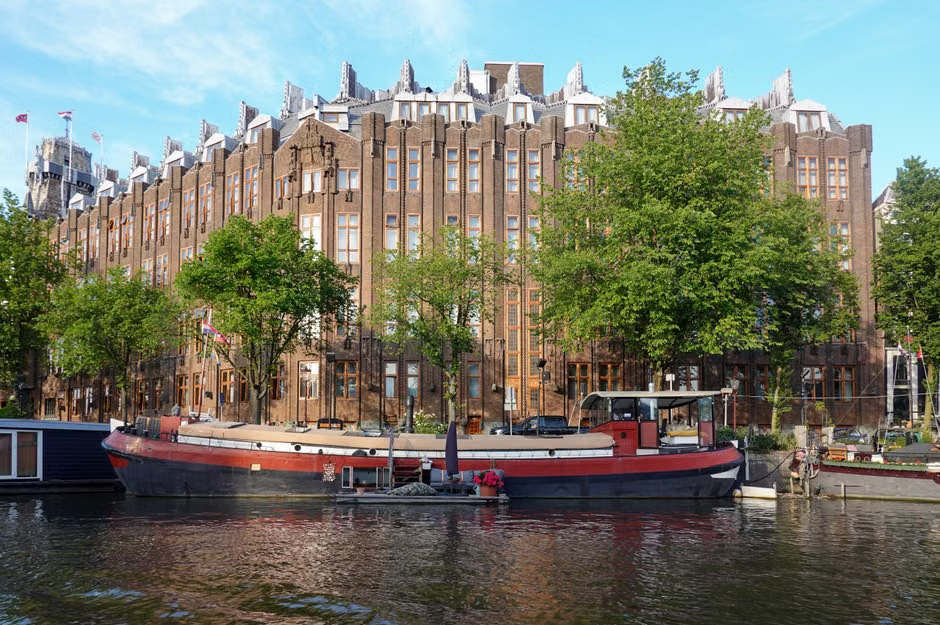
Sofitel Legend The Grand Amsterdam
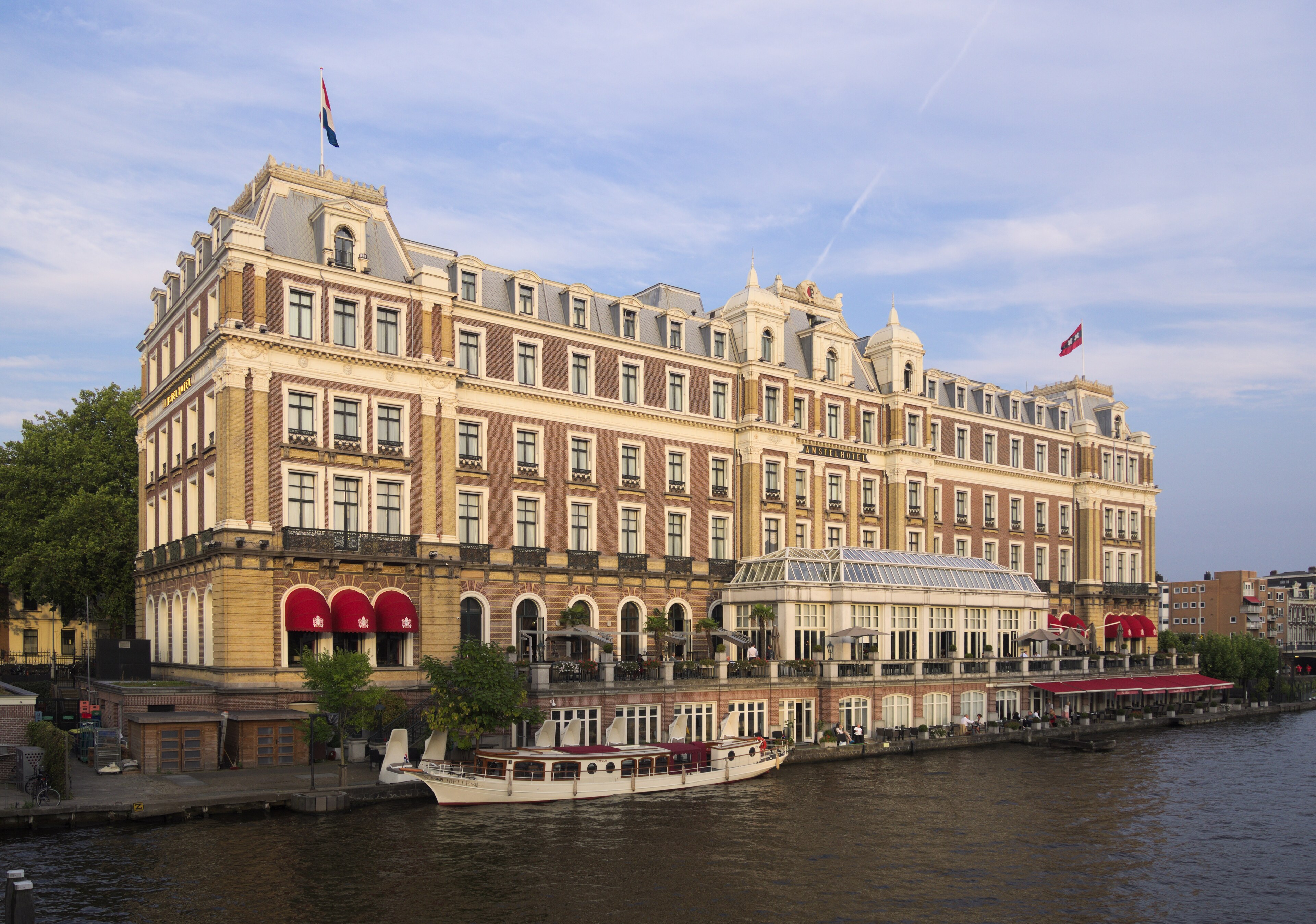
InterContinental Amstel Amsterdam
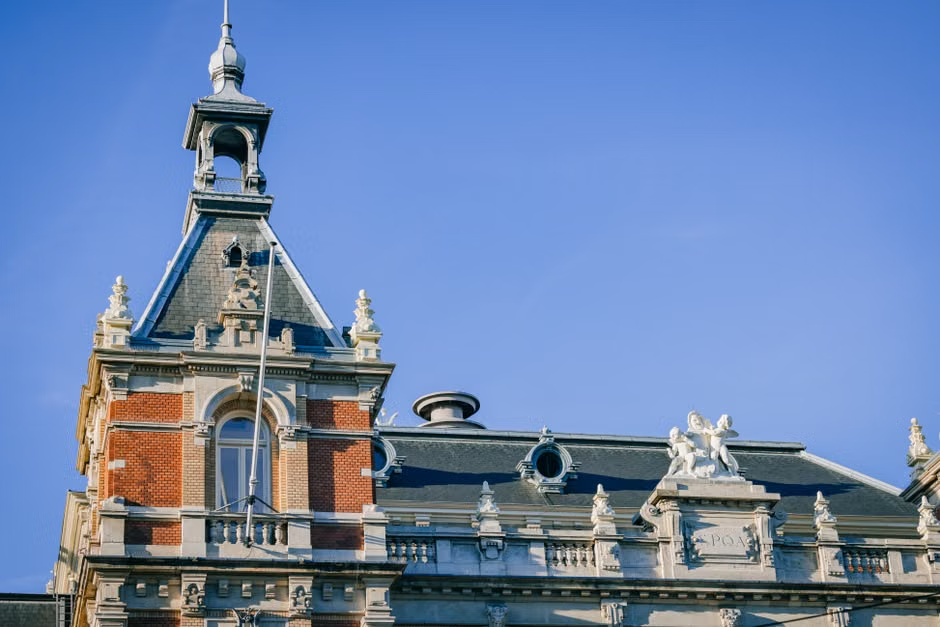
NH Collection Amsterdam Grand Hotel Krasnapolsky
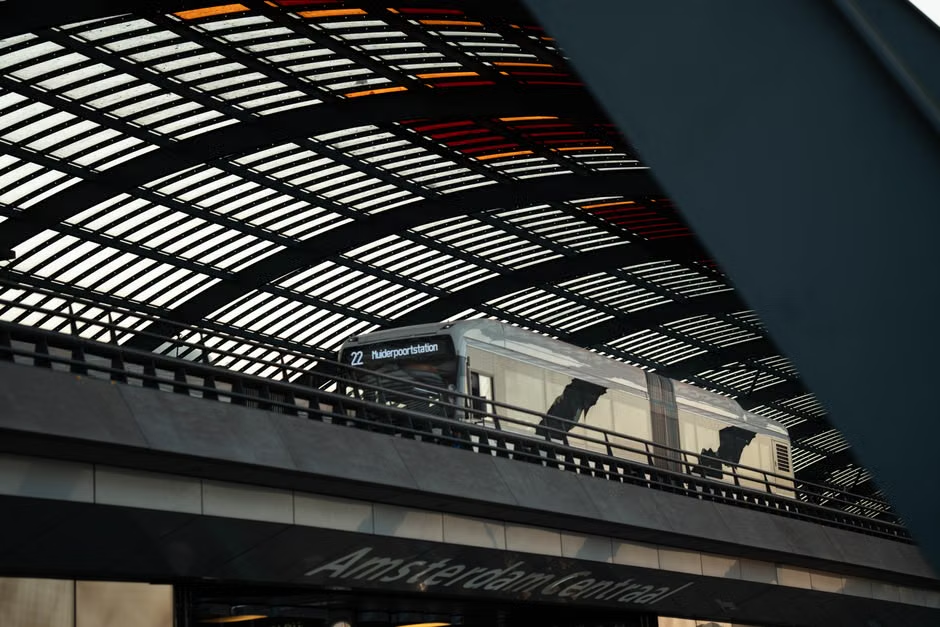
DoubleTree by Hilton Amsterdam Centraal Station
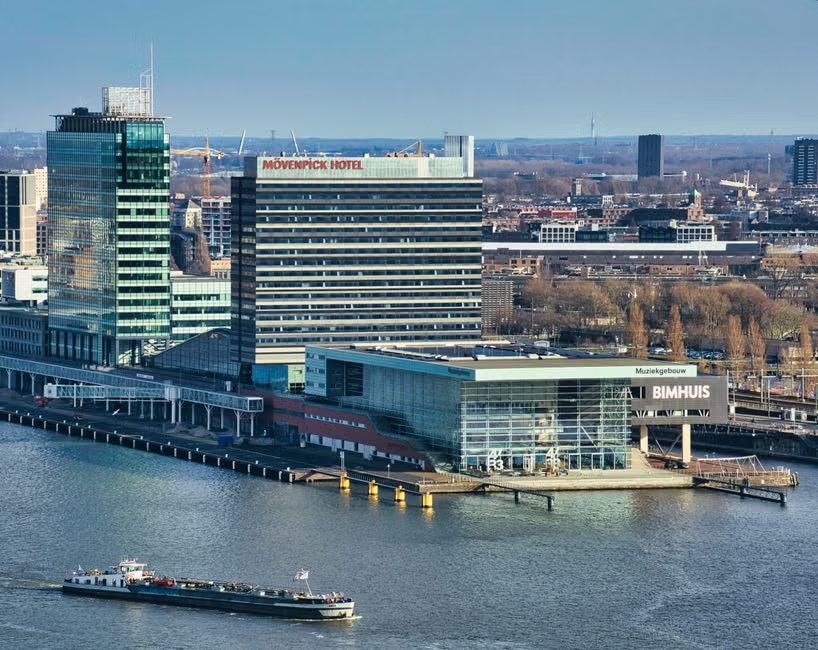
Marriott Amsterdam
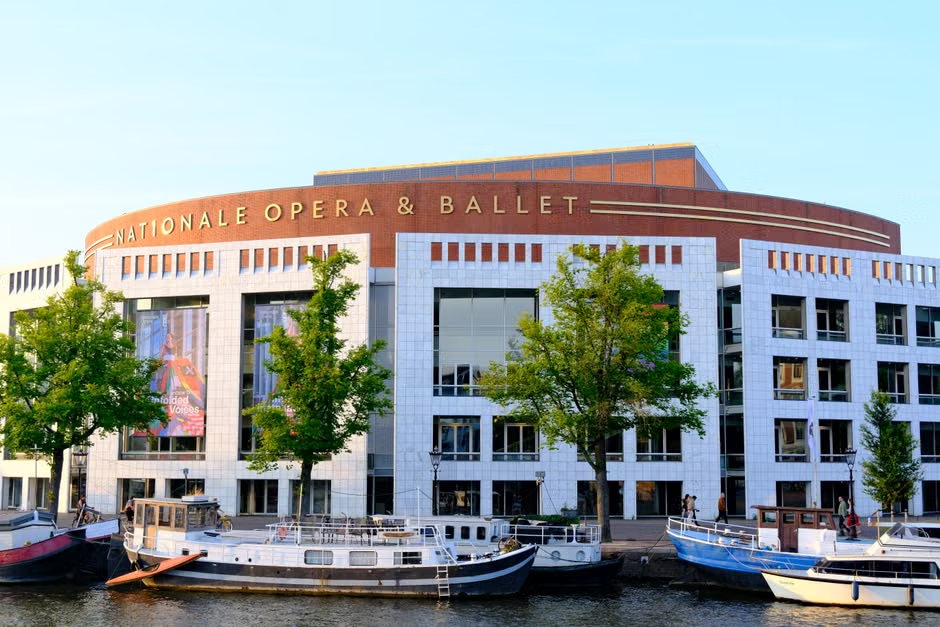
Crowne Plaza Amsterdam - South
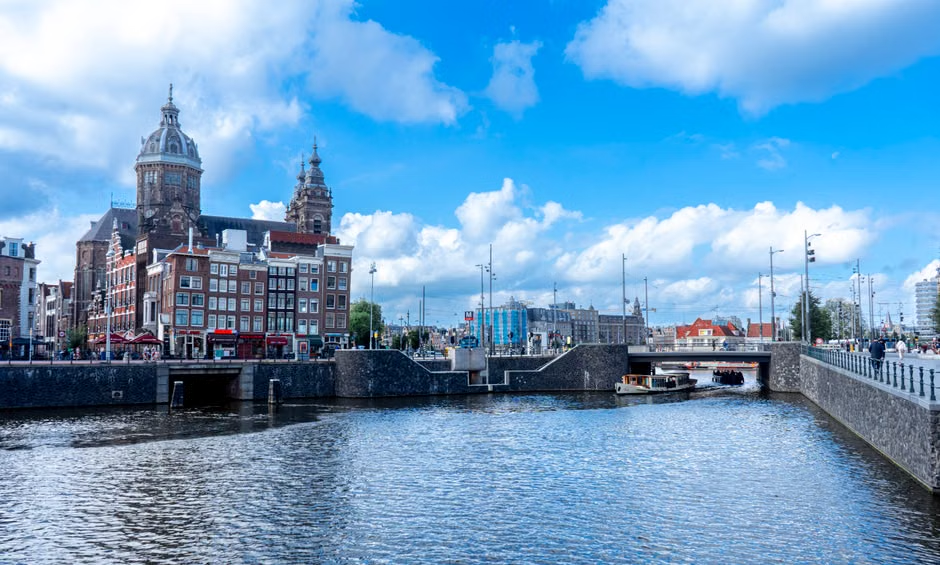
ibis Amsterdam Centre
Compare Amsterdam with Other Top Destinations
Frequently Asked Questions
Is Amsterdam a good destination for an international wedding?
Yes. Amsterdam is particularly well-suited to international destination weddings for couples seeking a sophisticated European setting with strong visual identity. Its UNESCO canal ring, heritage hotel venues, and mature wedding vendor ecosystem make it a compelling choice. It works best for guest lists of roughly 30–250, where the city's boutique venue character is an asset. Schiphol's global connectivity makes it genuinely accessible for internationally dispersed guests.
What is the best time of year to hold a wedding or event in Amsterdam?
May through September is the clear best window. This period offers the warmest temperatures (typically 17–22°C), the longest daylight hours (up to 17 hours in June–July), and the most reliable conditions for outdoor and canal-side events. July and August are peak summer but require early booking due to high tourist demand. October through April brings cooler, wetter, and shorter-day conditions that significantly limit outdoor event options.
How easy is it for international guests to reach Amsterdam?
Very easy. Amsterdam Airport Schiphol is one of Europe's top hub airports with direct flights from major cities across Asia, the Americas, the Middle East, and throughout Europe. A direct rail link connects Schiphol to Amsterdam Centraal Station in approximately 15–20 minutes. High-speed rail also connects Amsterdam to Paris, Brussels, and London, giving European guests a strong rail alternative to flying.
What kinds of venues are available for events in Amsterdam?
Amsterdam offers a genuinely diverse venue mix: grand heritage hotels in restored 17th-century canal-house complexes, contemporary luxury hotels with purpose-built ballrooms and conference facilities, private canal boats and waterfront pavilions for floating receptions, converted industrial and cultural spaces for creative events, and outdoor terraces and park lawns viable during summer. The city suits intimate dinners through to mid-scale receptions particularly well.
How many guests can Amsterdam venues realistically accommodate?
Most of Amsterdam's most characterful venues — heritage canal-house hotels and boutique event spaces — comfortably accommodate guest lists from around 30 up to 200–300. Larger contemporary hotels and conference-capable properties can handle 400–600 guests for corporate-style events. For very large gatherings of 500+ requiring a single grand venue, the local inventory is more limited than in purpose-built convention cities.
Is Amsterdam suitable for corporate events and conferences?
Yes, strongly so. Amsterdam is one of Europe's premier corporate event cities with a well-developed MICE infrastructure, experienced event management companies, and a central European time zone that suits international business gatherings. Schiphol's connectivity, the abundance of conference-capable hotels, and the city's reputation as a global business hub make it a natural choice for international conferences, product launches, and incentive programmes.
What is the local hospitality and vendor ecosystem like for events?
Amsterdam's vendor ecosystem is mature and internationally experienced. The city has a long history of hosting major international events, producing a deep pool of specialist suppliers: experienced event caterers (including international cuisine options), floral designers, AV and lighting specialists, multilingual event planners, and a world-class creative industry for photography and film. Most vendors are accustomed to working with international clients across time zones.
Can guests get around Amsterdam easily during an event?
Yes. Amsterdam's compact city centre means most venues, hotels, and attractions are within walking or short tram distance of each other. The public transport network — trams, metro, buses, and ferries — is extensive and easy to navigate for international visitors. For groups, private coach hire and canal boat transfers are well-established options that also add a distinctive local character to guest movement between event spaces.
Is there enough accommodation in Amsterdam for a large guest group?
Generally yes. Amsterdam has a substantial hotel inventory across all tiers concentrated in and around the city centre, and the local hotel industry is experienced in handling group bookings and event room blocks. For summer events — particularly in July and August — early booking of room blocks is strongly advisable, as the city's peak tourist season creates genuine competition for accommodation across all categories.
Are canal boat experiences a realistic option for event groups?
Yes, and they are one of Amsterdam's most distinctive event formats. Private canal cruises for groups of roughly 20–150 guests are a well-established and professionally supported option, offering a moving reception or dinner experience against the backdrop of the illuminated canal ring. Permanently moored vessels and waterfront pavilions extend this format to larger groups. This is most viable and enjoyable during the summer season (May–September).
Is Amsterdam safe for international event guests?
Yes. Amsterdam is consistently rated among Europe's safer major cities, with a well-functioning public infrastructure, reliable emergency services, and a broadly welcoming attitude toward international visitors. Standard urban awareness is advisable in busy tourist areas, particularly around the city centre and Centraal Station, but the city presents no unusual safety concerns for event guests.
What makes Amsterdam distinctive compared to other European event destinations?
Amsterdam's combination of a UNESCO-listed canal ring, Golden Age heritage architecture, exceptional Schiphol connectivity, long summer daylight hours, and a deeply experienced multilingual events industry creates a profile that is genuinely distinctive. The canal-side and waterfront event formats — particularly private canal boat receptions — are unique to this city and offer an experience that cannot be replicated in most other European destinations.

Ready to explore venues in Amsterdam?
Amsterdam: Destination Wedding & Event Venues in the Heart of Europe
◆Amsterdam is a strong choice for destination weddings, corporate events, milestone celebrations, and cultural festivals, offering a Chic & Cosmopolitan vibe rooted in its iconic canal ring, Golden Age architecture, and world-class hospitality infrastructure. The city suits intimate to mid-scale gatherings particularly well, with a mature vendor ecosystem, excellent international air connectivity via Schiphol, and a compact city centre that keeps guest logistics manageable. Summer — May through September — is the clear window for outdoor and canal-side celebrations, delivering long daylight hours and reliably warmer temperatures. Amsterdam sits at the premium end of European event destinations, reflecting its status as a global city with high hospitality standards.
Amsterdam at a Glance
| Category | Detail |
|---|---|
| Best For | Destination Weddings, Corporate Events, Milestone Celebrations, Cultural Festivals |
| Primary Vibe | Chic & Cosmopolitan |
| Other Vibes | Heritage & Cultural, Romantic & Intimate, Modern & Creative |
| Best Season | Summer (May, Jun, Jul, Aug, Sep) |
Why Choose Amsterdam?
- Unmatched European connectivity: Amsterdam Airport Schiphol is one of the world's top-ranked hub airports, with direct routes from virtually every major city across Asia, the Americas, the Middle East, and Europe — making it genuinely easy for an internationally dispersed guest list to converge.
- Iconic, photogenic setting: The UNESCO-listed canal ring, 17th-century merchant houses, and waterfront promenades provide a backdrop that is both historically significant and visually distinctive — a setting that photographs and films unlike any other European city.
- Mature, multilingual events industry: Amsterdam has hosted major international conferences, fashion events, and corporate summits for decades. The local vendor ecosystem — caterers, florists, AV specialists, event designers, and interpreters — is experienced with international clients and operates to consistently high standards.
- Exceptional summer daylight: In June and July, Amsterdam enjoys up to 17 hours of daylight, allowing celebrations to extend naturally into the evening without losing natural light — a genuine advantage for outdoor ceremonies, canal boat receptions, and rooftop dinners.
- Compact, walkable city centre: Most premium venues, hotels, restaurants, and cultural attractions are within a relatively small geographic footprint, meaning guests can move between event spaces, accommodation, and leisure activities without complex transport arrangements.
- Rich cultural programming for guests: World-class museums (Rijksmuseum, Van Gogh Museum, Anne Frank House), canal boat tours, artisan markets, and a vibrant dining scene give guests a genuinely memorable surrounding experience — an important factor when asking people to travel internationally for an event.
Which Celebrations Work Best in Amsterdam?
- Destination Weddings: Amsterdam suits couples seeking a sophisticated, European-flavoured wedding with strong visual identity. Canal-side ceremonies, heritage hotel receptions, and intimate garden courtyard dinners are all genuinely achievable. The city works best for guest lists in the range of 30–250, where the boutique character of many venues becomes an asset rather than a constraint.
- Corporate Events & Conferences: Amsterdam is one of Europe's premier corporate event cities, with a well-developed MICE (Meetings, Incentives, Conferences, Exhibitions) infrastructure. Its central European time zone, Schiphol connectivity, and abundance of conference-capable hotels make it a natural choice for international corporate gatherings, product launches, and incentive trips.
- Milestone Celebrations (Anniversaries, Birthdays, Reunions): The city's combination of fine dining, cultural experiences, and distinctive venues makes it particularly well-suited to significant personal milestones — especially for groups whose members are already spread across Europe or internationally.
- Cultural Festivals & Creative Events: Amsterdam's identity as a global centre for design, music, film, and contemporary art makes it a natural host for culturally-oriented events, brand activations, and creative industry gatherings. The city's festival culture is deeply embedded, and local authorities and venues are experienced in supporting event programming of this kind.
Venues & Event Spaces
Amsterdam's venue landscape is genuinely diverse, spanning several distinct categories that suit different event styles and scales. At the premium end, the city offers grand heritage hotels occupying restored 17th and 18th-century canal-house complexes, with ornate ballrooms, private dining rooms, and courtyard gardens that carry significant historical character. These properties typically accommodate intimate to mid-scale gatherings and are particularly well-suited to weddings and high-end corporate dinners.
Alongside heritage properties, Amsterdam has a strong inventory of contemporary luxury hotels with purpose-built event facilities — larger ballrooms, flexible breakout spaces, and modern AV infrastructure — that suit conferences, product launches, and larger corporate events. Several of these are located in the city's southern business district and along the waterfront, offering easy access from Schiphol.
Beyond hotels, Amsterdam offers a category of venue that is genuinely unique to the city: canal boat and waterfront event spaces. Private canal cruises for groups of 20–150 guests are a well-established event format, offering a moving reception or dinner experience against the backdrop of the illuminated canal ring. Permanently moored vessels and waterfront pavilions extend this category to larger groups.
The city also has a number of converted industrial and cultural spaces — former warehouses, museum event halls, and gallery spaces — that suit creative, non-traditional event formats. These are particularly popular for brand events, fashion shows, and arts-adjacent celebrations. Outdoor event spaces, including park lawns and rooftop terraces, are viable during the summer season and add a relaxed, open-air dimension to the venue mix.
Best Time to Celebrate
The curated best season for Amsterdam events is Summer: May through September, and this reflects genuine climatic and experiential advantages rather than a generic recommendation. During this window, average daytime temperatures typically range from around 17°C in May to 22°C in July and August, with September cooling gradually toward 17–18°C. Crucially, rainfall is relatively moderate and sunshine hours are at their annual peak — June and July in particular offer the longest days in Europe, with sunset not occurring until 10pm or later.
For outdoor ceremonies, canal-side receptions, rooftop dinners, and garden events, this window is the only reliably viable one. The city is also at its most visually vibrant during summer — flowers in bloom, café terraces open, canal boats active, and the general atmosphere of the city at its most animated and welcoming.
Outside this window, the picture changes significantly. October sees temperatures drop noticeably (averaging 12–14°C), rainfall increases, and wind off the North Sea becomes a consistent factor — outdoor events become unreliable. November through February represents the most challenging period: temperatures regularly fall to 2–5°C, daylight is limited to 7–8 hours, persistent grey skies and rain are the norm, and the city's outdoor character largely retreats indoors. While indoor events remain entirely feasible year-round, the experiential quality of an Amsterdam celebration — particularly one that relies on the canal setting and outdoor atmosphere — is substantially diminished in winter. March and April are transitional: the famous tulip season brings significant tourist crowds (which can complicate logistics and accommodation availability), and temperatures remain cool and unpredictable, making outdoor event planning risky.
Getting There & Local Connectivity
Amsterdam's accessibility is among its strongest assets as an event destination. Amsterdam Airport Schiphol, located approximately 18 km southwest of the city centre, is one of Europe's busiest and best-connected international airports, with direct services from major hubs across Asia, North America, the Middle East, Africa, and throughout Europe. For an internationally dispersed guest list, Schiphol is genuinely one of the easiest European airports to route through, with a high frequency of connections and a well-organised transit experience.
The airport is directly connected to Amsterdam Centraal Station by a dedicated rail link that runs frequently throughout the day and night, with a journey time of approximately 15–20 minutes. This makes the airport-to-city transfer straightforward for arriving guests without requiring pre-arranged transfers, though private car and coach services are also readily available for groups.
Amsterdam Centraal Station is itself a major European rail hub, with high-speed Thalys and Intercity Direct services connecting the city to Paris (approximately 3.5 hours), Brussels (under 2 hours), and London St Pancras via Eurostar (approximately 4 hours). For guests travelling from within Western Europe, rail is a genuinely competitive alternative to flying.
Within the city, Amsterdam's public transport network — trams, metro, buses, and ferries — is extensive, reliable, and easy to navigate for international visitors. The compact city centre means that many guests staying in central hotels can walk between venues and attractions. For groups, private coach hire and canal boat transfers are well-established options that add a distinctive local character to guest movement between event spaces.
Local Vendor & Hospitality Ecosystem
Amsterdam's vendor and hospitality ecosystem is one of the most developed in Europe for international events. The city has a long history of hosting major international conferences, diplomatic gatherings, fashion weeks, and corporate summits, which has produced a deep bench of experienced event professionals across every discipline.
Catering and cuisine are particular strengths: Amsterdam has a sophisticated restaurant and catering scene with strong representation of both Dutch culinary traditions and international cuisines, reflecting the city's historically cosmopolitan character. Event caterers experienced in serving diverse dietary requirements — including South Asian, Middle Eastern, and other international menus — are available, which is a meaningful consideration for destination weddings drawing guests from multiple cultural backgrounds.
Floral design, event décor, lighting, and AV production are all well-represented by specialist suppliers with international event experience. Wedding planners and event management companies operating in Amsterdam typically have multilingual teams and are accustomed to coordinating with clients and vendors across time zones. The city's creative industry — design studios, photographers, videographers, and stylists — is internationally recognised, and the quality of event documentation (photography and film) available here is consistently high.
Accommodation capacity is substantial, with a wide range of hotels across all tiers concentrated in and around the city centre, ensuring that even a mid-to-large guest list can be accommodated within a short distance of event venues. The city's hotel industry is experienced in handling group bookings and event room blocks.
Pros & Things to Consider
Why Amsterdam Works Well
- Exceptional international air connectivity via Schiphol makes it genuinely accessible for guests from almost any origin
- The UNESCO canal ring and Golden Age architecture provide a visually iconic, historically significant backdrop that is unique to this city
- Long summer daylight hours (up to 17 hours in June–July) allow extended outdoor celebrations without artificial lighting
- A mature, multilingual events industry with deep experience serving international clients across weddings, corporate events, and cultural festivals
- Compact city centre keeps guest logistics simple — most venues, hotels, and attractions are within walking or short tram distance
- Rich cultural programming gives guests a genuinely memorable surrounding experience, strengthening the case for international travel
- Very safe city with a well-functioning public infrastructure, reliable services, and a welcoming attitude toward international visitors
Things to Consider
- Seasonal dependency for outdoor events: The outdoor and canal-side character that makes Amsterdam distinctive is genuinely only reliable from May through September. Events planned outside this window face real weather risk for any outdoor component.
- Scale limitations for very large gatherings: Amsterdam's most characterful venues — heritage canal-house hotels, boutique event spaces — typically suit guest lists up to 200–300. Very large-scale events (500+ guests) may find the local venue inventory less suited to their needs than purpose-built convention cities.
- Peak summer tourist pressure: July and August are Amsterdam's busiest tourist months, which can affect accommodation availability, street congestion, and the general atmosphere of the city centre. Early booking of hotel room blocks is strongly advisable for summer events.
- Tulip season crowds in April: If considering a spring event, April's famous tulip season brings very high tourist volumes that can complicate logistics, inflate accommodation rates, and reduce the sense of exclusivity that many event clients seek.
- Premium cost environment: Amsterdam is a high-cost European city, and event budgets should reflect the premium nature of its hospitality, venue, and vendor market — this is not a destination where significant cost savings are typically achievable without compromising quality.
When Amsterdam May Not Be the Right Fit
- Very large-scale events (500+ guests): Couples or planners seeking a single venue that can accommodate a very large guest list under one roof may find Amsterdam's most distinctive properties limiting — the city's heritage venue stock is generally better suited to intimate and mid-scale gatherings.
- Outdoor-focused events outside May–September: If the event concept depends heavily on outdoor ceremonies, garden receptions, or canal-side settings, planning outside the summer window carries genuine weather risk that is difficult to mitigate in Amsterdam's Atlantic climate.
- Guests with very limited European travel experience or visa complexity: While Schiphol is highly connected, guests from certain regions may face Schengen visa requirements that add planning complexity — this is worth assessing early for guest lists with significant representation from countries where Schengen access is not straightforward.
- Events seeking a warm-weather winter escape: Amsterdam in November through February is cold, grey, and short on daylight — it is not a destination that offers the warm-weather winter celebration experience that some clients seek when choosing a European destination in the colder months.