
Why Pokhara is Perfect for Your Celebration
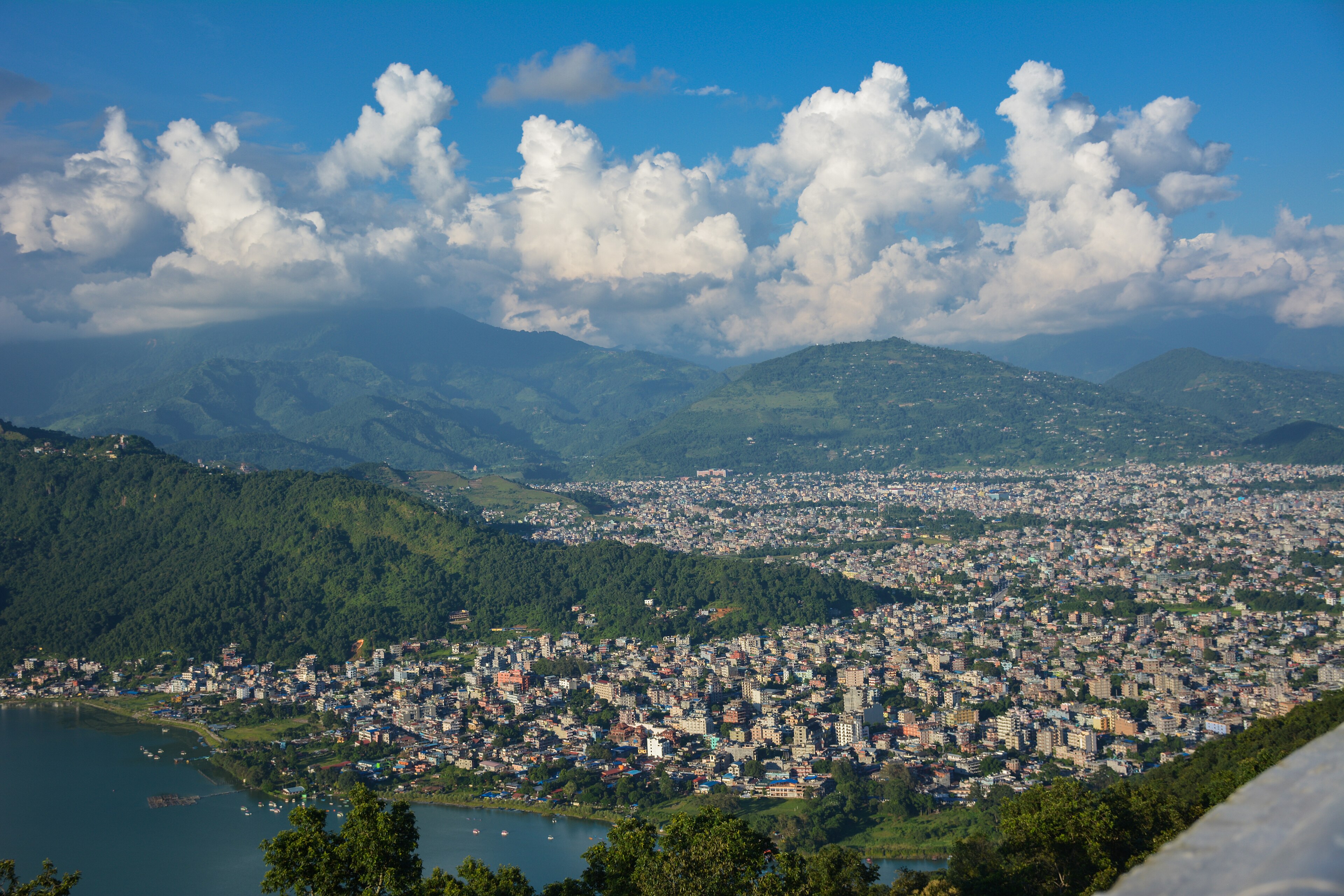
- Dramatic Annapurna and Machhapuchhre mountain backdrops for ceremonies and photography
- Phewa Lake offers unique lakeside and boat-based event settings found nowhere else in the region
- Adventure activities — paragliding, kayaking, trekking — create a built-in guest experience beyond the event itself
- Compact Lakeside district keeps guests, venues, and activities within easy walking or short drive distance
- Clear autumn skies (Oct–Nov) and spring blooms (Mar–Apr) provide ideal outdoor event conditions
- Growing hospitality infrastructure with international-standard resorts catering to destination event groups
Compare Pokhara with Other Top Destinations
Frequently Asked Questions
Is Pokhara a good destination for a wedding?
Yes, particularly for intimate to mid-size destination weddings. Pokhara's combination of Phewa Lake, Himalayan panoramas, and lakeside resort venues creates a visually spectacular and emotionally resonant setting. It works best for guest groups of roughly 50 to 200, where the natural scenery and adventure activities can be woven into a multi-day celebration experience.
What is the best time of year to hold a celebration in Pokhara?
October and November are generally the finest months — skies are clear after the monsoon, mountain views are at their sharpest, and temperatures are comfortable for outdoor events. March and April are also excellent, with rhododendron blooms and pleasant warmth. Both windows offer reliable outdoor event conditions. June through September should be avoided due to heavy monsoon rainfall.
How do guests travel to Pokhara for a destination event?
International guests fly into Kathmandu's Tribhuvan International Airport and then take a short domestic flight to Pokhara — approximately 25 to 30 minutes in the air. Overland travel from Kathmandu by road takes around six to seven hours and is an option for some guests or for transporting event materials. Event planners should build arrival buffer time into schedules to account for occasional weather-related domestic flight delays.
What size guest group can Pokhara realistically accommodate for a destination event?
Pokhara's resort venues are generally well-suited to groups of 50 to 250 guests. Several properties have dedicated event lawns and banquet halls capable of hosting receptions in this range. Very large groups of 300 or more may need to be distributed across multiple properties, which adds coordination complexity and is worth factoring into early planning decisions.
What kinds of venues are available for events in Pokhara?
The dominant venue format is the lakeside or garden resort, most concentrated in the Lakeside (Baidam) district along Phewa Lake. These typically offer open-air lawns or terraces with mountain or lake views, supported by indoor banquet halls for backup or evening use. Some properties have dedicated wedding pavilions framing the Annapurna range. Standalone banquet halls exist in the city but are less suited to destination event groups.
Do Pokhara venues have backup options for outdoor events in case of rain?
Most quality resort properties have invested in weatherproofing options — marquees, retractable canopies, and covered terraces — to manage unseasonal rain risk. Even in the best season months, mountain weather can be unpredictable, so confirming a credible indoor or covered backup arrangement with your chosen venue well in advance is strongly recommended for any outdoor event.
What activities can guests enjoy during a multi-day celebration in Pokhara?
Pokhara's adventure and leisure ecosystem is one of its strongest assets for destination events. Guests can experience paragliding from Sarangkot with Himalayan views, kayaking and boating on Phewa Lake, sunrise viewpoints, short Annapurna foothills treks, white-water rafting on the Seti River, and visits to the Tal Barahi temple island. These activities integrate naturally into a multi-day event programme and are a key reason couples choose Pokhara.
How developed is the local vendor and event planning ecosystem in Pokhara?
Pokhara's established resorts have experienced in-house event teams capable of managing multi-day programmes, and the local supplier base covers catering, floral decoration, photography, and standard entertainment. For highly specialised or elaborate production requirements, supplementing with vendors from Kathmandu is common practice and straightforward to arrange. The ecosystem is solid for events up to around 200–250 guests without significant outside support.
Do guests need a visa to attend an event in Pokhara?
Most international visitors, including Indian nationals, require a visa to enter Nepal. Indian citizens can obtain a visa on arrival or use their national identity card for entry under current bilateral arrangements — though this should be verified against current regulations at the time of planning. Other nationalities typically obtain a tourist visa on arrival at Kathmandu airport. Event planners should communicate visa requirements clearly to all guests well in advance.
Is Pokhara suitable for a winter celebration in December or January?
December can work for indoor-focused events, with mountain views often excellent and skies clear. However, evening temperatures can drop sharply — sometimes near freezing — making outdoor evening receptions uncomfortable without significant heating arrangements. January is the coldest month and is generally not recommended for outdoor event planning. Couples prioritising outdoor ceremonies and receptions are better served by the October–November or March–April windows.
How easy is it for guests to get around Pokhara once they arrive?
The Lakeside district is compact and walkable for most guest needs, with taxis, auto-rickshaws, and hired vehicles readily available. For larger groups, private minibus or bus hire is the standard approach for transfers between the airport, accommodation, and event venues, and local operators are experienced in handling destination event group logistics. Moving guests around within Pokhara is generally straightforward.

Ready to explore venues in Pokhara?
Pokhara: Destination Wedding & Celebration Venues Amid the Himalayas
◆Pokhara is Nepal's leading leisure and adventure destination, best suited for intimate destination weddings, milestone birthday celebrations, and small corporate retreats where the natural setting is as important as the event itself. Its primary vibe is adventurous and thrilling — anchored by Phewa Lake, Himalayan panoramas, and a culture of outdoor activity — making it particularly compelling for couples and groups who want their guests to experience something genuinely extraordinary beyond the event programme. The best seasons are spring (March–April) and autumn (October–November), when skies are clear and mountain views are at their sharpest. Accessibility requires a connection through Kathmandu, which adds a planning step, but the short domestic flight makes the journey manageable for most international guest groups.
Pokhara at a Glance
| Category | Detail |
|---|---|
| Best For | Destination Weddings, Birthday Celebrations, Adventure Retreats, Honeymoon Extensions |
| Primary Vibe | Adventurous & Thrilling |
| Other Vibes | Romantic, Scenic, Tranquil, Nature-Immersive |
| Best Season | Autumn / Fall (Mar, Apr, Oct, Nov) |
Why Choose Pokhara?
- Unmatched natural scenery: The Annapurna range and Machhapuchhre (Fishtail Mountain) form one of the most dramatic natural backdrops available to any event destination in South Asia, providing extraordinary ceremony and photography settings that no constructed venue can replicate.
- Phewa Lake as a living event space: The lake itself — with its reflections of the mountains and the Tal Barahi temple island — creates a unique lakeside and on-water event environment that is genuinely distinctive and not easily found elsewhere in the region.
- Built-in guest experience: Paragliding from Sarangkot, sunrise viewpoints, kayaking, white-water rafting on the Seti River, and access to short Annapurna foothills treks mean guests have a rich programme of activities that extend the celebration into a full destination experience.
- Compact, walkable event district: The Lakeside (Baidam) area concentrates most quality resorts, restaurants, and activity operators within a short radius, making group logistics — moving guests between accommodation, venues, and activities — straightforward without requiring extensive private transport fleets.
- Growing international hospitality standard: Pokhara's resort sector has matured significantly, with several properties now offering dedicated event lawns, banquet facilities, spa services, and in-house catering capable of handling destination event groups with international expectations.
- Relatively uncrowded compared to major Indian metros: For groups seeking privacy, exclusivity, and a sense of escape, Pokhara offers a genuinely off-the-beaten-path feel without sacrificing the hospitality infrastructure needed to run a well-organised celebration.
Which Celebrations Work Best in Pokhara?
- Destination Weddings: Pokhara is particularly well-suited to intimate destination weddings — typically in the range of 50 to 200 guests — where the couple wants a visually spectacular, emotionally resonant setting. The mountain-and-lake backdrop elevates every ceremony photograph and creates a shared memory for guests that a conventional banquet hall simply cannot.
- Milestone Birthday Celebrations: The combination of adventure activities, scenic dining, and quality resort accommodation makes Pokhara an excellent choice for landmark birthdays (30th, 40th, 50th) where the host wants to offer guests a genuine experience rather than a standard party format.
- Honeymoon Extensions: Many couples who marry elsewhere in Nepal or India choose Pokhara as a honeymoon extension, and the destination's romantic lakeside character, spa resorts, and private dining options support this well.
- Small Corporate Retreats & Team Events: The adventure activity ecosystem — group paragliding, rafting, trekking — translates naturally into team-building formats, and the relative seclusion of Pokhara's resorts supports focused off-site retreats for smaller corporate groups.
- Pre-Wedding Shoots & Engagement Celebrations: The visual drama of the Himalayan backdrop, the lake, and the surrounding forests makes Pokhara one of the most photogenic pre-wedding shoot locations in the broader South Asian region, and several couples use it specifically for this purpose even when the main wedding is held elsewhere.
Venues & Event Spaces
Pokhara's event venue landscape is dominated by lakeside and garden resorts, most of which are concentrated in and around the Lakeside (Baidam) district and along the Phewa Lake shoreline. The typical venue format is an open-air lawn or terrace with mountain or lake views, supported by an indoor banquet hall for backup or evening use. Several properties offer dedicated wedding pavilions or gazebos positioned to frame the Annapurna range, which are among the most visually striking ceremony settings available in the region.
Beyond the resort sector, Pokhara has a small number of standalone banquet and event halls in the city's commercial areas, which are more commonly used for local celebrations and are generally less suited to destination event groups seeking a scenic or immersive experience. For destination events, the resort-based venues are almost universally the preferred choice.
Outdoor event spaces are the primary draw, and most quality properties have invested in weatherproofing options — marquees, retractable canopies, and covered terraces — to manage the risk of unseasonal rain, particularly in the shoulder months around the best season windows. Groups planning large-scale outdoor receptions should confirm backup arrangements with their chosen property well in advance.
Best Time to Celebrate
The curated best season for Pokhara events is Autumn / Fall (October and November) and Spring (March and April), and the reasoning is specific and practical rather than generic.
October and November are widely considered the finest months in Pokhara. The monsoon has cleared, the air is exceptionally clean, and the Annapurna and Machhapuchhre peaks are visible in sharp relief on most days — often from sunrise through mid-morning before any afternoon haze develops. Temperatures are comfortable for outdoor events, typically ranging from around 10°C at night to 24°C–26°C during the day. This is also Nepal's peak trekking season, so the broader hospitality ecosystem is at its most active and well-staffed.
March and April offer a different but equally compelling character. Rhododendron forests in the surrounding hills are in bloom, temperatures are warming pleasantly, and mountain views are generally clear before the pre-monsoon haze builds in May. March is slightly cooler and clearer; April can see the first hints of afternoon cloud build-up, but morning ceremonies and events are typically unaffected.
June through September should be firmly avoided for outdoor events. Pokhara receives some of the heaviest monsoon rainfall in Nepal — significantly more than Kathmandu — and sustained rain, low cloud cover, and poor mountain visibility make outdoor celebrations impractical. Indoor-only events are technically possible but the experience is substantially diminished.
December and February are cooler and drier, with mountain views often excellent, but evening temperatures can drop sharply — sometimes to near freezing — making outdoor evening receptions uncomfortable without significant heating arrangements. January is the coldest month and is generally not recommended for outdoor event planning. These months are not entirely unsuitable for indoor celebrations but require careful planning around guest comfort.
Getting There & Local Connectivity
Pokhara is served by its own domestic airport — Pokhara International Airport — located just a few kilometres from the Lakeside district, making the final leg of the journey very convenient once guests have arrived in Nepal. The airport handles regular domestic flights from Kathmandu, with a flight time of approximately 25–30 minutes, which is the most practical option for most destination event guests.
International guests will invariably route through Tribhuvan International Airport in Kathmandu, which is Nepal's primary international gateway with connections to major hubs across Asia, the Middle East, and beyond. From Kathmandu, the domestic connection to Pokhara is frequent and reliable during the best season months, though mountain weather can occasionally cause short delays — event planners should build buffer time into guest arrival schedules.
Overland travel from Kathmandu via the Prithvi Highway takes approximately six to seven hours by road and is a viable option for guests who prefer it or for transporting event materials and equipment. The road is scenic but winding, and journey times can extend during peak season or after heavy rain.
Within Pokhara, the Lakeside district is compact and walkable for most guest needs. Taxis, auto-rickshaws, and hired vehicles are readily available for transfers between the airport, accommodation, and event venues. For larger groups, private bus or minibus hire is straightforward to arrange through local operators and is the standard approach for group transfers during destination events.
Local Vendor & Hospitality Ecosystem
Pokhara's vendor ecosystem has developed substantially over the past decade, driven by the growth of international tourism and a steady increase in destination weddings and events. Local catering teams at the established resorts are experienced in handling multi-day event programmes, and several properties have dedicated in-house event coordinators who can manage logistics from guest arrival through to departure.
For specialist wedding services — floral decoration, photography, videography, entertainment, and custom catering — Pokhara has a growing local supplier base, though for very large or highly customised events, some couples and planners choose to bring specialist vendors from Kathmandu or even from India, which is a practical and commonly-used approach. The local florist and decoration market is competent for standard event requirements; highly elaborate or theme-specific installations may benefit from supplementing with outside expertise.
Nepali hospitality culture is genuinely warm and guest-oriented, and staff at Pokhara's established resorts are accustomed to international guests with varied dietary requirements, cultural preferences, and event expectations. English is widely spoken in the hospitality sector. The overall vendor maturity is solid for events up to around 200–250 guests; beyond that scale, the local ecosystem begins to require more careful advance coordination and supplementation from Kathmandu-based suppliers.
Pros & Things to Consider
Why Pokhara Works Well
- One of the most visually spectacular natural settings available to any destination event in the broader South Asian region
- Phewa Lake and Himalayan panoramas create ceremony and photography backdrops that are genuinely unique and not replicable elsewhere
- Rich adventure and leisure activity ecosystem keeps guests engaged across a multi-day event programme
- Compact Lakeside district simplifies group logistics and keeps guests close to venues and activities
- Warm, internationally-oriented hospitality culture with English widely spoken across the event and tourism sector
- Relatively uncrowded and private compared to major Indian destination wedding cities, offering a genuine sense of escape
- Short domestic flight from Kathmandu makes the final leg of the journey quick and comfortable
Things to Consider
- All international guests must route through Kathmandu, adding a connection leg that requires careful scheduling and buffer time in itineraries
- Venue capacity is generally suited to intimate to mid-size groups; very large guest lists (300+) may exceed what the local resort inventory can comfortably accommodate in a single property
- Mountain weather — including sudden cloud cover and occasional unseasonal rain even in the best months — means outdoor event plans should always have a credible indoor or covered backup
- Highly specialised or elaborate event production (large-scale lighting rigs, custom stage builds, specialist entertainment) may require bringing vendors from Kathmandu, adding logistical complexity
- Nepal's visa requirements and currency (Nepalese Rupee) add a small but real administrative layer for Indian and other international guests compared to a domestic destination
- December through February evenings can be genuinely cold, requiring heating arrangements for outdoor receptions that add to event planning complexity
When Pokhara May Not Be the Right Fit
- Very large guest lists: Groups of 300 or more guests will find that Pokhara's resort inventory — while growing — does not yet offer the same scale of single-venue capacity as major Indian destination wedding cities. Splitting a large group across multiple properties adds coordination complexity.
- Monsoon-season events: Any event planned between June and September that relies on outdoor spaces or mountain views will be significantly compromised by Pokhara's heavy monsoon rainfall and persistent cloud cover. This is not a shoulder-season trade-off — it is a genuine operational constraint.
- Guests with limited international travel experience or mobility constraints: The multi-leg journey (international flight to Kathmandu, domestic connection to Pokhara, plus local transfers) can be tiring and logistically complex for elderly guests or those with mobility challenges. A destination with direct international access may serve such guest profiles better.
- Highly elaborate, large-scale production events: Couples or planners envisioning very large-scale décor installations, multiple specialist entertainment acts, or complex technical production will find the local vendor ecosystem requires significant supplementation from outside, which adds cost and coordination overhead that may make a more vendor-mature destination a more practical choice.