

Why Nagarkot is Perfect for Your Celebration
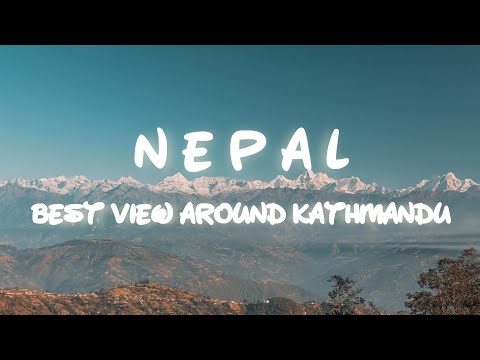
- Unobstructed Himalayan panoramas — including Everest on clear days — create a naturally dramatic wedding backdrop
- Intimate resort properties suit small, private celebrations where exclusivity matters more than scale
- Cool, crisp mountain air in spring and autumn makes outdoor ceremonies genuinely comfortable
- Proximity to Kathmandu and Bhaktapur allows guests to combine the wedding with cultural sightseeing
- Low ambient noise and minimal crowds give events a rare sense of seclusion and calm
- Sunrise over the Himalayas is a signature Nagarkot experience that becomes a memorable moment for any guest group
Compare Nagarkot with Other Top Destinations
Frequently Asked Questions
Is Nagarkot a good destination for a small wedding?
Yes. Nagarkot is particularly well-suited to intimate destination weddings with guest lists under 150. Its hillside resort properties, panoramic Himalayan views, and genuinely secluded atmosphere make it a compelling choice for couples who prioritise scenery and privacy over scale. The destination's character is fundamentally intimate, and events here tend to feel personal and distinctive rather than generic.
What is the best time of year to hold a wedding or event in Nagarkot?
March, April, October, and November are the recommended months. These are the periods when Himalayan visibility is most reliable and temperatures are most comfortable for outdoor ceremonies. October and November are particularly popular — post-monsoon air clarity is exceptional, and the landscape is lush after the rains. Avoid June through September (monsoon) and December through February (freezing temperatures).
How do guests get to Nagarkot?
All guests arrive via Tribhuvan International Airport in Kathmandu, then travel by road — approximately 1.5 to 2 hours via Bhaktapur. There is no railway connection to Nagarkot. Private vehicle transfers are strongly recommended for wedding groups; the winding mountain road is manageable but not suited to ad hoc public transport for a group with luggage.
How large a guest group can Nagarkot realistically accommodate?
Most Nagarkot resort properties comfortably support events of 30 to 150 guests. For groups at the upper end of that range, a full resort buyout or coordination across two adjacent properties is typically required. Guest lists above 200 will find the local venue and accommodation inventory genuinely stretched, and a different destination would likely serve them better.
What kinds of event spaces are available in Nagarkot?
The primary event spaces are outdoor terraces and lawns positioned to face the Himalayan skyline — these are the signature offering. Indoor function rooms are available at most resort properties as a weather fallback, but they are intimate in scale rather than grand. There are no large ballrooms or multi-hall banquet complexes; the destination is built around smaller, more personal spaces.
Can guests stay on-site at the event venue in Nagarkot?
Yes, and this is one of Nagarkot's practical strengths. Most resort properties offer accommodation alongside their event spaces, and a full buyout — where the couple's group has exclusive use of the property — is a common arrangement. Keeping the entire guest group on-site simplifies logistics significantly and enhances the sense of a shared, immersive experience.
Are local wedding vendors available in Nagarkot?
The in-resort catering and hospitality teams at established Nagarkot properties are experienced with destination wedding groups. However, specialist external vendors — florists, decorators, photographers, sound and lighting companies — are generally sourced from Kathmandu and transported to the site. This is logistically straightforward given the short drive, but requires earlier planning and coordination than a destination with a fully local vendor ecosystem.
Is Nagarkot suitable for a corporate retreat or offsite event?
Yes, for small groups. Nagarkot's seclusion, natural environment, and comfortable resort properties make it a credible choice for leadership offsites and team retreats of 20 to 60 people. There is no large conference infrastructure, so it suits focused, discussion-based formats rather than large-scale conference productions. The setting is a genuine asset for groups seeking clarity and focus away from urban distractions.
What should guests know about connectivity and communication in Nagarkot?
Mobile data coverage in Nagarkot is patchy, and resort Wi-Fi is available but variable in speed and reliability. Couples should communicate this to guests in advance and avoid relying on real-time digital coordination during the event. For anything time-sensitive — guest arrival updates, vendor coordination — having a dedicated on-site coordinator with a local SIM card is advisable.
Do international guests need a visa to attend a wedding in Nagarkot?
Most nationalities require a visa to enter Nepal. Visas are available on arrival at Tribhuvan International Airport in Kathmandu and are straightforward to obtain, but couples should include clear visa guidance in their guest information packs well in advance of the event. This is a routine administrative step rather than a significant barrier, but it should not be left to guests to discover independently.
What makes a Nagarkot wedding genuinely different from other destination weddings?
The Himalayan panorama — visible from the ridge on clear mornings, potentially including Everest — is a backdrop that very few destinations anywhere can offer. Combined with genuine seclusion, cool mountain air, and a setting that most guests will never have experienced before, Nagarkot produces events that feel distinctively memorable rather than interchangeable with other resort weddings. The destination rewards couples who value atmosphere and uniqueness over scale.

Ready to explore venues in Nagarkot?
Nagarkot: Himalayan Destination Wedding & Event Venues
◆Nagarkot is a small hilltop destination in Nepal's Bagmati Province, approximately 32 km east of Kathmandu, best suited to intimate destination weddings, elopements, private social gatherings, and small corporate retreats. Its primary draw is a panoramic Himalayan skyline — visible on clear days from the ridge — combined with a genuinely secluded, unhurried atmosphere that larger South Asian wedding cities cannot replicate. The destination is most accessible and most visually rewarding in spring (March–April) and autumn (October–November), when skies clear and temperatures are comfortable. Guests reach Nagarkot via Tribhuvan International Airport in Kathmandu, then a winding mountain road; the journey is manageable but requires organised private transfers. Venue inventory is modest and largely independent, making this a destination for those who prioritise scenery and privacy over scale.
Nagarkot at a Glance
| Attribute | Detail |
|---|---|
| Best For | Intimate Weddings, Elopements, Private Social Gatherings, Small Corporate Retreats |
| Primary Vibe | Peaceful & Secluded |
| Other Vibes | Panoramic, Nature-Immersed, Romantic, Unhurried |
| Best Season | Autumn / Fall (Mar, Apr, Oct, Nov) |
Why Choose Nagarkot?
- Himalayan panorama as a natural backdrop: On clear mornings in spring and autumn, the ridge above Nagarkot offers views of multiple Himalayan peaks, including Everest. No constructed décor can replicate this as a ceremony backdrop.
- Genuine seclusion: Unlike resort destinations that market privacy but sit within earshot of busy roads or neighbouring properties, Nagarkot's hilltop geography and low development density deliver real quiet — a meaningful differentiator for couples who want an event that feels entirely their own.
- Proximity to Kathmandu's cultural circuit: Guests can combine the wedding trip with visits to Bhaktapur Durbar Square, Pashupatinath Temple, and Boudhanath Stupa — all within an hour's drive — giving the overall trip a richer cultural dimension without requiring additional travel days.
- Manageable guest logistics for small groups: For guest lists of 30–150, Nagarkot's resort properties can typically accommodate the full group on-site or across two adjacent properties, keeping the group together and reducing the coordination burden that comes with spreading guests across a large city.
- Cool mountain climate during peak season: Spring and autumn temperatures in Nagarkot are genuinely comfortable for outdoor ceremonies — typically ranging from around 10°C at night to 20°C during the day — without the heat stress common at lower-altitude South Asian destinations in the same months.
- Distinctive, memorable character: Nagarkot is not a generic resort destination. Its mountain-village setting, misty mornings, and Himalayan sunrise create a sensory experience that guests are unlikely to have encountered at a previous wedding, making the event genuinely memorable rather than interchangeable.
Which Celebrations Work Best in Nagarkot?
Intimate Destination Weddings: Nagarkot is particularly well-suited to weddings with guest lists under 150. The resort properties here are designed around small-group comfort rather than large-scale banqueting, and the destination's seclusion means the couple and their guests effectively have the hilltop to themselves. The Himalayan backdrop elevates even a simple outdoor ceremony into something visually extraordinary.
Elopements & Micro-Weddings: For couples who want a meaningful ceremony with only their closest family and friends — or just the two of them — Nagarkot offers a setting that feels genuinely special without requiring the logistical machinery of a large wedding. Several properties can arrange private sunrise ceremonies on the ridge.
Private Social Gatherings (Anniversaries, Milestone Birthdays, Family Reunions): The destination's resort properties lend themselves well to exclusive buyouts for small groups celebrating a significant occasion. The combination of comfortable accommodation, mountain scenery, and a relaxed pace makes multi-day gatherings feel like a genuine retreat rather than just a party venue.
Small Corporate Retreats & Leadership Offsites: The seclusion and natural environment make Nagarkot a credible choice for organisations seeking a focused offsite away from urban distractions. The absence of a large conference infrastructure is a genuine constraint, but for groups of 20–60 who need meeting space, outdoor activities, and a clear head, the setting works well.
Venues & Event Spaces
Nagarkot's event venue landscape is defined by hillside resort properties and lodge-style retreats rather than purpose-built banquet halls or palace venues. The typical event space here is an outdoor terrace or lawn with an unobstructed mountain view, supplemented by an indoor dining room or function hall for evening receptions or weather contingencies. Several properties offer the option of a full resort buyout, which is particularly attractive for couples who want their guest group to have exclusive use of the property across multiple days.
Outdoor ceremony spaces on the ridge — often positioned to face the Himalayan skyline — are the signature offering. These are generally best suited to ceremonies of up to 100–150 guests; beyond that, the physical layout of most Nagarkot properties becomes a constraint. Indoor spaces tend to be intimate and characterful rather than grand, with stone, timber, and local craft materials common in the architecture. There are no large convention-style ballrooms or multi-hall banquet complexes in Nagarkot — the destination's identity is built around smaller, more personal spaces, and event planning here should be approached with that in mind from the outset.
For couples or planners who need a larger indoor fallback — for example, if a monsoon-season event is unavoidable — it is worth confirming the specific indoor capacity of the chosen property carefully, as indoor spaces at most Nagarkot resorts are meaningfully smaller than their outdoor equivalents.
Best Time to Celebrate
The real curated best season for Nagarkot is Autumn / Fall, specifically March, April, October, and November. These four months represent the two windows when Nagarkot's defining asset — its Himalayan panorama — is most reliably visible, and when the climate is most comfortable for outdoor events.
March and April (Spring) bring warming temperatures after winter, clear skies before the pre-monsoon haze builds, and rhododendron blooms across the hillsides. Daytime temperatures are typically pleasant for outdoor ceremonies, and the mountain views are at their sharpest in the early morning hours. April can occasionally see some afternoon cloud build-up, but mornings are generally reliable.
October and November (Autumn) follow the monsoon and are widely considered the single best period for Himalayan visibility anywhere in Nepal. The post-monsoon air is exceptionally clear, the landscape is green and lush from the rains, and temperatures are comfortable without being cold. October in particular combines the best visibility with the warmest post-monsoon temperatures, making it the most popular month for events.
Why other seasons are less suitable: The monsoon (June through September) brings heavy, persistent rainfall, near-constant cloud cover that eliminates mountain views entirely, and a genuine risk of landslides on the access roads to Nagarkot — making outdoor events impractical and guest logistics unreliable. December through February brings freezing overnight temperatures, occasional frost and snowfall, and conditions that make outdoor ceremonies uncomfortable or impossible. May can work as a shoulder month but carries increasing risk of pre-monsoon haze and afternoon thunderstorms that reduce visibility and complicate outdoor planning.
Getting There & Local Connectivity
All guests — domestic and international — arrive via Tribhuvan International Airport (KTM) in Kathmandu, which is the sole international gateway to Nepal and is well-connected to major Asian hub airports. From Kathmandu, Nagarkot is reached by road, typically via Bhaktapur, in approximately 1.5 to 2 hours depending on traffic and road conditions. There is no railway connection to Nagarkot or to the Kathmandu Valley generally — road is the only option for the final leg.
The road to Nagarkot is a winding mountain route that is perfectly manageable in good conditions but requires careful planning for large guest groups. Private vehicle transfers are strongly recommended — public transport options exist but are not practical for a wedding group with luggage. For groups of 50 or more, coordinating a fleet of minibuses or SUVs from Kathmandu is the standard approach, and this should be arranged through the resort or a local event coordinator well in advance.
Once guests are in Nagarkot, local movement is limited — the destination is small, and most guests will remain within the resort property for the duration of the event. This is actually an advantage for event management, as it keeps the group together and reduces the need for ongoing transport logistics. For guests who wish to visit Bhaktapur or Kathmandu during the trip, day-trip transfers can be arranged, but these should be planned as organised group excursions rather than ad hoc individual journeys.
Mobile data connectivity in Nagarkot is patchy — Nepali SIM cards with data plans work intermittently, and resort Wi-Fi is available but variable in speed and reliability. Couples planning events here should communicate this to guests in advance and not rely on real-time digital coordination during the event itself.
Local Vendor & Hospitality Ecosystem
Nagarkot's vendor ecosystem is smaller and less specialised than what couples would find in Kathmandu or a major Indian wedding destination. The resort properties themselves typically handle catering in-house, and the quality of Nepali and continental cuisine at the better properties is genuinely good. However, the range of specialist wedding vendors — florists, decorators, sound and lighting companies, photographers with destination wedding experience — who are based in Nagarkot itself is limited.
In practice, most couples planning a Nagarkot wedding bring their key vendors from Kathmandu, which has a growing and reasonably mature wedding vendor community. The drive from Kathmandu to Nagarkot is short enough that this is logistically straightforward, though it does add a coordination layer that wouldn't exist at a destination with a fully local vendor ecosystem. Couples should confirm with their chosen resort which services are handled in-house and which require external vendors, and plan accordingly.
The hospitality staff at Nagarkot's established resort properties are generally experienced with small destination wedding groups and understand the specific requirements of multi-day event stays — early morning access for sunrise ceremonies, flexible meal timings, and the management of a group that is effectively living on-site for several days. This in-resort hospitality competence is a genuine strength, even where the broader external vendor ecosystem is thinner.
Pros & Things to Consider
Why Nagarkot Works Well
- Himalayan panorama provides a naturally extraordinary ceremony backdrop that requires minimal additional décor investment
- Genuine seclusion and low ambient noise create an atmosphere that larger, busier destinations cannot replicate
- Cool, comfortable temperatures during spring and autumn make outdoor events physically pleasant for guests
- Small resort properties lend themselves to full buyouts, giving couples exclusive use of the venue across multiple days
- Proximity to Kathmandu's UNESCO World Heritage sites enriches the overall guest experience beyond the event itself
- The destination's distinctiveness means guests are unlikely to have attended a similar wedding before, making the event genuinely memorable
Things to Consider
- Scale limitations are real: Nagarkot is not suited to large weddings. Guest lists above 150–200 will strain the available venue and accommodation inventory, and the destination's character is fundamentally at odds with the logistics of a large-scale event.
- Road access requires planning: The winding mountain road to Nagarkot is the only route in and out. For elderly guests, guests with mobility considerations, or anyone prone to motion sickness, this journey requires advance thought and communication.
- Weather unpredictability outside peak season: Even within the recommended spring and autumn windows, mountain weather can change quickly. Outdoor event plans should always have a credible indoor fallback, and couples should discuss weather contingency arrangements with their resort in detail.
- Limited external vendor base: Specialist wedding vendors need to be sourced from Kathmandu and transported to the site, which adds coordination complexity and requires earlier planning lead times than a destination with a mature local vendor ecosystem.
- Connectivity limitations: Patchy mobile data and variable Wi-Fi mean that real-time digital coordination during the event is unreliable. This is manageable with advance planning but should not be underestimated.
- International guest visa requirements: Nepal requires visas for most nationalities, which adds an administrative step for international guests that doesn't apply to domestic Indian or Nepali destination weddings. This is straightforward but should be communicated clearly in guest information packs.
When Nagarkot May Not Be the Right Fit
- Large guest lists (200+): If the wedding or event requires accommodating a large number of guests in a single venue with grand banqueting facilities, Nagarkot's intimate resort inventory will not meet that need. A destination with larger-scale purpose-built event infrastructure would be more appropriate.
- Monsoon-season events: If the event date falls between June and September, Nagarkot's defining asset — the Himalayan view — will almost certainly be obscured by cloud and rain, outdoor spaces will be unusable, and access roads carry a genuine landslide risk. A different destination or a different date would serve the couple better.
- Guests with significant mobility or health considerations: The mountain road journey and the hillside terrain of most Nagarkot properties can be genuinely challenging for guests with limited mobility, elderly guests, or those with altitude sensitivity. If a significant portion of the guest list falls into this category, a more accessible destination is worth considering.
- Couples needing a fully mature, on-the-ground vendor ecosystem: If the event design requires a wide range of specialist vendors — large-scale floral installations, complex lighting rigs, live entertainment production — who need to be locally sourced and easily coordinated, Nagarkot's thin local vendor base will create friction. Kathmandu itself, or a more established destination wedding city, would offer a smoother planning experience.