
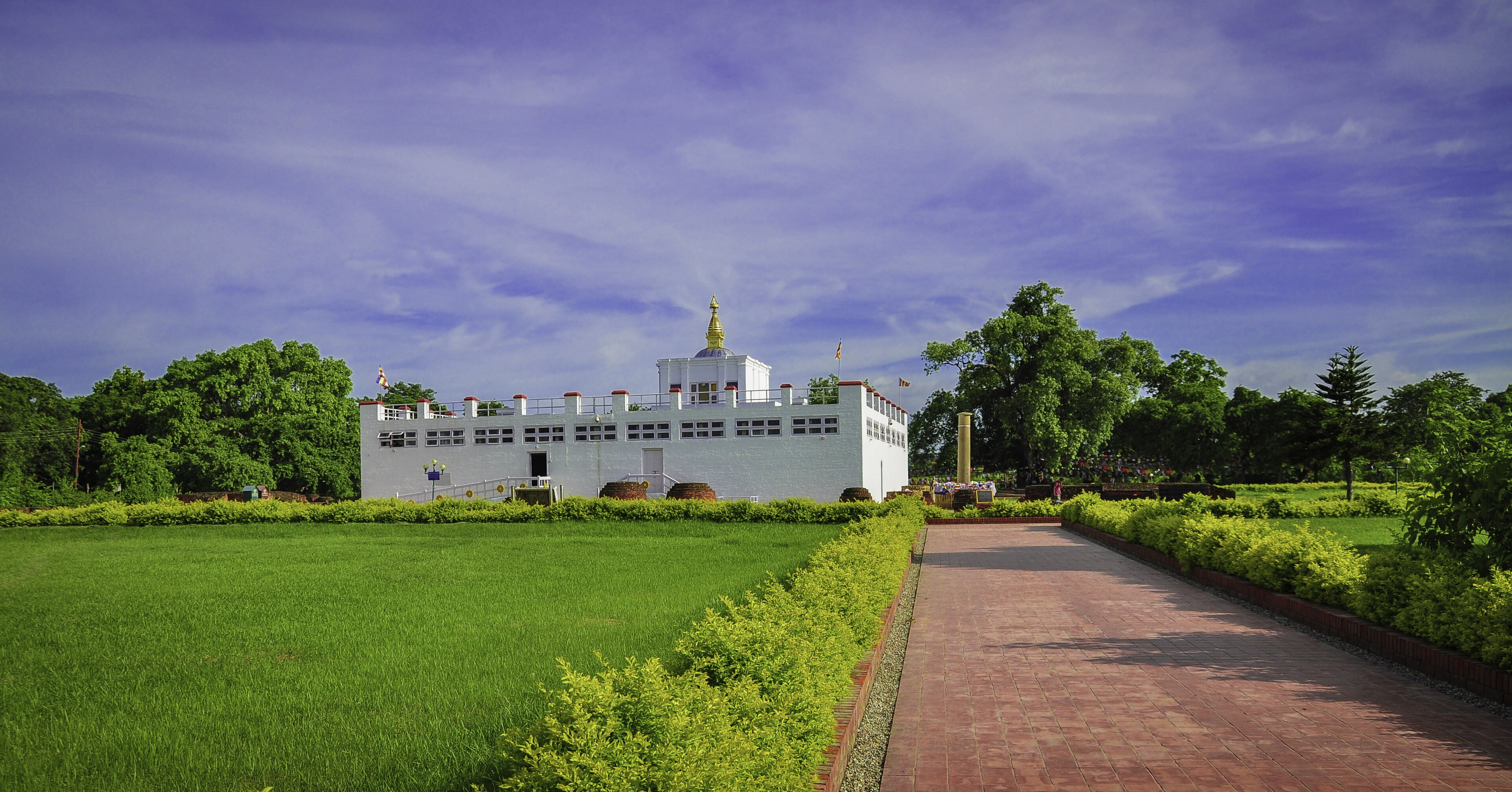
Why Lumbini is Perfect for Your Celebration
- UNESCO World Heritage Site setting lends unmatched symbolic depth to ceremonies
- Peaceful monastery gardens and sacred grounds create a naturally serene atmosphere
- Gautam Buddha International Airport provides direct regional air access
- Autumn and spring seasons offer clear skies and comfortable temperatures for outdoor events
- Deeply meaningful for Buddhist ceremonies, spiritual retreats, and cultural celebrations
- Relatively uncrowded compared to major South Asian event destinations, ensuring privacy
Compare Lumbini with Other Top Destinations
Frequently Asked Questions
Is Lumbini a good destination for a Buddhist wedding ceremony?
Yes, strongly so. Lumbini is the birthplace of Siddhartha Gautama and a UNESCO World Heritage Site, making it arguably the most symbolically resonant location in the world for a Buddhist-tradition wedding. The sacred garden zone, monastery surroundings, and contemplative atmosphere lend a depth of meaning to ceremonies that no purpose-built venue can replicate.
What size of guest group can Lumbini realistically accommodate for an event?
Lumbini is best suited to intimate-to-medium gatherings — typically up to a few hundred guests. The local venue and accommodation inventory is oriented toward smaller, meaningful celebrations rather than large-format events. Groups significantly exceeding this range may find local capacity stretched, and planners should assess accommodation availability carefully for larger guest lists.
What is the nearest airport to Lumbini, and how easy is it to reach?
Gautam Buddha International Airport (BWA) is located approximately 6 km from Lumbini's centre and offers connections to Kathmandu and select regional routes. Most international guests will connect through Kathmandu's Tribhuvan International Airport. Flight frequency is limited, so planners should build buffer time into guest travel itineraries, particularly during peak spring and autumn seasons.
When is the best time of year to hold a celebration in Lumbini?
March, April, October, and November are the recommended months. Spring (March–April) brings warm, dry days and clear skies before the pre-monsoon heat. Autumn (October–November) offers post-monsoon clarity, comfortable temperatures in the 18°C–28°C range, and lush surroundings. Both windows are well-suited to outdoor ceremonies and garden receptions.
What months should I avoid when planning an event in Lumbini?
Avoid May and June due to intense heat (often exceeding 38°C in the Terai lowlands). July through September brings heavy monsoon rainfall, flooding risk, and disrupted road and air access — outdoor events are impractical. December through February carries dense fog that frequently disrupts flights at Gautam Buddha International Airport, creating guest arrival uncertainty.
What kinds of event spaces and venues are available in Lumbini?
Lumbini offers garden resorts with open lawns for outdoor ceremonies, hotel banquet halls for indoor receptions, and monastery guesthouses suited to spiritually-focused group stays. The setting within and around the Sacred Garden zone provides naturally beautiful backdrops including ancient ruins, reflecting pools, and mature trees. Venues are generally intimate in scale rather than large-format.
Can I bring wedding vendors from outside Lumbini, such as from Kathmandu or India?
Yes, and this is common practice. Lumbini's local specialist vendor ecosystem — dedicated event decorators, large-format caterers, professional wedding photographers — is still developing. Most planners source key specialist vendors from Kathmandu or from across the Indian border, supplementing strong local hospitality with external expertise. This requires additional lead time and coordination.
How do guests typically travel to Lumbini from India?
Guests from India most commonly travel via the Sunauli/Nautanwa border crossing, which connects to the Indian rail network. From there, road transfer to Lumbini takes roughly an hour. Alternatively, guests can fly into Kathmandu and connect to Gautam Buddha International Airport by domestic flight. Both routes are practical for small-to-medium groups with advance planning.
Is Lumbini suitable for non-Buddhist celebrations, such as a secular or Hindu wedding?
Yes, though the destination's character is most naturally aligned with Buddhist-tradition and spiritually-oriented events. Secular or Hindu couples drawn to heritage, serenity, and cultural depth will find Lumbini genuinely compelling. However, the sacred setting means certain entertainment formats or celebration styles may feel culturally misaligned, so the event concept should be considered thoughtfully.
What is local transport like for a group once guests arrive in Lumbini?
Lumbini does not have a formal public transport network suited to event groups. Chartered minibuses or jeeps are the standard and most practical option for moving guests between the airport, accommodation, and event venues. The Sacred Garden zone and main hotel cluster are compact, so local distances are manageable. Vehicle hire should be arranged in advance through the planner or accommodation provider.
Does Lumbini's sacred status place any restrictions on how events can be conducted?
The sacred character of the site does carry cultural expectations. Events held within or immediately adjacent to the Sacred Garden zone should be conducted with appropriate respect — loud music, elaborate entertainment productions, or formats that conflict with the contemplative atmosphere of the site are generally considered inappropriate. Planners should discuss any specific requirements with local authorities and venue managers during the planning phase.

Ready to explore venues in Lumbini?
Lumbini: Destination Wedding & Sacred Event Venues in Nepal
◆Lumbini is best suited to intimate, symbolically meaningful celebrations — particularly Buddhist ceremonies, spiritual retreats, cultural weddings, and small private gatherings. Its primary vibe is Cultural & Timeless, rooted in its identity as the UNESCO-listed birthplace of Siddhartha Gautama. The destination suits couples and planners who prioritise meaning and atmosphere over large-scale infrastructure. The best seasons are March–April and October–November, when temperatures are comfortable and skies are clear. Accessibility requires planning — Gautam Buddha International Airport provides regional air links, but onward connectivity is limited, making this a destination that rewards guests who commit to the journey.
Lumbini at a Glance
| Attribute | Detail |
|---|---|
| Best For | Buddhist ceremonies, intimate weddings, spiritual retreats, cultural celebrations |
| Primary Vibe | Cultural & Timeless |
| Other Vibes | Sacred, Serene, Heritage-rich |
| Best Season | Autumn / Fall (Mar, Apr, Oct, Nov) |
Why Choose Lumbini?
- UNESCO World Heritage status gives every ceremony held here an inherent historical and spiritual gravitas that no purpose-built venue can replicate.
- Monastery gardens and sacred grounds provide naturally beautiful, contemplative outdoor spaces that require minimal decoration to feel extraordinary.
- Genuine cultural distinctiveness — Lumbini is not a generic resort town; it carries a specific identity that makes celebrations here deeply memorable and personally significant for guests of Buddhist faith or those drawn to South Asian heritage.
- Relatively uncrowded compared to major South Asian event hubs, meaning groups can enjoy a sense of privacy and exclusivity that is increasingly rare at more commercialised destinations.
- Regional air access via Gautam Buddha International Airport makes it reachable from Kathmandu, Pokhara, and select international points without requiring a full overland journey.
- Favourable spring and autumn windows offer genuinely pleasant outdoor conditions — mild days, low humidity, and clear light — that suit open-air ceremonies and garden receptions.
Which Celebrations Work Best in Lumbini?
- Buddhist wedding ceremonies: Lumbini is arguably the most symbolically resonant location in the world for a Buddhist-tradition wedding. The proximity to the sacred Mayadevi Temple and the monastery zone lends an authenticity that cannot be manufactured elsewhere.
- Spiritual retreats and mindfulness gatherings: The destination's calm, contemplative character makes it well-suited to corporate or personal retreat formats that combine structured programming with meaningful surroundings.
- Intimate destination weddings: Couples seeking a small, deeply personal celebration — rather than a large multi-day wedding extravaganza — will find Lumbini's scale and atmosphere a genuine asset rather than a limitation.
- Cultural and heritage celebrations: Anniversary milestones, family reunions with a spiritual dimension, or cultural events tied to Buddhist or South Asian heritage traditions all find a natural home here.
- Pilgrimage-combined celebrations: Groups who wish to combine a meaningful life event with a pilgrimage experience — visiting the sacred garden, the Ashoka Pillar, and the international monastery zone — can structure a multi-day programme that is both celebratory and spiritually enriching.
Venues & Event Spaces
Lumbini's event infrastructure is modest by the standards of major South Asian wedding destinations, but it is genuine and purposeful. The primary venue types available include garden resorts with open lawns suited to outdoor ceremonies and receptions, hotel banquet spaces that can accommodate small-to-medium guest lists, and monastery guesthouses that offer accommodation and communal spaces for groups with a specifically spiritual focus. Outdoor settings within or adjacent to the Sacred Garden zone provide a backdrop of ancient ruins, reflecting pools, and mature trees that is visually distinctive and emotionally powerful. Planners should note that Lumbini's venue inventory is oriented toward intimate scale — properties here are well-equipped for gatherings of up to a few hundred guests, but the destination does not currently support the very large-format multi-thousand-guest weddings that some other South Asian cities can accommodate. For the right event type and scale, however, the available spaces are more than adequate and carry an atmosphere that larger, more commercial venues cannot match.
Best Time to Celebrate
The curated best seasons for Lumbini are March, April, October, and November — the spring and autumn windows on either side of the harsh summer and monsoon period.
- March and April bring warm, dry days (typically 22°C–32°C), low humidity, and clear skies. Vegetation is lush from the preceding cool season, and the light is particularly good for outdoor photography. These months fall before the onset of the pre-monsoon heat spike, making them comfortable for guests travelling from a range of climates.
- October and November are arguably the finest months of the year. Post-monsoon clarity means excellent visibility, temperatures settle into a very comfortable 18°C–28°C range, and the landscape is green and well-watered without the oppressive humidity of the wet season. These months also coincide with several Buddhist festival periods, which can add cultural richness to a celebration.
- May and June bring intensifying heat (often exceeding 38°C–40°C in the Terai lowlands where Lumbini sits), making outdoor ceremonies genuinely uncomfortable and logistically challenging.
- July through September is the monsoon season. Lumbini receives significant rainfall during this period, with flooding risk in low-lying areas, disrupted road access, and high humidity that makes outdoor events impractical. Air connectivity can also be affected by weather delays.
- December through February brings cool-to-cold nights (occasionally dropping below 5°C), dense fog that is characteristic of the Terai plains in winter, and frequent disruption to flight schedules at Gautam Buddha International Airport. While daytime temperatures can be pleasant, the fog risk alone makes this a period to approach cautiously for events dependent on reliable guest arrival.
Getting There & Local Connectivity
By air: Gautam Buddha International Airport serves Lumbini with connections to Kathmandu and, on select routes, to international points. The airport is located close to the town centre, making transfers straightforward. However, flight frequency is limited compared to Nepal's main hub in Kathmandu, and guests travelling from outside Nepal will typically need to connect through Kathmandu's Tribhuvan International Airport. Planners should build buffer time into guest travel itineraries, particularly during the spring and autumn peak seasons when demand on these routes increases.
By road: Lumbini is accessible by road from the Indian border crossing at Sunauli/Nautanwa, which connects to the Indian rail network. This overland route is commonly used by guests travelling from northern India and is a practical option for smaller groups. Road quality within Nepal's Terai region is generally adequate, though journey times can be longer than distances suggest.
Local movement: Within Lumbini itself, the Sacred Garden zone and the main hotel cluster are compact and navigable. For groups, chartered vehicles (minibuses or jeeps) are the most practical local transport option. Lumbini does not have a formal public transport network suited to large event groups, so local vehicle hire should be arranged in advance through the event planner or accommodation provider.
Local Vendor & Hospitality Ecosystem
Lumbini's hospitality ecosystem is developing rather than mature by the standards of established South Asian wedding destinations. The town has a genuine base of hotels, guesthouses, and resort properties that regularly host pilgrimage groups and cultural visitors, giving local staff experience with managing group logistics, communal dining, and multi-day stays. However, the specialist wedding vendor ecosystem — dedicated event decorators, large-format catering operations, professional wedding photographers with destination-event portfolios, and entertainment production companies — is more limited than in cities like Kathmandu or Pokhara. Planners working in Lumbini typically bring key specialist vendors from Kathmandu or, for Indian-origin couples, from across the border, supplementing local hospitality with external expertise. This is a workable model for intimate events but adds a layer of logistical coordination that planners should factor into their timelines. Local catering is generally strong for vegetarian and Buddhist-tradition menus, which aligns naturally with the destination's character. For events requiring elaborate multi-cuisine catering or large production setups, external vendor sourcing is advisable.
Pros & Things to Consider
Why Lumbini Works Well
- Unmatched symbolic and spiritual significance for Buddhist-tradition ceremonies
- UNESCO World Heritage setting provides a naturally extraordinary visual backdrop
- Intimate scale suits small, meaningful celebrations without feeling under-resourced
- Spring and autumn seasons offer genuinely comfortable outdoor conditions
- Regional airport reduces the overland burden for guests flying in
- Relatively uncrowded, ensuring a private and focused experience for event groups
Things to Consider
- Venue and accommodation inventory is limited in scale — very large guest lists will strain local capacity
- Specialist wedding vendors (decorators, photographers, entertainment) may need to be sourced from Kathmandu or India, adding coordination complexity
- Winter fog (December–February) can disrupt flight schedules, creating guest arrival uncertainty
- Monsoon season (July–September) makes outdoor events impractical and access routes unreliable
- International guests face a multi-leg journey (typically via Kathmandu), which requires careful itinerary planning
- The destination's sacred character means certain types of entertainment or celebration formats may feel culturally misaligned with the setting
When Lumbini May Not Be the Right Fit
- Large-format weddings (500+ guests): The local venue and accommodation inventory is not currently scaled to support very large guest lists comfortably. Couples expecting a grand, high-capacity celebration will find the options here limiting.
- Guests with limited travel flexibility: The multi-leg journey required for most international guests — and the fog-related flight disruption risk in winter — makes Lumbini a challenging choice for groups where reliable, easy arrival is a priority.
- Events requiring elaborate production or entertainment: If the vision involves large-scale stage production, extensive lighting rigs, or a wide range of entertainment acts, the local vendor ecosystem will require significant external supplementation, which adds complexity and lead time.
- Monsoon-season events: Any event planned between July and September faces genuine risk of weather disruption, flooding in low-lying areas, and reduced accessibility — this window is not recommended for outdoor or semi-outdoor celebrations in Lumbini.