
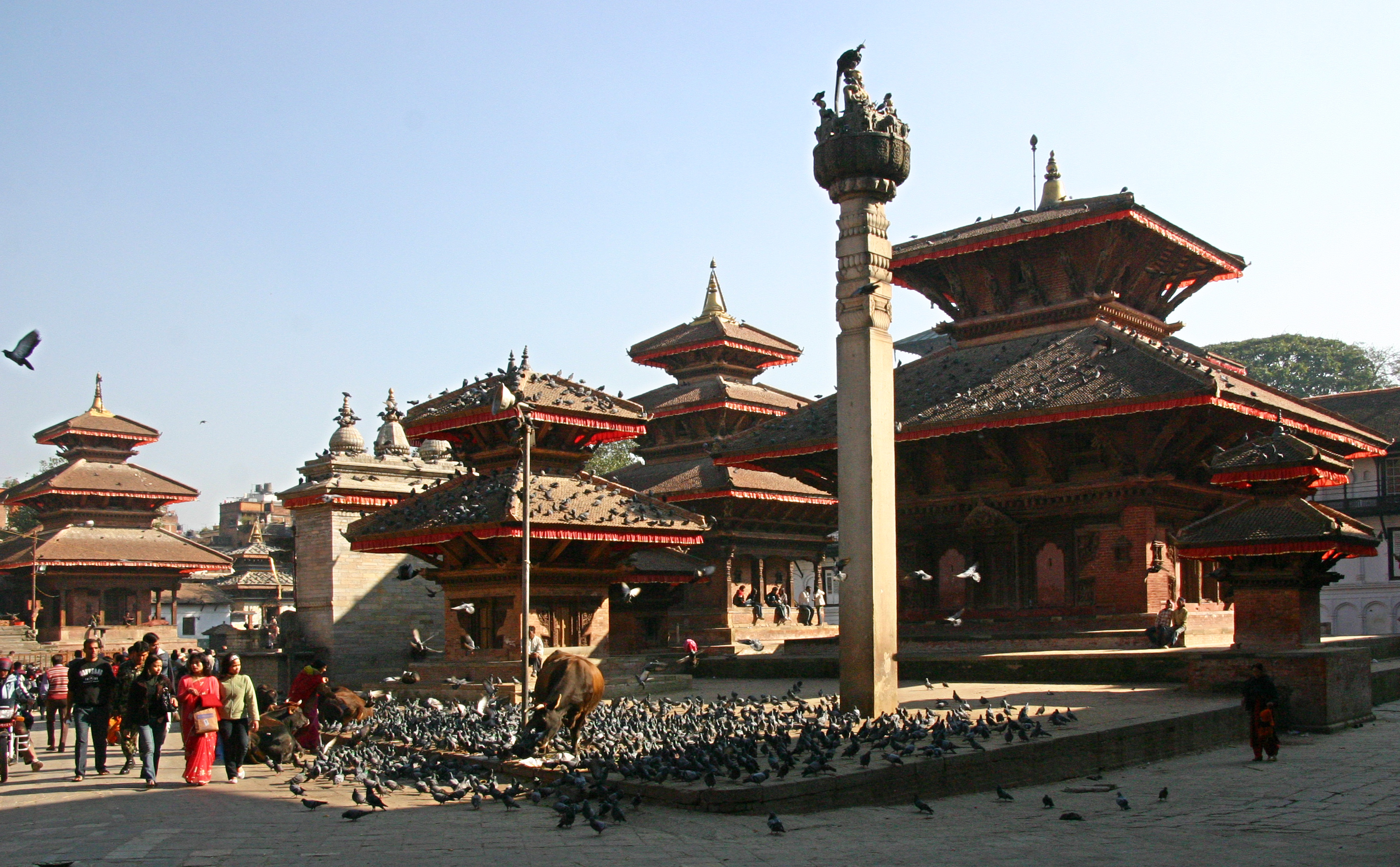
Why Kathmandu is Perfect for Your Celebration
- UNESCO World Heritage Sites like Pashupatinath and Boudhanath create an unmatched ceremonial backdrop
- Himalayan mountain views visible from venues during clear autumn and spring skies
- Rich Newari and Hindu ritual traditions that can be authentically woven into wedding ceremonies
- Boutique heritage hotels and garden resorts offer intimate, character-filled event spaces
- Tribhuvan International Airport connects to major Asian hubs, making international guest travel feasible
- Relatively compact city means guests can easily move between ceremony, reception, and sightseeing
Compare Kathmandu with Other Top Destinations
Frequently Asked Questions
Is Kathmandu a good destination for a wedding?
Yes, particularly for intimate weddings of under 200 guests. Kathmandu offers a genuinely distinctive setting — UNESCO World Heritage temple complexes, Himalayan mountain backdrops, and heritage hotel gardens — that suits couples seeking cultural depth and visual drama over large-scale production. It is especially well-suited to Hindu or Buddhist ceremonies where authentic ritual context matters.
What is the best time of year to hold a wedding or event in Kathmandu?
October and November are the strongest months — post-monsoon skies are clear, mountain views are at their most reliable, temperatures are mild (10°C–22°C), and outdoor events are comfortable. March and April are a good spring alternative with warming temperatures and rhododendron blooms. Avoid June through September (monsoon) and December through February (cold, foggy, poor outdoor conditions).
How do guests travel to Kathmandu for a destination event?
Almost all guests will arrive by air at Tribhuvan International Airport, which is approximately 6 km from the city centre. Direct flights connect Kathmandu to major Indian cities including Delhi, Mumbai, Kolkata, and Bangalore, as well as to Dubai, Singapore, Bangkok, and other Asian hubs. There is no passenger railway serving Kathmandu, so air travel is the standard and expected mode of arrival.
Do guests need a visa to attend an event in Kathmandu?
Yes. Nepal requires a visa for most nationalities, including Indian nationals. However, the process is straightforward — Indian citizens can obtain a visa on arrival at Tribhuvan International Airport, and most other nationalities can also get a tourist visa on arrival or apply in advance online. Event planners should communicate this requirement clearly to guests well ahead of travel.
What size of guest group can Kathmandu realistically accommodate for a wedding or event?
Kathmandu comfortably handles events from around 30 to 400 guests. The most characterful heritage and boutique venues are best suited to 50–200 guests, where the intimate atmosphere is preserved. Larger international-brand hotels can accommodate up to 400–500 guests in their ballroom and banquet spaces, though very large events may feel less distinctive in those settings.
What kinds of event spaces are available in Kathmandu?
The venue landscape includes restored heritage hotels with period architecture and garden lawns, forest resort properties with open-air pavilions, international hotel ballrooms with full production infrastructure, and rooftop terraces with Himalayan or cityscape views. The most distinctive spaces tend to be boutique and heritage properties rather than large convention-style venues.
Can traditional Hindu or Newari wedding rituals be conducted in Kathmandu?
Yes, and this is one of Kathmandu's genuine strengths. The city has a living tradition of Hindu and Newari wedding ceremonies, with experienced priests, ritual specialists, and vendors who can facilitate authentic ceremonies. Proximity to sacred sites like Pashupatinath adds a spiritual dimension that is difficult to replicate elsewhere.
How is local transport managed for event guests once they arrive in Kathmandu?
Most hotels and event coordinators can arrange chartered vehicles and minibuses for group transfers between the airport, accommodation, and event venues. The city is compact enough that most key venues are within a 20–30 minute drive of centrally located hotels. Road congestion during peak hours is a real factor and should be built into transfer schedules.
Is the local vendor ecosystem in Kathmandu equipped for destination weddings?
Yes, for most event scales. Kathmandu has experienced local wedding planners, decorators, caterers, and photographers familiar with both traditional ceremonies and contemporary destination wedding formats. For very large or highly elaborate productions requiring niche specialist vendors, some expertise may need to be brought in from outside Nepal, which adds logistical planning time.
What should event planners know about altitude in Kathmandu?
Kathmandu sits at approximately 1,400 metres above sea level. Most guests will not experience significant altitude effects, but it is worth advising elderly guests or those with respiratory or cardiovascular conditions to allow a day of acclimatisation before the main event. Scheduling the most physically active elements — outdoor ceremonies, sightseeing — after an initial rest day is a sensible precaution.
Is Kathmandu suitable for pre-wedding functions like mehendi or sangeet?
Yes. Kathmandu's boutique hotels and garden resorts are well-configured for multi-day pre-wedding programming. Garden lawns, courtyard spaces, and rooftop terraces suit daytime rituals and evening entertainment, and the city's cultural richness — heritage walks, temple visits, local cuisine experiences — provides natural group activities between functions.
How safe is Kathmandu for international event guests?
Kathmandu is generally safe for international visitors and event guests. The city has a long history of welcoming international tourists and has well-established hospitality infrastructure. Standard travel precautions apply — guests should be aware of traffic conditions, keep valuables secure, and follow any current travel advisories from their home country. The areas around major hotels and event venues are well-frequented and considered safe.

Ready to explore venues in Kathmandu?
Kathmandu: Destination Wedding & Cultural Event Venues in Nepal
◆Kathmandu is Nepal's capital and its most developed event destination, best suited to intimate weddings, cultural ceremonies, and social celebrations where heritage, spiritual atmosphere, and Himalayan scenery are the primary draw. The city's vibe is Cultural & Timeless — shaped by UNESCO World Heritage temple complexes, centuries-old Newari architecture, and a backdrop of the Himalayan range visible on clear days. The best seasons to plan are March–April and October–November, when skies are clear and temperatures are comfortable. Kathmandu is an international destination requiring a flight for most guests, with Tribhuvan International Airport offering connections from major Asian hubs. The hospitality infrastructure spans heritage boutique hotels through to full-service international luxury properties, making it viable for small to mid-sized guest groups.
Kathmandu at a Glance
| Attribute | Detail |
|---|---|
| Best For | Intimate Weddings, Cultural Ceremonies, Social Celebrations, Pre-Wedding Retreats |
| Primary Vibe | Cultural & Timeless |
| Other Vibes | Spiritual, Himalayan, Heritage, Boutique |
| Best Season | Autumn / Fall (Mar, Apr, Oct, Nov) |
Why Choose Kathmandu?
- Unmatched ceremonial backdrop: Kathmandu's UNESCO World Heritage Sites — including Pashupatinath Temple, Boudhanath Stupa, and Swayambhunath — provide a spiritual and visual setting that is genuinely unlike any other wedding destination in South Asia.
- Himalayan mountain views: During the clear autumn and spring windows, the snow-capped peaks of the Himalayas are visible from many parts of the city and from resort gardens, creating a dramatic natural backdrop for outdoor ceremonies and photography.
- Rich living cultural traditions: Newari and Hindu ritual traditions — including specific wedding customs, music, and cuisine — can be authentically incorporated into celebrations, giving events a depth of cultural meaning that goes beyond décor.
- Intimate scale and character: Kathmandu's event venues tend toward boutique and heritage properties rather than large convention-style hotels, making it particularly well-suited to smaller, more personal celebrations where atmosphere matters more than sheer scale.
- International air access: Tribhuvan International Airport connects Kathmandu to major hubs across Asia and the Middle East, making it reachable for guests travelling from India, Southeast Asia, the Gulf, and beyond — typically via a single connection from most major cities.
- Compact, navigable city: The key areas of Kathmandu — Thamel, Durbar Marg, Lazimpat, Boudha, and the Patan/Lalitpur fringe — are relatively close together, meaning guests can move between ceremony venues, accommodation, and sightseeing without long transfers.
Which Celebrations Work Best in Kathmandu?
- Intimate destination weddings: Kathmandu is particularly well-suited to smaller weddings — typically under 200 guests — where the couple wants a deeply meaningful, culturally rich setting rather than a large-scale production. Heritage hotel gardens, temple-adjacent courtyards, and forest resort lawns all lend themselves to this format.
- Cultural and religious ceremonies: For Hindu or Buddhist couples, Kathmandu offers the rare opportunity to hold rituals in proximity to some of the most sacred sites in the Himalayan world. Ceremonies can be conducted with genuine religious authenticity in a way that is difficult to replicate elsewhere.
- Pre-wedding retreats and mehendi/sangeet functions: The city's boutique hotels and garden resorts are well-configured for multi-day pre-wedding programming, with spaces that suit daytime rituals, evening entertainment, and group dining in a relaxed, culturally immersive environment.
- Social celebrations and milestone events: Anniversary dinners, milestone birthday gatherings, and family reunion events benefit from Kathmandu's combination of distinctive venues, strong local hospitality, and the added dimension of a genuinely memorable travel experience for guests.
- Corporate retreats with a cultural dimension: Groups seeking an offsite that combines team experiences — heritage walks, cooking classes, mountain excursions — with formal event space will find Kathmandu's larger hotels well-equipped for this hybrid format.
Venues & Event Spaces
Kathmandu's event venue landscape is defined by heritage hotels and boutique properties rather than large purpose-built convention centres. The most distinctive spaces are found within restored Rana-era palaces, traditional Newari courtyard buildings, and garden resorts set against forested hillsides or open mountain views. These properties typically offer a combination of indoor banquet halls — often with period architectural detailing — and outdoor garden or terrace spaces that are particularly well-suited to evening receptions during the clear autumn and spring seasons.
Larger international-brand hotels in the city provide more conventional ballroom and banquet infrastructure, capable of handling mid-sized events with full audio-visual and catering support. On the periphery of the city, forest resort properties offer a more secluded, nature-immersed setting with lawns and open-air pavilions that work well for daytime ceremonies and outdoor dining. Rooftop spaces with Himalayan or cityscape views are also available at several properties and are popular for cocktail receptions and smaller gatherings. Across all venue types, the general capacity range for events in Kathmandu comfortably spans from 30 to around 400–500 guests, with the most characterful heritage spaces best suited to the lower end of that range.
Best Time to Celebrate
The curated best seasons for Kathmandu are March–April and October–November, and both windows have distinct advantages worth understanding when planning an event.
October and November are widely considered the prime window. The monsoon ends in late September, leaving the air exceptionally clear — this is when Himalayan mountain views are at their most reliable and dramatic. Temperatures are mild and comfortable (typically 10°C–22°C), humidity is low, and the risk of rain disrupting outdoor events is minimal. Daylight hours are generous, and the post-monsoon landscape is lush and green. This is also Nepal's peak tourism season, so venues and vendors are fully operational and well-staffed.
March and April offer a spring alternative with warming temperatures (15°C–25°C), rhododendron blooms in the surrounding hills, and generally clear skies before the pre-monsoon haze builds in May. Spring is slightly less reliable than autumn for mountain views but still offers excellent conditions for outdoor events and photography.
The monsoon (June–September) brings heavy, persistent rainfall that makes outdoor events impractical and can cause logistical disruptions including flight delays and road conditions. While indoor events are possible, the overall experience is significantly diminished and most event planners avoid this window.
December and February are cold, particularly at night (temperatures can drop to 2°C–5°C), with morning fog common in January. Outdoor evening events are uncomfortable without significant heating arrangements, and the mountain views are often obscured by winter haze. These months are manageable for fully indoor events but are not ideal for the kind of outdoor celebrations Kathmandu is best known for.
May sits in an awkward pre-monsoon transition — temperatures rise, haze builds, and the first monsoon rains can arrive unpredictably. It is generally considered a shoulder month to avoid for outdoor event planning.
Getting There & Local Connectivity
Tribhuvan International Airport is the sole international gateway to Kathmandu and is located approximately 6 km from the city centre — one of the shorter airport-to-city transfers of any major destination in the region. The airport handles direct flights from major Indian cities (Delhi, Mumbai, Kolkata, Bangalore, Chennai), as well as connections from Dubai, Doha, Singapore, Bangkok, Kuala Lumpur, and other Asian hubs. For guests travelling from most parts of India, Kathmandu is reachable in under three hours by air. For international guests, a single connection via a major hub is typically sufficient.
It is important to note that Nepal has no passenger railway network serving Kathmandu. All guests will arrive by air or, for those crossing from India, by road via border crossings such as Sunauli–Bhairahawa or Raxaul–Birgunj (followed by a road journey of several hours to the capital). For most event guests, air travel is the practical and expected mode of arrival.
Within Kathmandu, local transport for event groups is typically managed through chartered vehicles and minibuses, which most hotels and event coordinators can arrange. The city's road network is functional but can be congested, particularly around Thamel, Durbar Marg, and the ring road during peak hours. Groups should factor in additional transfer time during morning and evening rush periods. Ride-hailing apps operate in the city and provide a convenient option for individual guests moving independently. The distances between the main event-relevant areas of the city are generally manageable, and most guests staying in centrally located hotels will find the key venues within a 20–30 minute drive.
Local Vendor & Hospitality Ecosystem
Kathmandu has a well-established hospitality ecosystem shaped by decades of international tourism and a growing destination wedding market. The city's larger hotels — particularly the international-brand properties — have experienced in-house event teams capable of managing full wedding productions including catering, décor, audio-visual, and coordination. For couples working with an external event planner, Kathmandu has a community of local wedding planners and decorators who are familiar with both traditional Nepali/Hindu ceremony requirements and contemporary destination wedding aesthetics.
Catering is a particular strength: Kathmandu's hotels offer a wide range of cuisine options including authentic Nepali and Newari menus, Indian cuisine (both North and South Indian), Continental, and pan-Asian options — reflecting the city's long history of serving an internationally diverse visitor base. Local Newari cuisine — featuring dishes like bara, yomari, and sel roti — can be incorporated into menus as a distinctive cultural touch that guests genuinely appreciate.
Floral and décor vendors are available and have experience with both traditional ceremonial decoration and contemporary event styling, though the range of specialist luxury décor suppliers is narrower than in larger Indian destination wedding markets. Couples planning highly elaborate or large-scale productions may need to bring some specialist vendors from outside Nepal, which adds logistical complexity. Photography and videography professionals with destination wedding experience are present in the market, and the city's visual richness — temples, mountain backdrops, heritage architecture — makes it an exceptionally rewarding location for event photography.
The general hospitality culture in Kathmandu is warm and guest-oriented, and international guests consistently note the attentiveness and friendliness of hotel and venue staff as a highlight of their experience.
Pros & Things to Consider
Why Kathmandu Works Well
- Genuinely unique cultural and spiritual setting that no other destination in South Asia replicates
- Strong autumn and spring seasons with clear skies, mild temperatures, and reliable outdoor event conditions
- Heritage and boutique hotel properties that provide character and atmosphere beyond a standard hotel ballroom
- Himalayan mountain views available from venues and gardens during the best seasons
- Authentic Newari and Hindu ceremonial traditions that can be meaningfully incorporated into celebrations
- Compact city with short airport-to-venue transfer times and manageable internal logistics
- Strong international hospitality standards at the leading properties, with experienced event teams
Things to Consider
- International travel requirements: All guests need a valid passport and a Nepal visa (available on arrival for most nationalities, but still an additional step). This adds friction compared to a domestic Indian destination and may deter some guests.
- Altitude adjustment: Kathmandu sits at approximately 1,400 metres above sea level. Most guests will not experience significant altitude effects, but elderly guests or those with respiratory conditions may need a day to acclimatise, which should be factored into event scheduling.
- No rail connectivity: The absence of a passenger railway means all guests must fly or undertake a long road journey, which limits accessibility for guests who cannot or prefer not to fly.
- Venue scale limitations: Kathmandu's most characterful heritage venues are best suited to smaller guest lists. Very large events (400+ guests) are possible at the bigger hotel properties but lose some of the intimate, atmospheric quality that makes Kathmandu distinctive.
- Monsoon season is a genuine constraint: The June–September monsoon is not merely "less ideal" — it is a period when outdoor events are genuinely impractical and logistical disruptions are common. Planning must firmly avoid this window.
- Specialist vendor depth: For highly elaborate productions requiring niche luxury décor, specialist lighting rigs, or large entertainment acts, the local vendor market may not have sufficient depth, and importing vendors from India or elsewhere adds cost and complexity.
When Kathmandu May Not Be the Right Fit
- Large guest lists requiring scale: If your event requires a single venue to comfortably seat 500 or more guests with full production infrastructure, Kathmandu's venue inventory — while capable at the upper end — may feel stretched. Destinations with larger purpose-built event facilities may serve this need better.
- Guests with limited international travel flexibility: If a significant portion of your guest list cannot obtain a passport or Nepal visa, or if elderly or mobility-impaired guests would find international air travel burdensome, a domestic destination will be more inclusive.
- Monsoon-season plans: Any event with outdoor components planned between June and September will face persistent rain, high humidity, and potential flight disruption. Kathmandu is not a viable outdoor event destination during this period.
- Guests sensitive to altitude or air quality: While 1,400 metres is not extreme altitude, guests with certain health conditions may find acclimatisation uncomfortable. Additionally, Kathmandu's air quality can be poor during dry winter months due to dust and vehicle emissions — a consideration for guests with respiratory sensitivities.