
Why Dhulikhel is Perfect for Your Celebration
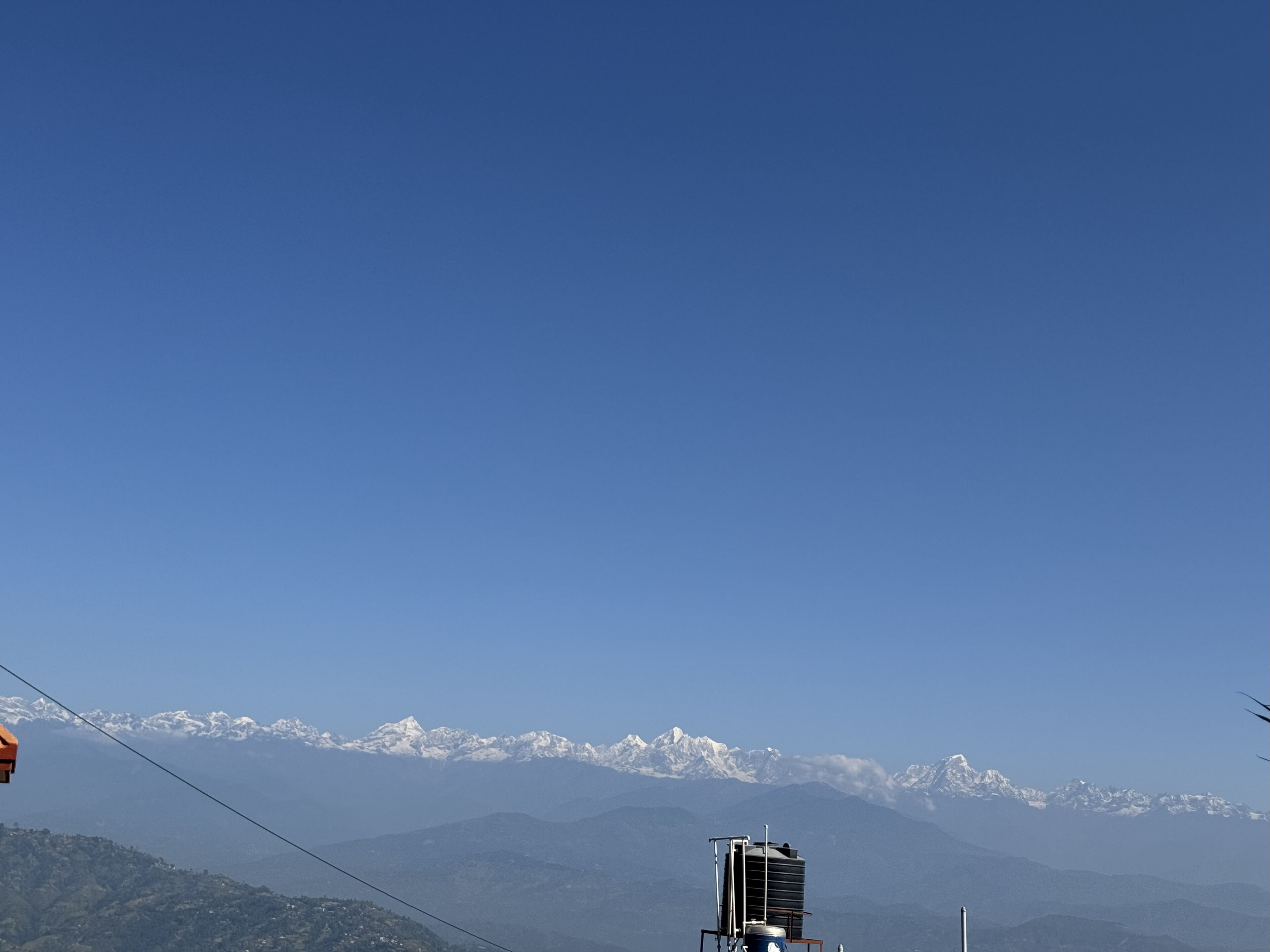
- Unobstructed panoramic views of the Himalayan range — including Langtang, Ganesh Himal and Rolwaling — create a naturally dramatic backdrop for ceremonies
- Established resort properties with dedicated event lawns and banquet facilities designed for destination weddings and corporate retreats
- Newari cultural heritage and traditional architecture lend authentic character to celebrations without requiring elaborate theming
- 5 hours by road
- High-altitude, low-crowd setting ensures genuine privacy and seclusion — rare for a destination this accessible
- October and November offer some of the clearest mountain skies in the region, making outdoor ceremonies and photography exceptional
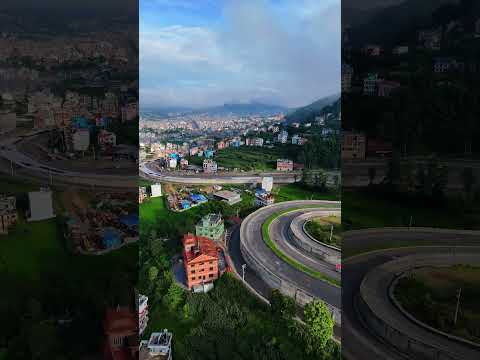
Top Venues in Dhulikhel
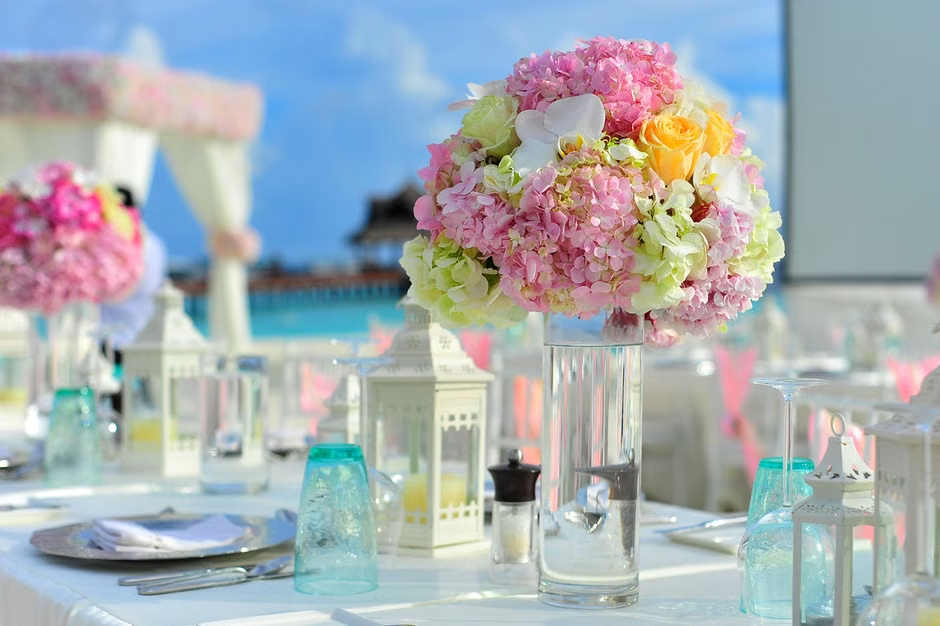
Himalayan Horizon Hotel & Resort
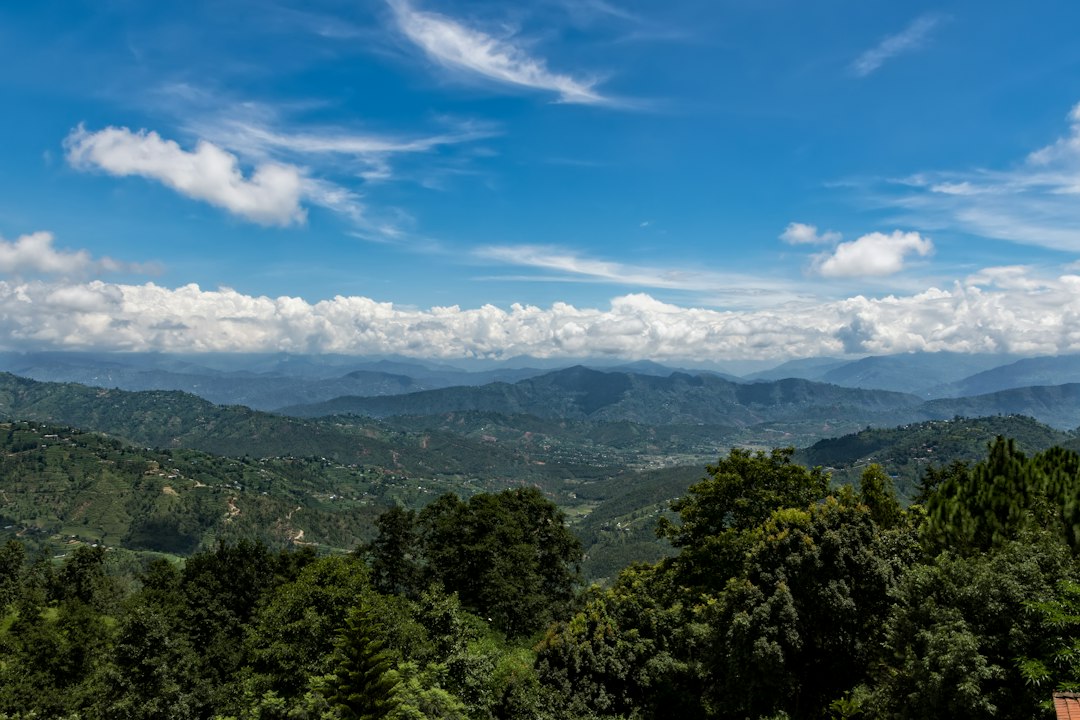
The Dhulikhel Mountain Resort
Compare Dhulikhel with Other Top Destinations
Frequently Asked Questions
Is Dhulikhel a good destination for an intimate wedding?
Yes. Dhulikhel is particularly well-suited to intimate destination weddings, typically in the range of 50 to 250 guests. The combination of panoramic Himalayan views, resort privacy, and Newari cultural atmosphere creates a ceremony setting that feels genuinely distinctive. Resort properties in the area have dedicated event infrastructure — outdoor lawns, banquet halls, and on-site accommodation — designed specifically for destination weddings.
What is the best time of year to hold a wedding or event in Dhulikhel?
October and November are generally the finest months — the post-monsoon atmosphere delivers the clearest Himalayan views of the year, mild daytime temperatures, and excellent conditions for outdoor ceremonies and photography. March and April are a strong spring alternative, with warming temperatures and good mountain visibility before pre-monsoon haze builds. These four months are the curated best season for events in Dhulikhel.
How do guests get to Dhulikhel from abroad?
International guests fly into Tribhuvan International Airport in Kathmandu, which has connections from major hubs across Asia and the Middle East. From the airport, Dhulikhel is reached by road — typically one to one and a half hours via the Araniko Highway. There is no railway or domestic air link to Dhulikhel itself, so road transfer from Kathmandu is the standard and only practical route for all guests.
How large a guest group can Dhulikhel realistically accommodate for an event?
Dhulikhel comfortably supports events in the range of roughly 50 to 250 guests. The destination's venue inventory is resort-centric rather than convention-hall-based, which places a natural ceiling on scale. Events requiring several hundred guests simultaneously, or multiple large event spaces running in parallel, may find the local infrastructure stretched and would be better served by a larger urban destination.
What kinds of venues are available for events in Dhulikhel?
The venue landscape is anchored by hillside and hilltop resort properties with outdoor ceremony lawns, garden terraces, and enclosed banquet halls. Several properties draw on Newari architectural traditions — carved woodwork, traditional courtyards — providing a culturally rooted aesthetic. There are no large standalone convention centres or urban banquet halls; the experience is resort-based and nature-integrated throughout.
Is Dhulikhel suitable for corporate retreats and team offsites?
Yes. The peaceful, distraction-free mountain environment makes Dhulikhel a strong choice for corporate retreats, leadership offsites, and strategy sessions. Resort properties typically offer conference rooms with audio-visual facilities alongside outdoor spaces for team activities. The combination of focused indoor sessions and a genuinely restorative outdoor environment is a practical strength for multi-day corporate programmes.
What is the monsoon season like in Dhulikhel, and should I avoid it for events?
The monsoon runs from approximately June through September and brings persistent heavy rainfall and significantly reduced mountain visibility. Outdoor events and ceremonies are largely impractical during this period, and the destination's primary scenic asset — Himalayan panoramas — is effectively unavailable. Indoor-only events are technically possible but lose the core character of the destination. June–September is generally not recommended for weddings or outdoor-focused celebrations.
Can vendors from Kathmandu be brought in for events in Dhulikhel?
Yes, and this is standard practice. Kathmandu-based décor specialists, photographers, florists, and entertainment acts regularly travel to Dhulikhel for events, and established resort properties typically have working relationships with reliable suppliers. Planners should factor in vendor travel time and, for multi-day events, accommodation for the vendor team. The local vendor market on its own is thinner than in a major city, so Kathmandu sourcing is the norm for specialist requirements.
Are there cultural experiences that can be incorporated into a Dhulikhel event?
Yes. Dhulikhel's Newari heritage offers genuine cultural programming options — traditional Newari music and dance performances, guided walks through the old town's pagoda temples and stone-paved lanes, and locally rooted culinary experiences. These elements can add meaningful authenticity to welcome events, cultural evenings, or pre-wedding programmes, and are a real differentiator from more generic resort destinations.
Is altitude a concern for guests attending an event in Dhulikhel?
Dhulikhel sits at approximately 1,550 metres above sea level — high enough that some guests, particularly older attendees or those with respiratory sensitivities, may notice the altitude if arriving directly from sea level. Serious altitude sickness at this elevation is uncommon, but a brief acclimatisation period is worth building into the arrival schedule, especially for guests flying in from low-altitude origins on the day of the event.
What makes Dhulikhel different from a standard resort wedding destination?
The defining difference is the Himalayan panorama — unobstructed views of multiple peaks directly from ceremony lawns and resort terraces — combined with authentic Newari cultural heritage in the surrounding town. This is not a manufactured resort aesthetic; the scenic and cultural context is genuinely place-specific. The destination also offers a level of seclusion and quietude that is unusual for a location only 30 km from an international airport.

Ready to explore venues in Dhulikhel?
Dhulikhel: Himalayan Destination Weddings & Corporate Event Venues
◆Dhulikhel is a hilltop town in Nepal's Bagmati Province, approximately 30 km east of Kathmandu, best suited to intimate destination weddings, corporate retreats, and private milestone celebrations. Its primary vibe is peaceful and secluded — defined by panoramic Himalayan views, Newari cultural heritage, and well-developed resort hospitality at altitude. The destination performs strongest in spring (March–April) and autumn (October–November), when mountain visibility is at its clearest and outdoor events are fully practical. Accessibility is good for a mountain destination: guests fly into Kathmandu and reach Dhulikhel by road in roughly one to one and a half hours. It is not a large-scale banquet city, but for groups seeking genuine mountain atmosphere and privacy, it is among the more compelling options in the Nepal Himalayan foothills.
Dhulikhel at a Glance
| Attribute | Detail |
|---|---|
| Best For | Intimate destination weddings, corporate retreats, wellness & mindfulness events, private milestone celebrations |
| Primary Vibe | Peaceful & Secluded |
| Other Vibes | Himalayan, Heritage, Nature-immersed, Cultural |
| Best Season | Autumn / Fall (Mar, Apr, Oct, Nov) |
Why Choose Dhulikhel?
- Himalayan panorama as a natural backdrop: Few destinations in South Asia offer unobstructed, close-range views of multiple Himalayan peaks — including Langtang, Ganesh Himal, and the Rolwaling range — directly from event lawns and resort terraces. This is a genuinely rare visual asset that no amount of décor can replicate.
- Authentic Newari cultural character: Dhulikhel's old town retains traditional Newari architecture, pagoda-style temples, and stone-paved lanes that lend a distinctive cultural identity to celebrations — particularly relevant for couples seeking a meaningful sense of place rather than a generic resort setting.
- Genuine seclusion within reach of an international airport: At roughly 30 km from Tribhuvan International Airport, Dhulikhel offers a level of privacy and quietude that is unusual for a destination this accessible. Guests do not need domestic connecting flights or long overland journeys.
- Resort properties purpose-built for events: Several established resort properties in and around Dhulikhel have dedicated event infrastructure — outdoor ceremony lawns, banquet halls, and accommodation blocks — specifically designed to host destination weddings and corporate gatherings rather than adapted from standard hotel facilities.
- High-altitude, low-crowd environment: Sitting at approximately 1,550 metres above sea level, Dhulikhel avoids the heat and congestion of the Kathmandu Valley floor, offering a noticeably cooler, cleaner atmosphere that guests consistently find refreshing — particularly relevant for spring and autumn events.
- Compact, manageable destination for group logistics: The town's relatively small footprint means that once guests arrive, movement between accommodation, ceremony venues, and dining spaces is straightforward — reducing the coordination burden that larger, more spread-out destinations impose on event planners.
Which Celebrations Work Best in Dhulikhel?
- Intimate destination weddings: Dhulikhel is particularly well-suited to weddings in the range of 50 to 250 guests. The combination of mountain scenery, resort privacy, and cultural atmosphere creates a ceremony environment that feels genuinely special rather than manufactured. Outdoor ceremonies on resort lawns with Himalayan peaks as a backdrop are a defining feature of weddings here.
- Corporate retreats and leadership offsites: The peaceful, distraction-free environment makes Dhulikhel a strong choice for corporate groups seeking focused strategy sessions, team-building programmes, or leadership retreats. Several resort properties have conference facilities alongside outdoor spaces that support both structured sessions and informal networking.
- Wellness and mindfulness events: The altitude, clean air, mountain views, and generally unhurried pace of life make Dhulikhel a natural fit for yoga retreats, wellness weekends, and mindfulness-focused gatherings. Some resort properties actively programme wellness experiences as part of their event offerings.
- Private milestone celebrations: Anniversary dinners, significant birthday gatherings, and family reunion events benefit from the destination's combination of privacy, scenic grandeur, and the sense of occasion that a Himalayan setting naturally provides — without requiring the scale or complexity of a large urban event.
Venues & Event Spaces
Dhulikhel's event venue landscape is anchored by resort properties that have been developed specifically with destination events in mind. The typical venue format is a hillside or hilltop resort combining outdoor ceremony lawns — often with direct Himalayan sightlines — with enclosed banquet halls for dining and evening programmes. Outdoor terraces and garden spaces are common, and many properties use the natural topography to create tiered event areas that feel architecturally integrated with the landscape rather than imposed upon it.
Heritage-style properties drawing on Newari architectural traditions offer a distinctive aesthetic — carved woodwork, traditional courtyards, and stone detailing — that provides a culturally rooted backdrop without requiring elaborate external theming. These properties tend to be smaller and more intimate in capacity, making them particularly appropriate for weddings and private events rather than large-scale conferences.
For corporate events, resort conference facilities typically include meeting rooms with audio-visual equipment, breakout spaces, and outdoor areas suitable for team activities. The combination of indoor and outdoor flexibility is a practical strength for multi-day programmes that need to alternate between structured sessions and informal engagement.
It is worth noting that Dhulikhel does not have the large standalone banquet halls or convention centres found in major urban event destinations. The venue inventory is resort-centric, which suits intimate and mid-sized events well but places a natural ceiling on the scale of gatherings the destination can comfortably support.
Best Time to Celebrate
The curated best season for Dhulikhel is Autumn / Fall — specifically March, April, October, and November. These four months represent the destination's genuine peak for outdoor events, and the reasons are specific rather than generic.
October and November are widely regarded as the finest months in the Nepal Himalayan foothills. The monsoon has cleared, washing the atmosphere clean, and the result is some of the sharpest, most photogenic mountain visibility of the year. Daytime temperatures are comfortably mild — typically in the mid-teens to low twenties Celsius — and evenings are cool but not cold enough to disrupt outdoor programmes. The skies are characteristically deep blue, and the quality of natural light during this period is exceptional for photography and videography.
March and April offer a spring equivalent: post-winter clarity, warming temperatures, and the added visual interest of rhododendron blooms in the surrounding hills. Mountain views remain excellent before the pre-monsoon haze begins to build in May. These months are slightly warmer than autumn and can feel more energetic in atmosphere, making them well-suited to celebratory events with a lively outdoor component.
June through September should be avoided for outdoor events. The monsoon brings persistent heavy rainfall, dramatically reduced mountain visibility, and conditions that make outdoor ceremonies and photography largely impractical. Indoor-only events are technically possible but lose the destination's primary scenic asset entirely.
December through February bring cold mountain winters. Frost is possible at Dhulikhel's altitude, and while clear days do occur, the risk of cold disruption to outdoor programmes is meaningful. These months can work for small, primarily indoor corporate events where mountain views are a bonus rather than the centrepiece, but they are generally not recommended for weddings or outdoor-focused celebrations.
May is a shoulder month — temperatures are rising and pre-monsoon haze can reduce mountain visibility, but rainfall is not yet consistent. It can work for events that are flexible about outdoor conditions, but it carries more uncertainty than the four curated peak months.
Getting There & Local Connectivity
The primary gateway for guests travelling to Dhulikhel is Tribhuvan International Airport (KTM) in Kathmandu, which handles international flights from major hubs across Asia, the Middle East, and beyond. From the airport, Dhulikhel is reached by road via the Araniko Highway — a journey of approximately one to one and a half hours depending on Kathmandu Valley traffic conditions. This is a well-established route and straightforward for group transfers.
There is no railway connection to Dhulikhel, and no domestic airport serving the town directly. Road travel from Kathmandu is the only practical route, which means all guests — regardless of origin — converge on the same transfer corridor. For event planners, this simplifies logistics: a single coordinated fleet of vehicles from the airport or from Kathmandu hotels covers the entire guest group.
Within Dhulikhel itself, the town is compact and most resort properties are self-contained, meaning guests rarely need to arrange local transport beyond the initial arrival transfer. For guests wishing to explore the old town, the Namobuddha monastery area, or nearby viewpoints, local taxis and resort-arranged vehicles are generally available. The road network in the immediate area is adequate for group movement, though some viewpoint access roads are narrow and better suited to smaller vehicles.
For international guests, Nepal's visa-on-arrival facility (available to most nationalities) simplifies entry, and Kathmandu's airport infrastructure, while not on the scale of a major hub, is functional and familiar to experienced travellers in the region.
Local Vendor & Hospitality Ecosystem
Dhulikhel's hospitality ecosystem is more developed than its small-town character might suggest. The destination has been receiving international travellers and hosting destination events for several decades, and the resort properties that anchor the local market have accumulated meaningful experience in managing weddings, corporate retreats, and private celebrations for mixed-nationality guest groups.
In-house catering at the established resort properties is generally the primary food and beverage solution for events here, and the quality is typically well-regarded — particularly for Nepali and broader Asian cuisine, with reasonable capability in continental menus for international guests. The reliance on in-house catering is partly a function of the destination's size: the external catering vendor market is thinner than in a major city, and event planners should factor this into their planning rather than assuming the same breadth of external vendor choice available in Kathmandu.
For décor, floral arrangements, photography, and entertainment, Kathmandu-based vendors regularly travel to Dhulikhel for events, and the resort properties typically have established relationships with reliable suppliers. This means the vendor ecosystem is effectively an extension of Kathmandu's, with the logistical consideration that vendors need to factor in travel time and, for multi-day events, accommodation.
Local cultural performers — Newari music and dance groups, for example — are available and can add genuine authenticity to celebrations, particularly for welcome events or cultural evenings. This is a meaningful differentiator from more generic resort destinations.
Overall, the hospitality ecosystem suits events up to a few hundred guests well, with the caveat that very large or highly complex productions may require more external vendor coordination than the local market can absorb independently.
Pros & Things to Consider
Why Dhulikhel Works Well
- Panoramic Himalayan views provide a ceremony backdrop that is genuinely world-class and impossible to replicate with décor alone
- Peaceful, secluded atmosphere creates a sense of occasion and exclusivity that guests consistently find memorable
- Accessible from Kathmandu's international airport without domestic connecting flights — a significant logistical simplification for international guest groups
- Newari cultural heritage adds authentic local character to celebrations, from architectural settings to cultural entertainment options
- Resort properties with dedicated event infrastructure mean that the physical setup for weddings and retreats is well-understood by local teams
- High-altitude, low-crowd environment is genuinely refreshing for guests accustomed to urban event venues
Things to Consider
- Scale ceiling: Dhulikhel is not suited to very large events. The resort-centric venue inventory has a natural capacity limit, and events requiring several hundred guests or more may find the local infrastructure stretched.
- Monsoon vulnerability: The destination's primary asset — outdoor mountain scenery — is effectively unavailable during the June–September monsoon. Events planned for this period must be designed around indoor spaces, which significantly changes the character of the experience.
- External vendor dependency: For specialist décor, entertainment, and some catering requirements, planners will typically need to source from Kathmandu and manage the associated logistics of vendor travel and accommodation.
- Road-only access: The absence of rail or local air connectivity means all guests travel the same road corridor from Kathmandu. During peak traffic periods or in the event of road disruption, transfer times can extend meaningfully — a factor worth building into arrival and departure schedules.
- Altitude adjustment: At approximately 1,550 metres, some guests — particularly older attendees or those with respiratory sensitivities — may need a brief acclimatisation period, especially if arriving directly from sea-level origins.
When Dhulikhel May Not Be the Right Fit
- Large-scale weddings or conferences: If your event requires capacity for several hundred guests with multiple simultaneous event spaces, Dhulikhel's resort-based venue inventory may not comfortably accommodate the scale. A larger urban destination with dedicated convention or banquet infrastructure would serve better.
- Monsoon-season outdoor events: If your dates fall between June and September and outdoor ceremonies or mountain-view experiences are central to your vision, Dhulikhel is likely to disappoint. The monsoon reliably obscures mountain views and makes outdoor programming impractical for extended periods.
- Guests with very limited travel flexibility: While Kathmandu is well-connected internationally, guests travelling from destinations without direct or convenient connections to KTM may face long, multi-leg journeys. For guest groups where travel ease is the overriding priority, a destination closer to a major hub may be more appropriate.
- Events requiring a wide external vendor ecosystem on-site: If your event concept depends on a large number of specialist external vendors — elaborate production companies, niche entertainment acts, highly specific catering requirements — the local vendor market in Dhulikhel is thinner than in a major city, and the coordination overhead of bringing everything from Kathmandu adds complexity that may not suit tightly scheduled productions.