
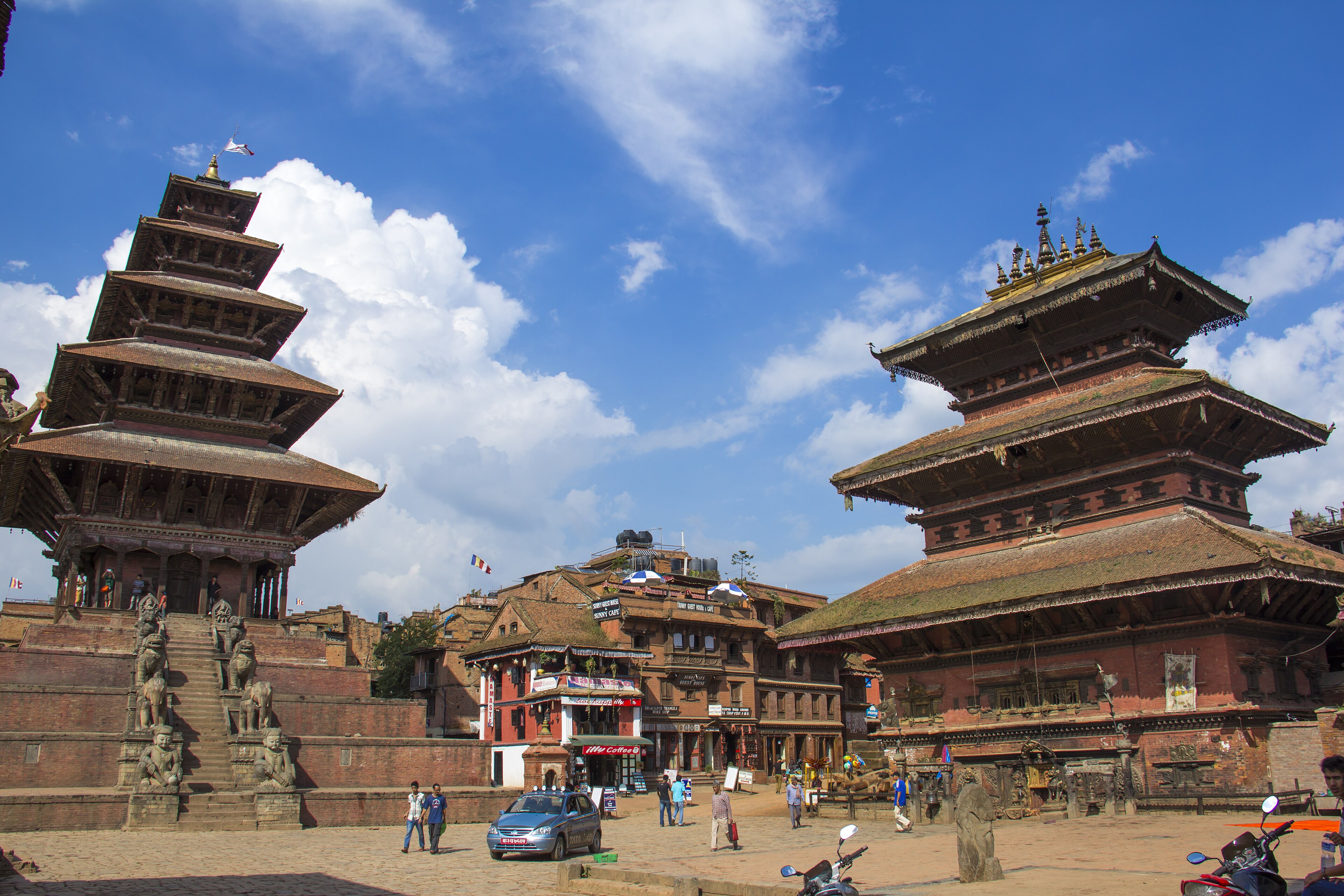
Why Bhaktapur is Perfect for Your Celebration
- UNESCO World Heritage status gives every event an unmatched historic backdrop
- Newari architecture — pagoda temples, carved wooden windows, brick courtyards — creates naturally photogenic settings
- Intimate city scale suits smaller, curated guest lists rather than mass-scale events
- Rich local artisan culture (pottery, thangka painting, woodcarving) offers unique guest experiences
- October–November brings crystal-clear Himalayan views as a dramatic backdrop
- Proximity to Kathmandu (approx. 12 km) means international guests can arrive easily via Tribhuvan International Airport
Compare Bhaktapur with Other Top Destinations
Frequently Asked Questions
Is Bhaktapur a good destination for an intimate destination wedding?
Yes. Bhaktapur is particularly well-suited to small, intimate destination weddings of roughly 30–150 guests. Its UNESCO-listed courtyards, Newari heritage architecture, and boutique heritage properties create a deeply authentic atmosphere that suits couples prioritising cultural richness and historic character over large-scale resort infrastructure.
What is the best time of year to hold a wedding or event in Bhaktapur?
October and November are generally the finest months — post-monsoon skies are exceptionally clear, temperatures are mild, and Himalayan views are at their best. March and April are also strong, offering spring conditions and stable weather. These four months are the curated best season for events in Bhaktapur.
How do international guests typically travel to Bhaktapur?
International guests fly into Tribhuvan International Airport in Kathmandu, Nepal's main international hub, which is approximately 12 km from Bhaktapur. From there, private transfers by road take roughly 30–60 minutes depending on valley traffic. Pre-arranged group transfers are strongly recommended for coordinating event guests.
What kinds of event venues are available in Bhaktapur?
Bhaktapur's venues are primarily heritage inns and boutique properties within or adjacent to the old city — featuring brick courtyards, carved wooden balconies, and rooftop terraces. These suit intimate ceremonies and receptions beautifully. The city does not have large-format banquet halls; its strength is in character-rich, smaller-scale spaces.
How many guests can Bhaktapur realistically accommodate for an event?
Bhaktapur's heritage venue spaces are best suited to guest lists of roughly 30–150 people. For larger groups, planners typically use Bhaktapur for key ceremonial moments while drawing on the broader Kathmandu Valley — including Kathmandu and Patan — for additional accommodation and overflow event space.
Where do guests typically stay when attending an event in Bhaktapur?
Accommodation within Bhaktapur's old city is limited to boutique heritage inns, best suited to housing the wedding party or close family. Larger guest groups are typically accommodated across the Kathmandu Valley — in Kathmandu or Patan — with coordinated road transfers to Bhaktapur for event functions.
Are there local vendors and caterers experienced in handling events in Bhaktapur?
Yes, to a meaningful degree. Local caterers can provide traditional Newari cuisine and broader Nepali menus, and heritage property operators are experienced with small private events. For larger or more technically complex events, Kathmandu-based vendors — florists, photographers, AV specialists — are routinely brought in and are well-practised in working across the valley.
Do events in Bhaktapur's heritage zone require special permissions?
Generally, yes. Events held within or adjacent to Bhaktapur's UNESCO-listed heritage areas may require coordination with local heritage authorities. This is an important planning consideration — venue operators in the old city are typically familiar with the process, and early engagement with them is strongly recommended to avoid last-minute complications.
What makes Bhaktapur distinctively different as an event destination?
Bhaktapur is one of the world's best-preserved medieval cities, with living Newari cultural traditions — pottery, woodcarving, thangka painting — still practised in its streets. This gives events here a genuine cultural depth that purpose-built resort destinations cannot replicate. Guests experience a real place with centuries of history, not just a scenic backdrop.
Is Bhaktapur suitable for events during the monsoon season?
Generally not recommended for outdoor-focused events. June through September brings frequent rain and high humidity to the Kathmandu Valley. While indoor heritage spaces remain usable, the monsoon significantly limits outdoor ceremony and reception options and introduces meaningful risk of weather disruption for event schedules.
How walkable is Bhaktapur for event guests, and are there accessibility considerations?
The old city is largely pedestrianised with cobblestone streets and stepped courtyards — charming, but potentially challenging for elderly guests or those with mobility limitations. Vehicle access to specific heritage properties may be restricted. Event planners should assess guest mobility needs carefully and confirm access arrangements with venue operators in advance.

Ready to explore venues in Bhaktapur?
Bhaktapur: Destination Wedding & Cultural Event Venues in Nepal's Heritage City
◆Bhaktapur is best suited to intimate, culturally immersive weddings, heritage celebrations, and small social gatherings where authenticity and historic atmosphere matter more than large-scale resort infrastructure. Its primary vibe is Cultural & Timeless — rooted in Newari architecture, living temple traditions, and medieval courtyards that have changed little over centuries. The destination suits events planned for March, April, October, and November, when weather is clear and mild. Accessibility is reasonable for international guests via Tribhuvan International Airport in Kathmandu, roughly 12 km away, though the city's intimate scale means it is best matched to smaller, curated guest lists rather than large-format weddings.
Bhaktapur at a Glance
| Category | Detail |
|---|---|
| Best For | Intimate Weddings, Cultural Celebrations, Heritage Events, Social Gatherings |
| Primary Vibe | Cultural & Timeless |
| Other Vibes | Spiritual, Artisanal, Historic |
| Best Season | Autumn / Fall (Mar, Apr, Oct, Nov) |
Why Choose Bhaktapur?
- UNESCO World Heritage status: Bhaktapur's Durbar Square, Taumadhi Square, and Dattatreya Square are among the finest preserved medieval urban spaces in Asia — providing a backdrop that no purpose-built resort can replicate.
- Newari architectural richness: Intricately carved wooden windows, tiered pagoda temples, and centuries-old brick courtyards create naturally photogenic settings for ceremonies, portraits, and receptions without requiring elaborate décor.
- Living cultural traditions: Bhaktapur's artisan communities — potters at Pottery Square, thangka painters, woodcarvers — offer guests genuinely immersive cultural experiences that extend well beyond the event itself.
- Intimate city scale: Unlike larger Nepali cities, Bhaktapur's compact, walkable old town is well-suited to smaller, curated guest groups who want a cohesive, place-centred experience rather than a sprawling resort campus.
- Himalayan backdrop in peak season: October and November in particular offer exceptionally clear skies, with the Himalayan range visible from elevated points around the valley — a dramatic natural element that elevates outdoor ceremonies.
- Proximity to Kathmandu: Sitting approximately 12 km east of Kathmandu, Bhaktapur benefits from the capital's international airport, wider hotel inventory, and established hospitality infrastructure, while retaining its own distinct, unhurried character.
Which Celebrations Work Best in Bhaktapur?
- Intimate Destination Weddings: Bhaktapur is particularly well-suited to couples who want a small, meaningful ceremony in a setting with genuine historical and cultural weight. The city's courtyards and heritage properties lend themselves to ceremonies of 30–150 guests far more naturally than to large-format weddings.
- Cultural & Heritage Celebrations: Families with Nepali or South Asian roots who want to honour tradition in an authentically historic environment will find Bhaktapur's living Newari culture a deeply resonant choice for milestone events.
- Social Gatherings & Milestone Events: Anniversaries, reunion gatherings, and significant birthday celebrations benefit from the city's unique atmosphere — guests experience something genuinely memorable rather than a generic event venue.
- Pre-Wedding & Mehendi Functions: The city's open courtyards, rooftop terraces, and heritage inn spaces are well-suited to pre-wedding functions where the setting itself becomes part of the celebration's visual identity.
Venues & Event Spaces
Bhaktapur's event venue landscape is defined by heritage inns and boutique properties housed within or immediately adjacent to the old city's historic fabric. These are typically converted traditional Newari buildings with brick courtyards, carved wooden balconies, and rooftop terraces that offer views over temple spires. Outdoor courtyard spaces within the heritage zone can be arranged for ceremonies and receptions, subject to local heritage authority permissions. The city does not have large-format banquet halls or convention-scale facilities — its strength lies in intimate, character-rich spaces rather than high-capacity event infrastructure. For larger guest lists, planners typically combine Bhaktapur's heritage spaces for key ceremonial moments with accommodation and overflow event space drawn from the broader Kathmandu Valley, given the city's proximity to the capital.
Best Time to Celebrate
The curated best season for Bhaktapur is Autumn / Fall — specifically March, April, October, and November. These months share two key qualities: reliably clear skies and mild, comfortable daytime temperatures that make outdoor ceremonies and courtyard receptions genuinely pleasant.
October and November are widely considered the finest months in the Kathmandu Valley. Post-monsoon air clarity brings exceptional visibility, often including clear Himalayan views from elevated points. Temperatures are comfortably warm during the day and cool in the evenings — ideal for outdoor events. Festival season (including Dashain and Tihar) falls in this window, which adds cultural vibrancy but also means the city can be busier and accommodation should be booked well in advance.
March and April offer spring conditions — warming temperatures, blooming rhododendrons in the surrounding hills, and generally stable weather before the pre-monsoon heat builds. April can see some afternoon haze and occasional pre-monsoon showers toward month's end, so early-to-mid April is generally preferable.
June through September brings the monsoon season to the Kathmandu Valley. While Bhaktapur receives less rainfall than some parts of Nepal, the monsoon still brings frequent rain, high humidity, and the real risk of outdoor event disruption. This period is not recommended for events with significant outdoor components.
December through February brings cold winters to the valley. Morning fog is common, temperatures can drop sharply at night, and the overall atmosphere — while atmospheric — is less comfortable for guests attending outdoor ceremonies. Indoor heritage spaces remain usable, but the season limits flexibility significantly.
May sits in a shoulder position — warmer and drier than the monsoon but increasingly hazy and hot as pre-monsoon conditions build. It is workable for indoor-focused events but less ideal than the core recommended months.
Getting There & Local Connectivity
By Air: Tribhuvan International Airport (KTM) in Kathmandu is the primary gateway for all guests travelling to Bhaktapur. It is Nepal's main international hub, receiving direct flights from major Asian cities and connecting onward from European and other long-haul origins. From the airport, Bhaktapur is approximately 12 km by road — a journey that typically takes 30–60 minutes depending on Kathmandu Valley traffic, which can be significant during peak hours.
By Road: Bhaktapur is connected to Kathmandu and the broader Kathmandu Valley by the Arniko Highway and other valley roads. Private vehicles, taxis, and hired coaches are the standard means of transferring guests. For event groups, pre-arranged private transfers are strongly recommended — public transport options exist but are not well-suited to coordinating large guest movements.
Within Bhaktapur: The old city itself is largely pedestrianised, which is part of its charm but also a logistical consideration for guests with mobility limitations or heavy luggage. The heritage core is compact and walkable, but vehicle access to specific courtyards or heritage properties may be restricted. Event planners should confirm access routes and loading/unloading points with venue operators well in advance.
Local Transport: For guests staying in Kathmandu and attending events in Bhaktapur, coordinated coach or minibus transfers are the most practical solution. The valley road network is functional but not always fast, so scheduling should account for realistic travel times, particularly during morning and evening peak periods.
Local Vendor & Hospitality Ecosystem
Bhaktapur has a developing but genuinely capable local hospitality ecosystem, shaped by decades of heritage tourism. Local caterers with experience in both traditional Newari cuisine and broader Nepali and continental menus are available, and the city's artisan community can contribute meaningfully to event décor, cultural programming, and guest experiences in ways that are difficult to replicate elsewhere.
For larger or more complex events, planners typically draw on Kathmandu-based vendors — florists, photographers, audio-visual specialists, and event management companies — who are experienced in working across the valley and can bring professional-grade services to Bhaktapur venues. The proximity to Kathmandu makes this a practical and well-established approach rather than a workaround.
Heritage property operators in Bhaktapur are generally experienced in hosting small to medium-scale private events and can advise on local permissions, heritage zone regulations, and logistical requirements specific to the old city. Early engagement with venue operators is particularly important here, as heritage zone events may require coordination with local authorities.
Accommodation capacity within Bhaktapur itself is limited relative to a large guest list — the city's heritage inns and boutique properties are best suited to housing a core group of close family or the wedding party, with broader guest accommodation typically arranged in Kathmandu or Patan, both within easy transfer distance.
Pros & Things to Consider
Why Bhaktapur Works Well
- Genuinely unique, UNESCO-listed heritage setting that no purpose-built venue can replicate
- Compact, walkable old city creates a cohesive, immersive experience for guests
- Rich local artisan and cultural traditions offer authentic guest programming beyond the event itself
- October–November peak season delivers exceptional clarity, mild weather, and Himalayan views
- Close proximity to Kathmandu's international airport makes international guest arrival straightforward
- Intimate scale suits curated, meaningful celebrations over mass-format events
Things to Consider
- Accommodation capacity within the old city is limited — large guest lists will need to be distributed across the broader Kathmandu Valley
- The pedestrianised heritage core can present logistical challenges for guests with mobility limitations or for moving event equipment
- Heritage zone events may require permissions from local authorities, adding a planning layer not present at standard resort venues
- The city does not have large-format banquet or convention facilities — events exceeding roughly 150 guests will find the local venue inventory stretched
- Kathmandu Valley traffic can be unpredictable; guest transfer timing needs careful management, particularly for time-sensitive ceremony schedules
- October–November coincides with major Nepali festivals (Dashain, Tihar), which adds cultural richness but also increases demand for accommodation and requires earlier booking
When Bhaktapur May Not Be the Right Fit
- Large guest lists (200+): Bhaktapur's heritage venue inventory is genuinely limited in capacity. Couples expecting to host 200 or more guests in a single venue setting will find the local options insufficient and should consider destinations with larger resort or banquet infrastructure.
- Monsoon-season outdoor events: If event dates fall between June and September and outdoor ceremonies or receptions are central to the plan, Bhaktapur's monsoon conditions make this a high-risk choice. The season brings frequent rain and humidity that can significantly disrupt outdoor programming.
- Guests with significant mobility limitations: The old city's cobblestone streets, stepped courtyards, and restricted vehicle access can be genuinely challenging for elderly guests or those with mobility difficulties. A destination with more accessible, purpose-built event infrastructure may serve such guest groups better.
- Events requiring extensive audio-visual or technical production: Large-scale production events with complex staging, lighting rigs, or sound requirements may find Bhaktapur's heritage spaces and local technical vendor ecosystem less equipped than major Indian or international event cities. Kathmandu-based vendors can supplement, but logistics add complexity.